
Spain does not spoil you. It transports you directly into a flamenco-lit tavern, gives you a glass of Rioja and challenges you to leave before the night is over. Between the Moorish palaces of Andalusia and the pintxos-filled bars of San Sebastian – this nation is 50 UNESCO World Heritage Sites, 5,000 km of coast and one very long dinner all in a single sitting. This is your one-stop-shop of everything: when, where, what, how, how to do it without burning your budget or even causing overtourism. Spain pays back all forms of slow travel whether you have 10 days or a month.
Best Time to Visit Spain
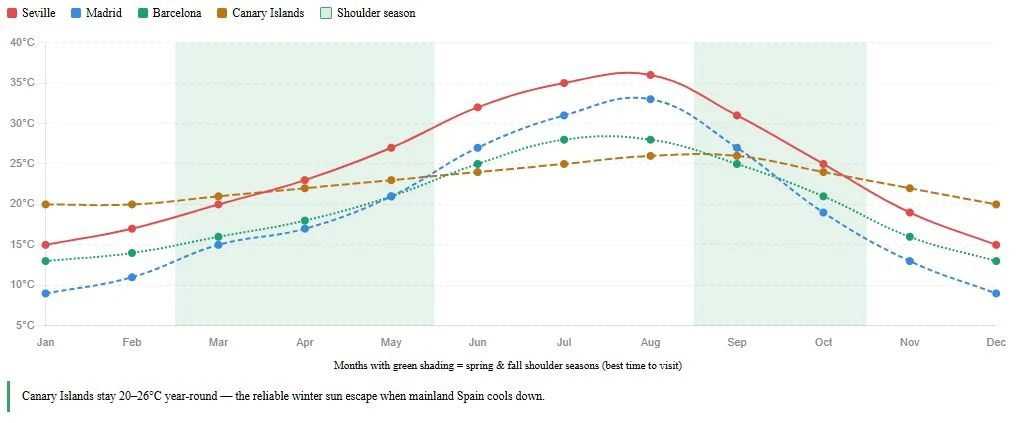
Honest answer? It is best to avoid July and August unless you are heading to the island or have an extremely high heat threshold. The heat inland, such as Madrid and Seville, reaches 35C and the human traffic in Barcelona is literally overwhelming.
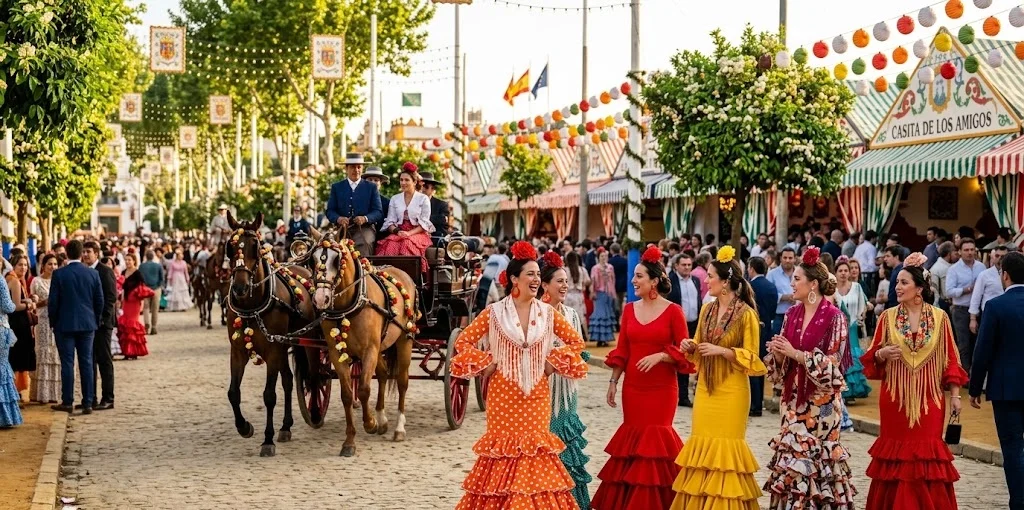
- The sweet spot is spring (March–May). It is in between 15-25C, the sceneries are green and flowering and most importantly you are in the middle of the most electric festivals in Spain. Semana Santa (Holy Week, approximately March 2931 April 5 in 2026) is the city of Seville turned into a sluggish candlelit procession of unbelievable beauty. Then there is Feria de Abril (April 2126) – flamenco dresses and horse carriages and casetas with sherry.
- Fall (September- October) is the best kept secret. Beaches remain warm, harvest is offering amazing food and wine experiences in Rioja and Penedes and the crowds have dwindled significantly.
- Nor is winter eliminated. Madrid and Barcelona are less expensive, less time waiting in queues in museums and Canary Islands are sure of sunshine throughout the year.
| Season | Temp Range | Best For | Key Events |
| Spring (Mar–May) | 15–25°C | Cities, Andalusia | Semana Santa, Feria de Abril |
| Summer (Jun–Aug) | 25–35°C+ | Beaches, Islands | San Fermín (July 7–14), La Tomatina (Aug ~26) |
| Fall (Sep–Oct) | 18–26°C | Food, Wine, Beaches | Harvest festivals |
| Winter (Nov–Feb) | 8–18°C | City breaks, Skiing, Canaries | Christmas markets, Pyrenees skiing |
Top Regions & Destinations
Spain has 17 autonomous communities — and honestly, each one could fill it’s own travel guide. Here’s where to actually focus.
Madrid — More Than a Capital
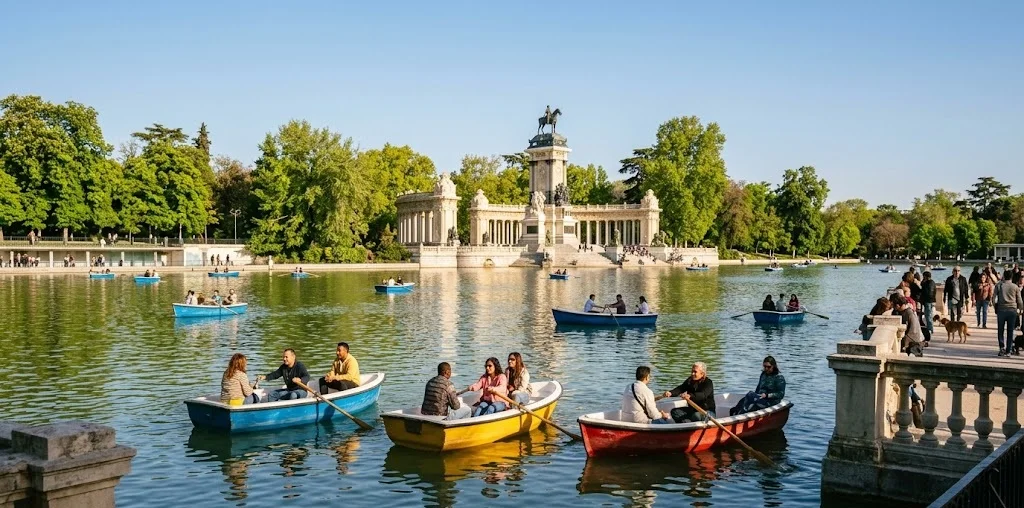
Madrid is a different city when you no longer go there as a layover city. And the Prado alone–Velazquez, Goya, Bosch–would absorb a day of labor without any trouble. And then the Guernica by Picasso in the Reina Sofia which is somehow more moving in reality than in shots.
But the true Madrid? It is 11pm in La latina, jumping between the tapas bars, getting vermouth that you had never thought you liked and you find out that you have not even started eating yet. That’s the city.
Day trips Toledo (45 min by AVE, medieval walled city) or Segovia (the Roman aqueduct is truly a mouth-opener and nowhere in Barcelona is it so empty).
Barcelona — Gaudí, Beaches and Catalan Pride
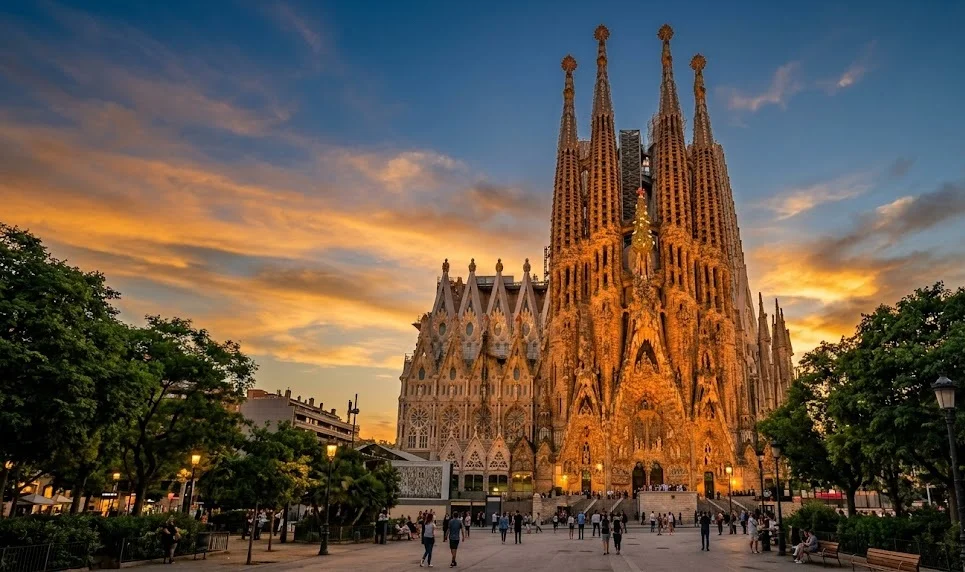
Reserve your Sagrada Família tickets in advance of your flights. Seriously. Unfinished in 140+ years, it will be especially relevant in 2026, 100 years after the passing of Gaudi. It’s interior, with it’s forest-like columns and it’s jewel-tone light, is not like anything in European architecture.
Other than Gaudi: the maze of lanes in the Gothic Quarter, the Picasso Museum (not as noisy as you might imagine) and Barceloneta Beach to experience the full Mediterranean feel. Avoid Skip La Ramblas except as a brisk walkabout – pick pocket town.
In the case of day trips, the mountain monastery of Montserrat is worth it. The coves of Costa Brava, with a car.
Andalusia — The Spain of Your Imagination
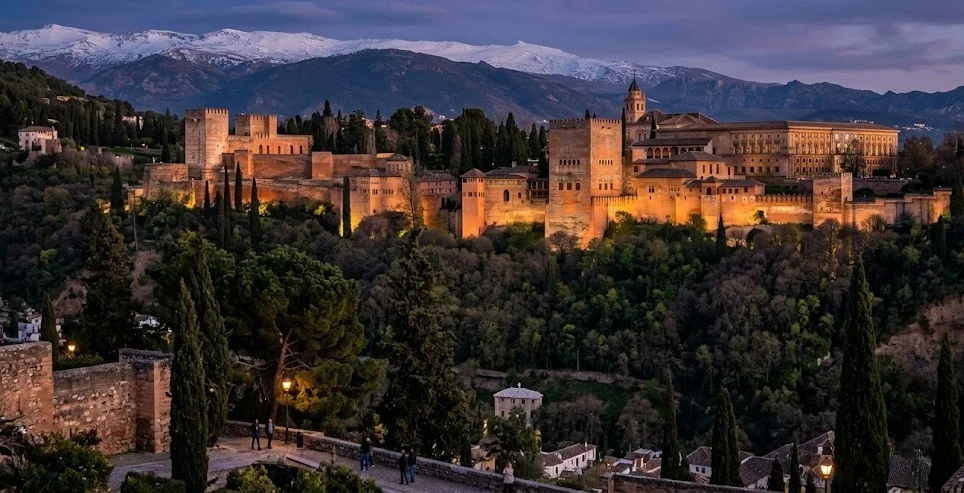
This is where the postcard version of Spain lives — and it mostly delivers.
Seville is Cathedral (the biggest Gothic in the world), the Alcazar palace and a flamenco spirit that you breathe in the streets, not only in the theatres. Stay in the Santa Cruz neighborhood (where possible) in case of budget.
Granada – book the Alhambra months in advance. Not weeks. Months. The Nasrid Palaces are quickly filled and the system of entering in is very rigid. The Albaicin district in the evening and with the Alhambra shone across the valley, is a sight of those few that really lives up to the publicity. Also: tapas are free with drinks in Granada. Yes, free.
Córdoba’s Mezquita-Catedral is one of the genuinely bizarre, beautiful things in Europe — a mosque with a cathedral literally built inside it. Worth the detour.
Culture, Festivals & Experiences
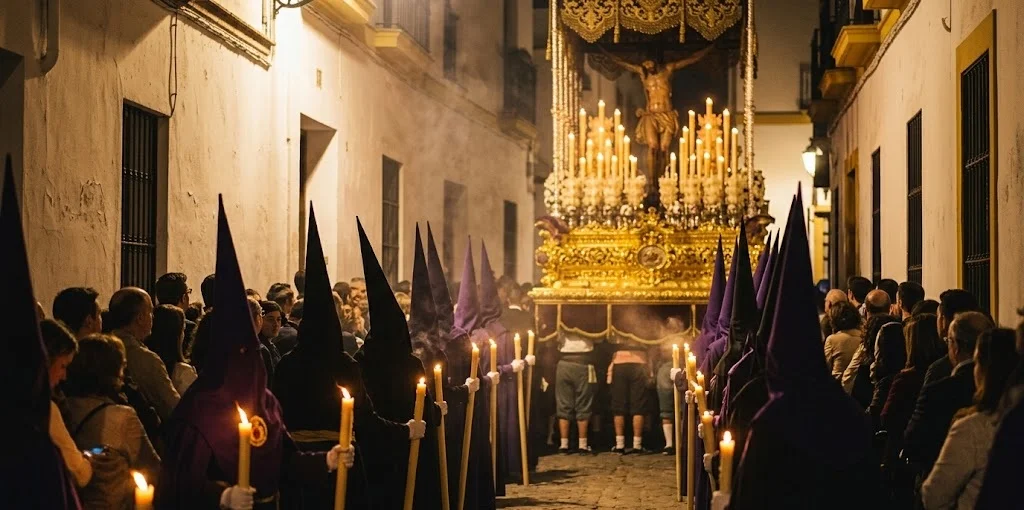
The festivals of Spain are not a tourist attraction. They’re just… life. The nation closes down, puts on and altogether loses it’s mind in the most desirable manner – and you are invited.
Semana Santa in Seville is an experience that is unforgettable. Processions of hooded people with laden floats and ornate processions in the candlelit streets, the incense heavy in the air. It is gloomy and unreal and nothing like what you would expect in a nation where people throw tomatoes on strangers.
Which – yes – in Buñol (late August) is La Tomatina, what it sounds like. Tomato fight in town. Put on what you will dispose of.
San Fermin in Pamplona (July 7 14) -the running of the bulls. Scandalous, anarchic and, quite literally, dangerous to be part of. Balcony observation is a good option.
A few others worth planning around:
- Feria de Abril (Seville, end of April) – flamenco dresses, horse cars, sherry at 11am, dancing till the early morning.
- Las Fallas (Valencia, March) – huge satirical installations erected during months and burned in a single night.
- Castells (Catalonia) — human tower games which are both frightening and heart-achching. UNESCO intangible cultural heritage.
On flamenco – go out in Seville or Granada to a good tablao, not a tourist restaurant performance. The contrast is evident in a quarter of a minute. It is uncivilized, percussion and emotionally blinding in a manner that can be difficult to describe until you have sat three rows back to one of the dancers who is intent on every single stomp.
One cultural note worth flagging: Spain runs late. Dinner before 9pm marks you as a tourist immediately. Lunch (the main meal) runs 2–4pm. The siesta isn’t a myth — it’s just more of a quiet afternoon slowdown than a full city shutdown these days.
The Food Scene
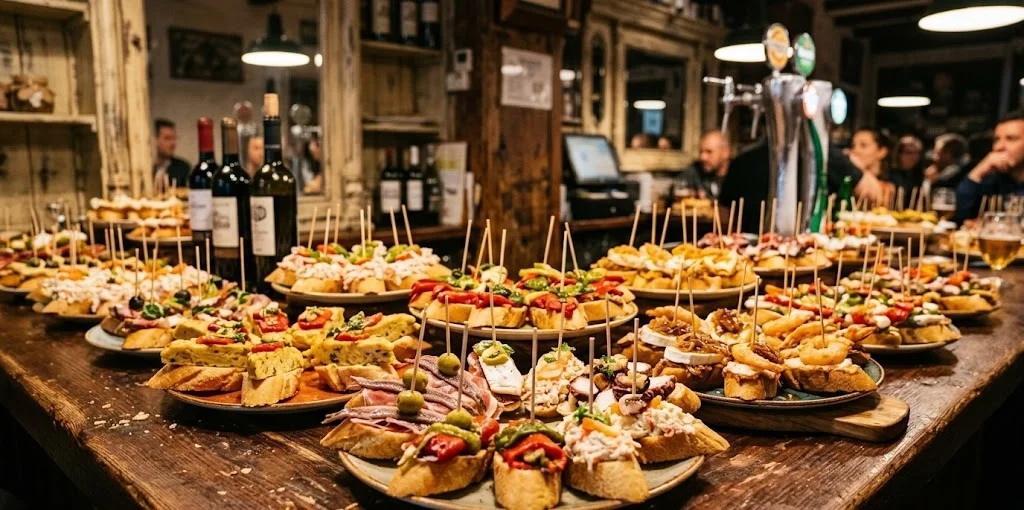
San Sebastián is home to more Michelin stars than nearly any other place on the earth per square kilometer. And that in itself speaks volumes of the seriousness of northern Spain about food.
However, the finest meal you will get in Spain is most likely not going to be a Michelin-starred one. It will be a dish of pulpo a la gallega – boiled octopus with paprika and olive oil – consumed at a plastic table in Galicia. Or a tortilla española set so well that it doesn’t need anything. Or jamon iberico cut a paper-thin at a market stand as you are standing with a glass of something cold.
What to eat, by region:
- Madrid — cocido madrileño (chickpea stew), bocadillo de calamares (fried squid sandwich, yes really, try it).
- Barcelona & Catalonia — pa amb tomàquet (bread rubbed with tomato and olive oil), fideuà (noodle paella).
- Valencia — paella. The real one. Rice-only, no chorizo, cooked in a wide flat pan over open flame. Anything else is an argument.
- Andalusia — gazpacho, salmorejo, pescaíto frito (fried fish), jamón.
- Basque Country — pintxos everything, salt cod, txakoli wine.
- Galicia — octopus, percebes (barnacles that cost more than steak and taste like the ocean), Albariño wine.
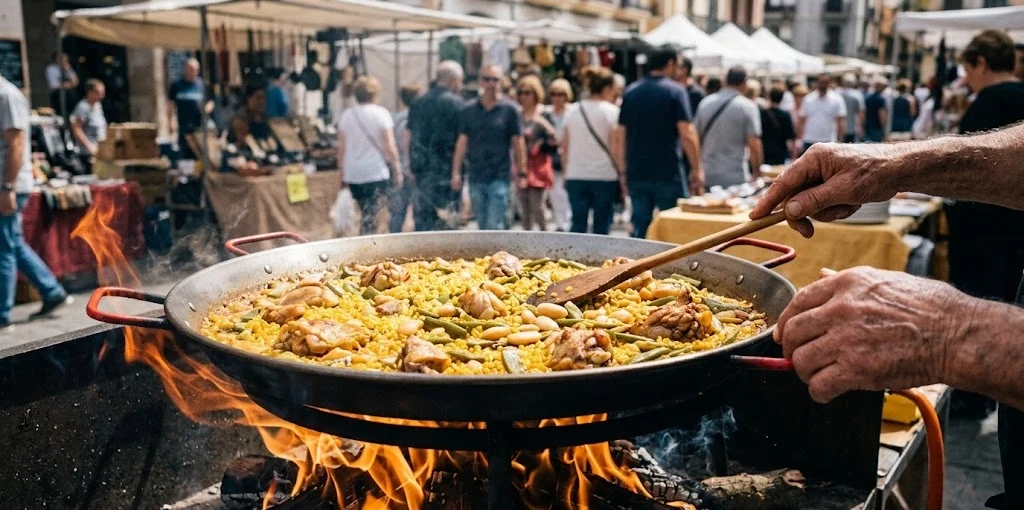
Markets are half a day at the least. La Boqueria in Barcelona is touristy and yet still lively, early in, avoid the smoothie shops, go to the back counters. In Madrid, Mercado de San Miguel is more of a fine tapas restaurant. Both worth it.
Wines are worthy of mention. The entry point is the obvious Rioja reds. But Ribera del Duero is even more intriguing, Sherry in Jerez is unjustly criminalized and Cava in Penedes could even challenge Champagne at a fraction of the cost.
Veggies and veganism have now become so much better – now Barcelona and Madrid in particular have a strong plant based scene. Less so in smaller towns.
Getting Around Spain
AVE high-speed railway network can be considered one of the underestimated accomplishments in Spain. Madrid Barcelona in 2.5 hours. Madrid to Seville in 2.5 hours. Cozy, on time, free Wi-Fi. Reserve via the official site of Renfe and reserve early, in the same way as flights, prices will increase as the date approaches.
| Route | Mode | Duration | Approx. Cost (booked early) |
| Madrid → Barcelona | AVE Train | ~2.5 hrs | €30–90 |
| Madrid → Seville | AVE Train | ~2.5 hrs | €25–80 |
| Barcelona → Valencia | AVE Train | ~1.5 hrs | €20–60 |
| Mainland → Mallorca | Ferry/Flight | 3–8 hrs / 1 hr | €30–100 |
| Madrid → Canaries | Flight | ~2.5 hrs | €40–120 |
In smaller towns and rural regions, the gaps are filled by ALSA buses at low prices. It is a good idea to rent a car to Andalusia white villages, the Galician coast or the Pyrenees, but not to enter cities. Low-emission zones, nightmare parking and genuinely excellent metros are found in Barcelona and Madrid.
There are domestic flights which are inexpensive (Vueling, Ryanair) but trains are more convenient when you include the time spent at the airports. Rescue flights to the islands.
The transport in the city is simple anywhere. In Madrid and Barcelona, the metro systems are clean, safe and marked in English. Get a rechargeable travel card in both cities – it saves you money now.
Practical Tips
Visas & Entry Visitors to the US, UK, Canada and Australia do not need a visa, up to 90 days according to the Schengen rules. A change to come: ETIAS – A simple online pre-authorization (approximately 7 euros, 3 years) is anticipated to be introduced at the end of 2026 (probably in Q4). Pre-travel EU ETIAS check information. Your passport must be within 3 months of your stay.
Budget Breakdown
| Travel Style | Daily Budget (per person) | What’s Included |
| Budget | €60–80 | Hostel, market food, free sights |
| Mid-range | €100–200 | Hotel, restaurants, paid attractions |
| Comfortable | €200–350 | Boutique hotel, fine dining, tours |
Safety- Spain is comparatively very safe. Violent crime is infrequent. The actual danger lies in pickpockets, which are located in certain areas: La Ramblas, Puerta del Sol, near the Sagrada Família and in Barcelona metro. Hotel passport safe, Anti-theft bag, do not place your phone on restaurant tables. Standard stuff. Travel warning Spain travel advisory The US State Department now rates Spain Level 2 (increased caution needed) mainly because of the risk of terrorism – which is real but statistically very low to tourists.
A few more quick ones:
- Tap water is safe to drink in most cities.
- English is widely spoken in tourist areas; a few words of Spanish go a long way everywhere else.
- Tipping isn’t mandatory but rounding up or leaving €1–2 on a sit-down meal is appreciated.
- Spain’s official tourism portal is actually useful for event calendars and regional guides.
- Download Google Translate offline before you go — the camera translation feature handles menus perfectly.
Sustainable & Responsible Travel
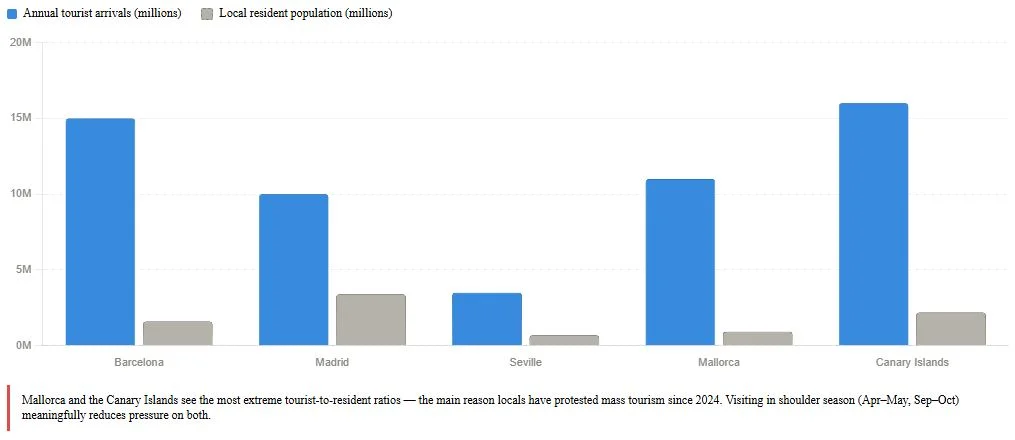
The issue of overtourism in Spain is valid and should be taken into consideration prior to booking. Living in Barcelona, people have been protesting against the masses of tourists. In 2024, there were protests in the Canary Islands. The local government of Mallorca has been proactive in opposing some forms of mass tourism. This is not anti-tourist, it is communities attempting to safeguard their own standard of living.
Which means how you travel through Spain actually matters.
The good news: sustainable travel here isn’t about sacrifice. It mostly just means making slightly smarter choices that also happen to give you a better trip.
Wherever possible, train but not plane. This is made easy by the AVE network when traveling on the mainland. Madrid-Barcelo airplane vs train – the train wins on carbon, convenience and that you arrive at the centre of the city as opposed to an airport 45 minutes out of it.
Timing matters more than destination. Visiting the Alhambra in October instead of August doesn’t just reduce your carbon footprint — you actually enjoy it more. Same with Barcelona’s Gothic Quarter at 8am versus 2pm in July.
A few more practical ones:
- Refill water bottles freely — tap water is safe in all major cities and most towns.
- Use locally-owned hotels where you can; paradores (the network of state-owned historic hotels in castles, monasteries and palaces in Spain) is an inspired compromise between the two – unique, historic and contributing to preservation of the heritage. See them on Paradores official site.
- Local markets and local manufacturers instead of the supermarket chains, particularly rural regions.
- Summer is no time to joke about the risk of wildfire – keep cigarettes away around forests or dry scrubland. Thousands of hectares are lost each year in Spain.
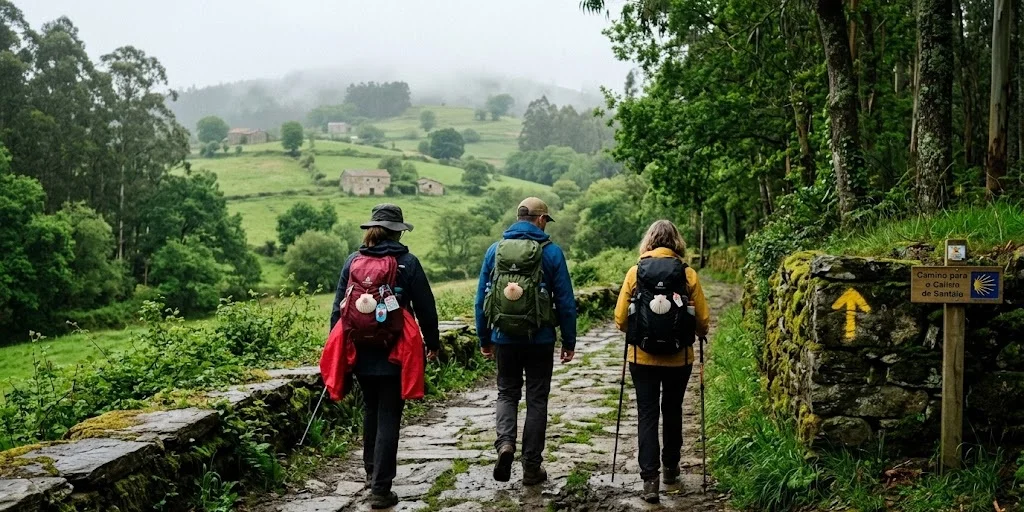
- The Camino de Santiago trail should be respected, it is a living pilgrimage trail, not a hiking trail. The motto of leave no trace is put to test here more than in other places.
Spain boasts of more than 15 UNESCO Biosphere Reserves and an ever-expanding network of certified sustainable tourism operators. The official sustainable tourism initiative in Spain is a fair beginning when it comes to locating certified green-friendly alternatives.
Sample Itineraries
No two Spain trips look the same, which is half the appeal. These are starting frameworks — adjust based on what actually interests you.
Classic Spain — 10 to 14 Days
The hits, done properly. This is the route most first-timers take and it works for good reason.
Day 1-3: Barcelona: Barcelona: Sagrada Família (morning, booked ahead, timed entry), Park Guell, wander around the Gothic Quarter, Barceloneta beach sunset. Day 2: Casa Batllo or Casa Mila, Picasso Museum, Pintxos and Vermouth in el Born. Day 3: visit to Montserrat (field trip).
Day 4-6: Madrid: Prado (at least half day), Reina Sofia to see Guernica, Retiro Park, tapas crawl in La Latina. Day 5: Royal Palace, Gran Via, rooftop bar at night. Day 6: excursion to Toledo or Segovia – Toledo, should you find the middle ages playing with your heart, Segovia, should the Roman aqueduct be on your list of things to visit.
Day 7- 10/11: Andalusia: AVE to Seville (2.5 hrs Madrid). Two days – Alcazar, Cathedral, evening flamenco. Then by bus or train to Granada, two days, Alhambra first day (morning slot, first Nasrid Palaces), Albaicin and Sacromonte second day. Optional: half day in Cordoba on the way.
Day 11-14 (when you have them): Costa del Sol, the old town of Málaga or hang about somewhere you liked.
| Day | Location | Highlight |
| 1–3 | Barcelona | Sagrada Família, Gothic Quarter |
| 4–6 | Madrid | Prado, La Latina tapas |
| 7–8 | Seville | Alcázar, flamenco |
| 9–10 | Granada | Alhambra, Albaicín |
| 11 | Córdoba | Mezquita-Catedral |
| 12–14 | Flex | Coast, extra city or slow down |
Foodie Focus — 7 Days in the North
Underrated route. Less crowded than the classic southern circuit and arguably the best eating in Europe.
Day 123: San Sebastián Pintxos bar crawl in the old town (Parte Vieja) — budget: €2535 and simply bar hop, one pintxo and a txakoli per bar. In the morning La Concha Beach. Michelin dinner when budget permits – see Basque tourism resources to see what is recommended at the moment.
Day 3-4: Bilbao Guggenheim Museum (worth the entire euro the building is worth the visit), Casco Viejo to continue the pintxos, Mercado de la Ribera to buy produce and seafood.
Days 5-7: Haro, La Rioja wine region – base – small town, serious wine. Visits to vineyards, overnight barrel tastings, lunch at a bodega lasts three hours and yet too short. Rioja wine official guide to get oriented on the DO classifications before visiting.
Beach & Islands — 10 Days
Day 1-3: Valencia City of Arts and Sciences (it’s architecture is truly futuristic) Central Market, real paella lunch in an arroceria of the rice paddy of Albufera. Take a morning run or bike ride in Turia Gardens.
Days 4-7: old town Mallorca Palma, villages of the Tramuntana mountain range (Valldemossa, Deià), northern coves, to which one has to take a boat or hike. Hire a car here–they cannot get you to the good beaches by bus.
Days 8-10: Ibiza/ Menorca Ibiza should you seek the night life and the unexpectedly gorgeous northern coast and hippie markets. Menorca when you want secluded bays, almost deserted beaches and the local cheese that is not exported anywhere. They are both within a short distance or ferry away to Mallorca.
Active & Off the Beaten Path — 14 Days
Camino de Santiago (French route (last few miles) / Portuguese route) – begin at Porto or Sarria, walk to Santiago de Compostela. The final 100km between Sarria and Compostela is eligible to the Compostela certificate. It is physically challenging and touching honestly speaking whether you are a religious person or not. Official Camino info at the Cathedral of Santiago to register pilgrims and get useful information.
Include Picos de Europa National Park to go serious mountain hiking, the Pyrenees to ski (winter) or walk (summer) and Ronda to enjoy the dramatic view of a gorge that can be photographed like a painting.
Conclusion
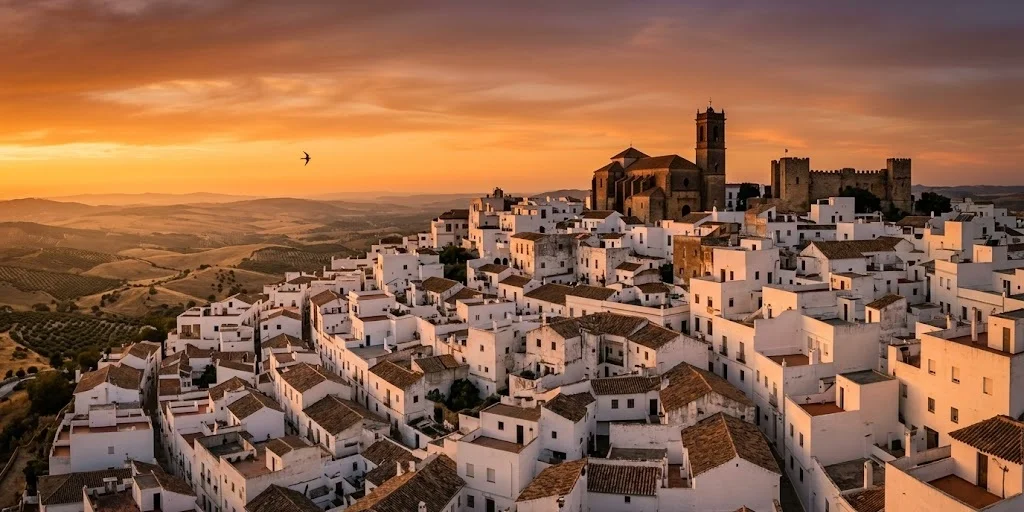
Spain doesn’t really do subtle. The food is rich, the fiestas are noisy, the history is overlaid and intricate and the Andalusian light in golden hour is nearly unfairly beautiful. Yet what makes people go back, go back, again, is more difficult to measure. It’s the pace. The manner in which a two-hour lunch is absolutely normal. How strangers at the neighbouring table come to talk to you. The manner in which the country appears to be really indifferent to impressing you, in that it possesses what it possesses.
First-time visitor or fifth — Spain gives you something different every trip. Plan the Alhambra, book the AVE, learn to say por favor and una más (one more). The rest tends to sort itself out.
Safe travels. And don’t eat dinner before 9pm — you’ll thank yourself later.