
In a rush? The three golden rules are: The first tip is sleep in a budget place — a hostel private room or a university summer dorm will cut in half the biggest expense. Second, don’t get on a taxi from the airport in any of these cities; each of these cities has a train that does the same trip for a few dollars. Third, have meals with the locals: happy hour oyster bars, food halls and immigrant neighborhoods make that $40 meal a $15 meal. These come in handy for most of the math that happens before you get there.
The trick to these cities isn’t suffering through them on the cheap. It’s knowing where the money leaks out — lodging, airport transfers, sit-down dinners and plugging those three holes. Do that and you free up cash for the stuff you actually came for. Here’s how it breaks down.
The Hacks That Work in Every Expensive City
Before we get into specific cities, there’s a core toolkit that travels with you everywhere. These are the moves that pay off whether you’re in Manhattan or Honolulu.
Where You Sleep
This is the big one. A few options that consistently beat hotel pricing:
- Hostel private rooms. Urban hostels — HI USA locations especially — rent ensuite doubles for 40–60% less than a budget hotel. They’re all over NYC, SF, Boston, DC and Seattle.
- University summer dorms. From late May through mid-August, schools open their dorms to the public. You can land a Manhattan room (NYU, Columbia) for $70–120 a night.
- House-sitting. Watch someone’s cat or water their plants, stay free. Works best in the residential parts of LA, SF and Seattle.
- Play the calendar. In business-heavy cities, hotel rates drop 30–50% Friday through Sunday when the suits go home. Book three to four weeks out.
Getting Around
Skip the rental car. Nearly every one of these cities has an unlimited transit pass that breaks even after three or four rides a day — and the airport train is the single best deal in travel.
| City | Multiday Pass | Airport Link (vs. taxi) |
| New York | 7-Day Unlimited MetroCard — $34 | JFK AirTrain + subway, $8.50 (taxi $70+) |
| San Francisco | Muni 3-day passport — $31 | BART from SFO, $10 to downtown |
| Los Angeles | TAP 7-day pass — $12.50 | — |
| Boston | MBTA 7-day pass — $22.50 | Silver Line, free from Logan |
| Washington DC | 7-day SmarTrip — $58 | Silver Line from Dulles, $6 |
| Seattle | ORCA day pass — $8 | Link light rail, $3 |
LA’s $12.50 weekly pass is almost suspiciously cheap. Take advantage.
Eating Well for Less
You do not have to choose between good food and a budget here. A few reliable tactics:
- Treat happy hour as dinner. Weekday 3–6 PM, gastropubs and oyster bars run $1–2 oysters and $5 sliders or tacos. Pair with a cheap drink and dinner lands around $15.
- Food halls and immigrant neighborhoods. The prices for counter dishes are between $8 and $14 and are found at Chelsea Market, the Ferry Building and Grand Central Market. Hand-pulled noodles, pupusas, banh mi and tacos continue to be $3-7 in ethnic enclaves.
- Build lunch from a grocery store. The hot bar items at Whole Foods are sold by the weight – a protein rich container costs $6 to $9. The price of Trader Joe’s wraps is $4-6.
- Carry a refillable bottle. Safe and free of any risk, refilling stations are everywhere.
Seeing The Sights
Often the “free” ones are the attractions you’ll want to see. The iconic parks (Central, Golden Gate, Griffith), waterfront walks (the High Line, the Charles River Esplanade) and city trails (Runyon Canyon, Lands End) offer no cost and the postcard views. Then throw in free walking tours (GuruWalk, Free Tours by Foot, city greeter programs) and you’ll have an entire day for free. If you’re only looking to pay for one or two sites, don’t bother with a CityPASS, it’s just a waste of money.Don’t purchase a CityPASS until you’ve listed your paid targets and done the math, it’s a waste of money if you only want to pay for one or two paid sites.
New York City
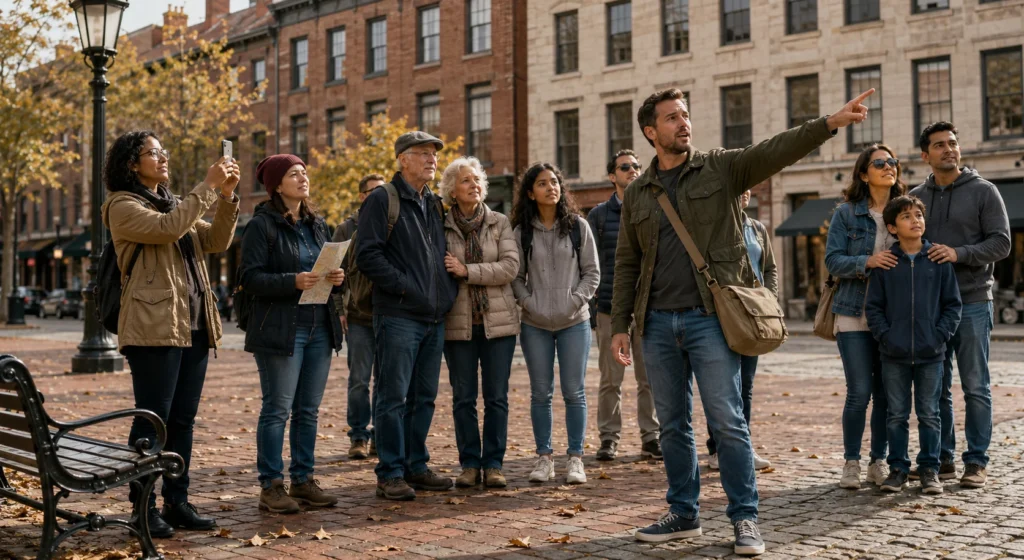
NYC has a reputation as a wallet-shredder and it earns it — but it’s also packed with free stuff if you know where to look.
Sleep: Cross a river. Hotels in Long Island City, Downtown Brooklyn or Jersey City run 40–50% cheaper than Manhattan, with a 10–20 minute subway ride to Midtown. The YMCA Vanderbilt branch in Midtown East has simple rooms with shared bath from $120.
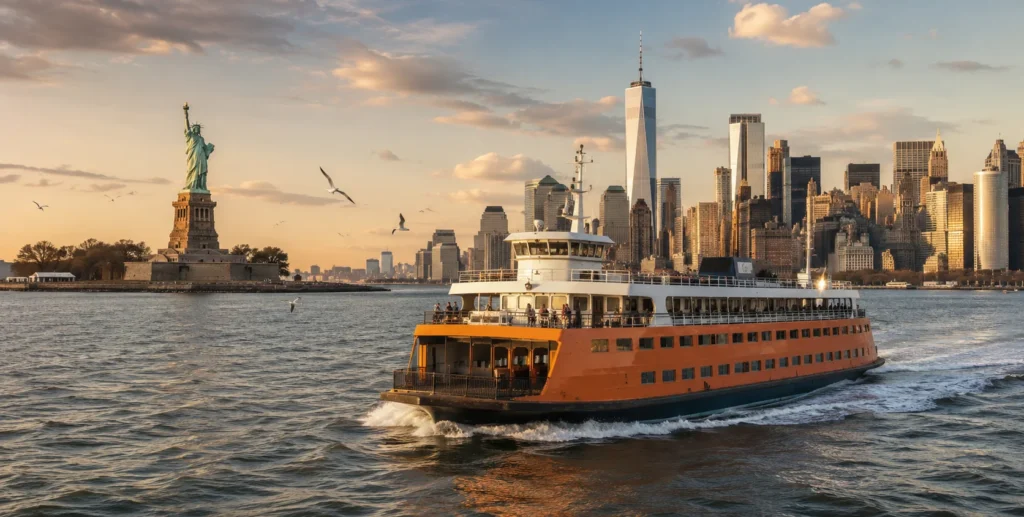
Transit: Buy the 7-Day Unlimited MetroCard for $34 or simply tap your card or phone at any stop on the same card all week for the weekly maximum of $34 (OMNY). Walkability is certainly high in Manhatta and the subway is to be used for most cross-town/between-borough trips. Also, be sure to catch the Staten Island Ferry (which passes by the Statue of Liberty) and enjoy a view of the city for nothing — round trip!
Eat:
- Dollar-ish slice shops still exist — $1.50–2 a slice at places like Joe’s and 2 Bros.
- Halal carts: chicken or lamb over rice, $7–9, big enough to split.
- Chinatown bakeries: three pork buns for $5.
- $1 happy-hour oysters at Mermaid Inn, Upstate and The Wayland.
See: The High Line, Central Park and the Brooklyn Bridge walk are always free. For museums, the timing matters — MoMA is free the first Friday 4–8 PM, the Brooklyn Museum free the first Saturday 5–11 P and the American Museum of Natural History is pay-what-you-wish for NY, NJ and CT residents. For Broadway, the TKTS booth shaves 20–50% off same-day seat and the TodayTix digital lottery is worth a daily spin.
One insider move: On weekends, a $5 CityTicket on Metro-North gets you up to the Bronx for the Botanical Garden or out to the Rockaway beaches, for not much more than a subway fare.
San Francisco
Compact, hilly and expensive — but SF rewards anyone willing to sleep across the bay and ride in.
Sleep: HI San Francisco hostels at Fisherman’s Wharf, Downtown and Civic Center have private rooms from $130. Better yet, base yourself in Oakland or Berkeley near a BART station — hotels run 40–60% cheaper and you’re a 20-minute ride from downtown. When no convention’s in town, opaque “Hot Rate” 4-star rooms near Union Square can dip to $120 on weekends.
Transit: The Muni 3-day passport is $31 and — this is the good part — it covers the cable cars, which otherwise cost $8 a single ride. From SFO, BART gets you downtown for $10. The city’s only 7 by 7 miles, so plenty of flat neighborhoods (the Embarcadero, Golden Gate Park) are bikeable.
Eat:
- Mission District burritos at La Taquería or El Farolito run $10–12 and are honestly two meals.
- Ferry Building Marketplace: Saturday market samples make a light free lunch; inside, empanadas and tacos are $5–8.
- $1 oysters at Waterbar and Anchor & Hope.
- Off the Grid food truck gatherings rotate around the city with $8–14 global plates.
See: Golden Gate Park is free and the Japanese Tea Garden is free until 10 AM on Monday, Wednesday and Friday. There are no fees for the Lands End, the Cable Car Museum or the free SF City Guides walking tours. The big museums (de Young and Legion of Honor) are free the first Tuesday of the month; SFMOMA is free the first Wednesday of the month.
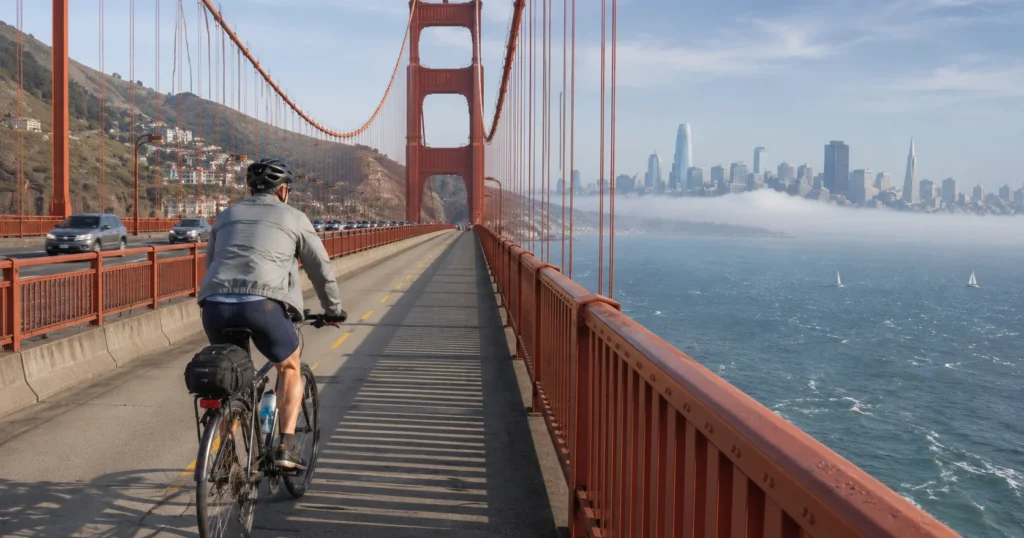
One insider move: Bike across the Golden Gate Bridge one way and ride the ferry home (bikes welcome). It costs $25-35 for a half day rent, as opposed to a guided tour, which is $60 or more and the ferry ride gives you the skyline too.
Los Angeles
LA’s reputation says you need a car. The research says skip it — parking and rentals will quietly bleed you for $50-plus a day.
Sleep: 3,200 bucks not spent in Santa Monica, Beverly Hills or WeHo. Central, cheaper street parking – and hotel prices are reduced by about half in Koreatown, Culver City or Atwater Village. Hostels generally charge $40 for a bed and private rooms cost about $120 at HI LA Santa Monica and Samesun Hollywood.
Transit: This is where LA surprises people. The Metro day pass is $3.50 and the 7-day is $12.50 — the E Line runs Santa Monica to Downtown in 45 minutes. DASH downtown buses are 50 cents and loop every few minutes. Use Metro plus the occasional targeted rideshare and you’ll save a fortune over renting.
Eat:
- Grand Central Market downtown: pupusas, tacos, ramen for $6–12.
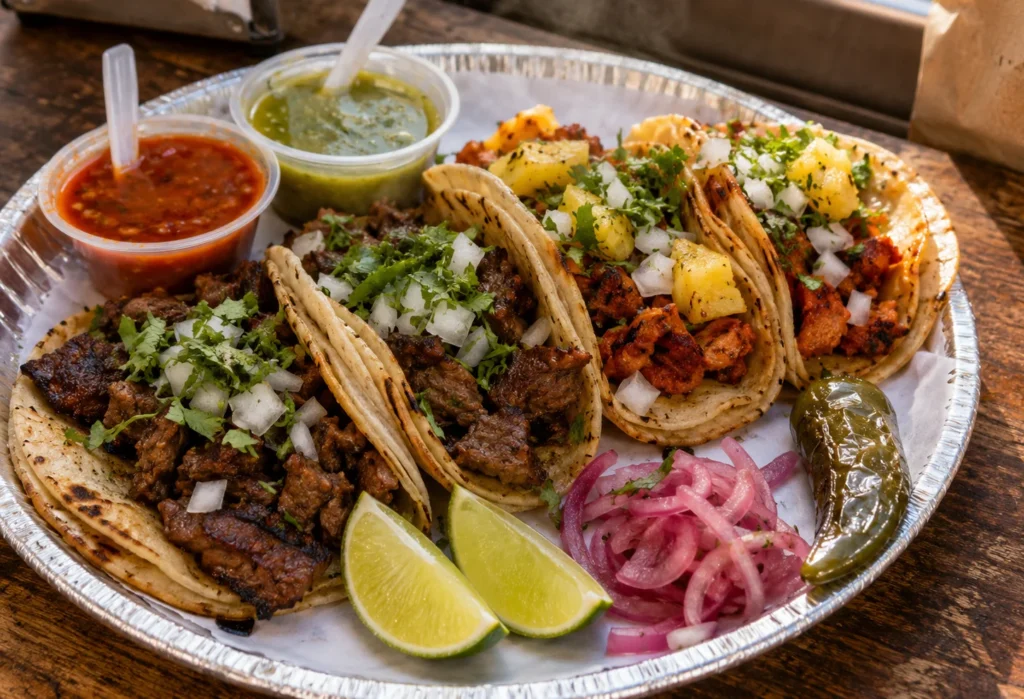
- East LA street vendors in Boyle Heights and Lincoln Heights: $1.50 tacos, $7 burritos.
- Koreatown all-you-can-eat BBQ lunch, $18–25 for genuinely massive portions.
- $1 oysters at The Mermaid in Little Tokyo and Found Oyster.
See: A lot of the marquee names are free. The Griffith Observatory building is free to enter (you just pay for parking up the hill) and the Getty Center charges nothing for admission — $20 parking only, so it’s free if you bus or bike in. The Broad and the Getty Villa are free with a timed reservation. For free museum days: LACMA’s free 3–5 PM the second Tuesday for LA County residents, MOCA free Thursdays 5–8 PM. And the Hollywood sign views from Runyon Canyon or Griffith Park don’t cost a thing.
One insider move: Metro Micro offers rideshare services for $1 rides in specific areas, such as Watts and El Monte, to fill in the “last mile” distance between trains.
Boston
Compact, historic, walkable – Boston is one of the more inexpensive cities, in part because much of it’s star attraction is literally a walkable one.
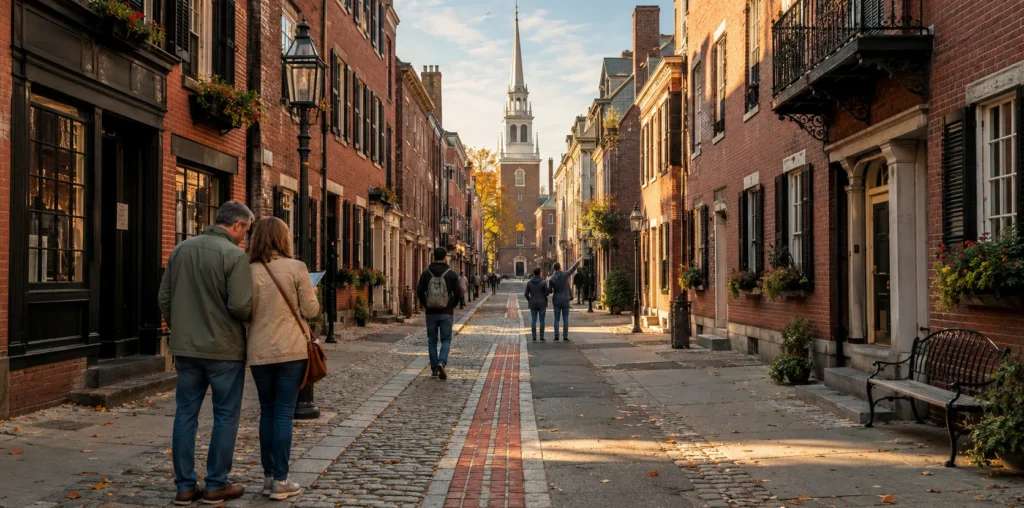
Sleep: In summer, university dorms are the move. Suffolk, Northeastern and BU rent rooms from $80–110 a night in Fenway and Back Bay. Otherwise, HI Boston near Chinatown has modern dorms and privates or stay in Cambridge or Somerville along the Red Line — 15 minutes to downtown, rates about 30% lower. Weekends soften as business travel thins out.
Transit: The MBTA 7-day pass is $22.50 for bus and subway. The Silver Line from Logan Airport is free to South Station — one of the best airport deals in the country. And the Freedom Trail, all 2.5 miles of it, is free to walk yourself with an app instead of paying for a guide.
Eat:
- North End bakeries — Mike’s, Modern — do a giant cannoli for $5 and a pizza slice for $4.
- Chinatown: pho around $10, dim sum $4–8.
- $1 oysters at State Street Provisions, The Hourly and B&G Oysters.
- A small lobster roll at Yankee Lobster runs $15 at lunch versus $30 at a dinner spot.
See: Beyond the free Freedom Trail, Harvard Art Museums are free to everyone every Sunday and the Harvard Yard wander costs nothing. The MFA is free the first Saturday of the month for Massachusetts residents, the ICA is free Thursdays 5–9 PM and the Isabella Stewart Gardner Museum lets anyone in free on their birthday. For music, the Boston Symphony sells $5 standing-room tickets to select shows.
One insider move: The $3.50 MBTA commuter rail or a ferry out to Hingham or Hull will offer a beach day for less than a trip to Cape Cod in the summer..
Washington, D.C.
A feature no other city boasts is the fact that nearly every world-class museum is free in DC.
Sleep: Cross the Potomac into Arlington or Crystal City, along the Blue and Yellow Metro lines — rates are 40-50% less than downtown and often free parking. University dorms (GWU, Georgetown) will open in the summer for about $75-110, while downtown business hotels offer substantial discounts on weekends, including a 4-star hotel that drops it’s rates to under $120 on the last minute Friday or Saturday.
Transit: Pay-as-you-go is limited to $2 a ride on weekdays and weekends for the 7-day SmarTrip is $58. It costs $6 to take the Silver Line Metro from Dulles; you don’t even need to use a taxi to the airport. The $1 circulator buses run around the National Mall and Georgetown and the free H Street streetcar loop around that area.
Eat:
- A range of ethnic dishes, $7-12, from food truck pods at Farragut and Franklin Square.
- Ethiopian spots in Shaw and on U Street: huge shareable platters for $14–18.
- $1 oysters at Old Ebbitt Grill, Kingfisher and Hank’s Oyster Bar, weekdays 4–6 PM.
See: All 17 Smithsonian museums and the National Zoo are free — 24 hours a day, every day of the year. All of it, Air and Space, Natural History, the National Museum of African American History and Culture. With the free National Gallery of Art, the National Archives and walk-in tours of the Capitol and Library of Congress, you can enjoy a week of admission-free entertainment. You can even watch free performances on the Kennedy Center’s Millennium Stage every day at 6 PM.
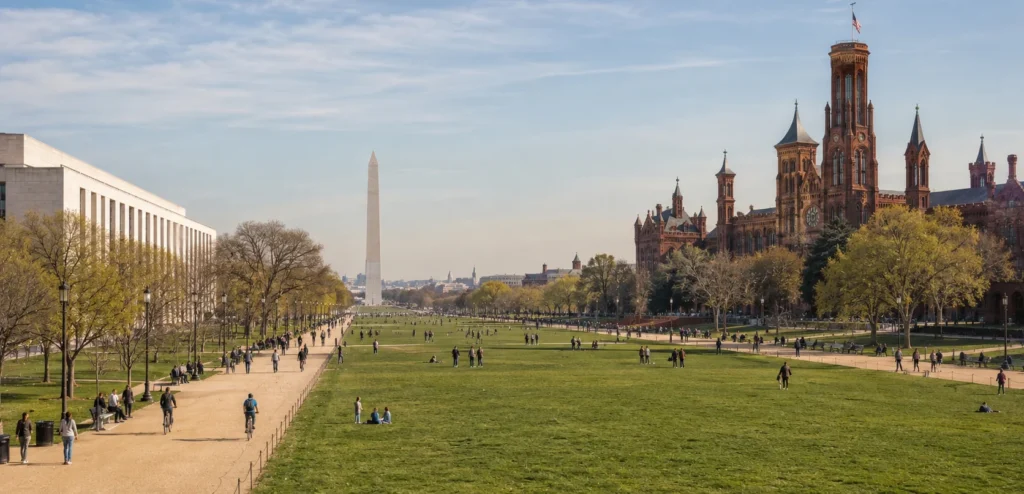
One insider move: Hotels get busier when cherry blossoms are in peak season, late March. Reside close to a Metro terminus, ride in for 30 minutes and delight the blossoms – which are free, of course.
Honolulu
An island city where the best things — the beaches — are genuinely free and the trick is not overpaying for everything around them.
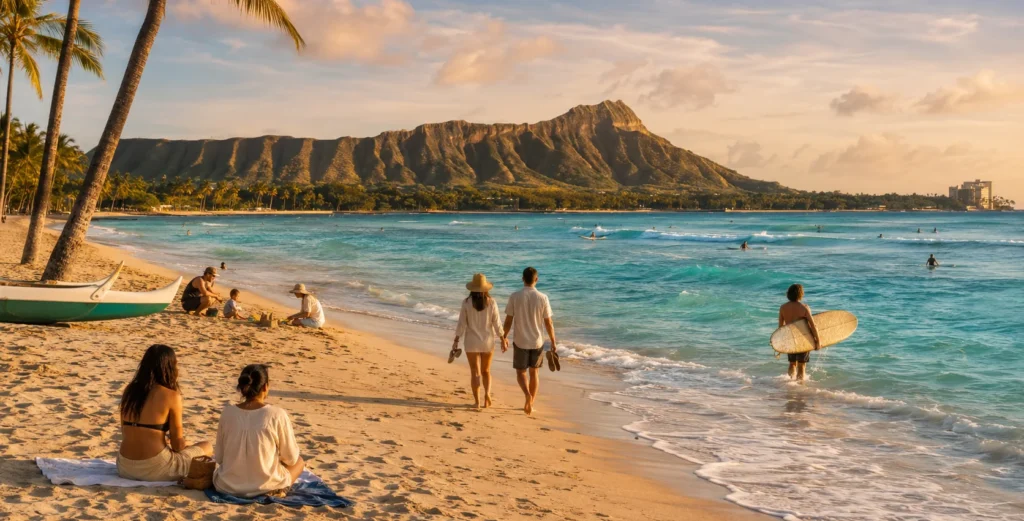
Sleep: Avoid Waikiki Beachfront. Other condos such as Waikiki Banyan and Royal Grove are older and sell for $120 to $160 a night and may include a kitchen (you may end up saving a lot of money when it comes to food). There are private rooms for less than $120 in hostels such as the Polynesian Hostel Beach Club and University of Hawaiʻi at Mānoa summer housing occasionally is made available to travellers for under $80.
Transit: Don’t rent a car if you want to transit. TheBus day pass is $7.50 and it takes a bit longer to arrive at it’s destination, but the bus does get you to Hanauma Bay, Pearl Harbor and the North Shore. TheBus lines run in the same direction as the expensive Waikiki Trolley, but for less money.
Eat:
- Huge Hawaiian plates ($8-12) at plate lunch spots such as Rainbow Drive-In and Zippy’s.
- The budget secret is 7-Eleven Hawaii – their fresh spam musubi, bentos and pork hash – it’s really good and $2-7.
- Foodland grocery poke bowls $7-10 (buy a Maika’i card for discounts).
- Only bring in alcohol on the beach; purchase from the grocery, not the bar, in most areas of the island.
See: Waikiki, Lanikai and Sunset beaches are free. The USS Arizona Memorial at Pearl Harbor is a free timed reservation site (only pays $1 to book it). Diamond Head is a $5 walk-in hike, Manoa Falls is a free hike and the grounds of Iolani Palace are free to wander. Enjoy a free hula performance at Kuhio Beach Park Tuesday, Thursday and Saturday evenings.
One insider move: Fly in the end of February or the end of September/beginning of November for around 30% cheaper flights and hotel prices and fewer people on the beaches.
Miami
Miami’s secret is the seasonal and weekly rhythm — get the timing right and the same room costs half.
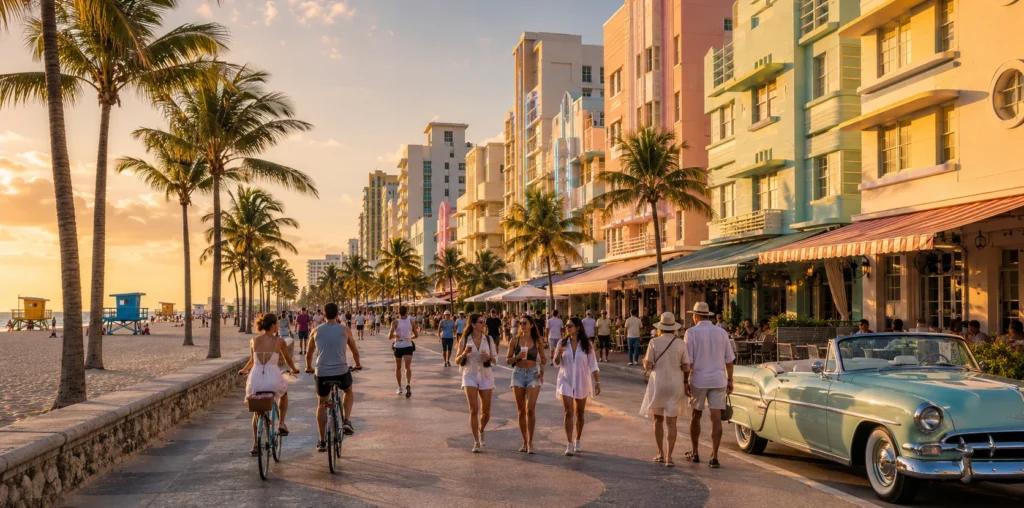
Sleep: Not on the ocean front in South Beach. Do not leave Brickell, Downtown or Coconut Grove – where business-hotel rates drop significantly during the weekend. If you can take the heat, you can also expect a drop of about 40% in rates in the summer season (June through September). Hostels in Miami, such as Generator Miami, offer privates for a fee of $100 or more.
Transit: Give up your car, Miami Beach parking is $20-40 per day. The $5.65 Metrorail and Metrobus day pass connects the airport to downtown. Best of all, the free Miami Beach Trolley runs four routes covering all of Miami Beach, 6 AM to midnight. Often the Brightline train to Fort Lauderdale and West Palm Beach offers $10–17 promos, which are less expensive than rideshare.
Eat:
- Little Havana’s ventanitas on Calle Ocho: $1.50 “cafecito” and $3 “pastelitos” and a full Cuban plate of “lechón” (cuban steak), rice, beans and plantains for $8-12 at El Palacio de los Jugos.
- Coyo Taco offers $4 tacos for happy hours at Wynwood.
- Trendy restaurants frequently run lunch menus at 40% under dinner — same food, less money.
Exhibits such as See: South Beach and the self-guided Art Deco walk are free, as is Wynwood Walls outside and Bayside Marketplace entertainment. Both the Pérez Art Museum and Vizcaya are free the second Saturday of the month. The Everglades offers you a walk-in access fee of $15 to enter the Anhinga Trail on foot or bike, whereas the vehicle fee is $30 — or visit Big Cypress National Preserve for free.
One insider move: Stay in Brickell Thursday through Sunday when business hotels plunge to around $120, eat in Little Havana and take the free trolley to the beach.
Seattle
Walkable, water-wrapped and full of free views — Seattle is kind to a careful budget.
Sleep: HI Seattle in Pioneer Square offers dorms for $45 and privates for $130. The University District is walking distance from Capitol Hill, which is characterful and it is cheaper than Capitol Hill; it is connected to Capitol Hill by light rail. Hotwire can book a 4-star downtown hotel for $130-160 on the weekend when people are heading home from the office.
Transit: Link light rail from Sea-Tac to downtown is $3. The ORCA day pass is $8 for unlimited buses, Link and the streetcar — no car needed. And here’s the scenic steal: walk onto a Washington State Ferry to Bainbridge Island for $9.45 round trip and get skyline views that a sightseeing cruise would charge you triple for.
Eat:
- Pike Place Market: a $4 bag of mini donuts at Daily Dozen, $8 hot soups, cheap fresh fruit.
- International District: dim sum $5–8 a plate, pho $10, banh mi $5.
- Teriyaki joints everywhere — chicken teriyaki with rice and salad, $8–10.
- $1 oysters at Elliott’s Oyster House – weekdays 3-6!
See: Pike Place Market, the Olympic Sculpture Park, Discovery Park, the Ballard Locks and the Fremont Troll are all free. The Seattle Art Museum is free 10 AM–5 PM the first Thursday of the month. To add to the list of clever substitutions: Columbia Center’s Space Needle-like Sky View Observatory is $20, up taller and less full than the Space Needle’s $35-plus — better view, lower price.
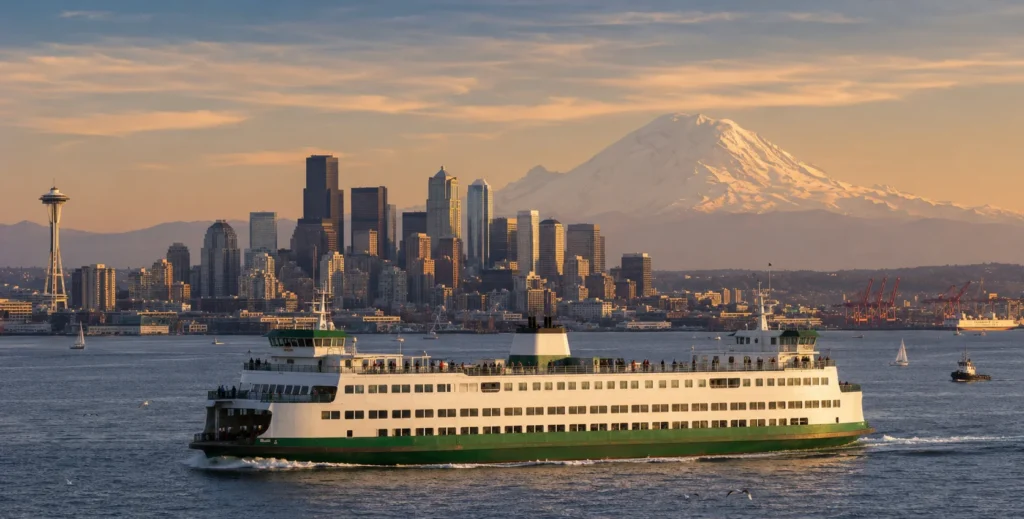
One insider move: Stay at a suburban park & ride, ride an express bus from Sound Transit and get the $8 day pass for rock bottom nightly rates.
The 10 Hacks Worth Remembering
If you take nothing else from all this, take these:
- Book a hostel private room or summer university dorm — saves 50%+ on lodging.
- Buy a 7-day transit pass and ride the airport train, never the taxi.
- Build lunch from grocery hot bars and food trucks to keep daily food under $20.
- Hit free museum days and always-free institutions — DC alone has 17.
- Hunt $1 oysters and 4–6 PM happy hours for high-end food at fast-food prices.
- Time your stay against the city’s demand — weekends in business cities, midweek in leisure ones.
- Walk the self-guided tours; every city has a free app route replacing a $40 guide.
- Ride the free ferries and trolleys — Staten Island, Miami Beach, Washington State.
- Spend points and credit-card free nights on the most expensive nights.
- Refill your water bottle and BYO where it’s legal.
None of this is about traveling worse. It’s about refusing to overpay for the things that don’t matter, so you’ve got room for the things that do.