
Three months ago, I got out of the train at Canterbury East and frankly I was entering into the unknown. Oh, I had read about the cathedral and about Thomas Becket, but Canterbury was unexpectedly this amazing stratum of history that offered me one surprise in every turn.
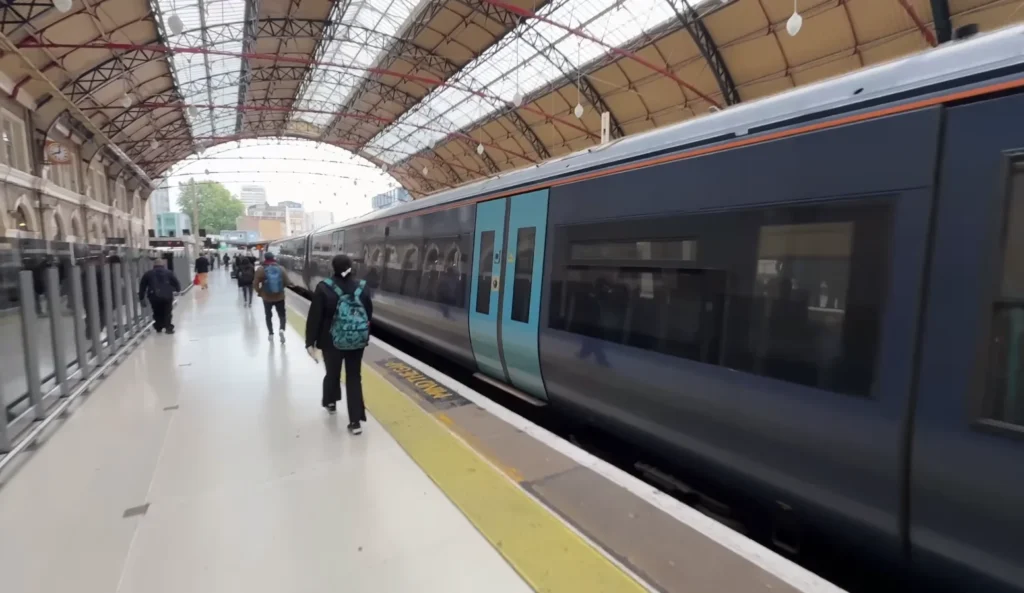
The travelling between London could not be easier. I picked up the high-speed rail at St Pancras International – approximately 56 minutes door-to-door, which was miles faster than being stuck in the Kent traffic jam. The Southeastern high-speed is used on a regular basis during the day and I would suggest advance reservation at a cheaper price.
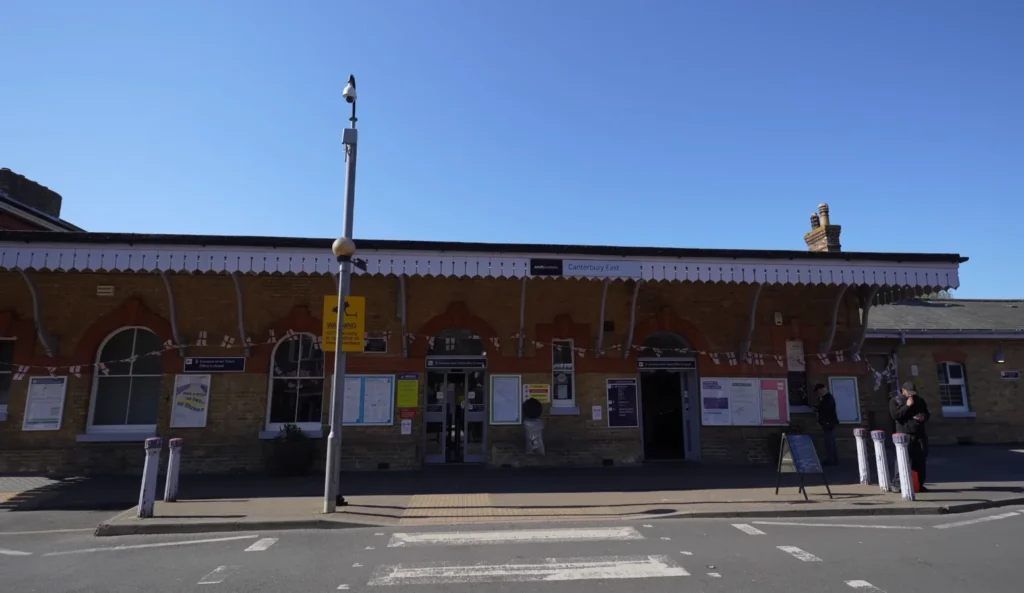
Canterbury East station has retained that right old-fashioned railway atmosphere – wrought iron and glass canopies that can give you the impression of having entered a period play. The ten minutes stroll to town is quite possible, however, I was distracted by taking photographs of every medieval building on the way.
Transportation Options
From London:
- High-speed train: 56 minutes from St Pancras International.
- Regular train: 1 hour 30 minutes from London Victoria.
- Driving: 1 hour 45 minutes via M2/A2 (traffic dependent).
- Coach: 2-3 hours via National Express.
Getting around Canterbury:
- Walking (everything’s within 20 minutes).
- Local buses for outer attractions.
- Cycling (though cobblestones can be brutal).
Canterbury Cathedral: The Crown Jewel
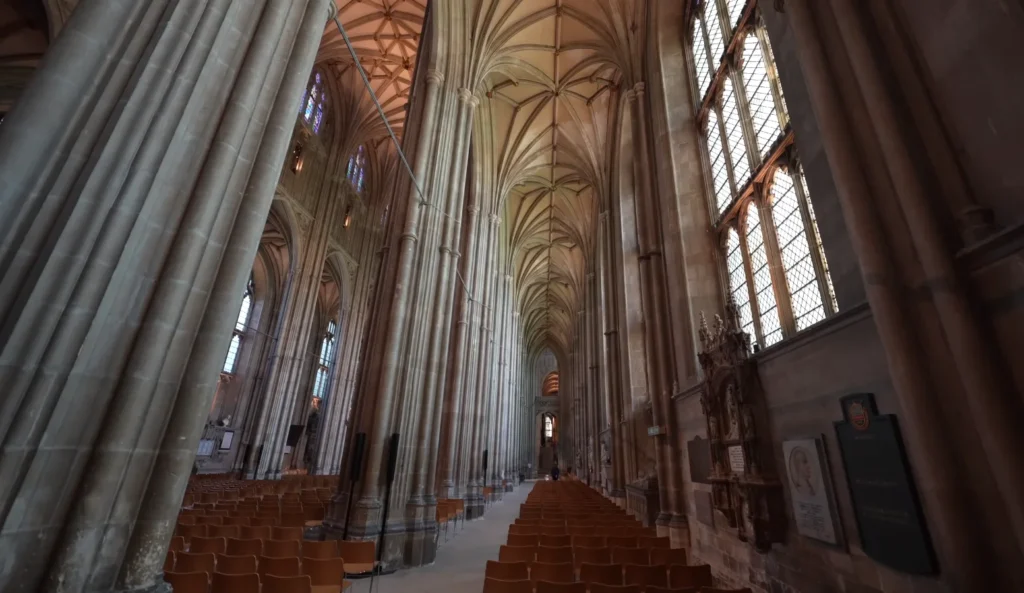
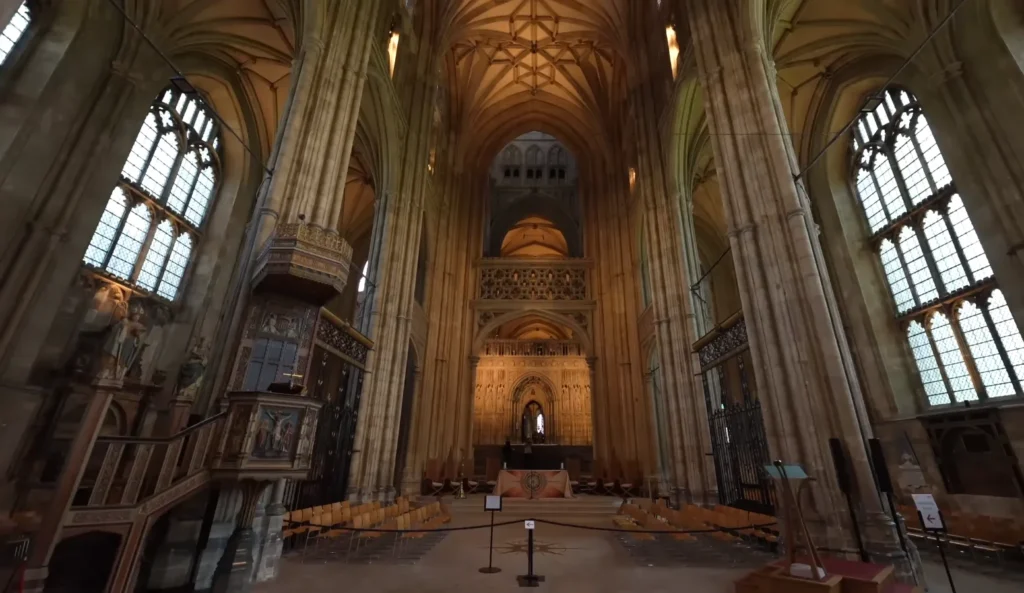
Walking up to Canterbury Cathedral for the first time hit me like a physical thing. The sheer scale of those twin towers against the sky – you can see why pilgrims walked hundreds of miles to get here.
I spent the better part of three hours inside and that wasn’t nearly enough. The nave stretches forever, those massive columns branching up into fan vaulting that makes your neck ache just following the lines. What got me though was the light. Afternoon sun through those tall Gothic windows creates these shafts that pick out floating dust motes – centuries of prayers made visible.
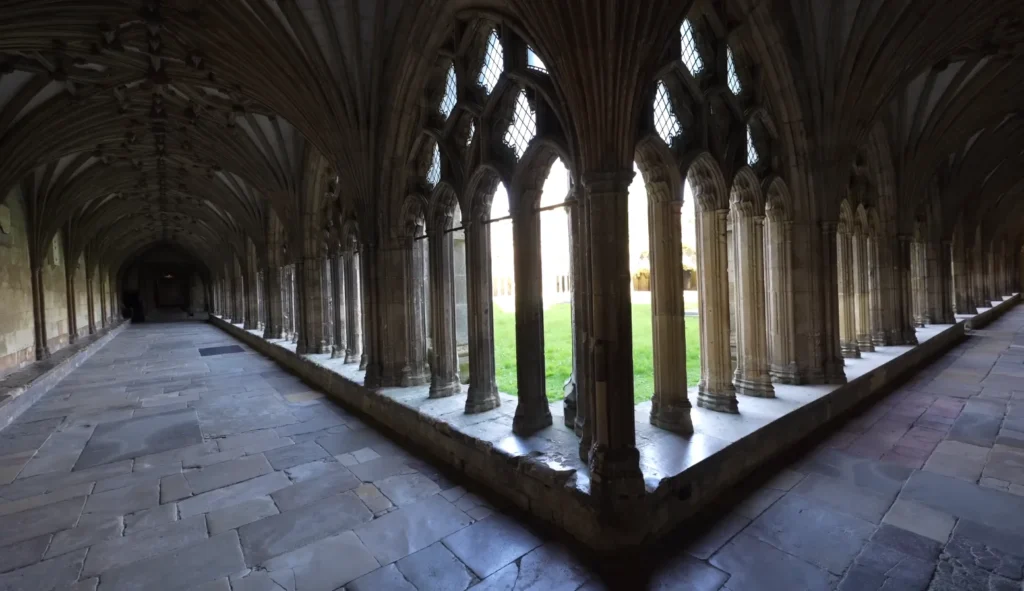
What Not to Miss Inside
The shrine is located in the Trinity Chapel and members of the Thomas Becket murder. It is almost as though you could hear the echo of will no one rid me of this turbulent priest standing there. The very point is indicated and, to tell the truth, the historicality of the whole left me shivering.
The oldest extant section is the crypt that dates to 1100. It is this wood of Norman columns with cut capitals – all of them distinct, cut by stonemasons, of whom we will never learn their names, yet whose work lives long after their time.
Bell Harry tower – provided you are fit enough of the climb, the Canterbury and the kent countryside below is worth the effort. Make reservations in advance; they do not allow a lot of people, understandably.
Grounds and Cathedral Cloisters
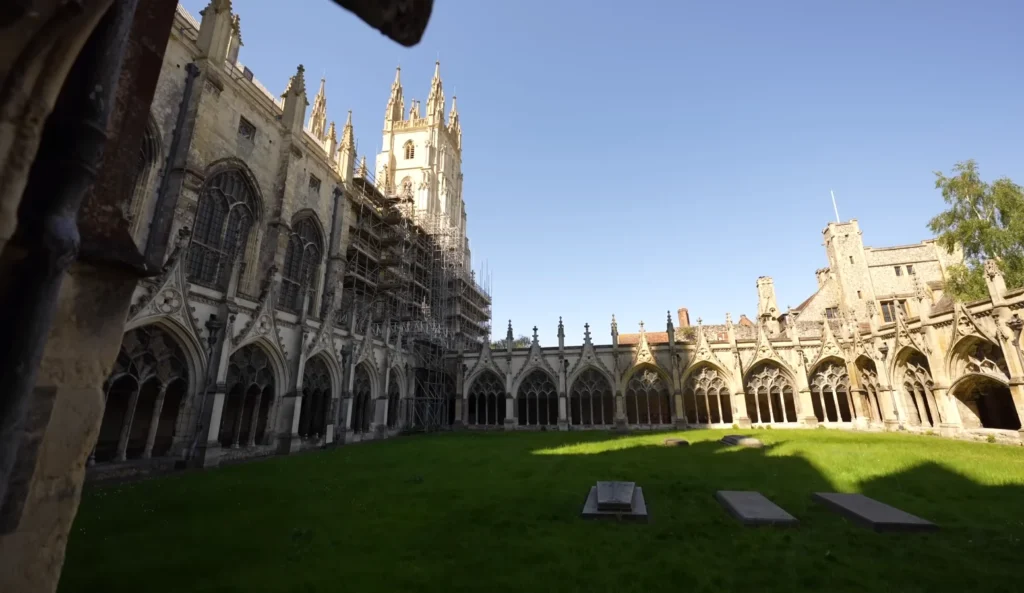
The crowds inside were my noisy playthings and the cloisters were my silent playthings. These enclosed walkways along which the monks at one time walked meditating are now filled with tourists feet, but at dawn or in the evening you may still get that contemplative feeling.
The cathedral grounds occupy a number of acres and the buildings of the schools of the King blend in with the medieval structure. I saw students in old style uniform hastening between classes – nothing ever changes.
Practical Details:
- Opening hours: Monday-Saturday 9:00-17:30, Sunday 12:30-14:30.
- Admission: Adults £17, concessions available.
- Audio guide: Included and worth using.
- Photography: Allowed without flash.
- Website: canterbury-cathedral.org.
The Medieval Streets: Where History Lives
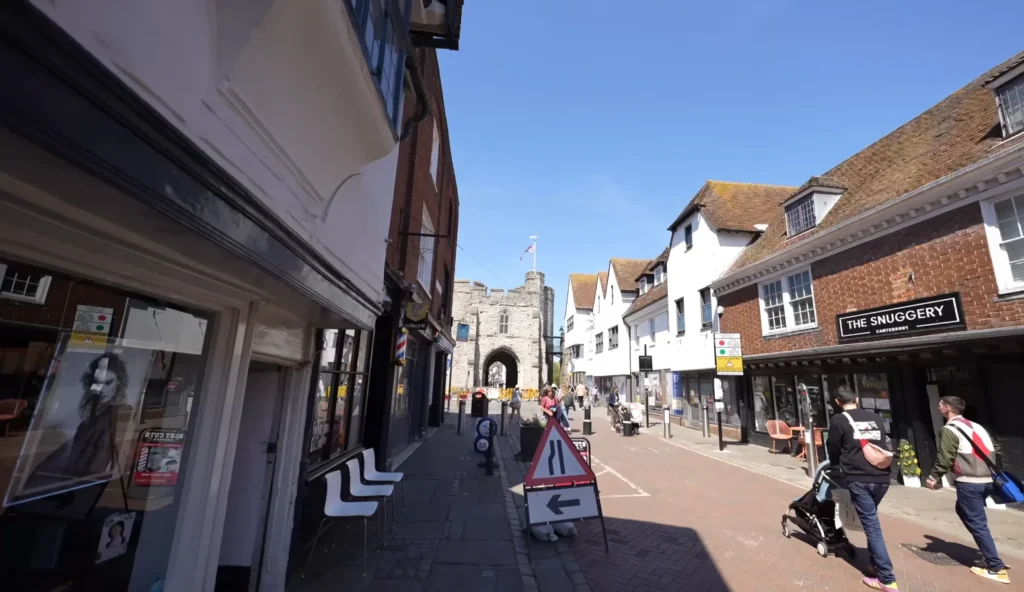
Canterbury’s medieval street plan survived the Blitz, the Victorians and modern development pressure. Walking these narrow lanes, you’re following routes that haven’t changed much since Chaucer’s pilgrims made their way through.
The high street still has that medieval gate at the end – a proper stone archway that forces traffic to squeeze through single file. Half the buildings are Tudor timber-frame construction, the other half Georgian brick, with the occasional Roman wall thrown in just to keep you on your toes.
Hidden Canterbury: What the Tour Groups Miss
I discovered some of my favorite spots by getting deliberately lost. Mercery Lane connects the cathedral to the high street through a tunnel of overhanging medieval buildings. The shops here sell everything from handmade chocolates to rare books – it’s touristy but authentically so.
The Buttermarket caught me completely off guard. This tiny square surrounded by 16th-century buildings now houses craft shops and a decent coffee place. I spent an afternoon there sketching the timber framing and watching locals who clearly use it as their regular shortcut.
Shopping and Local Life
The mix of chain stores and independent shops works surprisingly well. The Falstaff pub occupies a building that’s been serving drinks since 1403 – the floors slope, the ceilings are low enough to give you concussion and the atmosphere is perfect.
For authentic Canterbury purchases:
- Canterbury Cathedral Lodge for books and religious artifacts.
- Deamers for traditional British goods.
- The Sidney Cooper Gallery Shop for local art and crafts.
- Local markets on certain days (check canterbury.co.uk for schedules).
St Augustine and his Abbey: The Birthplace of English Christianity
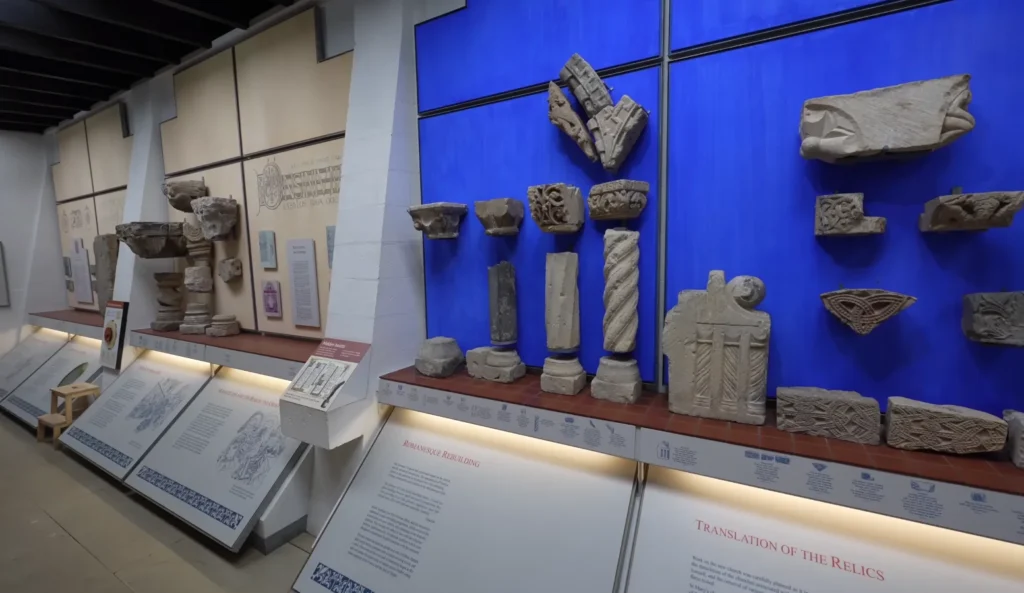
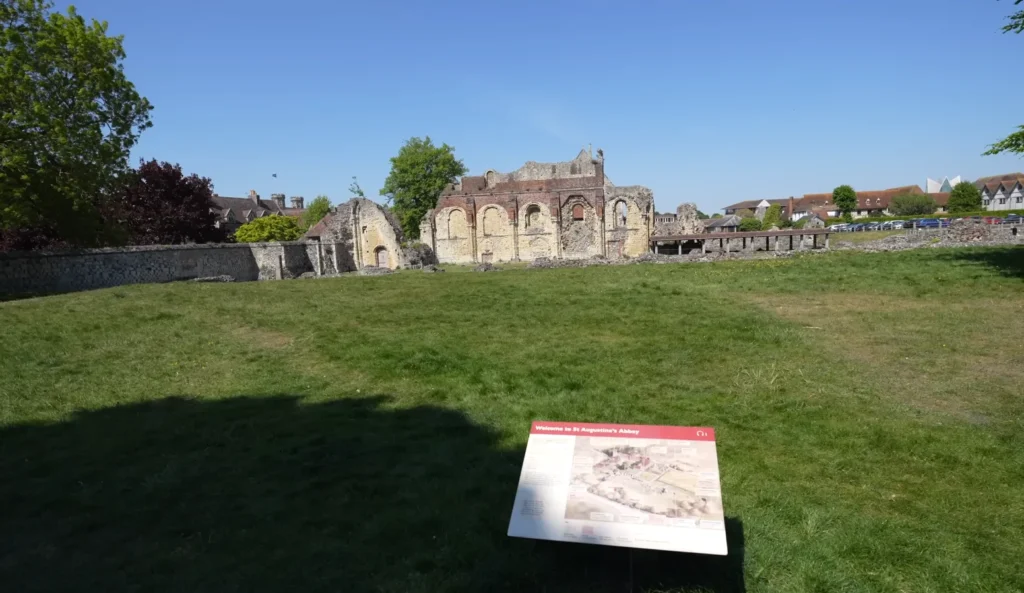
The majority of the tourists make a run out of the cathedral to the high street and pass without what I believe to be the most haunting place in Canterbury. The ruins of the Abbey of St Augustine are directly outside the medieval city wall and the walk between these shattered stones allowed me to have an entirely different view of the English history.
This was the base of Christianity in England as it was founded by Augustine himself in 598 AD. What you now have is largely foundations and half-walls, Henry VIII had a demolition crew who did their job well, but the extent can be made out as you come to know that this compound was as great as Canterbury Cathedral during it’s reign in power and wealth.
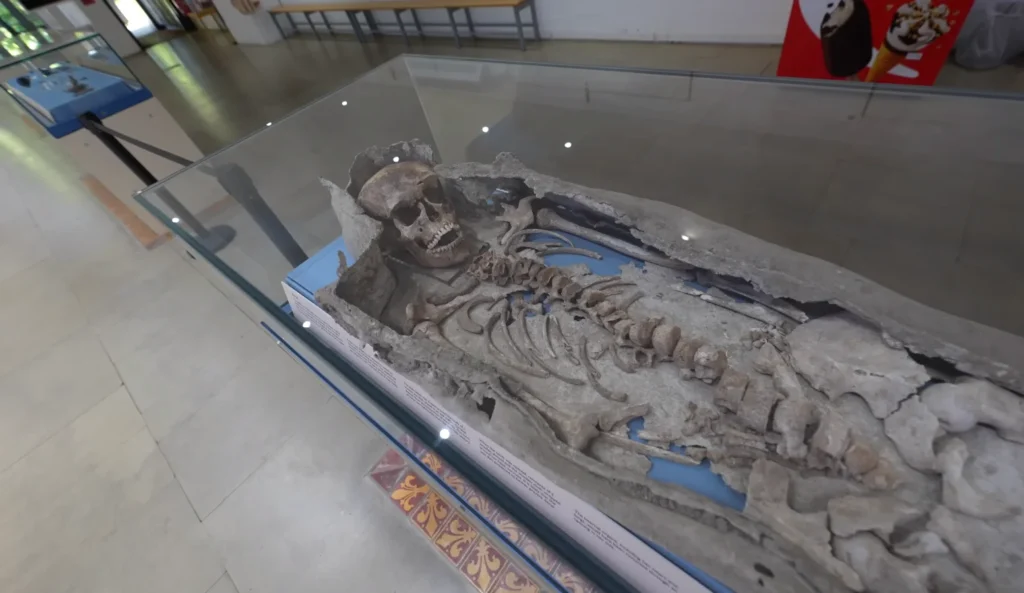
There are amazing discoveries in this museum. I took twenty minutes to gaze at an Anglo-Saxon skeleton that was perfectly preserved and still lying as the archaeologists discovered him. The interpretation boards give the explanation that these were most probably monks, who were buried in the abbey cemetery centuries ago. There is something very deep touching to behold real people who lived and prayed here more than a thousand years ago.
Archaeological Discoveries
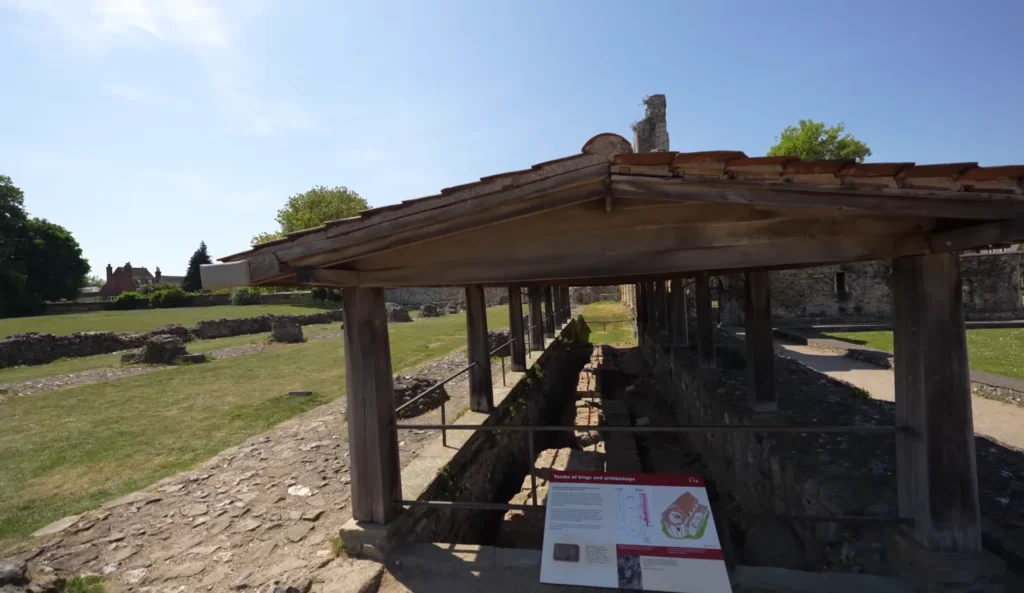
The excavated foundations under that modern protective shelter tell the abbey’s story better than any textbook. You can trace the outline of the original Saxon church, then see how Norman builders expanded it, then how medieval additions created this sprawling complex.
The stone fragments on the visitor center are impressive – capital of columns with complicated leaf figures, decorated pieces of archways, pieces of medieval floor tiles. Every single work embodies hours of professionalism of some unknown medieval masters.
Key highlights:
- St Pancras Church: The oldest church structure in Canterbury (circa 600 AD).
- Abbey ruins: Substantial remains of the medieval complex.
- Museum displays: Anglo-Saxon artifacts and interpretation.
- Archaeological site: Active excavations still revealing new discoveries.
Practical Information:
- Opening times: April-September 10:00-18:00, October-March 10:00-16:00.
- Admission: Adults £7.20, English Heritage members free.
- Duration: Allow 1-2 hours minimum.
- Accessibility: Partial wheelchair access to ruins and museum
- Website: english-heritage.org.uk
The Beaney House of Art and Knowledge
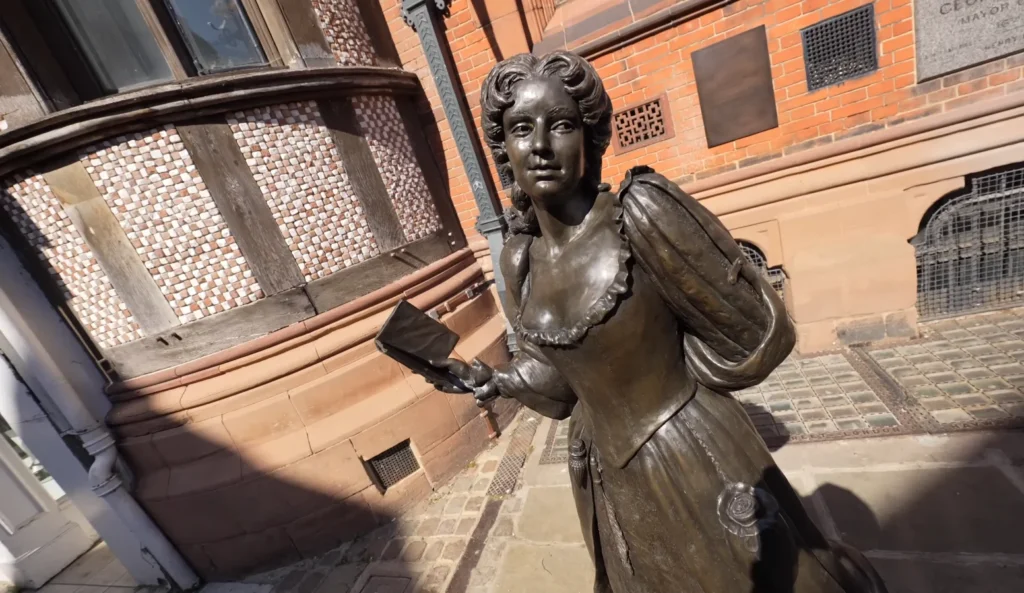

I nearly passed the Beaney House believing it to be another of the Victorian municipal houses. Big mistake. This museum cum library was a free place and it proved to be one of the real surprises of Canterbury with it’s ancient artifacts as well as modern art.
The building itself has it’s story Canterbury is the Victorian civic pride developed in red brick and Portland stone, which was funded by a local benefactor who believed that his birthplace should have culture and learning available to all possible.

The Garden Room Collection
That huge cow picture that dominated the wall that stood in the Garden Room grabbed me. It belongs to a series on rural life in Kent and combines landscape with portraits of the local worthies in their Sunday best. The walls (sage-green) and the parquet flooring would form this ideal gallery feeling, which makes even small works significant.
The combination of high art with local history appealed to me about this collection. There are wall pictures of official portraits of Canterbury gentry and picturesque landscape of Kent country. It is social history as art – how Canterbury thought of itself in the various centuries.
Notable Collections
Canterbury’s Heritage:
- Roman mosaics and pottery from local excavations.
- Medieval manuscripts and documents.
- Victorian photography of old Canterbury.
- Archaeological finds from ongoing city center digs.
Fine Art Collection:
- 18th-century portraits of local families.
- Landscape paintings of Kent and Canterbury.
- Contemporary works by regional artists.
- Rotating exhibitions featuring national touring shows.
Natural History:
- Specimens from Kent wildlife.
- Geological samples from local chalk downs.
- Interactive displays about Canterbury’s environment.
The museum also functions as Canterbury’s main library and I loved watching locals using it as their regular reading space while tourists wandered through the galleries upstairs.
Visitor Details:
- Admission: Free entry to all galleries.
- Opening hours: Monday-Saturday 9:00-17:00, Sunday 10:00-17:00.
- Café: Ground floor, decent coffee and light meals.
- Events: Regular talks, workshops and family activities.
- Website: canterbury.gov.uk/beaney.
Ancient Canterbury: Walls, Gates and Roman Stones
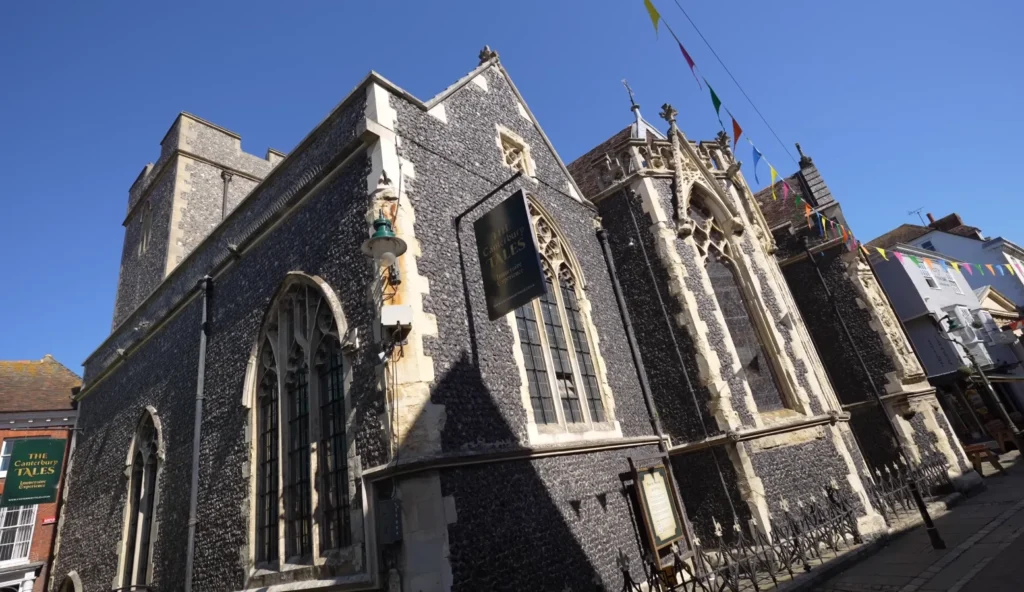
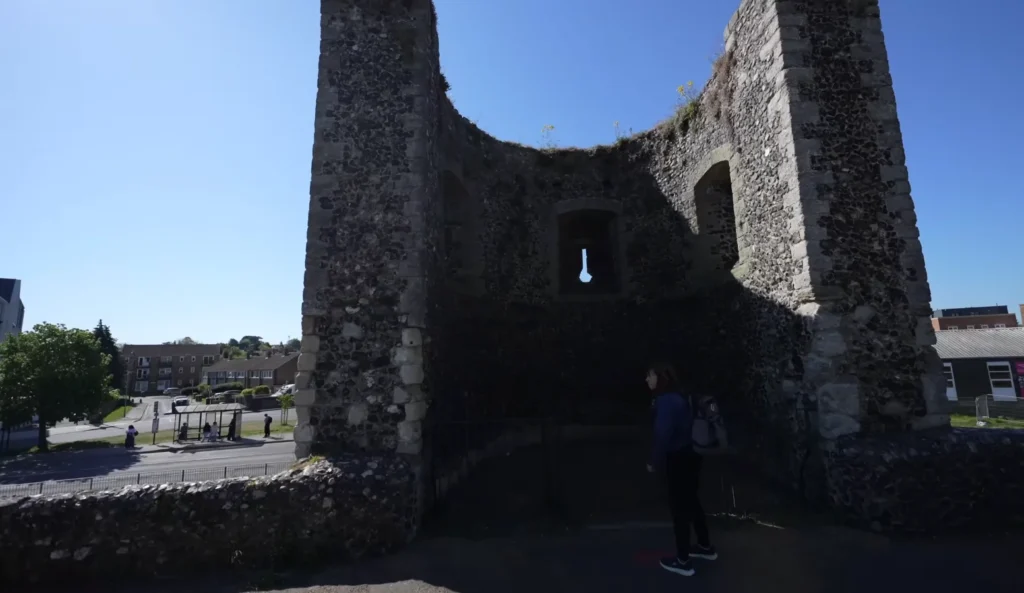
Canterbury’s Roman and medieval defenses survive in fragments throughout the modern city. I made a game of tracking down these ancient stones – some obvious, others built into modern buildings where only the change in stonework gives them away.
The city walls originally formed a complete circuit around medieval Canterbury. Walking along the surviving sections, you can see Roman foundations with medieval additions on top – fifteen centuries of defensive architecture in a single wall.
The Roman Legacy
Canterbury started as Durovernum Cantiacorum and Roman stones show up in the most unexpected places. I found Roman brick courses in the cathedral’s Saxon walls, Roman carved stones used as medieval building material, fragments of Roman buildings incorporated into Norman foundations.
The most dramatic survival is the Queningate section of wall near the cathedral. Here you can trace Roman masonry at the base, Saxon repairs in the middle and medieval strengthening at the top. It’s like reading a book written in stone.
Medieval Fortifications
- Westgate: The only surviving medieval gatehouse now houses a museum.
- Northgate: Demolished in 1787, but foundations recently excavated.
- Ridinggate: Partial remains incorporated into later buildings.
- Burgate: Demolished, but street name preserves the memory.
- Newingate: Victorian street follows the original line.
The medieval gates controlled access to the city and collected tolls from merchants. Each had it’s own character and function – some military, others purely commercial.
Westgate Tower and Gardens: Medieval Power and Modern Beauty
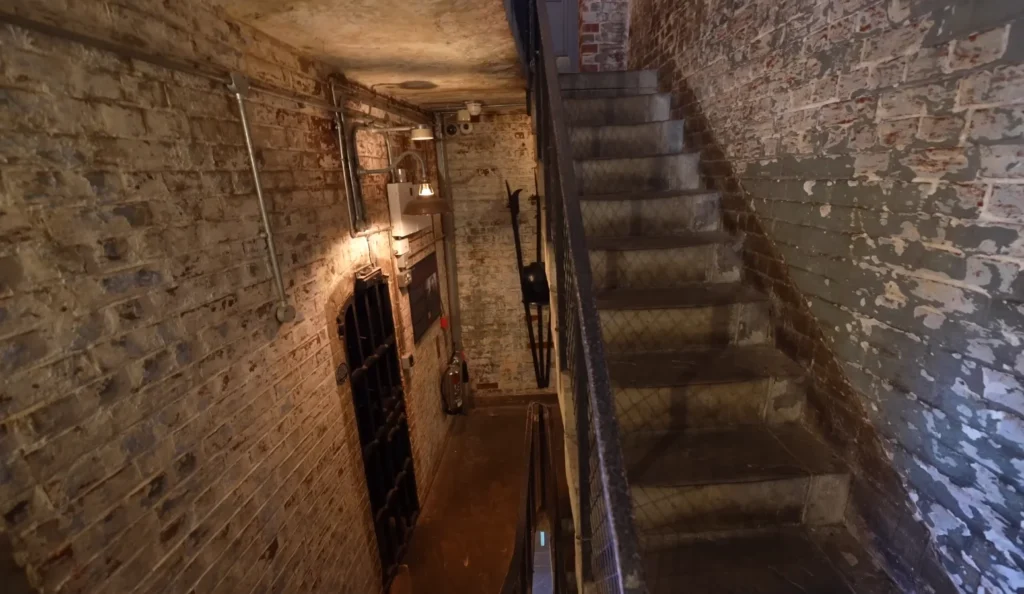
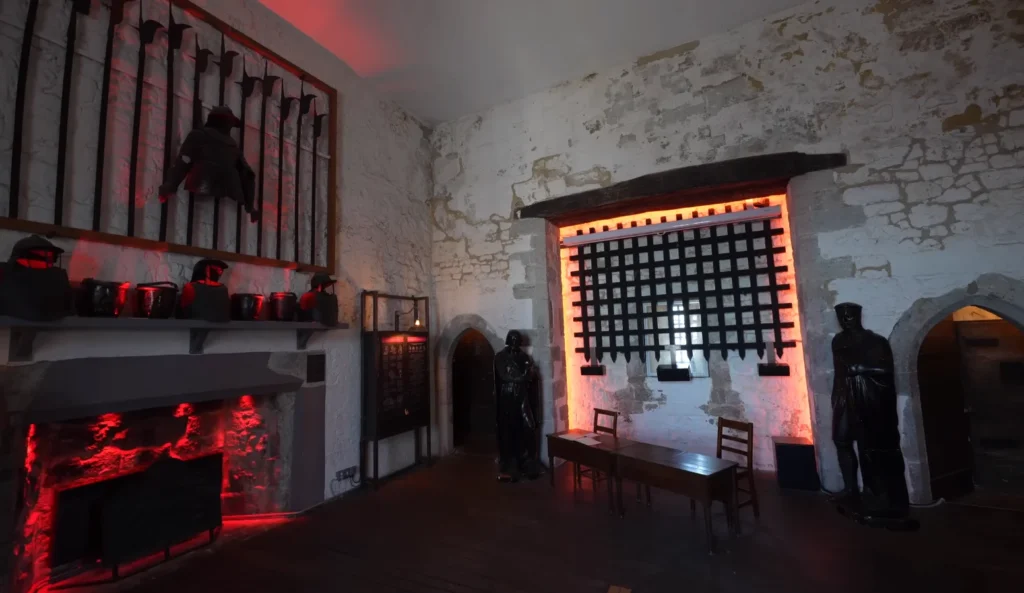
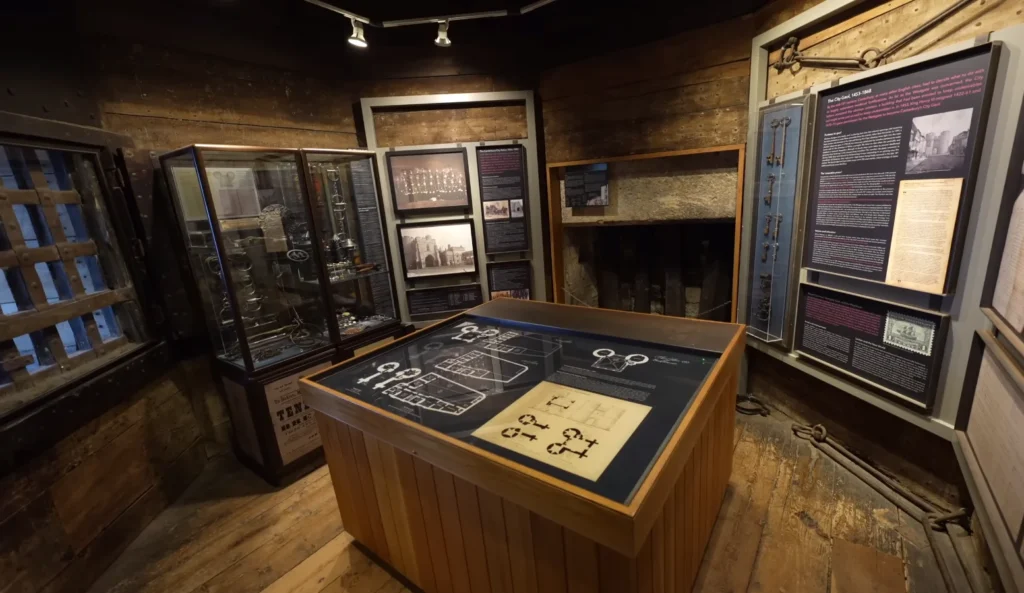
Canterbury is home to the most remarkable medieval survival in the Westgate Tower, which is a massive gatehouse that regulated the entry of the London road into the city. Constructed circa 1380, it was subsequently turned into the city jail and the museum within plays to this fact with atmospheric lighting and recreated prison cells.
It is like walking up a ladder of stone spiral stairs that have been smoothed and polished by many centuries of feet. The battlements are so thick that the embrasure of the windows make little rooms and the prospect of the battlements is of Canterbury in a medieval map to come true.
The Prison Experience
The dark side of the tower is not shunned by the museum. The red lights used in the stone walls bring about just the right dungeons mood, but in reality, there would have been no signs that would tell the misery of the prisoners in the middle ages. The exhibitions range all the way to medieval justice and the Victorian prison reforms.
What struck me was how the building adapted to different uses over seven centuries – defensive gate, toll collection point, prison, museum. The same stones serving completely different purposes as Canterbury evolved around them.
Westgate Gardens: Picture-Perfect Canterbury
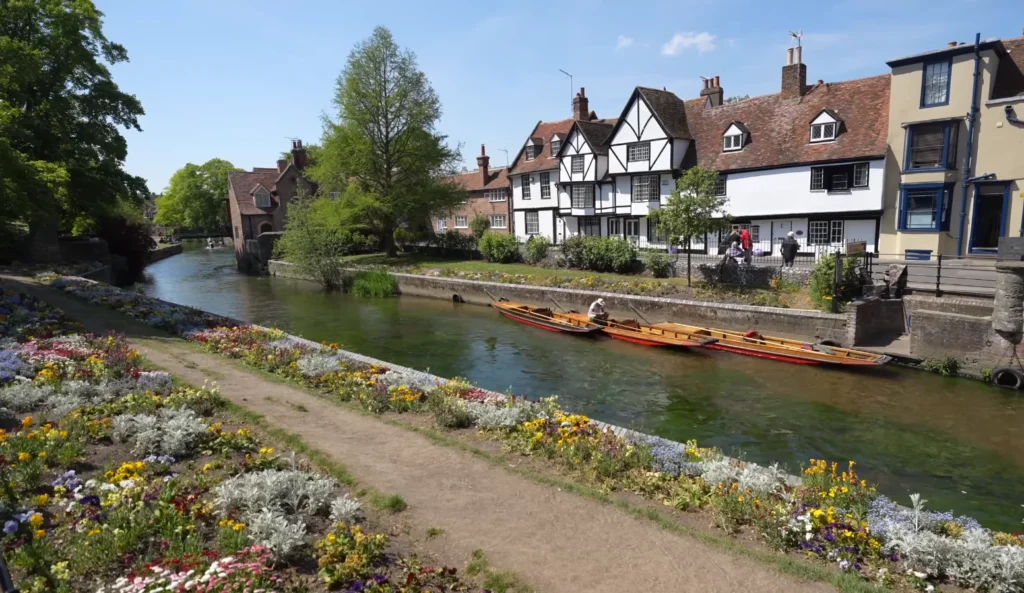
When you get out of the tower, you are in another world. Westgate Gardens run along the River Stour through the center of Canterbury joining the medieval gatehouse with Tudor houses mirrored in stagnant water.
This is postcard Canterbury – flower beds which seem to be professionally laid out, rows of punting boats, like taxi cabs, old buildings making flawless compositions everywhere. I stood and stood here and just watched the water changing.
The opposition was as sharp as possible. On one side there is medieval fortress, on the other side there are Instagram-ready gardens and somehow the combination of both forms something uniquely Canterbury.
Westgate Tower Details:
- Opening hours: Monday-Saturday 11:00-15:30 (seasonal variations).
- Admission: Adults £4.50, children £3.50.
- Stairs: No lift access – climbing required.
- Duration: 30-45 minutes typical visit.
- Parking: Limited street parking nearby.
Punting on the River Stour: Canterbury’s Unexpected Delight
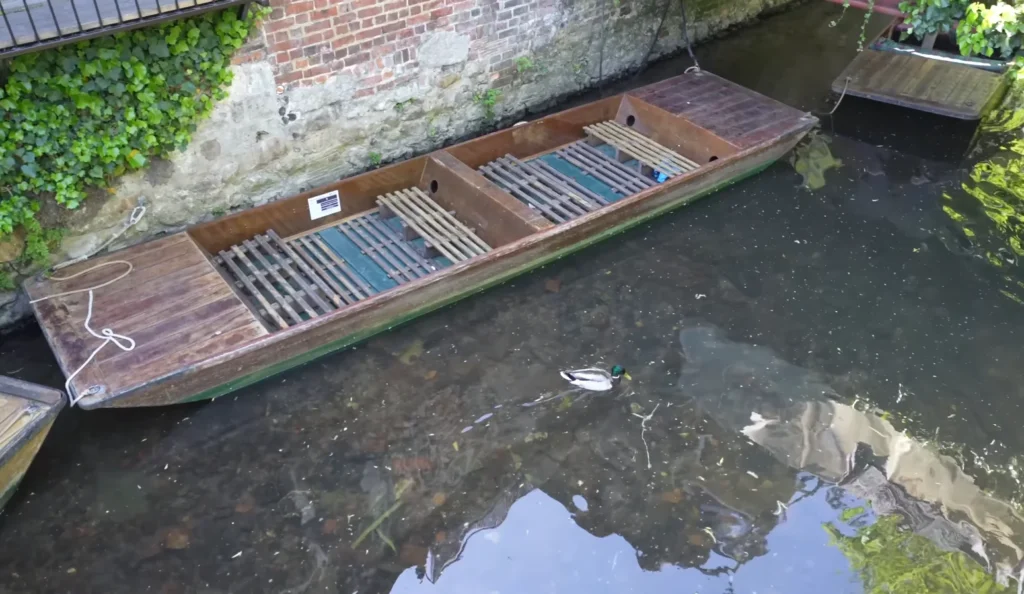
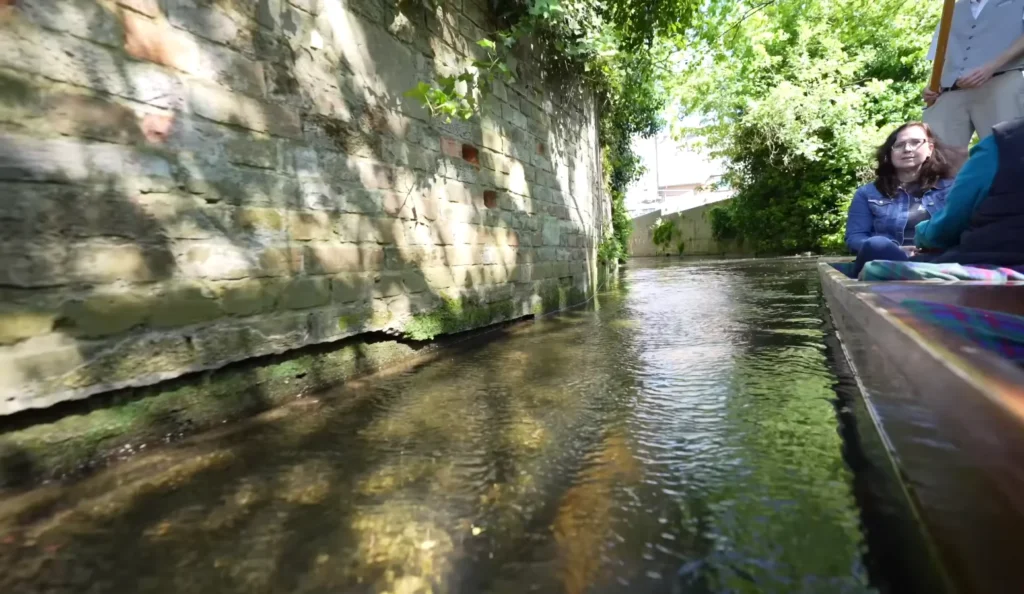
I’ll admit, punting wasn’t on my Canterbury bucket list. Seemed too touristy, too Cambridge-y for a medieval city. Wrong on both counts. Canterbury’s punting scene turned out to be one of my favorite discoveries – more intimate than the famous university towns, with better historical context floating past your boat.
The River Stour winds right through Canterbury’s heart, passing under medieval bridges, alongside Tudor houses and through gardens that look professionally staged for tourism photos. But here’s what surprised me – the water’s clear enough to see ancient stone foundations running right down to the riverbank.
The Punting Experience
I booked with Canterbury Historic River Tours mostly because they were the only operator I could find, but their guides know their stuff. My punt guide was this elderly guy who’d been doing river tours for thirty years and could point out architectural details I’d never have spotted from street level.
From the water, you see Canterbury’s medieval bones more clearly. Those Tudor houses backing onto the river weren’t built for tourists – they were merchants’ homes where the river served as Canterbury’s highway for goods and people. The building overhangs create these tunnels of shade over the water that feel genuinely medieval.
What You’ll See from the River:
- Medieval city walls from their river-facing side.
- Tudor merchants’ houses with original river access.
- Ancient stone bridges still carrying modern traffic.
- Cathedral spires from completely different angles.
- Westgate Tower’s defensive river position.
- Modern Canterbury adapting around ancient waterways.
The flat-bottomed boats handle easily enough, though that pole’s heavier than it looks. My advice? Let someone else do the work and enjoy the view. The guided tours run about 40 minutes and cost £15 per adult – worth every penny for the historical commentary alone.
Secret River Spots
The best moments came when we drifted under low stone bridges into sections where tour groups can’t reach. Ancient stonework extends right into the water – foundations of buildings lost to time but still doing their job centuries later.
One bridge arch has medieval mason’s marks still visible in the stonework. Our guide pointed out carved stones that were clearly Roman, reused in Saxon walls, then incorporated into Norman bridges. Canterbury’s entire history expressed in bridge foundations most people never see.
Practical Punting Details:
- Season: April through September, weather dependent.
- Duration: 40-60 minute tours typical..
- Cost: Adults £15, children £10, family packages available.
- Booking: Advance booking recommended, especially weekends.
- Meeting point: Westgate Gardens, near the tower.
- Weather: Tours cancelled in heavy rain or strong winds.
Final Thoughts
Three months later, I still think about Canterbury regularly. Not just the obvious stuff – the cathedral’s grandeur or the medieval streets – but the smaller moments that revealed the city’s character.
Like finding Roman stones built into a modern shop wall. Or watching school children in traditional uniforms hurrying past thousand-year-old buildings on their way to class. Or that moment when punting under a medieval bridge made me realize I was following the same water route that Anglo-Saxon traders used fifteen centuries ago.
Canterbury works because it never stopped being a living city. The cathedral still holds services. People actually live in those Tudor houses. Local families shop on high streets that follow medieval property lines. Tourism supports the city, but tourism doesn’t define it.