
Three weeks before I flew to Prague, I Googled it. You know what came up. The clock. The bridge. The castle at golden hour. All accurate. None of it the whole story.
What those pictures do not show is a tram rattling past a pharmacy at seven in the morning when someone is walking his dog on cobblestones in the fourteenth century. On Tuesday, three cats lay lazily in the unnamed alley in Malá Strana and the whole street smelled of woodsmoke. The bakery in Holešovice, where I had the same rye bread, two mornings in a row and which I had no regrets about.
Prague hands you a version of itself immediately. The castle, the bridge, the clock. Then quietly keeps the rest back.
The obvious stuff is worth it — genuinely. But the trams go places the tour groups don’t. And some of those streets, the ones where Prague is just being Prague without any interest in impressing you, those are the ones that stay with you.
That’s what this is about. All three.
I had been looking forward to this trip. It continued to resurface – friends, Reddit posts, an article in The Guardian on the European cities that remain truly alive. At length I simply made a booking. Mid-July, four days. It is too long, it is not nearly long enough, which is likely to say it all.
Old Town Square: Where the Whole World Shows Up at Once
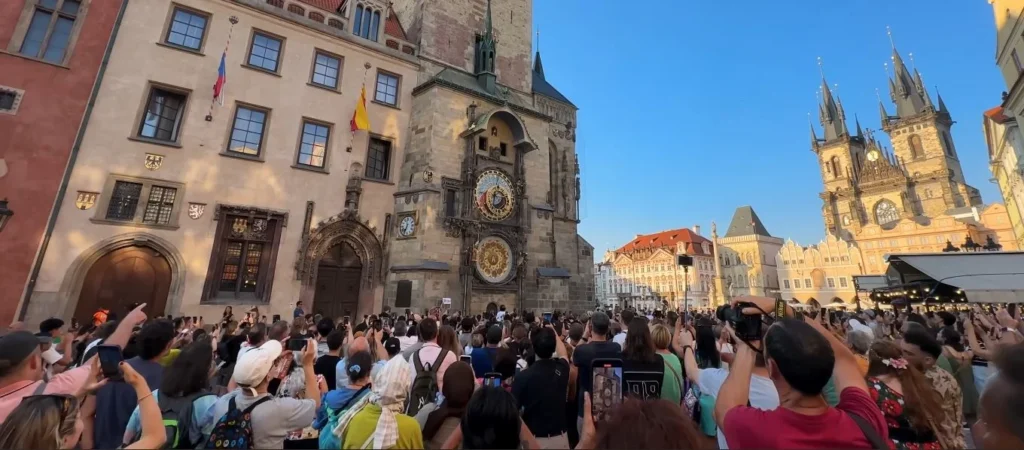
I almost forgot the Orloj, the Astronomical Clock of Prague, so much attention is paid to it. I got a quick text message immediately followed by my buddy Marta in Brno telling me not to bother, it was merely just tourists seeing a timepiece. She wasn’t wholly incorrect. But she was not right either.
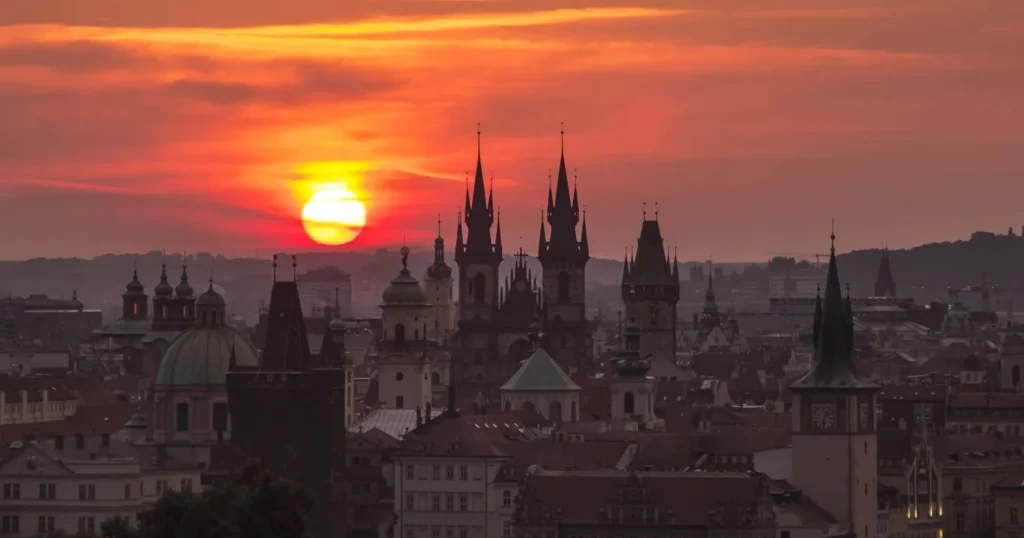
What nobody actually tells you — the thing chimes on the hour, these small wooden apostles parade through little windows and the entire square goes silent. Hundreds of people. Phones up. Then it’s over in maybe 90 seconds. And then everyone kind of laughs at themselves for caring that much. There’s something genuinely human about that moment. Go once. Go at sunset when the Týn Church spires behind you turn gold.
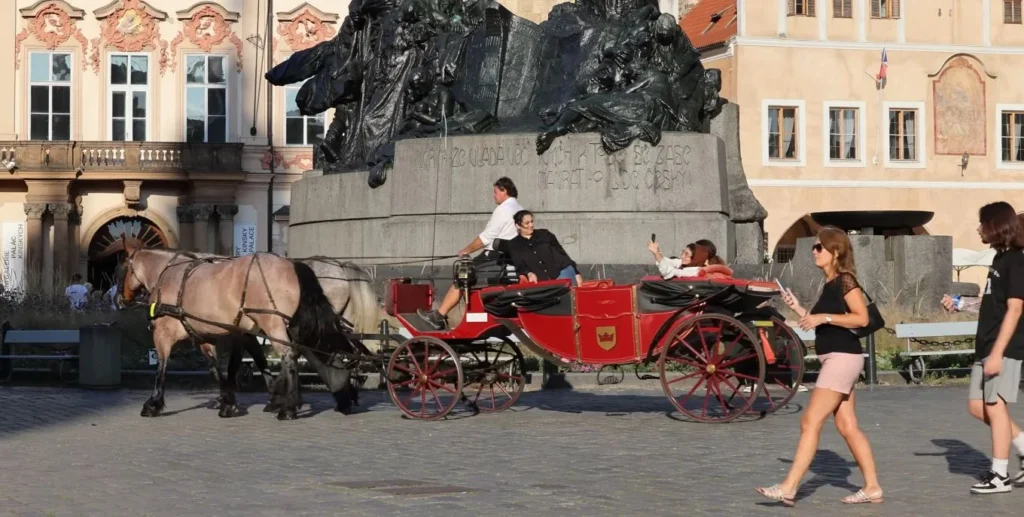
The square itself is chaotic in the best way. Horse-drawn carriage threading through selfie sticks, someone selling chimney cakes, a kid crying over dropped ice cream. Two women arguing about which direction the Kafka Museum is. Standard Old Town.
What’s actually worth your time here:
- Astronomical Clock Tower — climb it. The aerial view over those orange rooftops is genuinely something else. Line moves fast, maybe 20 minutes wait.
- Old Town Hall — the Gothic exterior is worth a slow walk around even if you skip going inside.
- Týn Church — free to enter some hours; the interior is darker and stranger than the outside suggests.
- Jan Hus Monument — smack in the center, horse carriages circling it constantly. The scale surprises you up close.
One of the surprises that occurred to me was the fact that Old Town appears to be so habitable. Clearly touristic. But when you leave the main drag and enter a cross street all you find are apartment houses, a small grocer and a drugstore. Prague did not hollow itself out as did some cities.
Charles Bridge: Yes, It’s Crowded. Go Anyway — Just Not at Noon.
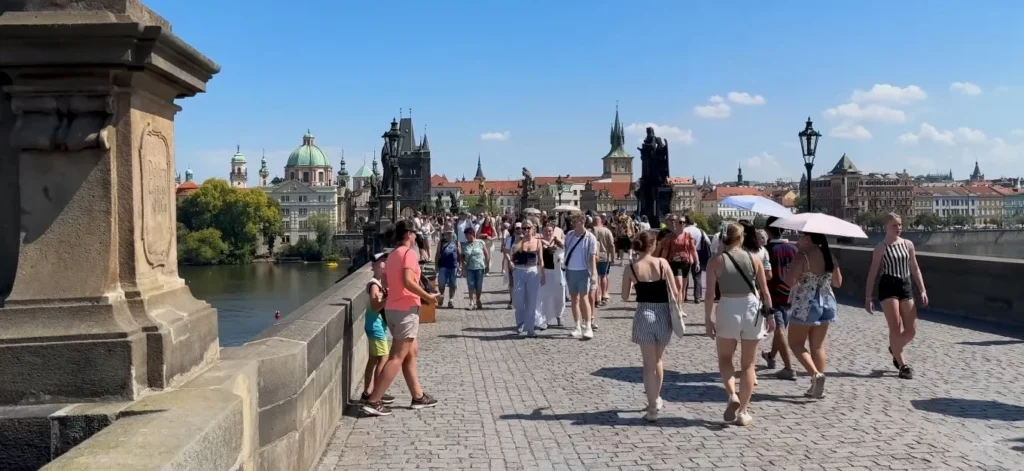
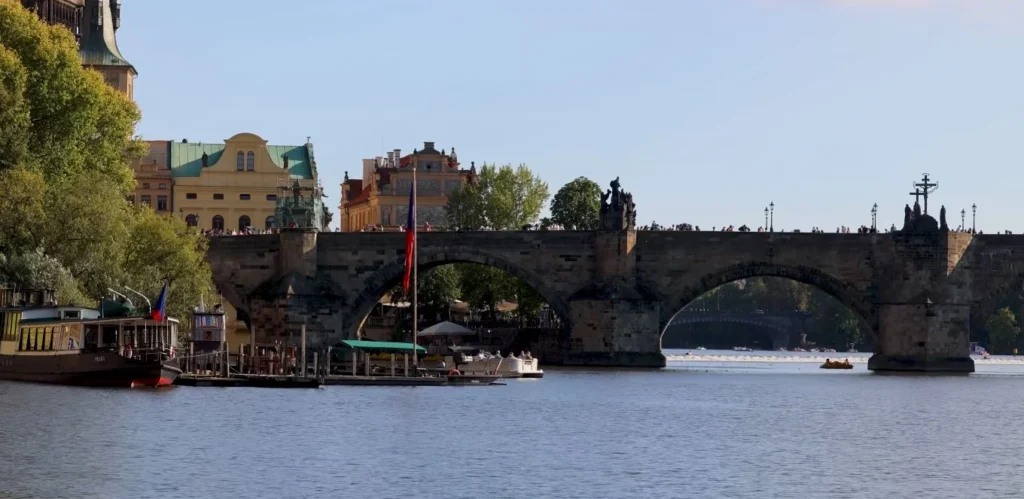
Honest version: Charles Bridge at midday in July is a mildly unpleasant experience. Shoulder-to-shoulder. Someone playing violin. Someone trying to sell you a painting. The woman in front stops dead to photograph a statue and you walk straight into her backpack.
Go at 6am. I dragged myself out on day two and got there just after sunrise — maybe a dozen people on the entire bridge. Just the 30 Baroque statues lining both sides, the Vltava going quiet underneath, Prague Castle sitting up on the hill in early morning haze. That image — castle, mist, still water — that’s the one that actually sticks with you.
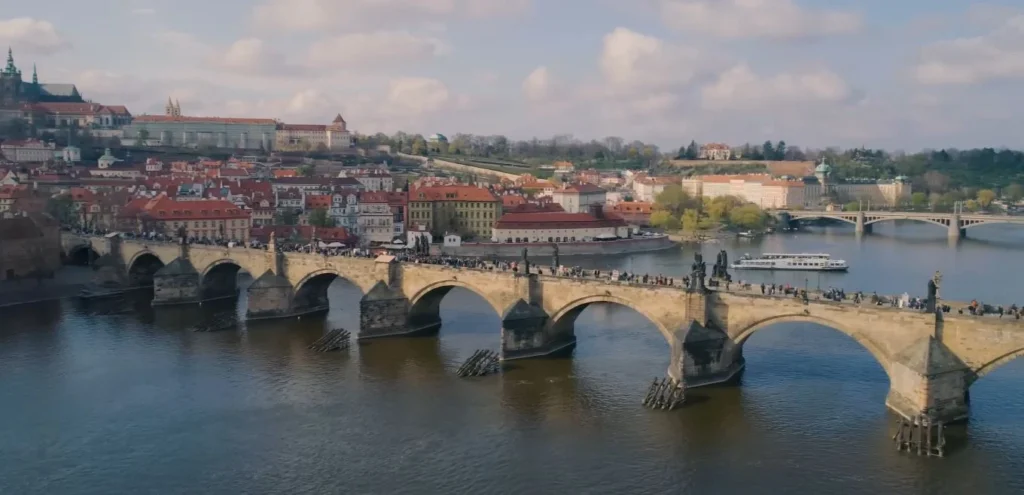
The bridge was constructed under the reign of Charles IV in 1357 and has since been able to withstand floods, wars and even 20 million tourists every year. The statue of Saint John of Nepomuk carries a brass plaque that has been rubbed by generations of hand to a glossy gold and is rubbed to bring good fortune. That very thing provided the history with a measure of reality more than any other.
Charles Bridge — Quick Reference:
| Detail | Info |
| Construction started | 1357 |
| Length | 516 meters |
| Statues | 30 (mostly 17th–18th century Baroque) |
| Best time to visit | Before 8am or after 8pm |
| Entry fee | Free |
One thing that surprised me completely — the views from the water are better than from the bridge itself. Boat tours go right under the arches and suddenly the scale of the whole structure makes sense. Worth the hour.
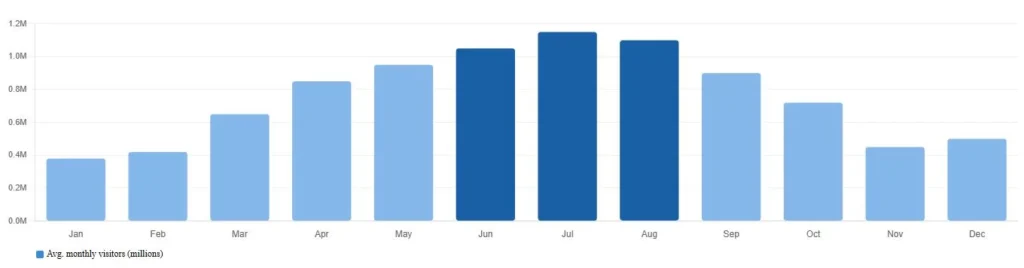
Prague draws roughly 8–9 million visitors a year — here’s how that crowd splits across the year, which matters a lot for planning:
Prague Castle: Bigger Than You Think, Busier Than You Want
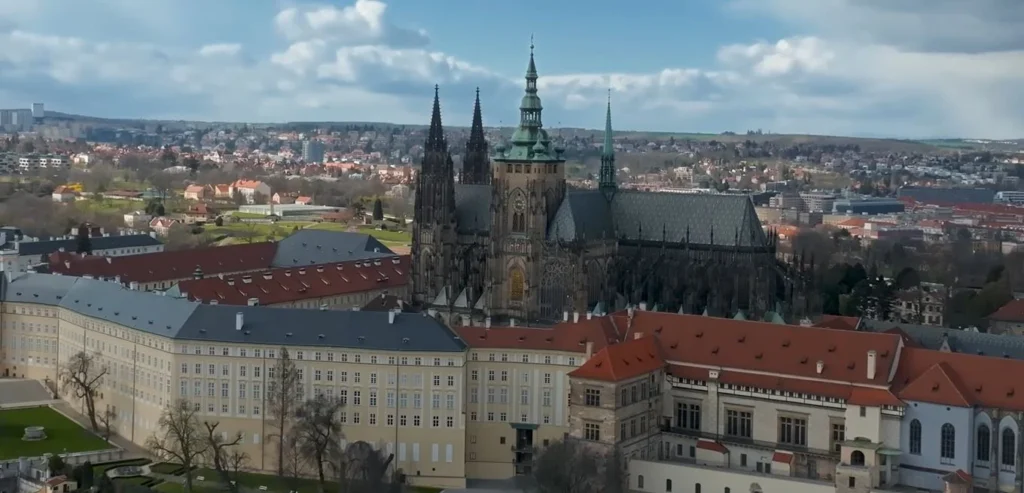
Nobody warned me about the scale. I knew Prague Castle was large — it’s listed in the Guinness World Records as the largest ancient castle complex in the world, covering roughly 70,000 square meters. I’d read that. Still didn’t process it until I was standing in the First Courtyard staring at those bronze fighting giants flanking the gate, neck craned back, genuinely trying to figure out where the castle ends and the rest of the hill begins.
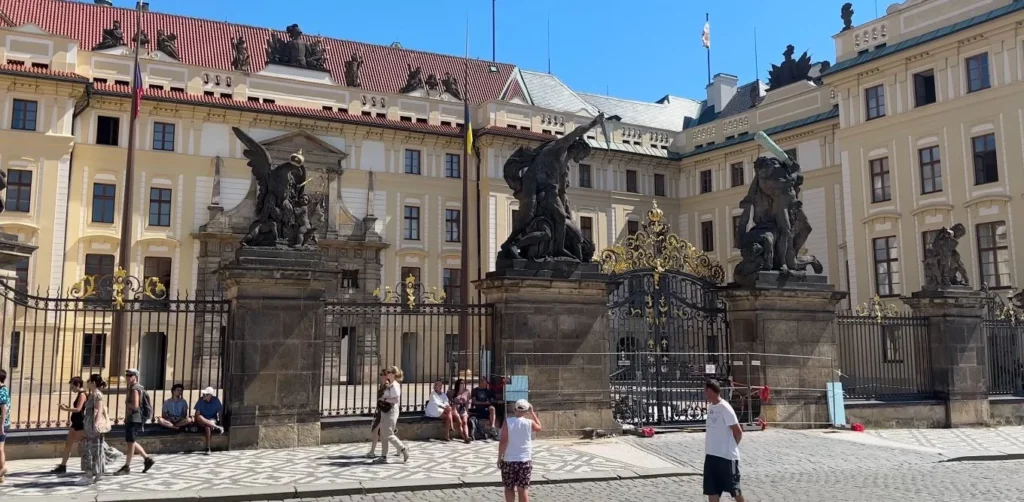
The entry gates themselves — those Baroque statues of Battling Giants — are technically free to look at. Which is what most of the crowd is doing when you walk up. Tourists sitting on the low walls in the heat. One guy inexplicably wearing a full suit. A school group that somehow got separated from it’s teacher.
Getting inside — actually inside — requires a ticket. There are a few ticket options ranging from a short circuit to a full circuit. Worth thinking about in advance because the queues at the ticket windows on a summer afternoon are genuinely punishing.
What’s inside the complex worth seeing:
- St. Vitus Cathedral — the centerpiece. Construction started in 1344 and finished in 1929. Almost 600 years. The stained glass windows by Alfons Mucha alone are worth the entry.
- Old Royal Palace — the Vladislav Hall is this enormous vaulted space where medieval jousting tournaments were held indoors. Indoors.
- The Basilica of St. George – more Romanesque, more peaceful. Majority pass by it on their way to the cathedral. Don’t
- Golden Lane – small colourful houses constructed into the castle walls during the course of the 16th century. Franz Kafka spent some brief moments in No. 22. It is now souvenir shops and that seems rightly ridiculous.
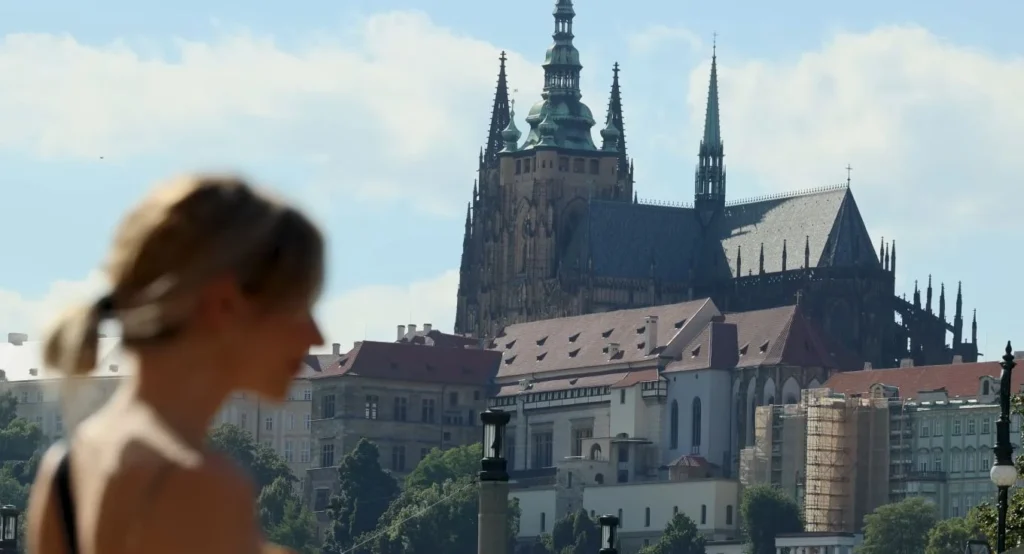
The one that looks out of the castle grounds on the city – that’s gratis, by the way. You can go to Hradochany and look on at the red roofs, without paying a thing. I had taken approximately 40 minutes doing just that and I do not regret it.
Prague Castle — Visitor Basics:
| Detail | Info |
| Location | Hradčany, Prague 1 |
| Opening hours | Grounds 6am–10pm; attractions 9am–5pm (Apr–Oct) |
| Short circuit ticket | From 250 CZK (~$11) |
| Long circuit ticket | From 350 CZK (~$16) |
| Best approach | Tram to Pohořelec, walk down through the gardens |
| Quietest time | Early morning weekdays |
One honest note — if you’re tight on time, skip the museums inside the palace buildings. They’re fine. The cathedral and the Golden Lane are where the experience actually is.
Getting Around Prague Without Losing Your Mind
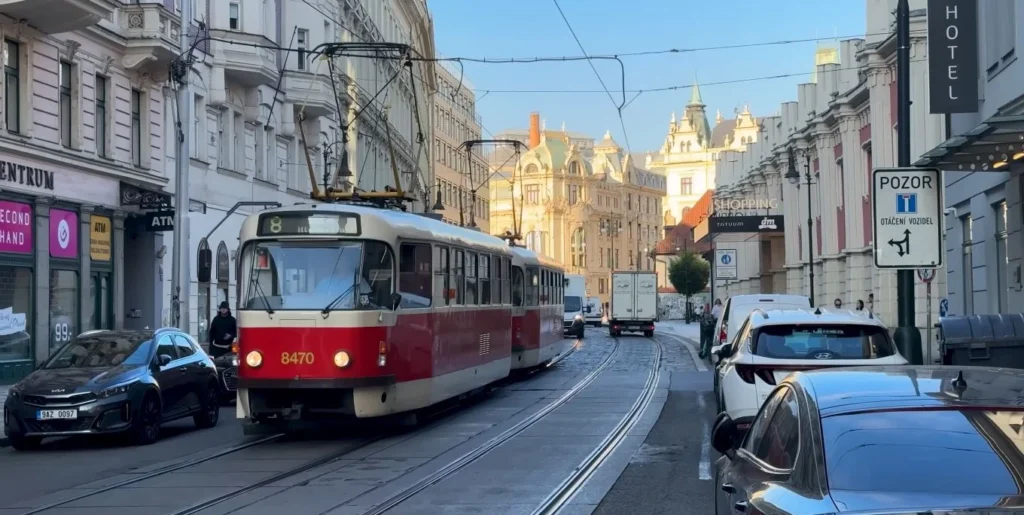
Prague’s public transport is one of those things that works so well it almost feels suspicious. The tram network especially — 24 lines, runs until midnight, night trams after that. I used it every single day and I think the most I ever waited was four minutes.
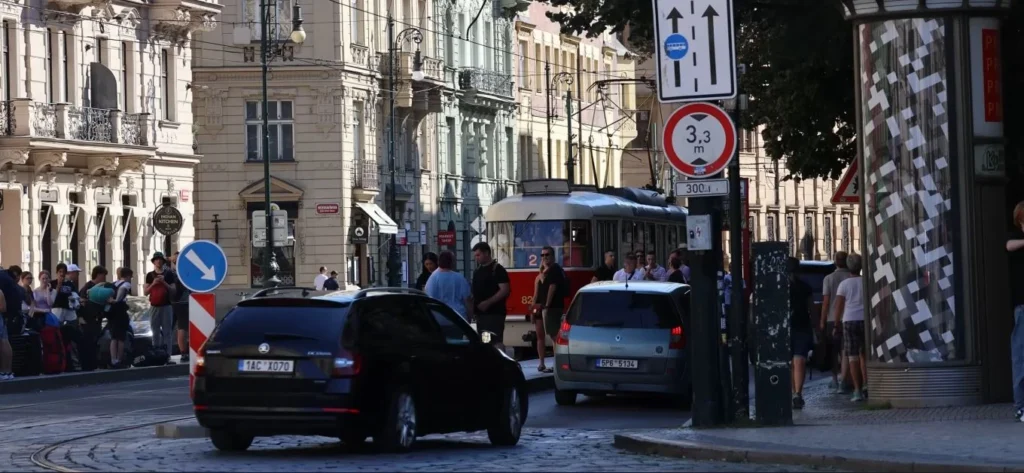
The classic red-and-cream trams are everywhere. They share the road with cars in a way that looks chaotic from the outside but somehow flows.
A single ride costs 30 CZK (about $1.30). A 24-hour pass is 120 CZK. Three days — 330 CZK. Honestly just get the Lítačka app, load credit, tap your phone. Done.
Prague Transport Options at a Glance:
| Method | Best For | Approx. Cost | Notes |
| Tram | Getting almost everywhere | 30 CZK/ride | Scenic, frequent, easiest option |
| Metro | Longer distances fast | 30 CZK/ride | 3 lines, clean, reliable |
| On foot | Old Town, Malá Strana | Free | Honestly the best way in the centre |
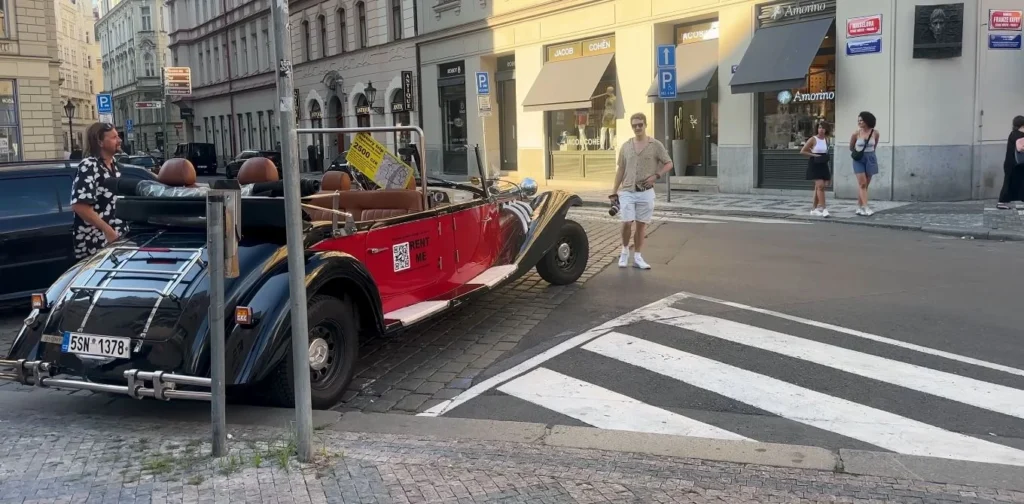
| Vintage car tour | Pure novelty | ~2,500 CZK/hr | Those open-top retro cars you’ll see parked everywhere |
| Horse carriage | Old Town Square loop | Variable | Touristy but the kids love it |
Those open-top vintage cars — they’re hard to miss, usually parked near Old Town Square. Genuine 1930s-style replicas with leather seats and a driver in period clothing. Completely unnecessary, slightly ridiculous and if you’re travelling with someone who’d find that fun — just do it. The price negotiates.
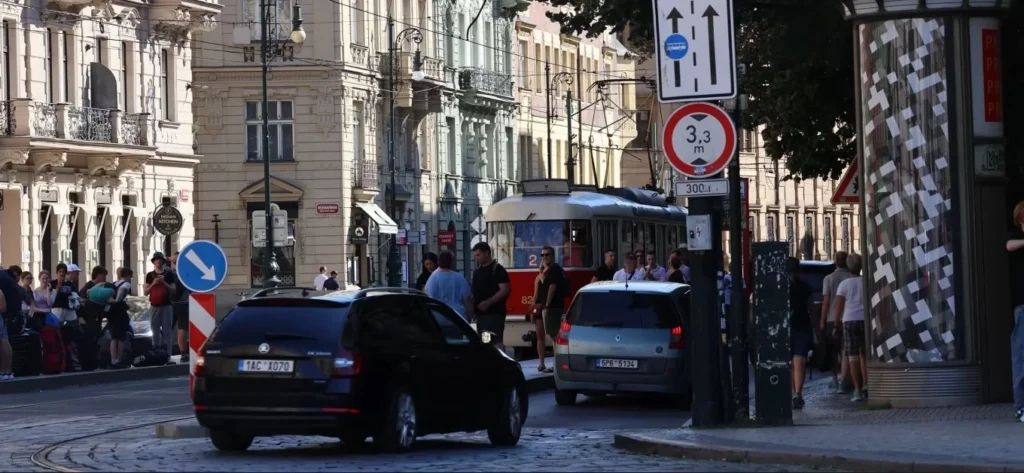
One thing worth knowing: don’t rent a car in central Prague. The old city streets were designed for horses. They were not designed for parallel parking a Škoda while a tram bears down on you from behind. The trams always win.
Where to Actually Eat — Three Places I’d Go Back to Tomorrow
Food in Prague is underrated. Like genuinely, seriously underrated. Everyone talks about the beer (yes, fine, it’s incredible and absurdly cheap), but the restaurant scene has moved somewhere interesting in the last decade. These three hit differently.
Eska Bakery & Restaurant
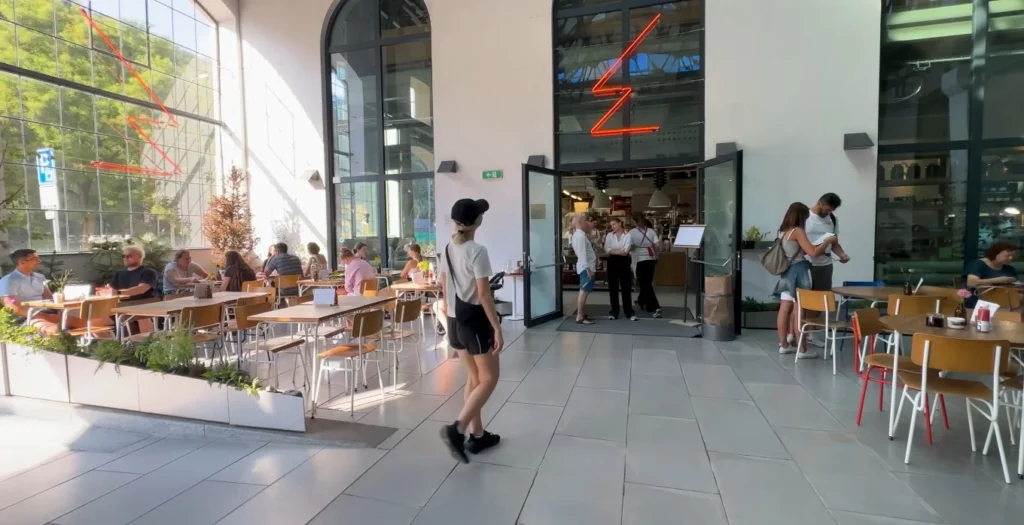
Eska is located in Holešovice, the area that has been mentioned repeatedly by the Prague locals when discussing where something is going on. This converted industrial space, with it’s gigantic glass walls, that red neon lightning bolt over the entrance and the food is modern Czech. Fermented, foraged, sourdough everything.
On the third day, I took breakfast. Ordered an item that included rye bread, cultured butter and soft-boiled eggs that came in a small ceramic pot. The coffee was grave. By Western European standards the bill was shamefully tiny.
- Recommended: Breakfast, weekend brunch, non-afterthought coffee.
- Neighbourhood: Holešovice (15 minutes tram ride in Old Town).
- Prices: 200-450 CZK/person breakfast/lunch.
- Reservation: Worth making a reservation prior to eating out.
Kantyna
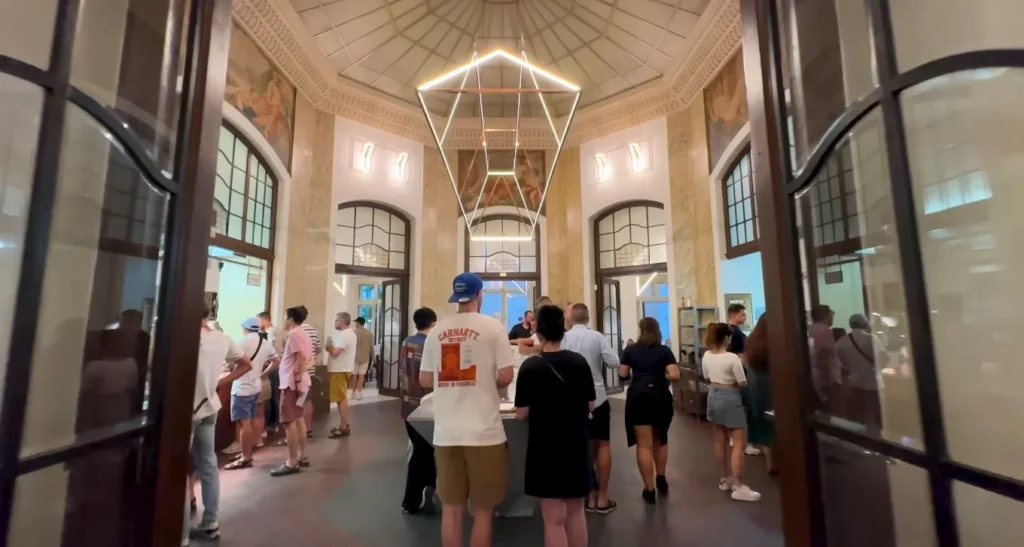
This one’s a bit of a discovery. Kantyna is a modern butcher-restaurant hybrid in a building with an Art Nouveau dome ceiling that you genuinely stop walking to look at. The geometric pendant light hanging down through the rotunda — someone put real thought into that room.
The concept: you pick your meat from the counter, they cook it, you take it to a table. Sounds casual. The quality is not casual. I had a dry-aged ribeye that I’m still thinking about. There’s a queue most lunchtimes and it moves quickly. No reservations for the counter section — just show up.
- Best for: Lunch, meat lovers, people who appreciate a room with bones.
- Location: Nové Město (New Town), walkable from Wenceslas Square.
- Price: 300–600 CZK for a main.
- Tip: Get there by 12:15pm or the queue gets real.
Marina Ristorante
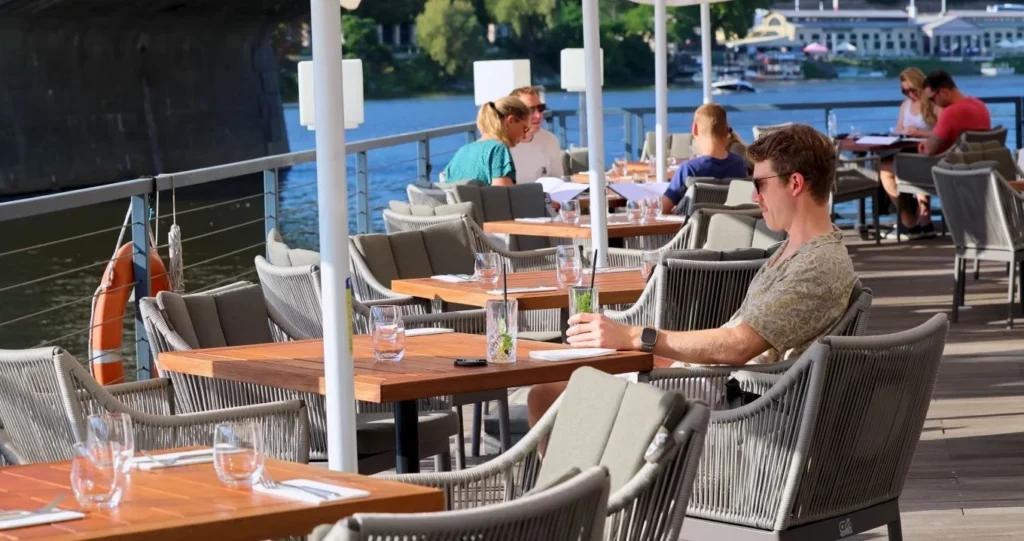
Directly on the Vltava. Marina Ristorante is Italian in a floating terrace and the view is virtually undeservedly good, that smooth brown flow of the river, the boats floating overhead, the afternoon sun falling on the water at the very correct angle. I went to dinner and came early, when the light had last come and found myself staying three hours.
The pasta is made fresh. The wine list has some interesting Czech natural wines if you ask. Main courses run 400–700 CZK, which feels reasonable until you factor in how long you’ll be sitting there ordering more things.
- Best for: Dinner, date night, long lazy lunches.
- Vibe: Upscale but relaxed, no dress code enforced.
- Reservation: Absolutely required for dinner, especially riverside tables.
- Getting there: Tram to Palacký Square, 5-minute walk to the riverbank.
The Honest Practical Guide — What I Wish I’d Known Before Landing
The visit of no one to Prague is flawless. On the first day, mine experienced a time when I took 25 minutes to walk in the wrong direction because I thought that the Old Town was closer to the train station than it is. It’s not. That’s what trams are for. The following are some points to know before you go.
Best Time to Go
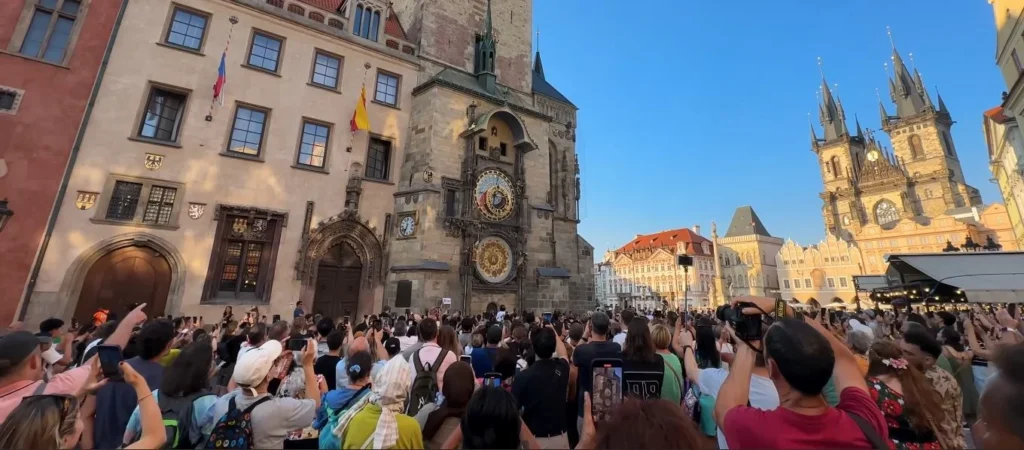
Mid-July — which is when I went — is not the answer. The mobs are not fictitious and the heat under those cobblestones is a thing. Prague is located in a basin, there is hardly any breeze in summer and by 2pm the Old Town is already this moving cog of sunburned tourists who need to get some shade.
The honest breakdown by season:
| Season | Months | Crowd Level | Weather | Verdict |
| Peak summer | Jun–Aug | Overwhelming | 25–32°C | Go early mornings only |
| Shoulder spring | Apr–May | Manageable | 12–20°C | Best overall balance |
| Shoulder autumn | Sep–Oct | Manageable | 10–18°C | Arguably best for photography |
| Winter | Nov–Mar | Low | 0–8°C, some snow | Quiet, atmospheric, cold |
Late September is genuinely my recommendation now. The light hits those Gothic spires differently in autumn. The tourist numbers drop noticeably. Restaurants actually have walk-in availability.
What Prague Actually Costs
This is the part that still surprises people — Prague is one of the most affordable capitals in Central Europe. Not in a “budget backpacker hostel” way. In a “I had a three-course dinner with wine for €25” way.
Daily budget estimate (per person):
- Budget traveller — €40–55/day
- Mid-range — €80–120/day
- Comfortable splurge — €150–200/day
The Czech koruna (CZK) is the currency. Don’t let anyone talk you into paying in euros — shops and restaurants in tourist areas sometimes offer this and the exchange rate they use is quietly terrible. Always pay in CZK.
Quick cost reference:
| Item | Approximate Cost (CZK) | In USD |
| Pilsner Urquell (500ml) | 45–65 CZK | ~$2 |
| Tram single ride | 30 CZK | ~$1.30 |
| Lunch (mid-range restaurant) | 250–400 CZK | ~$11–18 |
| Dinner (nice restaurant) | 500–900 CZK | ~$22–40 |
| Prague Castle entry (long circuit) | 350 CZK | ~$16 |
| Airbnb/mid-range hotel per night | 1,500–3,500 CZK | ~$65–155 |
ATMs are everywhere. Withdraw from bank ATMs — Raiffeisenbank, ČSOB, Komerční banka — and avoid the standalone exchange kiosks near tourist areas. Those kiosks have commission structures that border on theatrical.
Neighbourhoods — Where to Actually Stay
Most first-timers default to Old Town. Makes sense. Walking distance to everything, Instagram-ready streets, convenient. Also louder than you’d expect at midnight on a Friday and the hotel prices reflect the location.
I would really consider it like this:
- Vinohrady — my favorite among the visitors. Nature apartment buildings, high density of restaurants, one metro station away Wenceslas square. It is like a genuine neighbourhood, not a tourist alley.
- Malá Strana — The Lesser Town is just beneath the castle. Cobblestoned, night silent, truly beautiful. A little bit cumbersome to the mobility of movement but worth the ambiance.
- Holešovice — where Eska is. Grittier, younger, arts scene. If you’re not fussed about being 20 minutes from Old Town by tram, the prices here are noticeably better.
- Old Town / Josefov — central, expensive, noisy. Fine if budget isn’t the constraint and convenience is everything.
A Few Things That Catch People Off Guard
Some of this sounds minor. It isn’t.
- The tipping situation — not mandatory the way it is in the US, but 10% is standard and appreciated. Rounding up the bill is perfectly acceptable and common.
- Czech is hard — like genuinely hard to pronounce. Don’t stress it. Most people in service roles speak English well. But learning děkuji (thank you, roughly “dyeh-koo-yee”) will get you noticeably warmer service every single time.
- Museum Monday closures — a lot of Prague’s museums close on Mondays. National Museum, Museum of Decorative Arts, others. Check before building your day around one.
- The taxi situation — use Bolt or Uber. Street hailing or taxi ranks near tourist spots have a long history of creative pricing that doesn’t end well for the passenger.
- Card payments — most restaurants and shops accept cards now, even smaller ones. Still worth having a few hundred CZK cash for markets, small cafés and the occasional tram ticket machine.
The Part Nobody Writes About
It is the Prague that there is one that is 45 minutes after the last group of tourists has returned to their hotels. The square is emptied. The light fades and turns orange. Somebody is playing an accordion somewhere you can hardly find. Charles Bridge has wet stones and the city is indifferent to the beauty of it, simply sitting there in the evening air.
I made a false step on my last evening– really lost my bearings between Mala Strana and the river–and was led up this little street, which I could not pick on a map again. No other tourists visible, baroque buildings on each side, a cat sitting on a windowsill observing me attempt to figure out my phone. That is what I revisit each time someone inquires me about Prague rather than the Astronomical Clock or the views of the castle or any of the restaurants.
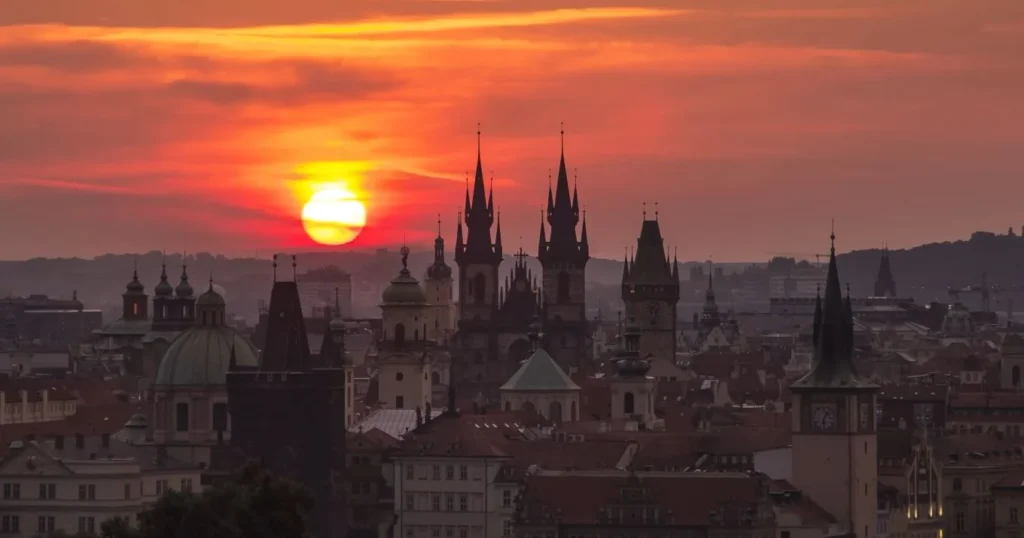
It’s not a city that shows you everything at once. It parcels things out, keeps something back. Four days was enough to fall for it. Not nearly enough to understand it. I’ll probably go back in October and get lost again on purpose.