
Three months back, I was packed into a sleeper train at Hanoi asking myself whether I had made a great mistake. A 2-day trip to Sapa was not a luxury trip. However, a certain level of unpleasantness is sometimes an excellent step towards a great adventure, is that right?
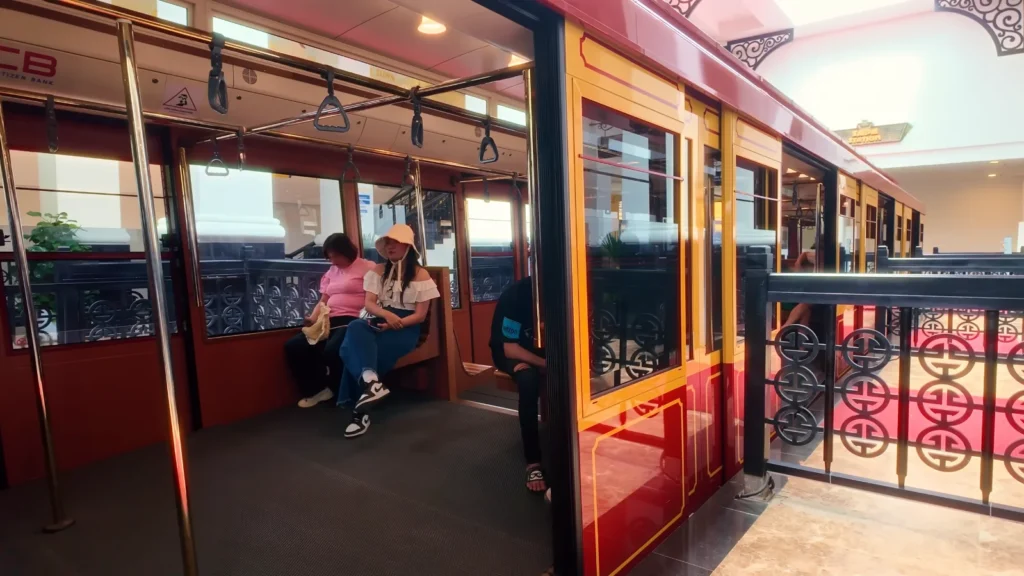
Getting There: The Night Train Adventure Nobody Warns You About
The Victoria Express pulled out of Hanoi at 9:35 PM sharp. I’d read about this train online – mostly complaints about hard beds and questionable hygiene. What nobody mentioned? The gentle rocking that actually lulled me to sleep better than my bed at home.
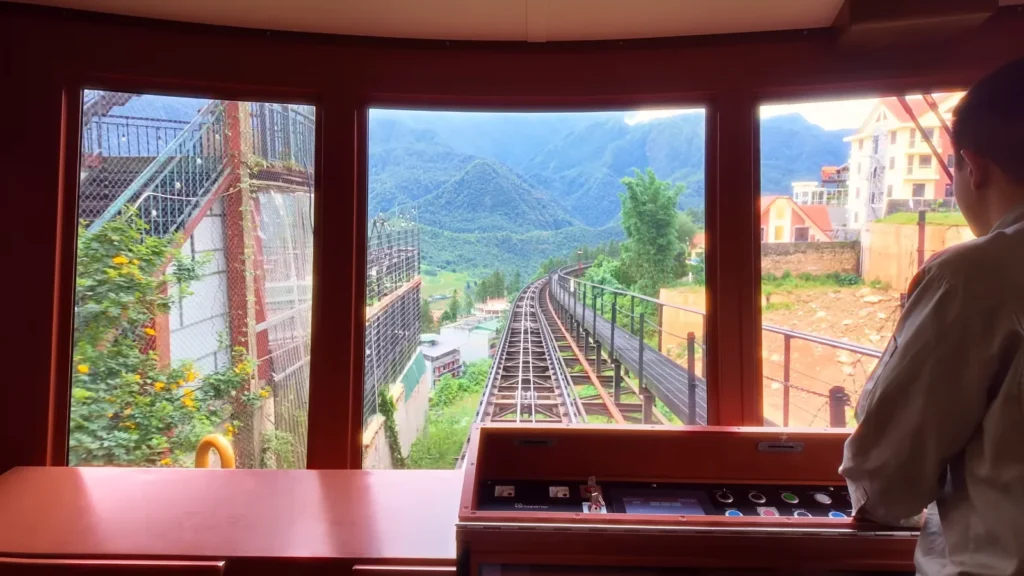
The mountain scenery seen on the window as I woke up was all worth the uncomfortable moments. The countryside of Vietnam was a moving picture – rice paddies, small villages, people who had already gone to work their fields at dawn. It is not the Vietnam that you find on Instagram. It is life in the 40 kilometers per hour.
Train Journey Quick Facts:
- Duration: 8-10 hours from Hanoi.
- Cost: $25-60 USD depending on cabin class.
- Best booking: Vietnam Railways or local travel agents.
- Pro tip: Bring snacks. Train food is… questionable.
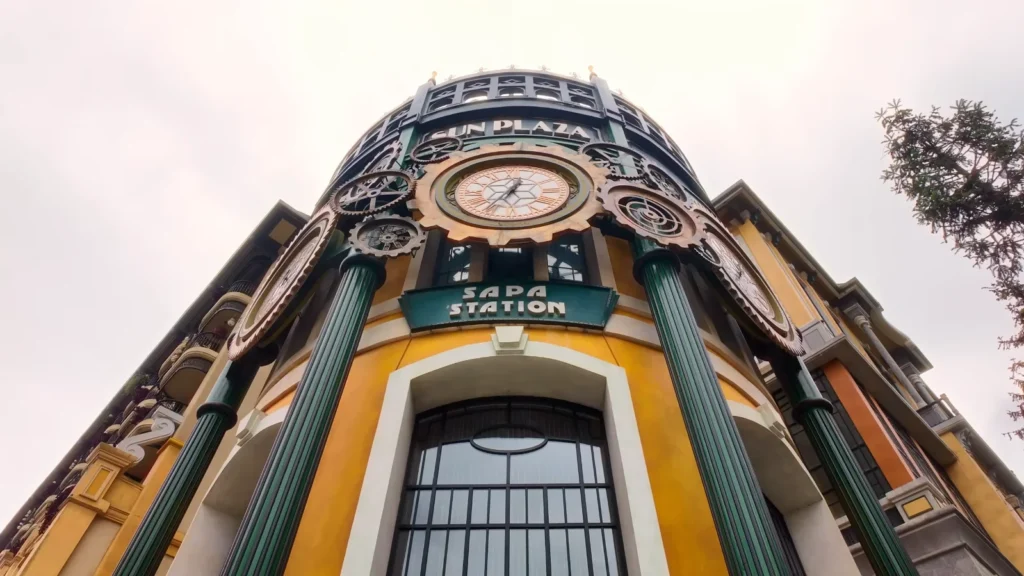
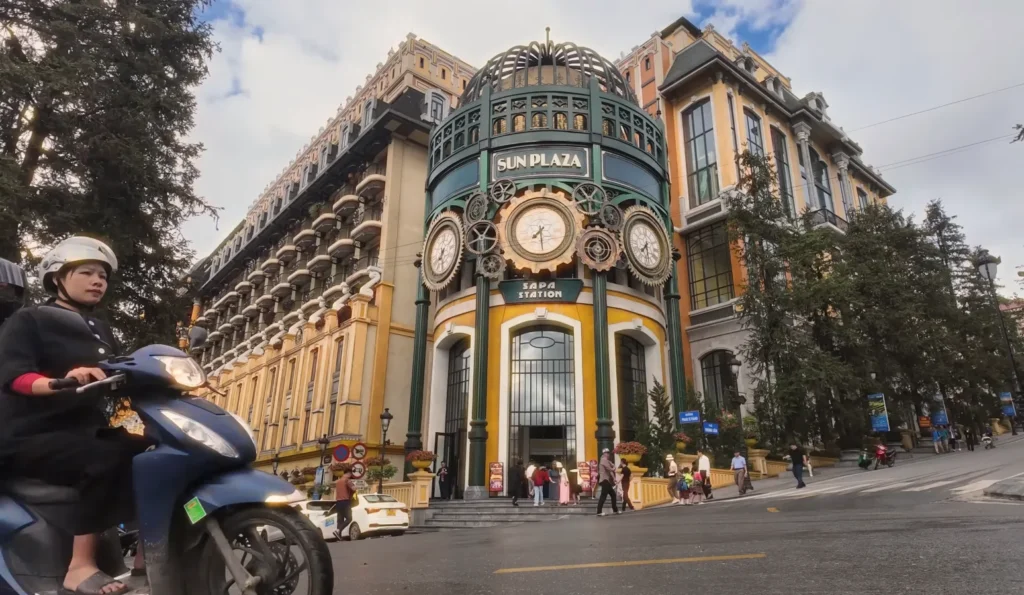
The Sapa station was like entering a new world. It is the mixture of the French colonial architecture and the Vietnamese mountain culture which produces this weird, wonderful atmosphere. You are 1,500 meters above sea level and you can feel it at once, that sharp, thin air which causes you to inhale more deeply.
First Impressions: A Town Between Two Worlds
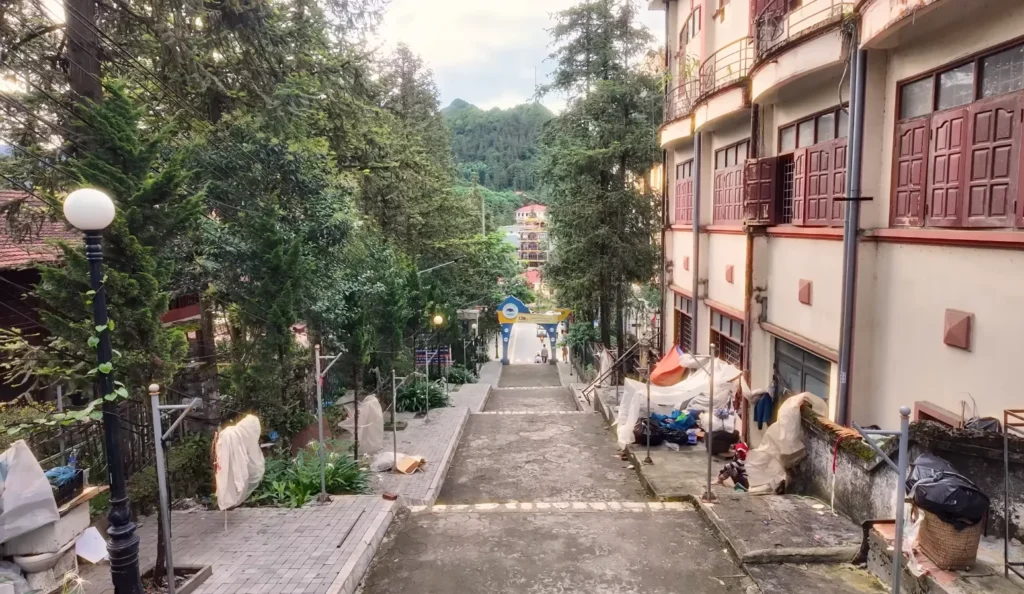
Walking through Sapa town center for the first time, I kept thinking about layers. French villas built in the 1920s stand next to modern hotels. Traditional H’mong women in colorful textiles sell souvenirs outside coffee shops serving flat whites. It shouldn’t work, but somehow it does.
This is the centre of all action making the central square. tour buses come, backpackers haggle with motorbike drivers, local children practice English with the tourists. Chaos? Maybe. But it’s organized chaos.

Where to Stay: My Eden Boutique Experience
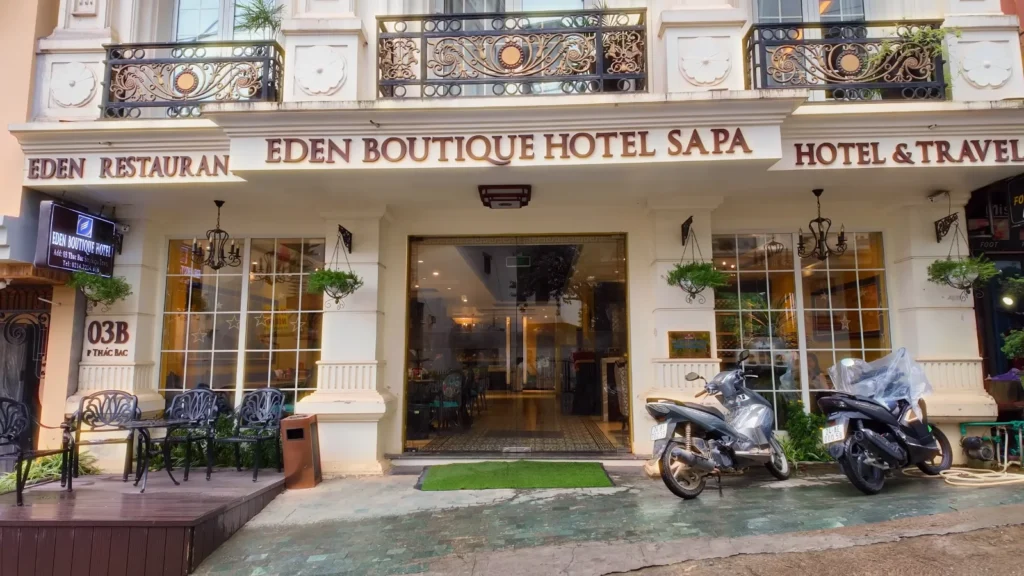
I’d booked three nights at Eden Boutique Hotel based on reviews mentioning mountain views. What I didn’t expect was waking up to Fansipan peak literally outside my window.
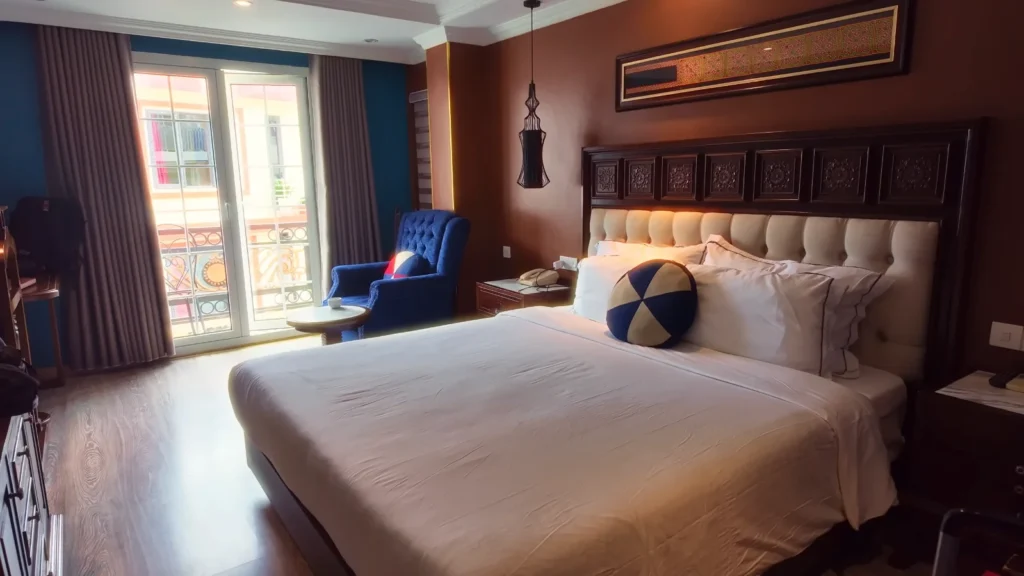
The room itself? Standard boutique hotel fare – dark wood, ethnic textiles, that carefully curated “authentic Vietnamese” vibe. But that view… watching clouds roll across the mountains while drinking morning coffee from my balcony made every penny worth it.
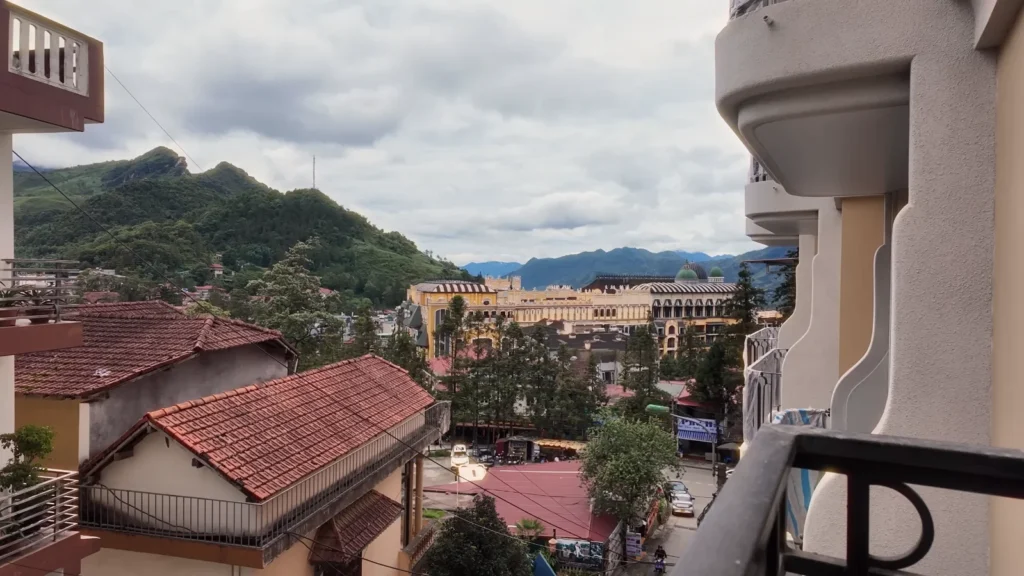
Eden Boutique Hotel Details:
- Location: Central Sapa, walking distance to everything.
- Price range: $80-120 USD per night.
- Best feature: Mountain-facing rooms.
- Book through: Booking.com or hotel direct.
Food Adventures: Street Eats and Mountain Flavors
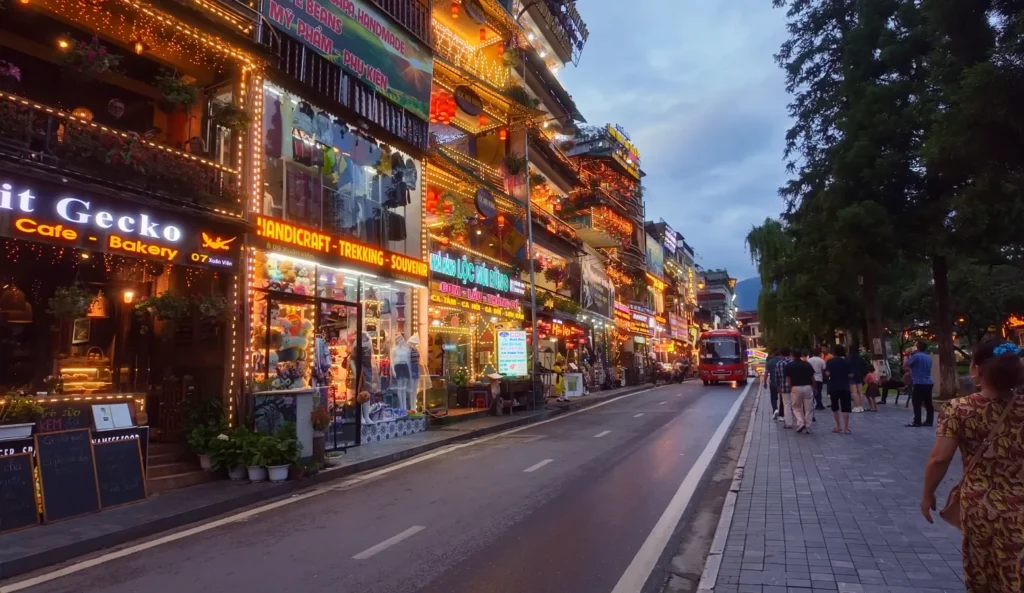
Here’s what nobody tells you about Sapa food – it’s not typical Vietnamese cuisine. The altitude, the ethnic minority influences, the French colonial history… everything mixes into something completely unique.
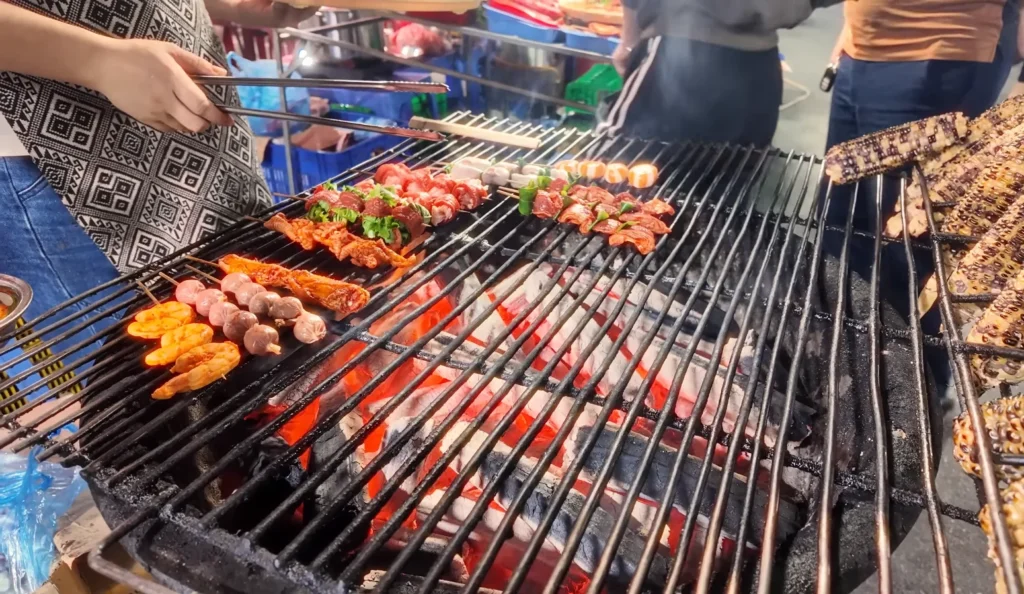
My first night, I followed the smoke. Literally. That unmistakable smell of charcoal and grilled meat led me to a night market setup that appeared magically after sunset.
The Night Market Food Scene
The vendors here don’t mess around. Corn on the cob grilled until the kernels pop. Sausages that taste like nothing I’ve had in Vietnam’s cities. Everything cooked over actual wood fires, not gas burners.
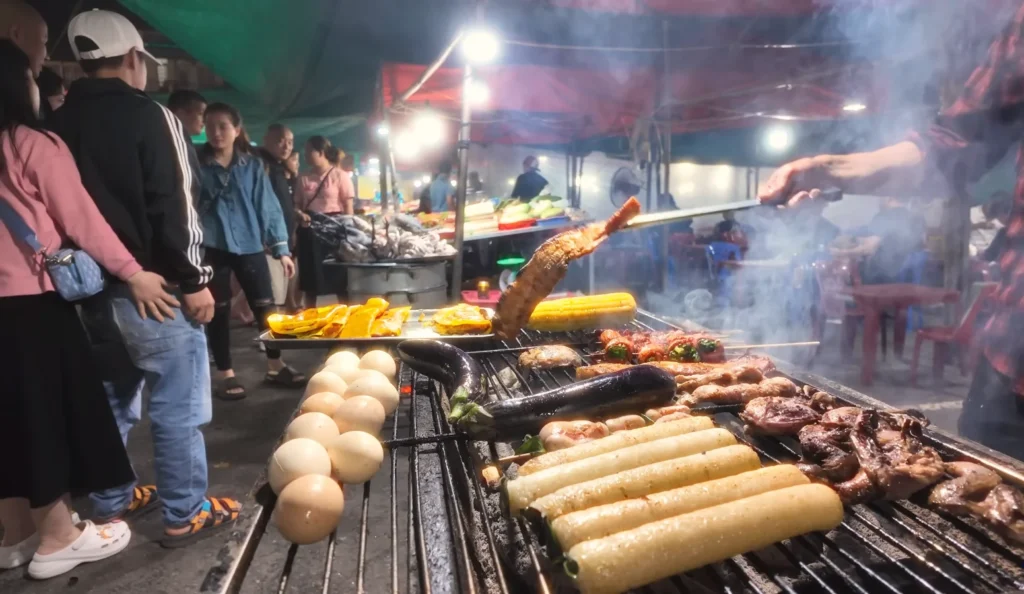
I ordered what everyone else was eating – grilled corn, some kind of local sausage and what turned out to be mountain goat meat. Sounds exotic? It just tasted like really good beef. The vendor spoke maybe three words of English, but we managed an entire conversation through pointing and smiling.
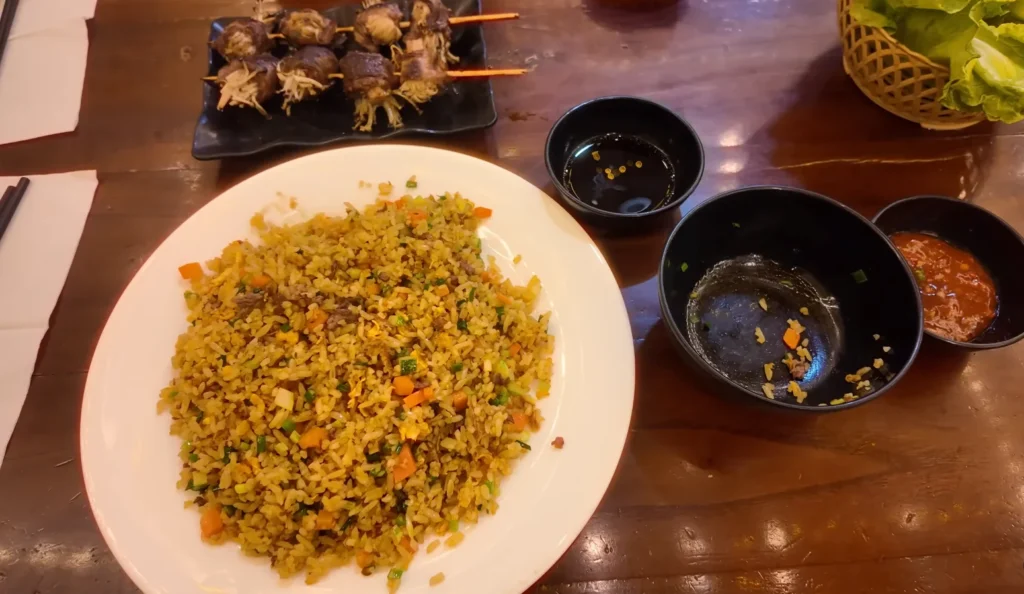
The fried rice and mountain vegetables became my favorite dish. Uncomplicated ingredients, yet the elevation works miracles with tastes. Everything is more intense up here. Perhaps it is the air, it is so thin, perhaps it is the clean mountain water. Probably both.
Cultural Immersion: Beyond Tourist Performances
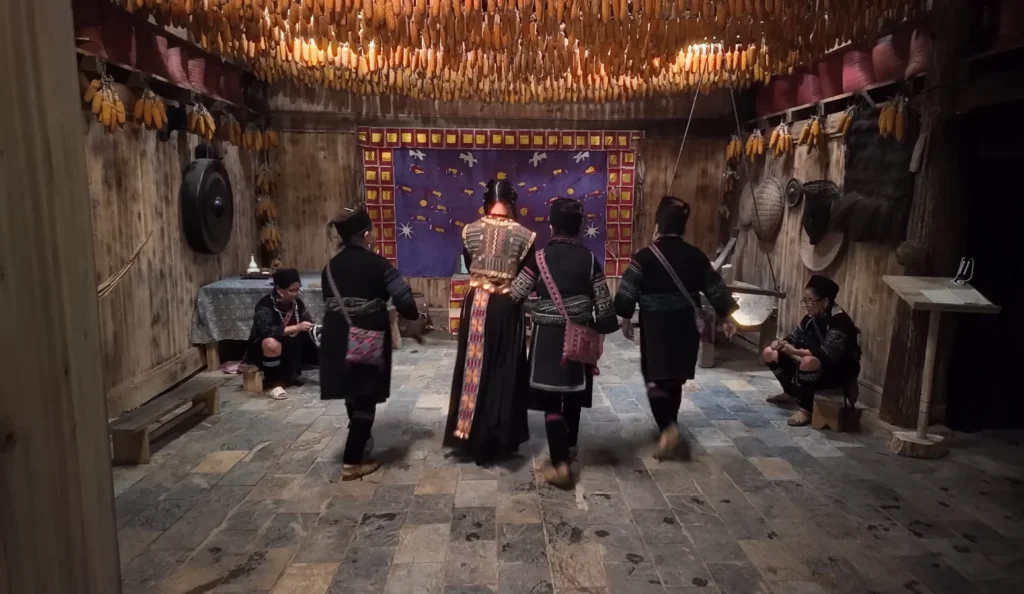
The dance performance that I bumped into was a traditional dance performance. Passing by what appeared to be a community center, I heard music and a crowd of people. I was able to witness what seemed to be a real cultural exchange with 50,000 VND (approximately 2 dollars).
The actors were not in costumes, they were wearing their folk clothes. The difference matters. These were the H’mong and Red Dao people who came to share their real heritage and not a show to the tourists. The corn upon the ceiling? This is their usual way of preserving the harvest.
Cultural Etiquette Tips:
- Ask permission before photographing people in traditional dress.
- Learn basic greetings in H’mong or Red Dao.
- Tip performers appropriately (20,000-50,000 VND is standard).
- Respect sacred spaces and ceremonies.
Conquering Fansipan: Vietnam’s Rooftop Experience
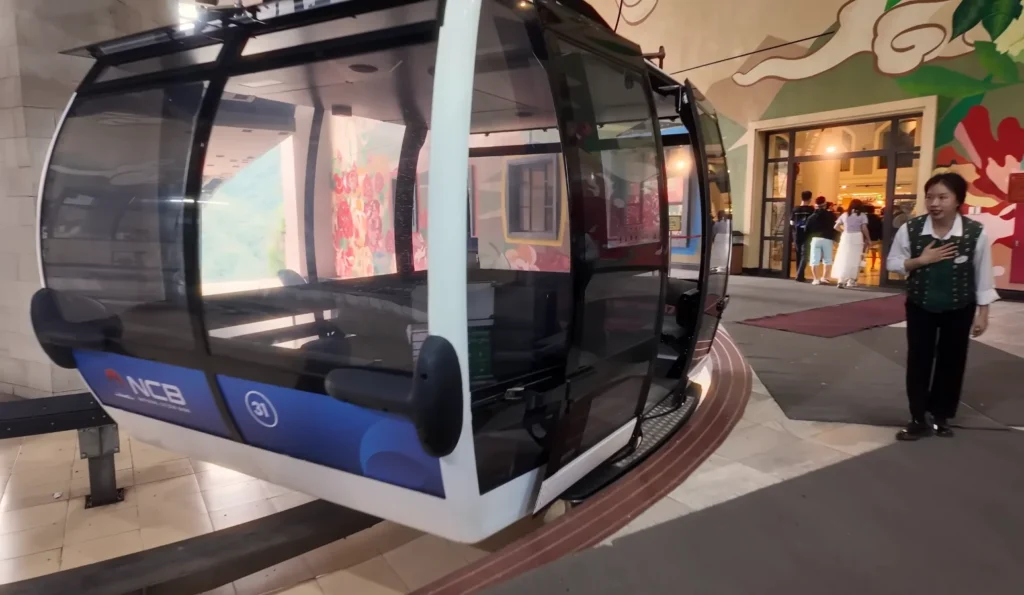
Fansipan Mountain loomed over my entire Sapa experience. At 3,143 meters, it’s Vietnam’s highest peak and honestly? I almost chickened out. The cable car system looked impressive from town, but getting up there felt like a commitment.
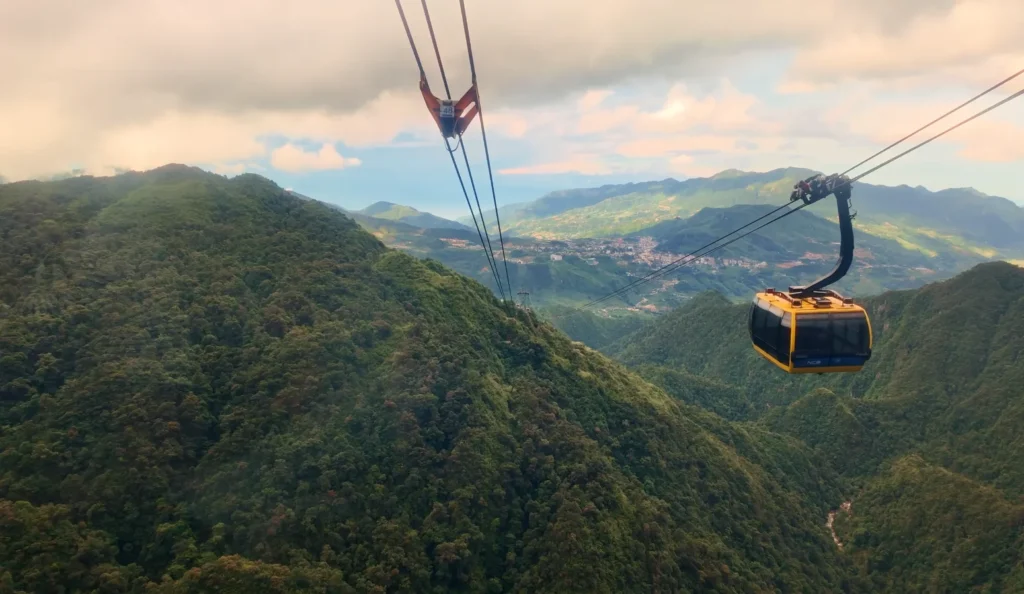
The cable car ride itself deserves it’s own story. Fifteen minutes of slow ascent through clouds that kept shifting and breaking apart. One moment you’re looking down at terraced rice fields, the next you’re completely swallowed by white fog. The Vietnamese family next to me was just as mesmerized – this isn’t something you get used to, even as a local.
The Summit Temple Complex
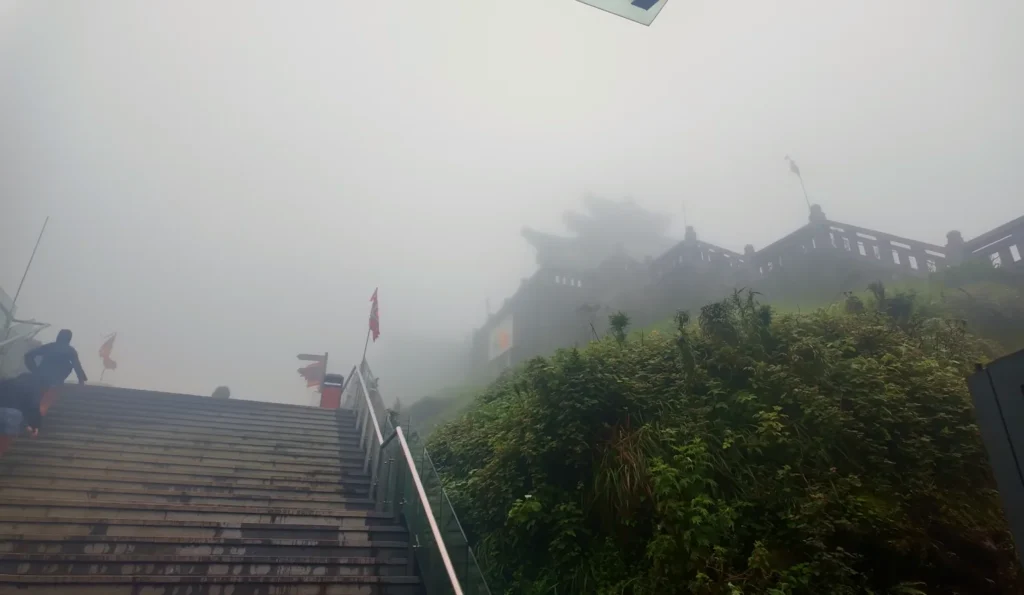
What they don’t tell you about reaching Fansipan’s summit is that weather changes every five minutes. I arrived in brilliant sunshine, perfect for photos. Ten minutes later? Complete whiteout conditions.
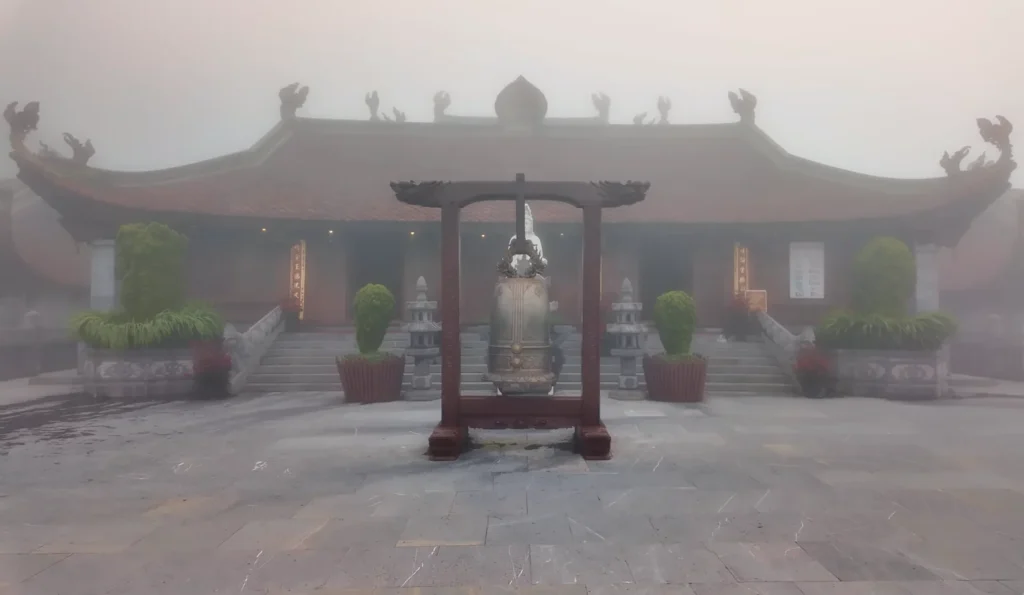
The temple complex at the top feels almost surreal. Ancient Buddhist architecture sitting literally in the clouds. Some visitors complained about poor visibility ruining their photos. I thought they were missing the point entirely.
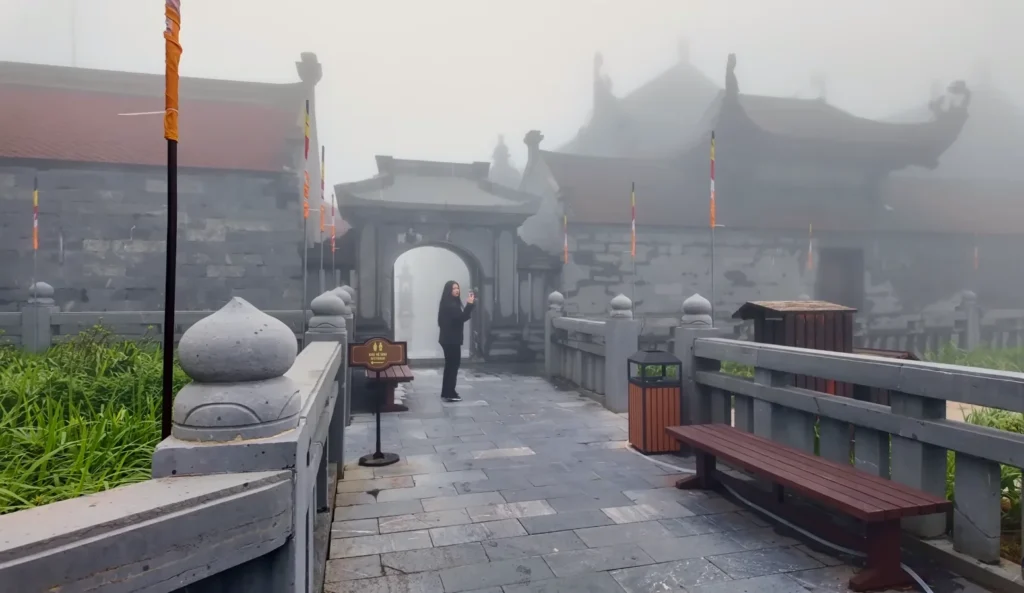
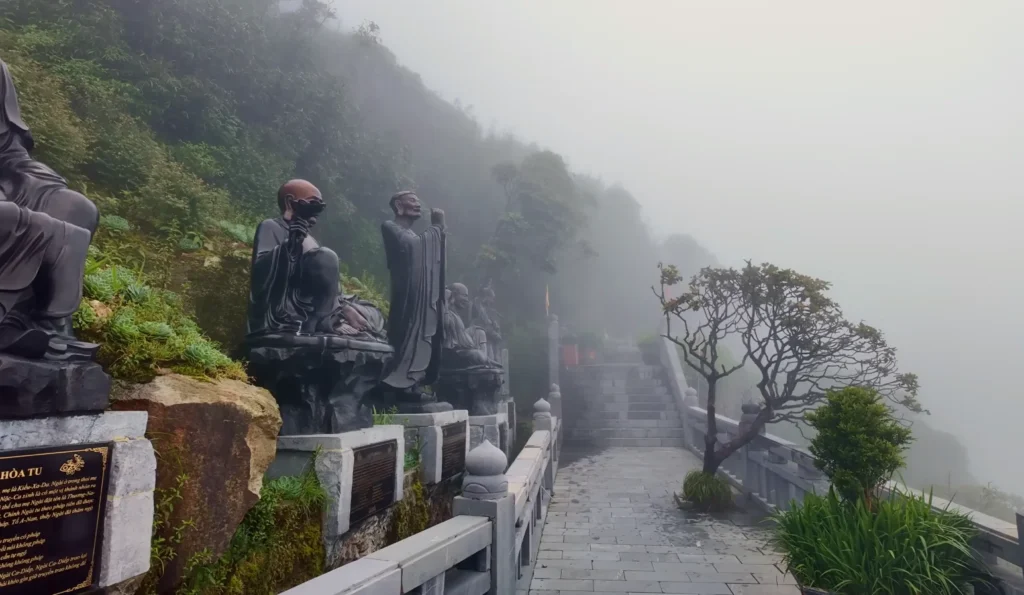
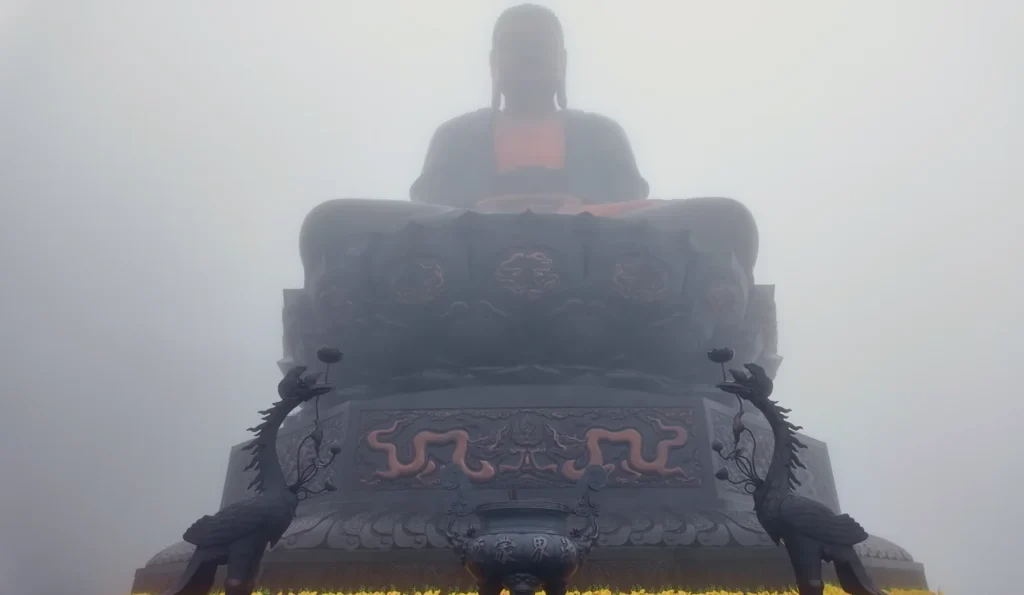
Something magic came into being with that gigantic Buddha statue which came out of fog and went back in it. You had to be there at those times when the fog would lift a little and look over the edge of the block and you could see the face of the statue and then it was lost again.
Fansipan Cable Car Information:
- Operating hours: 7:30 AM – 5:30 PM daily.
- Round trip cost: 700,000 VND (approximately $30 USD).
- Journey time: 15 minutes each way.
- Weather note: Expect sudden changes, bring layers.
- Booking: Fansipan Legend or on-site.
Coffee at 3,000 Meters
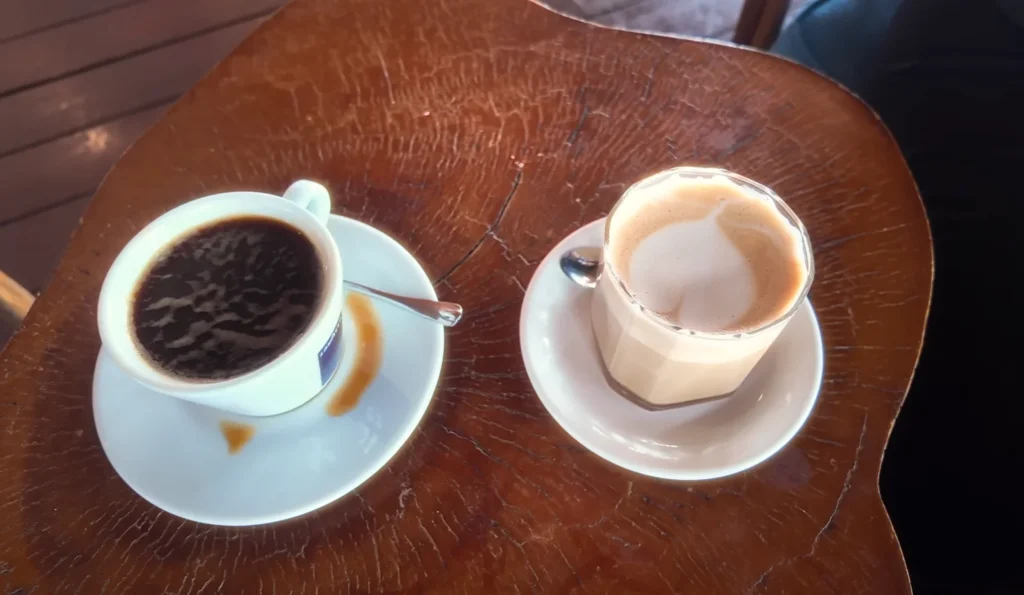
The strangest part of my Fansipan experience? Sitting in a mountaintop café, sipping Vietnamese coffee while clouds rolled past the windows. Two cups because my travel companion couldn’t believe we were actually drinking coffee on Vietnam’s highest peak.
That coffee tasted different at altitude. Stronger? Maybe. Or maybe everything feels more intense when you’re literally above the clouds.
Cat Cat Village: Where Time Moves Differently

To reach Cat Cat Village, one has to be devoted. The stroll down Sapa town would require approximately 45 minutes on terraced fields and small trails that were not meant to be traveled by tourists. The coming to this H’mong settlement seemed like going back centuries.

The village sits alongside a river that powers an old French-era hydroelectric plant. But what caught my attention immediately was how life just… continues here. Kids playing in the streets, elderly women weaving on their porches, men repairing traditional stilt houses.
The Famous Bamboo Bridge
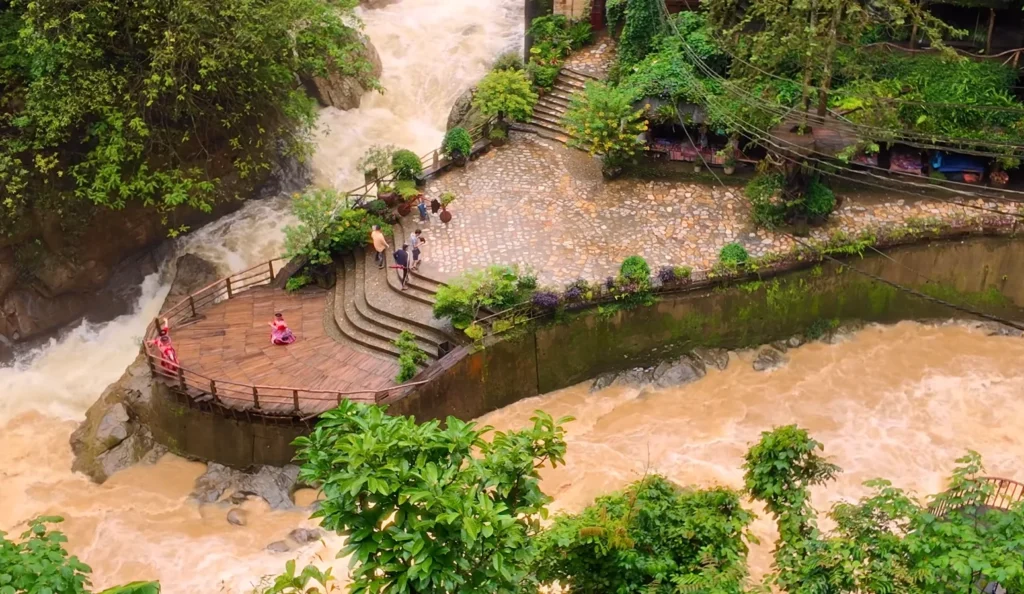

That bamboo bridge which everyone takes pictures on? It is not a tourist sight – it is the way people cross over the river. I could see how locals were walking in a careless manner around, and tourists (including myself) were holding to the railings and treading carefully.
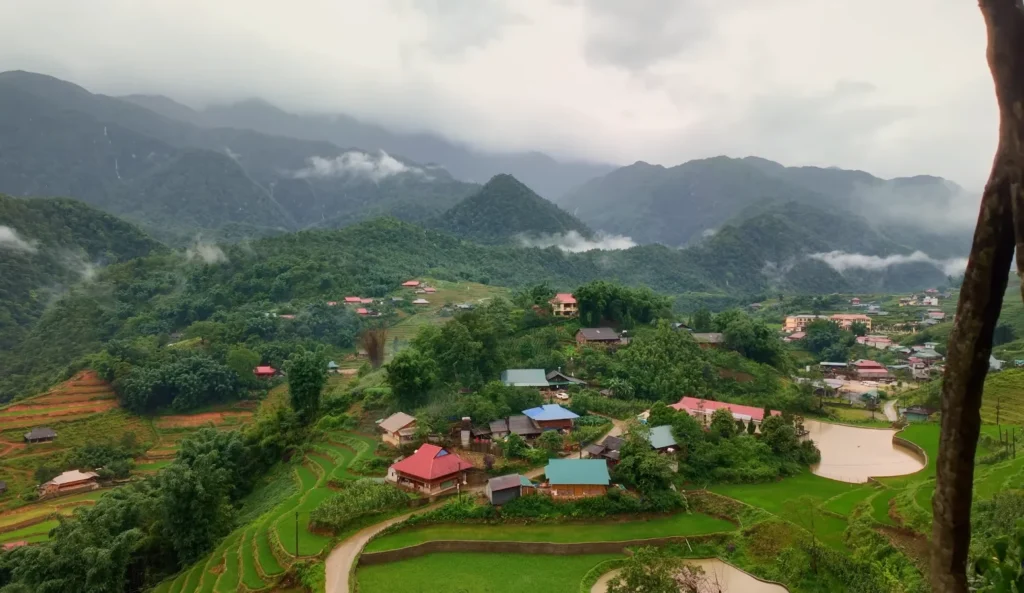
The design is uncomplicated and genius. Bamboo poles affixed, and raised up enough above the flowing water beneath. It bends with your weight and this seems so scary until one realizes that is what it is meant to do.
The Waterfall Discovery
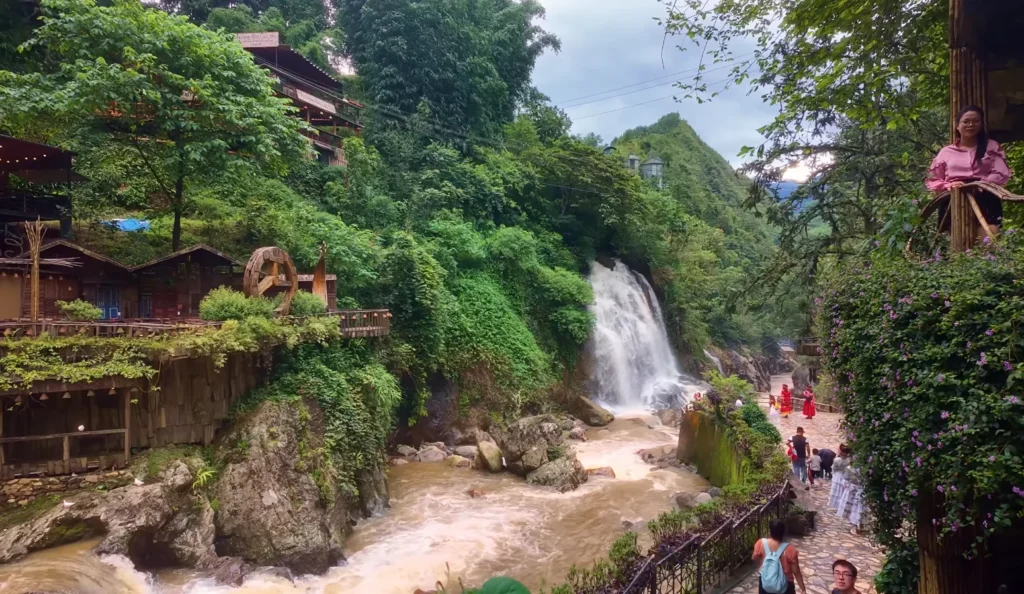
Going further down the river into the village one reaches Cat Cat Falls. It is not huge by Vietnamese standards but the location makes the difference. The houses were traditional, and standing on steep slopes, the stumbling of running water among the village life went on.
The watching service allows you to be close enough to touch the spray. The local children were in the swimming pools below – something that none of the tour groups would ever do as part of their itinerary, but precisely the type of real-life experience that makes travelling worthwhile.
Cat Cat Village Practical Info:
- Distance from Sapa: 3 kilometers downhill.
- Entry fee: 70,000 VND (about $3).
- Best time to visit: Early morning or late afternoon.
- Difficulty: Moderate (steep paths, can be slippery).
- What to bring: Comfortable walking shoes, camera, cash for souvenirs.
Market Life and Local Shopping
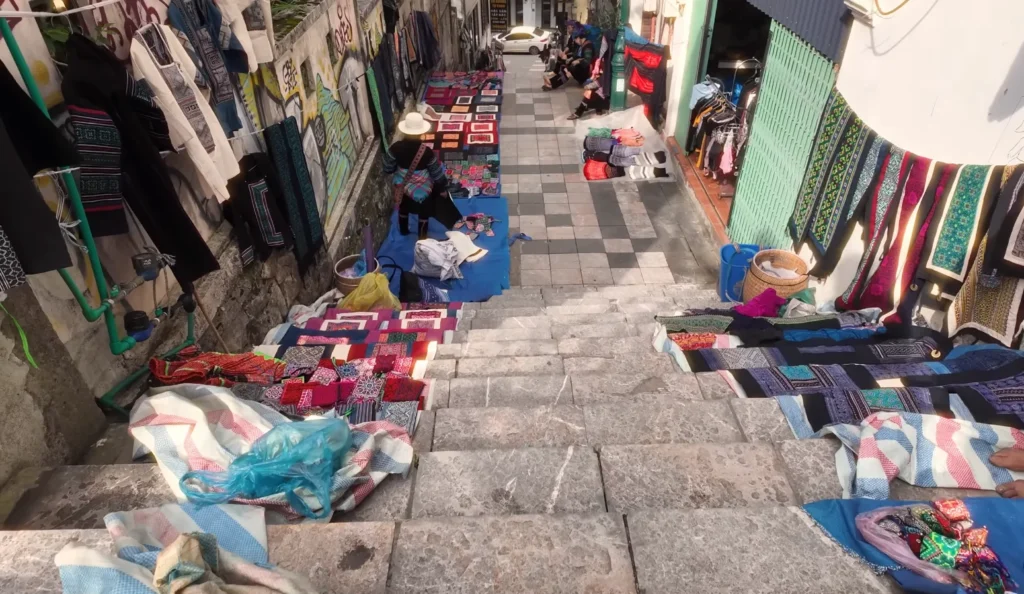
The Saturday market in Sapa transforms the entire town. What’s normally a quiet mountain settlement becomes this incredible explosion of colors, smells and activity. H’mong, Red Dao and other ethnic minorities come down from surrounding villages to trade.
I read about these markets on the internet, but nothing made me ready to the fact. Textiles everywhere not manufacturated tourist things, but hand-woven fabrics bearing a cultural meaning. The traders are not merely selling merchandise but they are conveying their tradition.
Shopping Tips from Hard-Learned Experience
The negotiation process here works differently than in Vietnamese cities. It’s less aggressive, more relationship-based. I spent twenty minutes talking with one H’mong woman about her weaving techniques before we even discussed prices for a scarf.
What Actually Sells vs. What’s Worth Buying:
- Skip: Mass-produced “ethnic” clothing.
- Buy: Hand-woven textiles with traditional patterns.
- Skip: Generic mountain coffee.
- Buy: Local honey and mountain herbs.
- Skip: Plastic souvenirs.
- Buy: Traditional musical instruments.
Transportation: Getting Around the Mountains
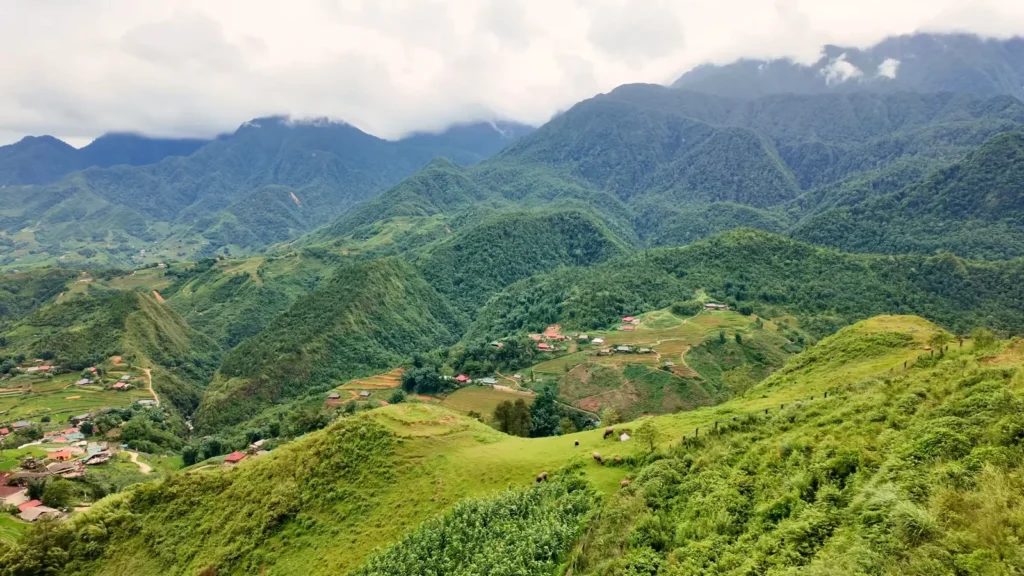
Sapa’s mountain roads require different transportation thinking. Motorbike taxis work for short distances, but longer journeys need planning. The views are incredible, but those winding roads aren’t for everyone.
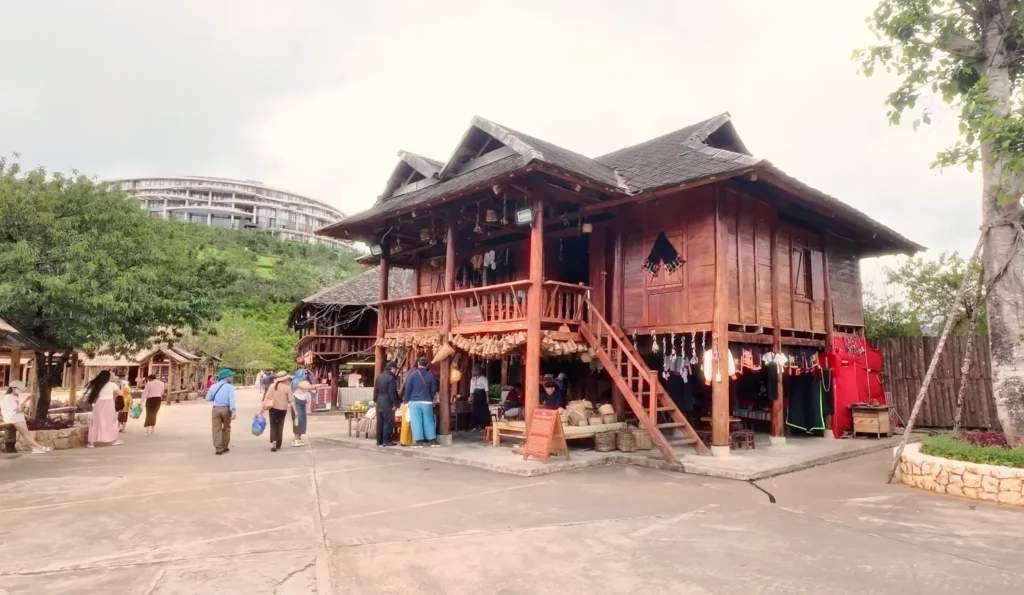
The terraced landscape stretches in every direction. Rice paddies carved into impossible slopes, small villages connected by paths that have existed for generations. It’s beautiful, but it also explains why getting around takes time.
My Transportation Recommendations
For village visits: Hire a local guide with motorbike.
For Fansipan: Take the cable car (trust me on this).
For market days: Walk everywhere – traffic gets impossible.
For longer distances: Pre-arrange private car through your hotel.
Weather Reality Check: What Nobody Tells You About Sapa Climate

Sapa weather operates by it’s own rules. I’d packed for “cool mountain climate” based on generic travel guides. What I experienced was four different seasons in one afternoon.
Morning started crisp and clear – perfect for photography. By noon, clouds rolled in from nowhere. Afternoon brought light rain that turned into proper mountain mist. Evening cleared up just enough for spectacular sunset views before dropping to near-freezing overnight.

Monthly Weather Breakdown (From Personal Experience)
December-February: Genuinely cold. I’m talking 2-5°C at night. Saw actual frost on car windshields one morning. Pack like you’re going skiing, not to tropical Vietnam.
March-May: Unpredictable. Warm afternoons, cold nights, sudden rain storms. Layers become your best friend.
June-August: Rainy season hits hard. Not the gentle tropical rain you expect – proper mountain storms that can last hours.
September-November: Peak season for good reason. Clear skies, manageable temperatures, minimal rain. But also maximum tourist crowds.
Weather Survival Kit:
- Waterproof jacket: Non-negotiable year-round.
- Warm layers: Even in summer, nights get cold.
- Good boots: Paths get muddy and slippery.
- Quick-dry clothes: Humidity is always high.
- Umbrella: Hotels provide them, but bring backup.
Budget Breakdown: The Real Costs
Everyone asks about Sapa costs. Here’s my actual spending over four days, no sugar-coating:
Accommodation
- Eden Boutique Hotel: $95/night x 3 nights = $285.
- Alternative budget options: $15-40/night for hostels and guesthouses.
Transportation
- Night train from Hanoi: $45 (soft sleeper).
- Local motorbike taxi: $5-10/day.
- Fansipan cable car: $30 round trip.
Food & Drinks
- Street food meals: $3-5 each.
- Restaurant dinners: $10-15.
- Mountain coffee: $2-3 per cup.
- Night market snacks: $1-2.
Activities & Entrance Fees
- Cat Cat Village: $3 entrance.
- Traditional dance show: $2.
- Market souvenirs: $20-50 depending on your willpower.
Total Daily Budget Ranges:
- Budget traveler: $25-40/day (hostels, street food, public transport).
- Mid-range comfort: $60-100/day (boutique hotels, mixed dining, taxis).
- Luxury experience: $150+/day (premium hotels, guided tours, fine dining).
Departure: The Journey Back to Reality
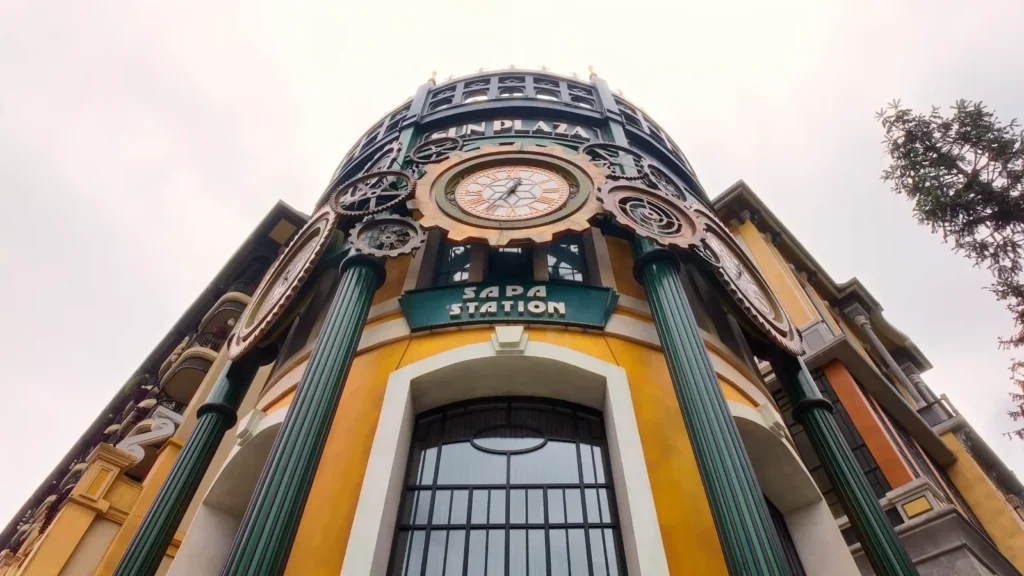
Leaving Sapa feels weird. You have lived days like snails, mountains go through your leg, rambling walks, having coffee, and seeing clouds, not phones. then, as though in a dream you are again on that night train, heading toward the madness of Hanoi.
The back ride gave me time to digest what I had gone through. Sapa is not another Vietnamese tourist location that you cross off your list. It is a destination that will change your outlook on traveling in general.
Transportation Options for Departure
Night Train Back to Hanoi:
- Pros: Romantic, saves a hotel night, morning arrival.
- Cons: Same comfort issues as arrival journey.
- Best for: Budget travelers, train enthusiasts.
Private Car to Hanoi:
- Pros: Faster (4 hours), comfortable, flexible timing.
- Cons: More expensive ($80-120), misses countryside views.
- Best for: Tight schedules, comfort-focused travelers.
Bus Options:
- Pros: Cheapest option ($10-15).
- Cons: Longest journey (6-7 hours), basic comfort.
- Best for: Serious budget travelers only.
Final Thoughts: Why Sapa Matters
Three months later, I’m still thinking about Sapa. Not because it’s perfect – the weather’s unpredictable, some areas feel over-touristed and getting around takes patience. But because it represents something rare in modern travel.
Sapa forces you to slow down. Mountain weather doesn’t care about your photography schedule. Traditional villages don’t operate on tourist time. The altitude literally makes you breathe differently.
What I Wish I’d Known Before Going
- Pack for All Seasons: Seriously. Winter coat AND t-shirts.
- Build in Extra Time: Everything takes longer at altitude. Factor this into your planning.
- Learn Basic Vietnamese Phrases: English isn’t widely spoken outside main tourist areas.
- Bring Cash: Many local vendors don’t accept cards. ATMs exist but aren’t everywhere.
- Download Offline Maps: Cell coverage gets spotty in remote areas.
- Set Realistic Expectations: This isn’t luxury resort travel. Infrastructure is basic but improving.
The Cultural Impact Question
Tourism has obviously changed Sapa. Some changes feel positive – better roads, economic opportunities for ethnic minorities, cultural preservation through visitor interest. Others feel complicated – traditional lifestyles adapting to tourist demands, younger generations moving away from farming.
As visitors, we become part of this equation whether we want to or not. The best we can do is travel respectfully, support local businesses directly and remember we’re guests in communities that existed long before tourism arrived.
Who Should (and Shouldn’t) Visit Sapa
Perfect for:
- Travelers who enjoy cultural immersion.
- Photography enthusiasts.
- People seeking mountain adventure without extreme difficulty.
- Anyone interested in ethnic minority cultures.
- Travelers comfortable with basic infrastructure.
Probably not ideal for:
- Luxury resort seekers.
- Travelers with limited mobility (lots of walking on uneven terrain).
- People expecting Southeast Asian beach weather.
- Visitors wanting predictable, scheduled experiences.