
Flying into Svalbard feels like traveling to another planet. I remember pressing my face against the airplane window, watching Norway’s landscape transform beneath me from green valleys to stark white wilderness.
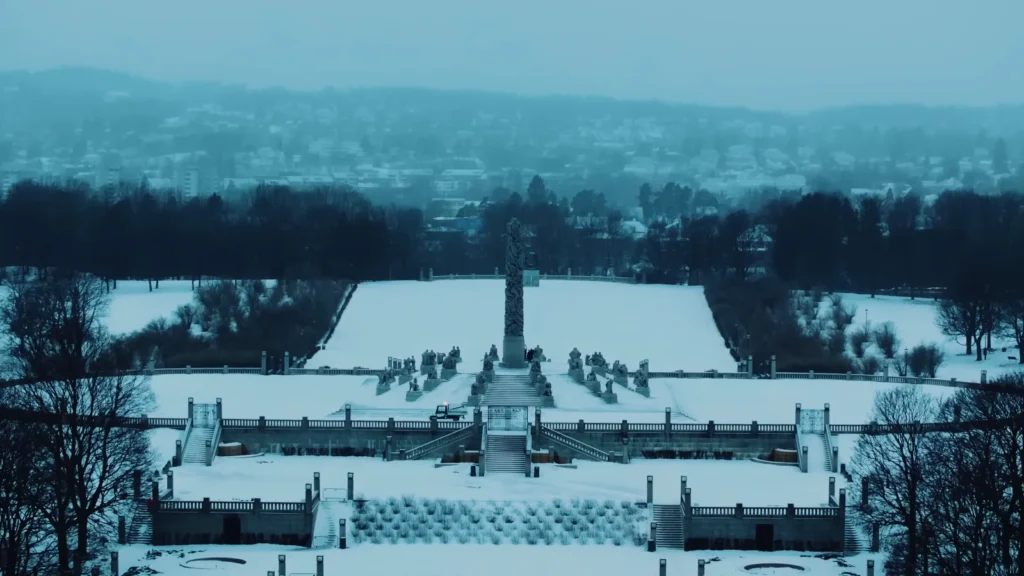
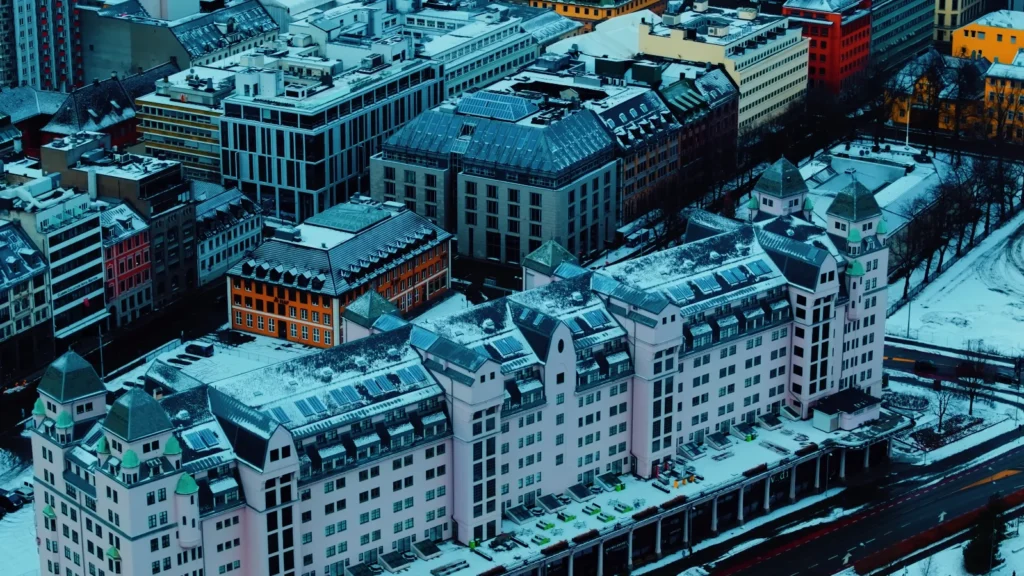
The route requires a stop in Oslo first. Nobody flies directly to the Arctic. I spent a night in Norway’s capital, which felt almost tropical compared to what waited ahead. Oslo in winter is civilized cold – the kind where you duck into cafés and complain about the weather. Svalbard cold is different. It’s the kind that kills you if you’re not prepared.
Flight Requirements and Logistics:
- All flights route through Tromsø or Oslo.
- SAS operates the main service to Longyearbyen Airport (LYR).
- Advance booking essential – limited seats year-round.
- No summer midnight flights due to runway limitations..
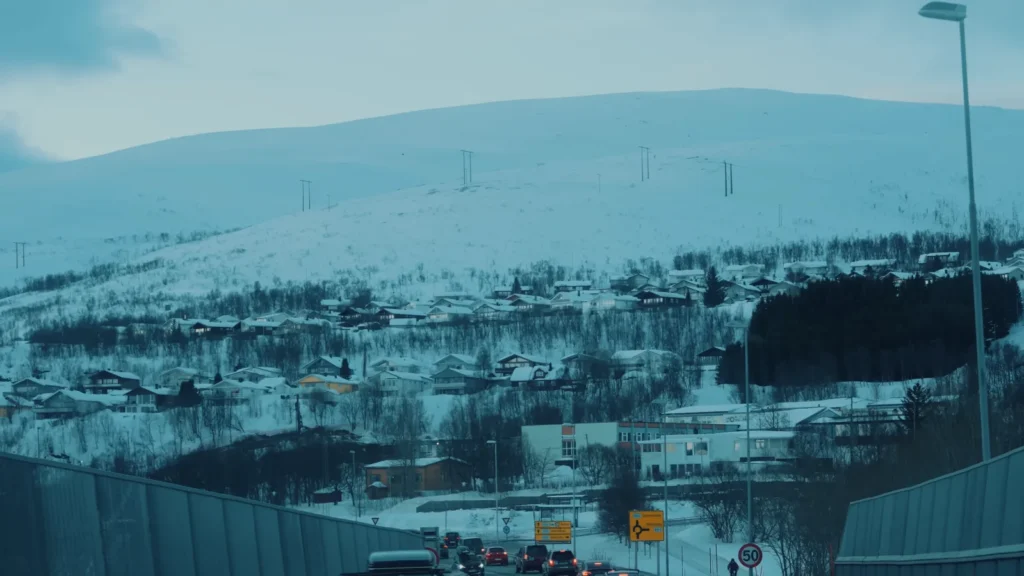
The approach into Longyearbyen Airport proved unforgettable. Mountains jutted up like broken teeth. Snow stretched endlessly. Then suddenly – a tiny runway appeared, seemingly carved from nothing.
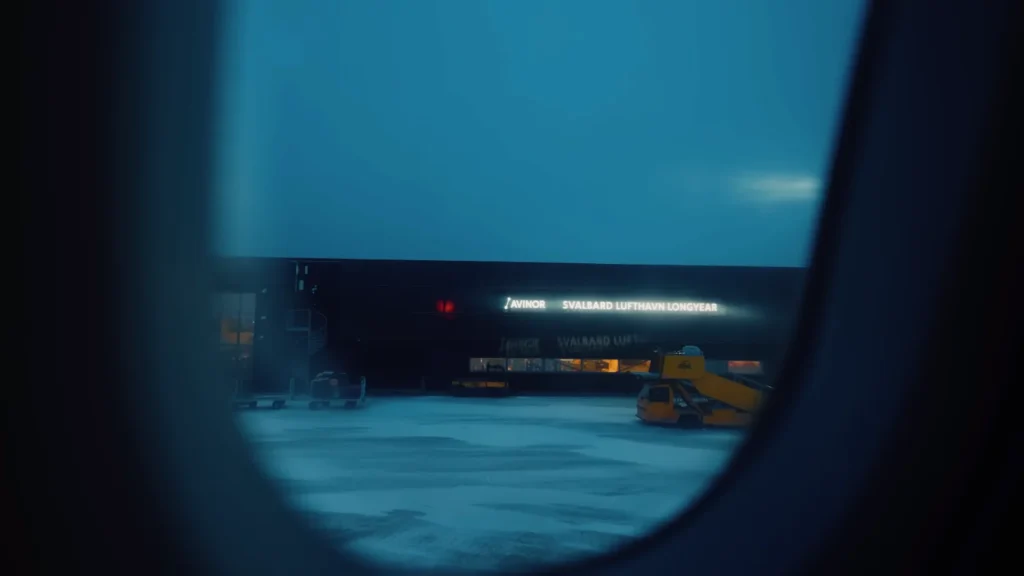
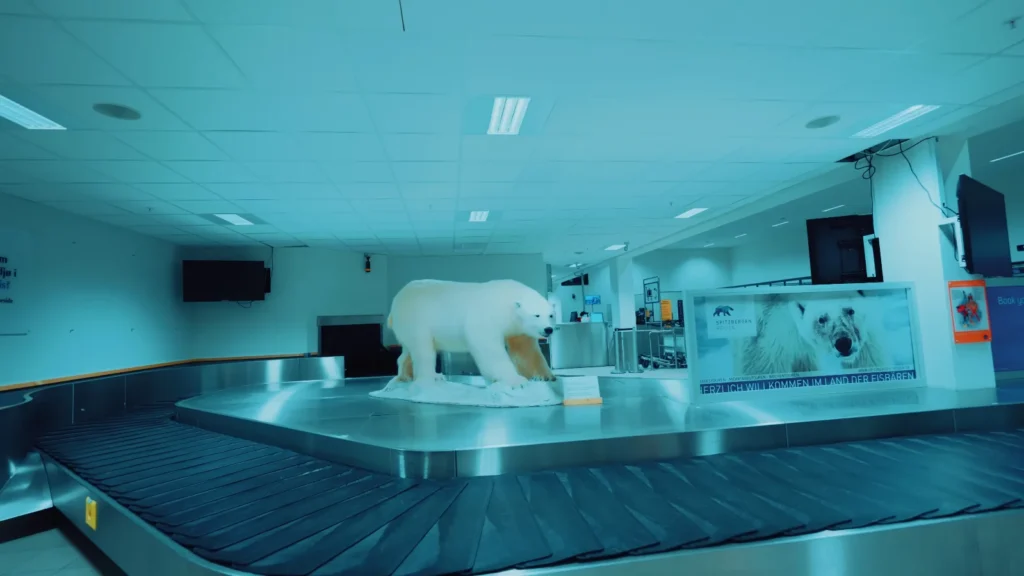
First Impressions: Longyearbyen Landing
Getting out of the plane was like walking into a freezer. The air burned my lungs. My lens-cap became fogged. Hello! 78 55 N latitude – it is even farther north than you are going to go.
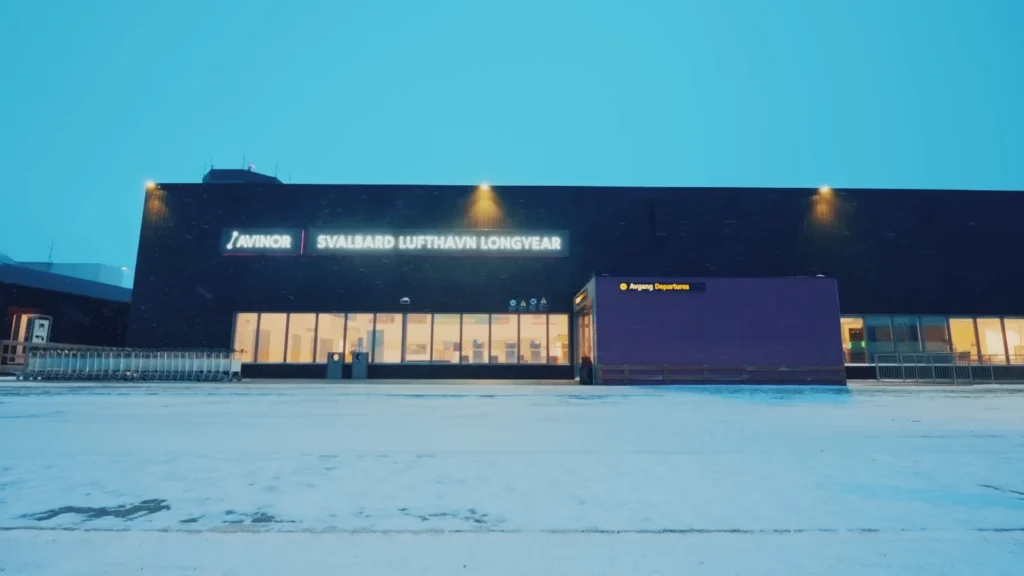
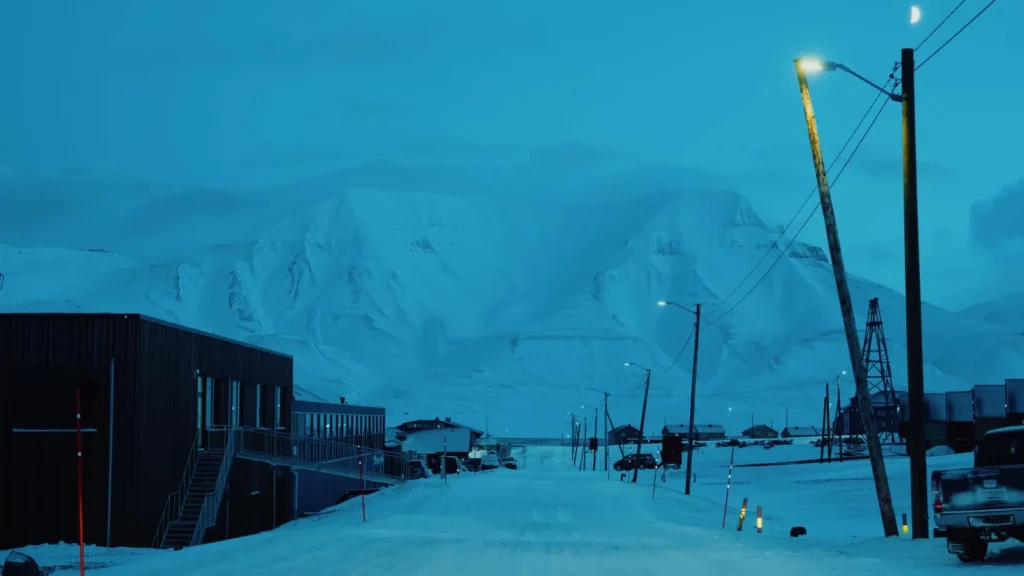
Longyearbyen does not resemble a town. It appears to be the last bastion of mankind. Coloured houses, scattered on white ground, joined together by what the natives are too generous to call roads, such as I would call tracks through the snow. The executive also contains approximately 2,400 citizens of more than 50 nations making it one of the most globalized communities in the world.
What Struck Me Immediately:
- Complete absence of trees (too far north for any to grow).
- Buildings on stilts to prevent permafrost melting.
- Every vehicle looks like it survived an apocalypse.
- The silence – no natural sounds except wind..
The welcome briefing covered Svalbard’s unique laws: you cannot die here (bodies don’t decompose in permafrost), you cannot be born here (pregnant women fly to mainland Norway) and you must remove shoes when entering any building. These aren’t tourist curiosities – they’re survival requirements.
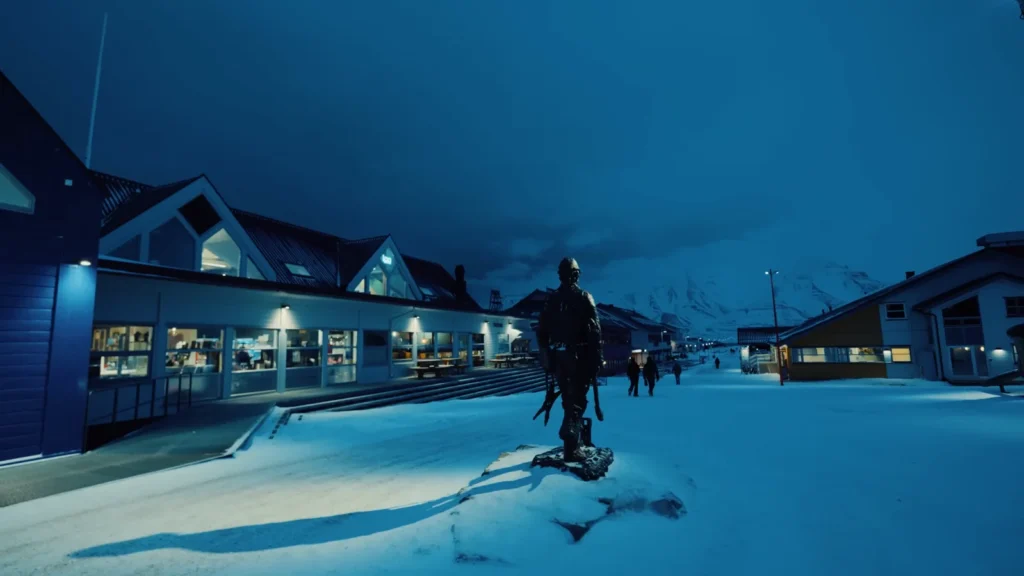
My hotel room came with a view of the coal mine statue. This bronze figure stands as testament to Svalbard’s industrial past, when coal mining employed most residents. Now tourism and research drive the economy, but that miner reminds everyone why people first came to this frozen wasteland.
Daily Life in the Arctic: Where Polar Bears Outnumber People
Shopping in Svalbard means accepting limitations I’d never imagined. The local store carries everything from Norwegian chocolate to rifle ammunition.

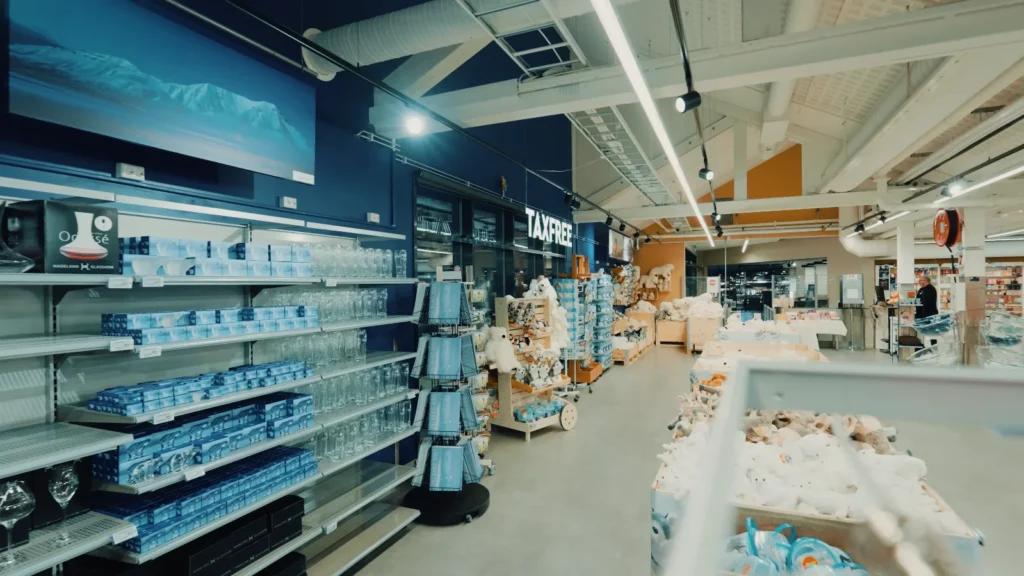
Everything costs more. A bottle of water runs about $4. Fresh vegetables arrive by plane and show their journey in wilted edges and premium prices. Locals told me they order bulk supplies during summer shipping season, then make do through polar night months when supply flights become irregular.
Arctic Shopping Reality Check:
- Single grocery store serves entire settlement.
- Alcohol sales strictly regulated (government monopoly)..
- No fresh fish (ironic for an Arctic island).
- Emergency supplies always prioritized on shelves.

The coffee shop is the social place of the town. In there I had reindeer pasta – meat that is gamey and tough and tastes like it kept me alive. The coffee was superb, being of the mainland Norway, and treated as liquid gold. Instrumentation takes place in several languages. People know each other, so you are either living in a tightly knit community or you are claustrophobic, depending on your character.
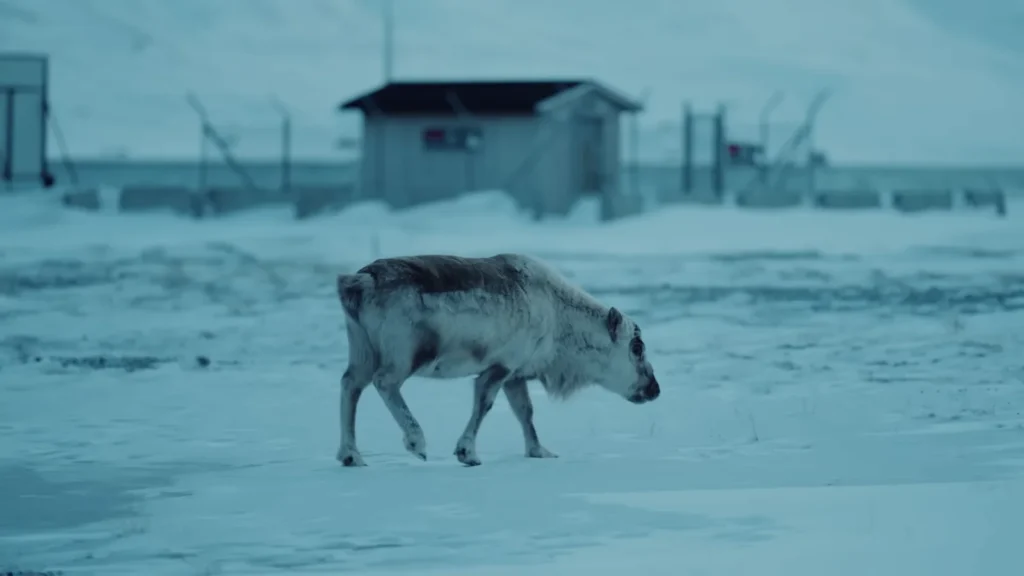
Wild life occurrences are unpredictable. I saw a reindeer walk by parked vehicles with the feeling that the place belonged to it. These creatures were able to adjust to the Arctic conditions through millennia. People are relatively new and continue to wrestle with fundamental needs such as pipes not freezing.
Polar Bear Reality:
- Approximately 3,000 polar bears in Svalbard region.
- Outnumber human residents by significant margin.
- Mandatory rifle requirement for travel outside settlements.
- Most dangerous predator encounter risk on Earth.
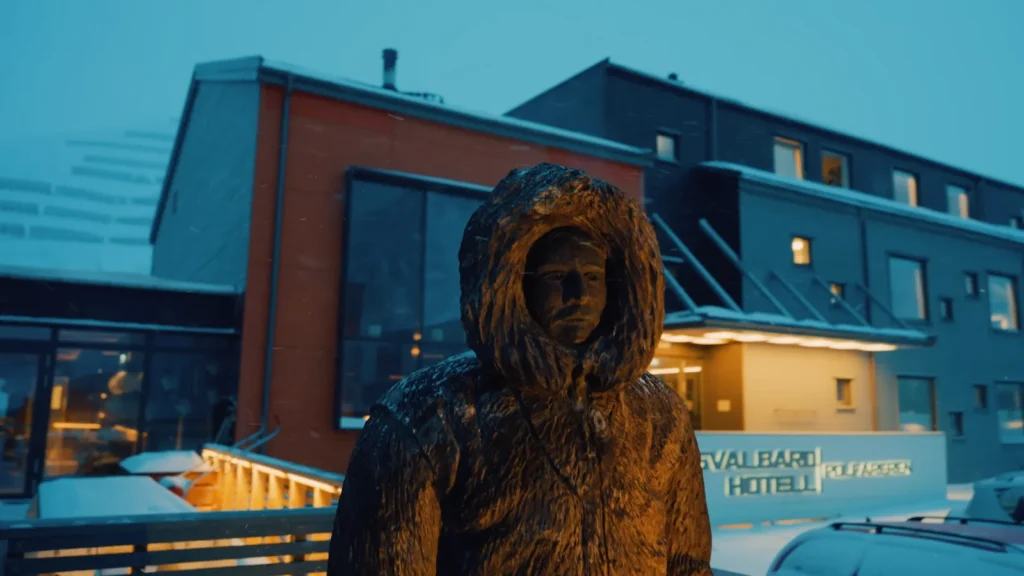
My hotel provided bear safety briefings. Staff explained polar bear behavior, rifle operation and emergency protocols. This wasn’t adventure tourism theater – it was genuine survival preparation. Bears hunt seals but will investigate human settlements when hungry. They’re curious, powerful and completely unafraid of people.
The Doomsday Vault: The Insurance Policy of Humanity
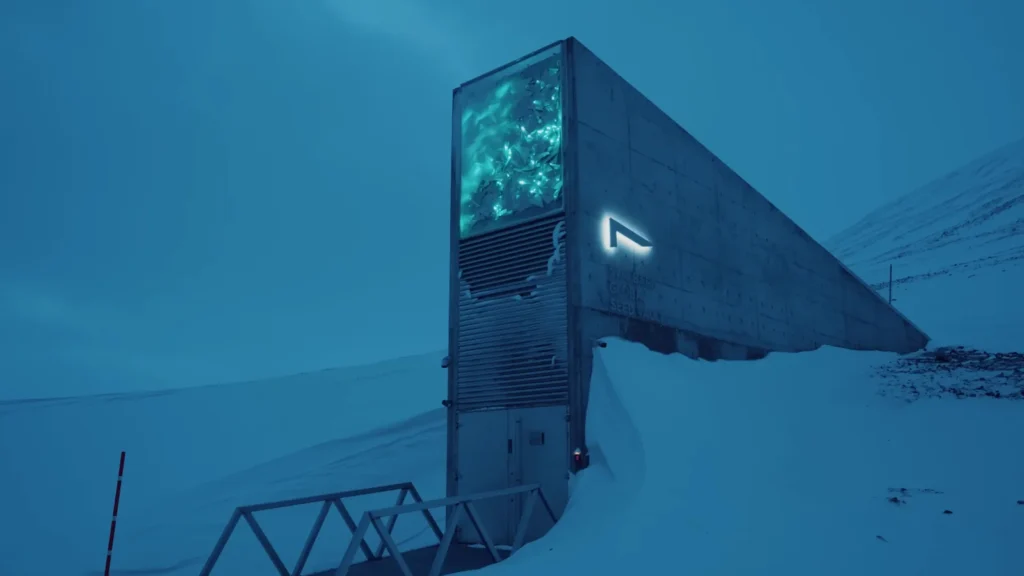
The Global Seed Vault is located inside a steep hill as a science fiction realization. It is also known as the Doomsday Vault by the local guides, but it is actually called the Svalbard Global Seed Vault. Both names fit.
The plant holds more than one million seed varieties of the planet. It is set to conserve agricultural biodiversity against weather change, conflict and natural calamities. The geographical site was selected due to the political stability and the geological security and natural freezing conditions.
Vault Specifications:
- Built 130 meters inside Platåberget mountain.
- Maintains -18°C temperature year-round.
- Earthquake and bomb-proof construction.
- Capacity for 4.5 million seed varieties.
- Funded by Norway, managed by Nordic Genetic Resource Center.
The tunnel leading to it goes deep into permafrost. Natural Arctic conditions would keep seeds alive decades even in the case of a failure of refrigeration systems. It symbolizes an unprecedented international labor – the nations which hardly communicate at all in a diplomatic manner are working together to safeguard agricultural future of humankind.
I was not allowed in the vault ( it is very controlled), but being outside was deep. This simple plant could spell out the difference between future generations consuming familiar crops and having a hard time with extinct ones. Svalbard is ideal in long-term preservation due to the distance that renders it not only difficult to reach by human beings.
Mining Heritage: Where Coal Built Civilization
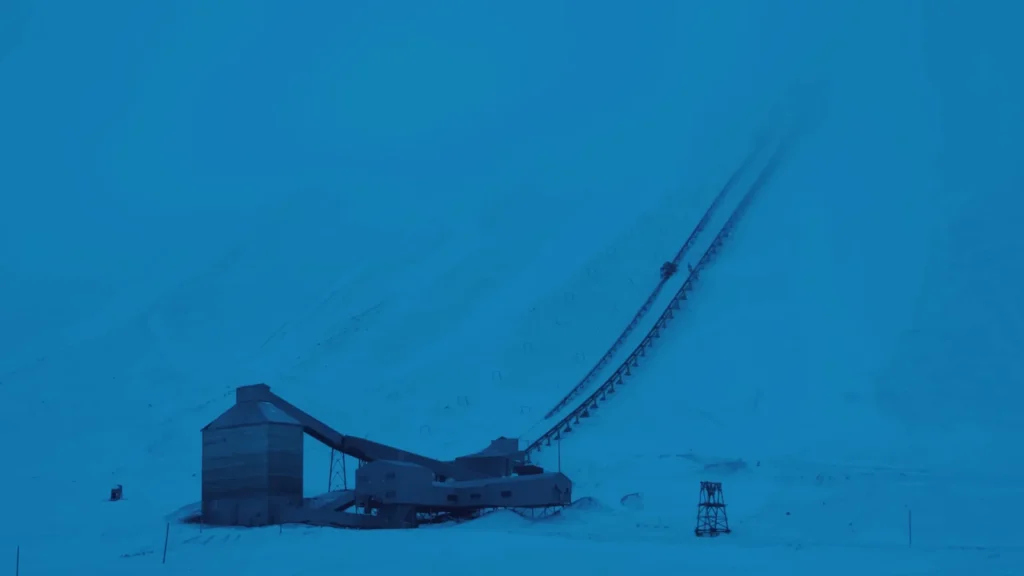
The story of the origin of Svalbard is depicted in the abandoned coal mine infrastructure. The first permanent people came with coal mining in 1906. These mines were run by the Store Norske Spitsbergen Kulkompani that ran them a hundred years to extract fuel that warmed European homes.
Passing by these skeleton remains, I knew why the early miners had to have that bronze statue. They labored under the conditions that would destroy contemporary laborers. Temperatures hit -40°C. Four months were polar night. They were inaccessible to the supply ships eight months a year. Nevertheless, they dug tunnels into the permafrost, mined tons of coal and managed to survive.
Mining Era Statistics:
- First commercial mining: 1906.
- Peak employment: 1,000+ workers in 1960s.
- Total coal extracted: Over 10 million tons.
- Final mine closure: 2017 (Mine 7).
- Economic transition: Tourism and research now dominate.
The mines shaped everything about Longyearbyen’s layout. Buildings cluster around former mining infrastructure. Roads follow routes carved for coal transport. Even modern heating systems trace back to mining-era installations.
Local miners told me stories passed down through generations. Families lived in company housing. Children attended company schools. The mine whistle regulated daily life – when it blew, everyone knew shift changes, emergencies or meal times had arrived. Mining wasn’t just work; it was total social organization.
Climate change ironically ended coal mining in the Arctic. Permafrost became unstable. Traditional mining methods proved environmentally unsustainable. The Norwegian government phased out operations as part of broader climate commitments. Now former miners work as tour guides, hotel staff and research assistants.
Arctic Infrastructure: Engineering Against Nature
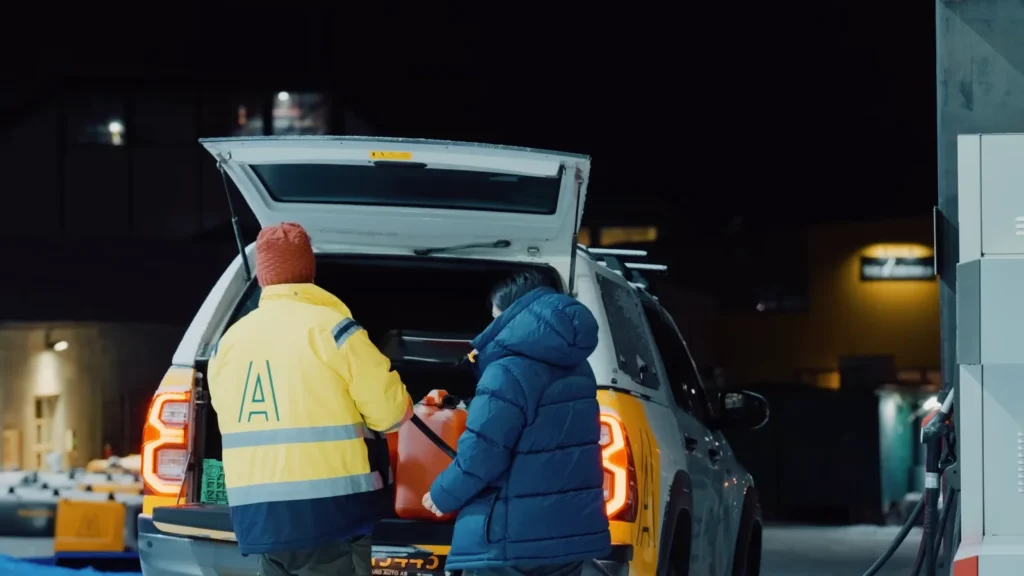
Fuel in Svalbard represents survival made visible. That fuel station serves as lifeline for the entire settlement. When I watched workers in heavy protective gear loading emergency supplies, I realized this wasn’t just commerce – it was civilization maintenance.
Everything requires more fuel here. Vehicles need engine block heaters. Buildings demand constant heating. Emergency generators stay ready for power failures. Snowmobiles and tracked vehicles consume fuel at rates that would bankrupt mainland operations.
Arctic Engineering Challenges:
- Permafrost prohibits standard foundations.
- All buildings require stilts or reinforced pads.
- Pipes freeze unless constantly heated.
- Vehicle engines need warming systems year-round.
- Emergency fuel reserves mandatory for every facility.
The logistics proved mind-bending. Fuel arrives by tanker ship during brief summer shipping season. Underground storage tanks require heating systems to prevent fuel from gelling. Distribution systems need redundancy because single-point failures mean community-wide emergencies.
I met a maintenance worker who explained Arctic engineering principles. “Everything built in normal places fails here,” he said. Standard concrete cracks. Regular steel becomes brittle. Plastic breaks like glass. Engineers redesign basic materials science for extreme cold applications.
Building codes reflect harsh realities. Every structure needs emergency heating backup. Windows require triple-pane insulation minimum. Foundations must account for seasonal ground shifting as permafrost expands and contracts. Even door seals become critical – heat loss through gaps can prove deadly during blizzards.
The power plant serves 2,400 people but generates capacity for double that population. Redundancy prevents catastrophic failures. When heating systems fail in -30°C weather, people die within hours without backup power. Engineers build survival margins into every calculation.
Transportation: Moving Through the White Desert
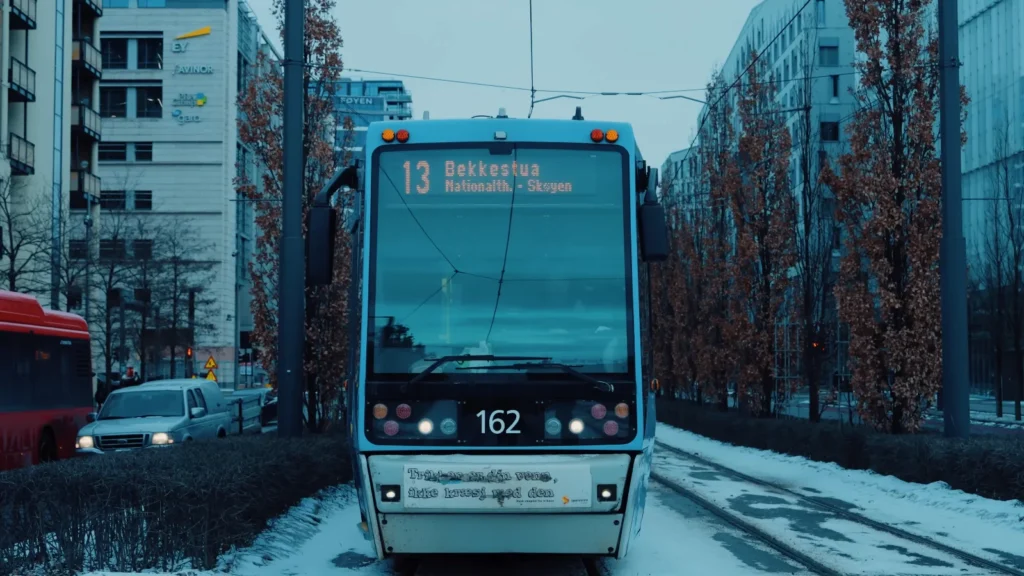
Getting around Svalbard means accepting transportation limitations I’d never encountered. Roads don’t connect settlements because permafrost makes road building nearly impossible across long distances.
Snowmobiles become primary transport once snow accumulates. I watched locals navigate terrain that would stop conventional vehicles completely. They follow GPS coordinates rather than visible routes – everything looks identical under snow cover.
Transportation Reality Check:
- No road connections between settlements.
- Snowmobiles required for winter travel.
- Boat transport during brief summer season.
- Helicopter for emergency medical evacuation.
- Walking restricted due to polar bear risk.
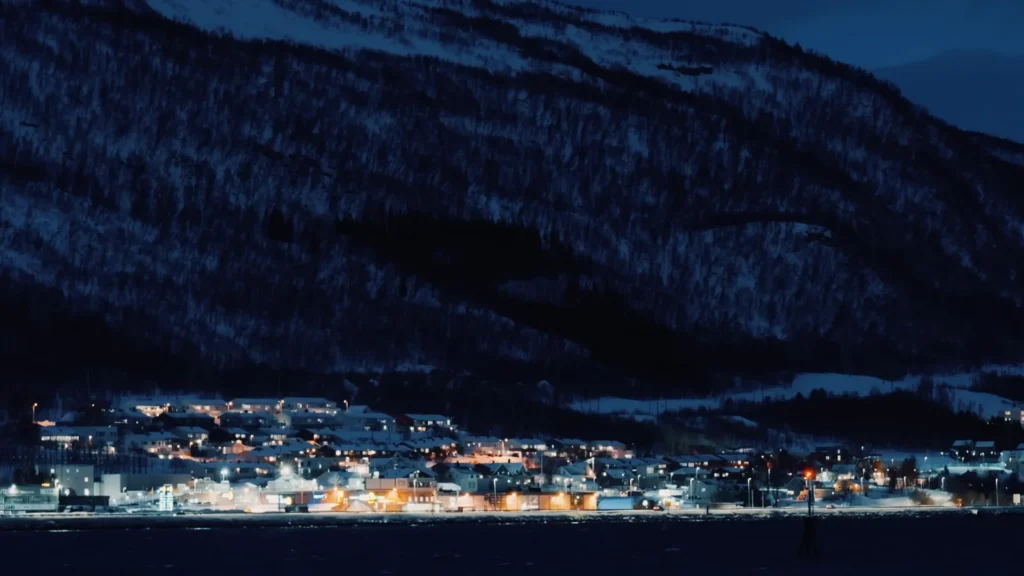
The contrast with Tromsø struck me powerfully. Mainland Norway offers buses, trains, rental cars and conventional transportation infrastructure. In Svalbard, transportation planning becomes survival planning.
Airport operations fascinate and terrify simultaneously. Pilots need special Arctic certification. Runways require constant snow removal. Fuel systems need antifreeze protection. Weather delays happen frequently – not because of passenger comfort, but because aircraft literally cannot operate safely in certain conditions.
I experienced this firsthand when my departure flight faced three-day delays due to Arctic storm conditions. Hotel staff treated this as routine. “Weather decides your schedule here,” the desk clerk explained. “Planes fly when Arctic allows it.”
Local transport costs reflect these challenges. A snowmobile rental runs $200+ per day. Guided tours cost premium prices because guides need polar bear protection training, emergency equipment and satellite communication devices. Insurance companies charge extraordinary rates for Arctic vehicle coverage.
Reflections: What Svalbard Teaches About Human Adaptation
My week in Svalbard changed how I understand human resilience. This place strips away everything comfortable about modern life, yet people thrive here. They’ve created functioning society at Earth’s edge through cooperation, preparation and acceptance of natural limitations.
The international community impressed me most. Norwegians, Russians, Thais, Americans and dozens of other nationalities live together successfully. Political tensions that dominate headlines disappear when everyone faces identical survival challenges. Mutual aid becomes automatic when your neighbor’s heating failure threatens their life.
Key Lessons from Arctic Living:
- Community cooperation trumps individual success.
- Emergency preparation becomes daily habit.
- Natural rhythms override human schedules.
- Material simplicity enables survival focus.
- International cooperation works when survival demands it.
Climate change threatens Svalbard’s future in complex ways. Warmer temperatures destabilize permafrost, threatening building foundations. Changing ice conditions affect polar bear hunting patterns. Traditional Arctic transportation routes become unreliable as ice patterns shift.
Yet Svalbard also represents hope. The Seed Vault preserves agricultural diversity against future disasters. International scientific cooperation continues despite global political tensions. People prove capable of adapting to extreme conditions through ingenuity and collaboration.
My departure flight offered final perspective on this remarkable place. (Insert aerial departure view) Looking down at Longyearbyen shrinking against vast white wilderness, I realized I’d witnessed something profound – human civilization succeeding in conditions that should prevent human habitation entirely.
Svalbard forces confrontation with essential questions: What do humans actually need to survive? How much comfort can we sacrifice for security? When does individual success become less important than community survival? These questions feel increasingly relevant as climate change challenges assumptions about where humans can live successfully.
The Arctic teaches patience. Weather determines schedules. Natural cycles override human preferences. Survival requires accepting limitations rather than fighting them. These lessons feel foreign to people accustomed to controlling their environment through technology and energy consumption.
Final Considerations for Arctic Travel:
- Budget significantly more than European travel.
- Pack emergency supplies beyond normal requirements.
- Accept itinerary flexibility based on weather conditions.
- Respect local safety protocols absolutely.
- Prepare psychologically for isolation and sensory deprivation.
Svalbard rewards visitors with perspectives impossible to gain elsewhere. You experience human society functioning at civilization’s absolute edge. You witness international cooperation working effectively despite global tensions. You see environmental preservation taken seriously because survival depends on it.
Most importantly, you discover that humans can adapt to almost anything when necessity demands it. Svalbard’s residents haven’t just survived in impossible conditions – they’ve built thriving community life that offers lessons about resilience, cooperation and environmental stewardship relevant far beyond the Arctic Circle.