
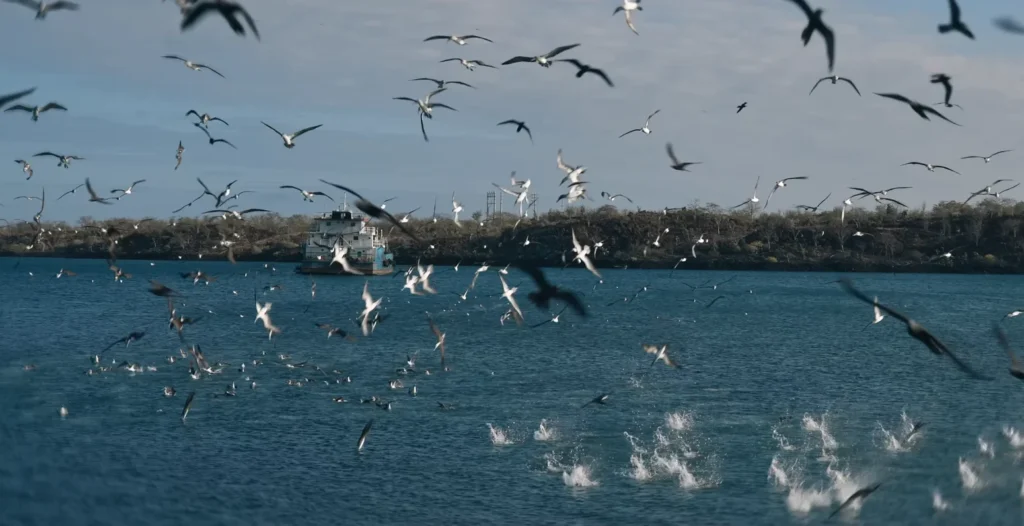
I was not supposed to be humbled by birds. As I was standing on the deck of the boat off Santa Cruz, and could see them in hundreds and hundreds going down into the water, each of them literally diving into the water to get fish. It was not a documentary on nature. It was life, it was alive, messy and messy, like photography cannot make.
The Galapagos Island transformed my view of wildlife. Not due to their purity or my reading of them in a guide. Due to being there, salt-soaked and dizzy with the sun, because I have learned that before planning a trip to this place, one has to know what it is he is walking into.
Galapagos: What you should know before you go
Introduction: Where, How and Why
Galapagos is not a single island. It is a 18 major islands archipelago dispersed in the Pacific Ocean which is approximately 600 miles away Ecuador. This fact I learned, and then lost without transference, stepping off the plane at Baltra International Airport.
What stuck with me? The biodiversity numbers. It is reported by the Galapagos Conservancy that approximately 97 percent of the land mammals found here are found nowhere on earth. That’s not hyperbole. These are the giant tortoises, the flightless cormorants, the marine iguanas, these are peculiar to these islands.
The major facts that I should have been able to internalize prior to arrival:
- Total area: 3,000 or so square miles of total area in all the islands.
- The main tourist islands include: Santa Cruz, Isabela, Fernandina, Genovesa and Española.
- Best time to visit: June-August or December-January (depends on what wildlife you want to see).
- Distance from Ecuador mainland: ~600 nautical miles.
- UNESCO World Heritage Site status: Designated in 1978.
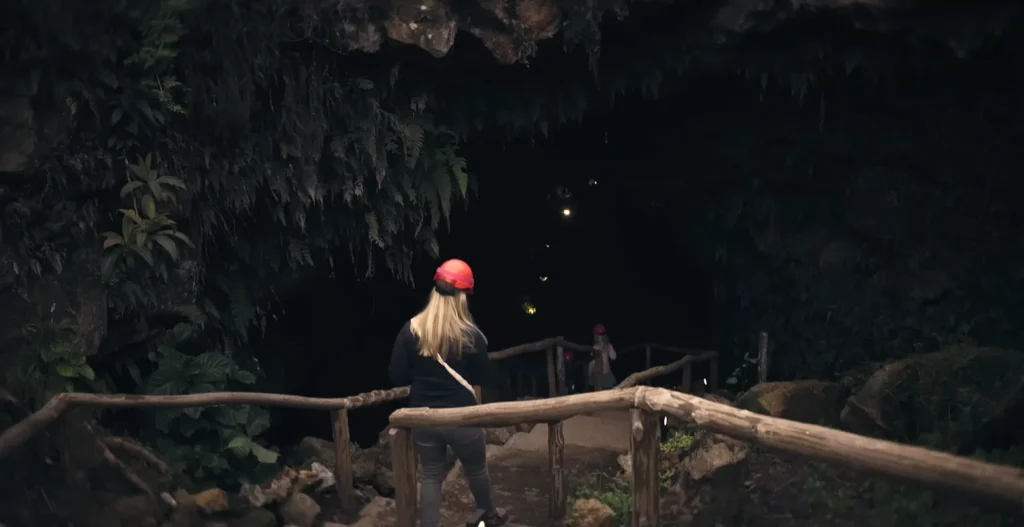
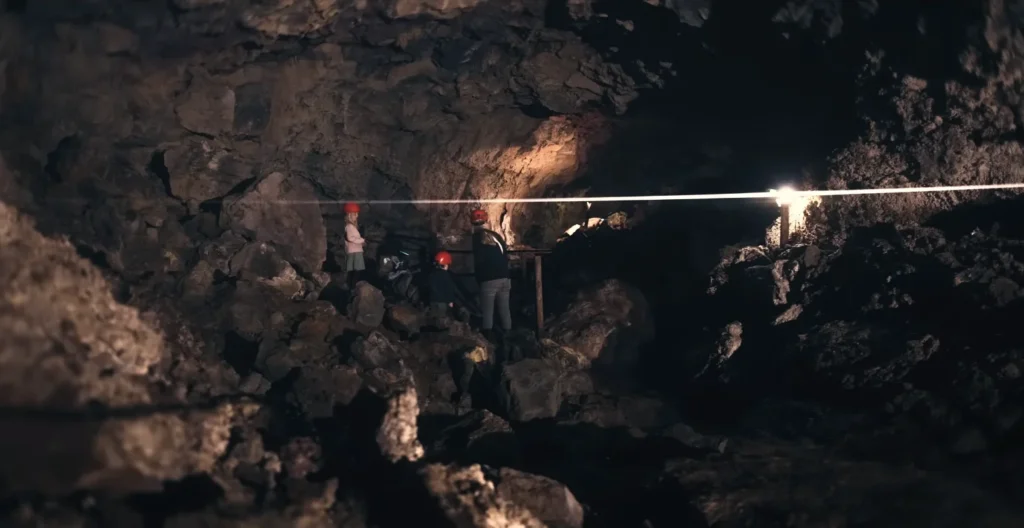
It is the geology which makes this place tick. These are the volcanic islands, geologically young, and in their activity. When I went down into the lava tubes around Isabela I was able to touch history itself, literally under my feet, in the dark cavernous areas which the lava flows carved away centuries ago.
The Wildlife – What I Actually Encountered
Marine Life: When You’re Swimming with Sharks and Not Panicking
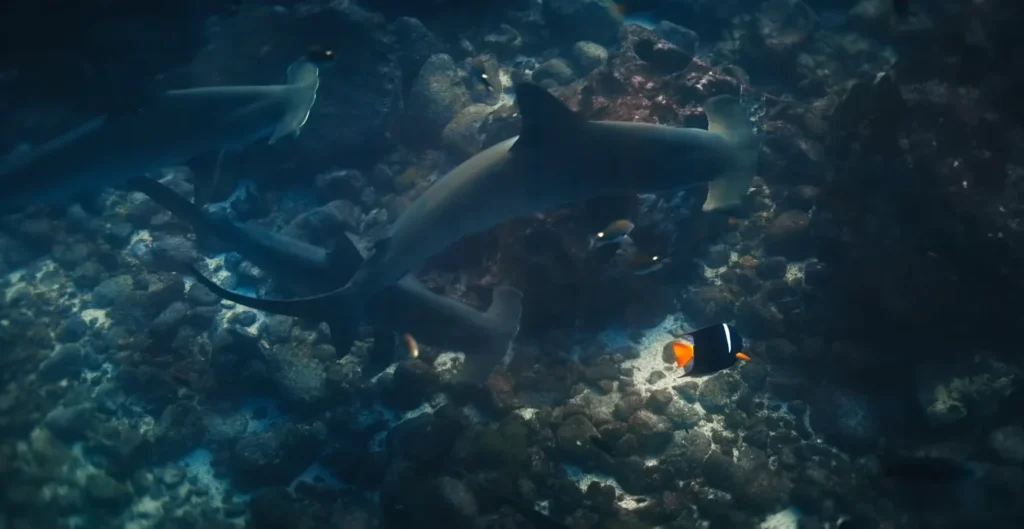
I need to be honest. When I first saw the hammerhead shark, I did not get hysterical. The guide had prepped us. It was there, we went down, alien-looking, that flattened head going through the water in a purposeful way.
Galapagos is located at the intersection of the Humboldt Current and Cromwell current. This results in nutrient enriched waters that sustain a ridiculous quantity of marine life. There are sharks, rays, sea lions, penguins, turtles,–they are all here because the food is all here.
What I swam alongside:
- Hammerhead sharks: Smaller than thought, in fact. Around 4-5 feet. They don’t care about humans.
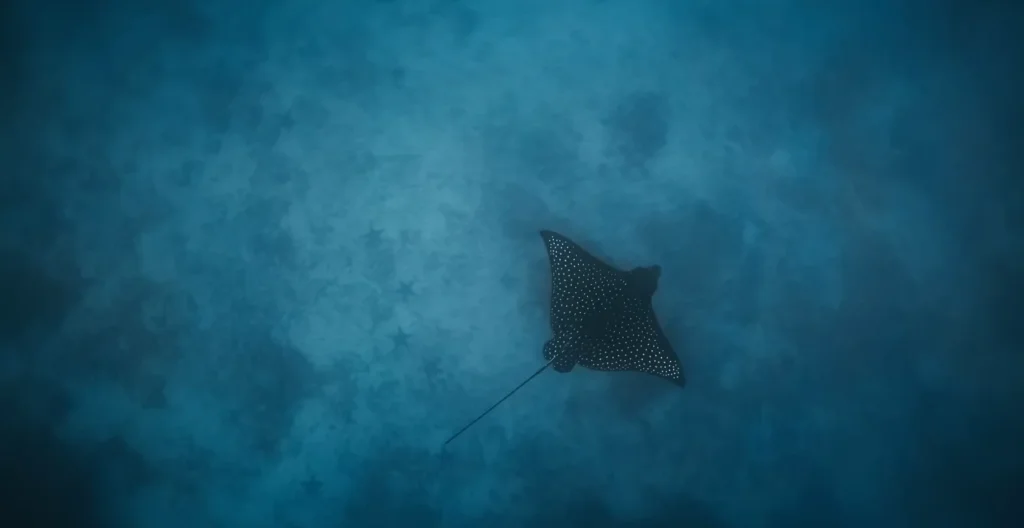
- Stingrays: Slim, elegant, marvellously beautiful, sliding in the water.
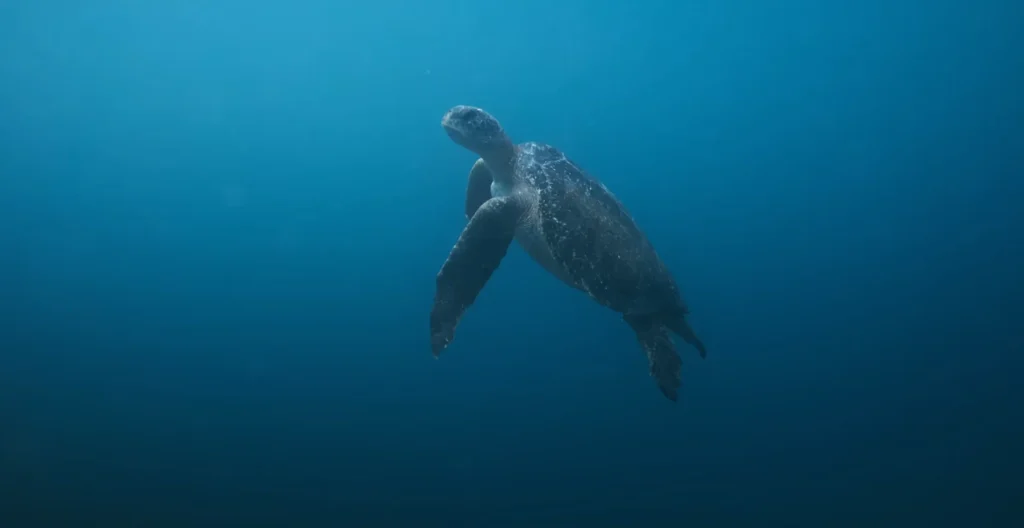
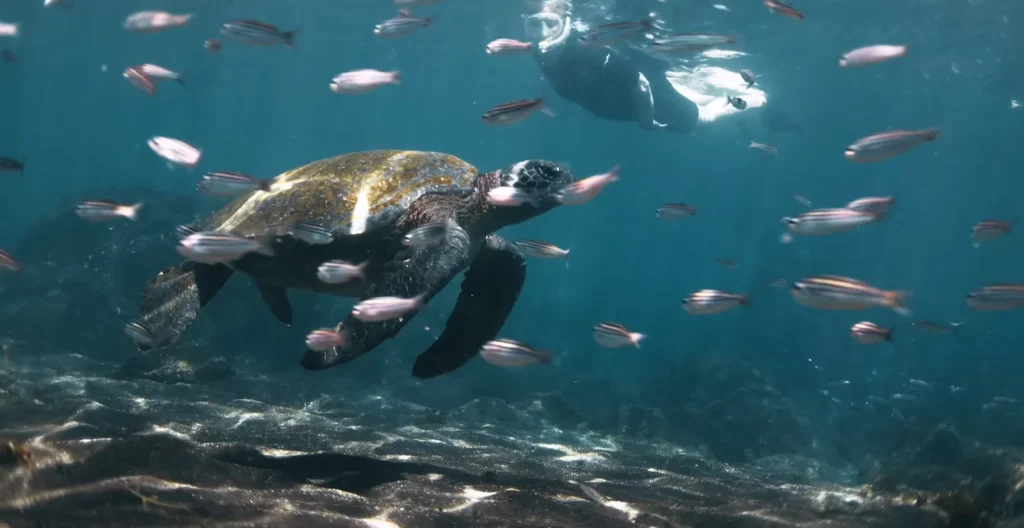
- Green sea turtles: Prehistoric-appearing. Slow. You just… watch them eat
- Sea lions: Playful. Actually curious about you. That was unexpected.
- Penguins (Galapagos species): The smallest species of penguins on Earth are only 16 inches high. I went swimming with them off Isabela and it was surreal.
- Cormorants: Birds without flight which dive deeper than you will.
Land Wildlife: The Icons (Tortoises and Iguanas)
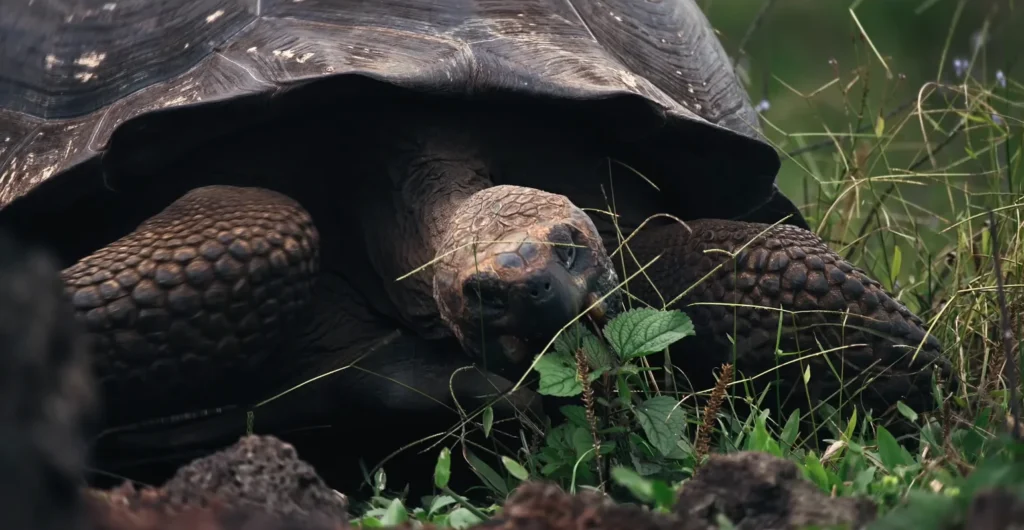
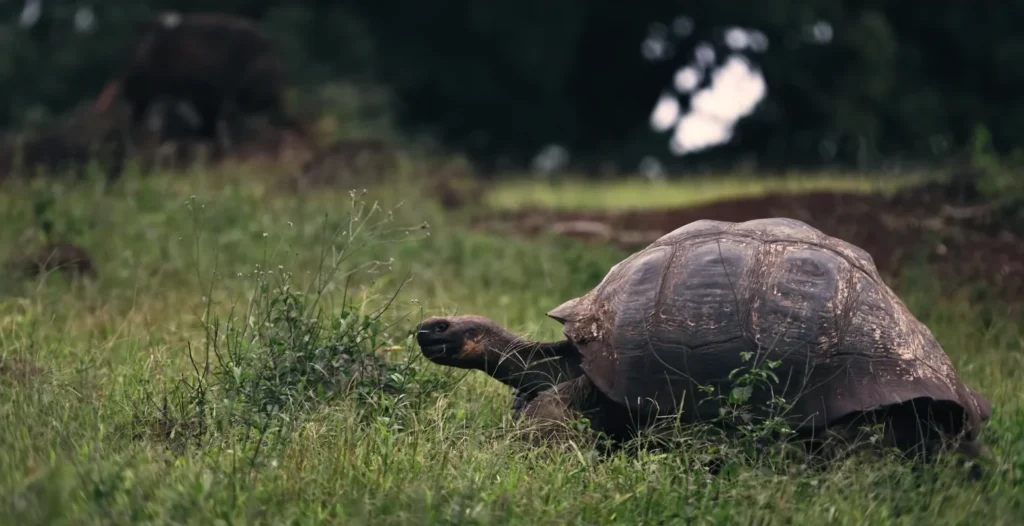
The giant tortoises. Everyone knows about them. Galapagos giant tortoises can live over 100 years—some have lived past 150. There’s something about watching a creature that old just… eat grass. Slowly.
When I found myself standing a few feet from one, watching it munch vegetation at a pace that made snails look rushed, I understood why they’re symbol of the islands. Not because they’re majestic. Because they represent resilience over centuries.
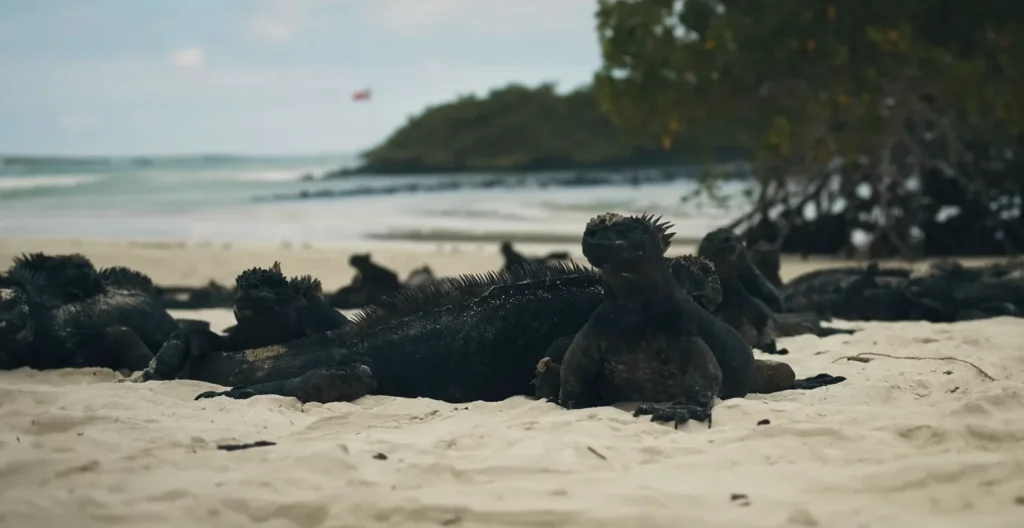
The sea goose salamanders disoriented me. They look prehistoric-like, spiny, dark, really scary when you are not used to them. But they’re harmless. Completely harmless. Their thing is to plunge into the sea like none of the iguanas anywhere, and to feed on algae on the under-rocks.
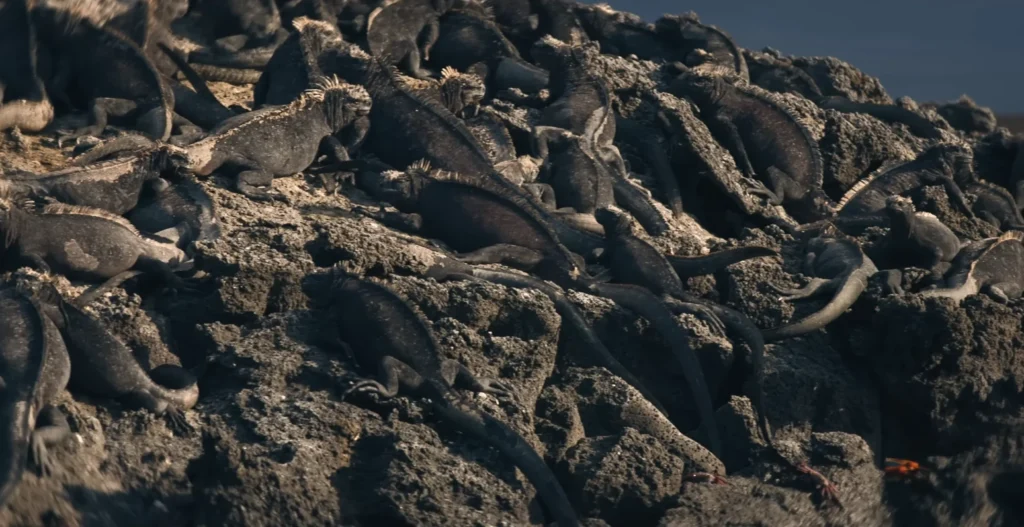
On one of the islands, the Fernandina Island, I passed a colony of them, huddled together like living gargoyles.
The Birds: The Real Story
Darwin had come here and saw finches. I had come and beheld something more anarchic–hundreds of birds diving all at once into the water, after fish in perfect anarchy.
Blue-fooded boobies (the actual name of them) are all over on Santa Cruz. Then they are funny until you see them stalking. their strike at the prey is quick, bloody, successful. Then they walk away as though nothing was the case.
Frigatebirds patrol overhead. Flightless cormorants on Fernandina. Penguins that shouldn’t exist this close to the equator (but do, thanks to the cool currents).
| Bird Species | Where I Saw Them | Hunting Behavior | Notable Fact |
| Blue-footed Boobies | Santa Cruz, Multiple islands | Dive from height | Bright blue feet are attractant during mating |
| Frigatebirds | Throughout archipelago | Aerial predators | Steal food from other birds mid-flight |
| Flightless Cormorants | Fernandina Island | Deep diving | Only cormorant species unable to fly |
| Galapagos Penguins | Isabela Island | Fish hunting | Northernmost penguin species naturally |
| Galapagos Hawks | Multiple islands | Hunting pairs | Critically endangered apex predator |
The Islands – Where I Actually Spent Time
Santa Cruz: The Hub
Santa Cruz is where most people stay. The airport is here (technically Baltra, but close enough). The town of Puerto Ayora is on Santa Cruz, and it’s the most developed settlement in the Galapagos.
I wasn’t thrilled about this. I wanted wilderness. But pragmatically? You need this island for logistics. A good portion of my tour groups, supplies, and guides operated from here.
What surprised me was that even with the development, wildlife doesn’t care. Sea lions lounged on the docks. Blue-footed boobies walked through town. The contrast between the small-town feel and the prehistoric creatures wandering around created this strange tension that never quite resolved.
Tortuga Bay: Deceptively Dangerous, Stunningly Beautiful
I’ll be blunt—Tortuga Bay almost defeated me. The walk from Puerto Ayora is stunning, yeah. White sand beach. The water so blue it looked digitally enhanced.
But the bay’s name comes from the sea turtles that nest here. And the rough water. The current can be violent. I swam in the lagoon portion (calmer) rather than the open water (currents that could pull you out). The instructions were clear about this.
The iguanas sprawled across the rocks here. Hundreds of them. And watching them dive into the water—an unnatural behavior for iguanas anywhere else—was worth the difficult hike.
Isabela Island: The Penguins and the Lava
Isabela is in the form of a seahorse. This fact I was taught by the guide, and forgotten as soon as we drove down into the lava tubes.
The tubes here are massive. It was like walking through what was not real. No light. No sound. You are in just darkness and you are inside a volcano that created this land.
I swam penguins of the Galapagos off Isabela. They are small as feathered torpedoes a foot long. The best moment was to see them. And not because they are cute (they are). Because it’s impossible. Penguins are not supposed to live in the equator. They should not be able to survive in the water temperature. but here are the Humboldt Currents, with their cold water, and here they are, growing where they should not grow.
Fernandina Island: Sea Lions and Marine Iguanas
Fernandina is less visited. Smaller tour groups. I observed marine iguanas gangling on the rocks and their spiny bodies gave a shadow that seemed nearly to be threatening. But they’re vegetarians. They eat algae. Inoffensive altogether, though they may even appear like an animal that should not be tamed.
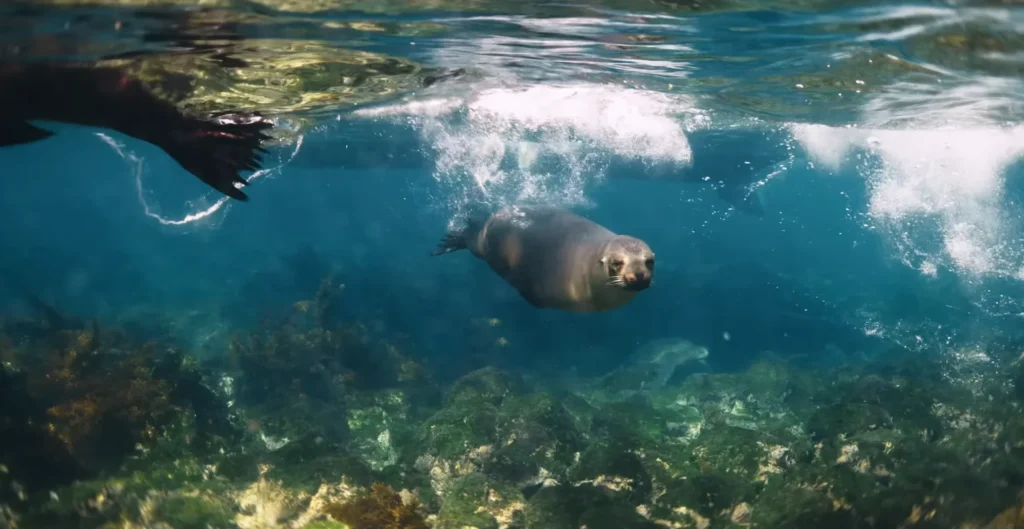
The sea lions here are different from other islands. Less aggressive about food, more curious about tourists. One came close to me underwater—impossibly graceful, moving like they owned the ocean (they do). They hunt penguins here sometimes, creating this dynamic where prey and predator exist in strange proximity.
Sailing and the Logistics of Exploration
Island Hopping by Boat
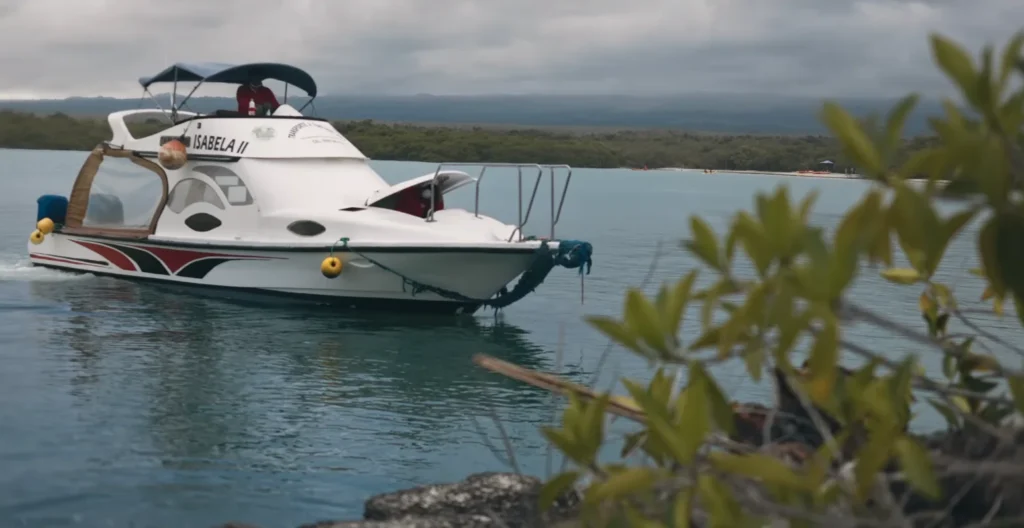
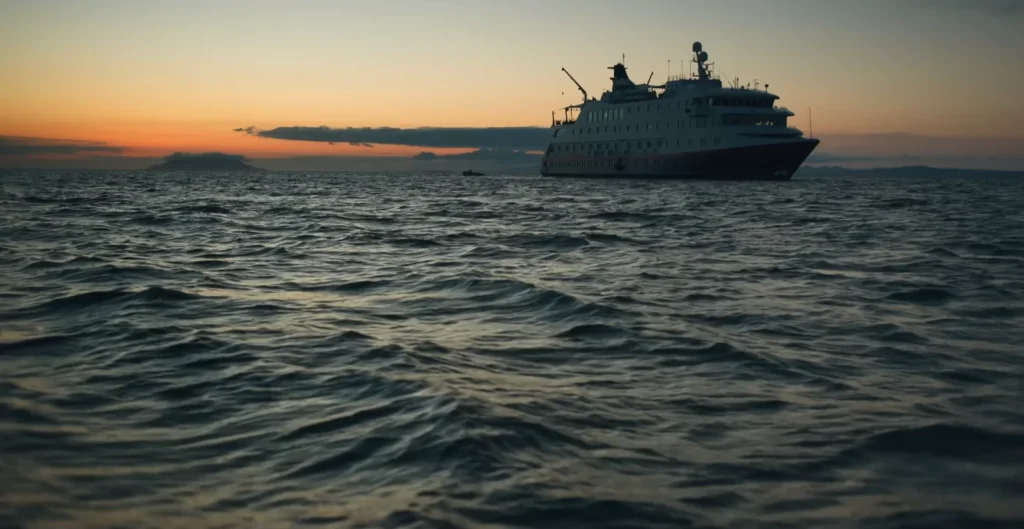
Most trips to the Galapagos work like this: You stay on a boat or land-based hotel, and you sail/motor between islands. I opted for a combination—staying in Puerto Ayora on Santa Cruz, then taking day boats to other islands.
The sailing between Santa Cruz and Isabela was rough on one day. The ocean gets temperamental. But that’s when you see the actual current system at work. The water changes color. You can feel the temperature shift. That Humboldt Current isn’t abstract—it’s real, it’s cold, and it’s the reason anything survives here.
Timing Your Visit: When to See What
Here’s what I wish I’d known more clearly before going:
June-August: Cooler water. Penguins active. Marine iguanas visible. Sea lions breeding season starting. Less rain. This is when I went.
December-February: Warmer water. Giant tortoises more active (less heat-sensitive). Mating season for various birds. More rain (equatorial location). Tourists everywhere.
Both seasons have merit. I cannot say which one is better, they simply are different ecosystems living in different conditions.
Practical Travel Information – Arrivals, Prices, and Transportation
The Practical way of getting to the Galapagos
The vast majority of passengers arrive in Ecuador (usually to Quito or Guayaquil) and get a connecting flight to the Galapagos. Tourists are served by two airports namely Baltra Airport (which technically is located on North Seymour Island, but transfers are made to Santa Cruz) and San Cristobal Airport.
I flew to Quito, spent the night and then boarded LATAM to Baltra. It was a flight that lasted about 2.5 hours and revealed to me the mainland sinking then being fully replaced by water.
What to know about entry:
You will be required to have a Transit Control Card (TCC), which is issued in Ecuador. You fill it out on arrival. You will also require a passport that is valid within not more than 6 months. You may require a visa to Ecuador (not a citizen of Ecuador) though this depends on your country of residence.
The Real Cost Breakdown
I’ll be honest about money because that’s what actually matters when planning.
What I spent (2024 prices, mid-range approach):
| Expense Category | Estimated Cost (USD) | Notes |
| International flight to Ecuador | $600-$1,200 | Varies by origin, season |
| Internal flight (Ecuador to Galapagos) | $400-$600 | LATAM or TAME airlines |
| Accommodation (mid-range, per night) | $80-$150 | Puerto Ayora has options. Varies by season |
| Tour operators/guides (3-4 days) | $1,200-$2,500 | This is the big cost. Includes boat, meals, park fees |
| Food/drinks (daily, outside tours) | $30-$60 | Restaurants in Puerto Ayora are pricey |
| Park entrance fee | $20 (residents) or $100 (foreign adults) | Paid upon arrival |
| Total estimate | $3,500-$5,500+ | For 7-10 days, moderate spending |
This doesn’t include getting to Ecuador in the first place. Budget accordingly.
Tour Operators and What Actually Matters
You can’t just show up and explore. The Galapagos National Park requires you to be with authorized guides on most islands. This is conservation, not bureaucracy (though it feels like both).
I used two different operators:
First operator: Land-based tours from Puerto Ayora. Cheaper. You sleep on land, take boats out daily. Good for budget travelers, but you’re waking up early and spending hours on boats daily.
Second operator: Smaller boat with overnight stays. More expensive. But you wake up at different islands. Less travel time, more immersion.
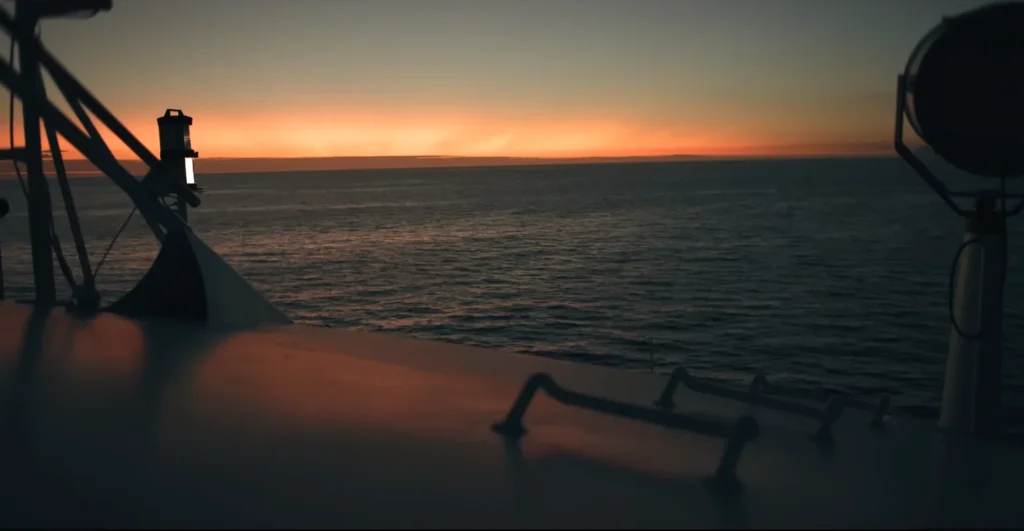
The difference? Perspective. On the boat, I could watch the ocean at sunset. On land-based tours, I was scheduling my movements around departure times.
What to look for in an operator:
- Naturalist guides with certification (check credentials).
- Small group sizes (8-16 people is ideal, not 40).
- Recent reviews (not just ratings—actual details about experiences).
- Clear about what’s included (meals, snacks, equipment).
- Transparent about cancellation policies.
- Insurance coverage for medical emergencies.
Two-Conservation – the Heavy Conversation I Had to Have
What I Never Thought to Be Guilty of
When you walk around the Galapagos, you find species which are found nowhere. Sounds incredible. It is. However, there is the dark side that struck me halfway through the journey.
These islands had been almost ruined. Native populations were almost wiped out by invasive species, rats, goats, feral pigs. The whaling boats hunted giant tortoises to near extinction to provide food. The population of cormorants failed. The marine iguanas have been restored, yet, they remain exposed.
One researcher who has been studying populations over years came across my path in Isabela. She presented me with information about the number of sea lions, reproduction of the iguanas, the changes in the distribution of the penguins. The work is ongoing. The threat is constant.
My Impact as a Visitor
Tourism funds conservation. That’s the real answer. But it’s complicated.
Galapagos is estimated to receive about 240,000 visitors per annum. That’s revenue. That’s also pressure. More boats. More people. More waste. More disruption.
I felt this tension constantly:
- I paid money that supports the park. Good.
- I walked on protected trails. Unavoidable but regulated.
- I used water (scarce on the islands). Necessary but wasteful.
- I left waste. Despite best efforts, inevitable.
What the park is doing about it:
- Strictly limiting visitor numbers per site.
- Requiring guide certification and monitoring.
- Controlling invasive species through ongoing programs.
- Rotating island access to reduce pressure.
- Working with local communities on sustainable practices.
What I Actually Did to Minimize Harm
Real talk: There’s no zero-impact way to visit. But there are better choices.
What I changed during my trip:
- Used reef-safe sunscreen (non-nano zinc oxide). The chemicals in regular sunscreen damage coral and marine life.
- Didn’t touch anything. Not rocks, not plants, not animals. Look, don’t touch—it’s the rule for a reason.
- Brought reusable water bottle. Used less plastic.
- Ate local seafood at restaurants (supporting local economy, not importing food).
- Hired local guides whenever possible.
- Didn’t bargain down prices unreasonably (guides depend on this income).
Was this enough? No. But it mattered.
Safety and the Real Talk No One Addresses
The Ocean Will Humble You
I’m a decent swimmer. Didn’t matter. The initial occasion that I was in the water anywhere near Santa Cruz, I was seized by a current. Nothing to be afraid of–I had a guide along–but it made me think that the Galapagos is not a swimming pool.
Real hazards:
- Currents: Humboldt Current is cold and it may even be arduent. Rip currents exist. Never underestimate water.
- Sun: Equatorial sun on the sea level. Some sunscreen could not save me. It is doubled by the refraction on water.
- Sea animals: Sharks are not common disturbers of us. Sea lions may be violent when guarding pups. Stingrays do not sting, but it is painful when you step on them.
- Altitude/seasickness: Flying to high altitudes of 5,000 and above and then boats may cause nausea. Medication helps.
- Dehydration: It is easy to overlook as you are always in/around water. Drink constantly.
Medical Situation
There’s a hospital in Puerto Ayora. It’s basic. If you need serious care, you’re flying back to Ecuador mainland.
I met a tourist who’d had an accident (nothing serious, just a fall). The evacuation process existed but would’ve been expensive without insurance. Travel insurance that covers evacuation is essential. Not optional.
Wildlife Encounters – What Actually Happens
The guides have rules. Keep at least 6 feet away/marine guanas. Stay 3 feet from birds. Keep distance from seals. These aren’t suggestions.
I could see a tourist attempting to pet a sea lion. The guide was at once put to the task. It is not that the animal is dangerous (they may be). It’s about habituation. Whenever a human touches an animal, the animal gets used to human beings. That’s a problem.
Concluding Recommendations and My Impression
Should You Go? Honest Answer
Yes, in case you are concerned with the view of the most distinct ecosystems on Earth. In case you are the kind of a traveler who would like a luxurious and comfortable traveling experience, perhaps not. When you care about wildlife and do not mind about strict rules, most certainly.
The Galapagos costs money. Lots of it. But it’s not a waste. You will see things everywhere there is none. You will have a different perception of evolution. You will feel small like you should.
What I’d Do Differently
Would I go again? Yes, but differently.
- Spend more time on fewer islands (I tried to see everything, missed depth).
- Learn Galapagos history before arriving (I understood it better halfway through).
- Hire a private guide rather than group tours (worth the cost).
- Stay longer (10 days minimum; I did 8 and felt rushed).
- Do the expedition-style boat trip rather than land-based (if budget allows).
What to Actually Pack
Practical list from experience:
- Reef-safe sunscreen (SPF 50+, reapply constantly).
- Rash guard or wetsuit (cooler water, UV protection).
- Waterproof bag (your phone will get soaked).
- Seasickness medication (preventative, not after the fact).
- Lightweight, quick-dry clothes (cotton gets nasty in tropics).
- Underwater camera (phone cameras work, but basic action camera is better).
- Hat or visor (sun bounces off water).
- Sandals with grip (rocks are slippery).
The Moment That Changed How I Think
I stood on the water close to Isabela and saw Galapagos penguins running around me. Impossibly small. Impossibly alive. The site of evolution in action, where species were able to adapt to conditions that were not available in other places on the Earth.
One penguin went by a few feet off. It looked at me. No fame, no dread–but only notice. The guide had explained that these penguins were millions of years old. They will be there far after I am dead.
That humility? It is because you come to Galapagos. Not because of the Instagram posts (there are plenty of them). Not for the bragging rights. To remind you that the world is a stranger and more beautiful than you are able to imagine in your daily routine.
Practical Final Steps
If you’re serious about going:
- Check Ecuador’s current entry requirements.
- Book accommodations 4-6 months in advance (peak season fills up).
- Get travel insurance with evacuation coverage.
- Research and contact operators 3+ months out.
- Get vaccinated (yellow fever recommended, not always required).
- Break in your water shoes before the trip.
- Read about Galapagos history before arriving.
The Galapagos changed something in how I see the world. It’s expensive, it’s regulated, it’s complicated. It’s also irreplaceable.
If you’ve got the time and money, go. Just go prepared, go respectfully, and go knowing that you’re witnessing something that evolution created over millions of years—something that could disappear if we’re not careful.