
Three years ago, I thought I knew Miami. Beaches, nightlife, maybe some Cuban food in South Beach. Wrong. Dead wrong. My recent deep dive into this city revealed layers I never expected – from 2,000-year-old indigenous sites to secret swimming holes carved from coral quarries. Here’s what I discovered during my most recent exploration of the Magic City.
The Art Deco District: Not Just Instagram Backdrops
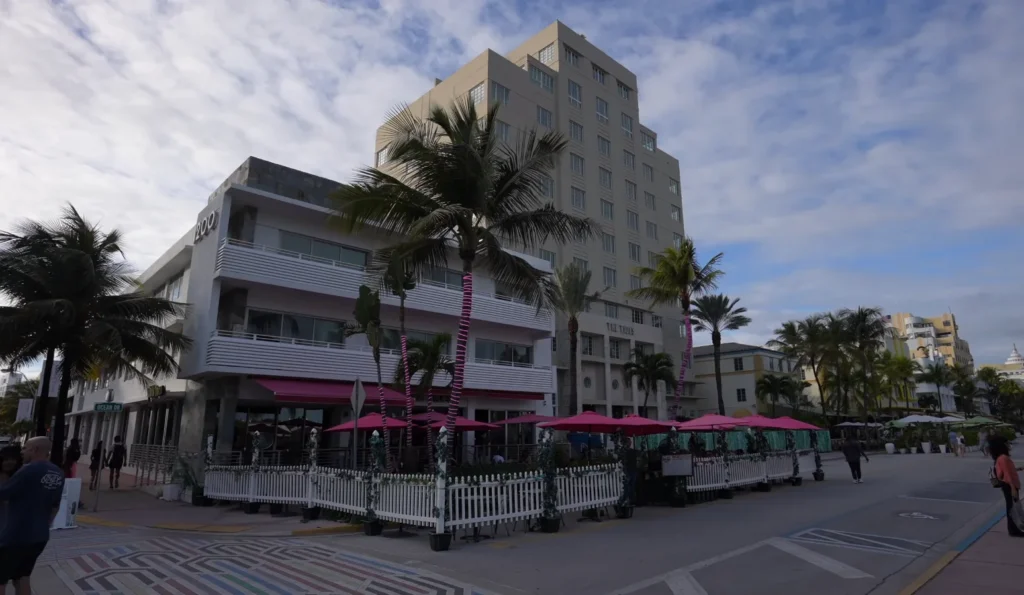
As I strolled through the Ocean drive at the time of sunset, I realized why people are so obsessed with the Art Deco historic district in Miami. But the guidebooks fail to tell you the real magic, which is that it is served by the time the sun goes down.
When Neon Takes Over
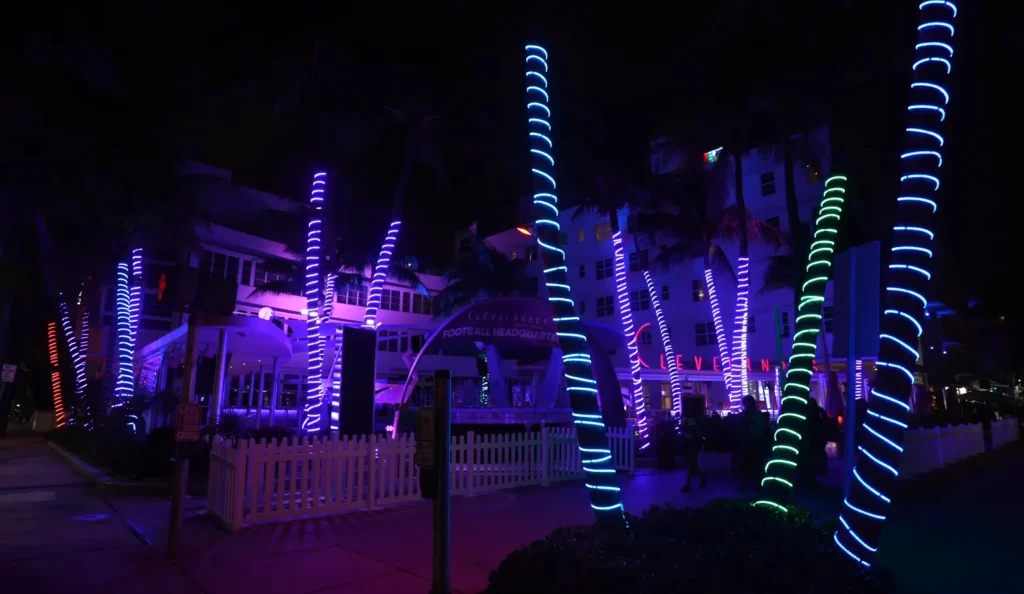
Those palm trees are turned into electric sculpture by 9 PM. I spent an hour simply staring at the changing of the patterns of light – blues oozing into purples, a green twisting up the trunks. The Art Deco historic district is full of buildings older than 1930s and 1940s, yet by the honesty? Its selling point is the night lighting.
The Breakwater Hotel everybody photographs? I allowed more people to pass over the 10:30 PM to capture a clear shot. Note: do not take the pictures directly in front of the building, but across the street.
Beyond the Obvious Shots
The Art Deco experience isn’t just buildings. I discovered the Miami Design Preservation League offers walking tours that dive into the architectural details most people miss. Things like the significance of those horizontal racing stripes (they’re called “speed lines”) and why so many buildings use nautical themes.
Key Art Deco Photography Spots:
- Breakwater Hotel (evening lighting optimal after 8 PM).
- Colony Theatre (check for event lighting variations).
- Cardozo Hotel (Versace connection adds historical depth).
- Park Central Hotel (corner positioning offers multiple angles).
Little Havana: The Real Cultural Heart
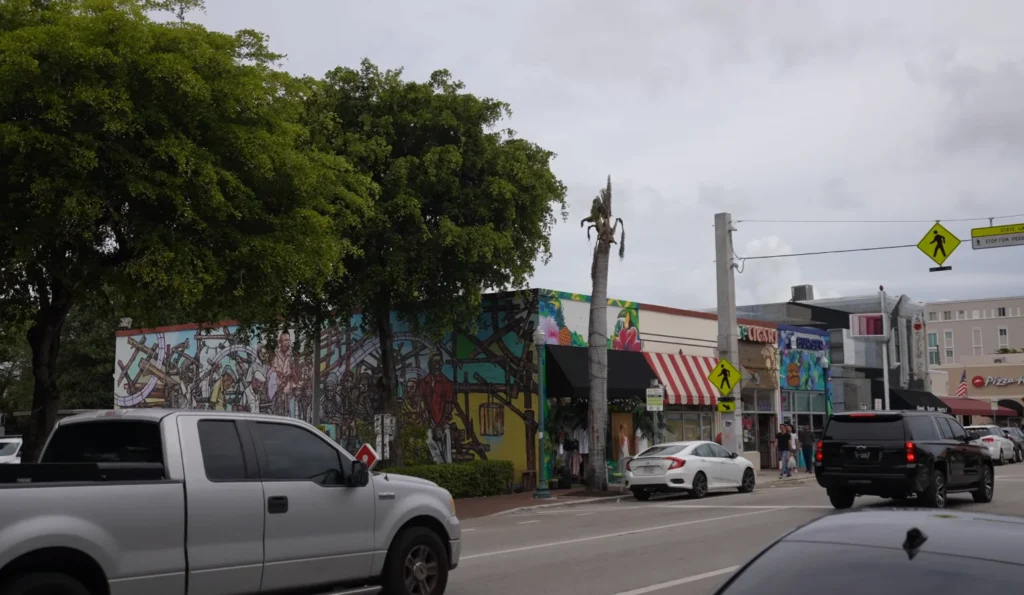
Forgive the Disneyfied Cuban experience of South Beach as a tourist trap. This is where the Cuban soul of Miami breathes, lives and makes the best coffee you will ever receive, Little Havana.
Street Art That Tells Stories
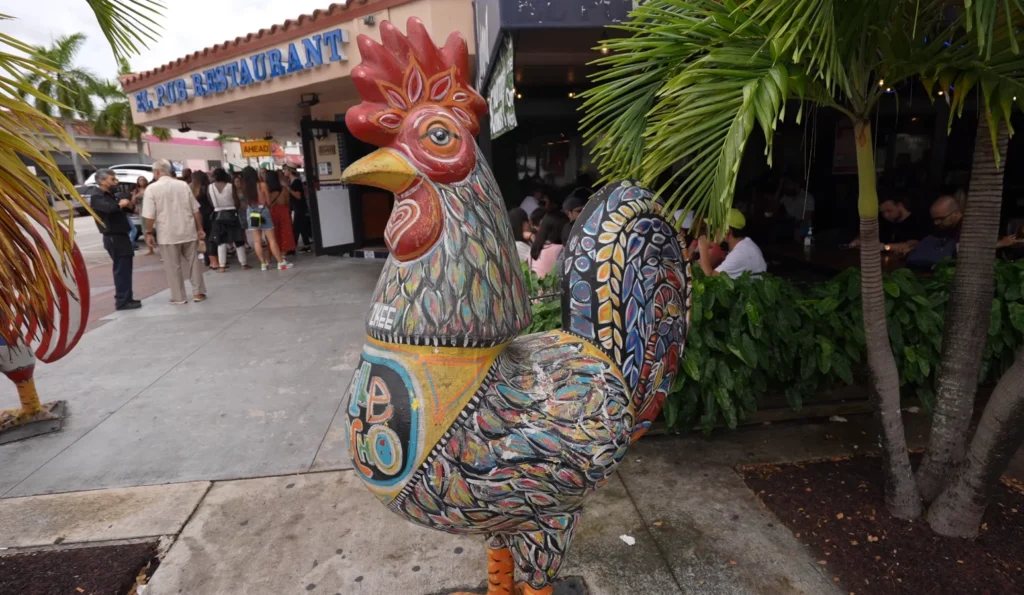
I have been through Little Havana several times before I began to pick out the details. It is not just another piece of ornamentation painted onto the wall, that rooster sculpture, it is the Rooster Walk, a community art installation that honors the cultural identity of the neighborhood. All the roosters narrate varied tales concerning the Cuban heritage in Miami.
The Cigar Culture Lives On
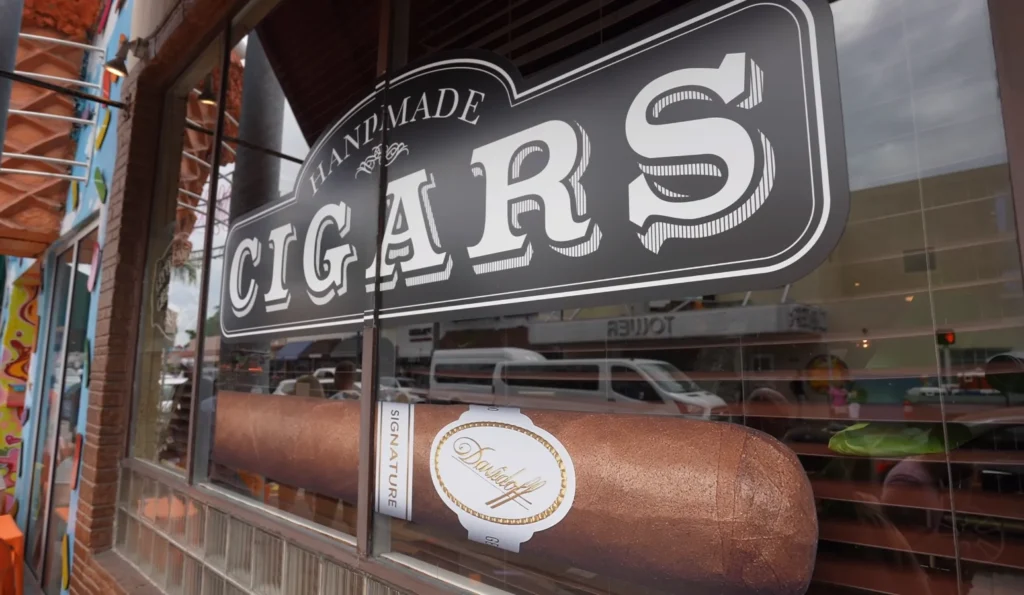
When I entered the cigar store on Calle Ocho, I knew that I was entering a museum. The owner, Carlos, has forty years experience in rolling cigars – taught in Cuba, mastered in Miami. The huge Davidoff cigar in the window? It’s not for sale. It’s art.
People believe that cigars are simply tobacco, and Carlos has shown me the way to roll it, as he did. But every leaf tells you here and there. The dirt, the climate, the very spirits of the farmer.
Food That Defines a Community
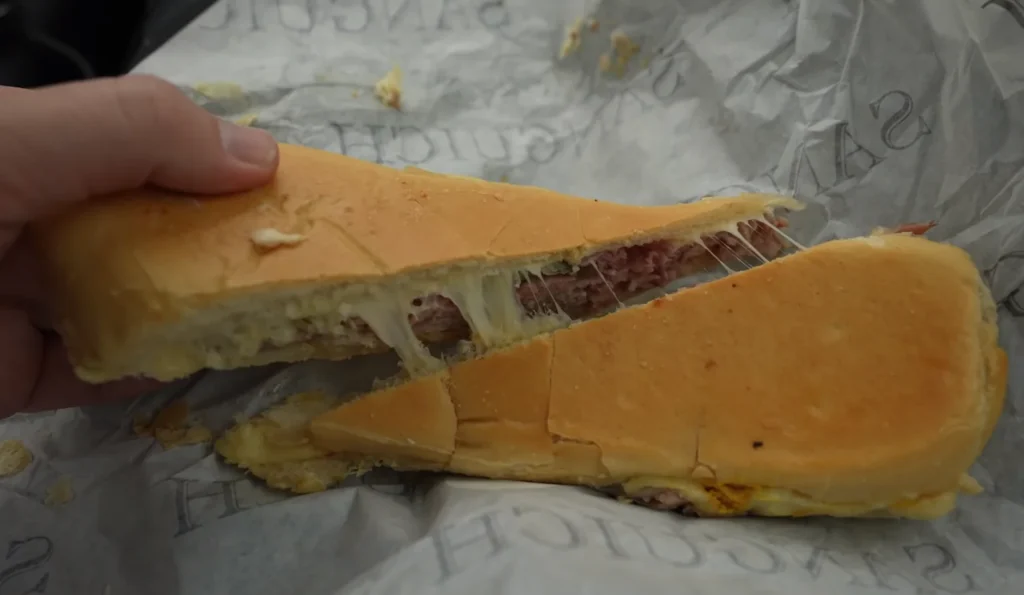
This Cuban sandwich made a complete change in my attitude towards the food scene in Miami. I picked it up at Versailles Restaurant, the informal center of Cuban Miami, since 1971. The bread was squeezed just right – hard on the outside and soft and warm on the inside. The roast pork had been brewing since the dawn of the day.
However, here is what I found interesting, all sources of ingredients are important to this community. The ham is a particular supplier that has been collaborating with Cuban families over decades. The pickles are based on the same recipe that was used in the 1960s.
Things not to be missed in Little Havana:
- Domino Park – Observe (do not interrupt) the games every day.
- Ball & Chain – Live salsa music, real-life salsa.
- El Titan de Bronze – Cigar tours – Hand-rolled cigar.
- Azucar Ice Cream – Cuban made flavors you will not find anywhere.
Wynwood Walls: The Changing Canvas of Miami
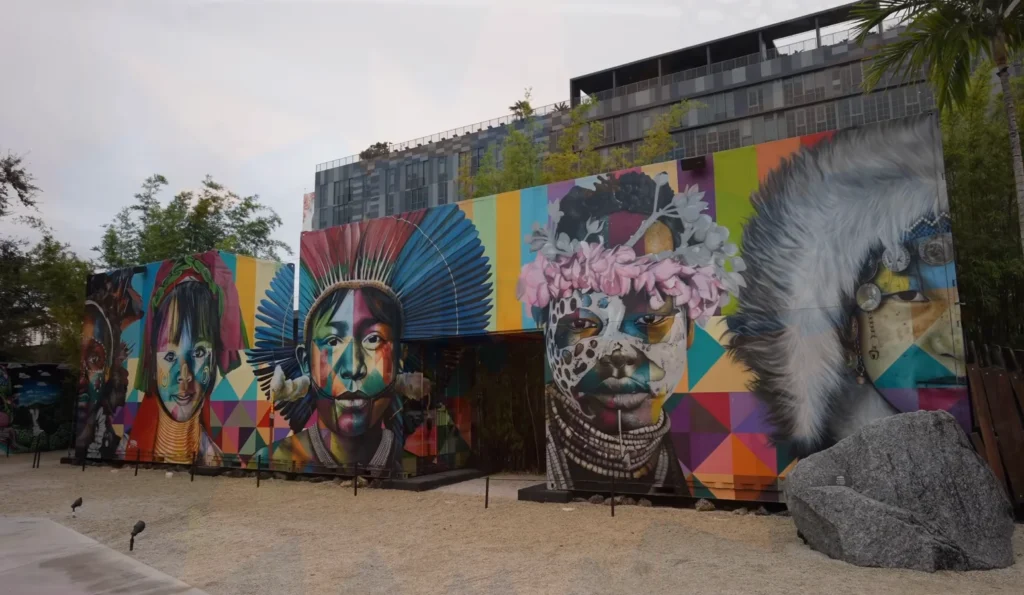
Street art tourism may be a performative one – Instagram-cleaned-up rebellion. I got surprised by Wynwood as it was very raw and in a state of constant change.
Art That Changes With the City
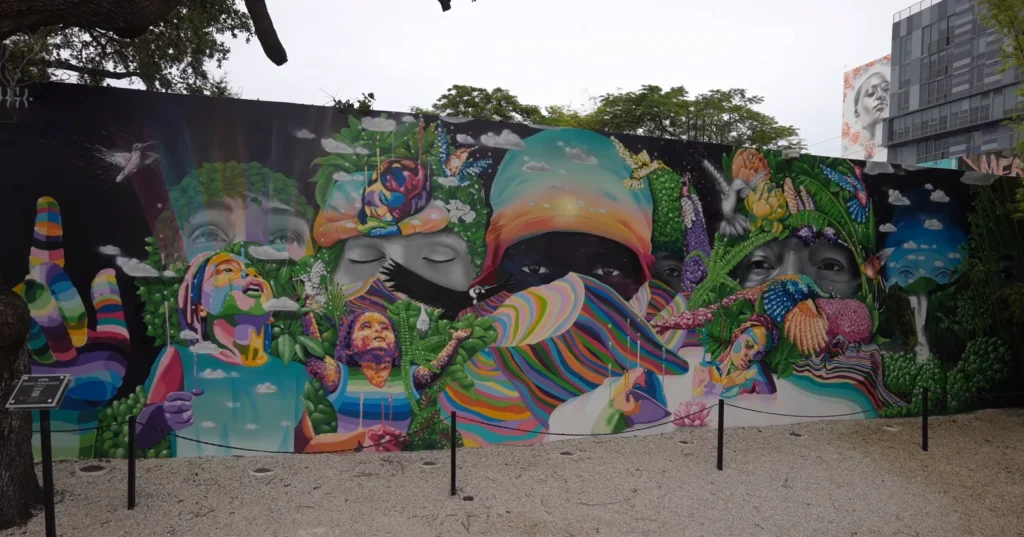
These murals aren’t permanent installations. They’re conversations. The indigenous-themed piece featuring traditional headdress and contemporary geometric patterns? That replaced a completely different work just six months ago. Wynwood Walls commissions new pieces regularly, making repeat visits worthwhile.
I spent three hours here documenting not just the art, but how people interact with it. Kids pointing at details their parents miss. Teenagers recreating poses from the murals. Artists sketching inspiration for their own work.
The Neighborhood Behind the Walls
Wynwood extends far beyond the famous walls. I discovered galleries tucked into converted warehouses, popup restaurants serving food from trucks that have evolved into Miami institutions and coffee shops where local artists actually work – not just pose with laptops.
The creative epicenter of Miami has been taken over in the Wynwood Arts District, although gentrification pressures are a fact. Some old residents informed me of increasing rent costs forcing some families out of the area who resided here prior to the arrival of the art.
The Design District: Where Luxury Meets Unexpected Discovery
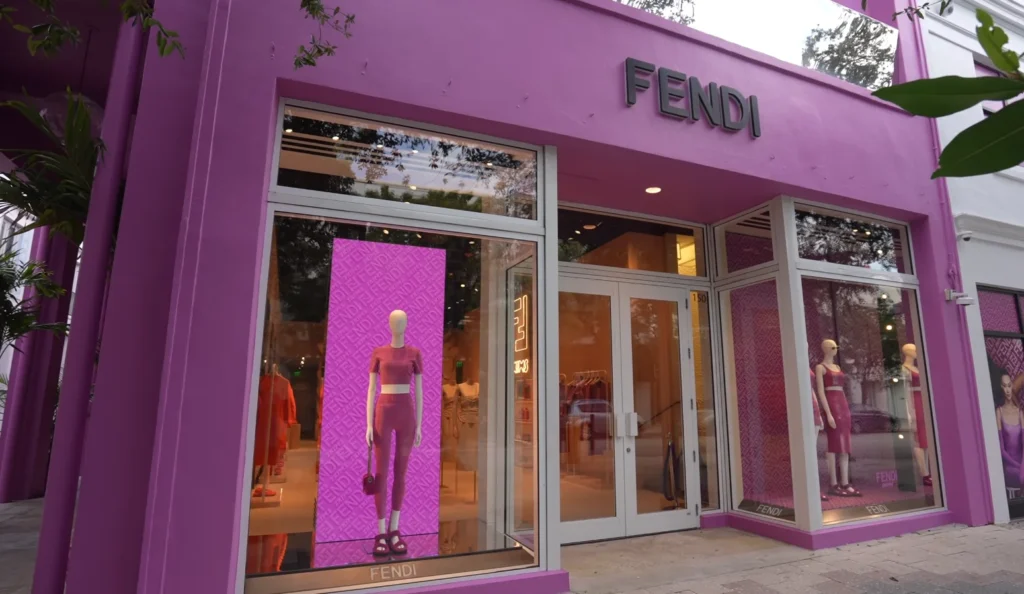
Miami’s Design District caught me off guard. I expected sterile luxury shopping – think generic high-end mall with better weather. Instead, I found one of the most unexpectedly fascinating combinations of retail, art and… an aquarium?
Shopping With a Twist
That Fendi store’s aggressive pink facade isn’t trying to be subtle. It’s making a statement about how luxury retail works in Miami – bold, unapologetic, designed to photograph well. But here’s what I didn’t expect: the Miami Design District actually encourages wandering. Unlike traditional luxury shopping areas that funnel you between stores, this place rewards exploration.
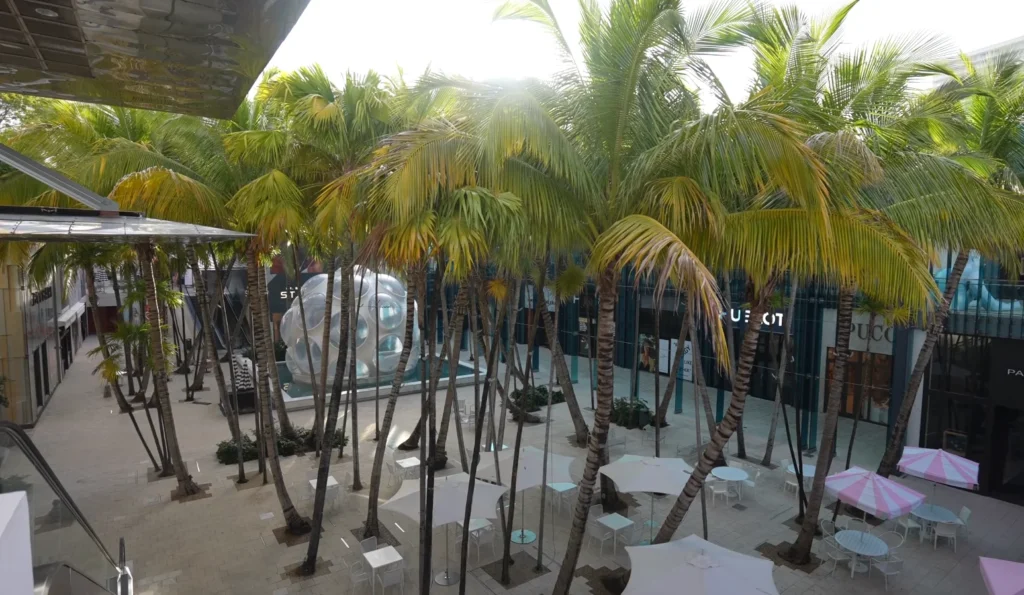
I spent forty minutes just walking the covered areas, discovering art installations between boutiques. Local artists rotate exhibitions here regularly, meaning the visual landscape shifts every few months.
The Hidden Aquarium Experience
This stopped me cold. I was standing in a high-end shopping centre and was looking up at an enormous round aquarium hanging over the shopping mall. People were shopping designer handbags, and fish swam over their heads.
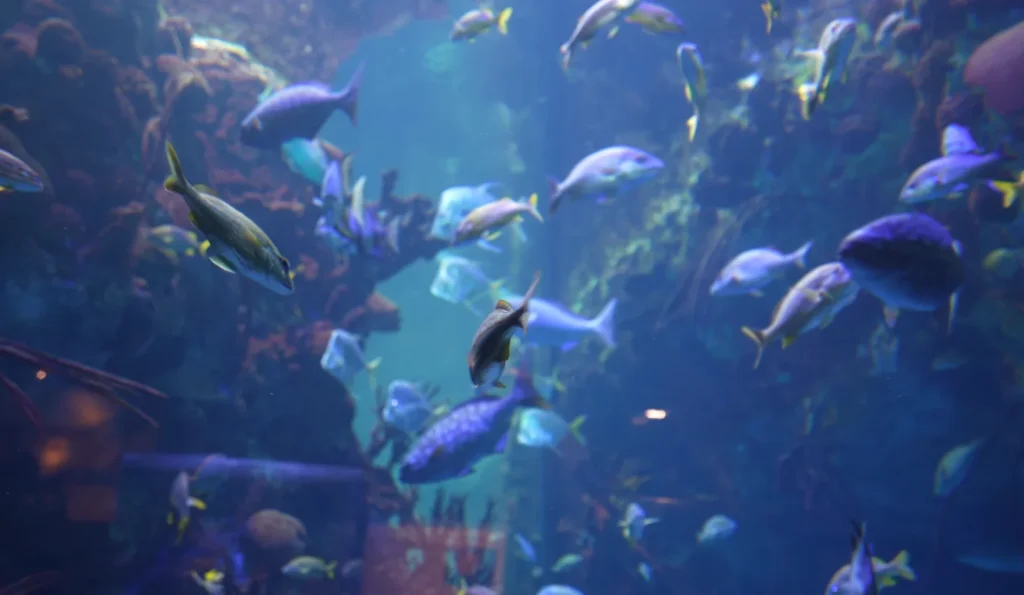
The Institute of Contemporary Art partners with the Design District on rotating installations, but this aquarium feels permanent – a surreal anchor that transforms shopping into something more contemplative.
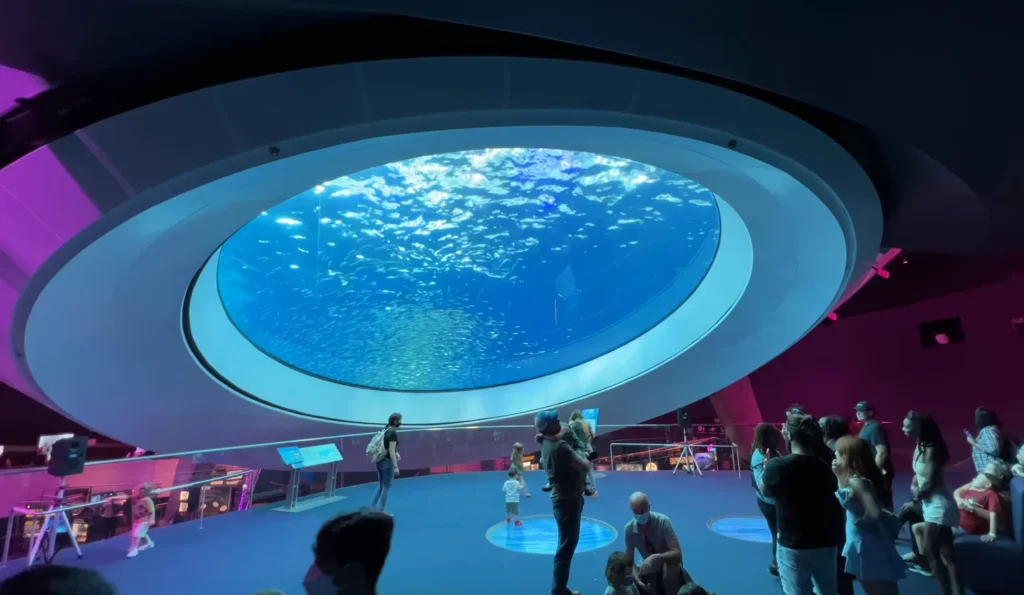
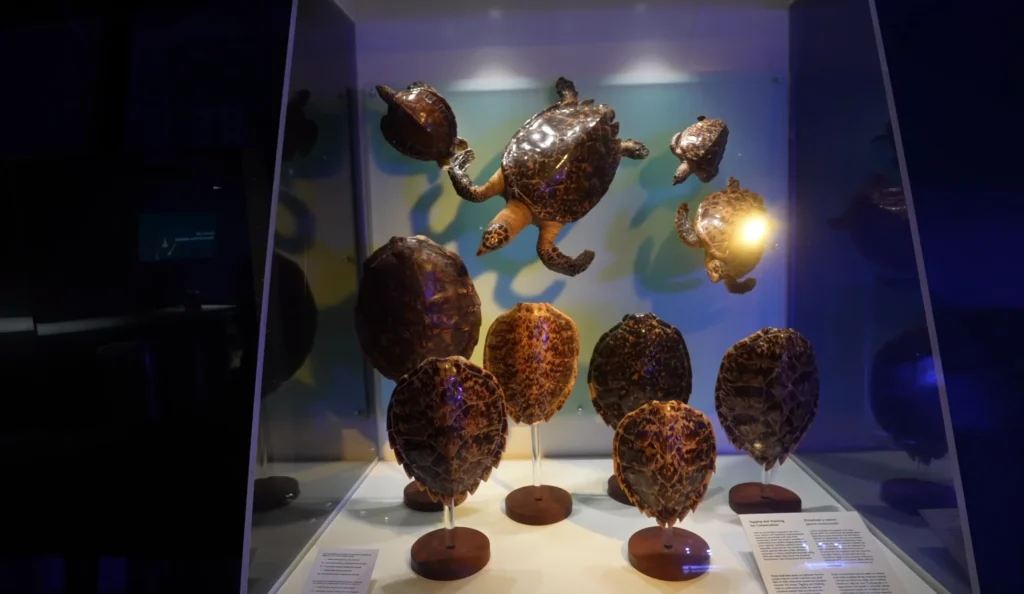
Those preserved turtle shells aren’t just decoration. They’re part of an ongoing conservation education program. I learned about sea turtle nesting patterns on Miami beaches and threats from coastal development. Not what I expected while browsing luxury retail.
Natural Escapes: Miami Beyond the Urban
Fairchild Tropical Botanic Garden: A Hidden Paradise
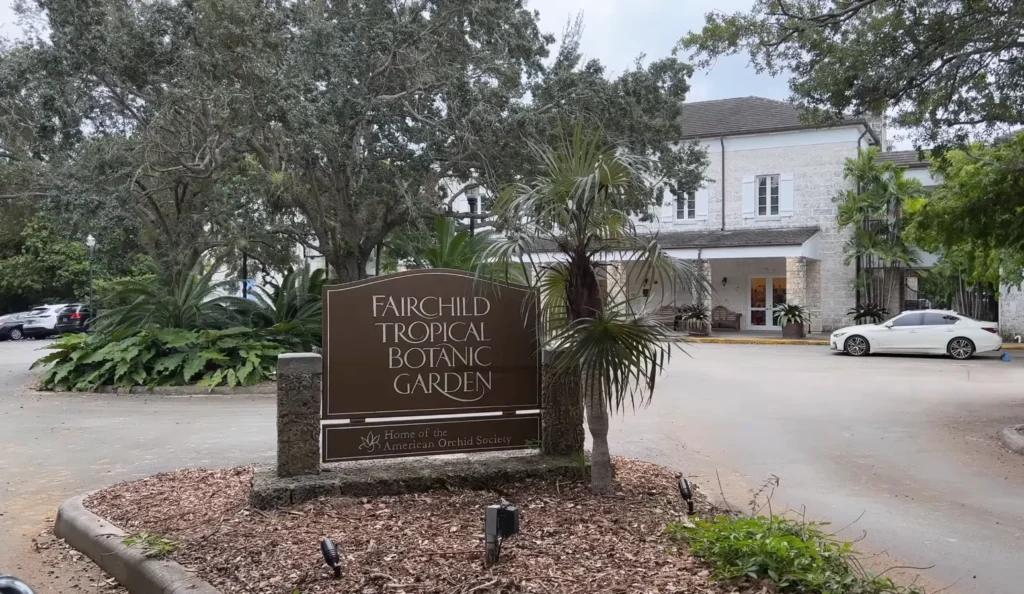
Honestly, I almost skipped Fairchild Tropical Botanic Garden. Gardens feel like filler on travel itineraries – nice, but not essential. I was wrong.
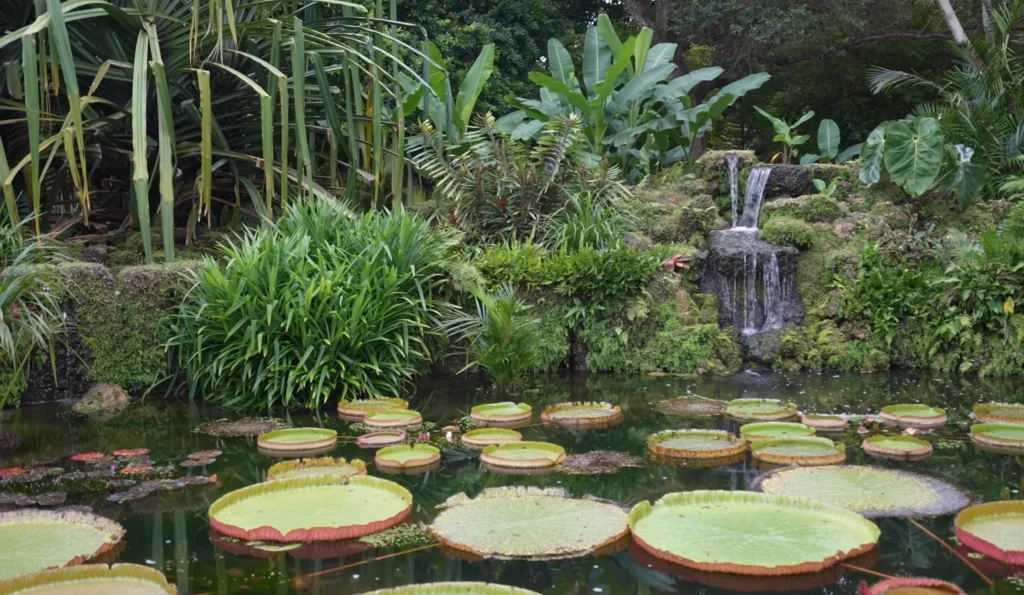
These Victoria amazonica lily pads are massive – some reaching eight feet across. But timing matters. I visited in late morning when the pads were fully expanded and the lighting highlighted their intricate vein patterns. The garden staff told me these lilies can support up to 100 pounds when properly distributed.
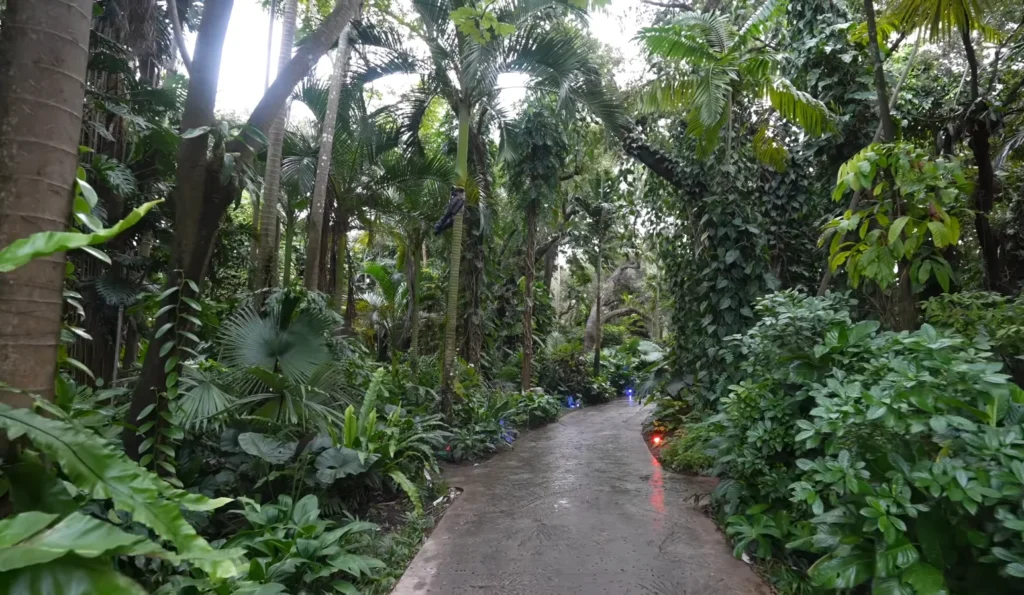
This rain forest road took me totally out of Miami. So thick overhead, damp air, full plant scents, and I could not identify the call of birds. The Fairchild Garden is filled with tropical plants that occur in different parts of the world, yet in a way that they create the impression of natural ecosystems, rather than museums.
Here I met more wildlife than in any other part of Miami – butterflies, lizards, birds that I had never seen anywhere. A volunteer guide told us that the garden is an urban haven of species pushed out of the development by development.
The Everglades: Miami Backyard
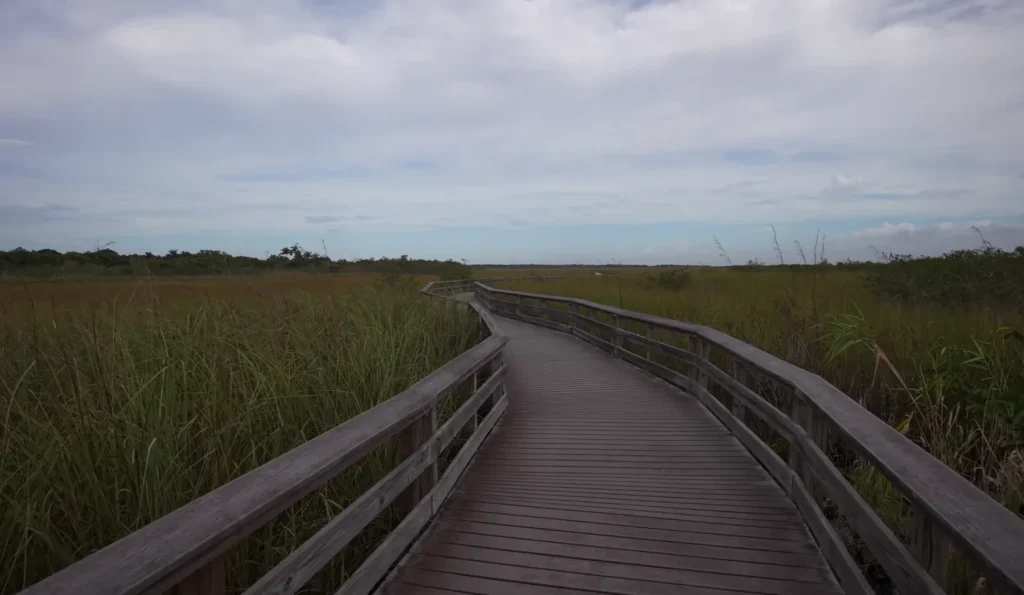
I was forty-five minutes out of downtown Miami, and I was in a landscape that could not have been classified as the least stereotypical of Miami. The Everglades National Park is not mere swampland, but rather a River of Grass, a sheet of water moving slowly towards the sea, which is also imperceptible.
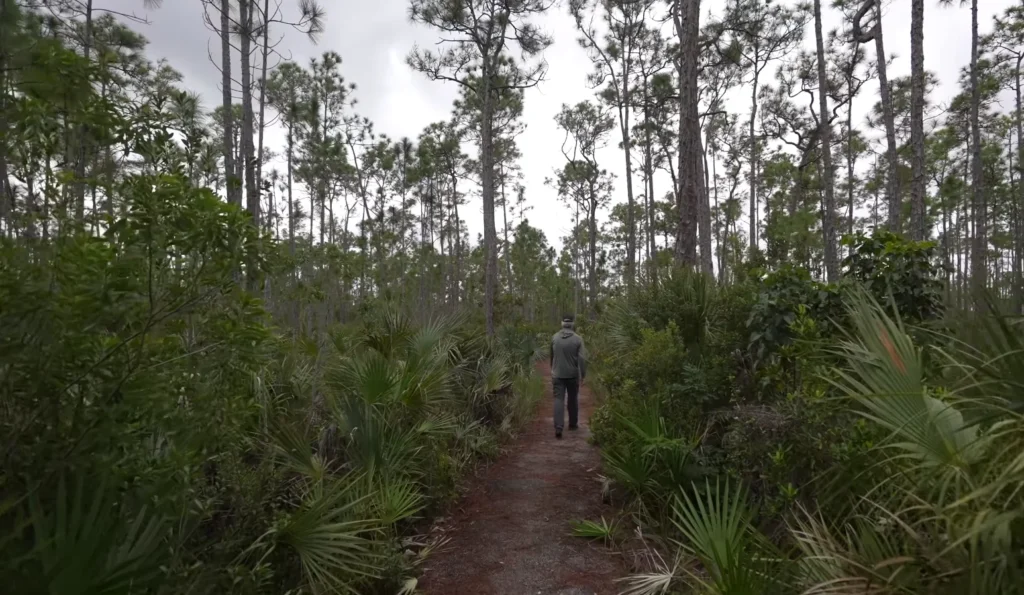
The path in pine rocklands was the pre-development picture of Miami. Prior to the presence of beaches and buildings, this whole area was a wilderness. The raised walkways preserve delicate ecosystems even though they open up areas that most visitors can never reach.
It took me two hours to hike without any human being in sight. In Miami. During tourist season.
The silence in this place is grandiose – not the lack of sound, but the existence of natural rhythms the city-dwellers lose the knowledge of. Wind through sawgrass. Distant bird calls. The flow of water through vegetation.
Everglades Essential Information:
- Best visiting time: Early morning (wildlife most active).
- Required gear: Water, hat, insect repellent (seriously – the mosquitoes are legendary).
- Trail recommendations: Anhinga Trail (alligator spotting), Gumbo Limbo Trail (diverse ecosystems).
- Seasonal considerations: Dry season (November-April) offers better wildlife viewing.
Miami History: Lost and Found
The Miami Circle: Native History of downtown Miami
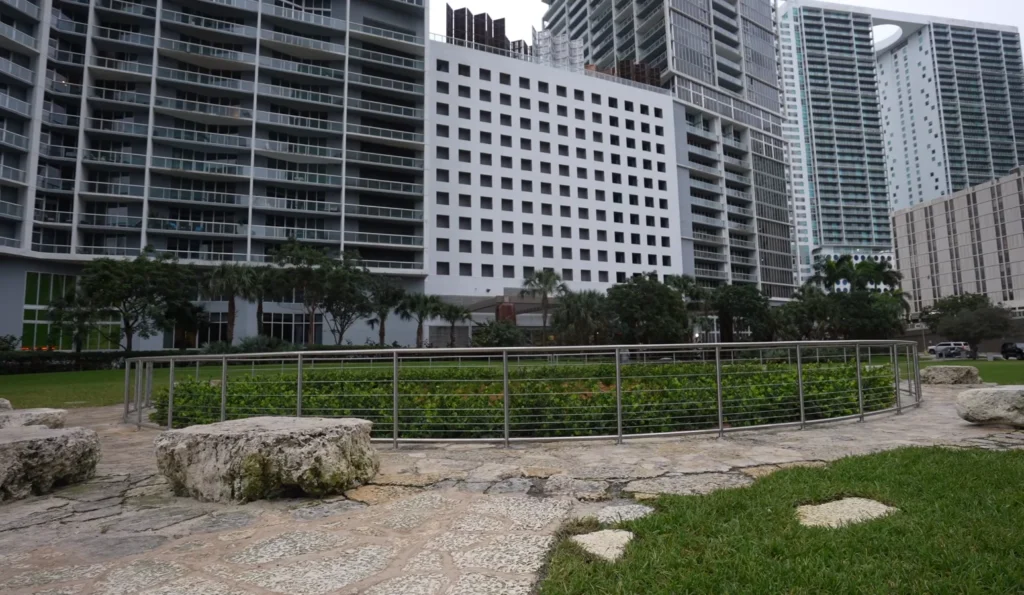
This is the plaque that is located in downtown Miami with skyscrapers and traffic around it. The majority of individuals just pass by without reading. I’m glad I stopped.
The Miami Circle is a 2,000-year-old site of an Indian village, the Tequesta Indians, found when constructing condos in the year 1998. Construction was stopped at the request of archaeologists who discovered carved holes in the bedrock limestone – some kind of evidence of an elaborate native settlement that they estimated was hundreds of years old prior to the arrival of Europeans.
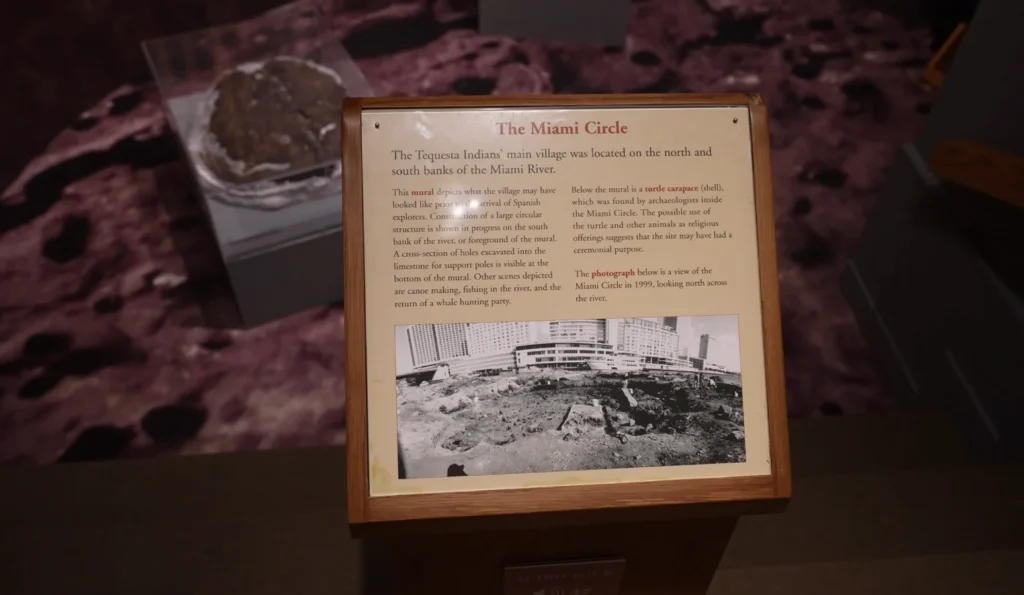
That was the immediate contrast to me. The history of ancient people living in these areas has been preserved under the shadow of luxurious apartments. Miami is a fast developing city, which normally removes the history but it was not in this case because its protection was fought by the citizens.
The Tequesta tribe has occupied this place more than 1, 000 years prior to the arrival of Spanish settlers. They cut these holes to hold wooden posts to hold structures that we can only imagine about. The sense of continuity struck me here because so many communities were sustained here by this land since the time before Miami was a city.
Vizcaya Museum: European Dreams in Tropical Reality
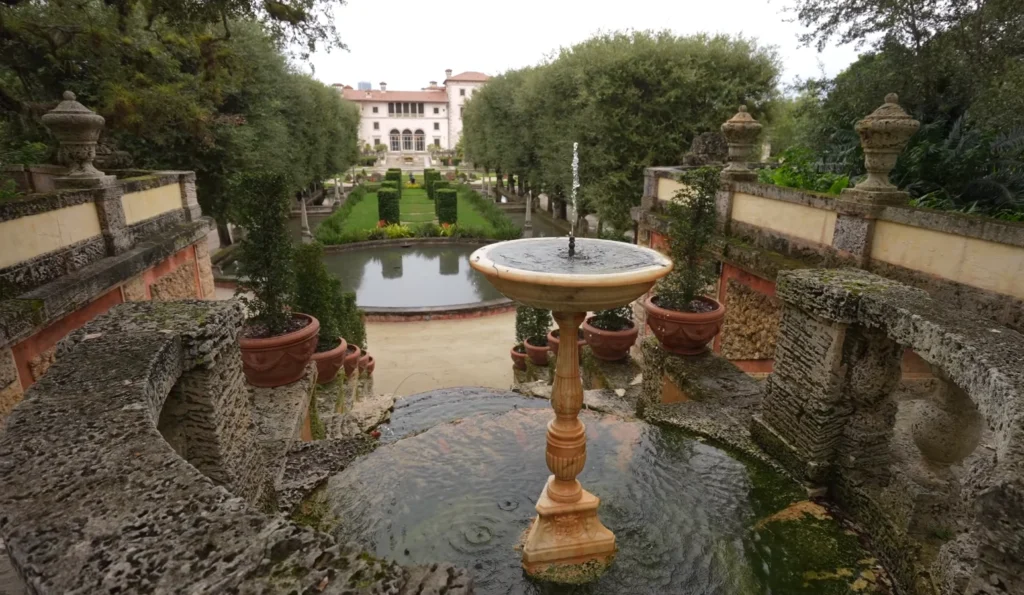
The 1916 estate of James Deering is the first large scale effort in Miami to introduce European style magnificence into subtropical Florida. Vizcaya Museum and Gardens required me three hours of adequate time to explore the premises.
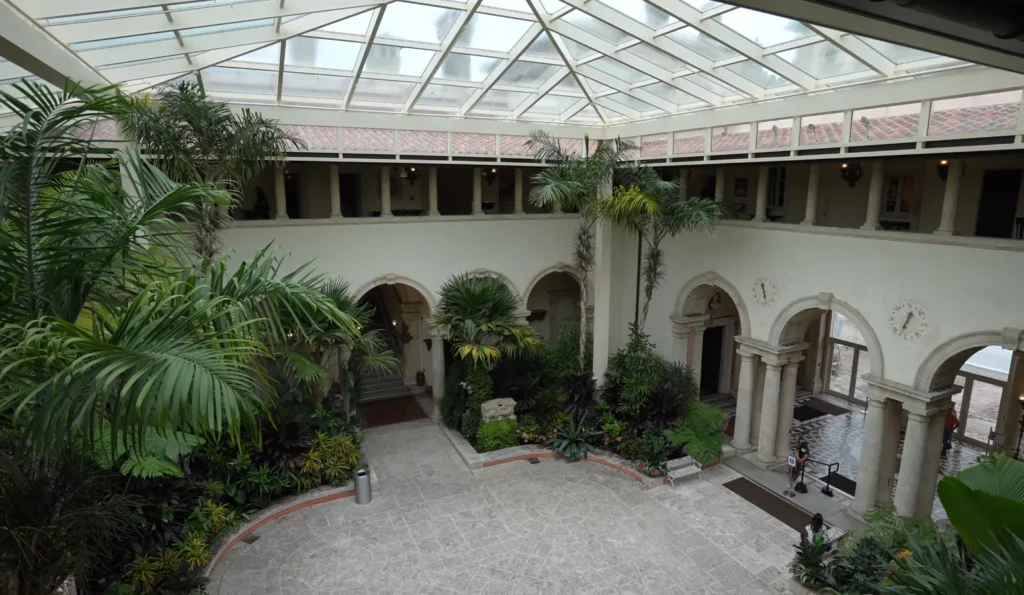
This was a dining room that made me take a pause. Those Corinthian columns are not plaster imitations, but hewn out of limestone. The table seats 24 guests. However, what impressed me here was the fact that Deering constructed this fantasy house with the use of the local coral stone, modifying the European building technology and fitting it to the climate of the region and the materials available.
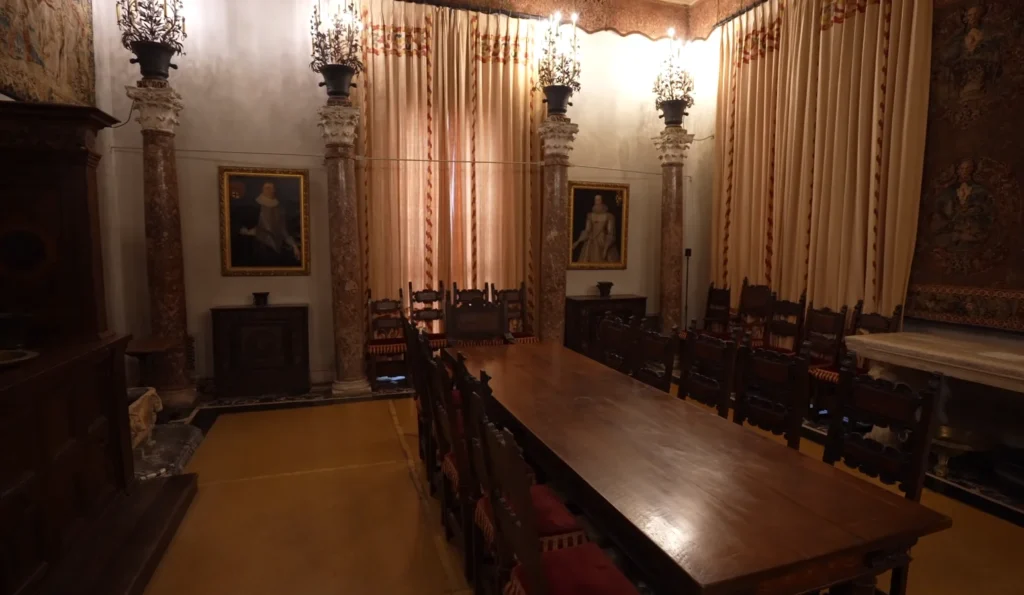
The gardens extend Vizcaya’s European fantasy outdoors. That fountain anchors formal Italian Renaissance design principles, but the plant selections accommodate South Florida’s tropical climate. Deering’s landscape architects created something that never existed in Europe – Italian gardens adapted for perpetual summer.
The Holocaust Memorial: Sobering Beauty
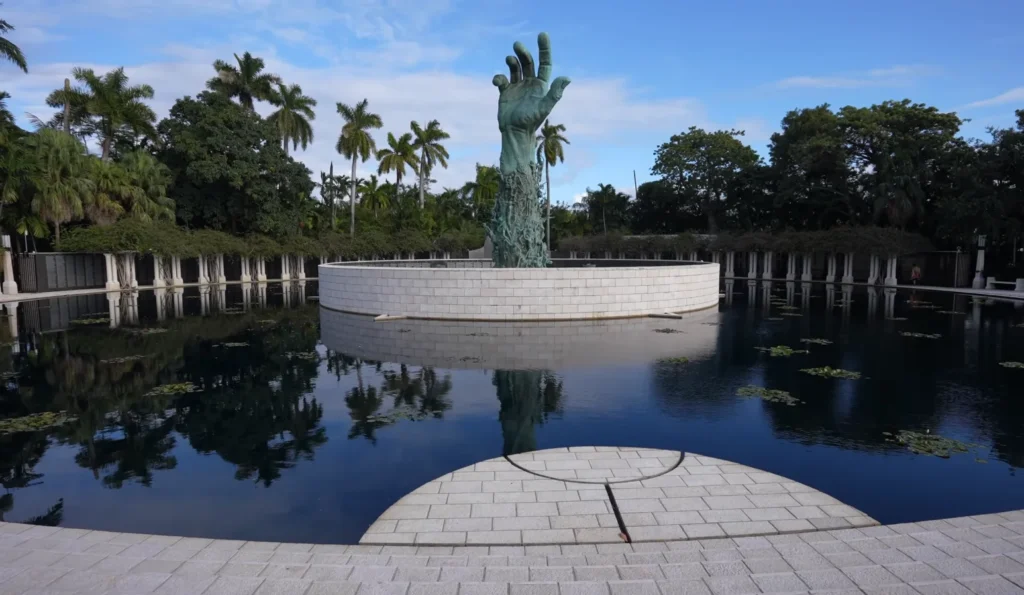
I wasn’t prepared for the emotional impact of Miami Beach’s Holocaust Memorial. That massive bronze hand rising from the reflecting pool represents victims reaching toward hope, survival, remembrance.
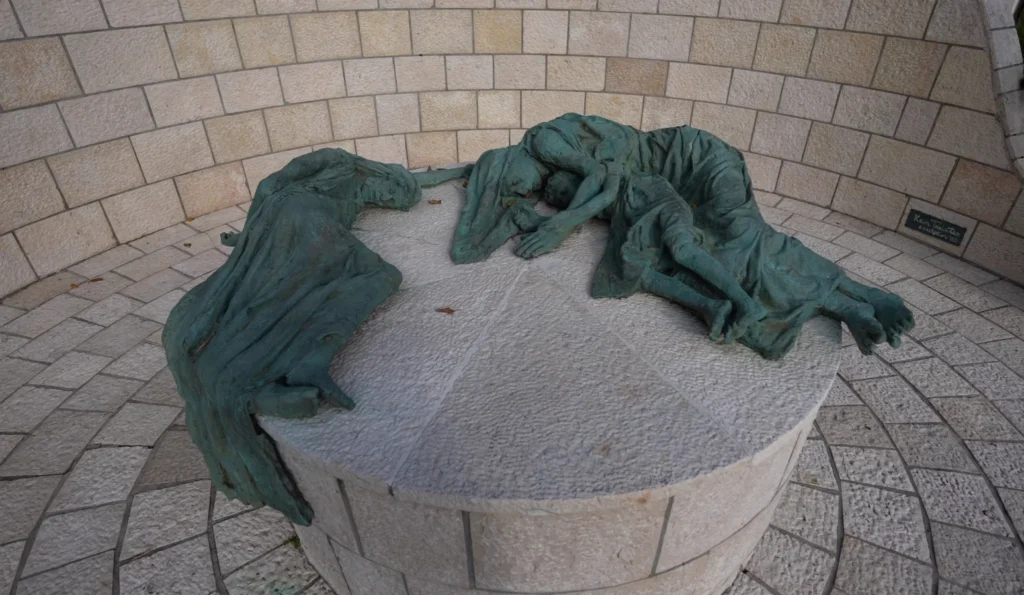
These smaller bronze figures surrounding the memorial tell individual stories of loss and resilience. I spent an hour reading names etched into the granite walls – Miami Beach’s Jewish community ensuring their murdered relatives aren’t forgotten.
The memorial’s location on Miami Beach isn’t accidental. This area became home to thousands of Holocaust survivors who rebuilt their lives in South Florida’s warmth and growing Jewish community.
Beachfront Experiences: Beyond the Obvious
South Beach: Timing Changes Everything
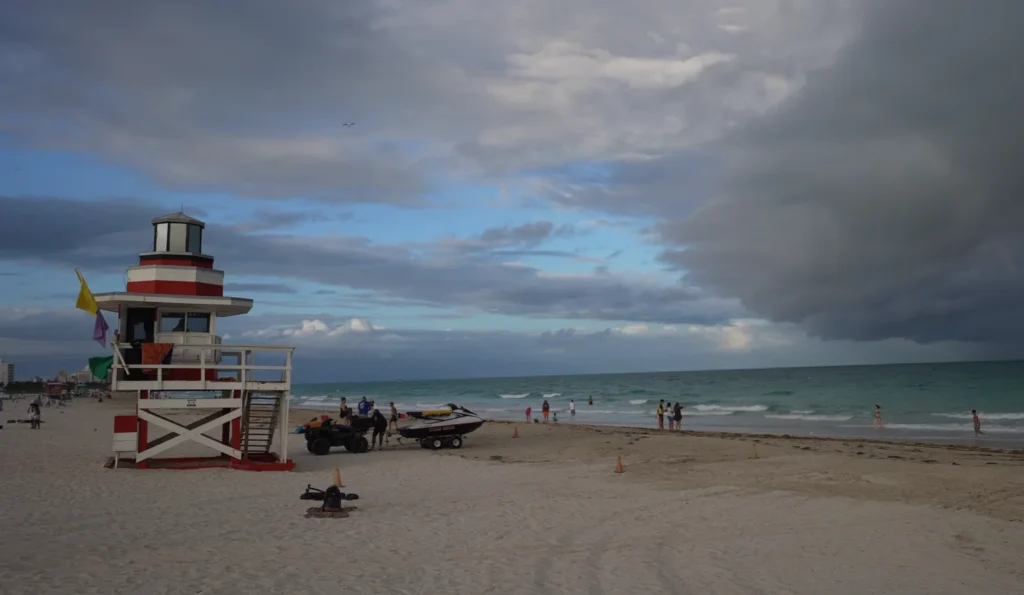
Everyone photographs South Beach’s lifeguard towers, but I caught this one during an approaching storm. That dramatic sky transformed the familiar scene entirely. South Beach changes personality depending on weather, time of day and season.
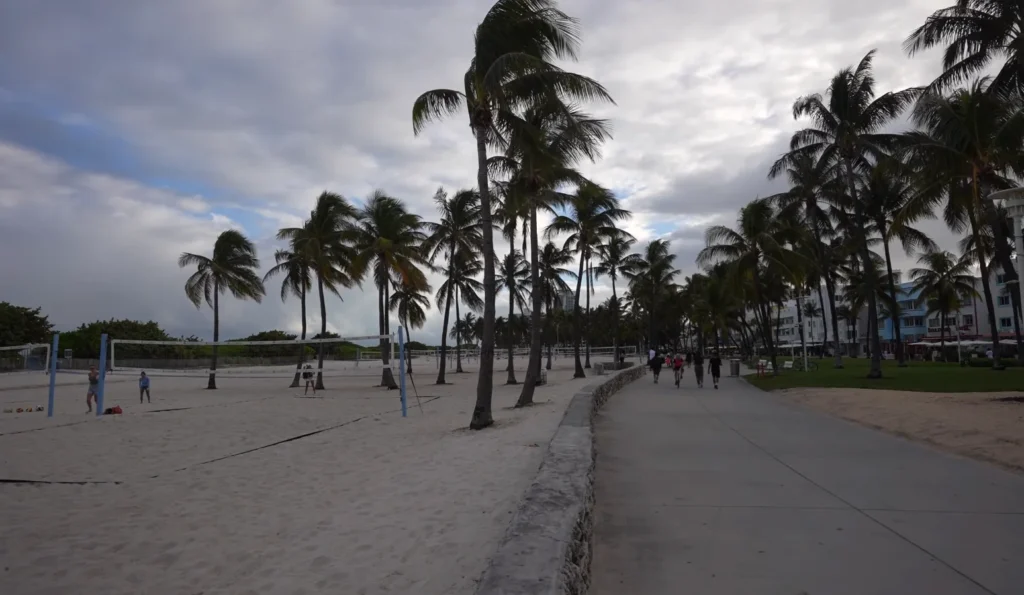
Early morning South Beach reveals a different city. By 7 AM, before the crowds arrive, I had this iconic palmetto-lined boardwalk nearly to myself. The Art Deco buildings provide perfect backdrop lighting and the beach reveals details that disappear once thousands of people claim the sand.
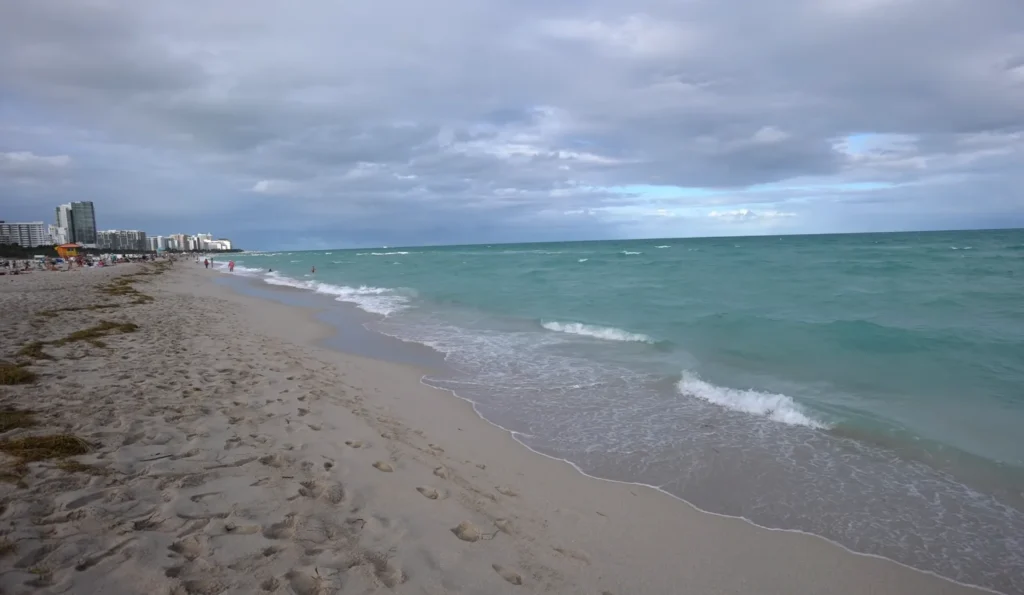
This seaweed-scattered beach represents South Beach’s natural state. Tourism marketing removes these elements, but I found them beautiful – evidence of living coastal ecosystems that survive despite intensive development.
South Pointe Park: The Secret Perspective
South Pointe Park’s pier entrance announces itself boldly. Those colorful speech bubble installations aren’t trying to be subtle – they’re celebrating Miami’s playful public art approach.
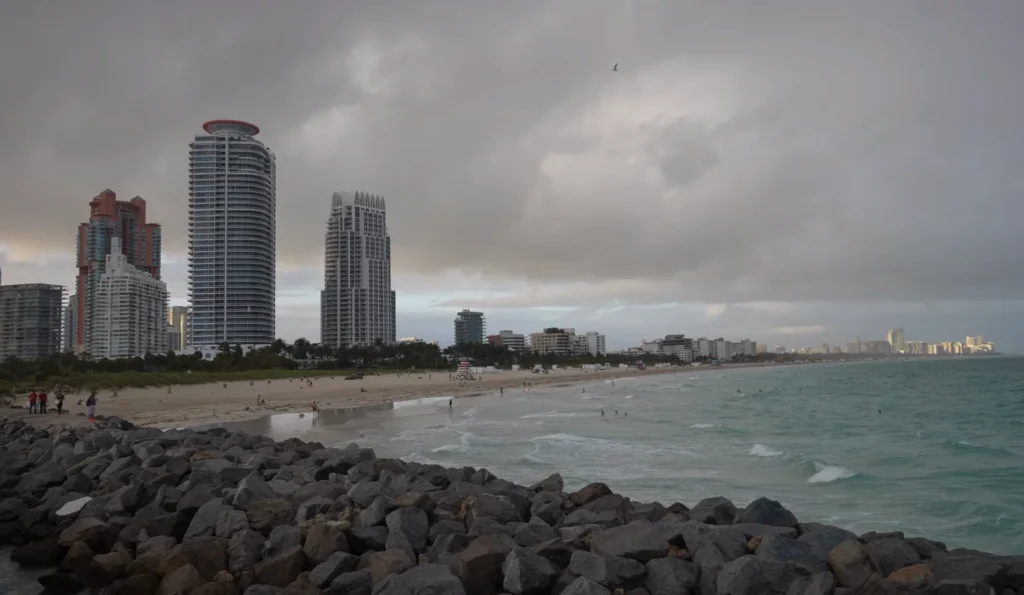
But this view from the pier changed my understanding of Miami Beach entirely. Looking north, the beach stretches for miles, backed by that famous Art Deco skyline. But from this angle, you see the scale – how narrow the barrier island really is, how close the ocean and bay come to touching.
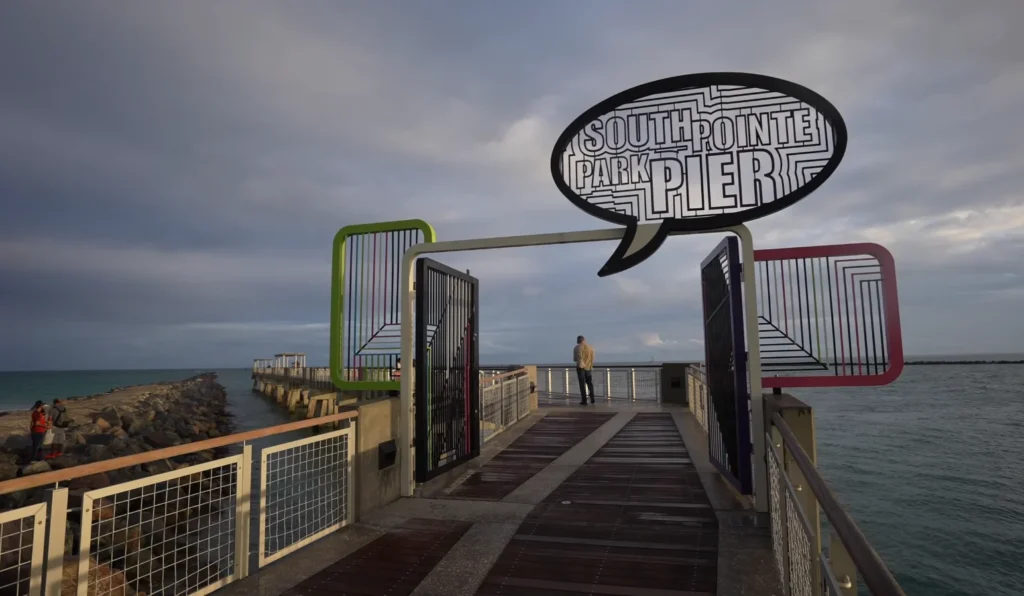
I had been waiting forty minutes to this lighting. Miami Beach storm clouds on the way, late afternoon sun bashes through clouds, drama you cannot plan or predict. South Pointe Park is the most favorable location to have a geographical and size orientation of Miami Beach.
Uniqueness of Miami Experiences that You Cannot Get Anywhere
The Venetian Pool: Swimming in History
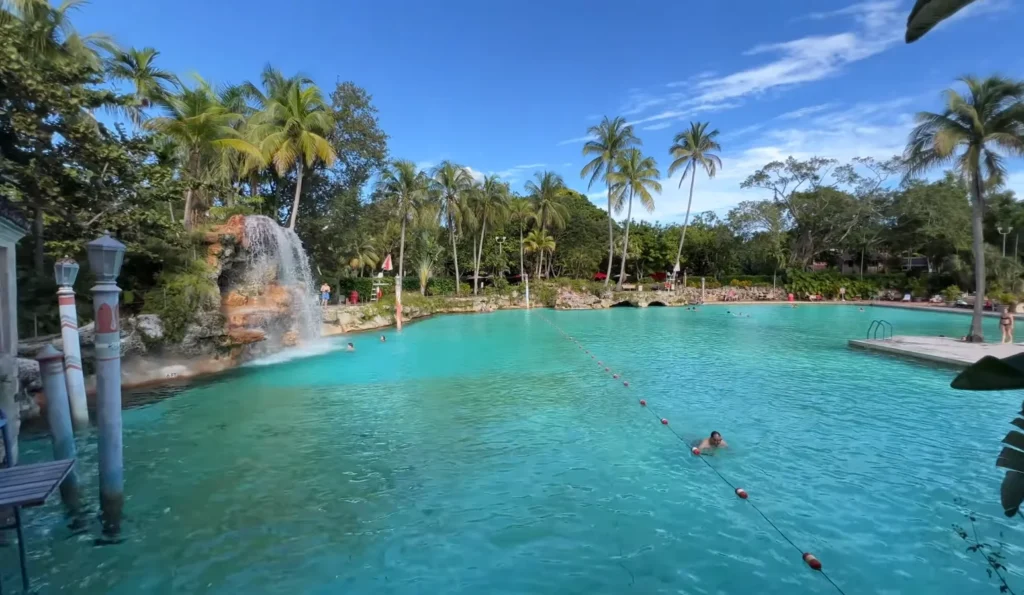
The Venetian Pool in Coral Gables turned out to be the opposite of all my expectations about swimming pools. It is not a pool, rather, it is a coral rock quarry of the 1920s turned into aquatic paradise.
The fact that the water is underground sourced and is filled up daily – 820,000 gallons of fresh water that is flowing through the carved coral stone. I was swimming in the water that had been underground decades and only appeared in this architectural fantasy.
The history of the pool indicates the optimism of the booming Miami. This conversion of industrial prey into Mediterranean-style swimming paradise, with waterfalls, caves and bridges hacked out of the original coral stone was commissioned by developer George Merrick.
Bayside Marketplace: Tourist Trap with Real Life Moments
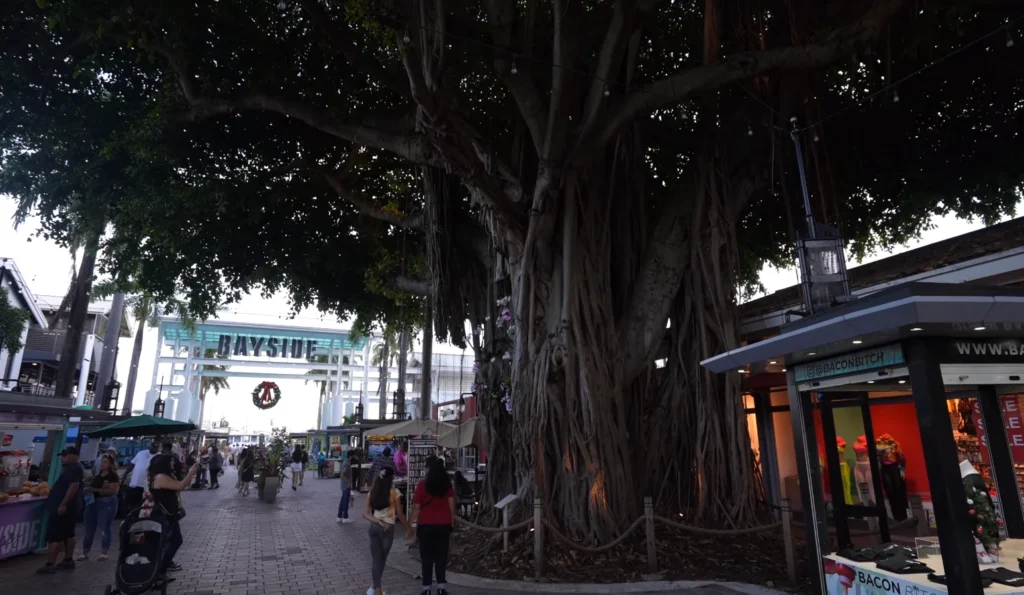
I almost dismissed Bayside Marketplace as generic tourist development. The ferris wheel and chain restaurants seemed designed for cruise ship passengers with limited time. But I discovered authentic experiences hiding within the commercial framework.
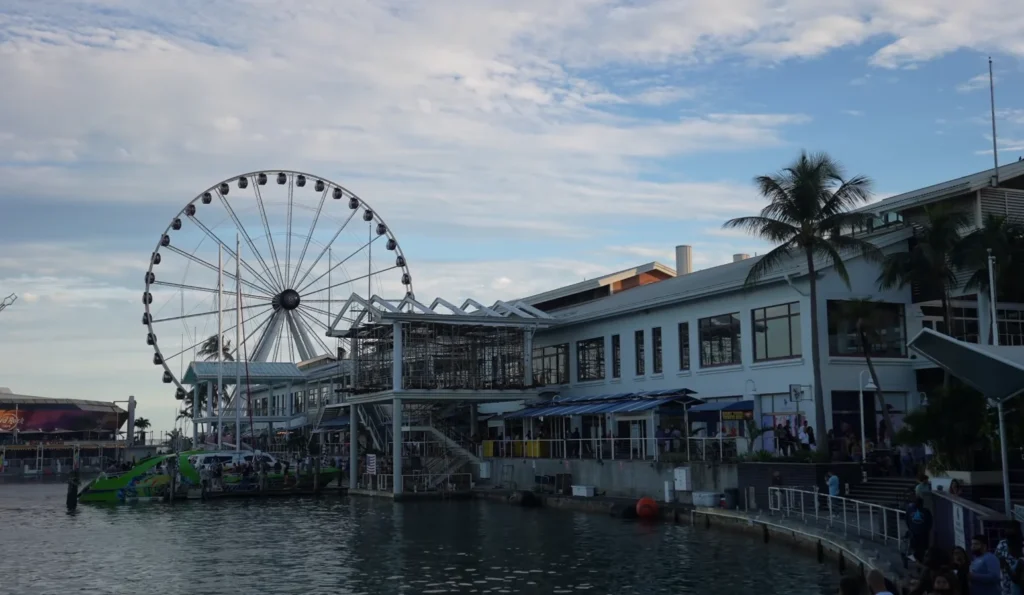
This massive banyan tree anchors the marketplace’s courtyard, it’s aerial roots creating natural sculpture that predates the commercial development. Local musicians perform beneath it’s canopy daily, turning retail space into impromptu community gathering place.
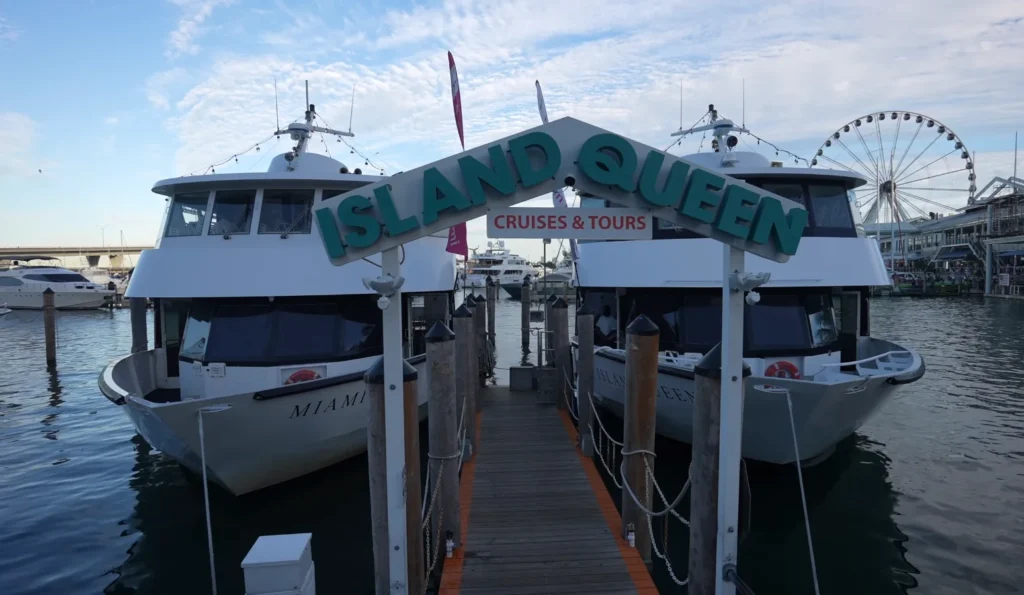
The Island Queen Cruises boats offer Miami’s most accessible way to see the city from water. I expected cheesy narration and overpriced drinks. Instead, I got insider knowledge about Miami’s development, celebrity house spotting and perspectives on the city impossible to achieve from land.
Azucar Ice Cream: Flavors That Tell Stories
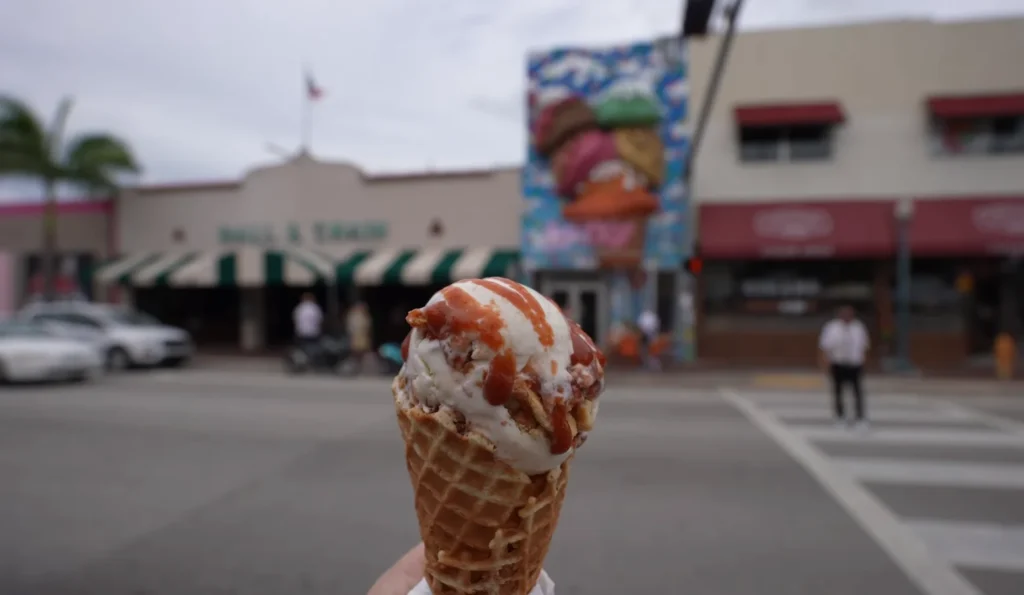
This ice cream cone from Azucar Ice Cream Company represents Miami’s cultural fusion perfectly. That’s abuela Maria flavor – sweet plantain with cinnamon, based on a recipe from the owner’s Cuban grandmother.
Azucar creates flavors that tell Miami’s immigration story. Tres leches cake. Key lime pie. Mamey. Avocado (yes, avocado – it works). Each flavor connects to a specific cultural community that calls Miami home.
Standing on Calle Ocho, eating ice cream that tastes like childhood memories from a country I’ve never visited, I finally understood Miami’s real magic. This city doesn’t just collect cultures – it transforms them into something entirely new.
Final Thoughts: Miami Revealed
My preconceptions about Miami crumbled completely during this exploration. This isn’t just beaches and nightlife. It’s indigenous history downtown, European fantasies in tropical gardens, street art that changes monthly and ice cream flavors that preserve family recipes from countries thousands of miles away.
Miami rewards curiosity. The best discoveries happened when I abandoned planned itineraries and followed unexpected details – that rooster sculpture leading to cultural conversations, storm clouds creating perfect photography conditions, a simple ice cream cone revealing the city’s complex cultural DNA.
Pack comfortable walking shoes. Bring a camera. Most importantly, budget extra time for the discoveries you can’t plan.