
Arriving at the Fiumicino of Rome, Italy was like entering into a managed mayhem. The terminal was as electric as only the biggest airports in Europe can be – there were travelers with their guide books, business people hurrying through gelato booths and in between it all locals who have mastered the art of maneuvering through crowds.
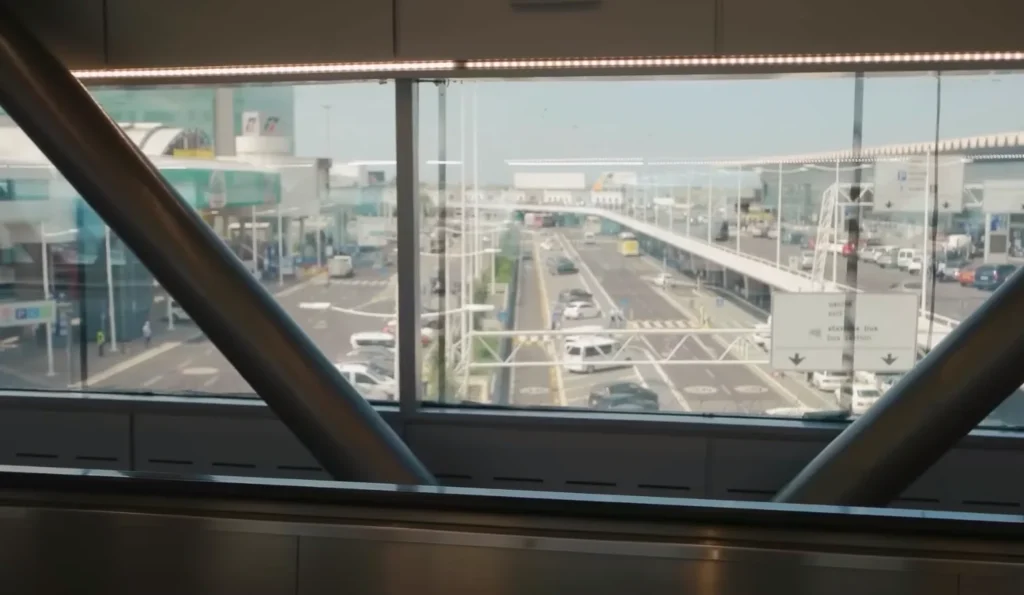
I’ll be honest – I almost took a taxi into the city center. Almost. But after watching three separate groups get quoted wildly different prices by drivers outside baggage claim, I remembered why the Leonardo Express exists. Thirty-two minutes, fixed price and you’re deposited right at Roma Termini.
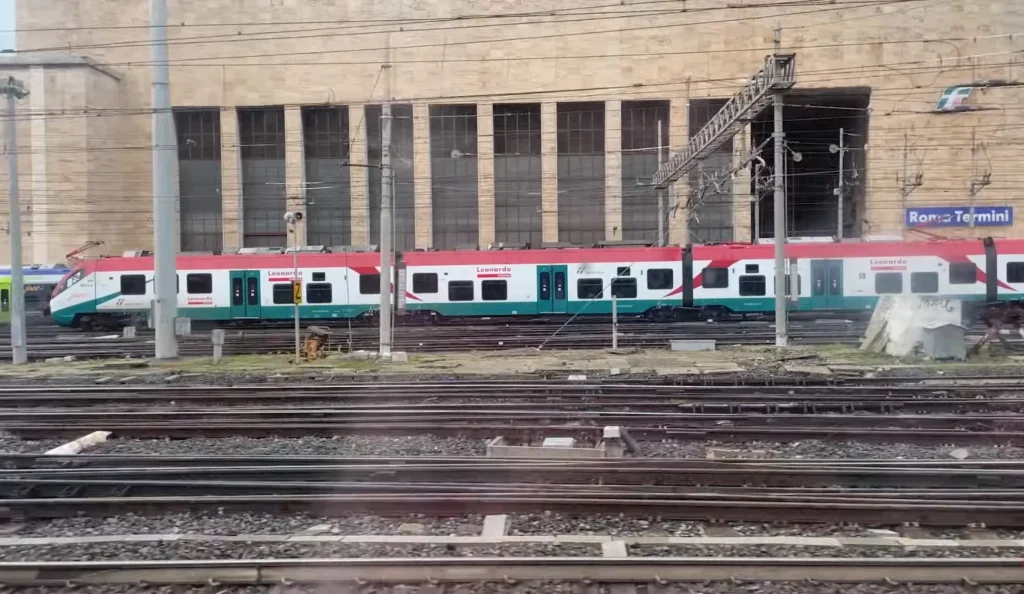
The train ride gave me my first glimpse of Roman suburbs – not the Instagram-worthy stuff, but the real city. Apartment blocks with laundry hanging from balconies, graffiti that’s somehow artistic even when it’s just tags and that Mediterranean light that photographers spend fortunes trying to recreate.
Getting Your Bearings: Why Rome Isn’t Built for GPS
This is what no one tells you about Rome: your phone will lie to you all the time. The streets, which were there during the time of Caesar, do not get along with the modern mapping algorithms. I came to know this when I was frantically trying to locate my hotel around Campo de’ Fiori.
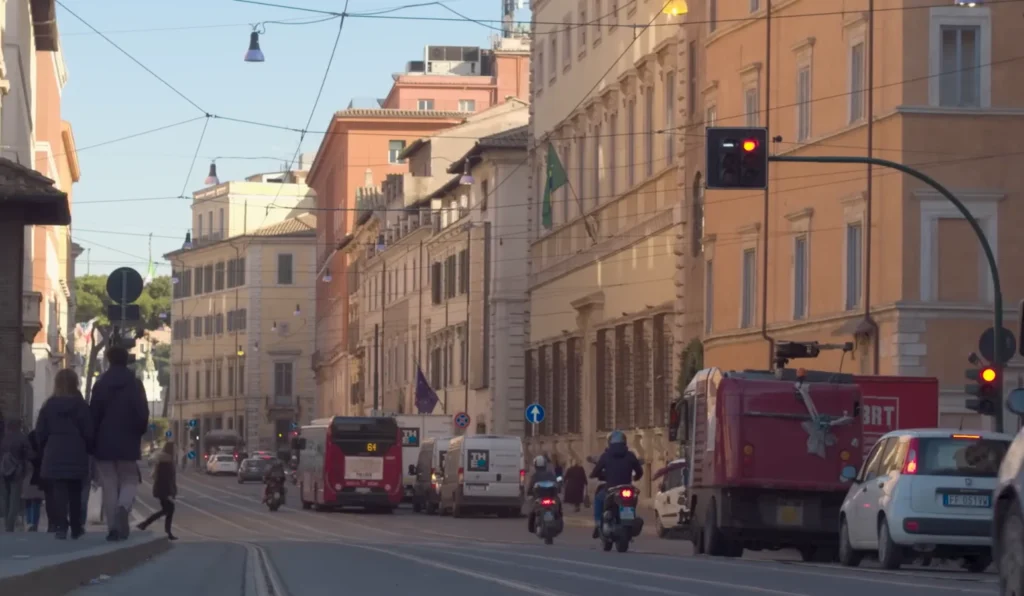
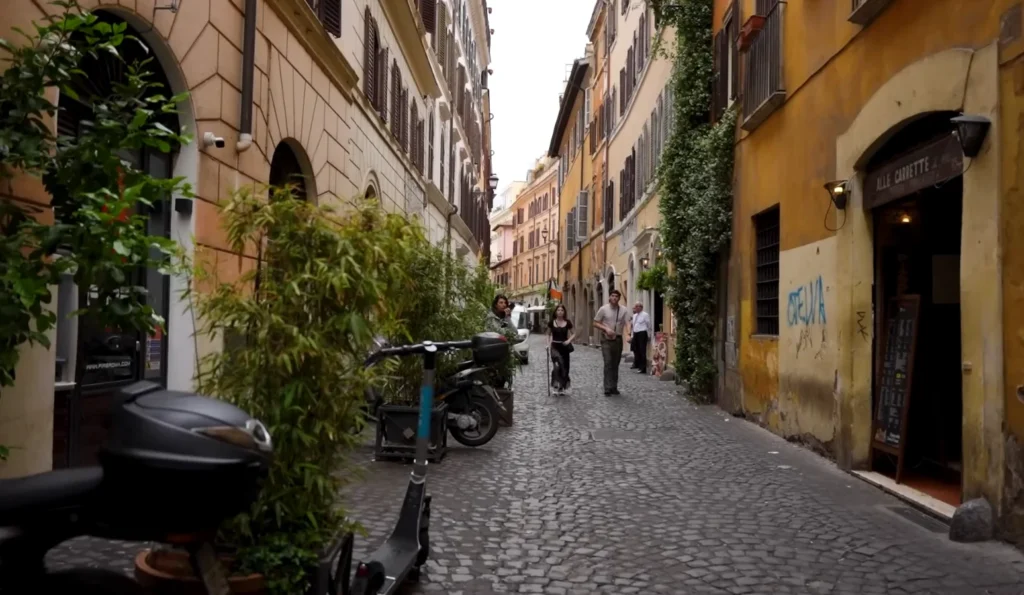
The cobblestones are beautiful, sure, but they’re also ankle-breakers if you’re not paying attention. And those narrow medieval streets? They were designed for horses and carts, not tour groups with selfie sticks. I watched a group of twenty people try to navigate one of these alleys while their guide shouted historical facts over traffic noise. Chaos, but somehow charming chaos.
The Big Three: Colosseum, Vatican and Everything in Between
Standing Where Gladiators Died: The Colosseum Reality Check
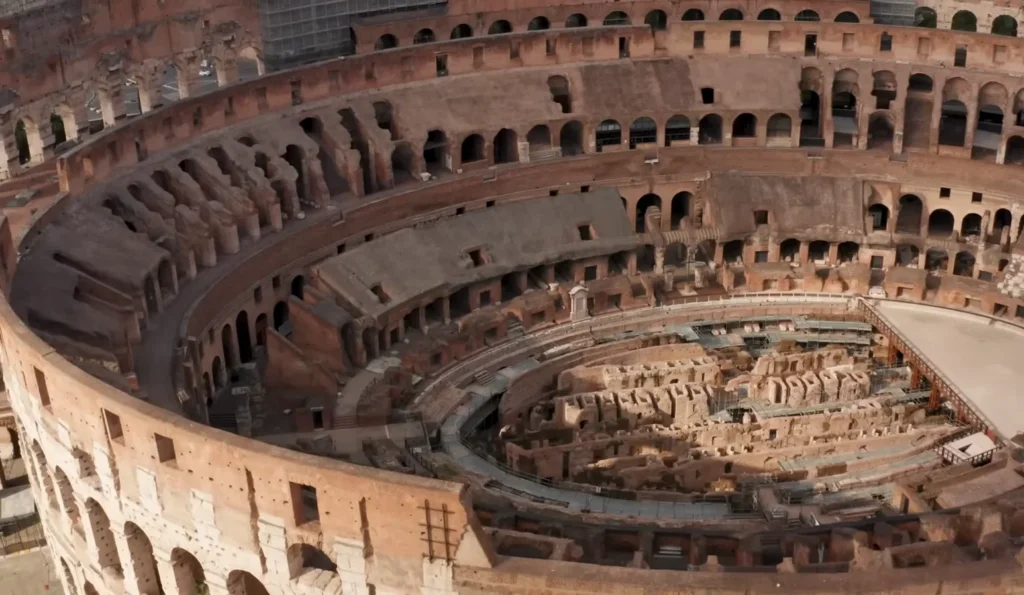
The Colosseum hits differently when you’re actually standing there. Yeah, I know – every travel writer says that. But here’s the thing: the photos don’t capture the scale or the weight of what happened in that arena. Looking down into those underground chambers where they kept wild animals and condemned prisoners, you realize this wasn’t just entertainment – it was systematic brutality on an industrial scale.
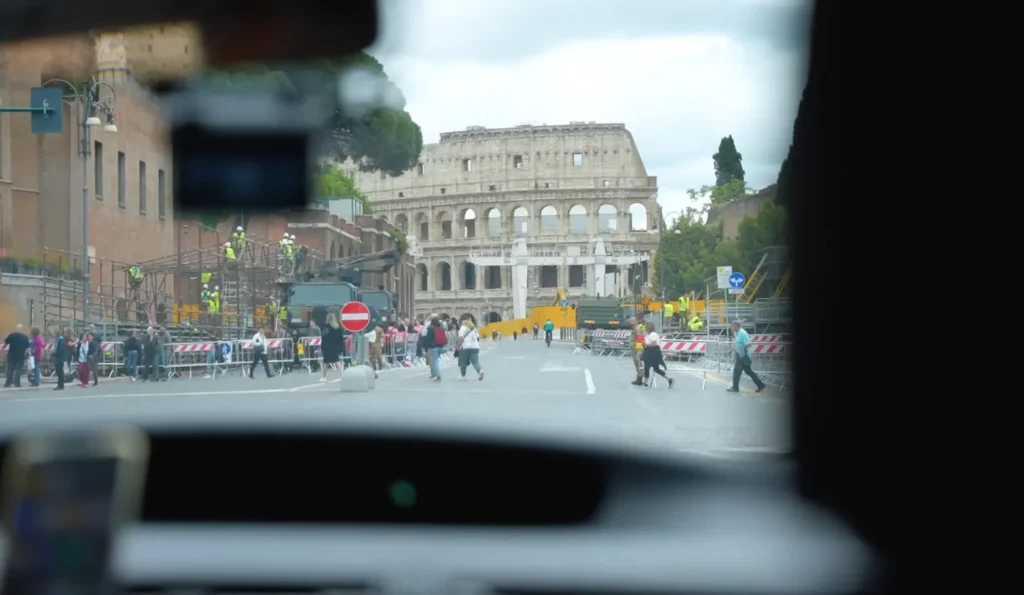
What the tourist brochures do not reveal to you is the continuous restoration. At the time I came there, half of the outside was in scaffolding. It is well needed yet incongruous that the restoration projects are currently underway and you consider how this must have appeared to a Roman citizen in 80 AD.
Pro tip: Skip the ground floor crowds and head straight to the upper levels. The arena floor reconstruction gives you that gladiator’s-eye view, but the real perspective comes from above where you can see the engineering marvel of the hypogeum – those underground passages and chambers.
Vatican City: Michelangelo’s Masterpiece and Tourist Madness
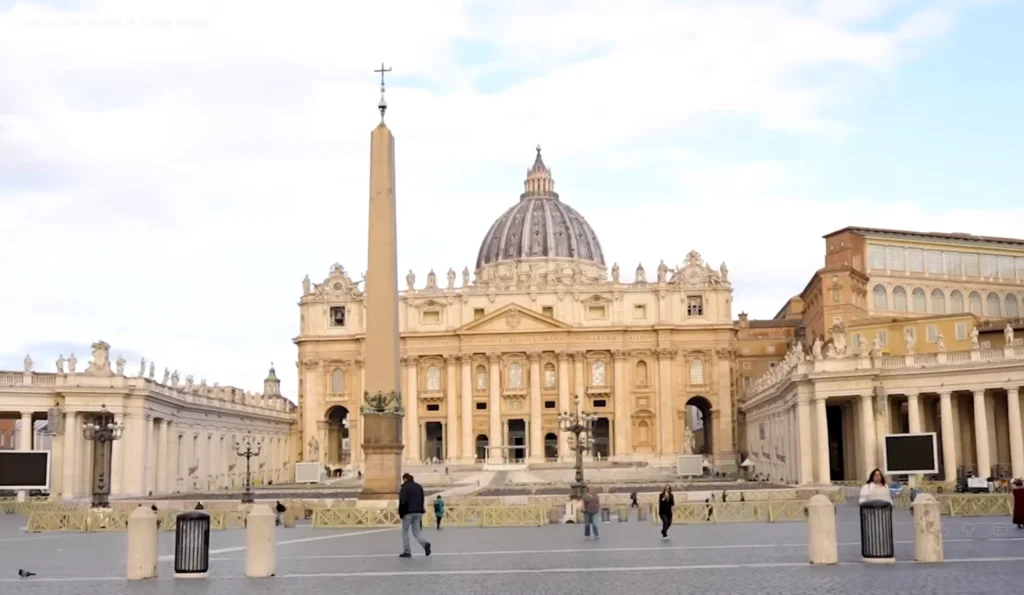
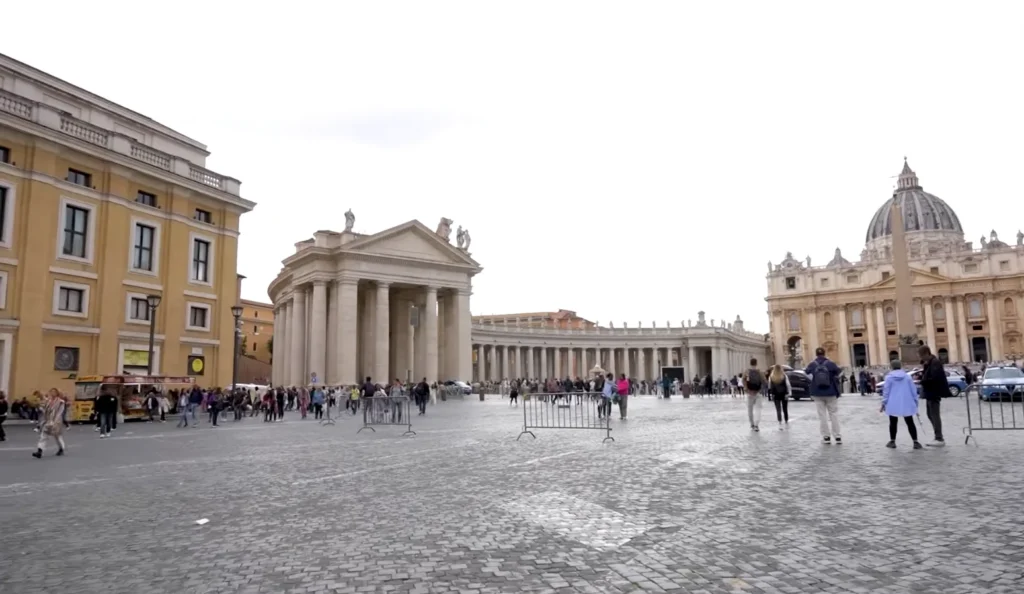
The Vatican is good as its name and you must have strategy. I did the mistake of coming to St. Peters square towards noon on a Tuesday. Bad call. The throngs were thick and all the tour guides of Rome appeared to be present together with their small flag and loudspeaker.
The size is overwhelming inside St. Peter basilica. The dome that Michelangelo has built is 448 feet over your head and those statues that look human-sized? They’re actually massive. The Baldachin which was constructed by Bernini on top of the papal altar is 95 feet in height – nine stories high.
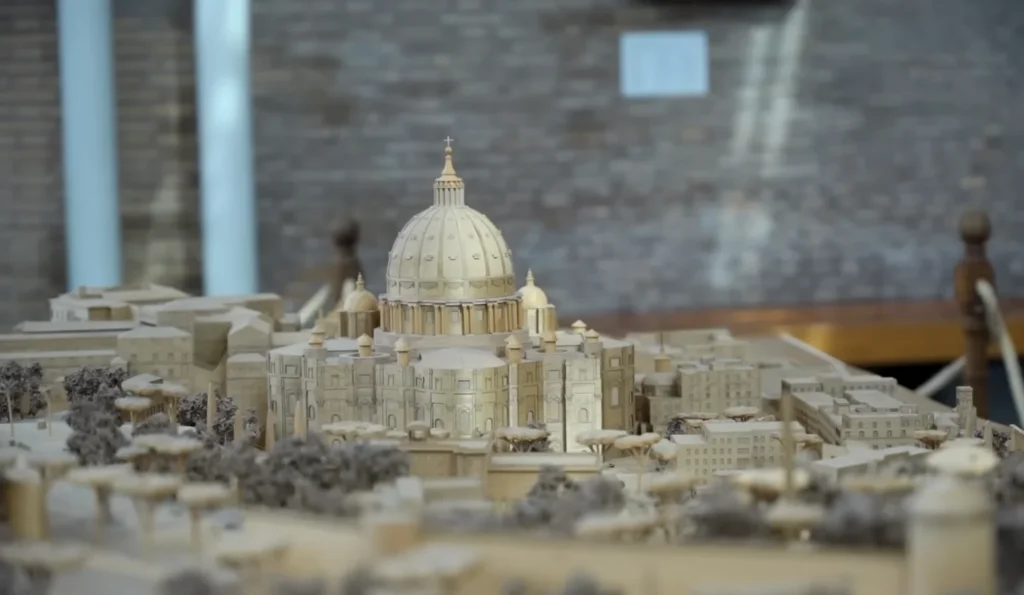
The Vatican Museums are where you’ll spend most of your time, though. That little architectural model I stumbled across shows you just how massive this complex really is. Nine miles of galleries, 54 galleries total and somewhere in there is the Sistine Chapel where everyone’s trying not to talk while security guards shush them every thirty seconds.
Roman Food Culture: Beyond Tourist Trap Carbonara
Finding Real Roman Cuisine in a City of Imitators
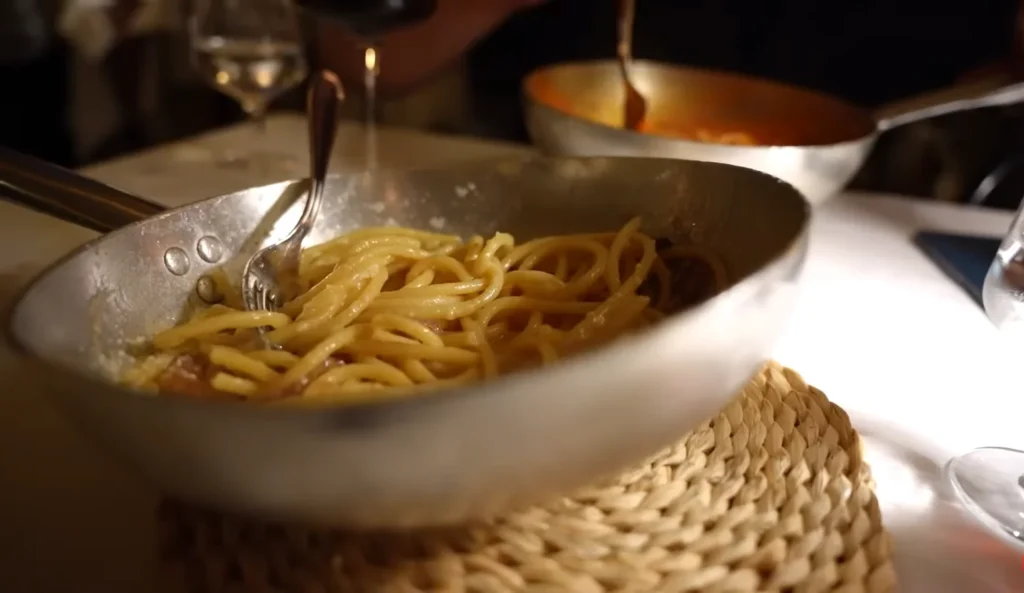
And there is Roman food authenticity, which I would tell you about. The carbonara you watch falling into the pan? That is at a small shop in Trastevere where the cook, a real Roman nonna, prepares everything on commission. No cream, no peas, no bacon. Just eggs, pecorino Romano, guanciale and black pepper. the manner in which it has always been done.
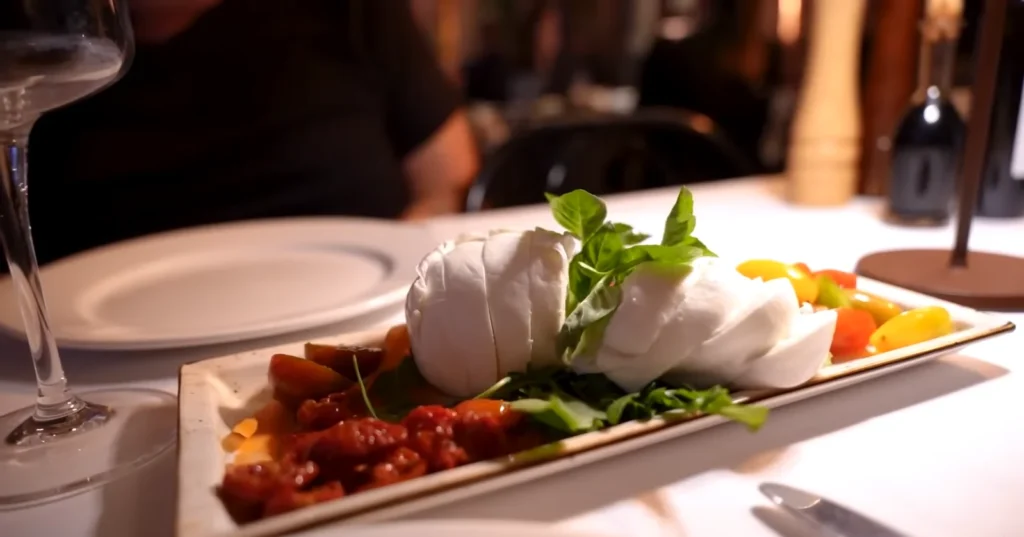
The plate of burrata was a part of the same meal – fresh mozzarella di bufala of Campania, with what the natives call ‘nduja, a spicy Calabrian spread that will kick start the taste buds. It is not fusion food or Instagram food. It is local Italian food that just looks good when photographed.
The Aperitivo Hour: When Romans Actually Eat
Herein lies one thing which the guide-books overlook: the Romans take dinner late. Like, really late. The majority of restaurants do not even open to dinner before 7:30 PM and in case you come to dine at that time, you will be the sole customer. The actual performance occurs at the aperitivo hour – between 6 to 8 PM – when people of the neighborhood sit down and have drinks and snacks.
At 6.30, I was in a wine bar in Pantheon area where I could see office workers unwinding over a glass of Frascati and a serving of supplì (fried rice balls filled with mozzarella balls). This is Roman style social dining. Nobody’s rushing. Conversations happen. It is the opposite of the grab-and-go culture of food that we are accustomed to.
Hidden Gems and Ancient Whispers: Beyond the Tourist Trail
The Pantheon: Where Architecture Defies Time
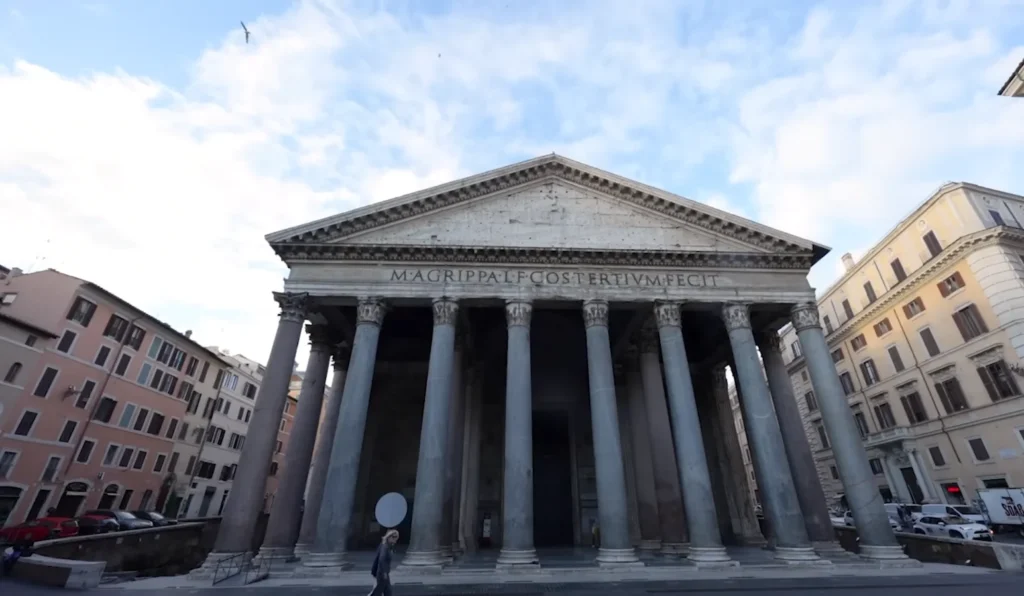
Walking up to the Pantheon never gets old. That inscription across the portico – M.AGRIPPA.L.F.COS.TERTIVM.FECIT – still gives me chills. Marcus Agrippa built this place, though what you’re seeing is actually Hadrian’s 126 AD rebuild. The engineering here will mess with your head once you understand what you’re looking at.
Step inside and crane your neck up at that dome. No steel reinforcement. No modern materials. Just Roman concrete and brilliant engineering from 1,900 years ago. The oculus at the top is the only light source and when it rains, yes, water comes straight through. There are drainage holes in the marble floor for exactly that reason.
The best part? It’s still free to visit. With the Colosseum set to cost you 16 euros a simple stroll within the city, the Pantheon is free to visit and might be displaying Roman architecture more than any other erected building.
Roman Forum: Where History Lives in Ruins
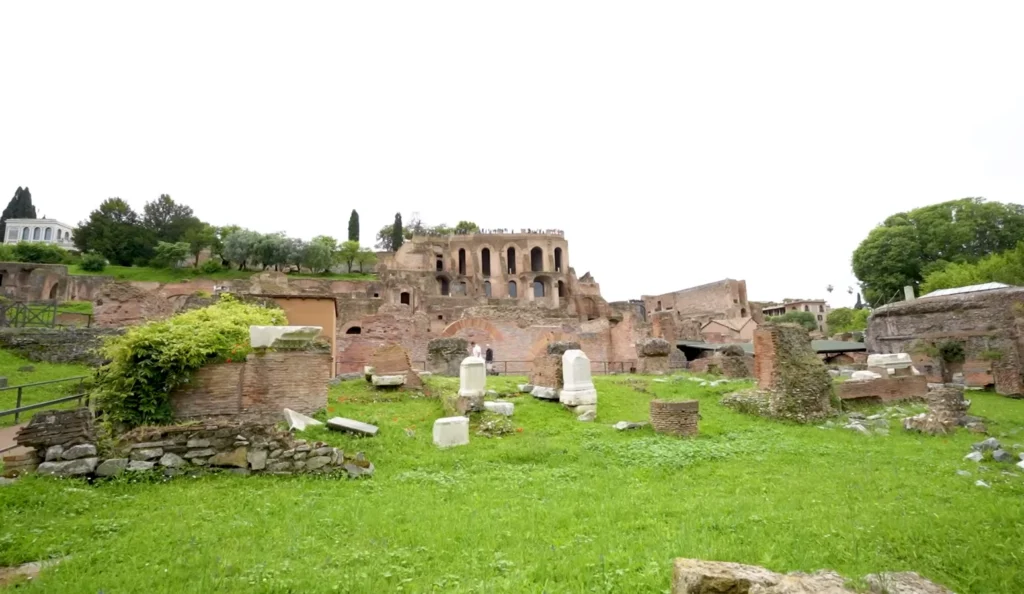
The Roman Forum is spread over a number of acres and to be honest, it can be overwhelming. These are not just some heaps of stones that are scattered there, this was the very heart of the Roman Empire. Through this passed the Via Sacra, and before the triumphant generals were marched their captured captives, to the reception of applauding people.
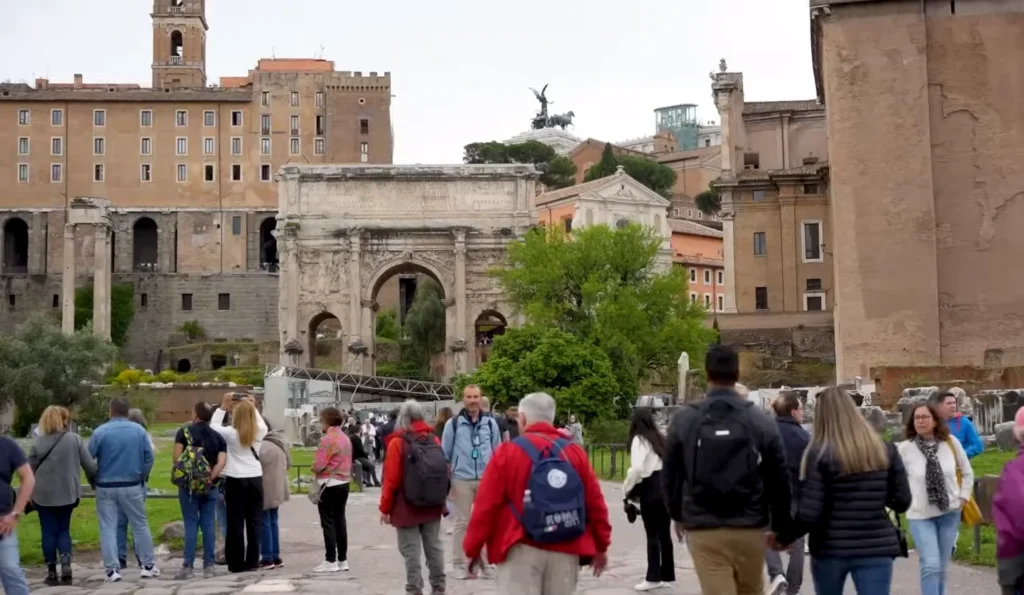
The most interesting detail, in my opinion, was the way the ruins merge with the contemporary Rome. You will be strolling down a street in the midst of things, round a corner and there you are looking at 2,000-year-old columns, which once carried temples where senators discussed the destiny of continents. Here the layers of the history are just literally piled up one above the other.
That triumphal arch you see rising above the crowds? It’s one of several commemorating military victories that shaped the ancient world. Standing beneath it, you’re walking the same path as Caesar, Augustus and Marcus Aurelius. Tourism cliché or not, that connection to history hits different when you’re actually there.
Piazza Venezia: The Heart of Modern Rome
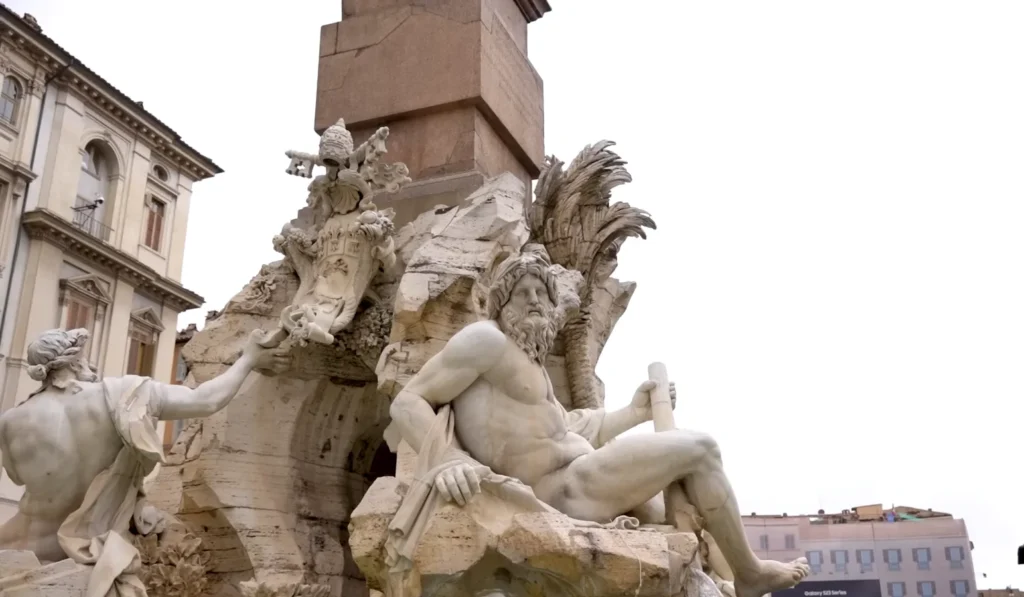
It is worth mentioning that Piazza Venezia is missed by the tourists who hurry between the Forum and the Trevi Fountain. This vast square symbolizes all that Rome has become – the stratifications of imperial ambition of various periods of time all striving to exist together.
The Vittoriano (that big white monument locals call “the wedding cake”) was built to celebrate Italian unification. Romans have mixed feelings about it – it’s simultaneously impressive and completely out of scale with the rest of the neighborhood. But climb to the top for some of the best views in the city. The elevator ride costs a few euros and saves your legs for more important walking.
Navigating Roman Chaos: Practical Survival Tips
The Spanish Steps: Instagram vs. Reality
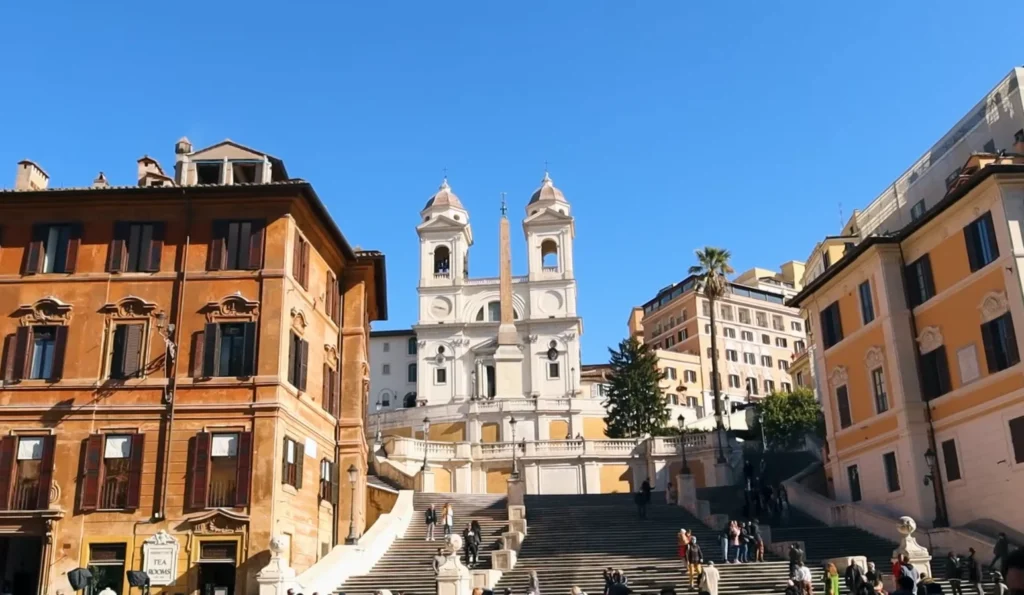
The Spanish Steps are beautiful in pictures, all those evenly spaced travertine stairs leading to Trintta Dei Monti. Reality test: You can no longer sit on them. New laws do not allow sitting, dining or drinking on the steps. Patrol on whistles, police on the move who will move anybody who tries to repeat that Roman Holiday scene.
The neighbourhood of the steps has become the centre of luxury shopping – the Via del Condotti passes directly outside the base, with Prada, Gucci and any other designer shop that you cannot afford to afford following the prices of the Roman restaurants. But in the early morning when the crowds are not up and the police not yet serious about their enforcement, it is still worth the visit.
Trevi Fountain: Timing Is Everything
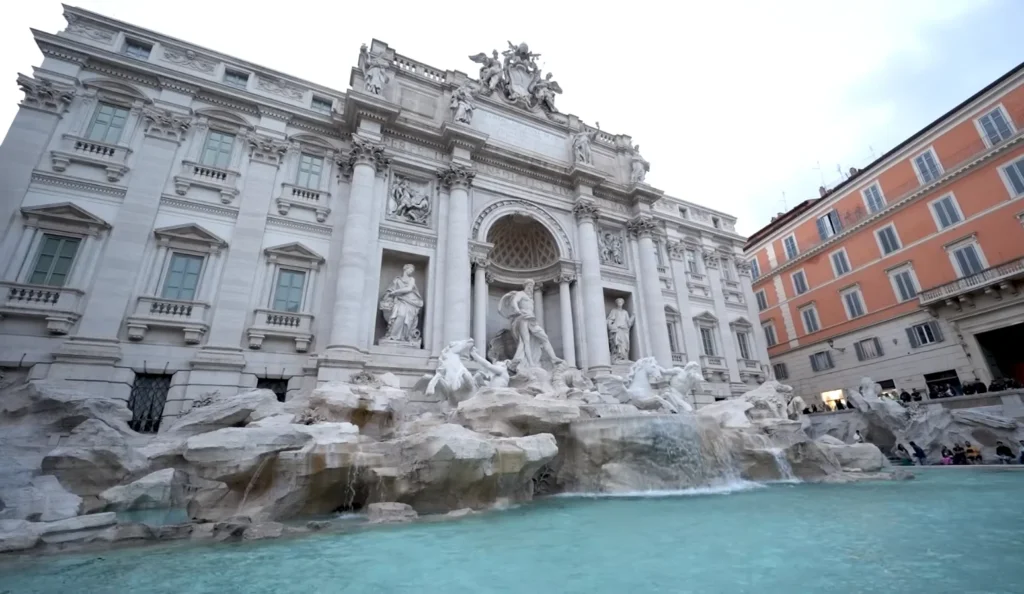
At sunset it is magical at the Trevi Fountain. The baroque play of the horses of Neptune, how the water falls to receive the golden light, how the sounds are bounced back on the buildings around it. It is at this point that you realize why people have been throwing coins here since times immemorial.
However, this is the point about that coin-throwing tradition – it is not the tourist nonsense only. Romans do it too. The saying goes that one coin will take you back to Rome, two coin will get you in love with a Roman and three coin will get you married to them. Even the tourist kitsch has its role, since the tourist coins are used to finance a supermarket in Rome which caters to the needy in the city.
Management of the crowd advice: Go no earlier than 8 AM or no later than 10 PM. 5.00 am is complete disorder, as tour groups, selfie sticks and pickpockets get busy among the crowds. The fountain is illuminated at night and is in fact more photogenic than during the day.
Getting Around: When Ancient Streets Meet Modern Traffic
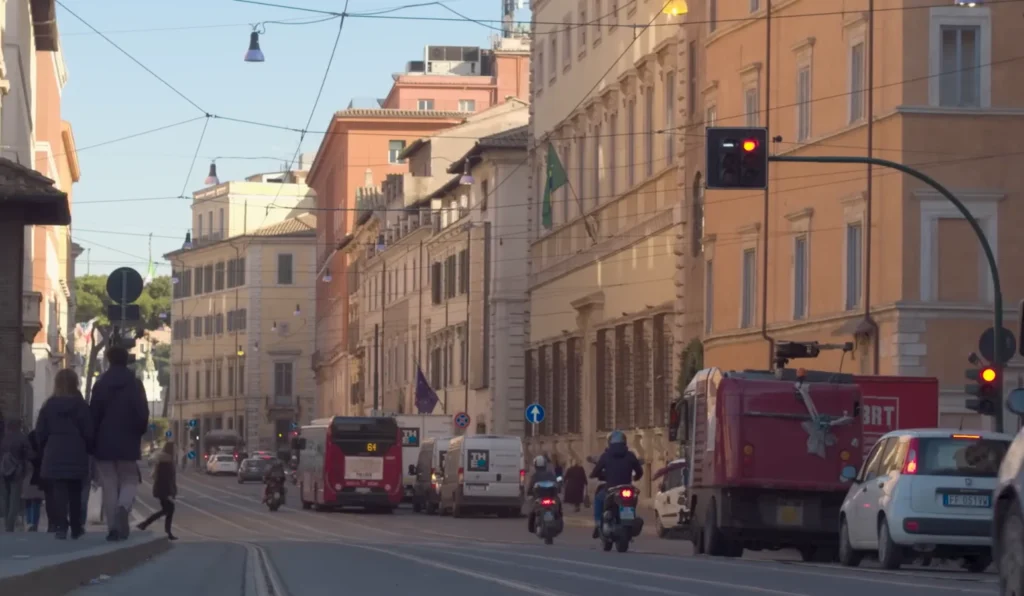
Rome’s transportation system reflects it’s history – streets designed for donkey carts now handle city buses, delivery trucks and approximately one million scooters. The metro helps, but it’s limited because every time they try to dig new tunnels, they hit archaeological sites that halt construction for months or years.
Walking remains your best option for the historic center. Everything important sits within a roughly two-mile radius and you’ll stumble across unexpected gems between major sights. Those narrow streets that seem impossibly tight for modern vehicles? Locals navigate them like Formula 1 drivers. Just stay alert and move with purpose.
Santa Maria del Popolo: Art Without the Crowds
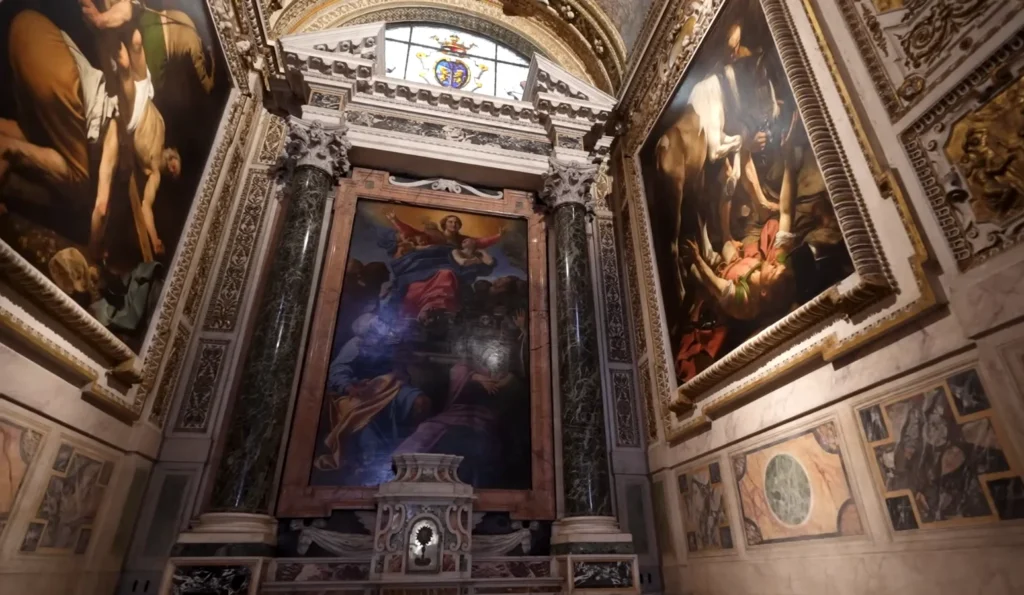
Some of the best of Caravaggio can be found in this church located close to Piazza del Popolo with the Crucifixion of Saint Peter and Conversion of Saint Paul. Majority of tourists pass over it on their way to more well known places and this in effect gives you time to really enjoy these master pieces without the struggle of having to push through a crowd.
The Chigi Chapel as created by Raphael is a perfect expression of the Renaissance on the human way. This is a close-up, intimate personal experience in contrast to the overwhelming grandeur of the Vatican. You may learn the brushwork, the tricks of lighting which transformed European art.
Final Thoughts: Rome’s Lasting Impact
Rome alters you after six days of wandering these streets, consuming extraordinary food and standing in the locations where history was made. Not in a dramatic, life-changing manner but in a subtle manner. You feel like time is expanded when you are always around buildings that are even older than your nation.
The pandemonium that seems like a huge burden on first look, the traffic, the masses, the ineffectiveness is also a part of the charm. It is a city that has withstood the invasion of barbarians, epidemics and political instabilities and mass tourism. It is modified without losing its basic nature.
Would I return? The coin I threw into the Trevi Fountain suggests I will. But more practically, I left with a list of neighborhoods unexplored, restaurants unvisited and churches where I know Bernini sculptures wait in quiet chapels.
Rome doesn’t give up it’s secrets easily and that’s exactly as it should be. Some cities you can understand in a weekend. Rome requires a lifetime and even then, you’ll only scratch the surface.