
Valencia hit me like a revelation I wasn’t expecting. Sure, I’d heard the usual things – paella, oranges, that wild futuristic architecture everyone posts on Instagram. But walking through this city for the first time? It’s like someone took 2,000 years of history and mixed it with a sci-fi movie, then threw in some of the best food I’ve ever eaten.
I spent three weeks here last spring, initially just passing through on my way to Barcelona. Ended up canceling my other plans. Valencia does that to you.
The Heart of Valencia: Where Gothic Meets Golden Hour
Valencia Cathedral – More Than Just Pretty Pictures
The Cathedral of Valencia sits in the old quarter like it owns the place. Which, honestly, it kind of does. I’ve been inside a lot of European cathedrals – occupational hazard of travel writing – but this one stopped me cold.

Walking into that main nave, those soaring Gothic arches just… they dwarf you. The blue stained glass rose window was catching the late afternoon light when I visited, throwing these incredible patterns across the stone floor. I sat in one of those wooden pews for probably twenty minutes, just watching the light shift.
The cathedral claims to house the Holy Grail. Real deal or not, the artifact itself is fascinating – an agate cup that’s definitely old enough to make you wonder. The audio guide goes deep into the history, but I preferred just wandering.
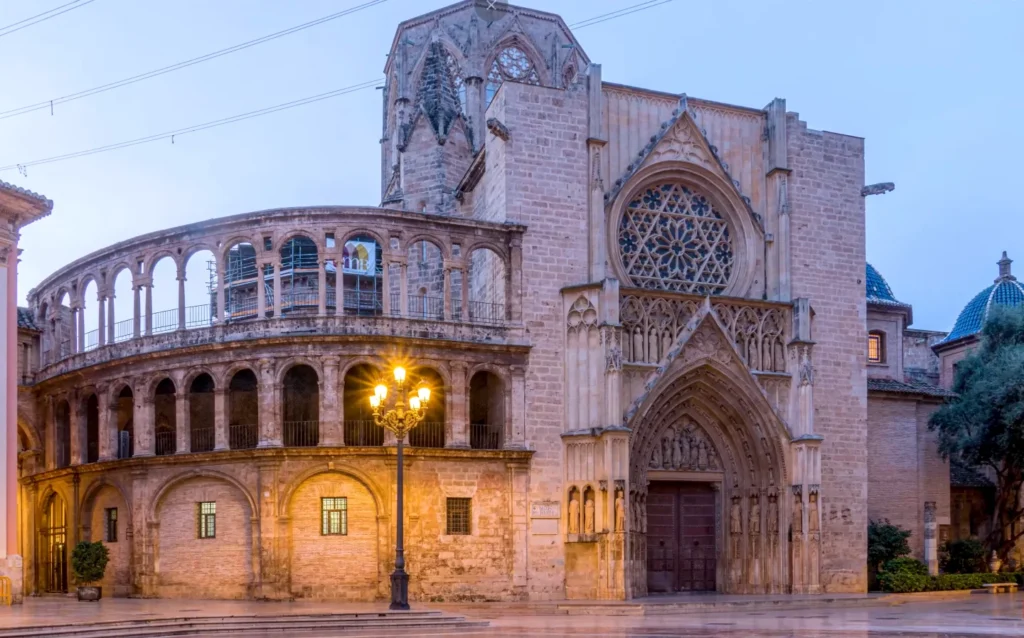
Evening is when the cathedral really comes alive. That honey-colored stone catches the streetlights and the whole Plaza de la Virgen becomes this magical pocket of old Valencia. Street musicians set up near the fountain, couples sit on the cathedral steps, life just happens around this ancient building.
Quick Tips:
- Entry is €8, includes the museum and bell tower
- The Miguelete bell tower climb is 207 steps but worth every one
- Visit around 6 PM for the best light inside
Virgin Square: Valencia’s Living Room
Plaza de la Virgen feels like Valencia’s outdoor living room. The Turia Fountain dominates the center – these bronze figures representing the Turia River and it’s tributaries. I watched kids splash around the edges while their parents grabbed coffee at the surrounding cafes.
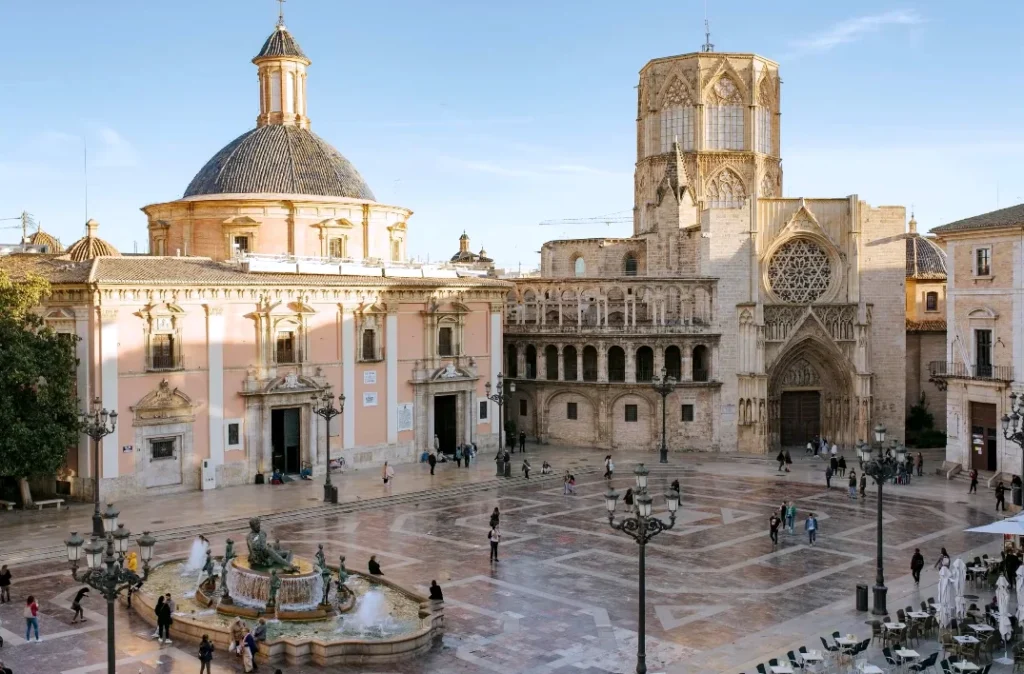
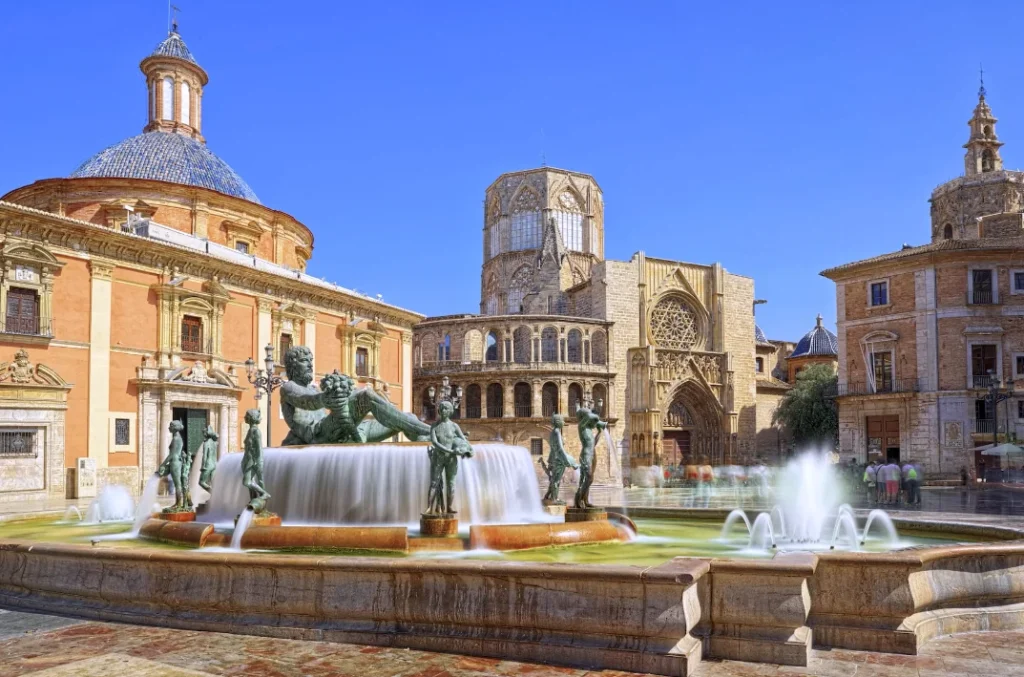
What struck me most was how locals use this space. Not just tourists posing for photos, but actual Valencians meeting friends, reading newspapers, conducting business. The cathedral, the basilica, the palace of the Generalitat – they’re all here, but they’re backdrops to real life, not museum pieces.
Markets and Modernism: A Tale of Two Architectures
Central Market – Where Valencia Eats
The Mercado Central might be the most beautiful place to buy groceries in Europe. Built in 1928, it’s this wild mix of iron, glass and ceramic that somehow works perfectly.
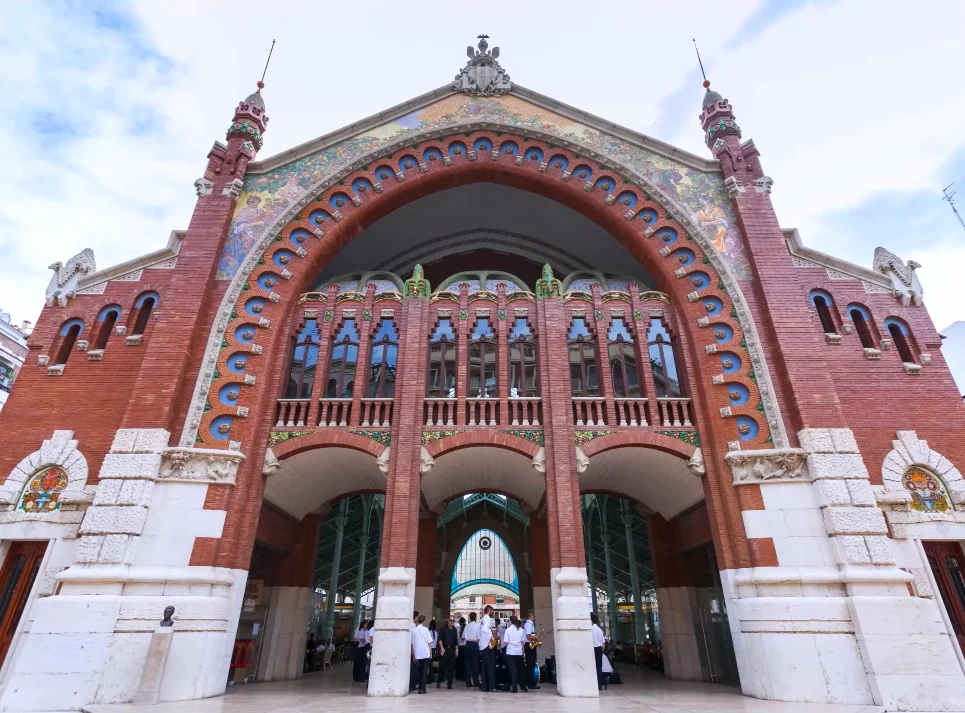
That facade is absolutely bonkers – all flowing lines and ceramic tiles in blues and greens. Pure Modernist fantasy. But step inside and it’s immediately obvious this is a serious food market.
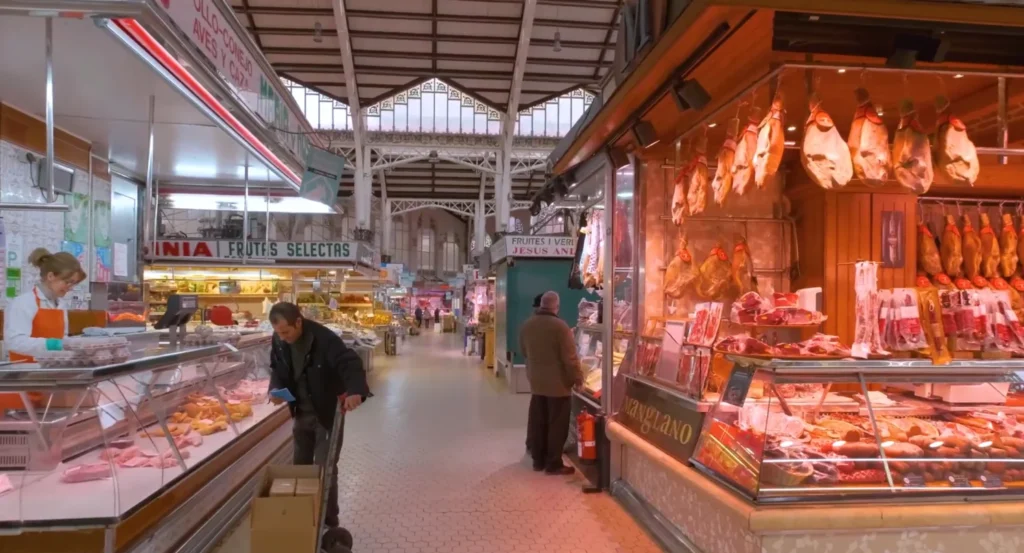
I spent an entire morning here, getting completely lost in the maze of stalls. Jamón serrano hanging in perfect rows, vendors calling out prices in rapid-fire Spanish, the smell of fresh seafood from the coast. One vendor let me try about six different types of olives before I bought anything. Another insisted I taste her tomatoes – “¡Los mejores de Valencia!” – and she was right.
What to Buy:
- Marcona almonds (way better than anything you’ll find at home)
- Local honey from the surrounding orange groves
- Fresh mozzarella from the cheese vendors
- Spanish olive oil – the good stuff
The market’s official website has vendor maps, but honestly? Just wander. Getting lost is half the fun.
The Silk Exchange – Gothic Perfection
La Lonja de la Seda sits right across from the Central Market and the contrast is deliberate. Where the market represents Valencia’s embrace of the new, the Silk Exchange is pure medieval power.
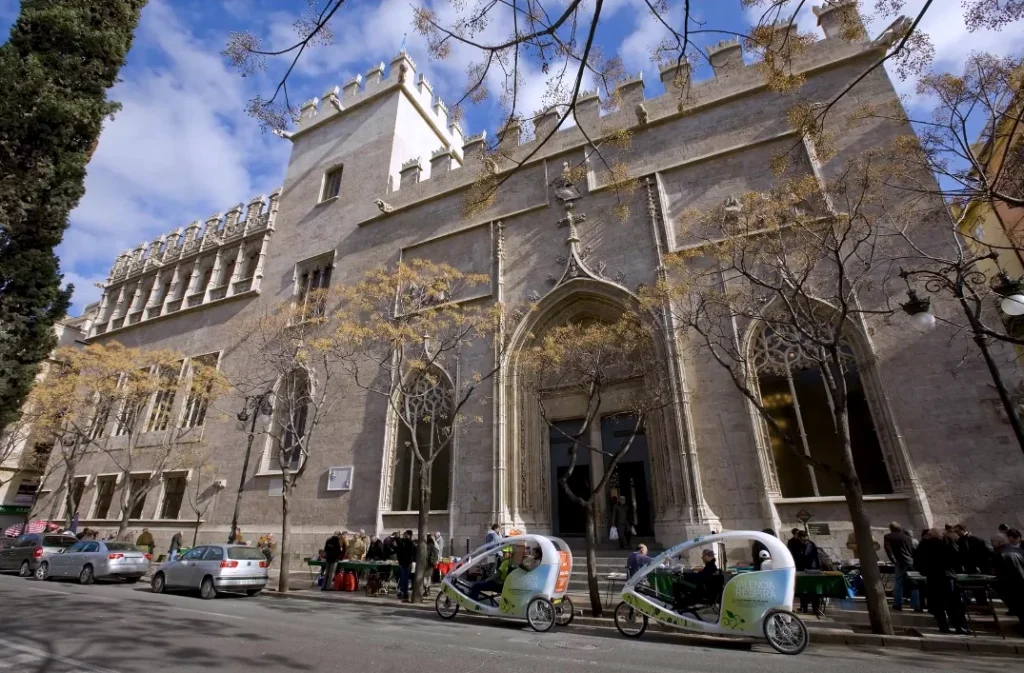
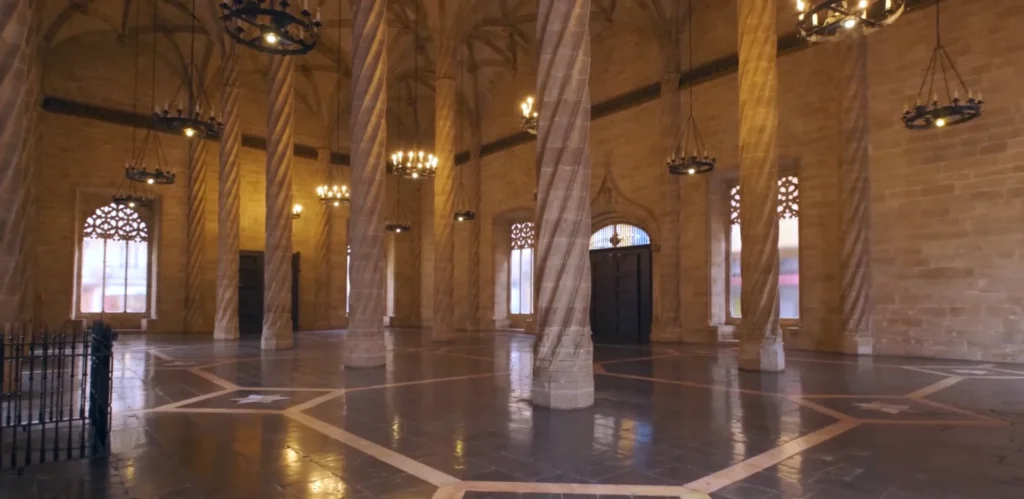
That main hall – the Sala de Contratación – is otherworldly. Eight twisted columns spiral up to star-vaulted ceilings and the whole space has this ethereal quality. UNESCO wasn’t kidding when they made it a World Heritage Site.
I learned that Valencia controlled Mediterranean silk trade for centuries from this building. Merchants from across Europe came here to make deals. Standing in that hall, you can almost hear the echoes of negotiations in a dozen languages.
City of Arts and Sciences: Valencia’s Leap Into Tomorrow
When Architecture Becomes Art
Santiago Calatrava’s City of Arts and Sciences complex is completely insane. In the best possible way.


Built in what used to be the Turia riverbed, this complex looks like alien spacecraft decided to land in Valencia and stick around. The white concrete curves and impossibly thin arches create these spaces that don’t quite feel like Earth.
I visited on a blazingly sunny day and the way those structures reflect light is mesmerizing. Every angle creates a new composition – architecture students were everywhere with their cameras, sketching frantically.
The Hemispheric: Valencia’s Eye on the Universe
The Hemispheric is probably the most photographed building in the complex – this massive eye-shaped structure that opens and closes like something from a sci-fi movie.

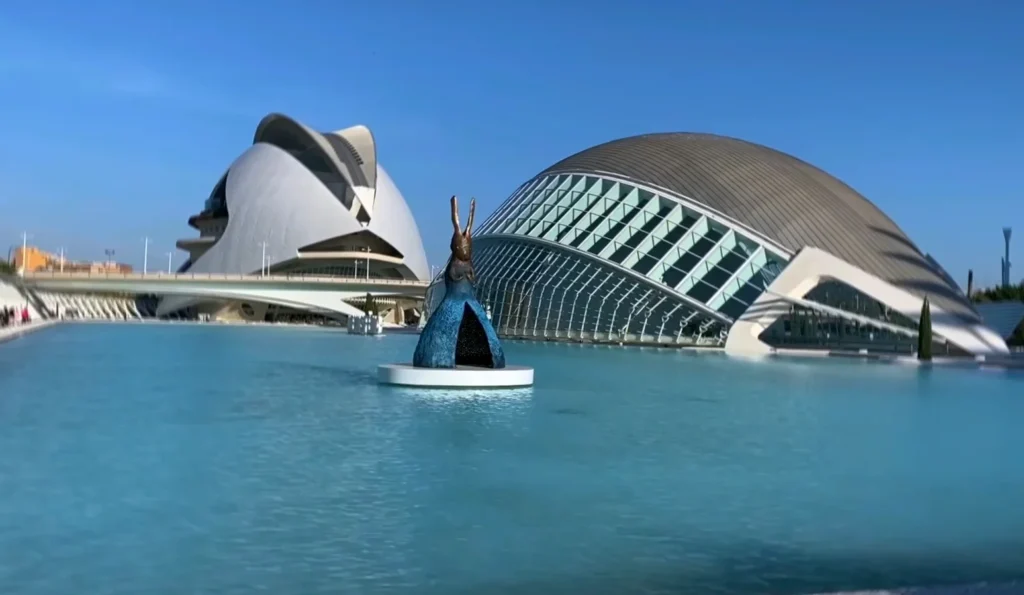
I caught an evening show here – a planetarium experience that projected the night sky across that enormous dome ceiling. Lying back in those reclining seats, watching galaxies spiral overhead while a narrator explained deep space in Spanish… honestly, language barriers disappear when you’re looking at the Milky Way.
The building itself is engineering madness. That “eyelid” actually moves, opening to reveal the inner sphere. At night, the whole thing reflects in the surrounding pools, creating this perfect mirror image that photographers go crazy for.
Pro tip: Book the IMAX documentaries in advance. They sell out, especially the nature documentaries that showcase the building’s incredible sound system.
Oceanografic: Europe’s Underwater World
More Than Just an Aquarium
I’ll admit – I almost skipped the Oceanografic. Aquariums can feel touristy, artificial. But Valencia’s version is different. It’s massive, for one thing – the largest oceanographic center in Europe. But more importantly, it feels like they actually care about conservation.
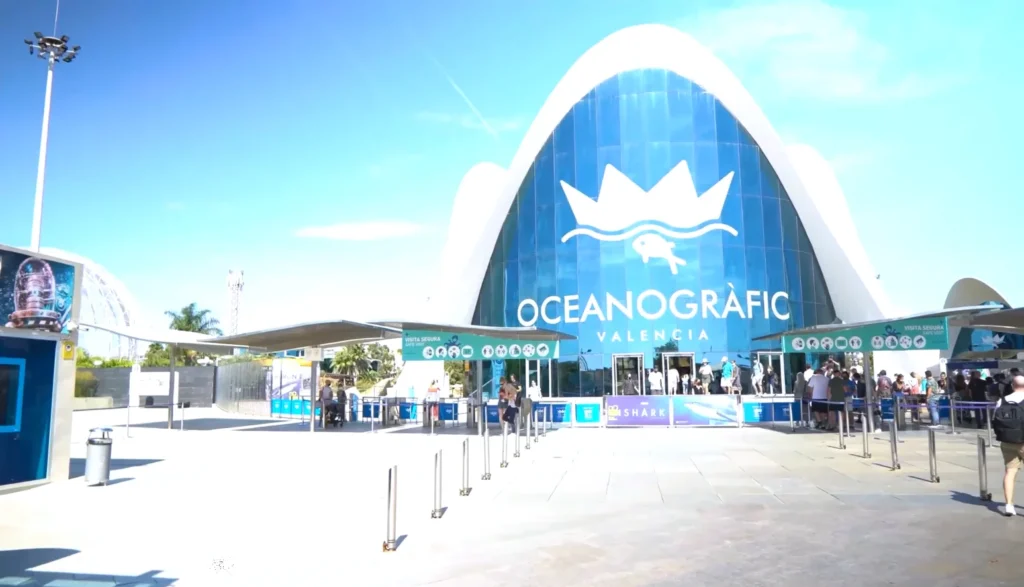
The entrance alone signals this isn’t your typical aquarium. That swooping white architecture continues Calatrava’s vision, making the whole experience feel integrated with the rest of the complex.
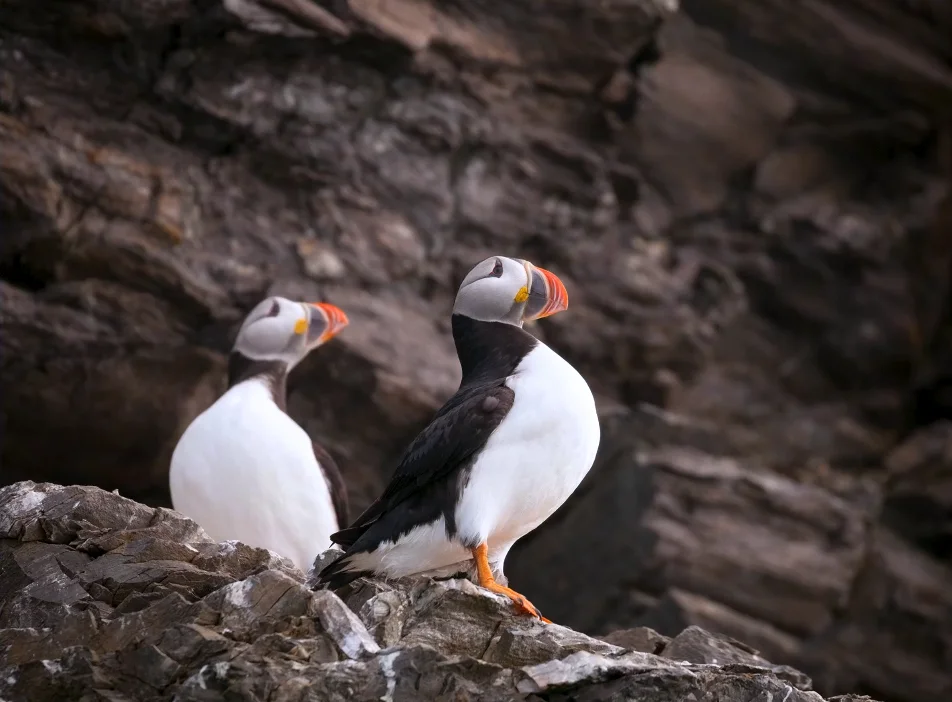
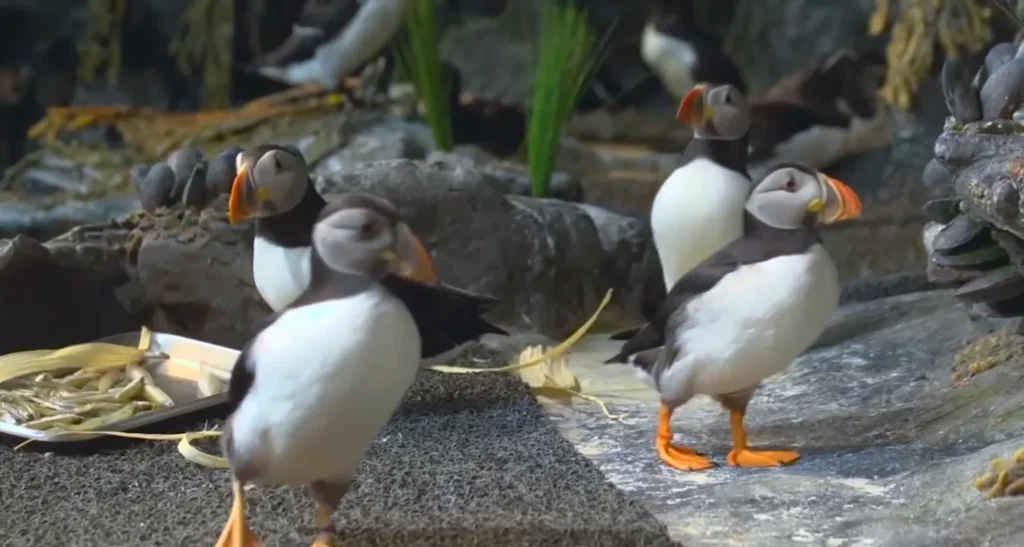
Those puffins nearly made me miss my lunch reservation. Something about watching them waddle around their artificial cliffs, occasionally diving into crystal-clear water… I stood there for probably thirty minutes. A Spanish family next to me was equally mesmerized – their kids pressing faces against the glass while the parents snapped endless photos.
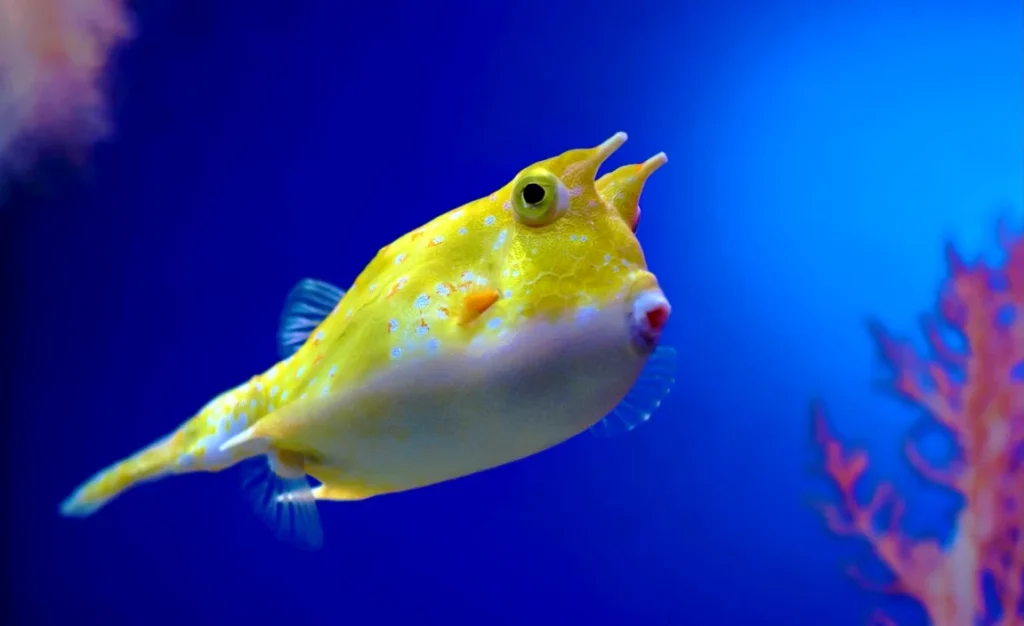
The tropical sections showcase species I’d never heard of. That bright yellow fish with the horn-like protrusions – apparently a longhorn cowfish, native to coral reefs I’ll probably never visit. But here in Valencia, I could study it’s weird swimming pattern, the way it used those fins like tiny paddles.
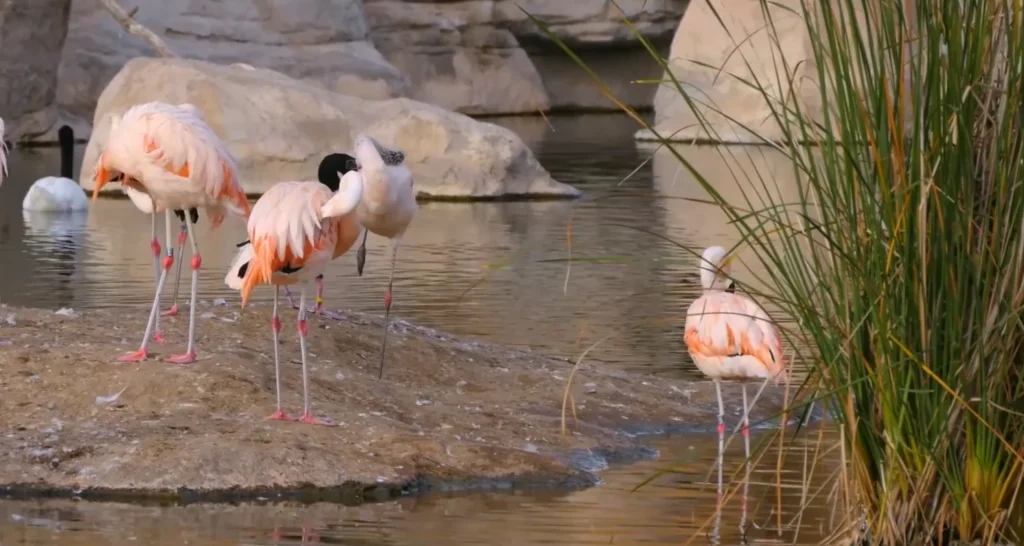
The flamingo habitat surprised me most. Not enclosed tanks, but these sprawling lagoons where the birds actually seemed… comfortable. Natural behaviors, complex social interactions. I watched them filter-feed for ages, those upside-down beaks working like tiny sieves.
Practical Details:
- Adult tickets: €32.70 online, more at the gate
- Plan 4-5 hours minimum
- The dolphin shows are controversial – decide for yourself
- Official website has combo tickets with other City of Arts attractions
Medieval Valencia: Towers and Fortifications
Torres de Quart – History You Can Touch
Valencia’s old city walls are mostly gone now, demolished as the city expanded. But the Torres de Quart remain, these massive twin towers that once guarded the western entrance.
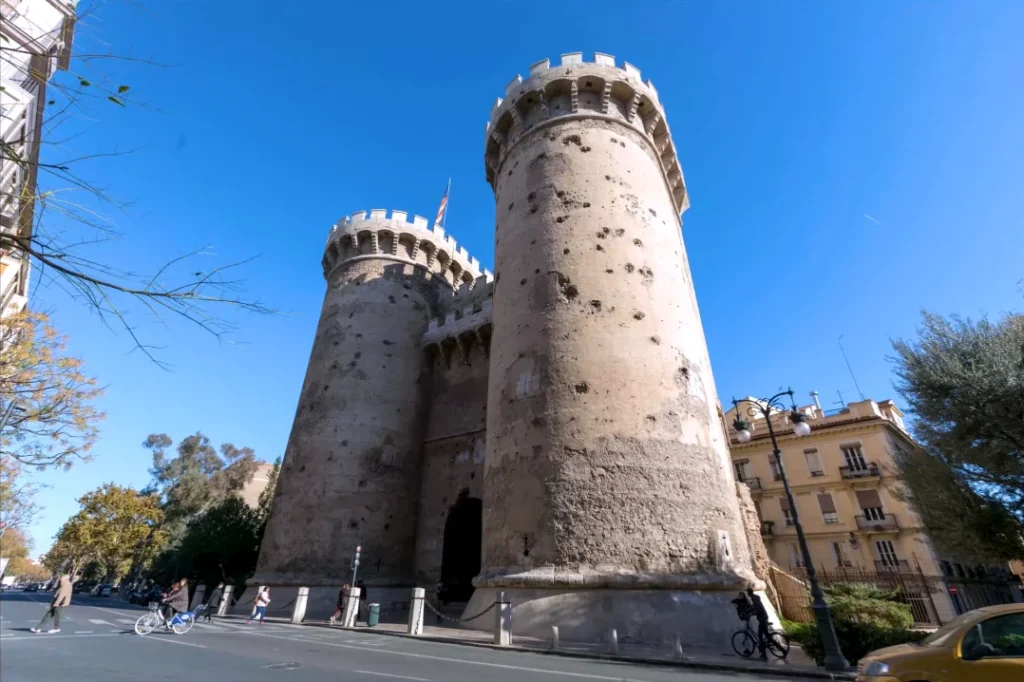
What gets me about these towers is the damage. You can see cannonball impacts from 1808, when Napoleon’s troops besieged the city. Real scars from actual history, not sanitized museum pieces. I traced those gouges in the stone with my fingers – 200-year-old battle damage.
The contrast with modern Valencia is striking. These medieval fortifications sit surrounded by apartment buildings and busy streets. Office workers walk past every day, probably not thinking twice about the 15th-century military engineering they’re passing.
Climb to the top for views across Valencia’s rooftops. The €2 entrance fee is almost insulting – this should cost way more for what you’re seeing.
Beyond the City: Valencia’s Natural Side
Albufera Natural Park – Rice Fields and Sunsets
Most visitors miss this completely, which is their loss. Albufera sits just south of Valencia – a massive freshwater lagoon surrounded by rice paddies that have fed the region for over 1,000 years.
I rented a bike and pedaled out here on my second-to-last day. The landscape completely changes once you leave Valencia’s suburbs – suddenly you’re surrounded by flooded fields that stretch to the horizon. This is where Valencia’s rice comes from, including the bomba rice that makes authentic paella possible.
The lagoon itself hosts incredible birdlife. Herons, egrets, flamingos when conditions are right. Sunset boat trips leave from several villages around the perimeter, but honestly? Just finding a quiet spot along the shore and watching the light change is enough.
Getting There:
- Bus 25 from Valencia’s city center (45 minutes)
- Bike rental from Valencia’s Valenbisi system
- Boat trips from El Palmar village (€4-8 depending on season)
Final Thoughts: Why Valencia Works
Valencia surprised me because it doesn’t try too hard. Barcelona screams for attention, Madrid commands respect. Valencia just… exists, confidently. It’s got world-class architecture, incredible food, actual beaches within the city limits. But it feels lived-in rather than performed.
Maybe it’s because tourism hasn’t completely taken over yet. Local families still use the Turia Gardens for Sunday picnics. The Central Market serves actual Valencians, not just visitors hunting for Instagram shots. The old quarter feels like a neighborhood, not a theme park.
I’ve been back twice since that first accidental visit. Each time, I find something new – a hidden plaza, a family-run restaurant, another angle on Calatrava’s impossible architecture. Valencia rewards curiosity.