
Iceland doesn’t ease you into anything. You land, step outside and immediately feel like a guest on someone else’s planet. The air feels heavier. The light behaves differently. Distances look shorter than they actually are. Within hours, it becomes obvious that this isn’t a country designed to entertain travelers it simply allows us to pass through.
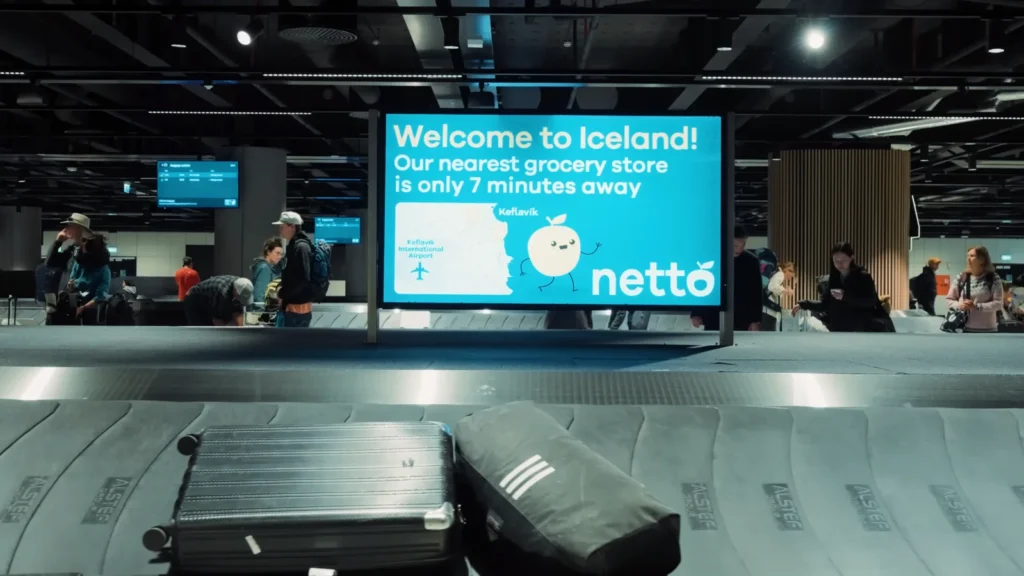
Touching down at Keflavík International Airport, the land looks unfinished. Lava fields stretch in every direction, rough and black, with no attempt at decoration. Keflavík isn’t in Reykjavík the capital is about 50 kilometers away which already sets the tone. Even arrival involves travel.
Keflavík Airport handles nearly all international flights into Iceland and acts as a buffer between visitors and the country itself. From the terminal, the road cuts through hardened lava fields formed thousands of years ago, many from eruptions on the Reykjanes Peninsula.
Why Iceland feels different immediately
- No trees near the airport just rock and moss.
- Wind that doesn’t care about forecasts.
- Light that stretches longer than expected, even on cloudy days.
This is your quiet introduction: Iceland shows you what it’s built on before showing you what people added.
Reykjavík: A Capital That Knows Its Place
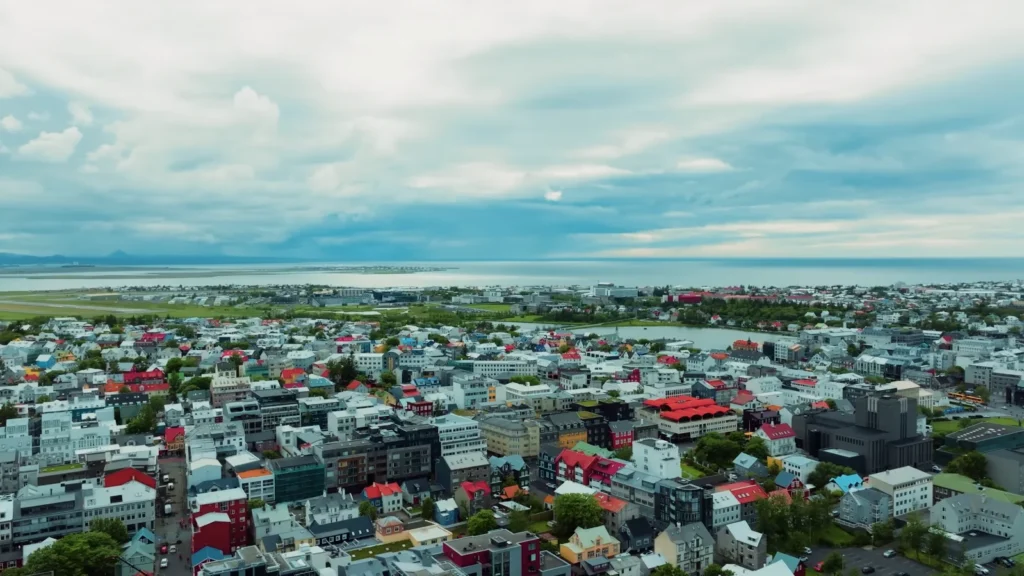
Reykjavík doesn’t try to feel big. It feels practical, calm and grounded. With a population just over 130,000, it’s one of the smallest capital cities in Europe. And yet, it works remarkably well as a starting point.
Hallgrímskirkja: The city’s anchor
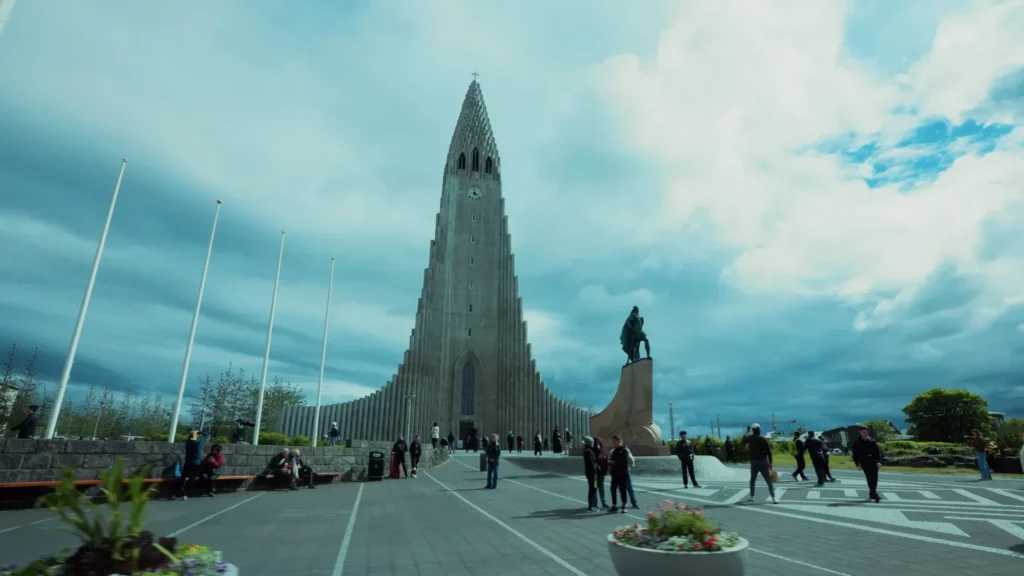
Standing above the city is Hallgrímskirkja, Iceland’s tallest church at 74.5 meters. Its design mirrors basalt columns the same formations found across Iceland’s volcanic landscapes (Hallgrímskirkja Official Site).
From the tower, Reykjavík looks almost delicate:
- low buildings.
- colorful rooftops.
- the ocean pressing gently from one side.
The city feels like a basecamp rather than a destination.
Street-level Reykjavík
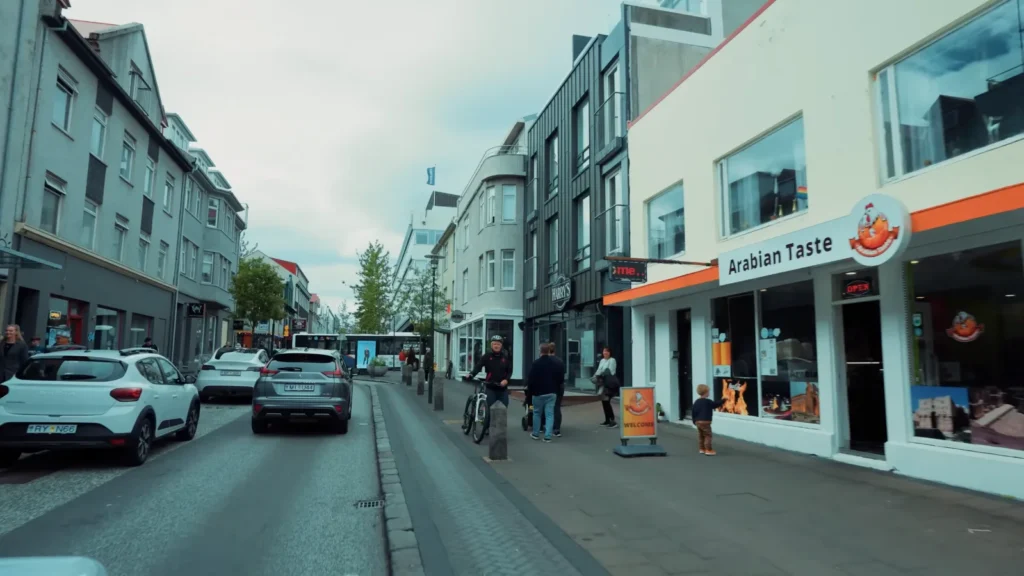
Cycling or walking through Reykjavík reveals:
- cafes with geothermal heating.
- quiet neighborhoods once you step off main streets.
- a city built for daily life, not spectacle.
Even the university Háskóli Íslands (University of Iceland) blends into its surroundings instead of dominating them.
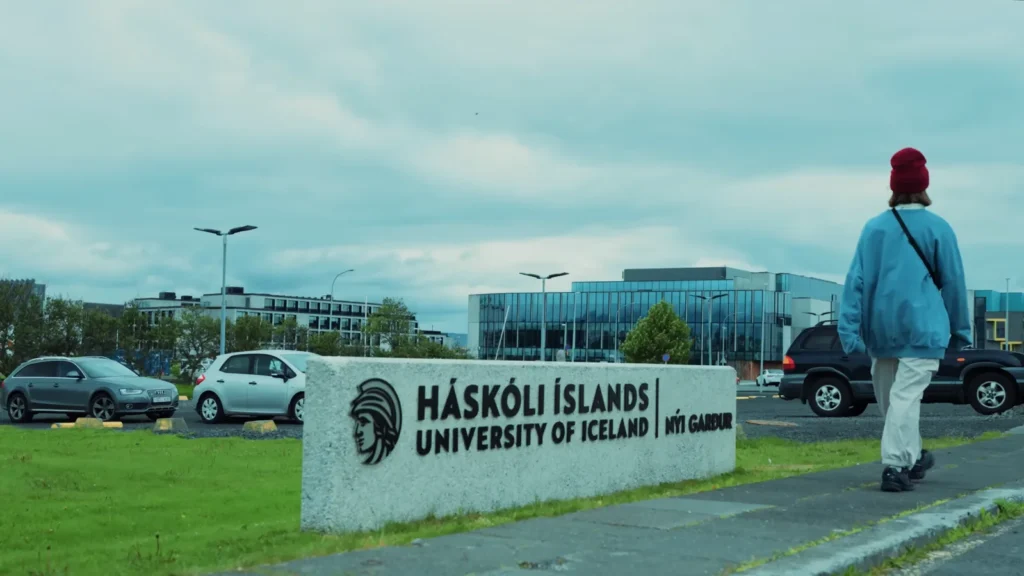
Reykjavík doesn’t prepare you for Iceland. It simply gives you a moment to breathe before the country takes over.
The Road Begins: Driving Iceland’s South Coast
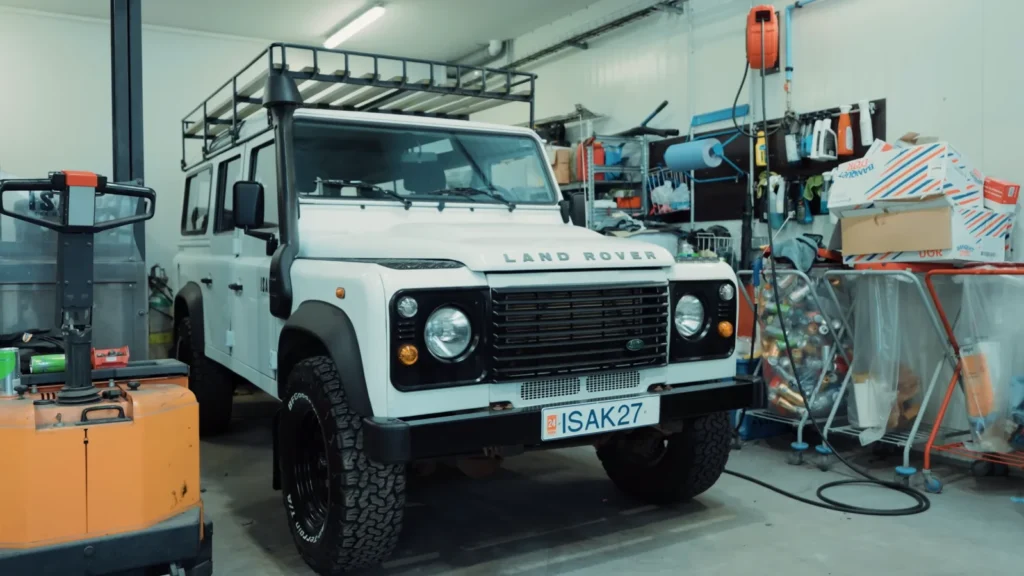
You don’t explore Iceland correctly without driving. Public transport won’t take you where the land actually lives.
Our vehicle a 4×4 Land Rover wasn’t for comfort. It was for weather, gravel roads and sudden changes in terrain. Iceland’s Ring Road (Route 1) circles the island and connects most major regions.
What driving teaches you quickly
- Distances lie they’re longer than they look.
- Weather changes mid-drive.
- Roads often feel temporary.
Skógafoss: Water in Free Fall
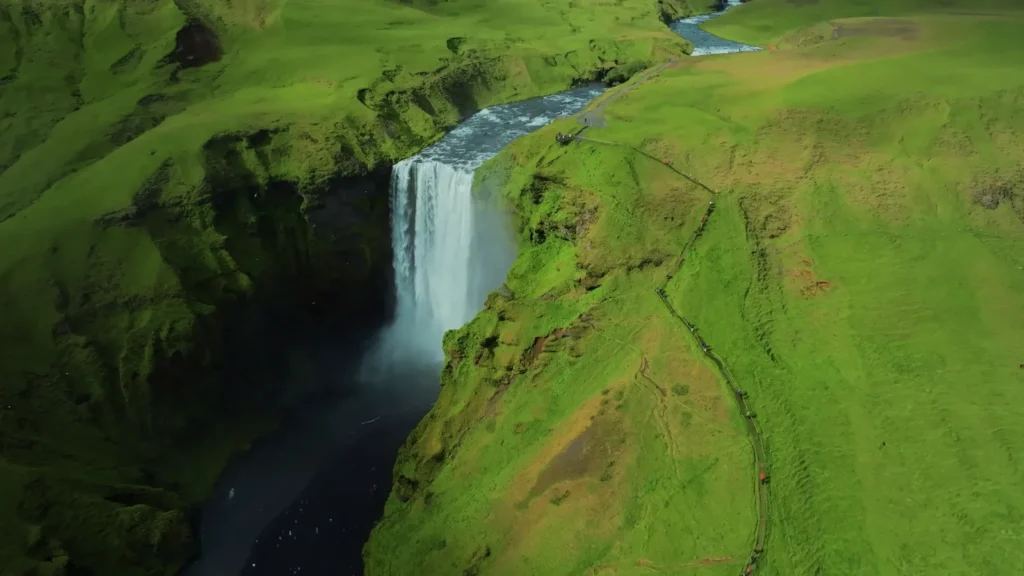
Skógafoss is one of Iceland’s most recognizable waterfalls, dropping 60 meters straight down from the former coastline. Up close, it’s loud and soaking. From above, it’s orderly water committing fully to gravity.
- Fed by glaciers from Eyjafjallajökull.
- Known for frequent rainbows on sunny days.
- One of the few falls you can walk directly up to.
Vík í Mýrdal: Living With Exposure
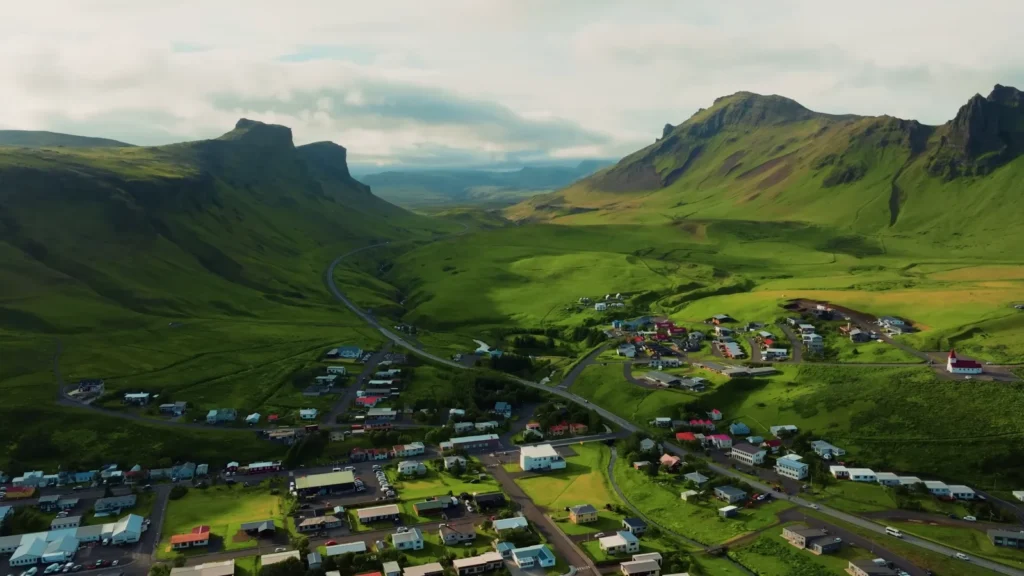
Vík sits between cliffs and ocean, permanently aware of the dangers around it. The village faces the Atlantic directly and is near Katla volcano, one of Iceland’s most active volcanic systems.
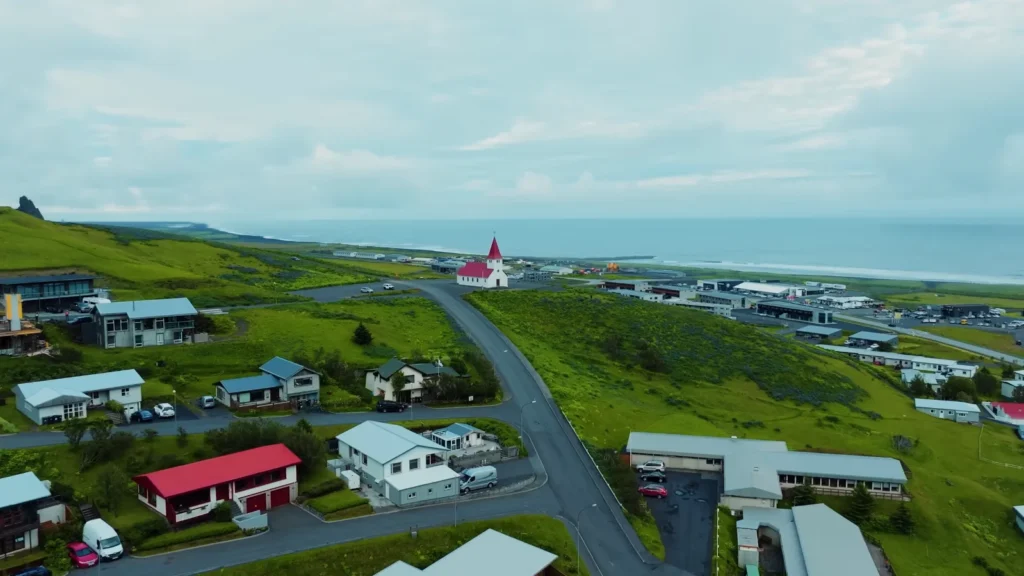
The church on the hill isn’t decorative it’s built there for protection from flooding.
Key facts about Vík
- One of the southernmost villages in Iceland.
- Frequent strong winds.
- Black sand beaches made from volcanic basalt.
Iceland’s Water Has a Temper
This country doesn’t have “features.” It has forces.
Strokkur Geyser: Pressure Released
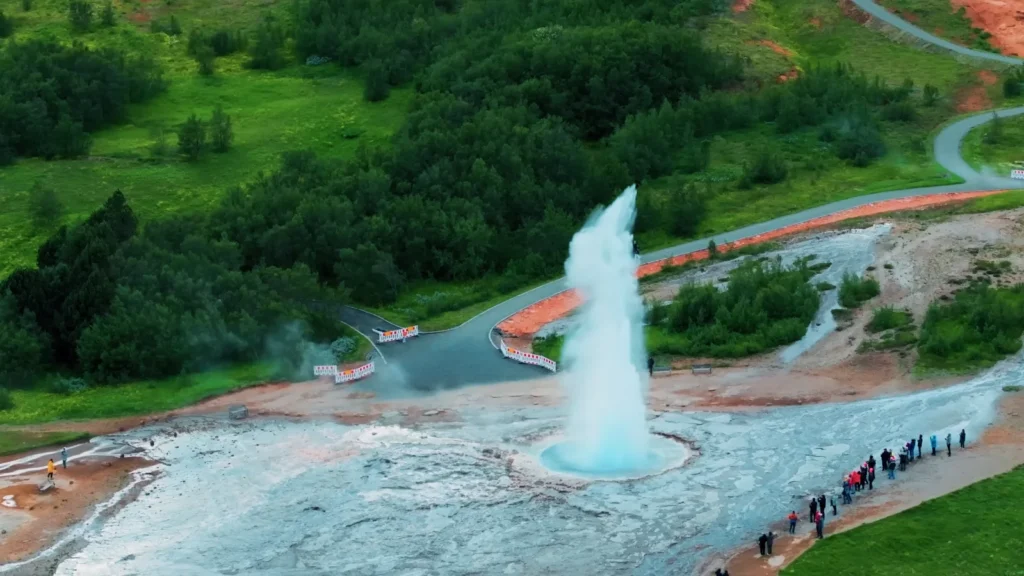
Located in the Haukadalur geothermal area, Strokkur erupts every 5–10 minutes, sending water up to 30 meters into the air (Icelandic Met Office). It’s predictable, but never calm.
Þingvellir National Park: The Ground Is Still Moving
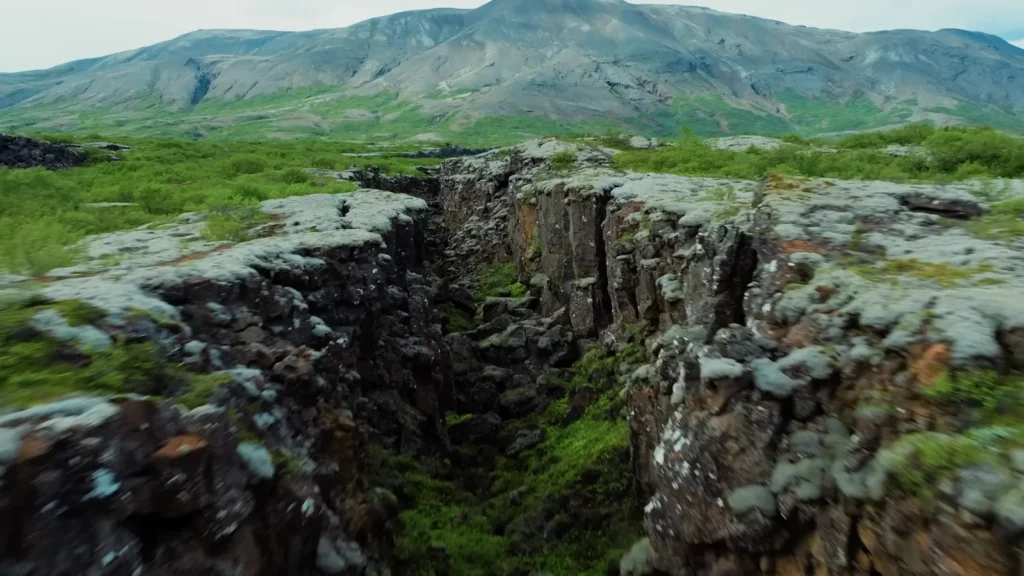
Þingvellir sits directly between the North American and Eurasian tectonic plates, pulling apart by about 2 cm per year (UNESCO World Heritage).
This isn’t metaphorical separation you can see and walk through it.
Iceland’s Water Forms
| Water Type | Location | Why It Matters |
| Waterfall | Skógafoss | Glacier runoff |
| Geyser | Strokkur | Geothermal pressure |
| Rift | Þingvellir | Tectonic movement |
| Glacial Lagoon | Jökulsárlón | Ice meets ocean |
Jökulsárlón: Where Ice Ends
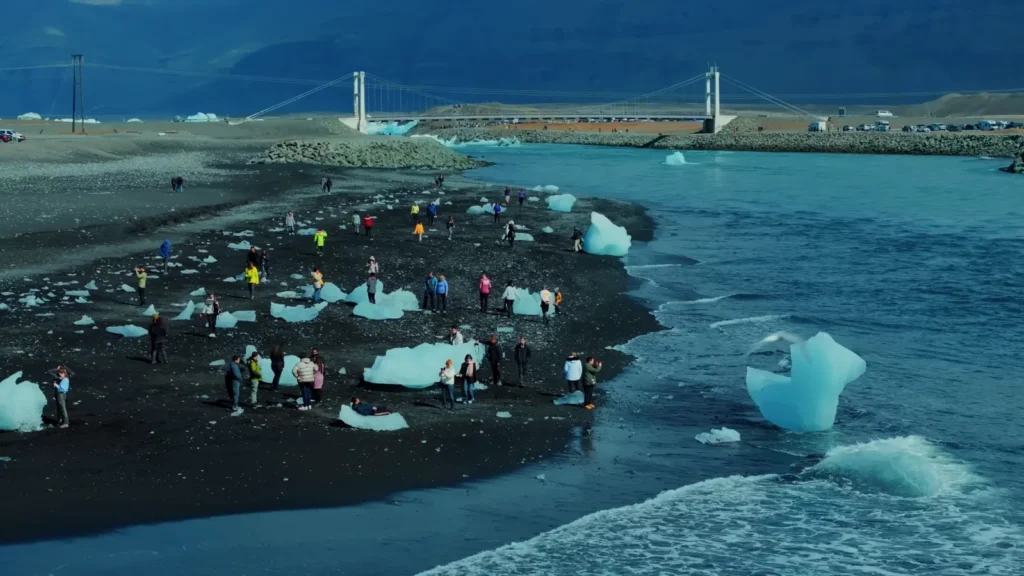
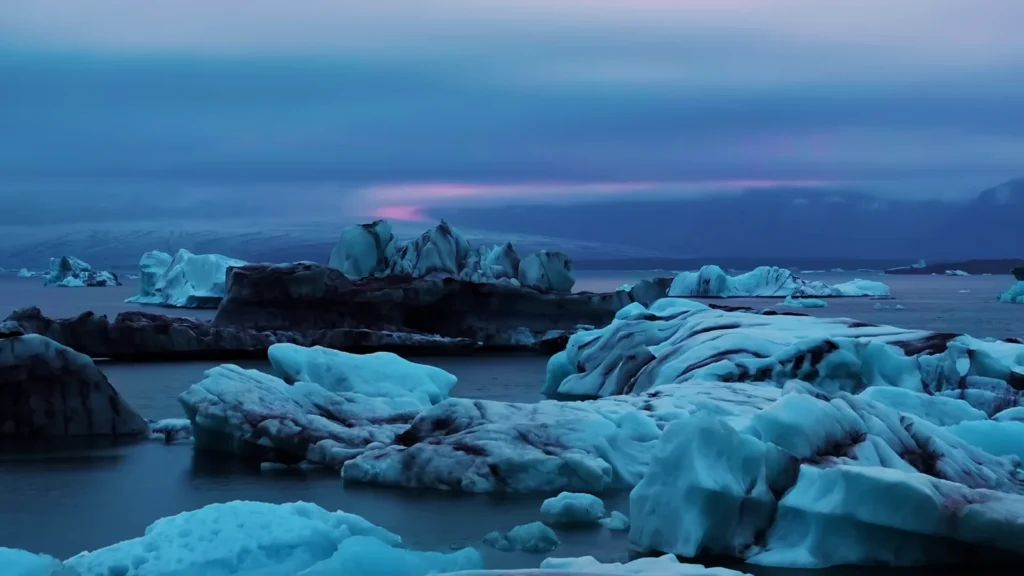
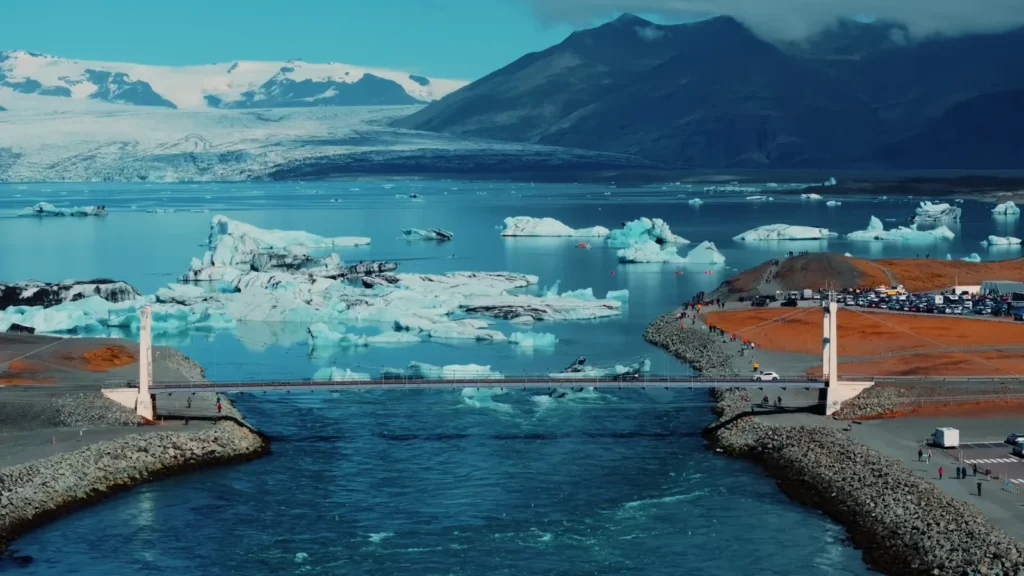
Icebergs break away from Breiðamerkurjökull glacier and drift slowly toward the sea (Vatnajökull National Park). Nothing rushes here. Everything melts at its own pace.
When Iceland Reminds You Who’s in Charge
This is where sightseeing stops feeling safe.
Reykjanes Peninsula: Fire Returning
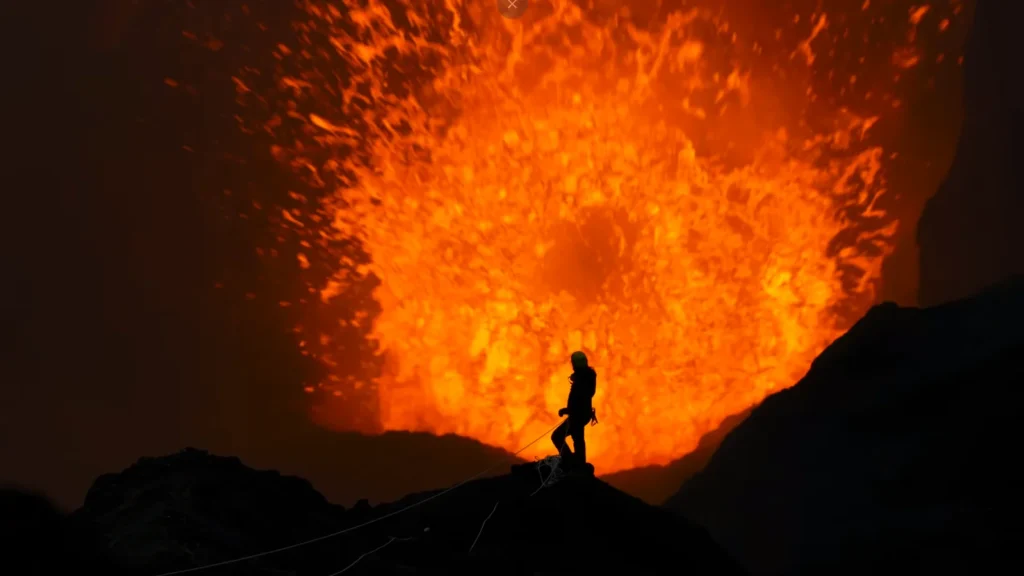
After centuries of quiet, eruptions resumed in this region in 2021, reshaping the land in real time.
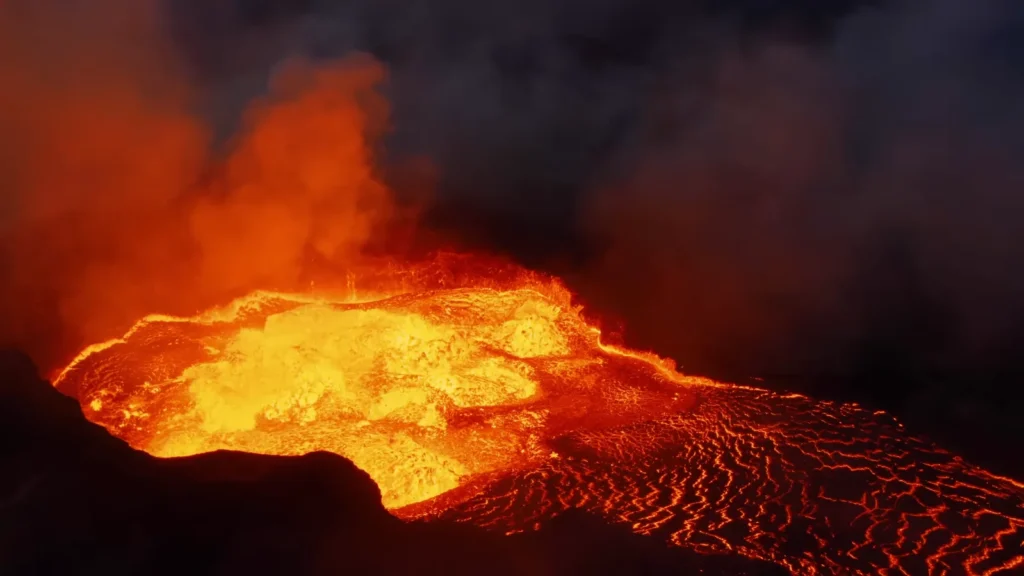
One person standing near lava doesn’t feel heroic it feels fragile. That’s the truth Iceland keeps reminding you of.
Volcanic Landscapes
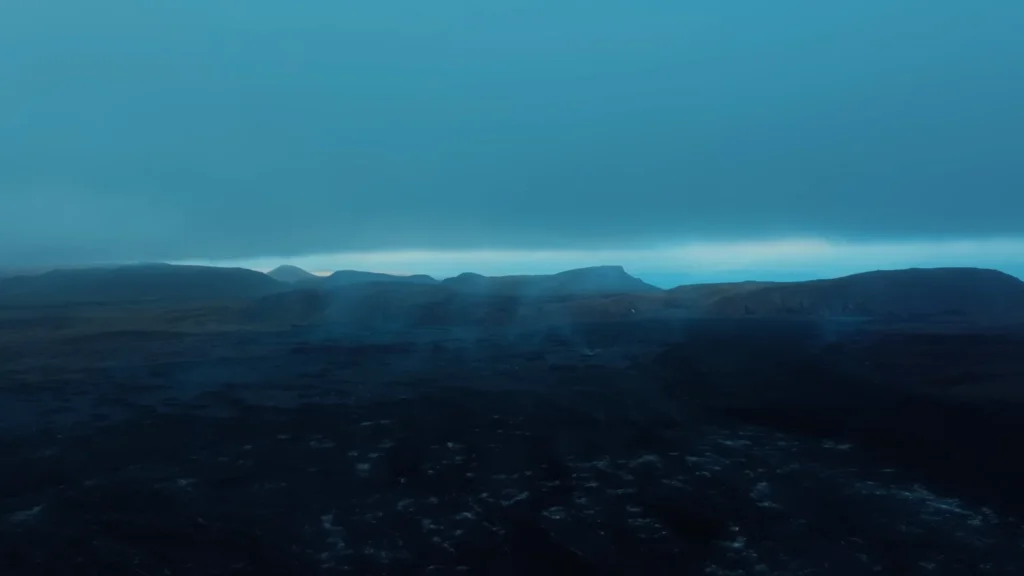
The land isn’t finished here. It never will be.
Wildlife at the Edges: Meeting Iceland’s Atlantic Puffins
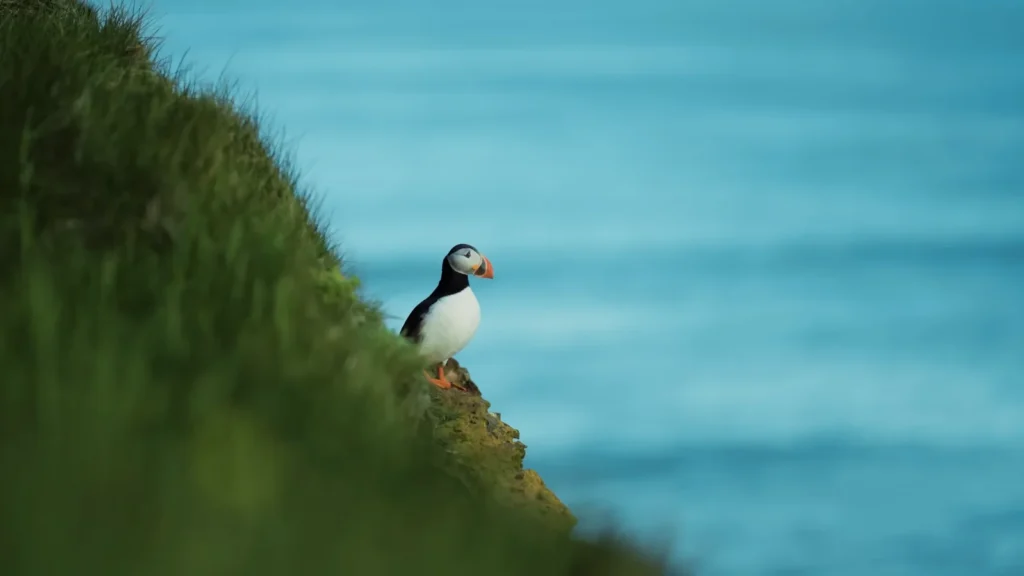
One morning along the southern coast, I stepped closer to the edge than usual carefully. Puffins don’t live where it’s convenient. They live where cliffs fall straight into the ocean, where wind has the space it needs.
Iceland hosts around 60% of the world’s Atlantic puffin population, mostly during the breeding season from April to August. Seeing them here feels less like wildlife spotting and more like stumbling into someone else’s routine.
Why puffins feel different in real life
- Smaller than expected.
- Clumsy on land, precise in air.
- Completely uninterested in observers.
They come ashore only to nest. The rest of their lives belong to the North Atlantic.
Best places to see puffins
- Dyrhólaey peninsula.
- Westman Islands.
- Coastal cliffs near Vík.
Watching puffins reminded me that Iceland isn’t dramatic on purpose. It’s efficient. Even its wildlife is optimized for extremes.
Geothermal Iceland: Hot Water as a Daily Resource
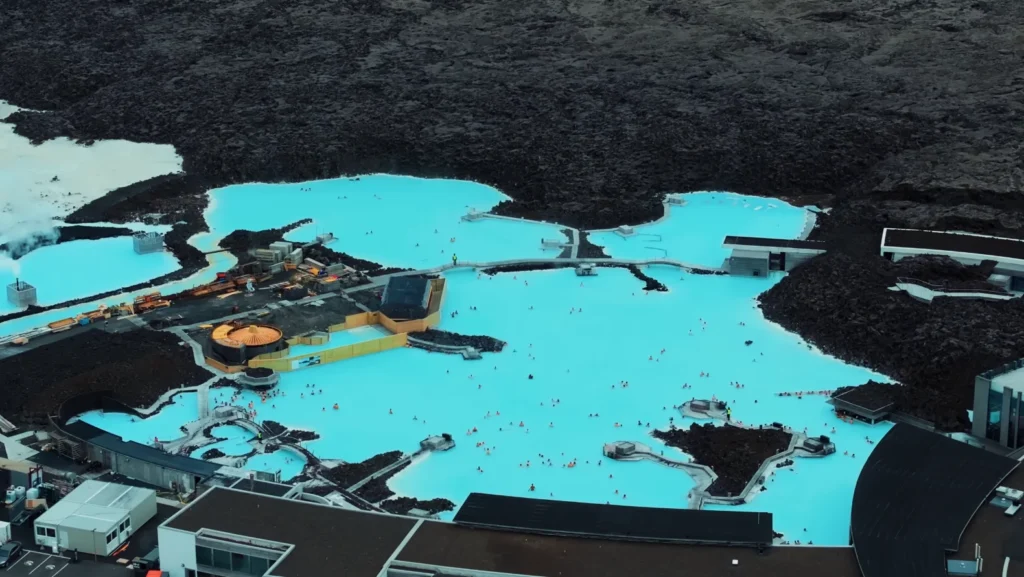
Before arriving, I was skeptical about the Blue Lagoon. Places hyped this heavily tend to disappoint. But context matters.
The Blue Lagoon isn’t natural in the way waterfalls or glaciers are. It formed from runoff at the Svartsengi geothermal power plant, where mineral-rich water collects in the surrounding lava fields.
What surprised me wasn’t the water it was how ordinary geothermal energy is in Iceland.
How geothermal energy actually works here
- Heats ~90% of Icelandic homes.
- Feeds public baths across the country.
- Powers entire towns year-round.
In the lagoon, the water stayed warm despite wind slicing across the surface. Steam drifted low. Conversations stayed quiet. It wasn’t indulgent it was restorative.
Hot Spring Experiences
| Type | Example | Experience |
| Commercial | Blue Lagoon | Controlled, calm |
| Public | Reykjavík city pools | Social, daily |
| Natural | Remote hot springs | Rough, unpredictable |
Villages, Churches and the Decision to Stay
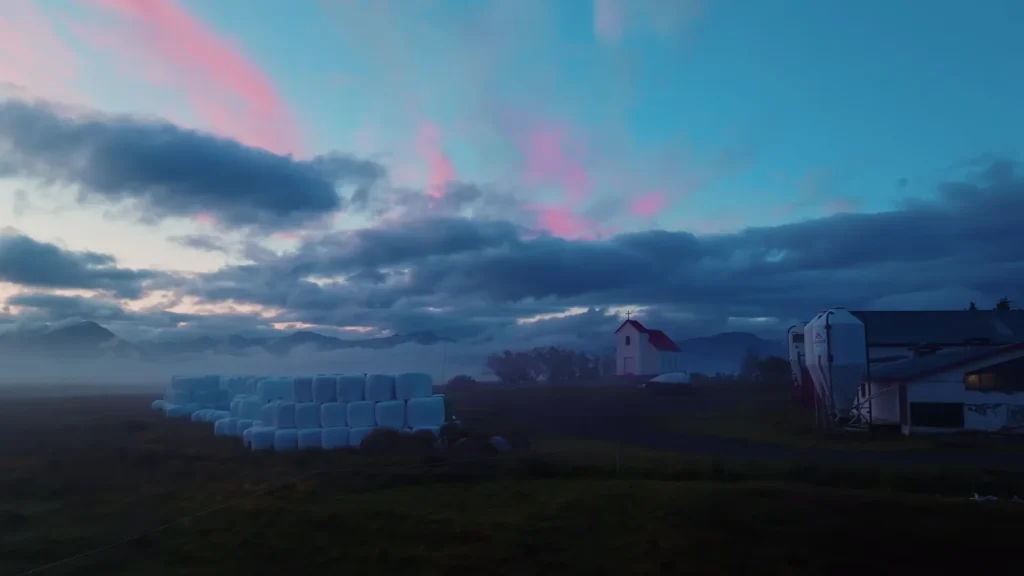
Away from landmarks, Iceland feels quieter and somehow heavier. Farms, churches and small clusters of homes sit alone in wide valleys. No fences. No decoration.
Why churches matter here?
Churches aren’t symbolic. They’re navigational anchors. In poor visibility, they’re often the only clear structure on the horizon.
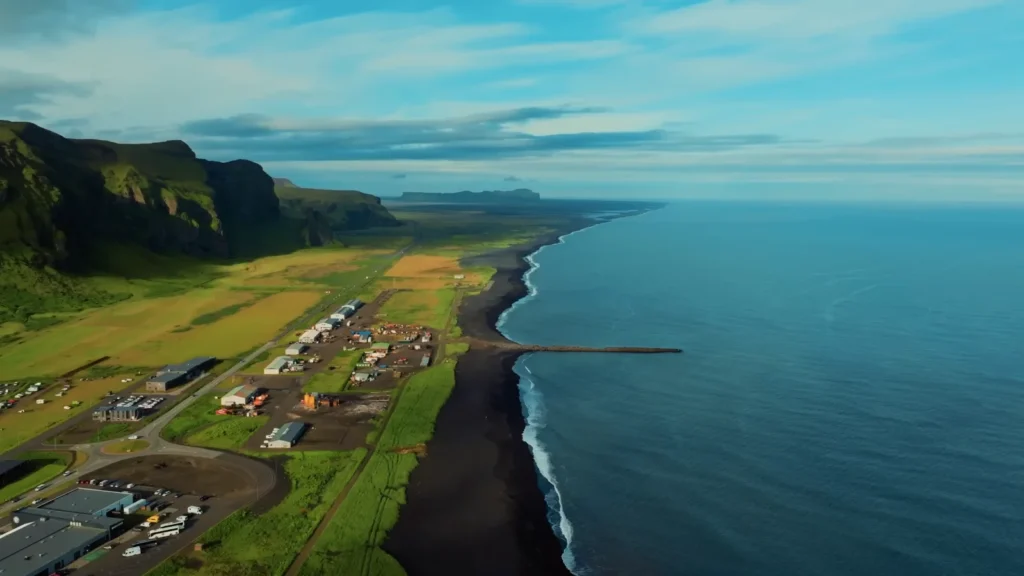
Vík appears again, but this time not as a scenic stop as a place where people commit to staying. Living here means accepting:
- isolation in winter.
- limited access during storms.
- constant awareness of volcanic risk.
People don’t settle in Iceland casually. Every village feels like a decision.
Everyday Iceland, Not Highlight Iceland
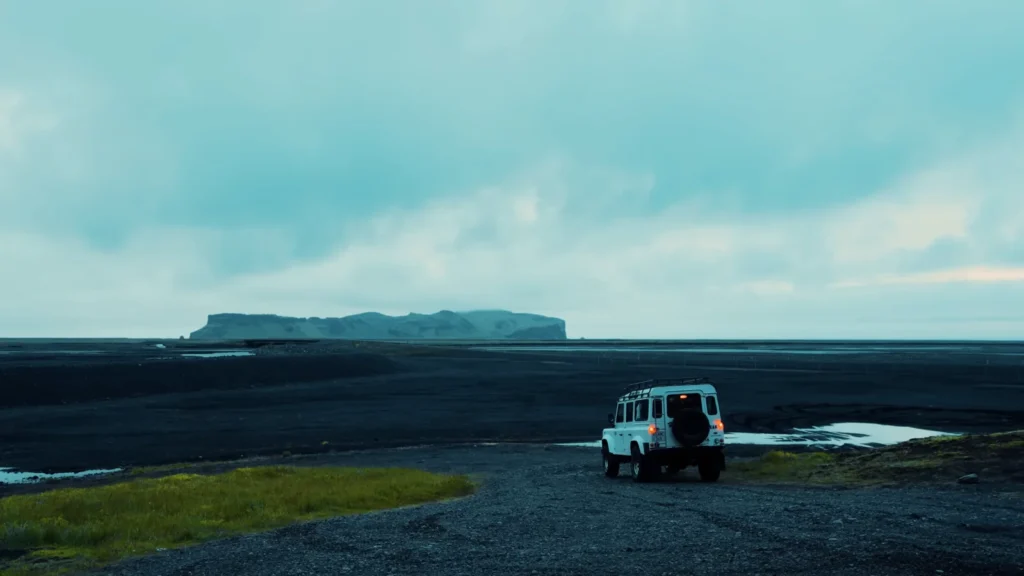
Between destinations, vast stretches of land exist simply to exist. No fences. No markers. Just lava, moss and weather moving through.
This is the Iceland you remember later not because it was impressive, but because it didn’t ask anything of you.
Seeing Ice Disappear in Real Time
Even after days on the road, Jökulsárlón stopped me completely.
Icebergs break off, rotate once or twice and drift out to sea. Some never make it. Others ground themselves on black sand beaches and slowly vanish.
Glaciers across Iceland are retreating rapidly. Vatnajökull, Europe’s largest ice cap, has lost significant mass over the last few decades (NASA Earth Observatory).
This isn’t abstract here.
You can see loss moving.
Driving Without Distractions: Iceland Teaches You Patience
Driving in Iceland quietly rewires how you think about distance. Back home, roads are designed to get you through places. Here, the road is how you’re introduced to them.
There were long stretches where nothing happened. No landmarks. No turns. Just black volcanic soil, patches of moss, sudden rain and a horizon that didn’t move closer no matter how long we drove.
That emptiness isn’t wasted space. It’s part of the country’s rhythm.
What Iceland’s roads demand from you
- Slower decision-making.
- Constant weather awareness.
- Acceptance that plans will shift.
Route conditions change fast, especially once you leave paved roads. The Icelandic Road and Coastal Administration updates conditions daily and ignoring them isn’t romantic, it’s reckless.
There were moments when turning back felt like the right call. And that choice knowing when not to continue felt just as important as moving forward.
Safety Isn’t a Suggestion Here
Iceland doesn’t warn out of politeness.
It warns because the land doesn’t negotiate.
The country’s “SafeTravel” system exists for a reason. Registers, alerts and closures aren’t theoretical they’re used continuously by locals and rescue teams.
Common risks travelers underestimate
- Sneaker waves on black sand beaches.
- Sudden whiteouts while driving.
- River crossings off main roads.
- Volcanic gas from active eruptions.
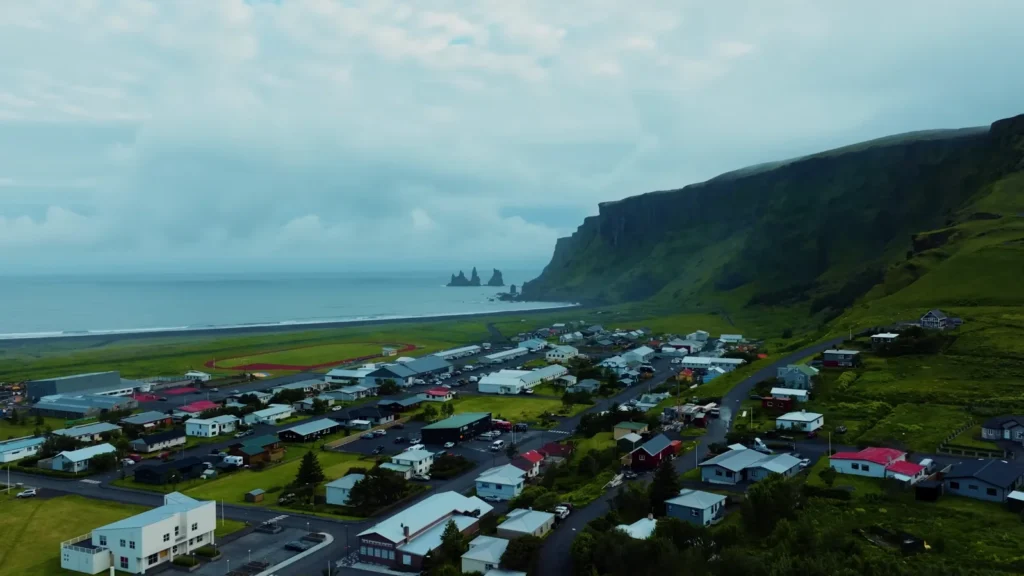
At Reynisdrangar, the sea looks calm until it isn’t. Waves arrive without pattern, dragging water and sometimes people back faster than expected.
Understanding Iceland means understanding restraint.
Should You Stop or Continue?
| Situation | Best Choice |
| Road suddenly closed | Turn back |
| Wind shaking vehicle | Wait |
| Fog reducing visibility | Stop |
| Weather worsening | Pause plans |
What Iceland Leaves You With?
I left Iceland without the usual post-trip urge to explain it. Some places invite stories. Iceland resists them.
It’s not photogenic because it’s pretty it’s compelling because it’s unfinished. Landscapes shift. Lava cools. Ice retreats. Steam rises where it shouldn’t.
Traveling here doesn’t make you feel accomplished.
It makes you feel temporary.
And that’s the gift.
Practical Lessons I’d Share With a Friend
Not advice for maximizing stops advice for keeping perspective.
Travel smarter, not harder
- Plan loosely, drive attentively.
- Build buffer days into your route.
- Accept weather as part of the itinerary.
What I’d do differently next time
- Spend more time in fewer regions.
- Walk more without destinations.
- Return in shoulder seasons.
First-Time Iceland Travel
| Category | Recommendation |
| Best months | May–June, Sept |
| Vehicle | 4×4 if leaving cities |
| Clothing | Waterproof > insulated |
| Navigation | Offline maps + road.is |
| Mindset | Flexible |
Final Reflection
Iceland doesn’t offer closure. It offers continuation.
You don’t feel like you’ve “done” Iceland only that you’ve brushed past something that was already in motion. Volcanic systems continue beneath your feet. Glaciers continue shrinking. Wind shapes the land whether anyone is there to feel it or not.
Traveling through Iceland reminded me that not all places exist to welcome us. Some simply allow observation.
And that, ultimately, felt like enough.