
I’ll be honest – Bulgaria wasn’t on my radar until a chance conversation with a Bulgarian photographer changed everything. “You think you know the Balkans?” he requested, presenting me with photographs which did not appear to me to belong at all to the Eastern Europe I believed I knew. Three months down the line, I was waiting in the airport of Sofia totally unprepared of what turned out to be one of my most unexpected travelling experiences.
Most people skip Bulgaria entirely. They hit the obvious spots – Croatia’s coast, Romania’s castles, maybe Czech Republic if they’re feeling adventurous. Big mistake. Bulgaria packs more diversity into it’s borders than countries twice it’s size. Mountains that rival the Alps. A Black Sea coastline that stretches for miles. Ancient towns that feel frozen in time. And prices that won’t destroy your budget.
Having spent 6 weeks in this country, I came to understand one thing: maybe Bulgaria is a best-kept secret in Europe. It is not unexplored, there are plenty of Europeans who come and spend their holidays here, however, the vast majority of visitors outside the region do not know what they are missing.
Mountain Adventures: Pirin and Rila National Parks
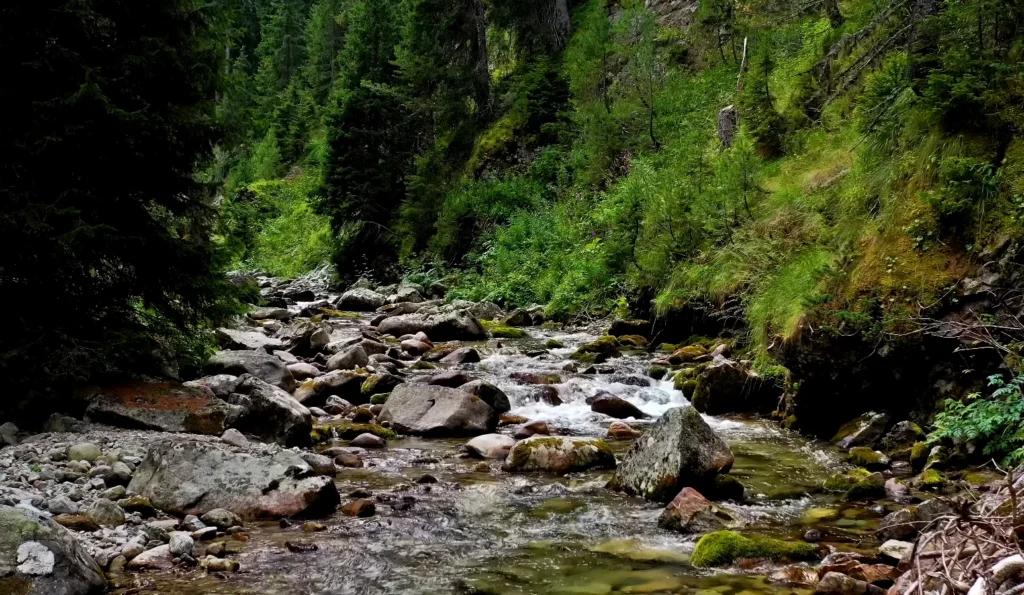
Pirin National Park: Raw Wilderness at It’s Finest
Pirin had shown me its wild nature with the Demianitsa River. My expectations of visiting European wilderness were usually forest and mountain, with clear trails, visitor facilities, perhaps a few guided tours, but that was it – and that is what I had come to seek in Bansko. I was instead walking off a trail, through a deep grove, where the rush of water became louder and louder as I went. Once I got to the river those mossy boulders and crystal-clear pools were the kind of things you see on a nature documentary.
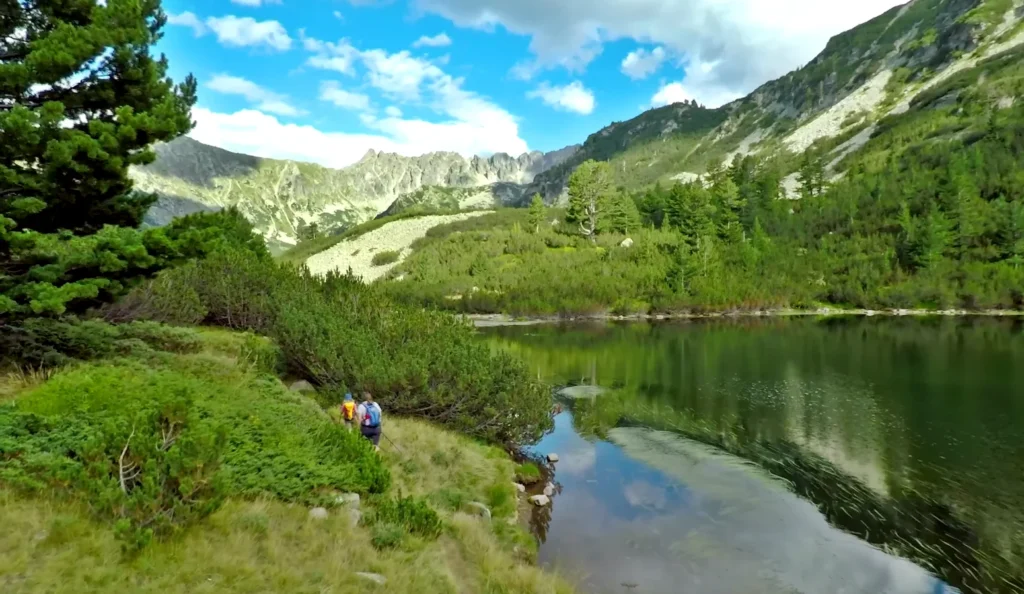
After visiting Vaslashko Lake, I have had a completely different experience of the Bulgarian mountains. The two hour climb was bearable until the last approach and you know that you are entering serious Alpine country. You are struck by the moment that that lake appears, faultlessly flat, and in the reflection of it rise the limestone peaks to 3,000 meters. This isn’t just hiking. It is wilderness that has a right to exist.
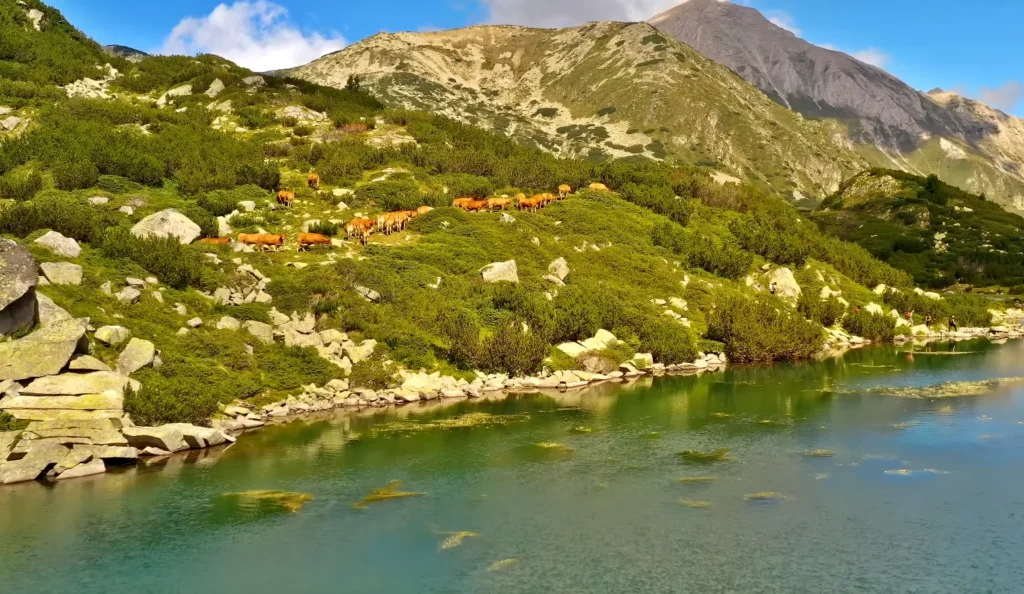
Banderishki Lake sits even higher, surrounded by grazing cattle that somehow make the dramatic landscape feel both wild and pastoral. The contrast fascinated me – these aren’t gentle rolling hills. These are serious mountains with glacial lakes and limestone cliffs that would challenge experienced hikers anywhere in Europe.
What makes Pirin special:
- UNESCO World Heritage status since 1983.
- Over 70 glacial lakes scattered throughout the park.
- Vihren Peak reaches 2,914 meters – Bulgaria’s second-highest summit.
- Ancient pine forests some of the oldest in Europe.
- Dramatically fewer crowds than similar Alpine destinations.
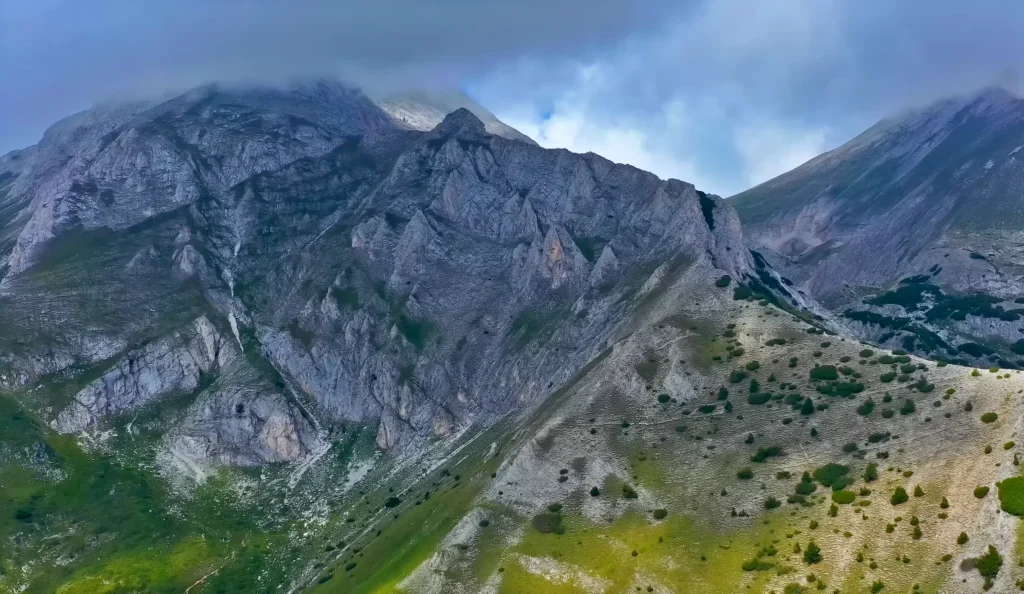
Rila Mountains: The Seven Lakes Circuit
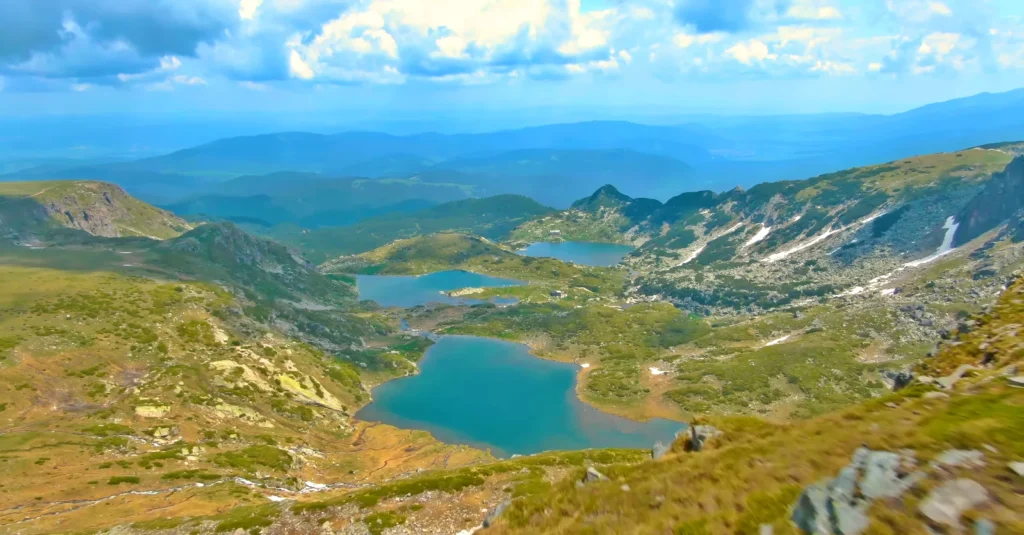
The Seven Rila Lakes deserved their own separate trip. Located about 90 minutes from Sofia, this glacial amphitheater showcases seven distinct lakes, each with it’s own character and local name. From above, they look almost artificial – too perfectly arranged, too varied in color. But that aerial perspective doesn’t capture the raw effort required to reach them.
The hike starts gently enough, but the final push to the highest lakes tests your endurance. Each lake sits at a different elevation, creating this natural staircase effect through the landscape. The highest, Salzata (The Tear), sits at 2,535 meters and lives up to it’s name – a perfectly clear teardrop in the rocky terrain.
Planning your mountain adventures:
- Best hiking season: June through September.
- Pirin access: Base yourself in Bansko or Sandanski.
- Rila access: Day trips from Sofia or overnight in mountain huts.
- Essential gear: Proper hiking boots, weather protection, plenty of water.
- Permits: Not required, but check park regulations.
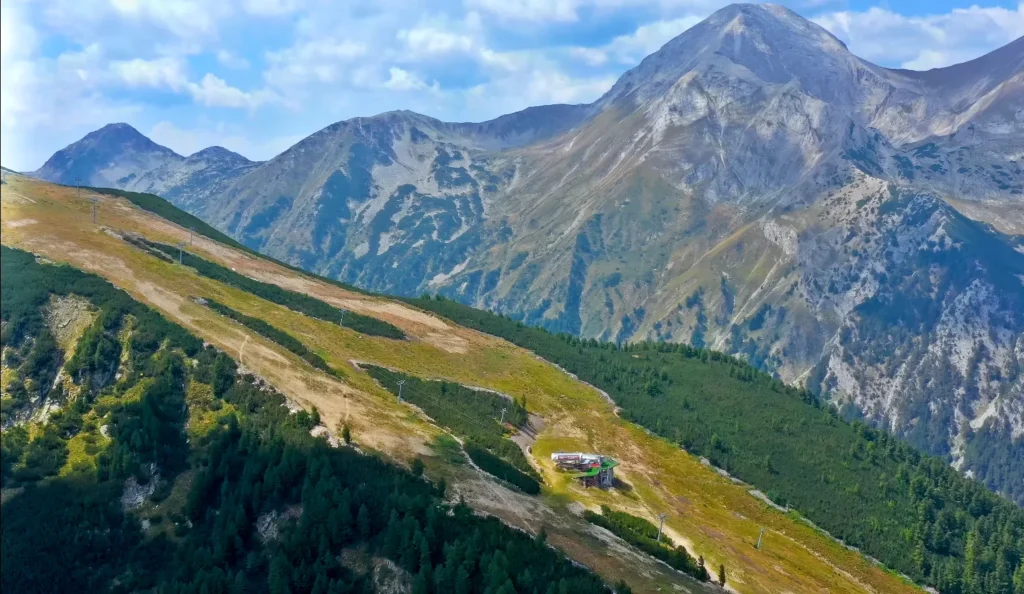
Winter transforms these mountains entirely. Pirin’s ski infrastructure around Bansko rivals major Alpine resorts, but at fraction of the cost. That Plato slope area becomes part of one of Eastern Europe’s largest ski domains.
Black Sea Coast: Ancient Towns and Modern Resorts
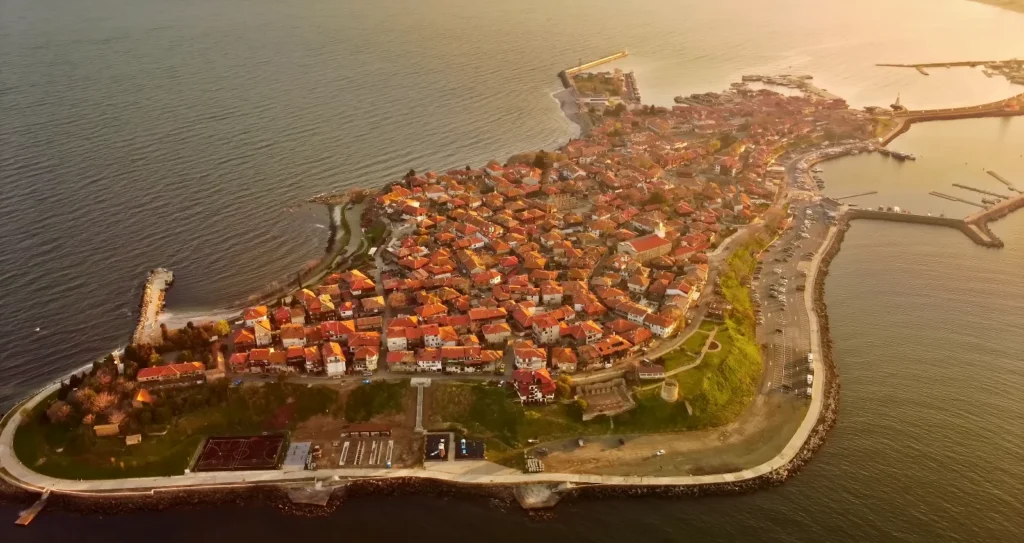
Nessebar: A UNESCO Town on a Peninsula
I was halted in my tracks by Nessebar. This prehistoric city is located on a rocky peninsula that is joined to the mainland with a narrow causeway and it is like one is entering a time machine of 2,000 years. The streets are made of cobblestones and go around the Byzantine churches and old wooden buildings all enclosed by the Black Sea on three sides.
It was not only the preservation that amazed me, but also the way the town can still be a living community. Still, there are houses that were constructed by the grandparents, which are inhabited by local families. Fishermen continue to work out of the little harbor. Tourism has not murdered the true nature, but it does go a long way in supporting the bills.
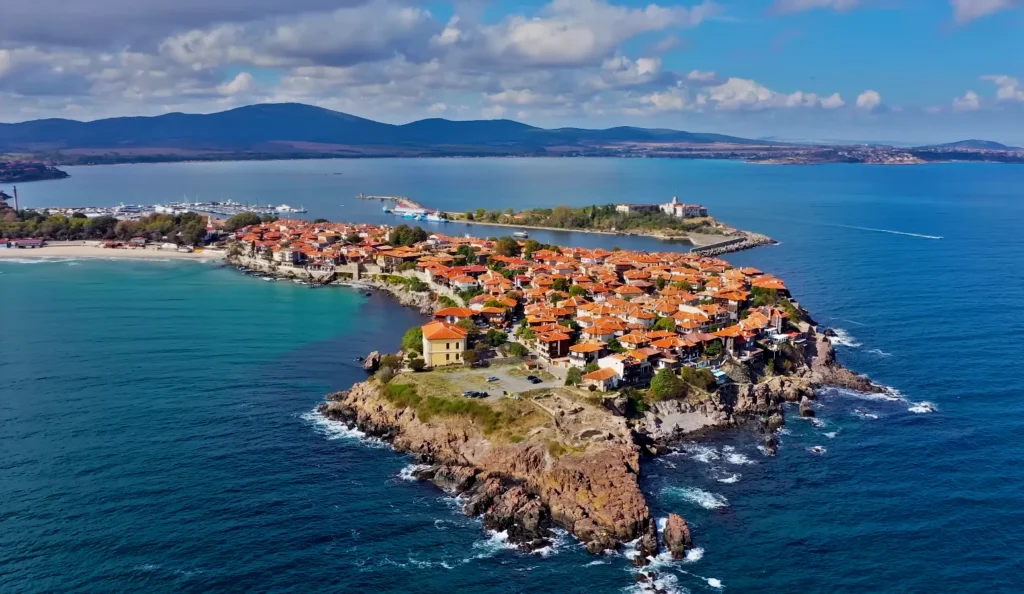
Sozopol: Artists and Ancient History
Sozopol offered a completely different coastal experience. This artistic hub sits on another peninsula, but the vibe feels more bohemian than historic. Art galleries occupy traditional houses. Small restaurants serve fresh seafood caught that morning. The town somehow manages to feel both ancient and creative.
The old town architecture here tells a fascinating story. These traditional wooden houses with their distinctive bay windows represent a building style that developed during the Ottoman period but incorporated local maritime traditions.
Hidden Fishing Villages
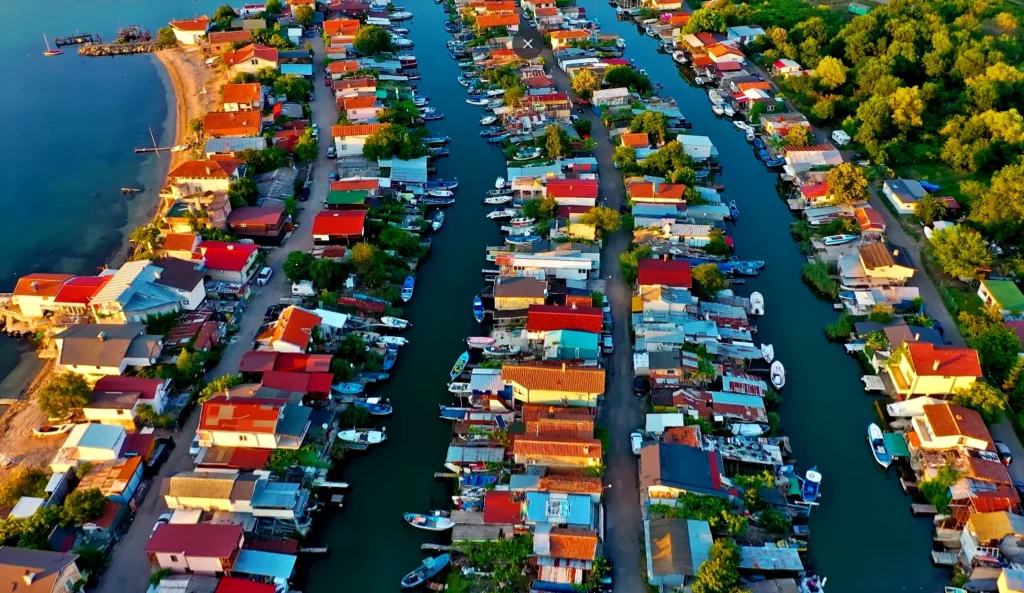
Ribarsko Selishte provided me with the most genuine experience of the seashores. It is a small fishing village just the way it has always been; in tight waterways, houses painted in red and blues which have faded very well in the salty breeze, fishing nets hanging everywhere they can.
No major hotels here. No tour buses. Just working fishermen and a few visitors who’ve discovered this gem tucked away from the main coastal highway.
Black Sea Coast highlights:
| Location | Best For | Must-See |
| Nessebar | History buffs | Byzantine churches, old town |
| Sozopol | Art lovers | Galleries, traditional architecture |
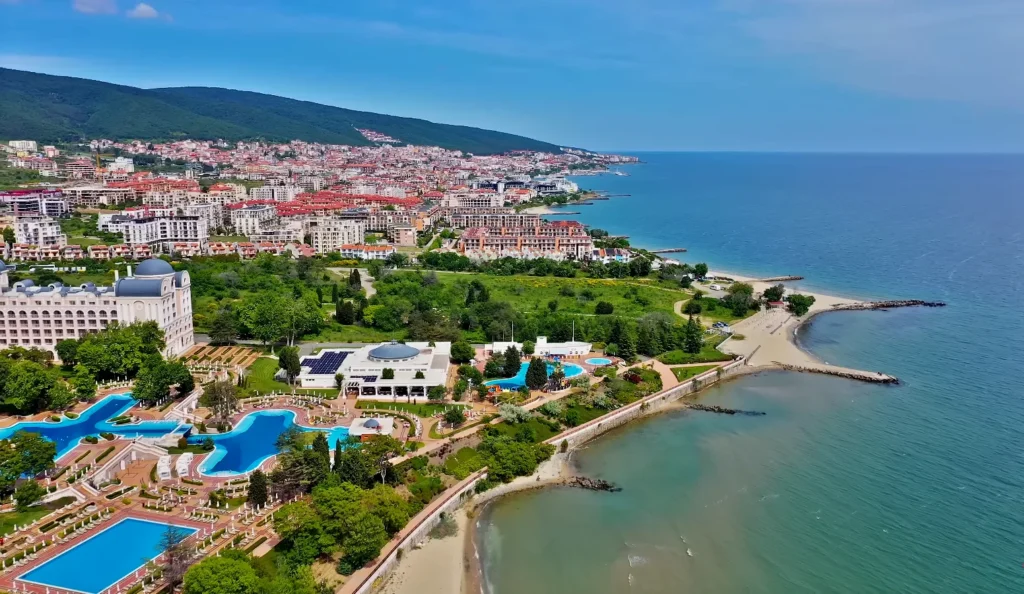
| Sunny Beach | Resort experience | Water sports, nightlife |
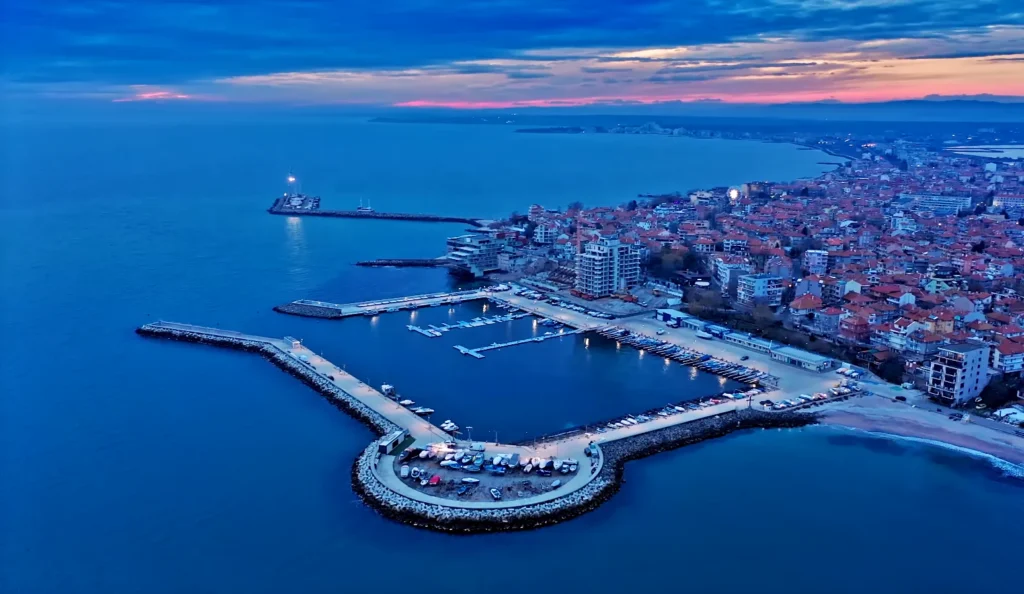
| Pomorie | Wine enthusiasts | Local wineries, working harbor |
| Tsarevo | Development watching | New construction, Costa del Croco |
Sofia: A Capital That Surprises
Government Quarter After Dark
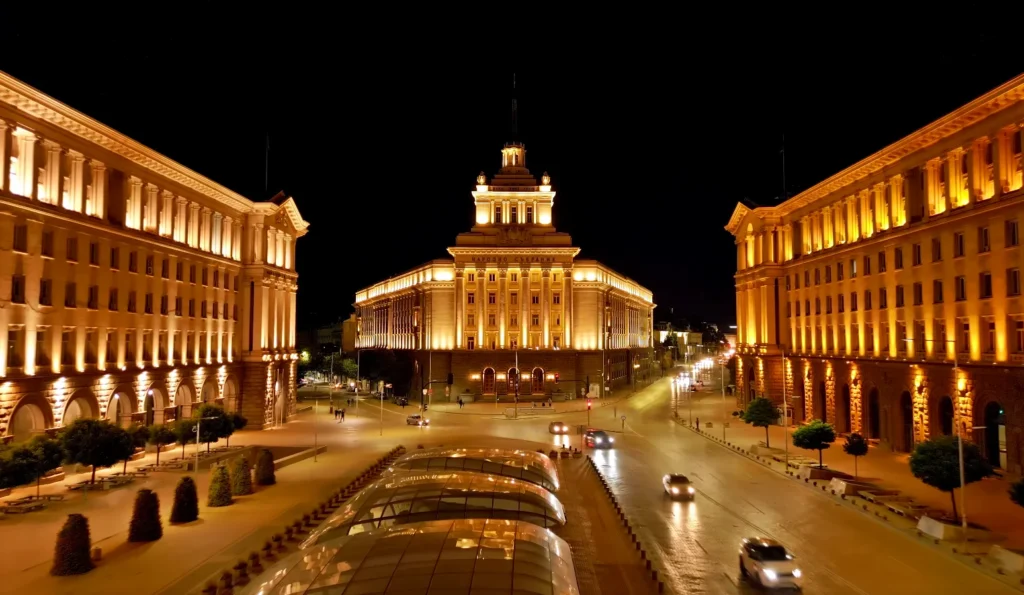
The government complex of Sofia totally altered my view towards the Bulgarian architecture. When strolling around the lit administrative quarter during the night, these huge neoclassical structures on the outskirts of the main square make the whole setting look almost dramatic. The golden lighting system and the symmetrical system create the illusion of what would otherwise be an intimidating Soviet architecture into something actually impressive.
I spent an evening wandering these streets, expecting typical Eastern European concrete blocks. Instead, I found careful urban planning that creates genuine drama. The scale feels appropriate for a capital city without overwhelming the human experience of walking through it.
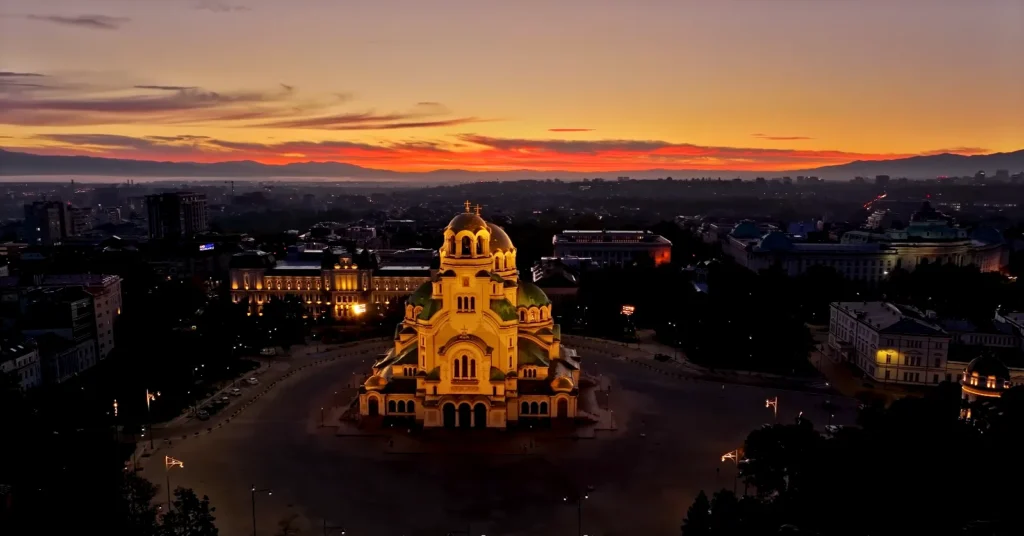
Alexander Nevsky Cathedral: Icon of the City
The Alexander Nevsky Cathedral does not lose anything to its status as the most identifiable landmark in Sofia. I went when the sun was setting and that golden dome receives the final rays as the city extends to mountains in the distance. The time of day is important in this case – cathedral is spectacular in the daytime and enchanted at the time of golden hour.
What impressed me was not only the Byzantine building, but the way the building roots the whole city area. Every time you look out on Sofia, you see a certain silhouette, it is so unlike all others. It gives a visual simplicity to a city that blends the Ottoman remains, Soviet-built and modernization.
The inside is not any less than the exterior promise. Dark wooding, complex frescoes and the air of something truly sacred and not the touristic. The space has a meditative nature, even though the visitors are constantly moving through it.
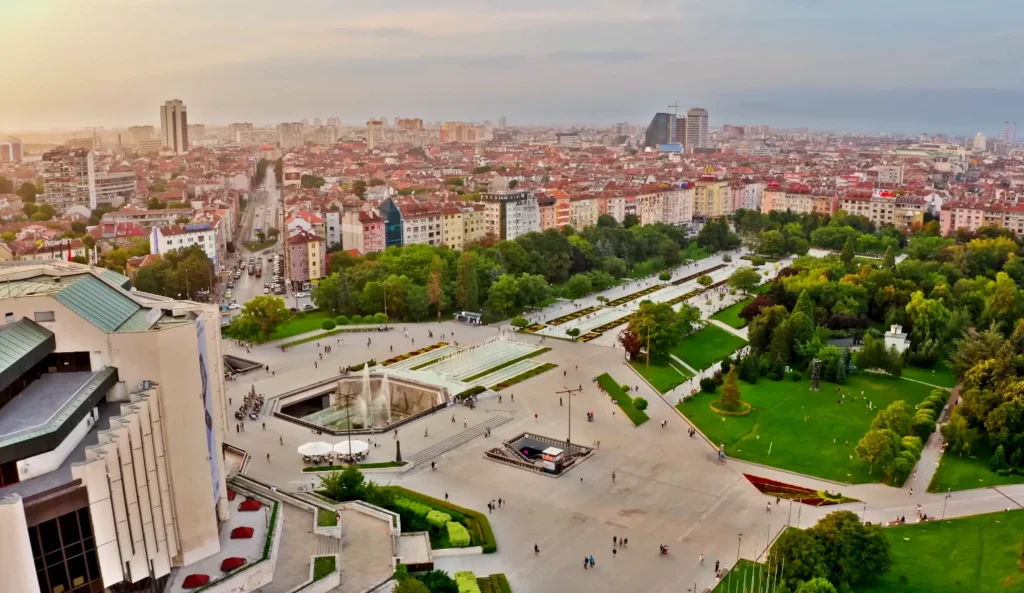
Urban Parks and Daily Life
Sofia’s green spaces surprised me most. The city integrates parks naturally into the urban fabric, creating breathing room that many European capitals lack. These aren’t just decoration – locals actually use them. Morning joggers, afternoon chess players, families with children. The parks function as genuine community spaces.
The tram system deserves mention too. Sofia maintains an extensive network that actually works efficiently. For visitors, it offers an authentic way to see different neighborhoods without the isolation of taxi rides or the confusion of driving in unfamiliar territory.
Sofia essentials:
- Alexander Nevsky Cathedral: Free entry, open daily.
- National Palace of Culture: Communist-era architecture worth seeing.
- Vitosha Boulevard: Main pedestrian shopping area.
- Central Market Hall: Local food and products.
- Mount Vitosha: Day hiking accessible by public transport.
Traditional Villages: Koprivshtitsa and the Real Bulgaria
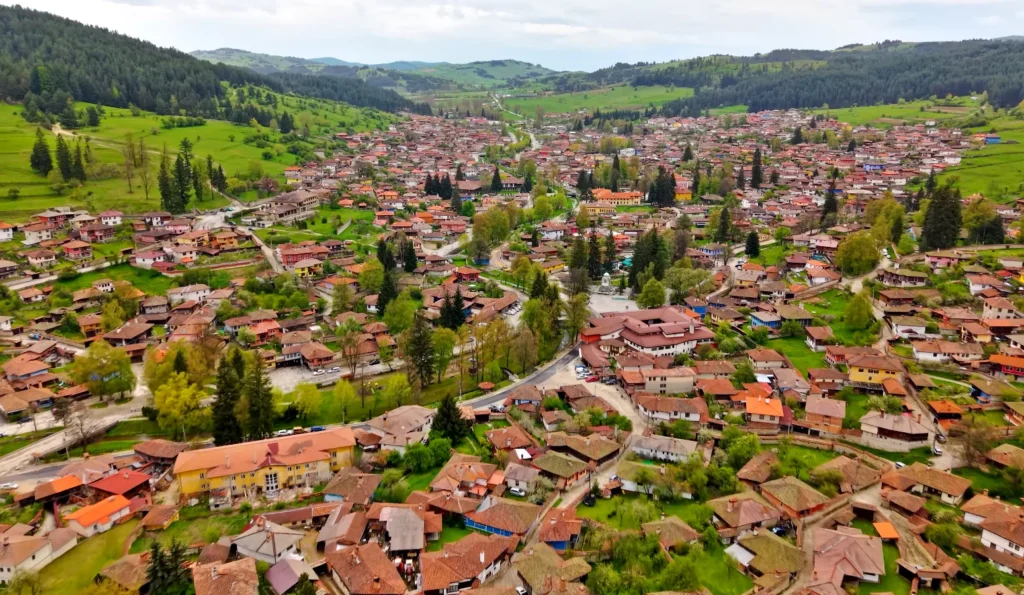
Koprivshtitsa: Preserved 19th Century Life
Koprivshtitsa brought me to a halt. This village is located on hilly terrain some 90 minutes out of Sofia and its approach to it is like being driven to an ideally preserved 19 th -century Bulgarian village. The roofs were made of red-tiles spread in and out of green ravines. Stone walls. Conservative architecture that has not been sterilized to suit tourism.
The village was an essential part of the Bulgarian independence movements, but what struck me was that that history is somehow inherent in the existing community than it is being sold to the visitor as a museum. Individuals continue to occupy these old fashioned homes. It is in the same streets that revolutionary meetings used to be held that children play.
I spent one entire day walking the cobblestone streets, and chatting with locals who appeared actually delighted to talk about the history of their town. No tour groups. None of the gift shops with mass-produced souvenirs. Authentic preservation that merely is insanely beautiful.
Traditional architecture features:
- Distinctive red clay roof tiles.
- Stone foundation walls.
- Wooden upper stories with decorative elements.
- Courtyards designed for extended families.
- Integration with natural landscape contours.
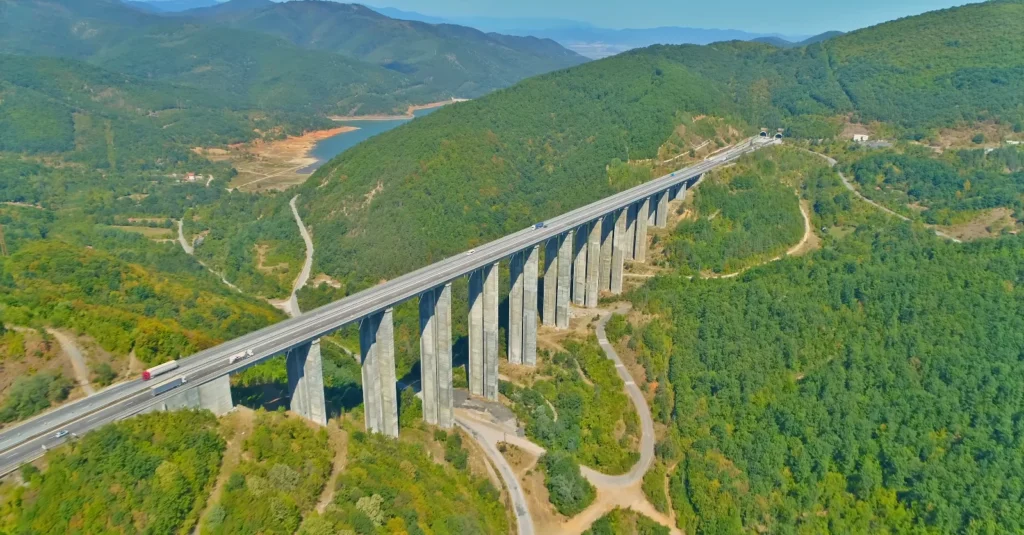
Infrastructure and Accessibility
The Bebresh Viaduct illustrates how modern Bulgaria maintains connections to remote areas without destroying their character. This impressive bridge cuts through forested valleys, allowing access to traditional villages while minimizing environmental impact. The engineering feels appropriately scaled – substantial enough to handle modern traffic, but not so massive as to overwhelm the landscape.
During my village explorations, I appreciated how Bulgarian infrastructure generally respects the terrain rather than fighting it. Roads follow natural contours. Bridges span valleys efficiently. Development happens thoughtfully rather than aggressively.
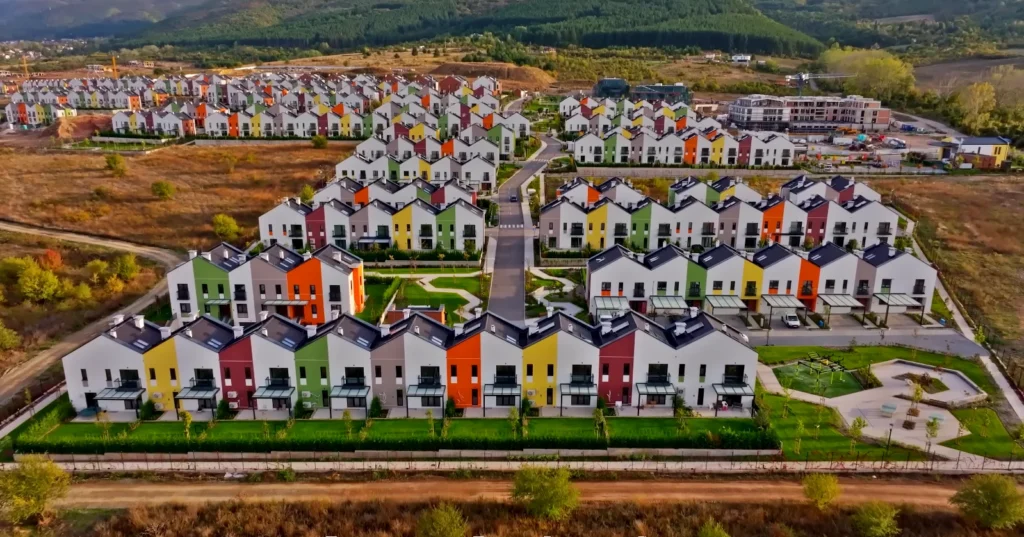
Modern Residential Development
The Lozen residential area shows how contemporary Bulgaria approaches suburban development. These colorful townhouses create visual interest while maintaining reasonable density. The rainbow of exterior colors might seem playful, but it actually helps create neighborhood identity and prevents the monotony that plagues many modern developments.
What impressed me was the integration of green space and the attention to pedestrian areas. This isn’t just housing – it’s community planning that considers quality of life alongside efficiency.
Practical Travel Information and Personal Insights
Getting There and Getting Around
Transportation logistics:
- Sofia Airport: Main international gateway, well-connected to city center.
- Rental cars: Essential for mountain and village exploration.
- Public transport: Excellent in cities, limited in rural areas.
- Intercity buses: Reliable connections between major destinations.
- Train service: Scenic but slower than buses for most routes.
Budget Realities
Bulgaria offers exceptional value, but understanding the cost structure helps with planning:
| Category | Daily Budget (EUR) | What You Get |
| Budget | 25-35 | Hostels, local food, public transport |
| Mid-range | 45-65 | Hotels, restaurant meals, some activities |
| Comfort | 80-120 | Quality hotels, guided tours, rental car |
Seasonal Considerations
My visits across different seasons revealed distinct advantages to each:
Summer (June-August):
- Perfect for mountain hiking and coastal activities.
- Peak tourist season, especially on the coast.
- Hot weather in cities, comfortable in mountains.
Shoulder seasons (April-May, September-October):
- Ideal weather for city exploration.
- Fewer crowds at major attractions.
- Some mountain areas may still have snow in early spring.
Winter (December-March):
- Excellent skiing conditions in Pirin and Rila mountains.
- Sofia can be gray and cold but atmospheric.
- Coastal areas essentially shut down.
Cultural Navigation
Language and communication:
- English widely spoken in tourist areas and cities.
- Cyrillic alphabet used, but major signs often have Latin translations.
- Bulgarians generally helpful and patient with visitors.
- Learning basic phrases appreciated but not essential.
Currency and payments:
- Bulgarian Lev (BGN) still used, though Euro widely accepted.
- Credit cards accepted in most establishments.
- ATMs readily available in cities and towns.
- Cash still preferred in rural areas and for small purchases.
Food and Dining Culture
Bulgarian food was far much beyond my expectations. The focus on local and fresh materials helps to develop the tastes that are familiar and at the same time Balkan. Shopska salad is an addiction. Banitsa (pastry with cheese) is an ideal hiking food. The wines of the Thracian Valley are local and can compete with any other in more well-known European countries.
The culture of restaurants is based on large portions and prices that are affordable. The meals even in the best restaurants of Sofia are much cheaper than in other European cities.
Final Thoughts: Why Bulgaria Works
Having spent six weeks in Bulgaria, I know why it is one of the places that have not been fully discovered. The nation does not market itself in an aggressive way. It lacks a single symbolic destination that is the focus of the global preoccupation. Rather, it provides real-life experiences in various sceneries and cultures.
The best asset that Bulgaria has is that authenticity. Mountain lakes that cannot be reached without actual hiking. Communities, not the displays of tourism, in coastal towns. A capital city that becomes the home of real residents as well as tourists. Classical villages where preservation is a natural process as opposed to an artificial process.
Bulgaria still offers genuine surprises.
But my exploration here is far from complete. The regions I’ve covered represent just the beginning of what this country offers. Traditional crafts still practiced in remote villages. Wine regions that rival famous European appellations. Mountain monasteries that preserve centuries of spiritual tradition. Thermal springs with healing properties locals swear by.