
There are places you expect to be beautiful, because postcards and Instagram have already spoiled the surprise. Then there’s the moment you arrive and the mountains look bigger than whatever your imagination had been warming up for. Switzerland did that to me before I even unpacked my camera batteries.
My route this time zig-zagged between Interlaken, Grindelwald, Brienz, Lucerne and the long winding roads leading toward Jungfraujoch “the Top of Europe” as the official tourism board likes to call it. But the real charm hid in the in-between moments: a cable car ride that felt too smooth to be real, the smell of chocolate drifting out of a Läderach shop, the way small villages tuck themselves under towering cliffs as if they’ve always been there (and most have, according to Britannica’s history of Swiss settlements).
I’ll walk you through the trip the way I lived it: camera slung across my shoulder, too many chocolate samples and a constant temptation to pull over every five minutes because the landscape refused to be ordinary.
Interlaken — The Town Between Two Lakes
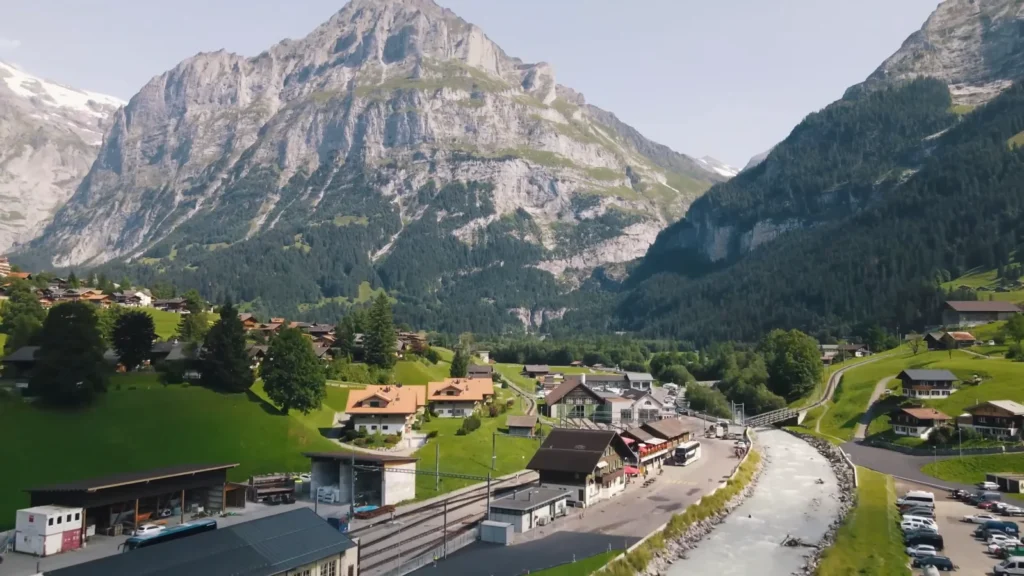
Interlaken is the kind of place that feels like a basecamp for every kind of traveler: hikers, sky gliders, people who want to drink coffee next to mountains without hiking them everyone blends in.
The town sits perfectly between Lake Thun and Lake Brienz, which the Swiss tourism site accurately describes as “two turquoise mirrors shaped by the Alps”. I wasn’t ready for how turquoise Brienz actually was. I’d seen the color before, sure just not outside Photoshop.
What I Noticed Immediately
- The air felt cleaner than my hotel window deserved.
- Paragliders drifted above the town like moving freckles in the sky.
- Trains ran so precisely on time I started using them as a watch.
I snapped half the shots from my window, mostly because the mountain across the street didn’t look real unless I kept checking it.
Grindelwald — Where the Mountains Crowd In
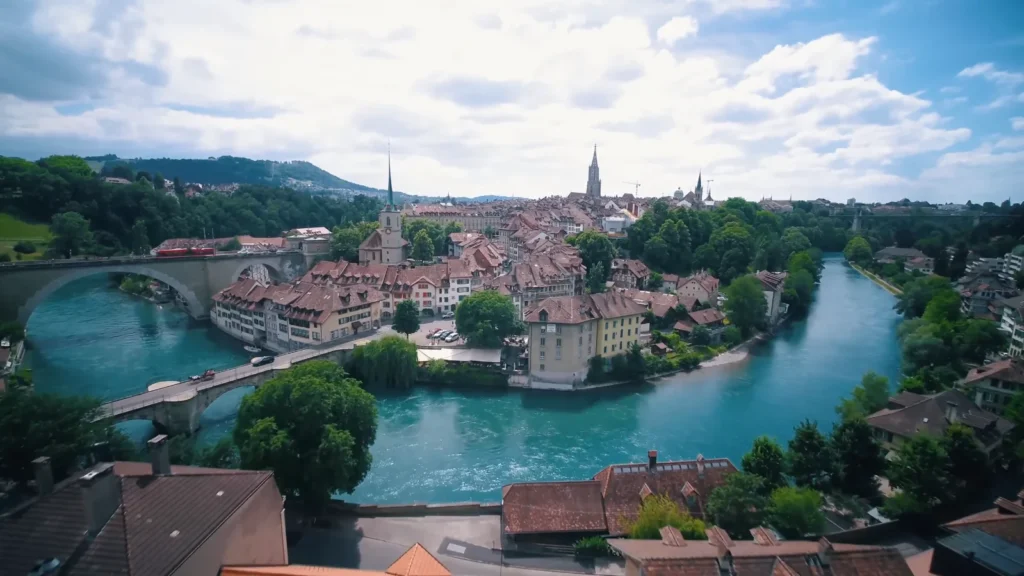
Driving toward Grindelwald, the landscape shifts from “picturesque” to “okay, now the mountains are right on top of me.” The official Jungfrau region site mentions that this valley has been a mountaineering hotspot for centuries. You feel that history without reading about it.
What I Did in Grindelwald
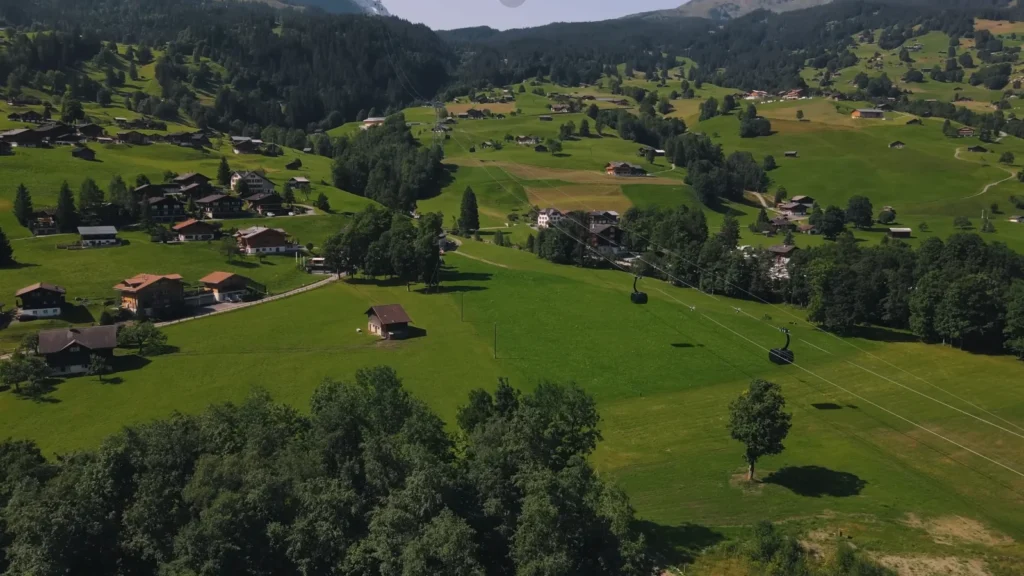
- Took the Eiger Express cable car.
- Tried not to film every second from the gondola.
- Ended up filming every second from the gondola.
The cable car glides above the fields with an impossible smoothness, almost too quiet. You get a slow float over clusters of chalets and green slopes that seem groomed for a movie set more than a real village.
Carting Down the Mountain Roads
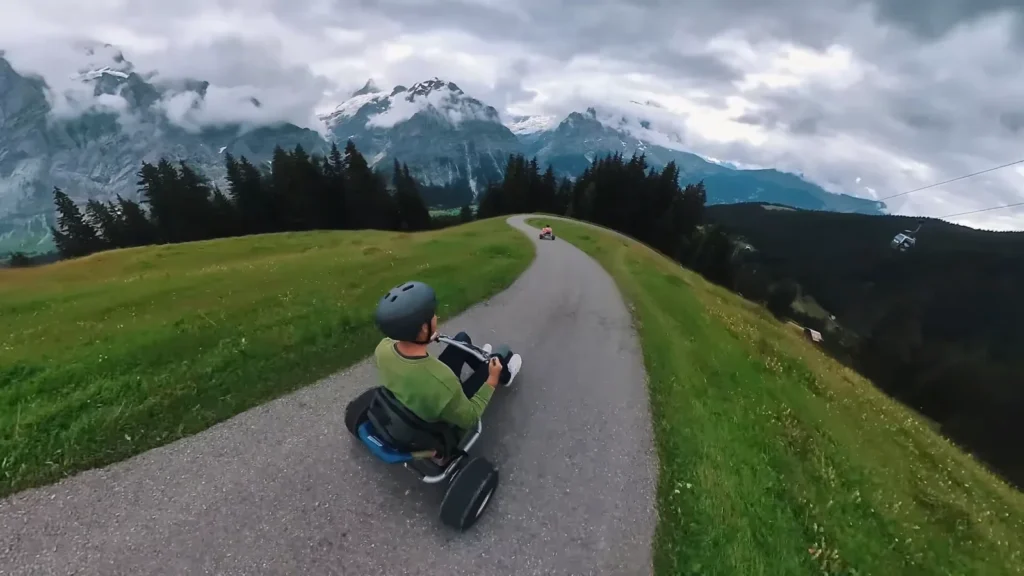
One of those impulsive decisions you justify by saying, “When am I ever going to do this again?” Grindelwald offers downhill carting routes and it’s as ridiculous and fun as it sounds.
According to the Grindelwald tourism office, this is one of their most popular summer activities. And I get it the slope curves, the cold breeze, the smell of grass warming under the sun. Everything mixes into this perfect slice of joy that lasts maybe 20 minutes but occupies much more space in your memory.
Quick Breakdown
| Thing | My Take | Why It Sticks |
| Speed | Faster than it looks | You feel like a kid all over again |
| View | Unreal | Alps on both sides like giant walls |
| Difficulty | Easy enough | Good distraction from thinking about work |
| Price | Reasonable | For Switzerland, that says a lot |
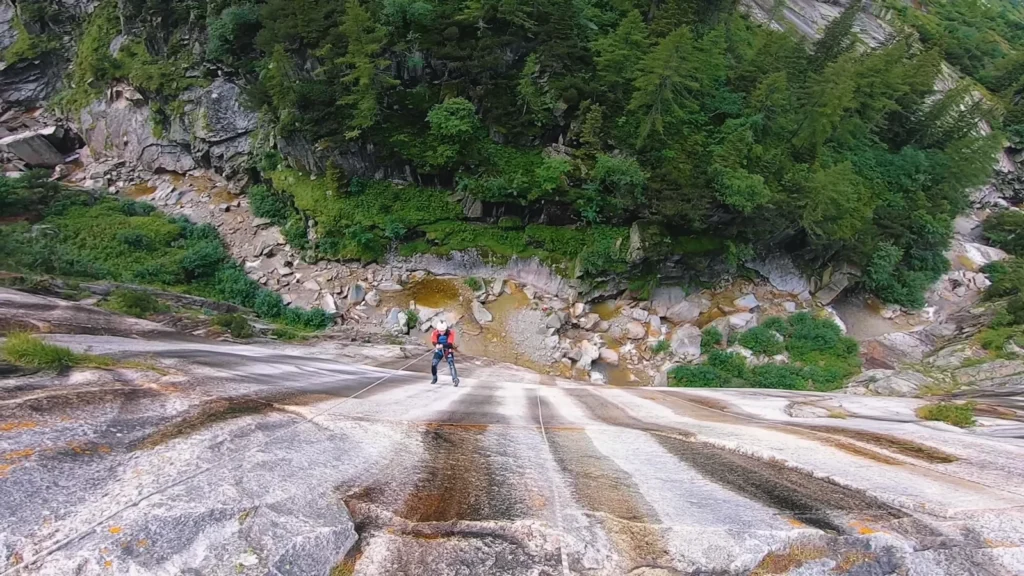
Brienz — Switzerland’s Quiet Miracle
Now for the part of the trip that surprised me the most.
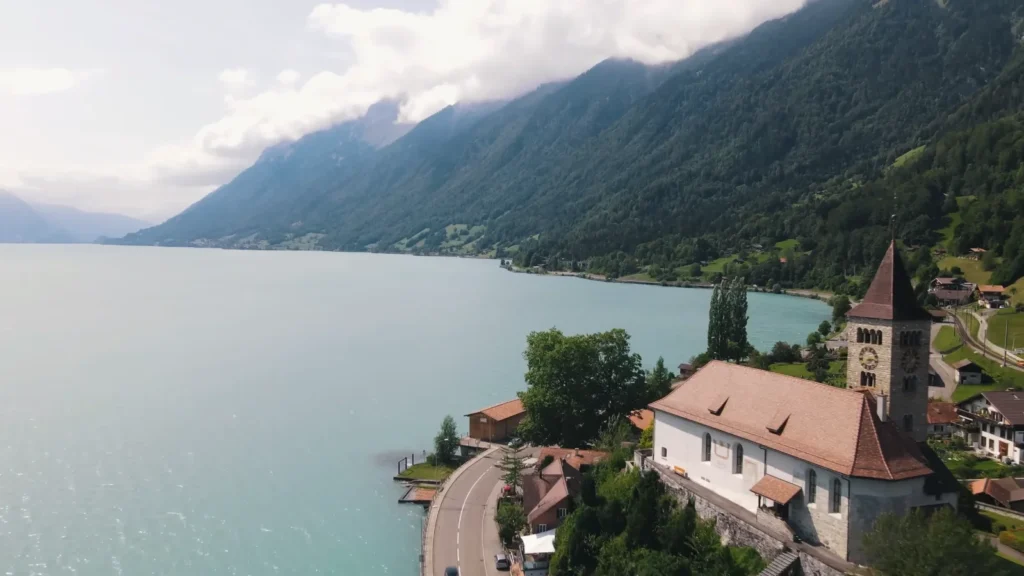
Lake Brienz is famous for it’s milky-turquoise water a color caused by glacial minerals, as explained by the Swiss Federal Office for the Environment. Seeing it in person feels like witnessing a secret recipe happen right in front of you.
Walking Through Brienz Village
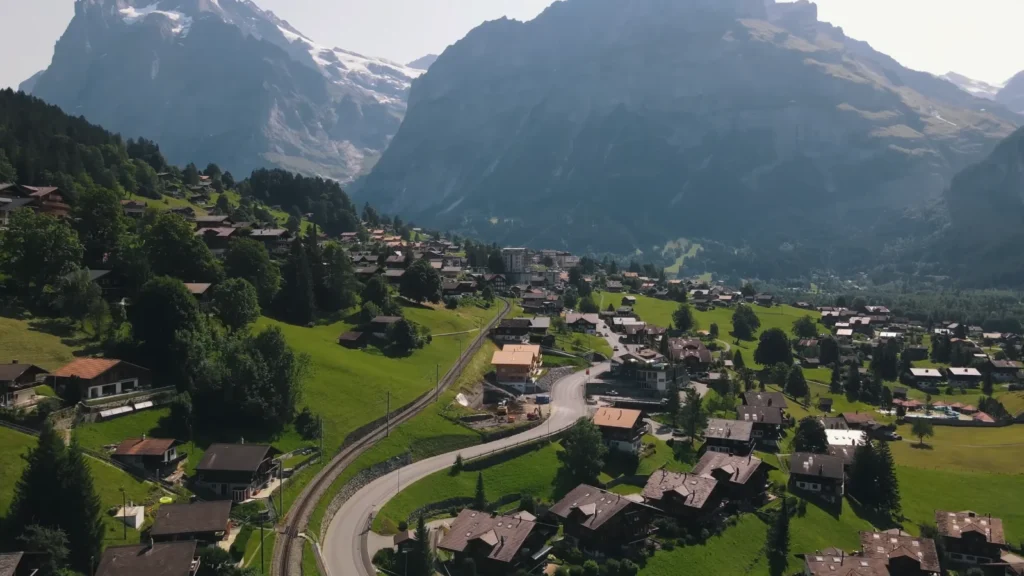
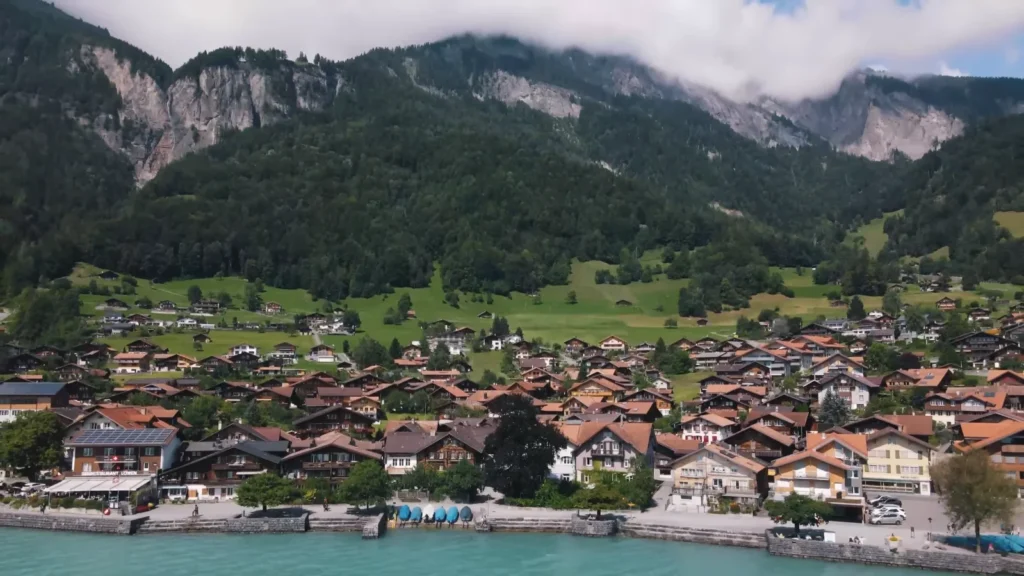
The village is lined with wooden chalets carved in traditional Bernese style. According to UNESCO, Brienz has preserved wood-carving traditions for over 150 years. You can actually feel that craft in the details: balcony railings, door frames, shutters, even benches.
Brunngasse — The Street That Feels Like a Time Capsule
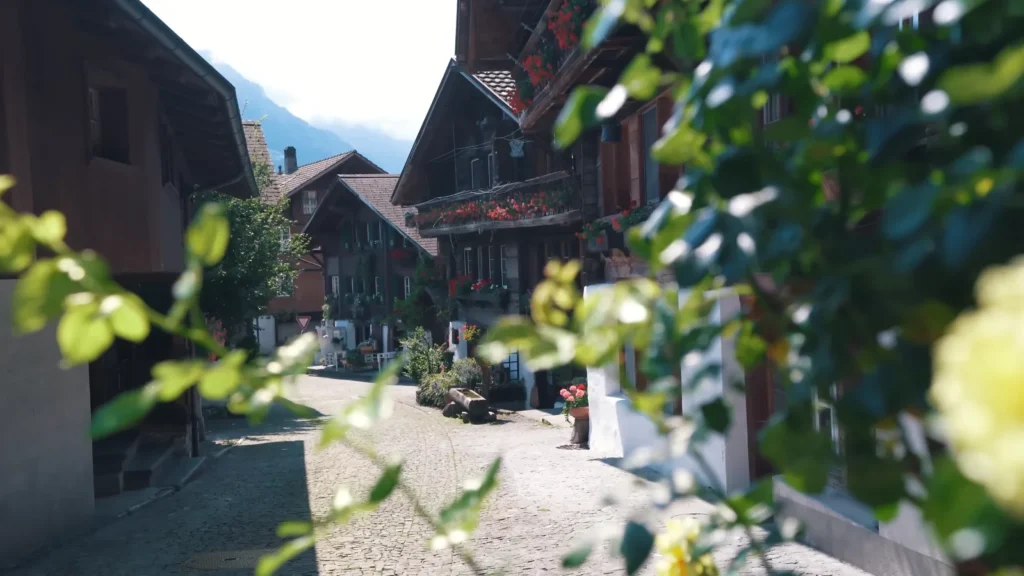
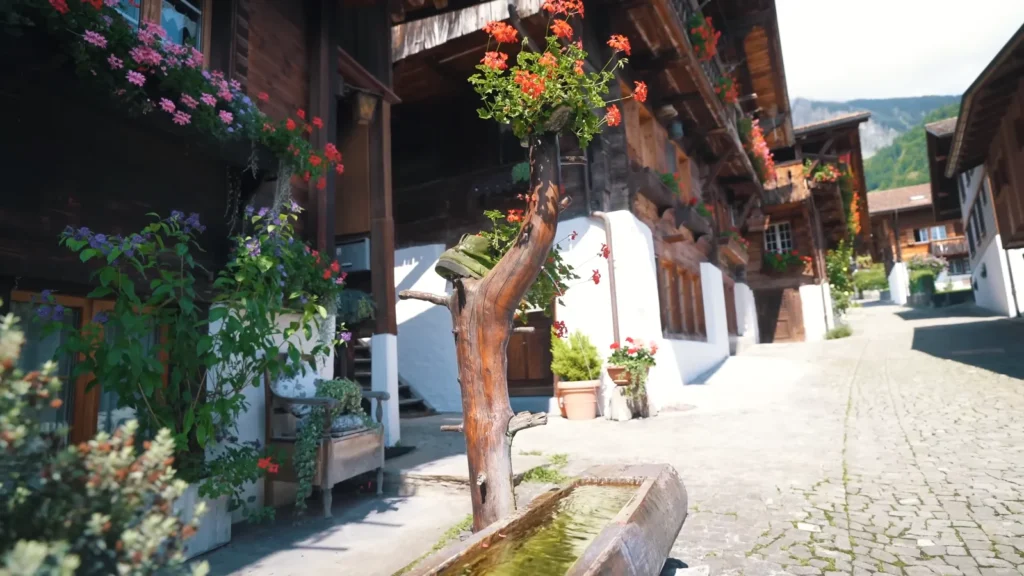
Some Swiss guides casually call Brunngasse one of the “most beautiful streets in Europe,” and honestly, it’s not an exaggeration. Cobblestones, flowers spilling over wooden balconies and a quiet that feels curated.
Little Things I Noticed
- Wooden water troughs that still run with fresh alpine water.
- Carved house beams dated centuries back.
- Cats wandering like they own the place (and maybe they do).
A Detour to Bern — The City Wrapped in a River
I don’t usually expect capital cities to feel gentle. Bern caught me off guard. The old town curves inside the Aare River like someone sketched the city with a single stroke. UNESCO has the entire Old Town listed as a World Heritage Site and when you’re looking down at the rooftops from the hillside, it makes perfect sense.
Why Bern feels different
- No skyscrapers trying to prove anything.
- Trams sliding around corners with quiet confidence.
- That river… honestly, it’s almost distractingly blue.
I spent a good hour just following the arc of the water without thinking about where I’d end up. The city has that effect you wander into it and the streets slowly reveal their rhythm.
A quick list of what I did in Bern
- Climbed up to the Rosengarten viewpoint.
- Let the old stone bridges dictate my walking route.
- Watched the Aare’s current push against the banks.
- Bern isn’t a city you rush through. It’s one you orbit..
Zurich — Where the Streets Move Faster Than I Do
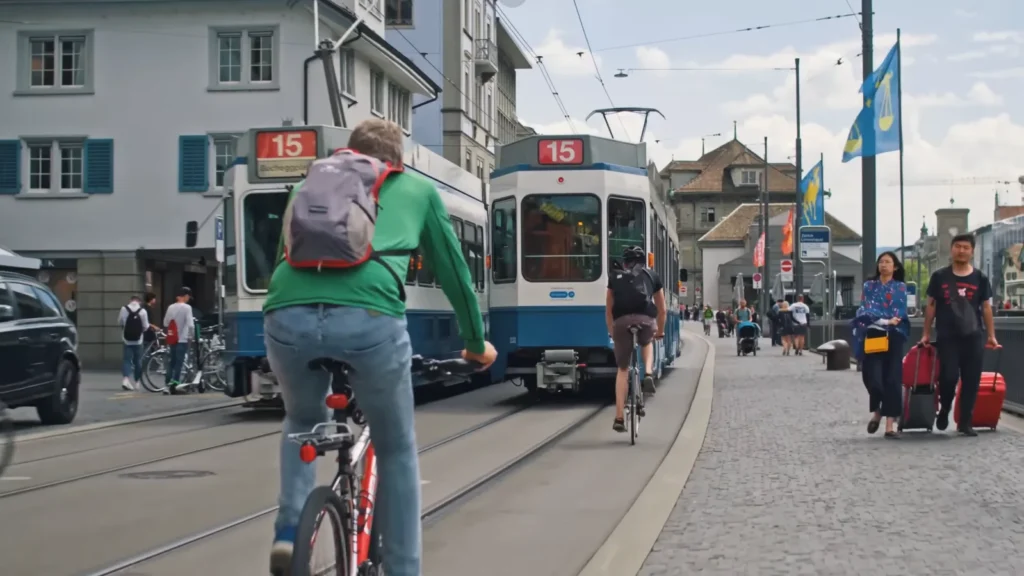
Zurich wakes you up. Not with noise, but with movement trams, bikes, people who walk like they already know where the next five turns lead.
According to Zurich Tourism, the city consistently ranks among the world’s most livable cities. I can see why. Everything feels intentional: clean streets, precise schedules, coffee shops that take their craft seriously.
I wasn’t planning to bike, but Zurich has this way of pulling you into whatever everyone else is doing. Two minutes watching commuters glide past trams and suddenly I’m on a rental bike trying to look like I belong here.
What stood out in Zurich
- Efficiency without coldness.
- Architecture that mixes old stone with modern glass.
- People who seem to have mastered the art of balancing leisure and productivity.
I didn’t film much here. Hard to shoot when the city nudges you to keep moving.
A Chocolate Pilgrimage — Läderach
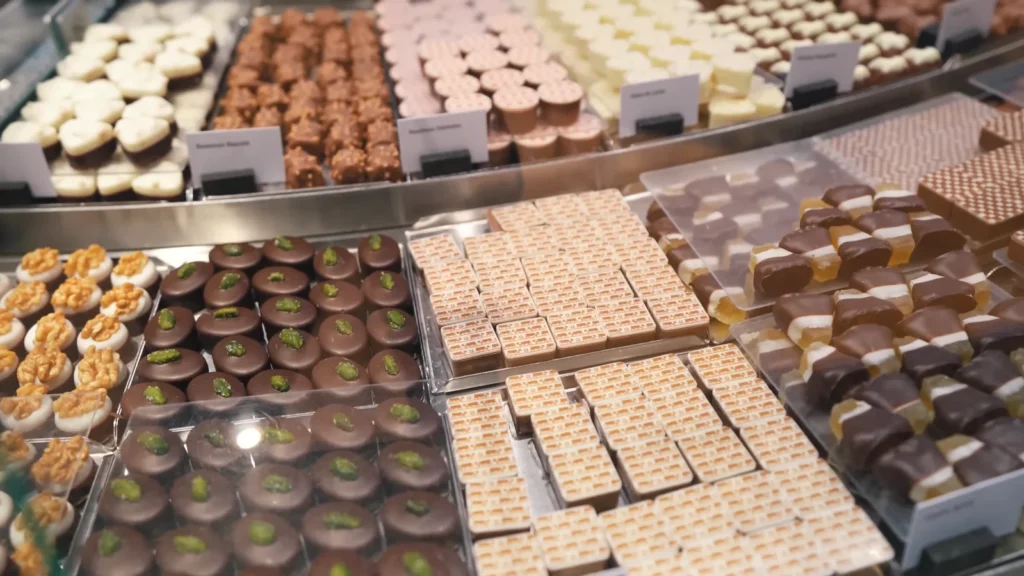
Every Swiss trip ends up turning into a chocolate tour at some point. Mine happened earlier than expected. Läderach has become one of Switzerland’s most internationally recognized chocolatiers and their website proudly talks about the brand’s bean-to-bar process. But what hits you first is the smell that warm, sweet heaviness when you walk through the door.
Things I tried (and tried again)
- Frisch Schoggi slabs
- Dark hazelnut clusters
- Those pistachio rounds that almost feel illegal
A local told me Swiss chocolate tastes different because milk quality in the Alps is “simply better.” Hard to argue with someone holding a tray of samples.
Paragliding Over Interlaken — The Moment That Stays With You
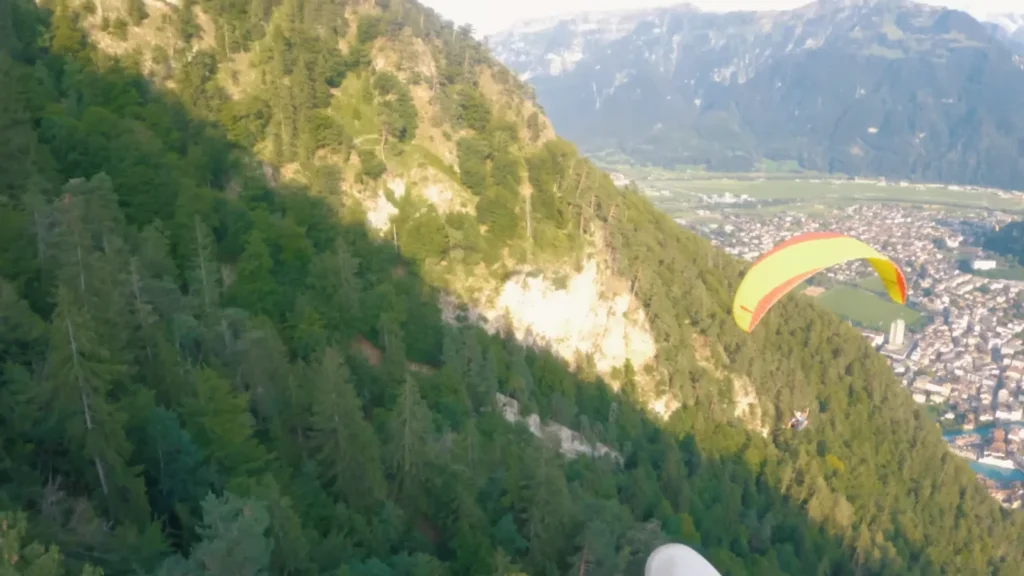
This wasn’t planned. Paragliding is one of those activities that sounds thrilling when you’re home and slightly terrifying when you’re staring at the edge of a launch ramp.
Interlaken is one of Europe’s top paragliding regions even Lonely Planet backs that up. But nothing prepares you for that first second when your feet leave the ground. The valley tilts, the wind catches and suddenly the town below looks like a miniature model.
What stayed in my memory
- The quiet, I expected wind noise, but it was peaceful up there.
- How small Lake Brienz looked from above, but how bright the color stayed.
- The pilot chatting casually as if we weren’t floating over a thousand-meter drop.
You don’t land the same person you were when you took off. Not dramatically, but enough to notice.
Switzerland by Road — The “Ausfahrt” Moments
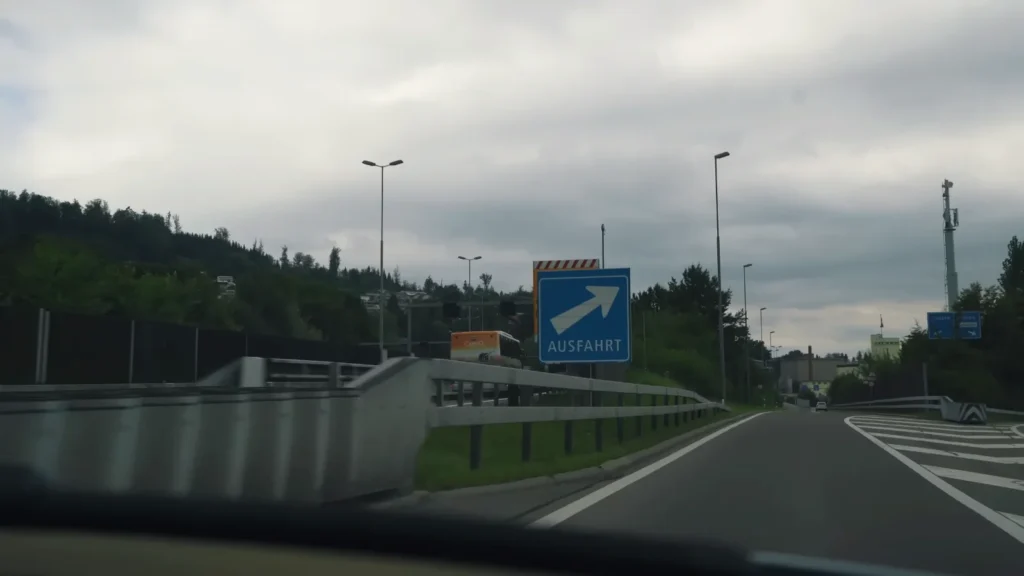
Switzerland’s highways have a way of turning even the most basic direction signs into something scenic. The word “Ausfahrt” (exit) became a running joke on my trip every time I saw the sign, I’d glance at the mountains framing it and feel compelled to pull over.
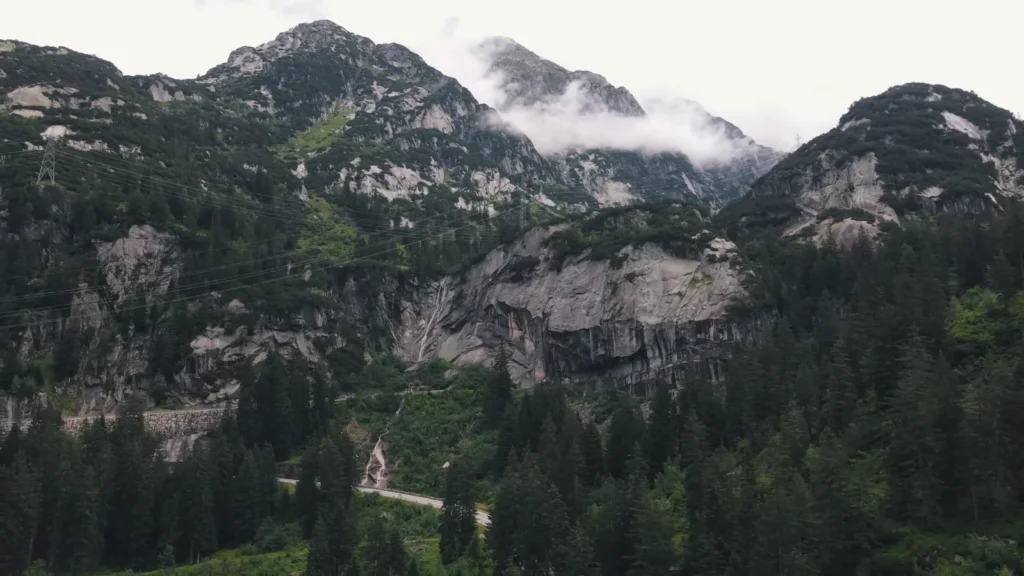
Why road-tripping here feels cinematic
- The roads curve with the landscape instead of fighting it.
- Even gas stations have better mountain views than most hotels.
- Weather changes within minutes clouds cling to peaks like fabric.
According to the Swiss Travel System, over 70% of the country is mountainous, which explains why every turn looks like a drone shot waiting to happen.
Travel Time vs. Elevation Gain
| Route | Distance | Elevation Change | Time (approx) |
| Interlaken → Grindelwald | ~20 km | +400 m | 25–30 min |
| Grindelwald → Brienz | ~33 km | -450 m | 35–40 min |
| Brienz → Lucerne | ~55 km | rolling terrain | 1 hr |
| Lucerne → Zurich | ~52 km | minor changes | 45–50 min |
The Cable Car to Jungfraujoch — “Top of Europe”
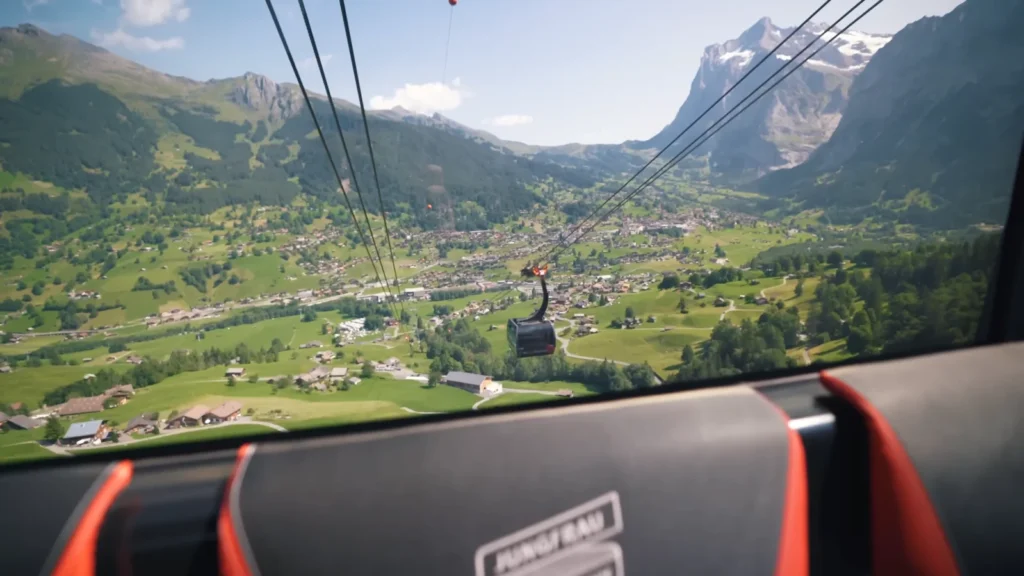
There’s marketing language and then there’s Jungfraujoch a place that actually lives up to it’s tagline. The official Jungfrau site says the station sits at 3,454 meters above sea level, making it Europe’s highest railway station.
A few fragmented impressions from the ride up
- Snowfields even in summer
- Thin air that you feel in your lungs before you expect to
- An odd sense of calm above the clouds
Up there, time moves slower. Or maybe you just do.
Wrapping Up the Journey — Switzerland Leaves You With More Questions Than Answers
Trips usually end with a sense of completion. Switzerland didn’t do that for me. The country feels like a place you pass through rather than “finish.” Each village hints at another one tucked behind a ridge. Every lake suggests a second lake worth the detour. Even the train stations feel like invitations.
Standing on a balcony in Interlaken on my last morning, I kept looking at the ridge line and thinking: How many paths are hidden up there? How many sunrises did I miss while sleeping? Why does this place make you want to slow down and speed up at the same time?
Final Thoughts — The Kind That Follow You Home
I boarded the train out of Zurich thinking I had enough photos. I didn’t. Not because I didn’t shoot enough but because Switzerland isn’t the kind of place you “capture.” You borrow moments, that’s all. A cloud slipping around a peak, water shifting shades of turquoise, a wooden balcony carved a century before you were born.
If someone asked me why they should visit, I’d probably say something vague like: “Because it reminds you the world still has edges worth walking toward.” Not dramatic, just true.
And if I had one piece of advice beyond packing good shoes:
Leave space in your schedule. Switzerland rewards the detours.