
My entry into Shizuoka didn’t feel dramatic. No cinematic reveal, no “wow” moment. Instead, it felt efficient which, in Japan, often means you’ve arrived somewhere honest.
Shizuoka Station sits on the Tōkaidō Shinkansen line, linking Tokyo and Osaka and in practice it works like a hinge. People arrive, people leave, nobody lingers unnecessarily. Yet just beyond the glass and signage, the city opens outward toward mountains, rivers and the Pacific coast.
I spent a few minutes standing still inside the station hall, watching movement patterns. Commuters weren’t rushing. Travelers weren’t overwhelmed. This wasn’t a destination built to impress at first glance it was built to function.
That impression held.
Why Shizuoka Feels Different Immediately
- It’s geographically stretched mountains to the north, ocean to the south.
- It’s industrial and agricultural at once.
- It’s a transit prefecture that rewards stopping.
Shizuoka Prefecture often gets overshadowed by places it connects rather than places it contains. That’s a mistake.
Food Before Scenery: Inside Shizuoka’s Daily Market Life
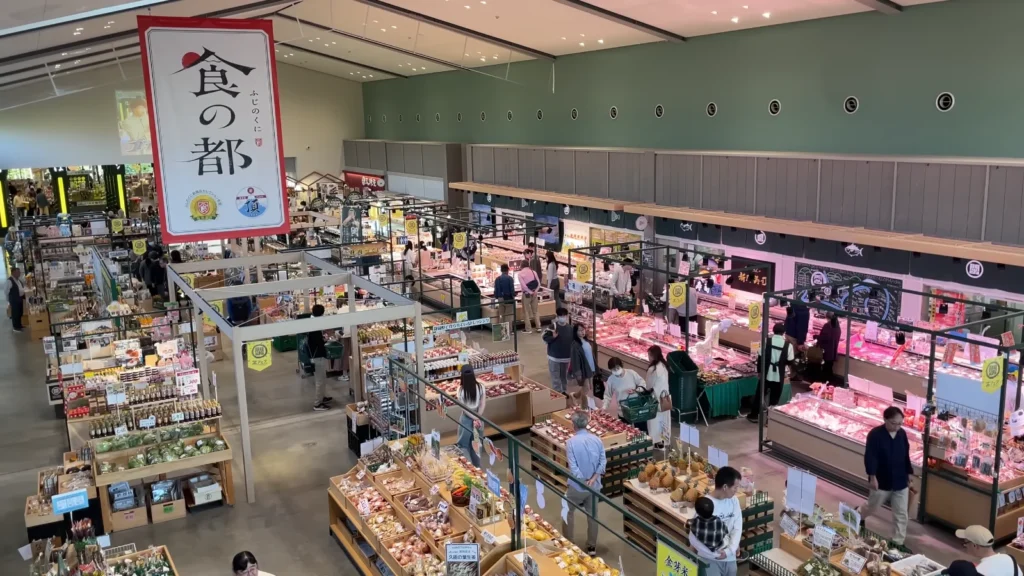
Before heading inland, I wanted to see how Shizuoka feeds itself.
Markets tell you more about a place than museums ever will. They show priorities, not aspirations.
Inside Shizuoka City’s local market area, the pace changed immediately. This wasn’t curated tourism retail. It was transactional, purposeful and alive in small ways handwritten signs, quick conversations, repeat customers greeted without ceremony.
What stood out most wasn’t variety; it was consistency.
What You Notice in a Shizuoka Market
- Heavy presence of tea-related products (Shizuoka produces about 40% of Japan’s green tea).
- Fresh wasabi items sourced from nearby mountain streams.
- Locally processed seafood rather than export-focused display.
I stopped more than once just to read labels. Shizuoka’s food economy is deeply regional not a brand, but a supply loop.
| Product | Why It Matters |
| Green tea | Shizuoka is Japan’s largest producer |
| Wasabi | Cultivated in clean, cold river systems |
| Citrus (mikan) | Coastal climate allows winter yields |
There’s no sales pitch here. You’re expected to already understand.
Moving Inland: Following the Ōi River Into Quiet Japan
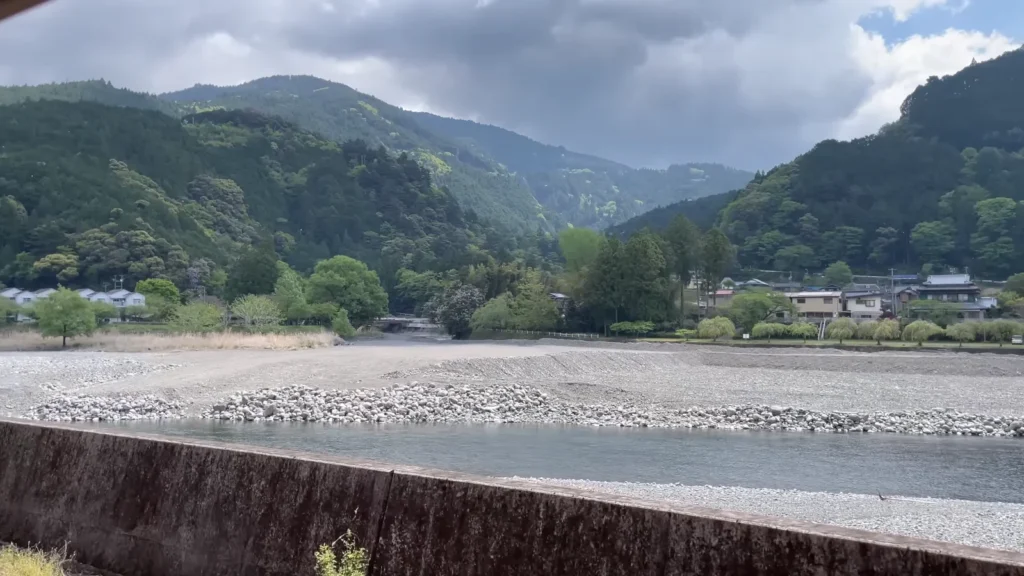
Leaving the city, I followed the Ōi River north.
Rivers in Japan are usually controlled, constrained, engineered. The Ōi still feels wide and unhurried, carving it’s way through steep forested valleys. Small towns cling to it’s edges without trying to tame it.
The farther I went, the more signage simplified. English disappeared first. Then advertisements. Then urgency.
Riding the Ōigawa Railway
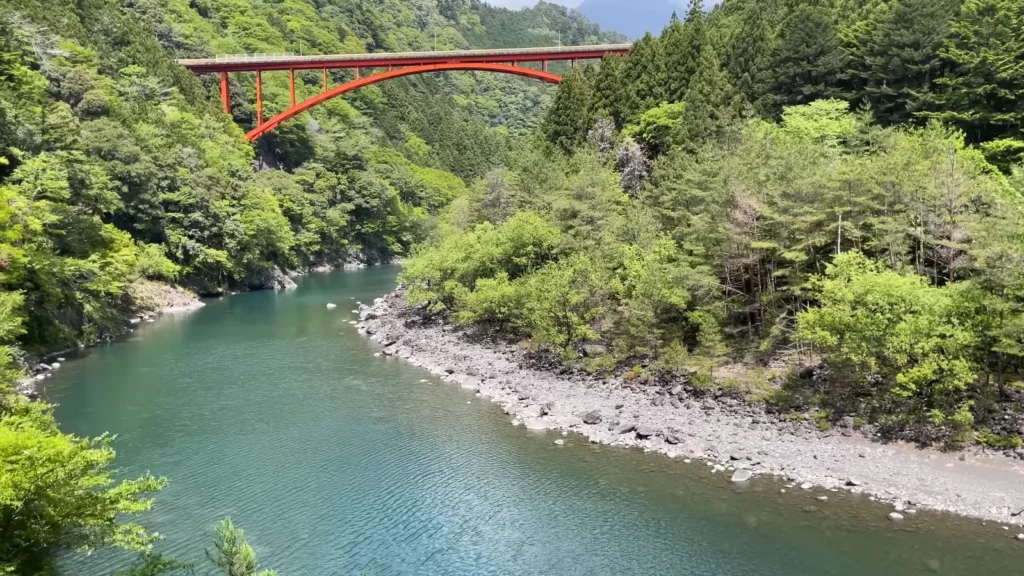
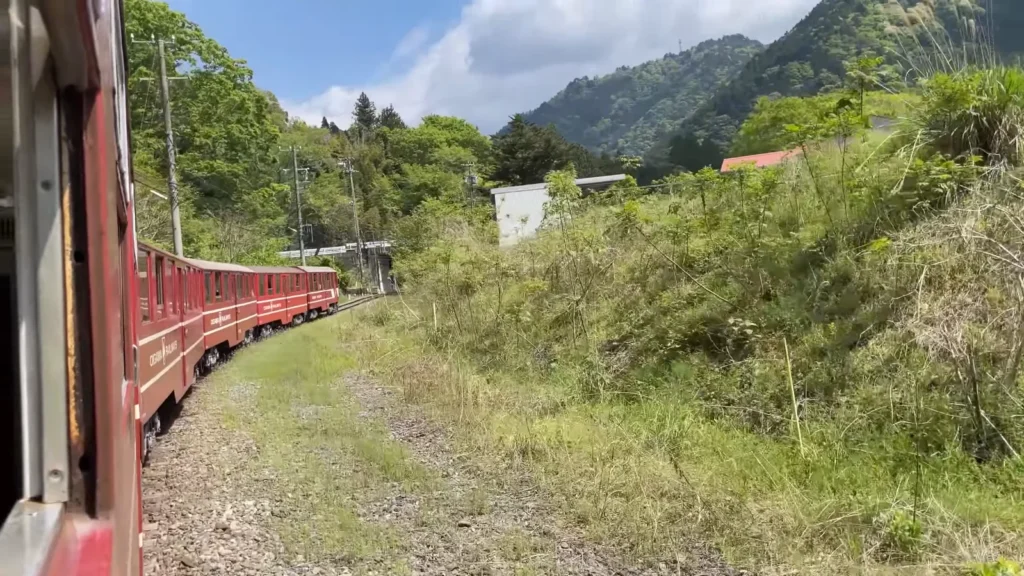
The Ōigawa Railway isn’t transit it’s interpretation.
Running along the river valley, it’s trains move deliberately slow, almost inviting distraction. Windows stay open. Engines make themselves heard. No one seems bothered by this.
I boarded without expectations and stayed longer than planned.
What makes it special isn’t nostalgia; it’s context.
- The railway exists because communities still rely on it.
- Tourism supports it, but doesn’t overwhelm it.
- Steam locomotives are maintained, not staged.
A Short Practical Breakdown: Ōigawa Railway Experience
| Aspect | Observation |
| Speed | Slow enough to watch rivers curve |
| Crowds | Present, but localized |
| Stations | Functional, lightly staffed |
| Atmosphere | Quietly reverent |
Standing Still Where Trains Pause
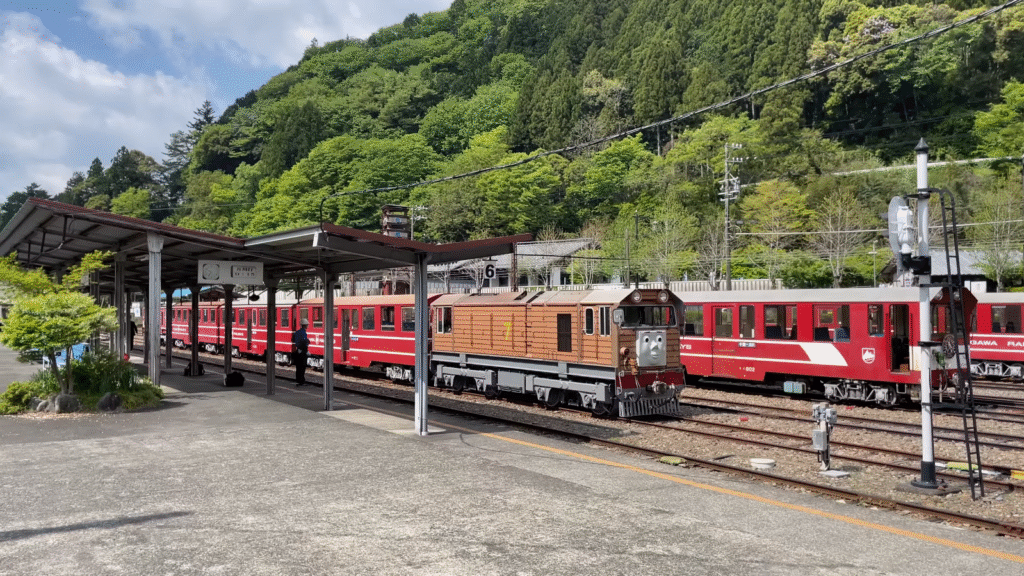
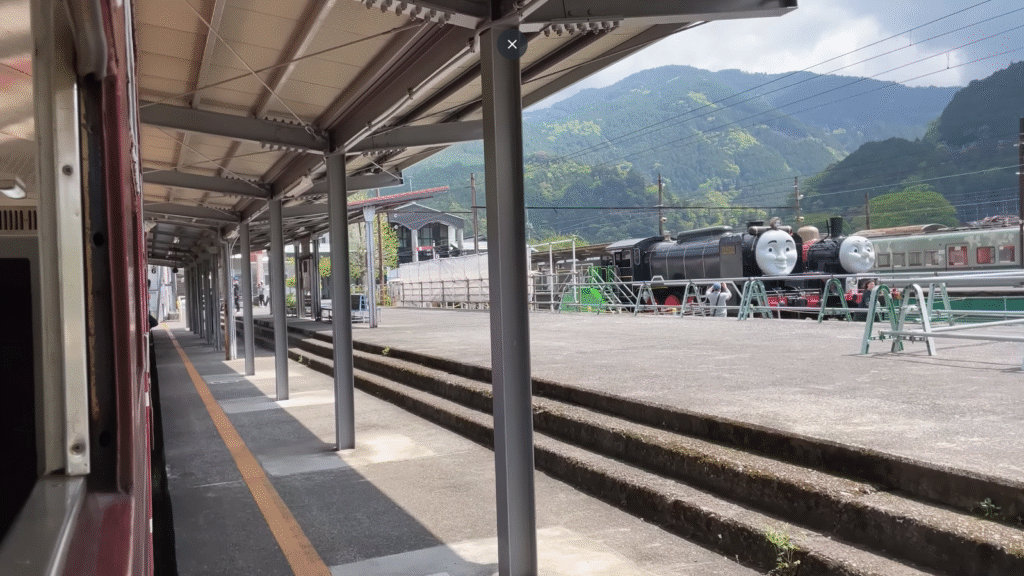
At the terminus, nobody looked impatient.
Trains stopped. People disembarked. Some waited. Some didn’t. The lack of performance was what stayed with me.
This was rural Japan not asking for attention.
Waiting Without Restlessness: Senzu, Bus Stops and Onsen Time
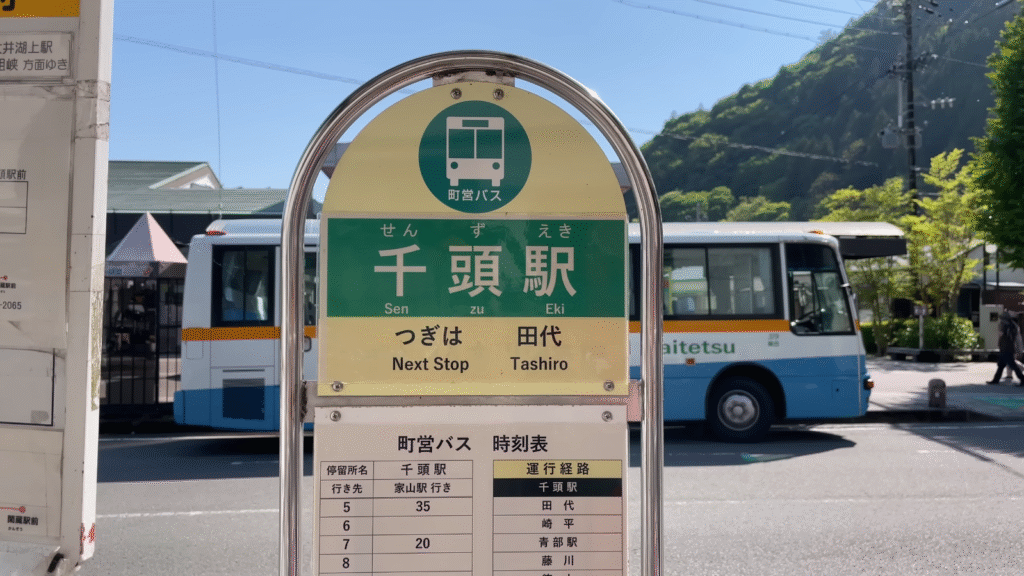
Senzu felt like a pause that never needed explaining.
The bus station is modest no dramatic architecture, no attempt at charm. Schedules are posted. Buses arrive when they arrive. People sit. Some talk. Most don’t. I realized quickly that Senzu is not a place people pass through quickly. They wait here and the waiting isn’t treated like a problem.
That alone told me something important about this region.
Why Senzu Matters in the Ōi Valley Network
- It connects rail travelers to mountain villages.
- It serves locals, not only visitors.
- It functions without urgency.
I watched drivers stretch before departures. No one blew a horn. No one rushed boarding. Rural transit here operates on assumption, not enforcement.
Soaking Where People Actually Come After Work
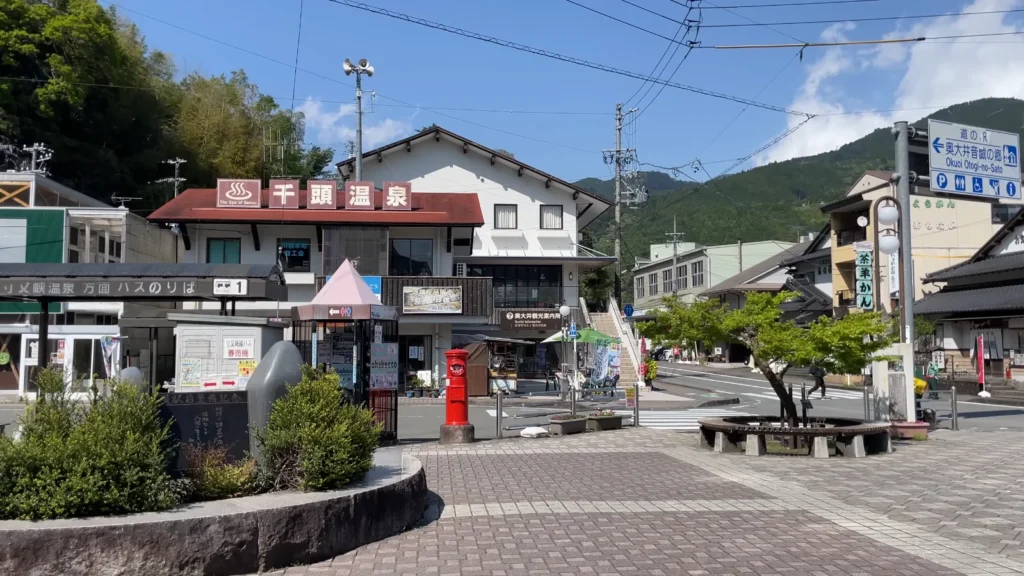
I walked from the station to Senzu Onsen without needing directions. Steam and signage do the work for you.
This isn’t a ryokan experience curated for travelers. Locals pass through quickly. Bathing happens efficiently. Conversations are minimal.
That matters.
Japanese onsen culture isn’t about luxury it’s about resetting the body. Here, that principle isn’t diluted.
What Senzu Onsen Is (and Is Not)
- ✅ Communal, practical, affordable.
- ✅ Used by residents regularly.
- ❌ Not themed toward tourists.
- ❌ No elaborate rituals required.
Leaving the onsen, I felt what I always feel in these places: less dramatic calm, more functional clarity.
Crossing Stillness: Sesshiko Lake and the Red Bridges
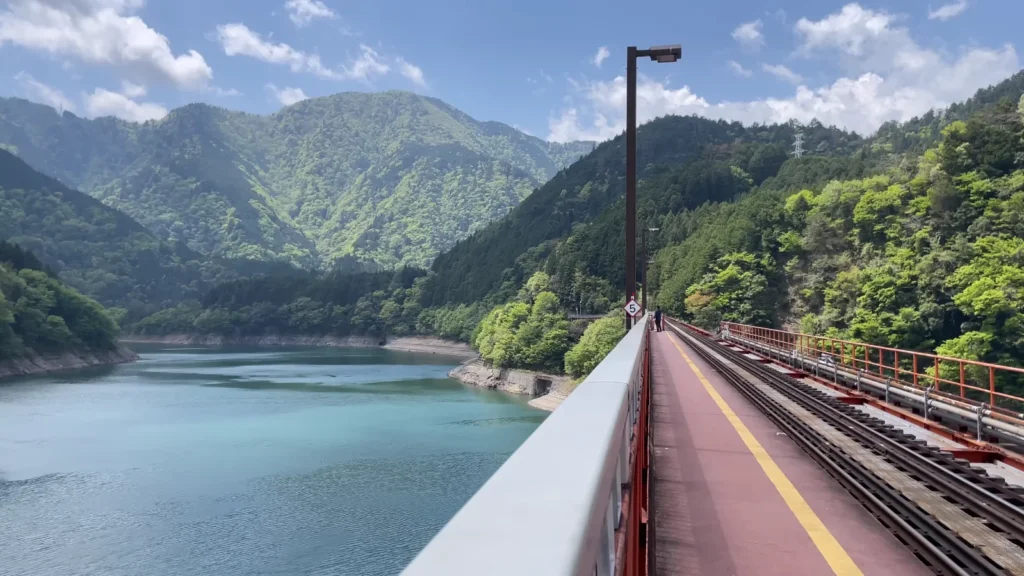
Driving beyond Senzu, the landscape opens and tightens repeatedly valleys widen into water, then pinch back into forest.
Sesshiko Lake appeared slowly. No signage anticipation. No dramatic viewpoints announced ahead of time.
Just water.
Why Sesshiko Feels Untouched (Even Though It Isn’t)
- It’s part of a managed hydroelectric area.
- Access is limited without a car or long transfers.
- Tourism never concentrated long enough to reshape it.
The lake doesn’t pull attention toward itself. It tolerates presence.
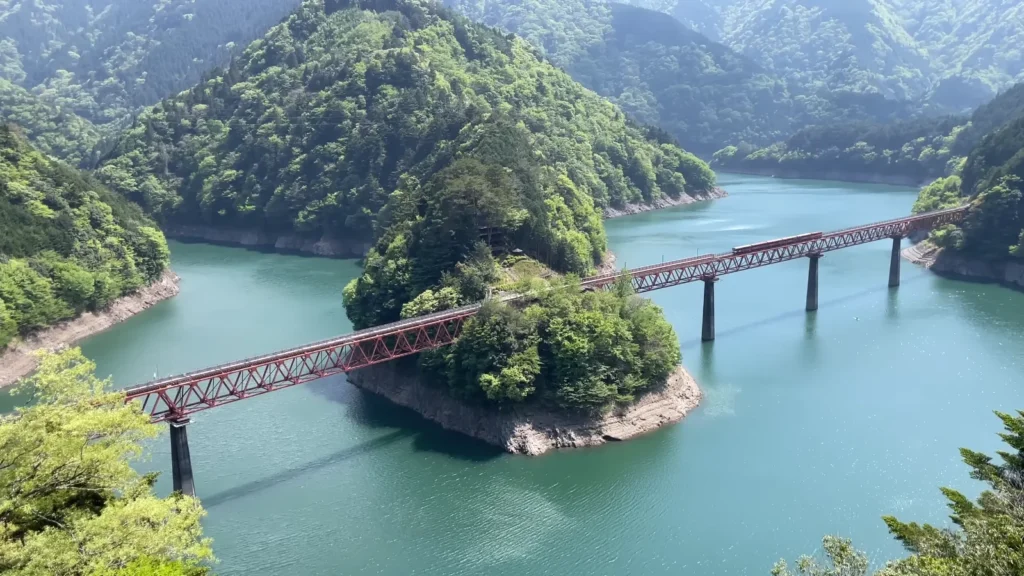
Water here absorbs sound instead of reflecting it. Standing still, I noticed how little changed minute to minute. That’s rare.
The Red Bridges: Function With Personality
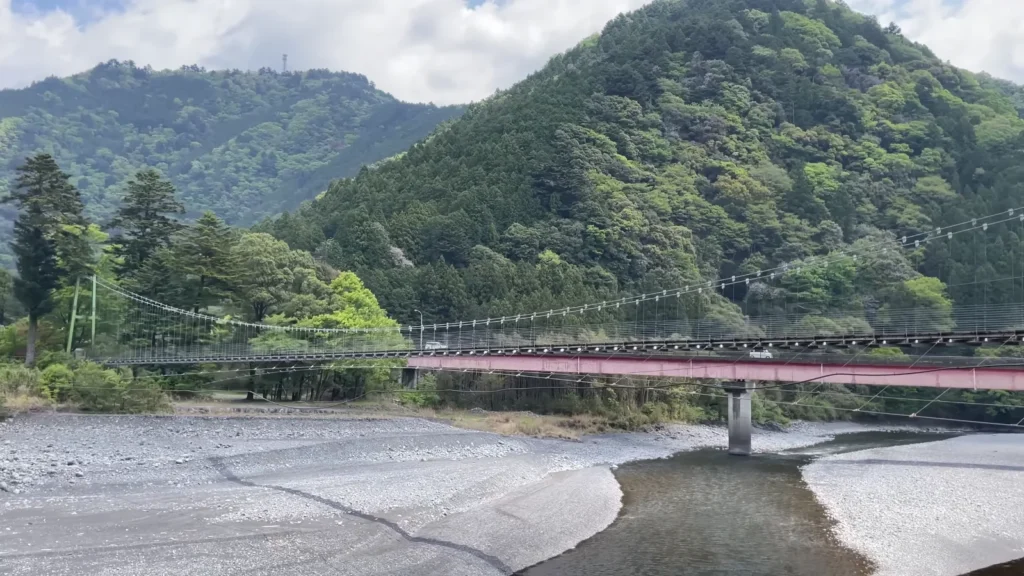
The red railway bridges over the lake are often photographed, but riding over them is quieter than expected.
They don’t shake. They don’t dramatize the crossing. They simply hold the rails and let trains pass.
That’s the pattern in Shizuoka’s interior:
- Infrastructure shows character without asking for attention.
- Beauty exists because nothing interrupts it.
A Visual Reality Check: Stillness vs. Time
| Element | Changes Often | Remains Constant |
| Weather | ✅ | ❌ |
| Train schedules | ❌ | ✅ |
| Light on water | ✅ | ❌ |
| Silence | ❌ | ✅ |
Preservation Without Spectacle: Steam, Memory and Restraint
Back near the rail yard, I encountered the steam locomotives again including the Thomas-themed engine positioned off the main line.
I had expected distraction. What I found instead was separation.
Why the Thomas Engine Works Here
- It doesn’t replace historical engines.
- It doesn’t dominate scheduling.
- It doesn’t define the railway.
Families engage with it quietly. Enthusiasts ignore it when they want. Preservation continues regardless.
That balance is rare.
Eating Before Moving Again
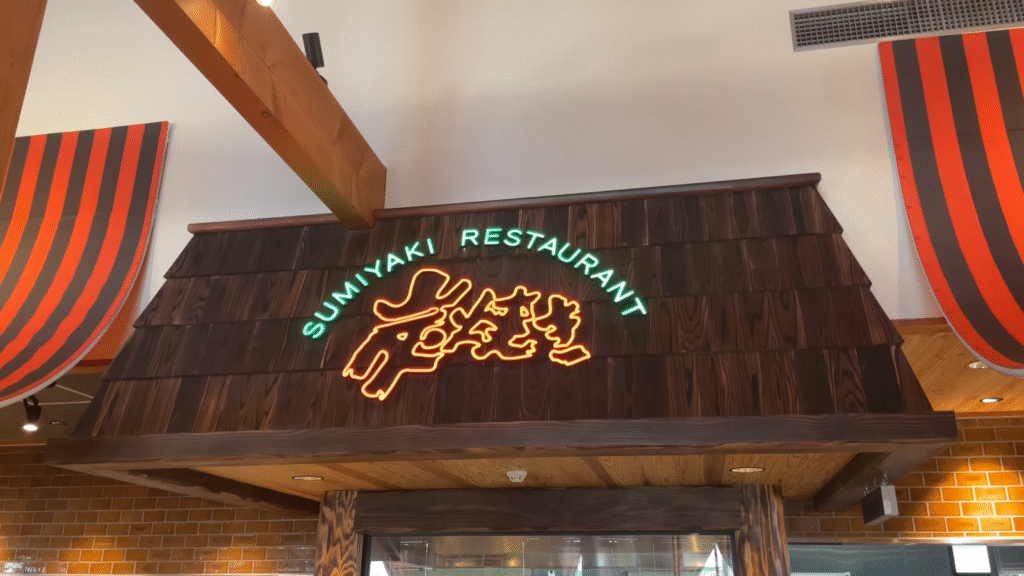
Before returning toward urban Shizuoka, I ate at a sumiyaki (charcoal-grilled) restaurant nearby.
Food arrived without explanation. Smoke was allowed. The structure of the meal didn’t invite interpretation.
This was food meant to support the day, not summarize it.
Returning to the City: Shizuoka at Walking Speed
Coming back into Shizuoka City felt different than arriving.
I wasn’t scanning. I wasn’t orienting myself. I was simply moving through it.
This is something Shizuoka does well: it allows you to re-enter without demanding attention. Streets felt scaled for everyday use not photogenic chaos, not over-curated calm. Just balance.
I walked instead of taking transit where I could. Side streets revealed quiet residential rhythms. Shops opened without ceremony. Delivery trucks paused politely for pedestrians.
Shizuoka doesn’t perform urban life. It practices it.
Kajimachi Plaza and Evenings That Don’t Try Too Hard
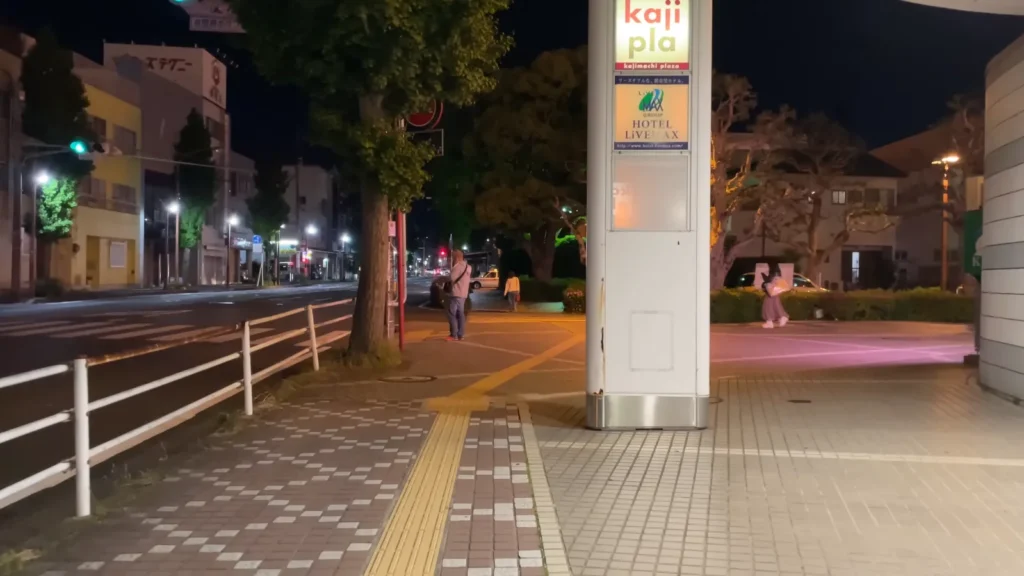
As evening arrived, Kajimachi Plaza became active without becoming loud.
This isn’t nightlife in the global sense. It’s not built to stretch the night. Instead, it fills a few hours with predictable comfort places to eat, places to sit, places to pass through on the way home.
What struck me most was the absence of pressure:
- No music bleeding across streets.
- No urgency to keep spending.
- No sense that the night needed to escalate.
People came, stayed briefly and left.
That restraint felt intentional.
Craft and Scale: Why Small Still Matters Here
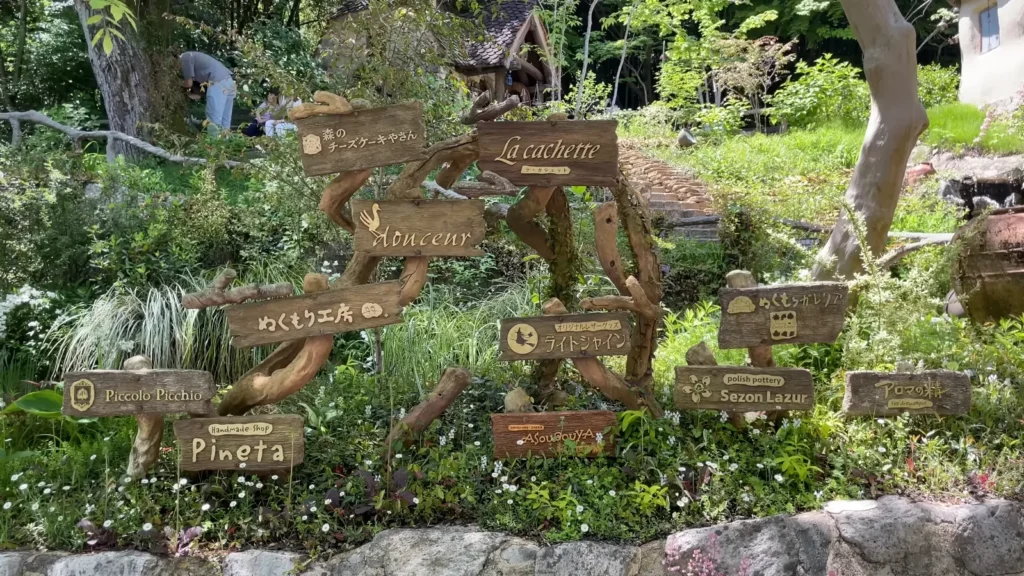
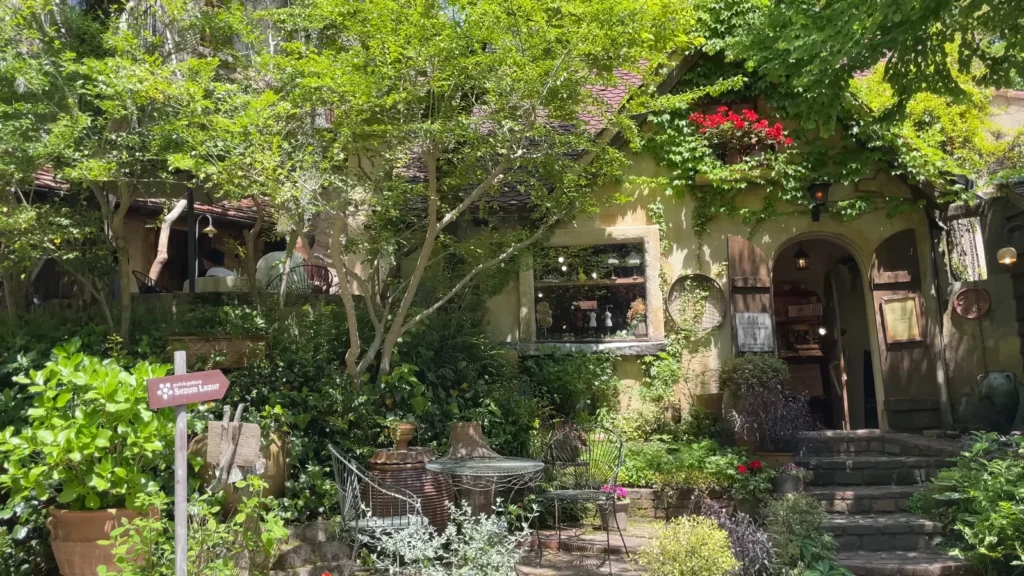
Before leaving the prefecture, I revisited the craft villages I’d seen earlier in the trip.
On a second pass, I noticed different things.
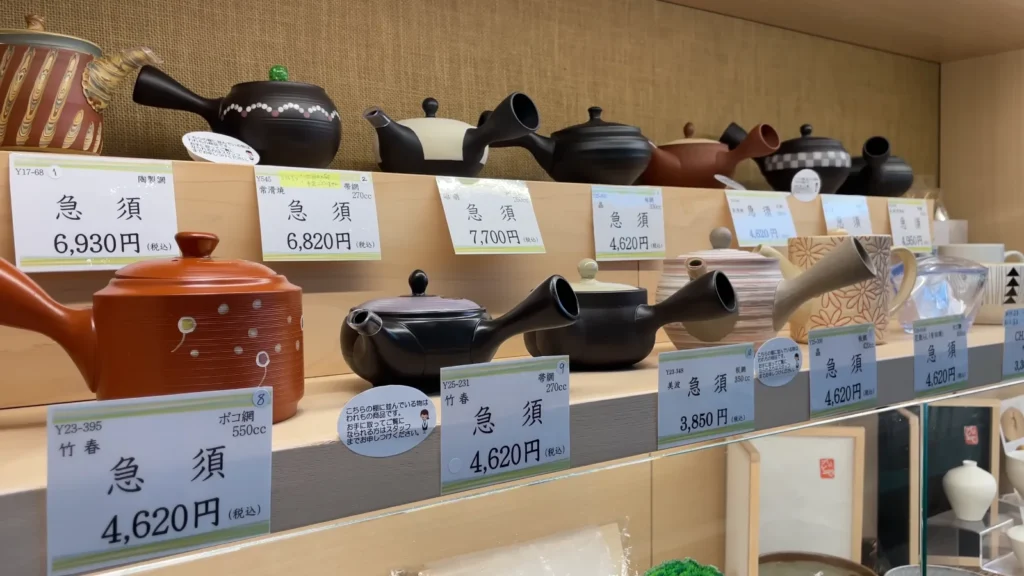
These spaces weren’t framed as attractions. They were places where work happens visibly. Hands, tools, repetition. Prices that didn’t apologize for effort, but didn’t inflate it either.
What Defines Shizuoka’s Craft Culture
- Function over display.
- Local demand before export.
- Visibility of process.
Nothing was hidden behind storytelling.
That matters more than branding ever could.
Memorabilia Without Infantilism
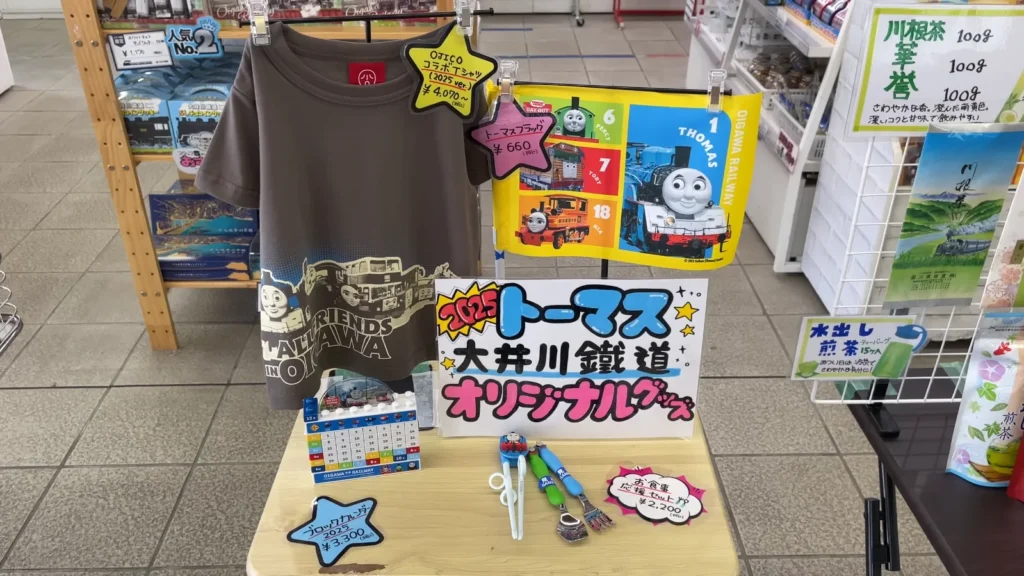
At one point, I stopped in a small retail space selling Ōigawa Railway merchandise.
It would have been easy to feel manufactured. Instead, it felt affectionate.
- Timetables printed into calendars.
- Simple clothing referencing real routes.
- Objects meant to be used, not archived.
The difference is subtle, but it changes everything.
Simple Rest: Where You Sleep Matters Less Than Why

I stayed at Hotel Leon, which offered exactly what I needed and nothing more.
Rooms were efficient. Staff interactions were brief but attentive. There was no attempt to narrate my stay.
That suited the trip.
In Shizuoka, accommodation feels like infrastructure, not identity. You sleep so you can move again. Comfort supports experience it doesn’t replace it.
One Last Meal Before Leaving
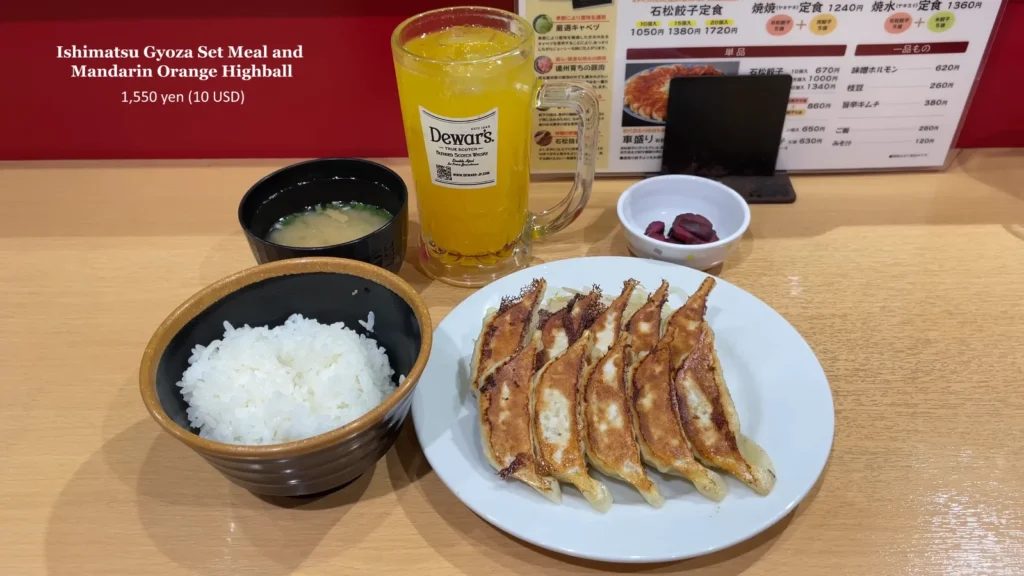
My final meal in Shizuoka was gyoza.
Not festival gyoza. Not reinvented gyoza. Just pan-fried, crisp-bottomed dumplings served with rice, sou and silence.
Eating here felt like punctuation.
Food in this prefecture doesn’t summarize the region it sustains it.
What Stayed With Me
Shizuoka doesn’t announce itself.
It doesn’t correct assumptions aggressively.
It doesn’t ask to be understood quickly.
That’s why it works.
Why Shizuoka Lingers
- It rewards slowness instead of novelty.
- It values continuity over spectacle.
- It allows systems rail, food, craft to remain visible.
I left without feeling finished.
And that’s the point.