
Insert image: Hanoi_Vietnam.webp
I am going to have this straight at the beginning, I imagined I was going to spend a week in Hanoi. Three and a half weeks later I am sitting in a cafe in the Old Quarter, totally infatuated with this city and all it has to offer that is within a short walking distance.
I had been years being pressured by my photographer friend Jake to visit Vietnam. Trust me, they will be getting in your head, trust me, Hanoi will do that the best way possible. He wasn’t kidding.
First Impressions: Hanoi’s Controlled Chaos
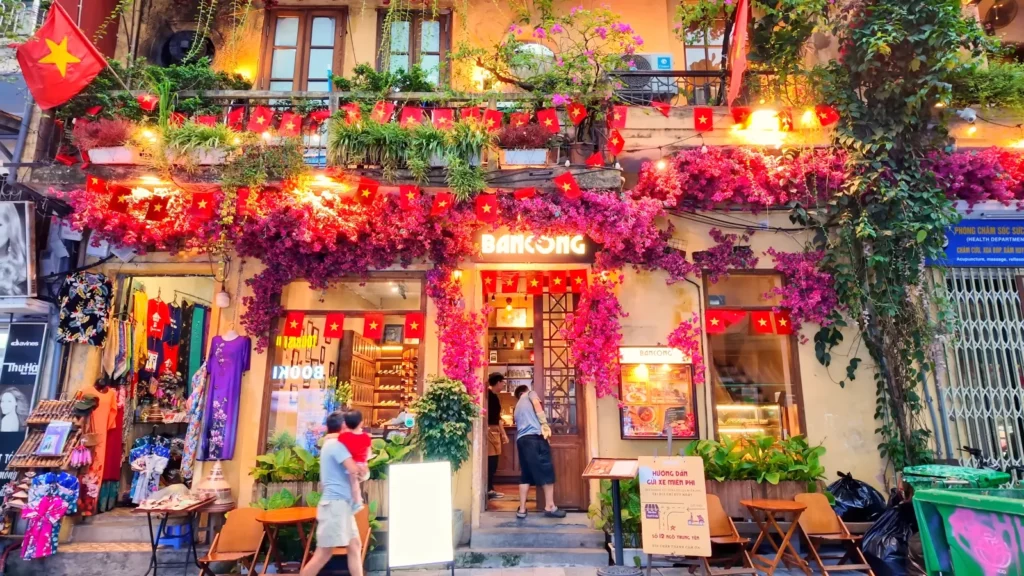
As you walk out of Noi Bai International Airport, it is almost as though you are in the shower of someone else. However, after an hour of wendering along those insanely small streets in the Old quarter, I was already planning how to make my excursion.
The thing about Hanoi? It operates on it’s own logic. Traffic lights are more like suggestions. Motorbikes carry entire families plus groceries. And somehow, it all works.
The Old Quarter Reality Check
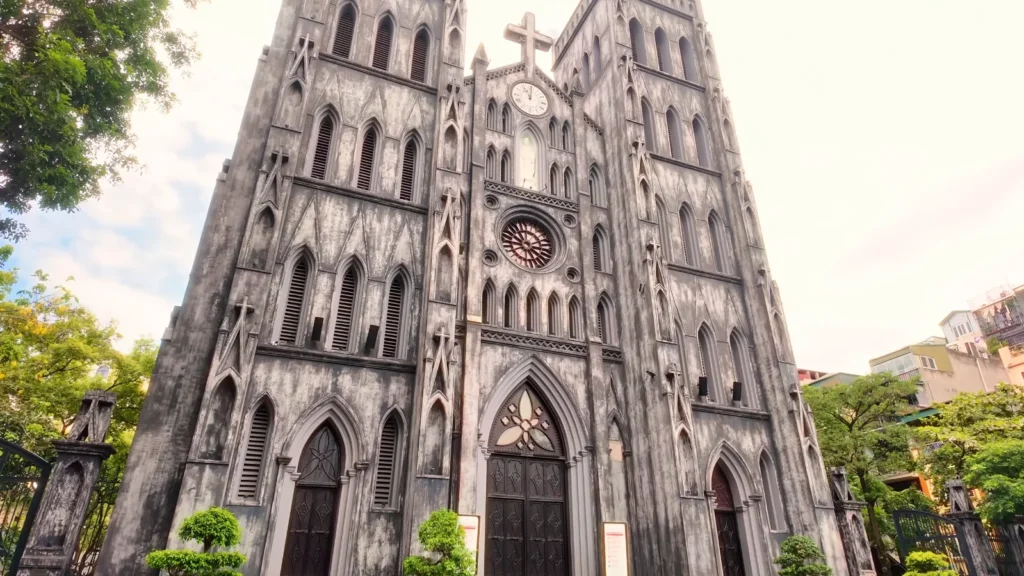
My initial stay was in the very centre of Old Quarters which I would suggest to anyone who seeks to have the experience of sensory overload. Its streets are as old as the 15 th century, with each lane devoted to a particular trade: silk, silver, herbs, you name it.
What I would have liked someone to have told me:
- Reserve ground floor rooms in the book where you have heavy luggage (those narrow staircases are cruel).
- Earplugs are also a must – the city is already at 5 AM.
- They can be completely arbitrary with street numbers – make use of landmarks.
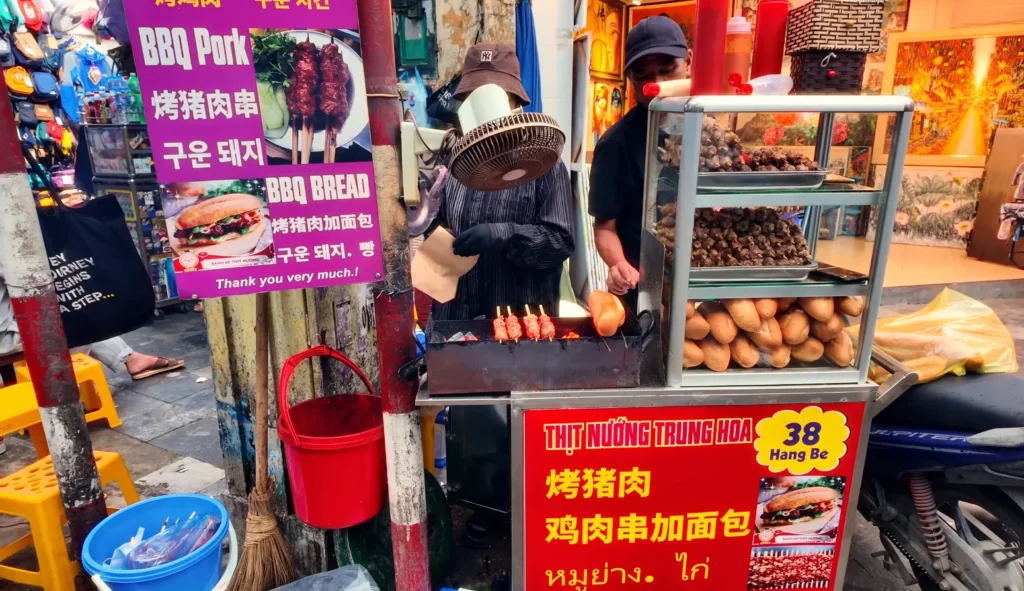
The street food industry was tackling me in a new way than any other place I had visited. In 48 hours, I was sitting on those small pieces of plastic like a resident, chopsticks in my left hand, the Tiger beer in my right.
Coffee Culture: More Than Just Caffeine
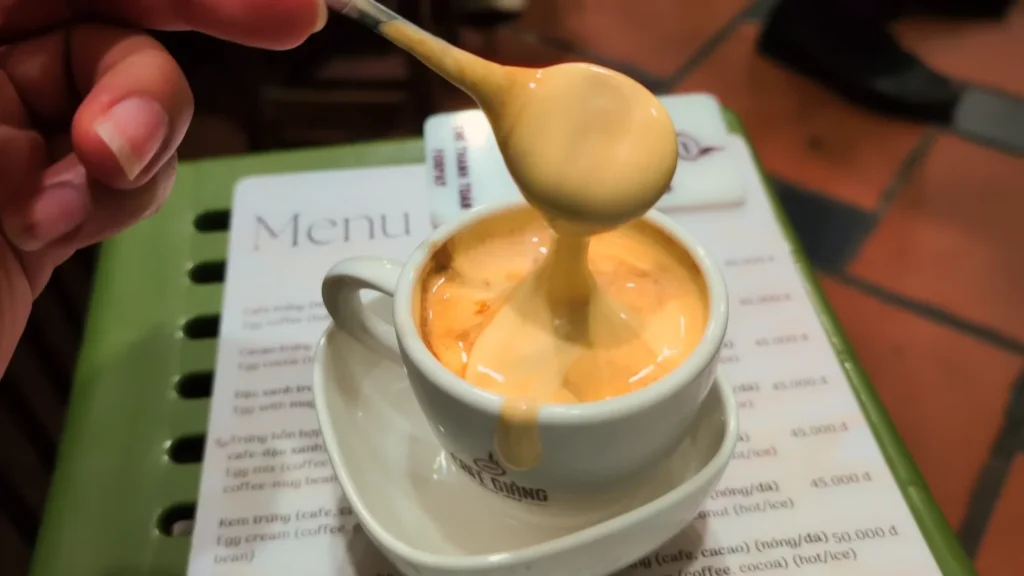
Here’s where Hanoi completely blindsided me. I’m used to grabbing coffee and running. Vietnamese coffee culture? It’s meditation disguised as a beverage.
The Egg Coffee Revolution
The golden creamy mixture that you instantly see in any Instagram post? It’s real and it’s spectacular. This stuff was invented by Café Giang in 1940s when milk was in short supply. Instead, the owner whipped sugar and condensed milk with egg yolks.
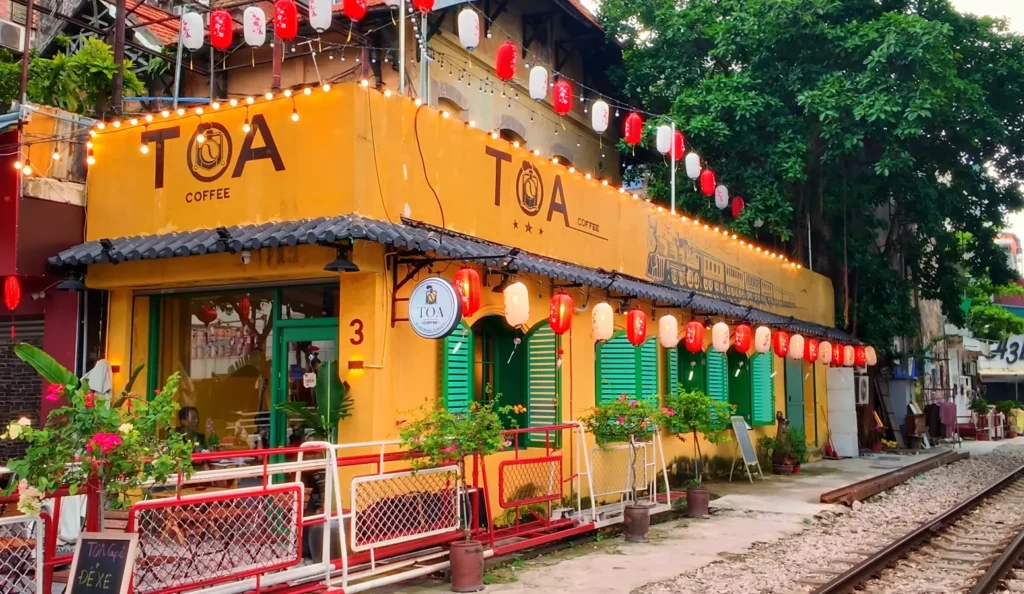
However, this is what the guide books do not inform you, egg coffee is not just about the drink. It is about sitting on such ridiculously tiny places and observing life on the streets. I devoted whole mornings in such joints as TOA Coffee, sitting and sucking on one cup of coffee and observing the ordered disorder outside.
Pro tip: Don’t Instagram and run. Vietnamese coffee culture rewards patience. Sit. Observe. Let the caffeine slowly work it’s magic.
Garden Cafes: Hanoi’s Secret Weapon
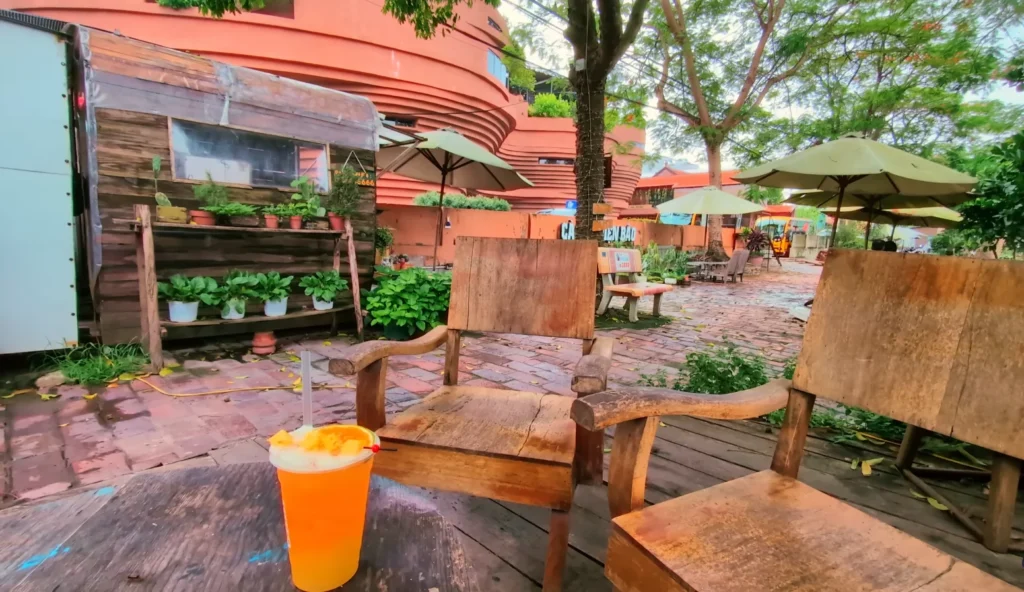
The garden café scene became my escape from the street intensity. Places like Manzi Art Space or the spot captured in my photo above offer these incredible green oases right in the middle of urban madness.
These aren’t just cafes – they’re social experiments. You’ll find:
- Local artists sketching in corners.
- Business meetings conducted in whispers.
- Couples on first dates sharing awkward silences.
- Solo travelers like me, furiously scribbling notes.
The Temple Trail: Ancient Hanoi’s Spiritual Core
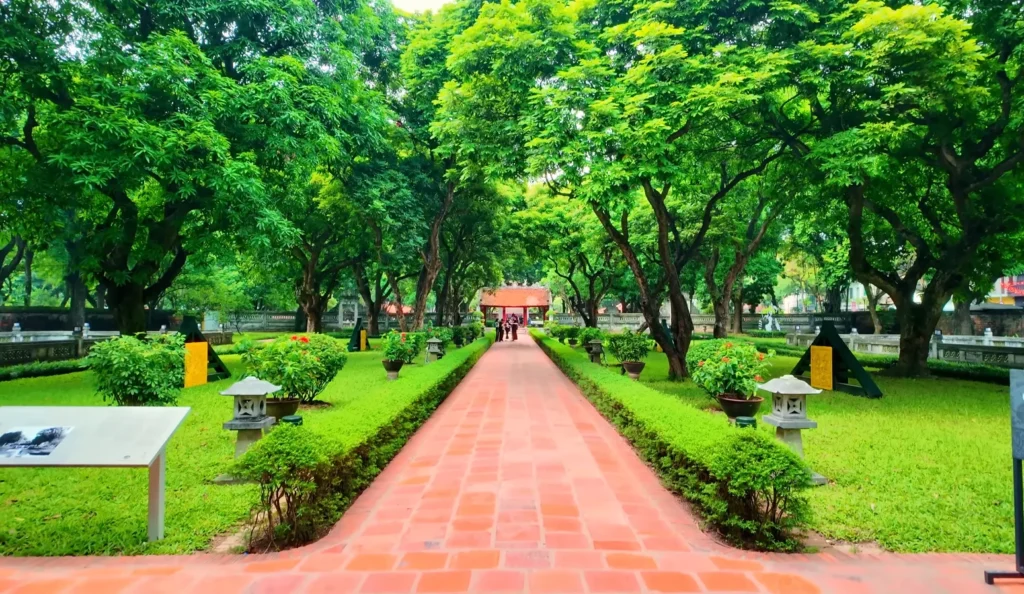
I was totally surprised at the spiritual dimension in Vietnam. I am not very religious, still, the process of walking through these temple complexes was as though traveling in time.
Vietnam Temple of Literature: the first university
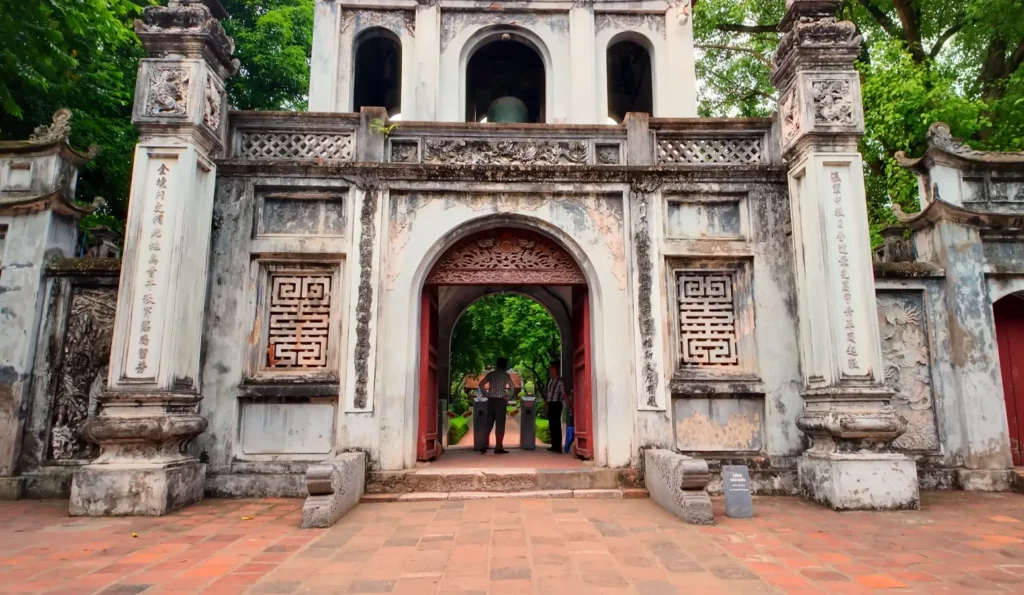
The Temple of Literature is not merely a temple – it is the first university of Vietnam, which was founded in 1070. As I passed through those dilapidated stone gates, I realized the reason why UNESCO continues to discuss the conservation of the sites.
What makes it special:
- Stone stelae bearing a praise on doctoral graduates of centuries ago.
- Gardens made on ancient principles.
- Architecture that has changed hardly at all over the course of almost 1,000 years.
On the day I visited in the morning, students of the place were practicing calligraphy in the courtyards. Their brush strokes reverberated centuries of men who had done the same in the very same places.
Tran Quoc Pagoda: Where Ancient Meets Modern

This is a 1,500-year-old pagoda that sits on the West Lake to form the most unreal juxtaposition. You are looking at the oldest Buddhist temple in Vietnam with the skyline of modern Hanoi growing behind the temple as some kind of a time lapse photograph.
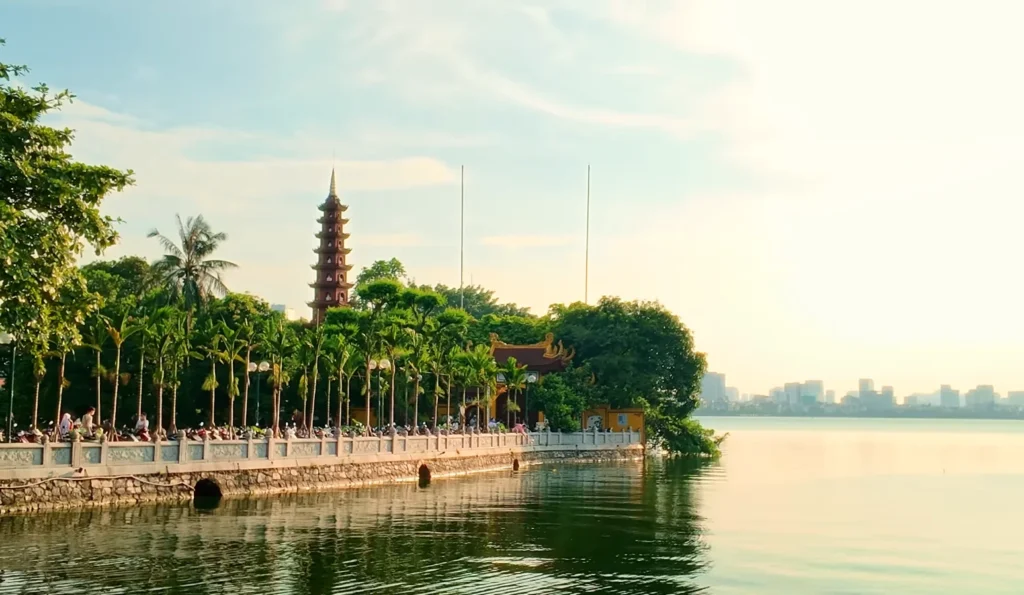
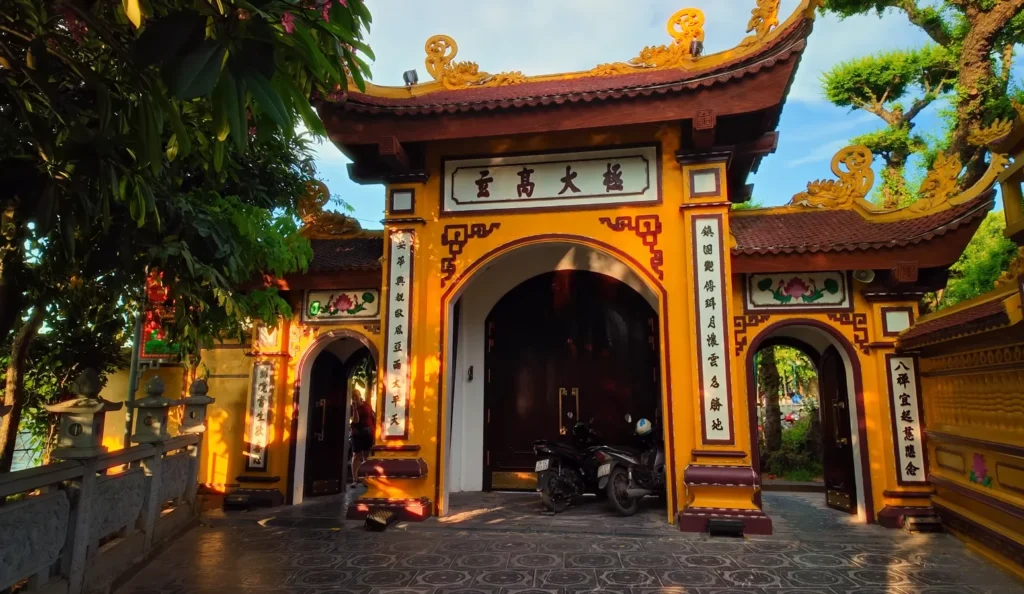
Visits in the early mornings are magical – the monks sing, the incense flows all over the lake, old people in the country practice tai chi on the beach. The 11-story lotus tower attracts the sunrise in manners that make you know why people have been praying here since 15 centuries ago.
Hoan Kiem Lake: Hanoi’s Living Room
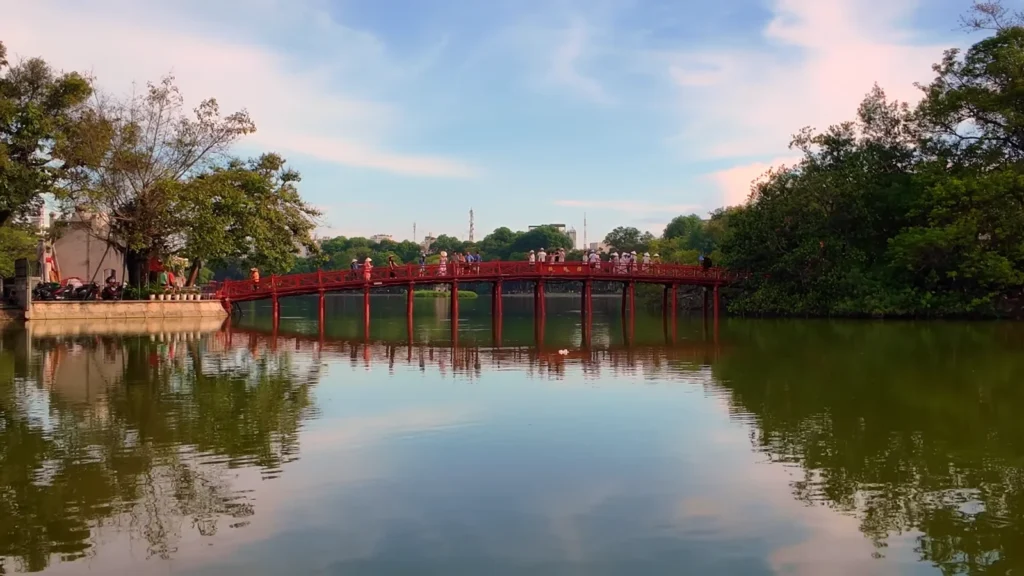
In any city, there must be a place where people and tourists naturally bump into each other. To Hanoi, that is Hoan Kiem Lake. I would fall into this at other times of the day and see quite opposite scenes being played.
Morning Rituals Around the Lake
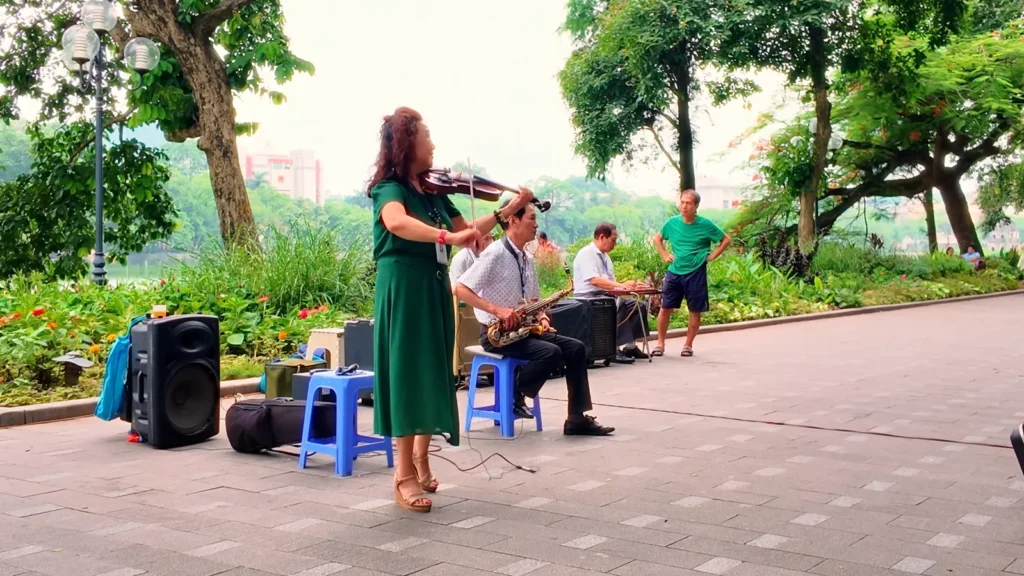
5:30 AM became my favorite time at the lake. The whole area transforms into this massive outdoor gym – elderly folks doing tai chi, younger crowds jogging, street vendors setting up their breakfast operations. The famous red bridge leading to Ngoc So n Temple reflects perfectly in the still water before the day’s chaos begins.
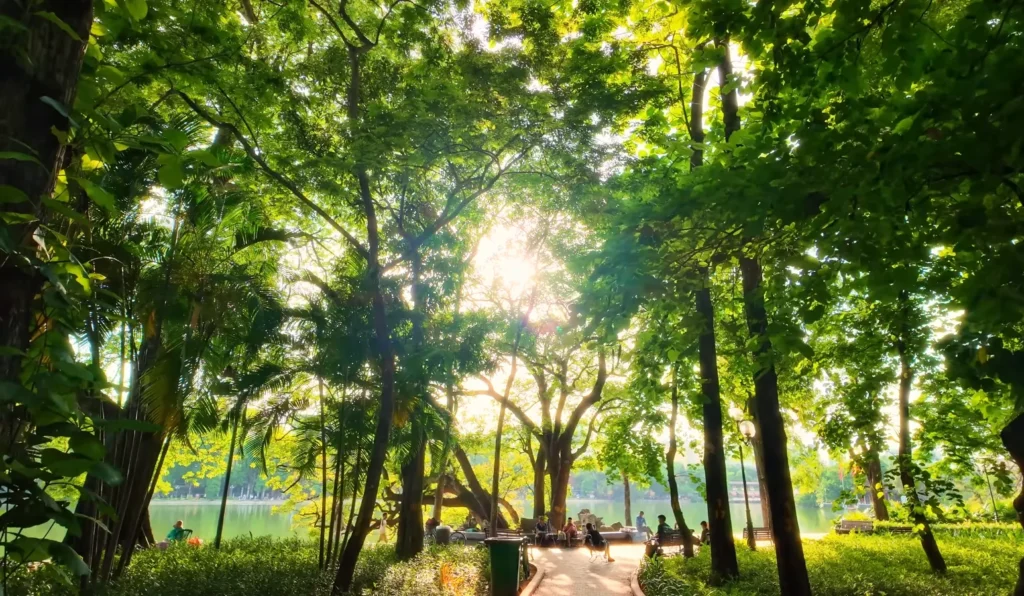
The park surrounding the lake tells Vietnam’s story in miniature. Ancient banyan trees provide shade for chess matches that can last hours. Street musicians set up near the walking paths – I watched this one violinist perform the same melancholy piece every evening around sunset.
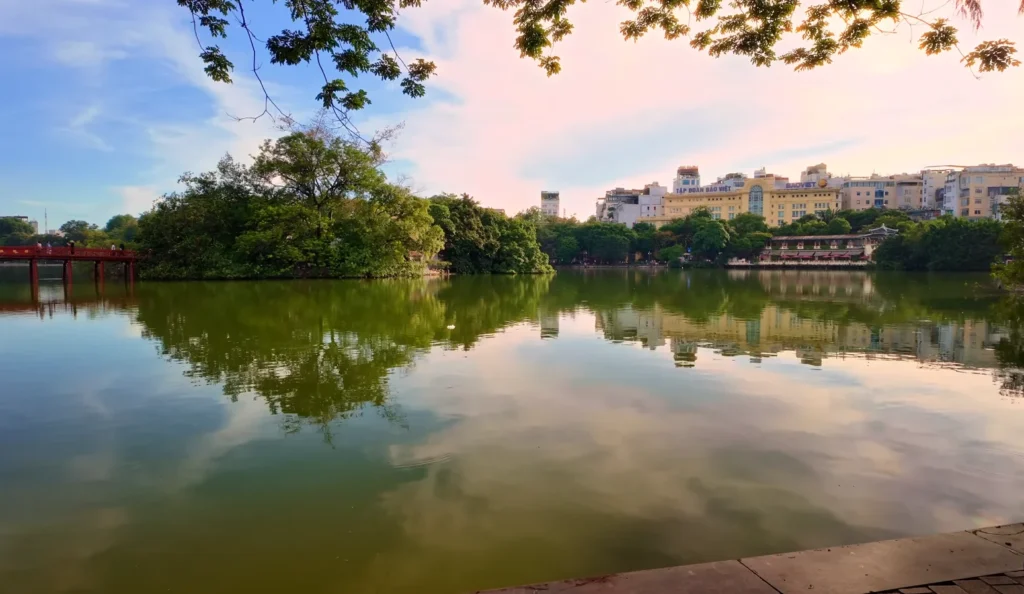
Lake highlights throughout the day:
- Dawn (5:30-7 AM): Exercise crowds, peaceful temple visits.
- Mid-morning (9-11 AM): School groups, fewer tourists.
- Evening (5-7 PM): Street performers, couples, sunset photography.
- Night (7-9 PM): Families strolling, street food vendors in full swing.
The legend says a giant turtle lives in these waters, returning a magical sword to the gods. Whether you believe it or not, something about this place feels charged with history.
Train Street: Tourism Gone Wild
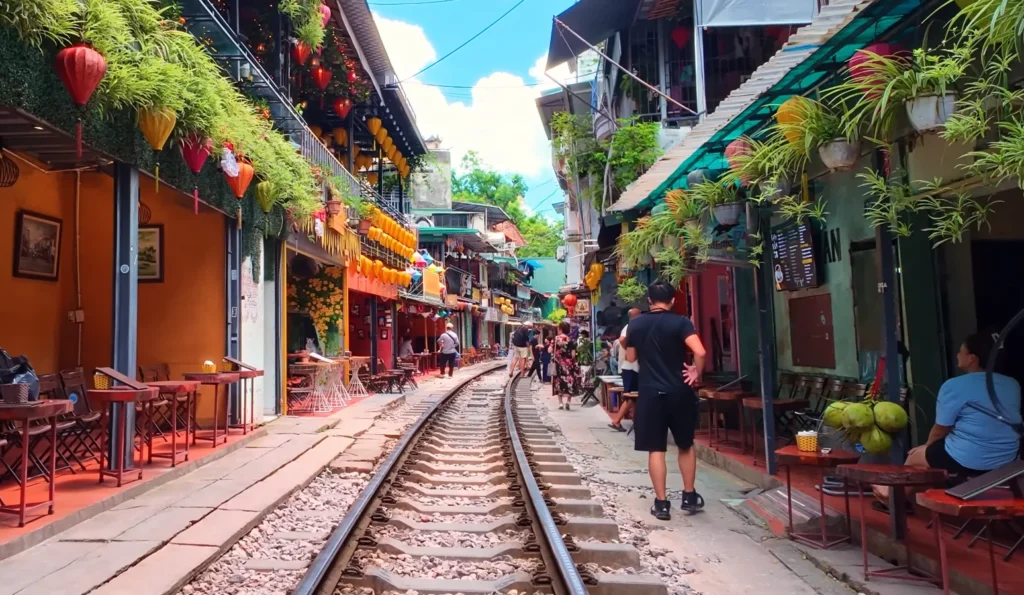
Let me be completely honest about Train Street – it’s simultaneously one of the most photographed spots in Hanoi and one of the most problematic tourism phenomena I’ve witnessed.
The Reality Behind the Instagram Posts
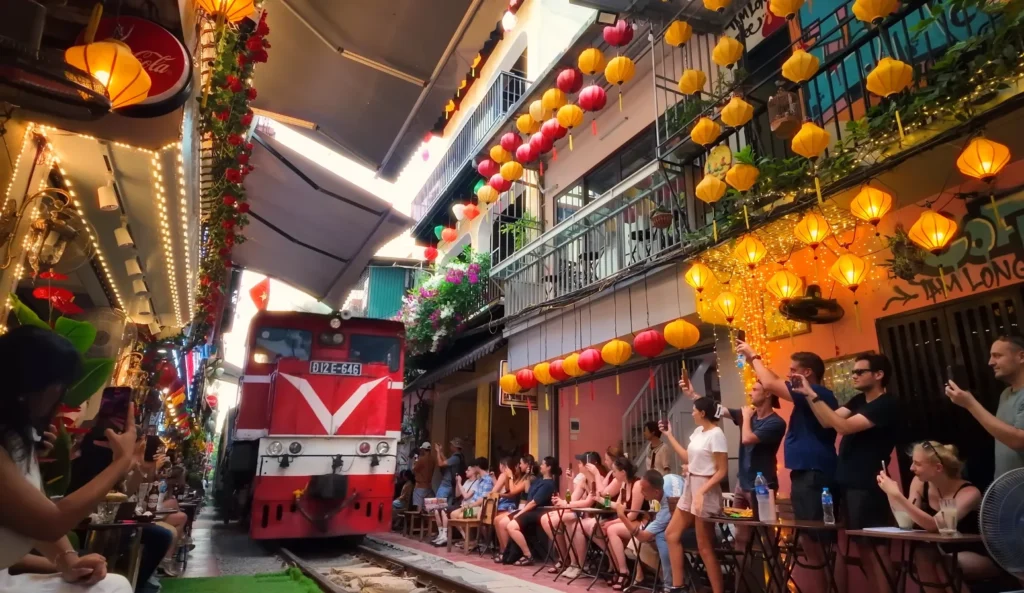
When that train arrives smashing through at 3:20 PM and 7:45 PM, the entire street is sent into this staged anarchy. All the phones are out and cafe owners are screaming threats and this huge locomotive is literally knocking down the tables that people have coffee on.
Safety is one of the reasons why the Vietnamese government has attempted to close the cafes on numerous occasions. I get it. It is objectively insane to stand inches away to a moving train with a latte in hands.
But here’s the thing – the local entrepreneurs have turned this into legitimate businesses. These aren’t just tourist traps. Families run these cafes and the train schedule has become their livelihood rhythm.
What to expect:
- Crowds arrive 30 minutes before train times.
- Cafe owners will physically move you to safety zones.
- The actual train passage lasts about 10 seconds.
- Prices are inflated, but you’re paying for the experience.
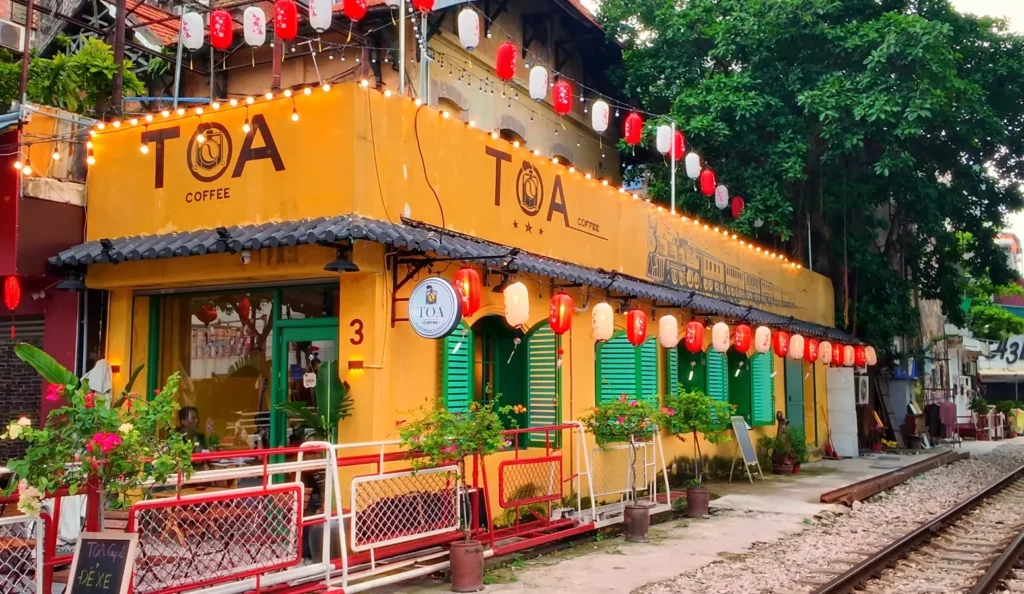
I was spending a morning in TOA Coffee (the yellow building in the shot) observing the dance being repeated. Mrs. Linh is the owner who has served coffee here during eight years. She is familiar with all regulars, how tourists drink of their drinks and knows how to clear a table in less than 30 seconds.
Beyond Hanoi: Day Trip Adventures
Ha Long Bay: Worth the Hype?
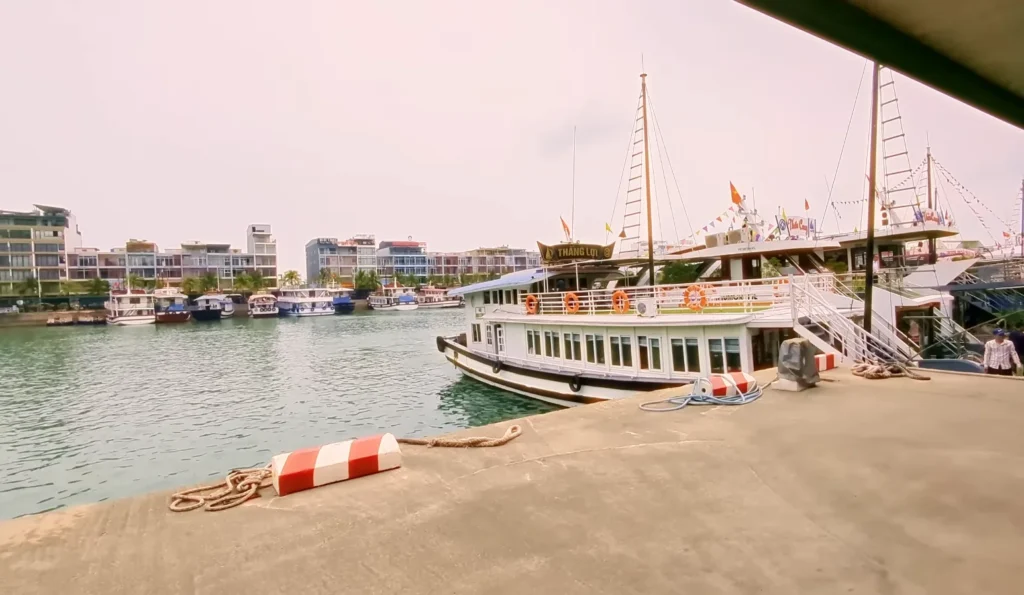
All made me hear that Ha Long bay was a tourist place and overrated. Everyone was wrong.
Yes, it’s crowded. Yes, you will have dozens of other people on tour boats. However, when you are sailing between those limestone towers, which come out of emerald water like old skyscrapers, then none of that is important.

Opinion leaders The site is a UNESCO World Heritage site which houses more than 1,600 limestone pillars and islets. It is approximately 3.5 hours on the boat ride between Hanoi, however, I would suggest the over night cruise. It is like watching sunset turn those karst formations into gold and orange? That’s a core memory alright.

Ha Long Bay logistics:
- Distance from Hanoi: 170km (3.5 hour drive).
- Best time to visit: April-June, September-November.
- Tour options: Day trips ($35-50), overnight cruises ($80-200).
- What to bring: Seasickness medication, waterproof phone case.
The kayaking through hidden lagoons was my personal highlight. These secret pools surrounded by towering cliffs, accessible only through narrow cave openings. It’s like discovering lost worlds.
Tam Coc: The Inland Ha Long Bay
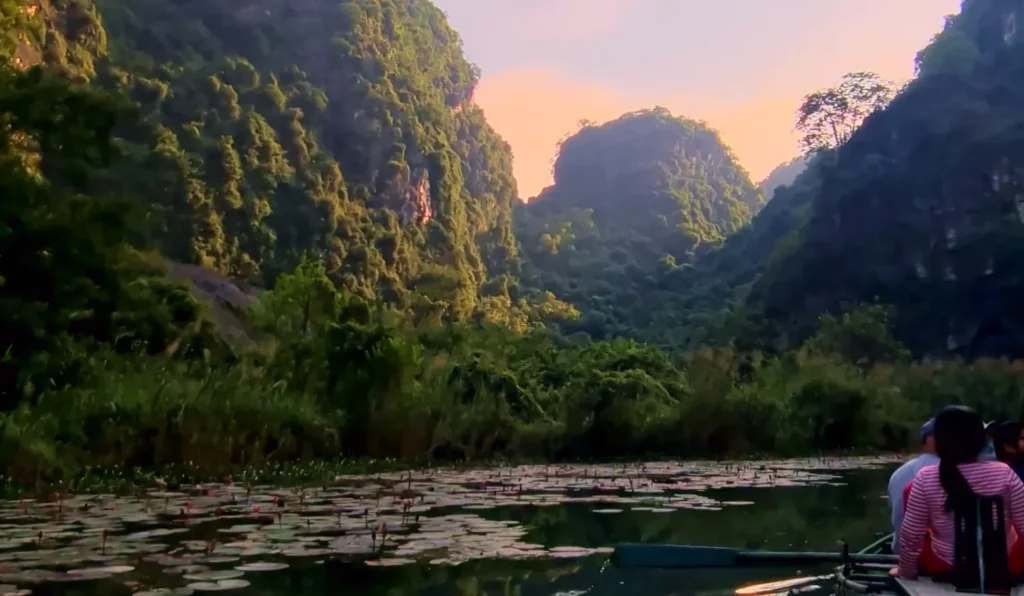
If Ha Long Bay is Vietnam’s blockbuster movie, Tam Coc is the indie film that wins all the awards.
Two hours south of Hanoi, this area gets called “Ha Long Bay on land” for obvious reasons. But the experience feels completely different – more intimate, less commercialized, absolutely magical.

On the boat ride along the river Ngo Dong, you traverse limestone caves and rice paddies which fluctuate in colour with the seasons. One of the women was the one who rowed my boat using her feet as she pointed out various rock formations. She had made 20 years of these excursions, and had become thoroughly familiar with every cave, every winding in the river.
Tam Coc highlights:
- Boat journey: 2-3 hours through caves and countryside.
- Best season: May-June (green rice), September-October (golden rice).
- Cycling options: Rent bikes to explore surrounding villages.
- Temple visit: Bich Dong Pagoda built into cliff faces.
The silence between the limestone walls, broken only by water dripping and oars cutting through the current – that’s what I remember most.
Food Adventures: Beyond Tourist Traps
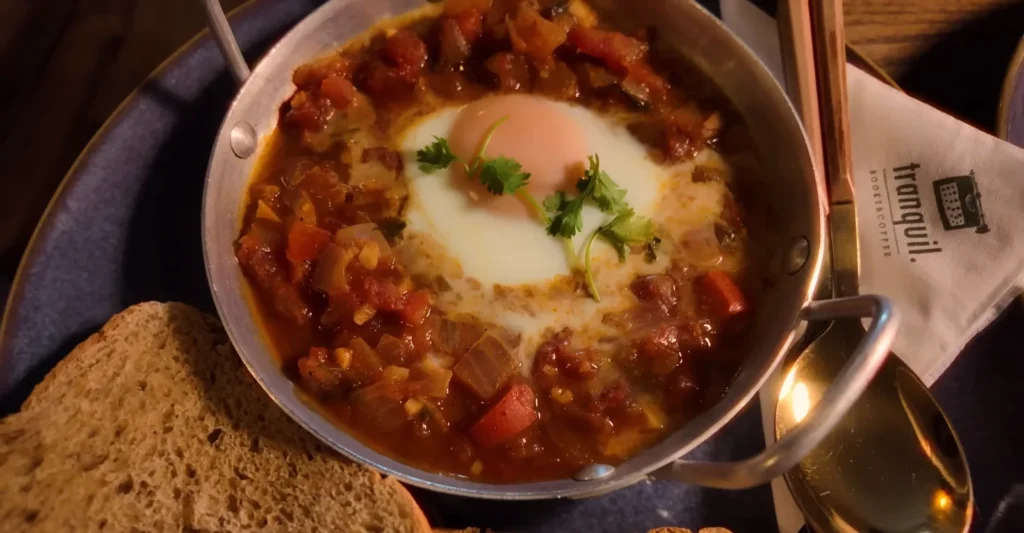
Vietnamese food in Hanoi operates on multiple levels. There’s what tourists eat, what locals eat and what locals eat when they really want to treat themselves.
Street Food Reality Check
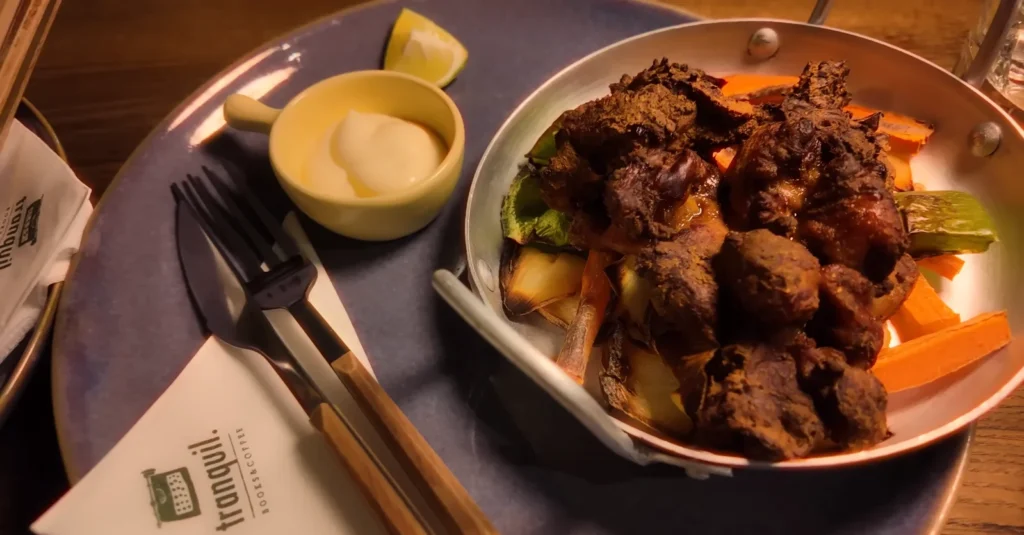
That perfect bowl of pho? You are not likely to find it in the ones that have English menus. The finest bowls are at stalls where the proprietor speaks no English at all, but has been using the same formula over the decades.
My favorite place was discovered just as I happened to follow some groups of construction workers during the lunch time. No demonstrations, no comments in TripAdvisor, only amazing bun cha on plastic chairs under a sheet metal-roof.
Street food survival guide:
- Go with the masses of natives, particularly at lunch times.
- Rest where you watch families eating children.
- Indicate the food of other individuals in case you cannot speak.
- Bring hand sanitizer, but don’t be paranoid.
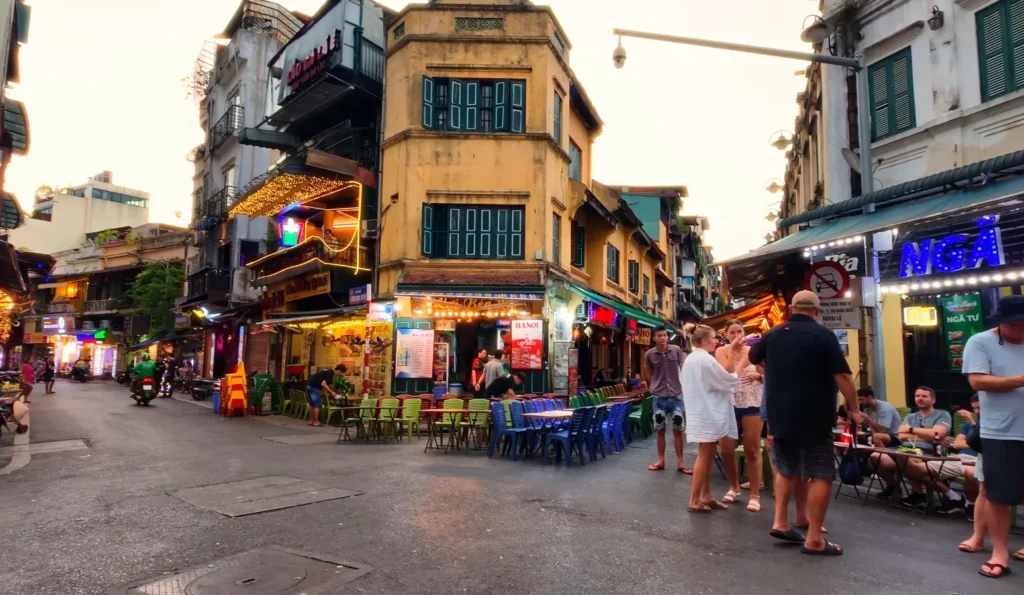
The beer corner scene became my evening ritual. These intersections where plastic chairs spill onto sidewalks and everyone’s drinking fresh beer for about 50 cents a glass. It’s social dining at it’s most democratic – students, office workers, tourists, elderly locals all sharing the same tiny tables.
Practical Wisdom: What I Wish I’d Known
Getting Around Like a Local
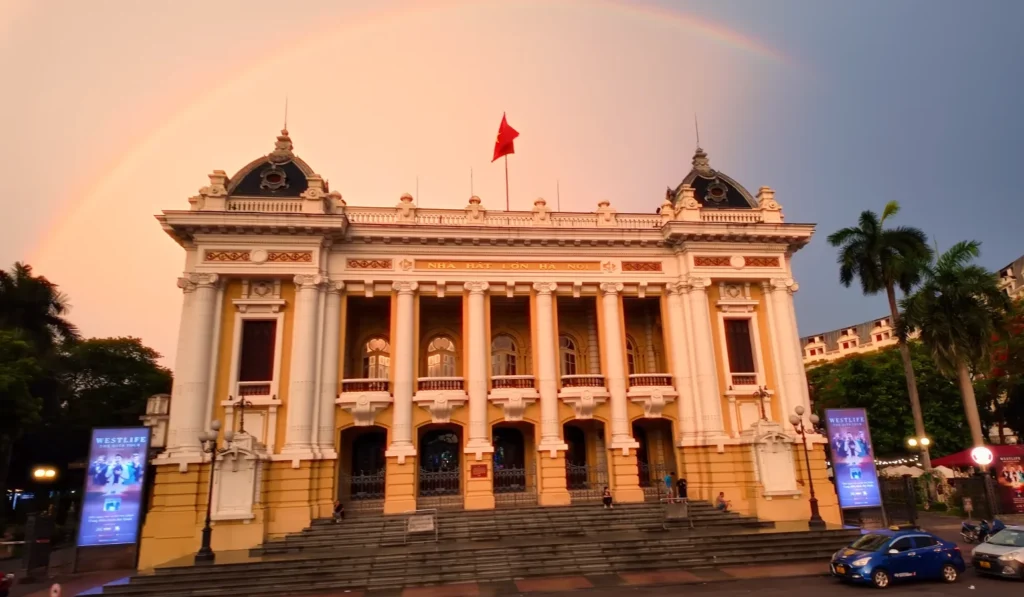
Forget what you’ve read about Vietnamese traffic being chaotic. It’s actually incredibly organized – just not in ways Western brains expect.
Transportation truth:
- Grab (rideshare): Works perfectly, cheaper than you think.
- Motorbike taxi: Exhilarating but negotiate prices first.
- City bus: Clean, efficient, costs about 30 cents per ride.
- Walking: Doable but requires crossing-street courage.
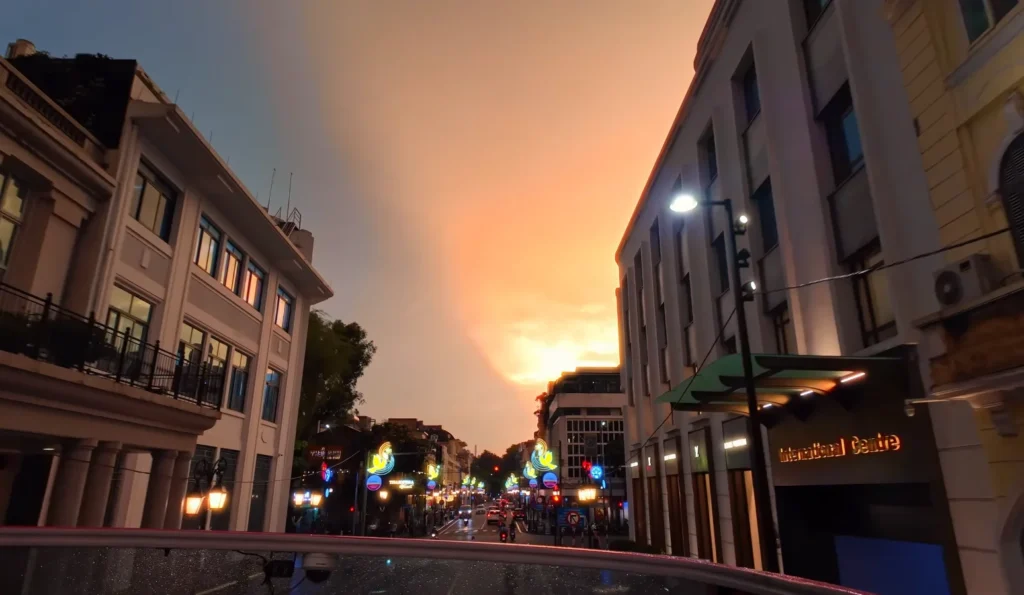
The hop-on-hop-off bus system actually works well for first-time visitors covering major attractions. Not particularly local, but efficient for hitting temples, museums and major markets in a single day.
Money and Bargaining
Vietnamese dong comes in confusing denominations. I carried a calculator for the first week until I learned the mental math shortcuts.
Essential money tips:
- Always carry small bills for street food.
- ATMs are everywhere, fees reasonable.
- Bargaining expected at markets, not restaurants.
- Tipping isn’t required but appreciated (5-10%).
Cultural Navigation
Hanoi locals are incredibly friendly once you show basic respect for local customs. Temples require covered shoulders. Remove shoes when entering homes. Don’t point with a single finger.
The language barrier dissolved faster than expected. Most young people speak some English and Google Translate works surprisingly well for Vietnamese.
Museums and Culture: Beyond the Obvious
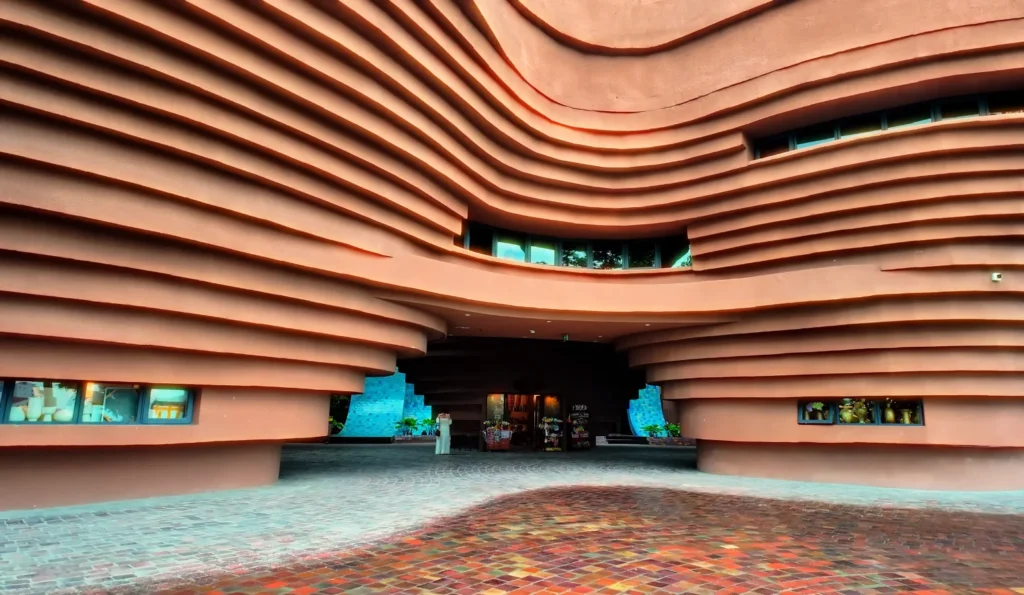
Bat Trang Pottery Museum is located approximately 15km out of the central Hanoi and it is a museum worth the detour to those interested in the traditional crafts.
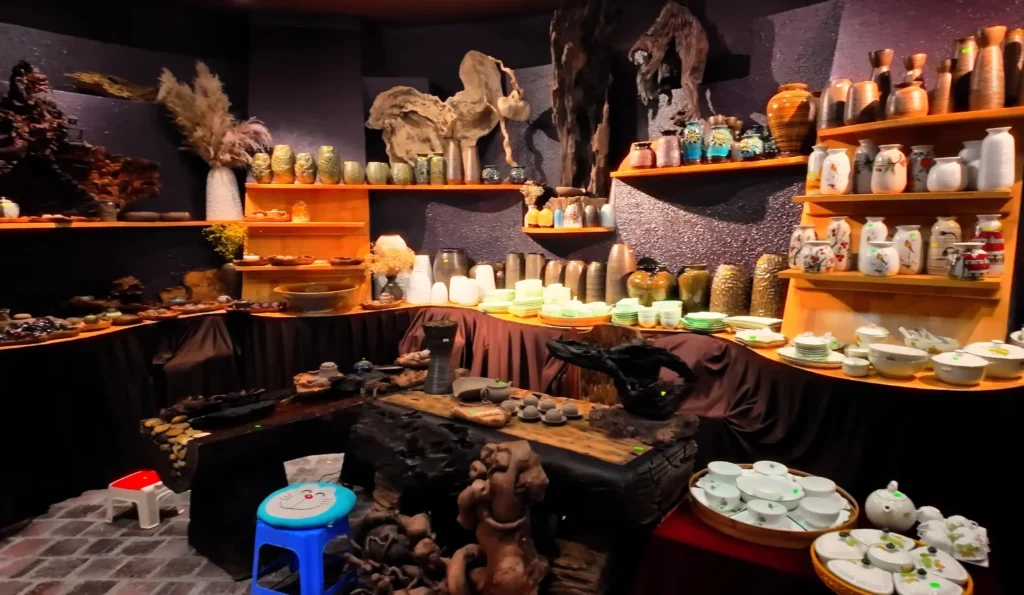
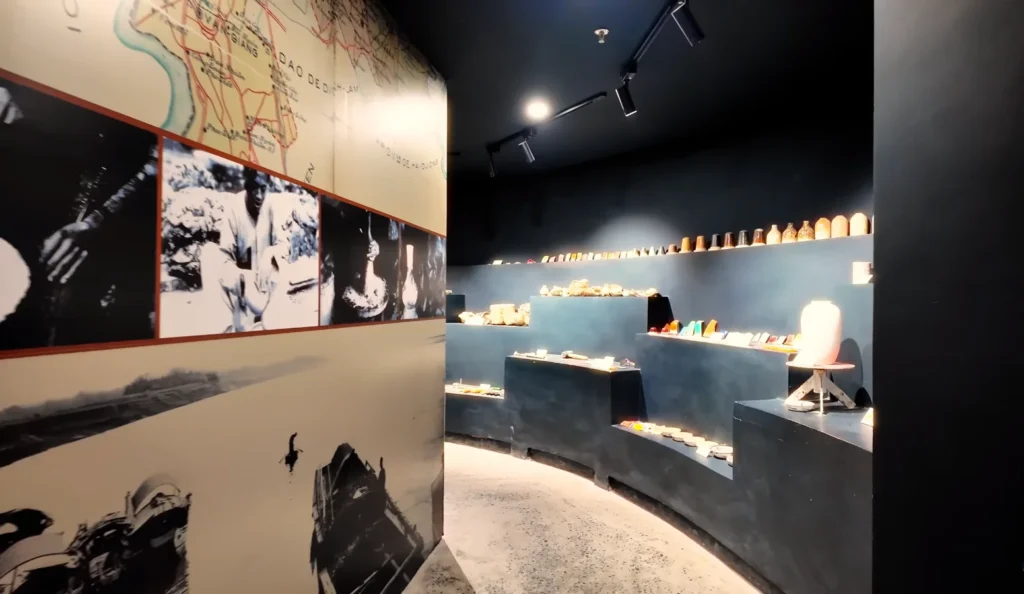
This is not like a museum – it is a living workshop whereby artisans continue to make their ceramics in the same way they made them generations ago. The village has made over 700 years of pottery and you can observe people-masters moulding clay in the same way as they did in the 14 th century.
Why it matters:
- Hands-on workshops available.
- Buy directly with the craftsmen.
- Get to know of the craft heritage in Vietnam.
- Get out of central Hanoi tourist masses.
Kayaking Adventures

The kayaking trips based in Hanoi made the aspects of northern Vietnam that I had never thought of venturing into. These tours usually go either to Ha Long bay or Tam Coc region, but the water level view makes it all different.
Functioning in limestone caves, the only noise one can hear is the water droplets that echo against the ancient walls of the caves – it is meditation presented as an adventure tourism.
Final Thoughts: Why Hanoi Hooks You
Three and a half weeks afterward I’m yet to understand what exactly happened to me here. Perhaps, it is the manner in which the ancient traditions are in harmony with the fast-track modernization. Or perhaps it was the way friends made out of strangers by taking meals together on plastic stools. Maybe it’s just the coffee.
What I have been certain of: Hanoi will reward interest above comfort zones. The most enjoyable moments happen when you drop your itinerary, and go where your nose leads you on little alleys that were not made to accommodate tourists.