
Three months of planning. Two canceled flights. One moment stepping off that plane in Antananarivo when I realized I’d never experienced anything quite like this.
Madagascar hit me sideways from the first breath of that humid, red-dust air. You know how travel guides promise “unlike anywhere else on Earth”? Usually that’s tourism marketing nonsense. Not here. This place genuinely broke the mold when the continents split apart 160 million years ago.
Why Madagascar Should Terrify and Thrill You
Let me be blunt: Madagascar isn’t easy. It’s not Bali with lemurs. The infrastructure will test your patience, roads will rearrange your internal organs and you’ll spend half your time wondering if you’re insane for attempting this.
And yet… I’ve been to 73 countries. Madagascar ranks in my top 3.
The Numbers That Stopped Me Cold
Madagascar isn’t just the fourth-largest island on Earth. Check these stats:
| Madagascar’s Uniqueness | Percentage |
| Plant species found nowhere else | 90% |
| Reptile species unique to island | 95% |
| Mammal species endemic | 100% |
| Bird species exclusive to Madagascar | 50% |
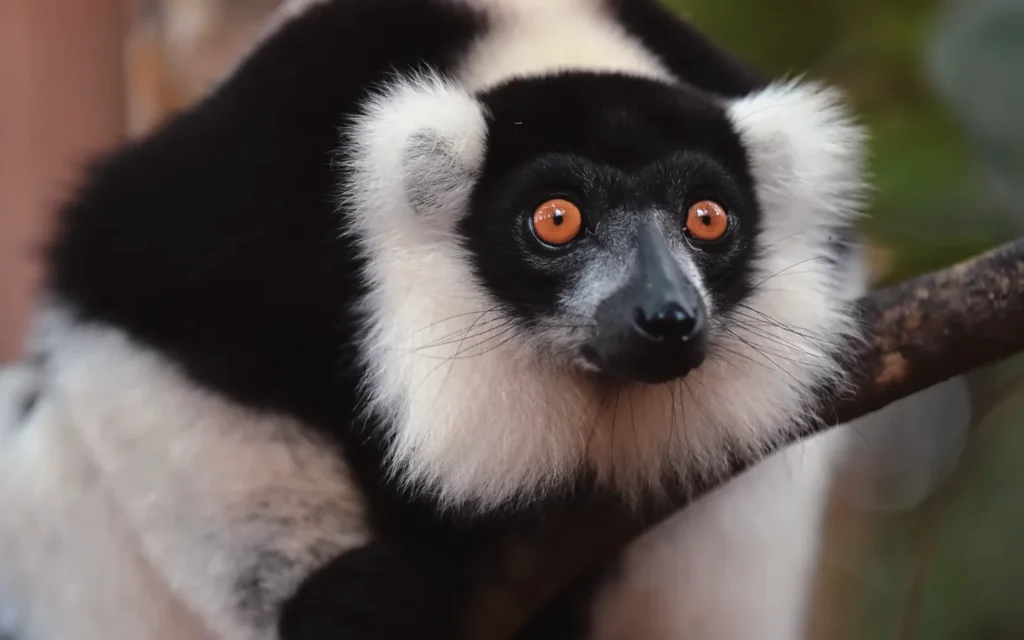
That last number deserves emphasis – every single native mammal exists nowhere else on Earth. When my guide Jean-Baptiste mentioned this, I stopped walking and just… processed that.
Landscapes That Shouldn’t Exist
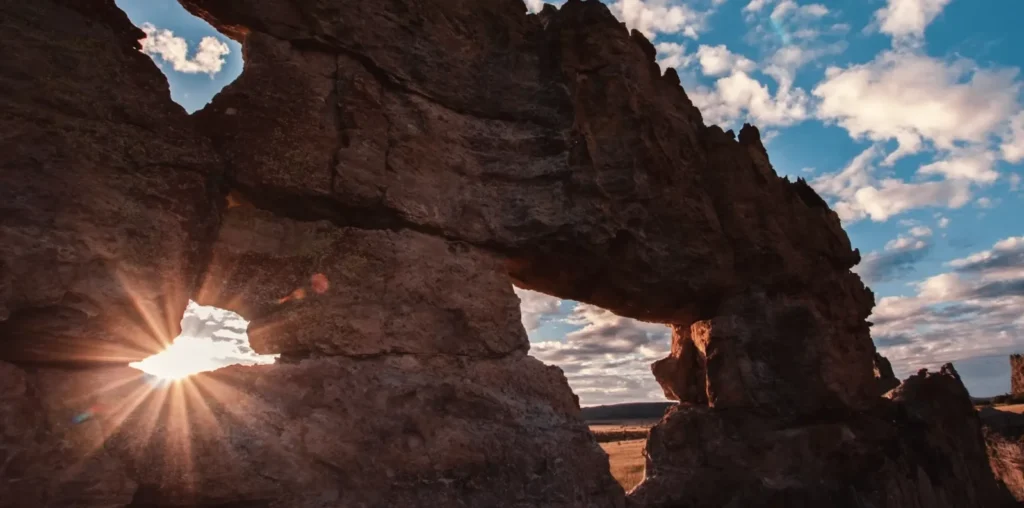
Within a single day’s drive, you’ll encounter spiny forests that look like alien planets, rainforests dripping with unnamed orchids, sandstone canyons rivaling Utah, limestone pinnacles sharp enough to slice your hand and highland plateaus that could be Scotland if Scotland were 8,000 miles south.

Getting Your Head Around the Logistics
Transportation: Embrace the Chaos
My internal flight got canceled with zero explanation. My backup plan? A 12-hour drive on what Malagasy people generously call “roads.”
Flight reality:
- Air Madagascar for domestic routes.
- Expect delays, cancellations, schedule changes.
- Always have land-based backup plans.
Road travel truth:
- 4WD essential for most destinations.
- Average speed: 40 km/hour on “good” roads.
- Fuel stops every opportunity.
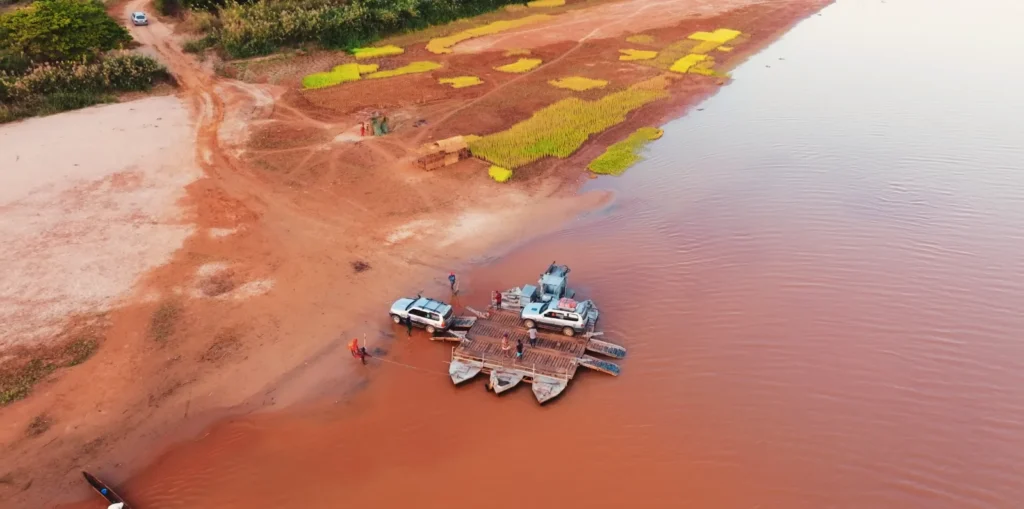
I spent more on transportation than accommodation, food and activities combined. Budget accordingly.
When to Visit
I went in May – shoulder season perfection. You get dry season accessibility with some wet season green beauty.
Dry Season (April-October): Best roads, clearer skies, wildlife concentrated around water, higher prices.
Wet Season (November-March): Lush landscapes, baby animals everywhere, challenging conditions, cyclone risk.
The Places That Redefined “Remote”
Avenue of the Baobabs: Beyond Instagram
Everyone goes for this shot. Those prehistoric giants against dramatic sunsets. The photos don’t lie – it’s spectacular.
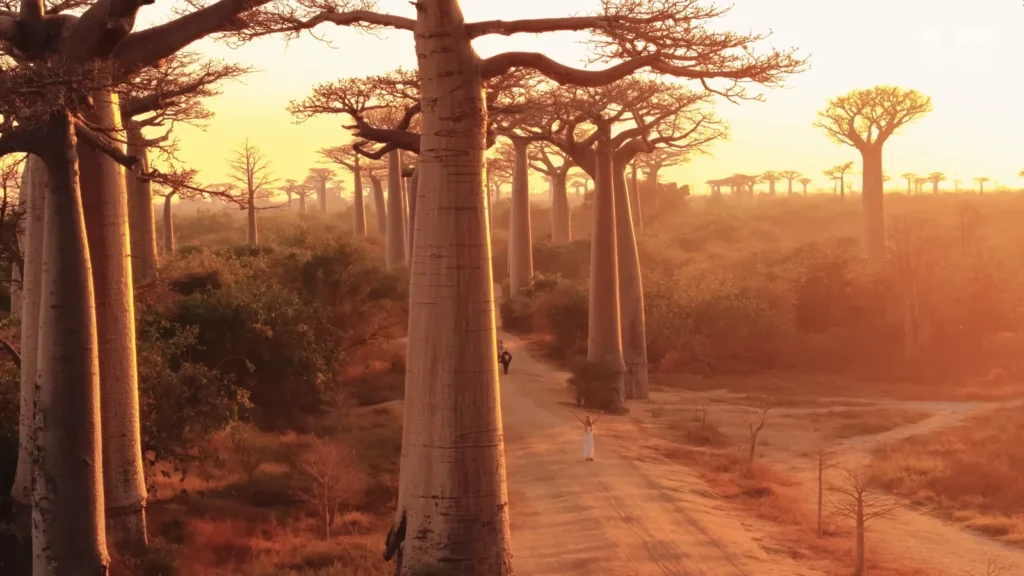
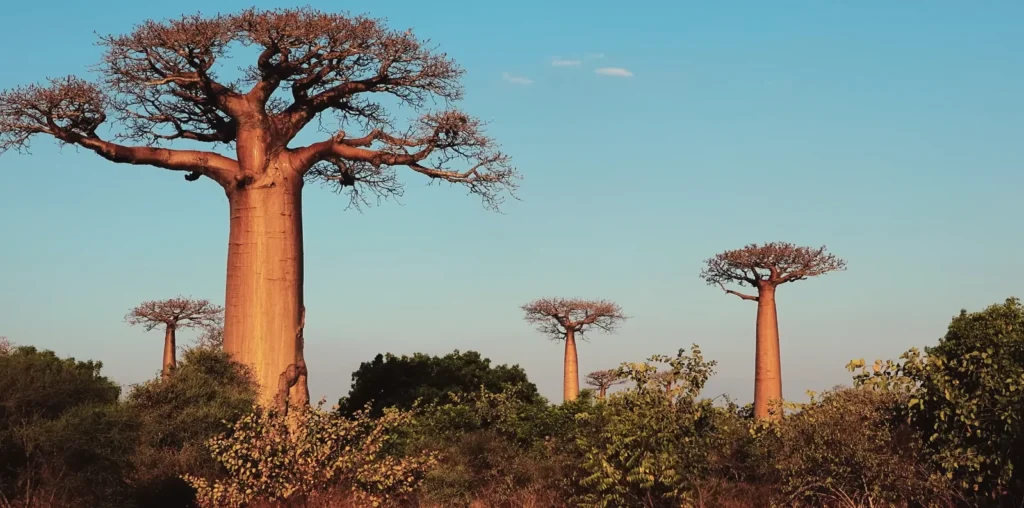
I arrived at 4:30 AM for sunrise. Worth it? Absolutely. But the real magic happened when tour buses left and I had these 800-year-old giants to myself. They were centuries old when Europeans first discovered Madagascar.
Practical tips:
- Stay overnight in Morondava.
- Bring headlamp for pre-dawn setup.
- Sunrise crowds manageable; sunset insane.
- Serious telephoto lens essential.
Tsingy de Bemaraha: Nature’s Death Trap
These razor-sharp limestone pinnacles stretch for kilometers, creating “stone forests” that locals navigate with skills that would impress rock climbers.

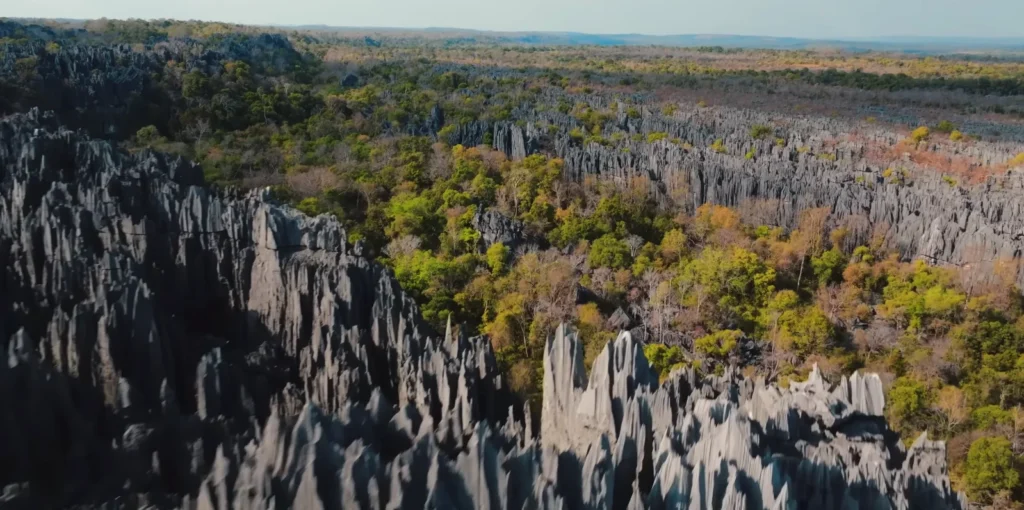
Walking through tsingy isn’t hiking – it’s three-dimensional puzzle solving with genuine danger. I watched our guide demonstrate by pressing a leaf against a tsingy point. Cut clean through like a razor.
Required gear:
- Climbing helmet (provided)
- Thick-soled boots
- Grip gloves
- Harness for bridge crossings
The payoff? Standing 200 feet above forest floor, looking over stone spires while lemurs call from canopy below. Terrifying and transcendent simultaneously.
Isalo National Park: Madagascar’s Grand Canyon
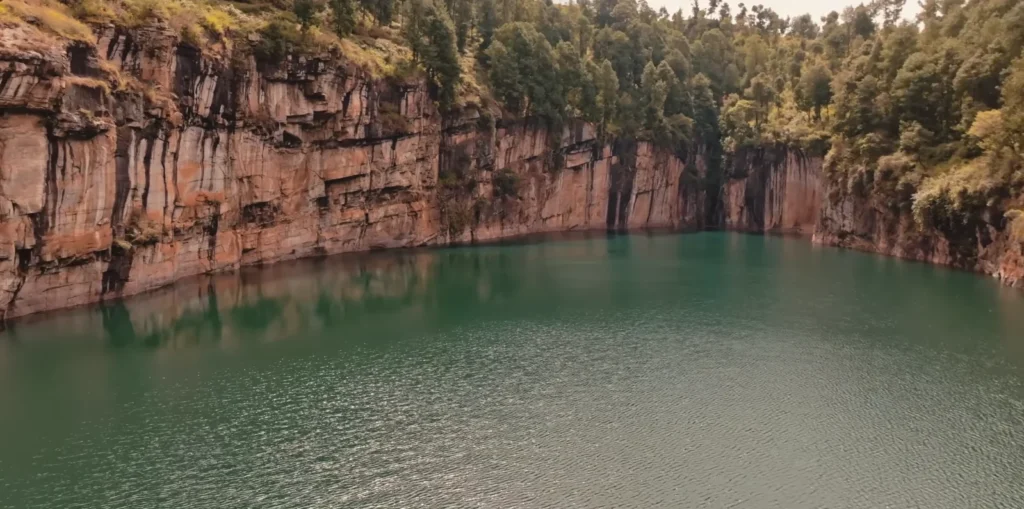
After tsingy intensity, Isalo felt almost relaxing. These sandstone formations carved by wind and water create amphitheaters and natural swimming pools that seem designed by someone with excellent taste.
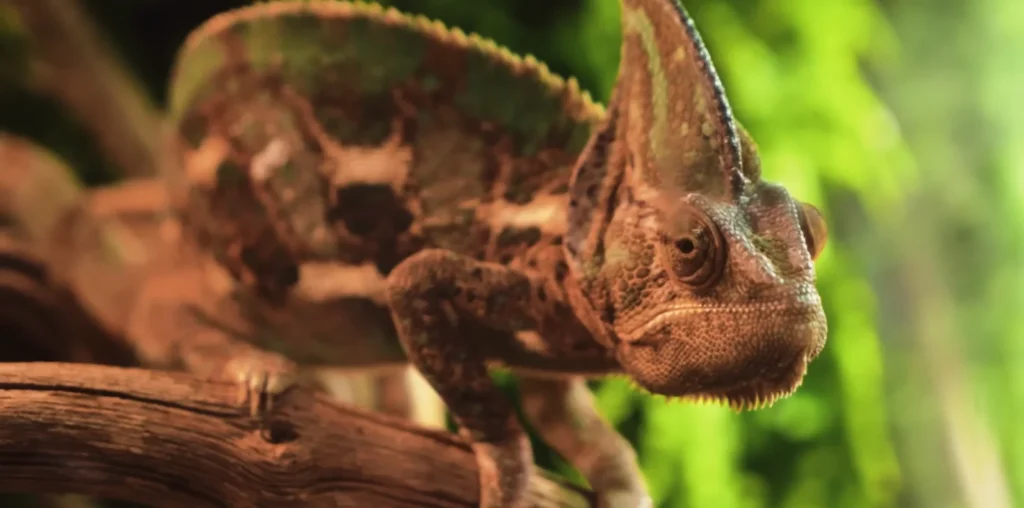
But the wildlife encounter that stopped me wasn’t a lemur. A Parson’s chameleon, perfectly camouflaged until it moved one independently-rotating eye to track my movement. Living proof that isolation creates magic.
The Highlands: Where Madagascar Gets Serious
Andringitra National Park: Hiking at World’s End
The drive took eight hours through landscapes that shifted like someone changing TV channels every 20 minutes. Rice paddies dissolved into granite domes, then mountain peaks shrouded in mist.


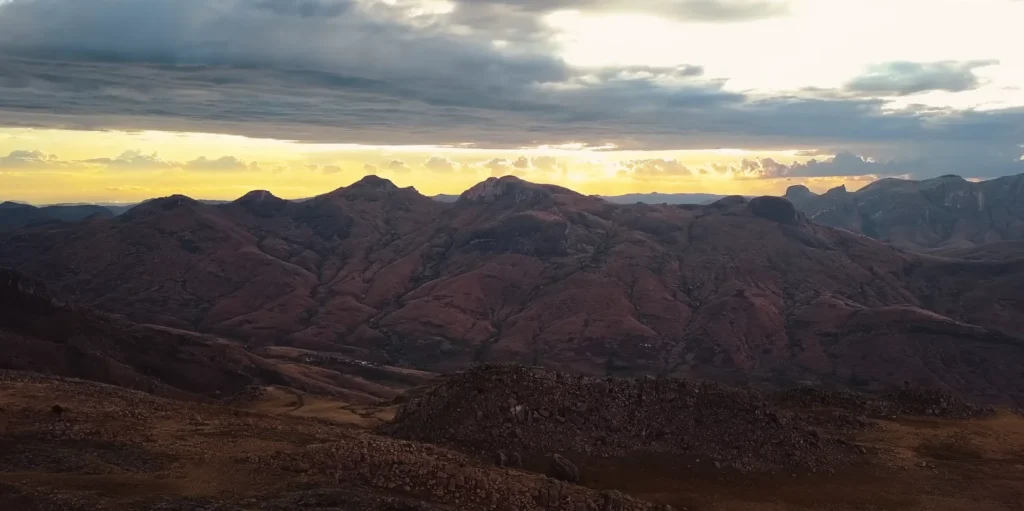
Peak Boby at 2,658 meters – Madagascar’s second-highest. The granite here is 2.5 billion years old according to University of Antananarivo research. But what caught me off guard was discovering plant species found nowhere else in the Southern Hemisphere.
Temperature drops 6°C per 1000m elevation. Pack for winter conditions even if it’s 35°C at base camp.
River Journeys: The Tsiribihina Reality
Of all transportation methods in 20+ years of travel, nothing prepared me for three days on the Tsiribihina River.

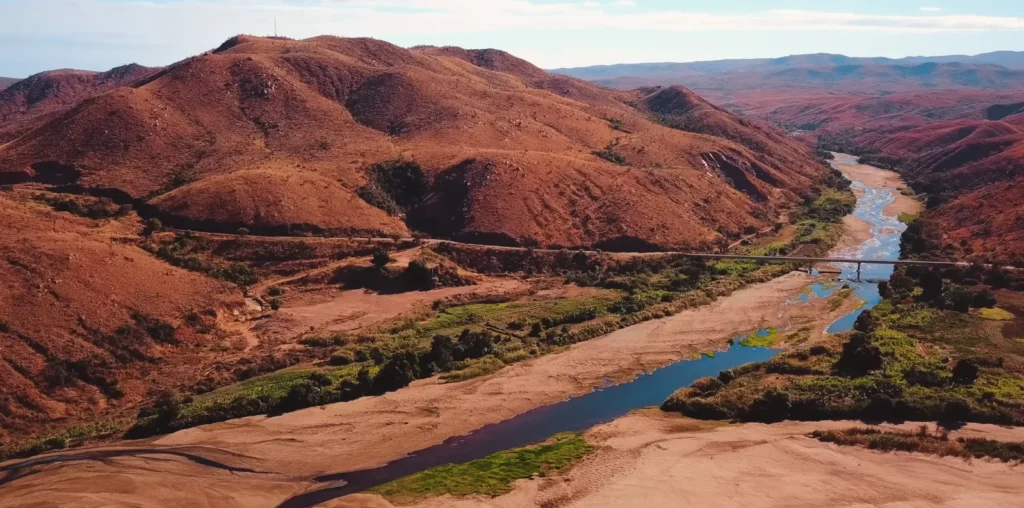
Our wooden boat got stuck 23 times in three days. Physically-get-out-and-push stuck in waist-deep water. But between those sessions, I saw Madagascar most visitors never experience. Villages where children had never seen foreign tourists. Zebu herds crossing at sunset, silhouetted against red cliffs.
Wildlife Beyond the Tourist Trail
Everyone comes for lemurs. Fair enough – they’re incredible. But focusing only on lemurs is like visiting Brazil just for soccer. You’re missing 90% of the story.
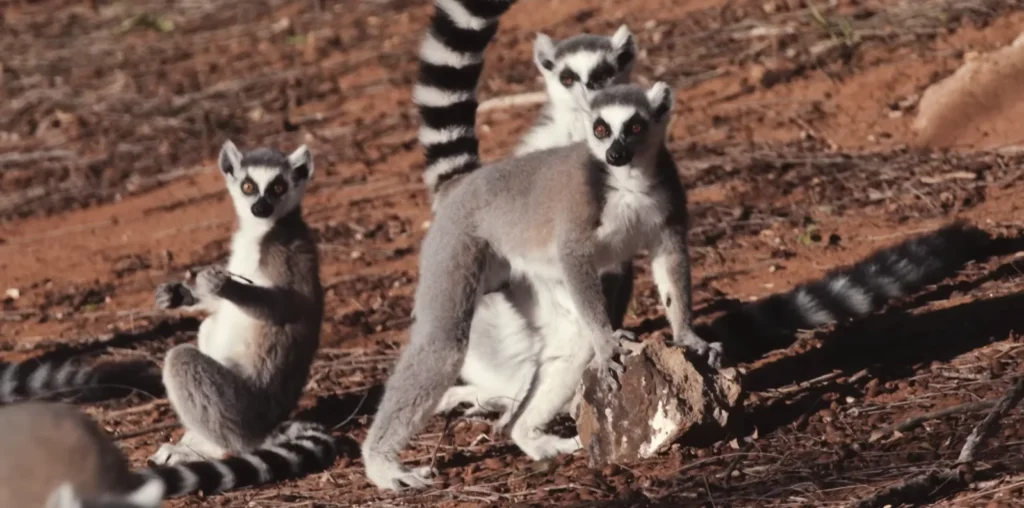
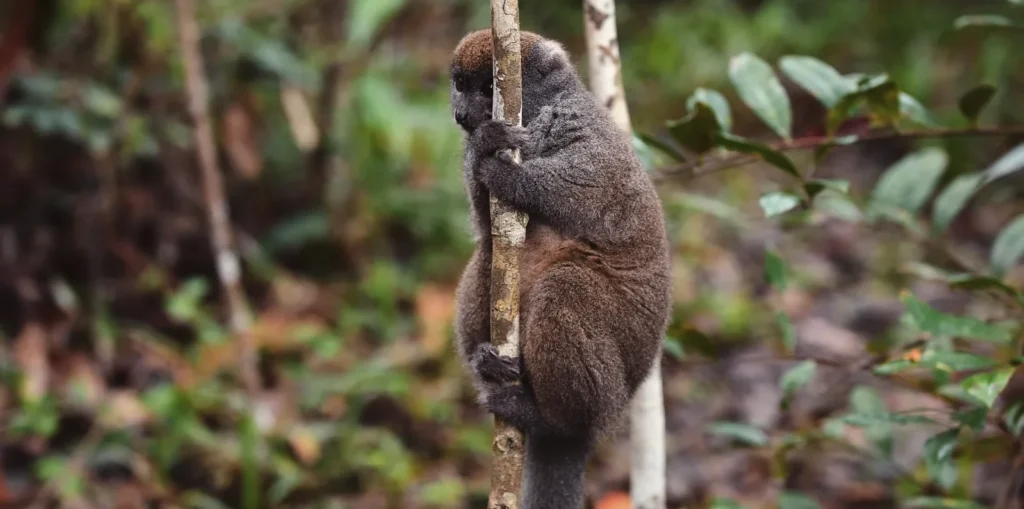
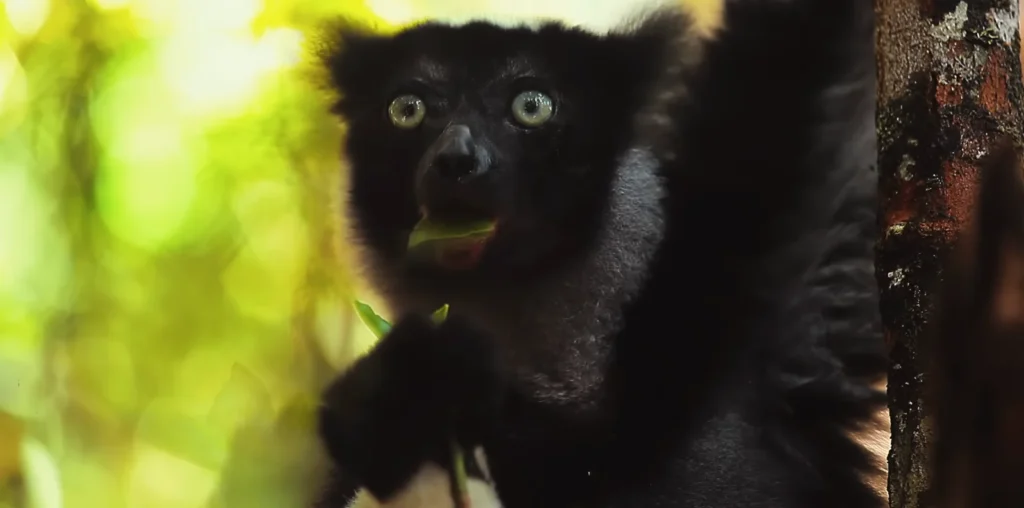
The golden bamboo lemur I encountered in Andringitra’s cloud forest stopped me cold. Fewer than 1,000 individuals left according to Lemur Conservation Network. Watching this critically endangered animal navigate bamboo with precision that made human climbers look clumsy – every movement calculated, every grip tested.
But honestly? The reptiles impressed me more. Madagascar hosts two-thirds of the world’s chameleon species. I photographed seven different species, each perfectly adapted to specific microhabitats.
Cultural Immersion: The Fady System
Three days in, I photographed a tomb without permission. Not big deal elsewhere. In Madagascar, it violated fady – traditional taboos that govern social behavior with real consequences.
Fady aren’t suggestions – they’re social laws. Some villages won’t allow entry if you’re wearing certain colors. Others prohibit specific foods on certain weekdays. Rules vary by region, clan, sometimes individual family.
My guide spent an hour with village elders negotiating permission to continue our route. That conversation taught me more about Malagasy culture than any guidebook.
Practical Planning Reality
Budget Truth
Madagascar isn’t cheap for comfort and reliability. My 21-day breakdown:
| Category | Daily | Total |
| Accommodation | $85 | $1,785 |
| Transportation | $95 | $1,995 |
| Food & Drink | $35 | $735 |
| Activities/Guides | $45 | $945 |
| Total | $260 | $5,460 |
Mid-range with some budget compromises. You can do Madagascar cheaper, but infrastructure limitations mean budget travel requires significantly more time and uncertainty tolerance.
Health Considerations
Madagascar has malaria. Period. I took prophylaxis, used DEET religiously, still got bitten more than preferred.
Required immunizations: Yellow fever (if from endemic areas), Hepatitis A & B, typhoid, routine vaccines.
Reality check: Quality medical care limited to major cities. Medical evacuation insurance essential. Water purification mandatory outside hotels.
Photography Strategy
Weather sealing isn’t optional – it’s survival equipment. High ISO performance crucial for forest wildlife. Battery life matters when charging opportunities are scarce.
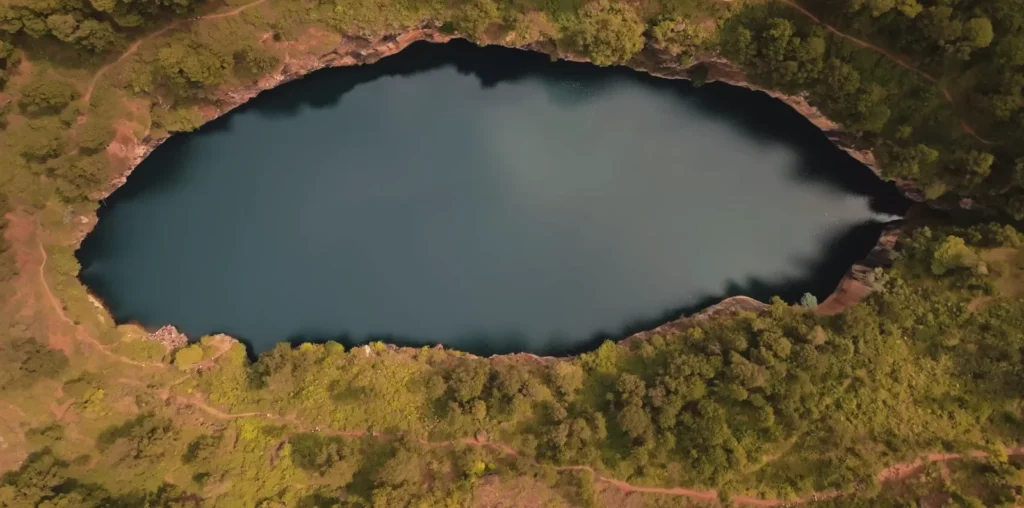
Madagascar’s equatorial position creates lighting that pushed my technical knowledge to limits. Golden hour happens fast – 45 minutes maximum. Jungle shooting requires ISO 1600-3200 even at f/2.8.
Wildlife Ethics
Madagascar’s endemic species face extinction pressure making responsible photography more important than perfect shots. Maintain 7-meter minimum distance from lemurs. No flash. Limit observation time to 30 minutes per group. Never use food to attract wildlife.
The Itinerary That Works
Classic Circuit (14-21 days):
- Days 1-3: Antananarivo, central highlands adjustment Days.
- Days 4-6: Andasibe-Mantadia (primary rainforest, Indri lemurs).
- Days 7-10: Southern circuit (fly to Tulear, Isalo Park, Baobab Avenue).
- Days 11-14: Western tsingy experience.
- Days 15-17: Highland mountains (Andringitra).
- Days 18-21: Departure buffer.
Always allow extra time for connections. Madagascar operates on it’s own schedule.
Leaving Changed
Madagascar didn’t just give me photographs and stories. It fundamentally changed how I think about evolution, conservation, what “remote” means in 2024.
Standing in tsingy formations, I understood viscerally why Madagascar produces species existing nowhere else. Isolation doesn’t just create uniqueness – it demands innovation.
The cultural encounters affected me equally. In highland villages where electricity arrived five years ago, I met farmers whose agricultural knowledge represents centuries of accumulated wisdom about sustainable land management.
Conservation Reality
Madagascar loses forest cover at shocking rates – 80% of original forest gone since human settlement according to WWF Madagascar.
But I witnessed success stories too. Community-managed reserves where villages receive direct tourism income. Reforestation projects using native species. Tourism creates conservation incentives when managed properly.
The Verdict
After 73 countries, Madagascar ranks in my top three. Not because it’s easy – it’s objectively challenging. But because it delivers experiences existing nowhere else on Earth.
The landscapes rewired my understanding of geological diversity. Wildlife encounters provided glimpses into evolutionary processes most people only read about. Cultural interactions challenged assumptions about development and human adaptation.
Madagascar demands serious preparation, realistic expectations, genuine respect for one of the world’s most unique ecosystems. This isn’t a relaxation destination or predictable experience.
If you’re prepared for infrastructure challenges, willing to invest in proper planning, genuinely interested in experiencing something completely different, Madagascar will exceed expectations in ways you can’t currently imagine.
The island that broke away from Africa 160 million years ago created something unprecedented in isolation. Some places refuse to be tamed by modern tourism infrastructure – that’s exactly what makes them irreplaceable.