
I’ll be honest, before I landed in Istanbul, Turkey existed in my mind as this vague, exotic concept. Minarets silhouetted against orange sunsets. Carpets. Maybe some kebabs. But what I found there? Something way more layered, messier in the best way and completely different from what the travel brochures sold me.
My three weeks bouncing around Turkey taught me that this place doesn’t fit into neat little boxes. One minute you’re haggling over ceramics in a 500-year-old bazaar, the next you’re floating over Cappadocia in a hot air balloon at dawn, questioning if you’ve accidentally wandered into a fantasy novel. Turkey does that it keeps throwing curveballs.
Why Turkey Should Be on Your Radar
I’d been traveling through Europe for months and Turkey felt like this big question mark at the edge of my itinerary. Would it be too different? Too difficult to navigate? My brain had all these unhelpful stereotypes bouncing around. Then a friend who’d been there grabbed me by the shoulders (metaphorically, we were on a video call) and said: “Pierre, you’re an idiot if you skip it.”
Best advice I ever got.
What makes Turkey different from the rest of your standard European circuit:
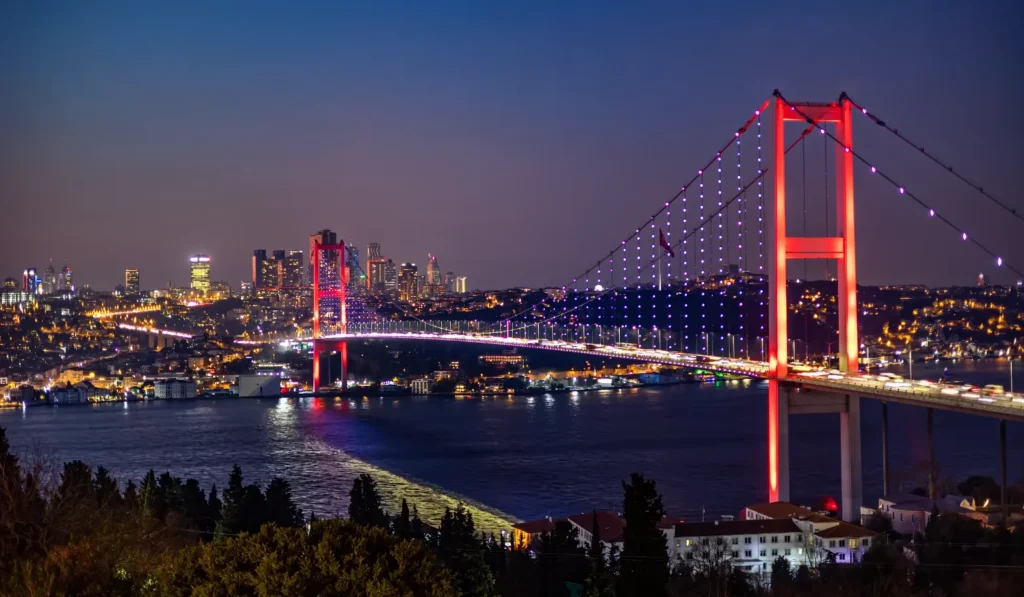
- Geography as identity crisis: The country literally straddles two continents. You can have breakfast in Asia, take a ferry and have lunch in Europe. Istanbul does this dance between East and West like nowhere else I’ve been.
- History that actually matters: We’re not talking about “oh look, an old building.” We’re talking Byzantine mosaics, Ottoman palaces, Roman ruins and ancient cities carved into rock. Layers upon layers of civilizations, all crammed into one place.
- Food that ruins you: After Turkey, I couldn’t look at a gyro the same way. The food here is serious it’s a whole cultural event, every single meal.
- Value: My budget breathed easier here than anywhere in Western Europe. Quality hotels, incredible meals, experiences that would cost double elsewhere all reasonable.
I flew into Istanbul from Athens on a budget carrier and the second I stepped off the plane, something shifted. The air smelled different spices, sea salt, something I couldn’t quite place. The call to prayer echoed from distant mosques as I grabbed my bag. I was definitely not in Kansas anymore.
Istanbul: Where My Expectations Went to Die (In a Good Way)
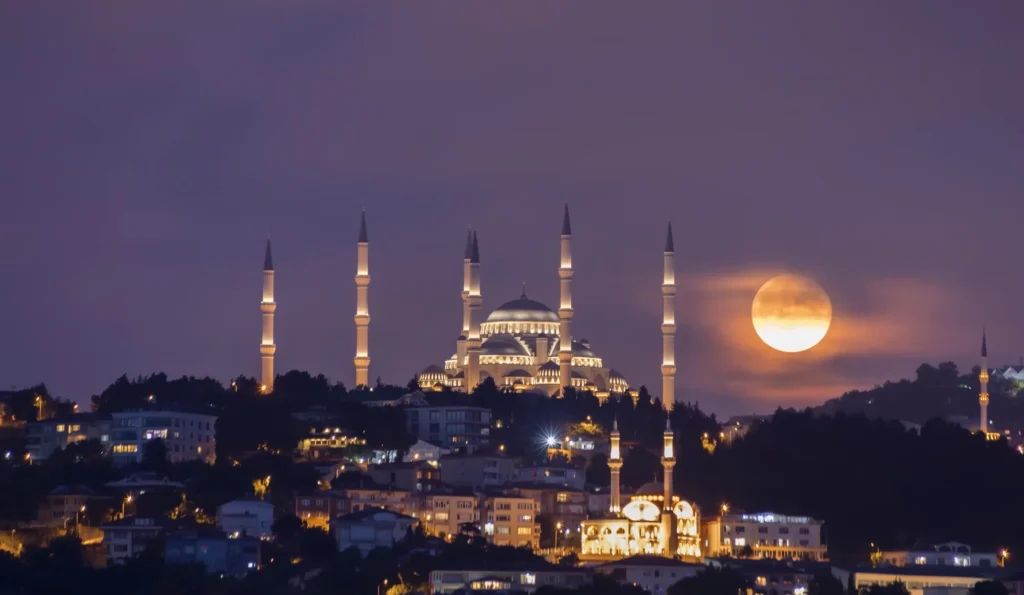
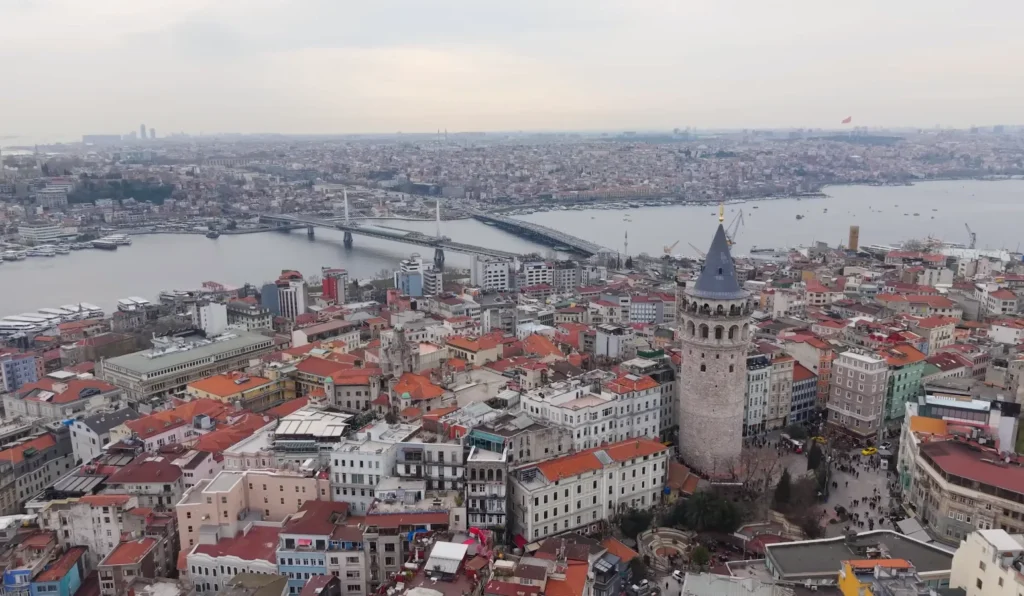
Walking through Istanbul for the first time felt like my brain was trying to process five different movies at once. The old city particularly, Sultanahmet is this concentrated hit of history that almost feels unfair. How can one neighborhood have that much going on?
The Hagia Sophia: An Architecture Student’s Fever Dream
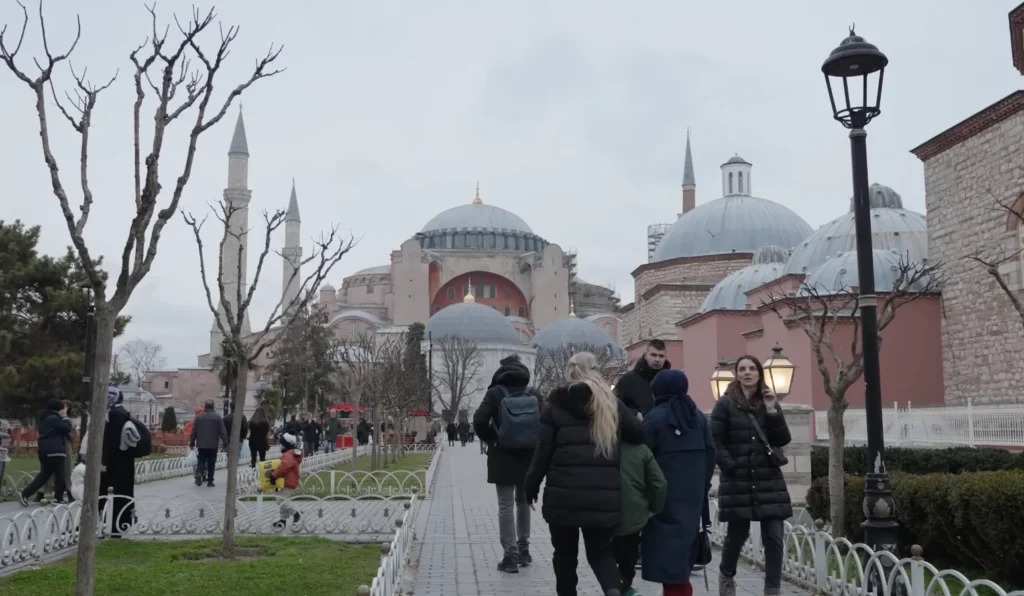
I’m not even an architecture person, but walking into the Hagia Sophia stopped me cold. This building was a church for a thousand years, then a mosque for 500, then a museum and now it’s a mosque again and somehow the structure contains all of that history at once.
The dome seems to float. I stood there probably twenty minutes just staring up at it, trying to figure out how Byzantine engineers in 537 AD pulled this off. Massive Islamic calligraphy medallions hang alongside Christian mosaics. It shouldn’t work, this collision of aesthetics and faith, but it does.
Practical stuff I wish someone had told me:
- Go early. Like, before 9 AM early. By 11, it’s shoulder-to-shoulder tourists.
- Women need to cover their heads and shoulders scarves are provided at the entrance if you forget.
- Admission is free now that it’s functioning as a mosque again, but the crowds reflect that.
- There’s a second-floor gallery with better mosaic views. Don’t skip it.
The Blue Mosque: Less Impressive Than Expected
Right across from Hagia Sophia sits the Blue Mosque, officially called the Sultan Ahmed Mosque and here’s where I’ll probably lose some people: I found it less interesting.
Don’t get me wrong it’s beautiful. Six minarets, elegant courtyard, those blue Iznik tiles that give it the nickname. But after the raw historical layering of Hagia Sophia, the Blue Mosque felt almost too polished. Too much of a postcard.
Still worth visiting, especially since it’s right there. Just maybe adjust your expectations if you’re going in hot off Hagia Sophia.
Topkapi Palace: Where Ottoman Sultans Lived Better Than You Ever Will
If the Hagia Sophia is about spiritual grandeur, Topkapi Palace is about straight-up flex. This was the Ottoman Empire’s power center for 400 years and walking through it is basically a masterclass in “how to live when you rule half the known world.”
The palace sprawls across multiple courtyards, each one revealing another layer of opulence. The Harem (where the sultan’s family lived) costs extra to visit but absolutely do it the tilework alone is worth the additional ticket price.
What caught me off guard:
- The Treasury section has the Topkapi Dagger, which you might recognize from the 1960s heist film. It’s absurdly ornate emeralds everywhere.
- The Imperial Council Chamber, where the Ottoman government actually met, has this tiny window where the sultan could eavesdrop. Literal walls have ears.
- The views over the Bosphorus from the palace terraces made me understand why they built it here. You can see three seas converging.
The Grand Bazaar: Controlled Chaos and Questionable Lamp Purchases
I’d read warnings about the Grand Bazaar. “Don’t make eye contact.” “Have a price in mind before you start haggling.” “They’ll try to serve you tea to soften you up.”
All true, by the way.
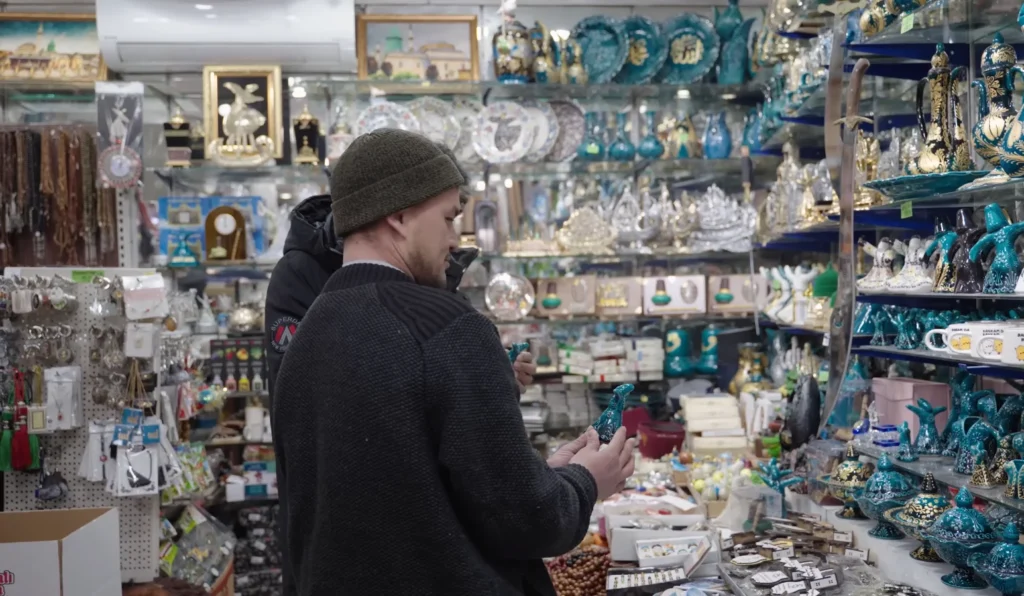
But I loved it anyway. This isn’t some sanitized tourist market the Grand Bazaar has been operating since 1461 and it shows. 61 covered streets, over 4,000 shops and a vibe that swings between medieval marketplace and organized chaos.
I went in looking for a leather jacket and came out with ceramics I definitely didn’t need, a carpet runner that barely fit in my backpack and about six glasses of apple tea in my system. The shopkeepers here are artists at conversation. One guy spent twenty minutes telling me about his family’s ceramics tradition before even mentioning prices.
Things I learned the hard way:
- Start your haggling at 40-50% of the asking price. They expect it.
- If they pull out the calculator, you’re close to a deal.
- The tea thing is real, but it’s also just hospitality. Accepting it doesn’t obligate you to buy (though the psychological warfare is effective).
- Quality varies wildly. If buying carpets or leather, know what you’re looking at or bring someone who does.
The Spice Bazaar (also called the Egyptian Bazaar) sits nearby and honestly, I preferred it. Smaller, more focused and the smell alone is worth the visit. Mountains of spices, dried fruits, Turkish delight in every color and vendors who are slightly less aggressive than their Grand Bazaar cousins.
Crossing Continents on a Ferry
One afternoon I did something that still seems absurd: I had coffee in Asia, took a 20-minute ferry ride and had dinner in Europe.
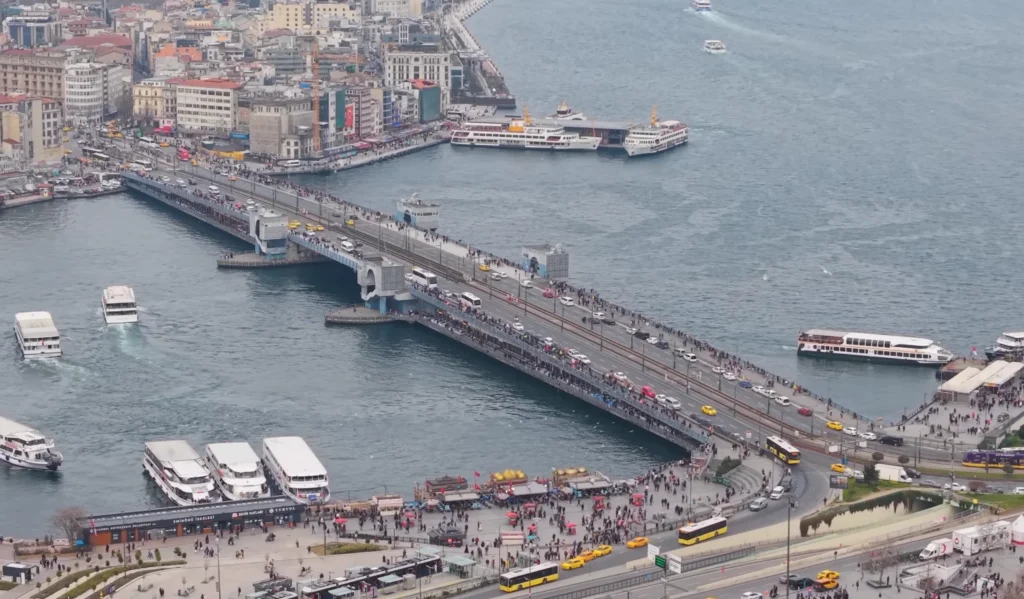
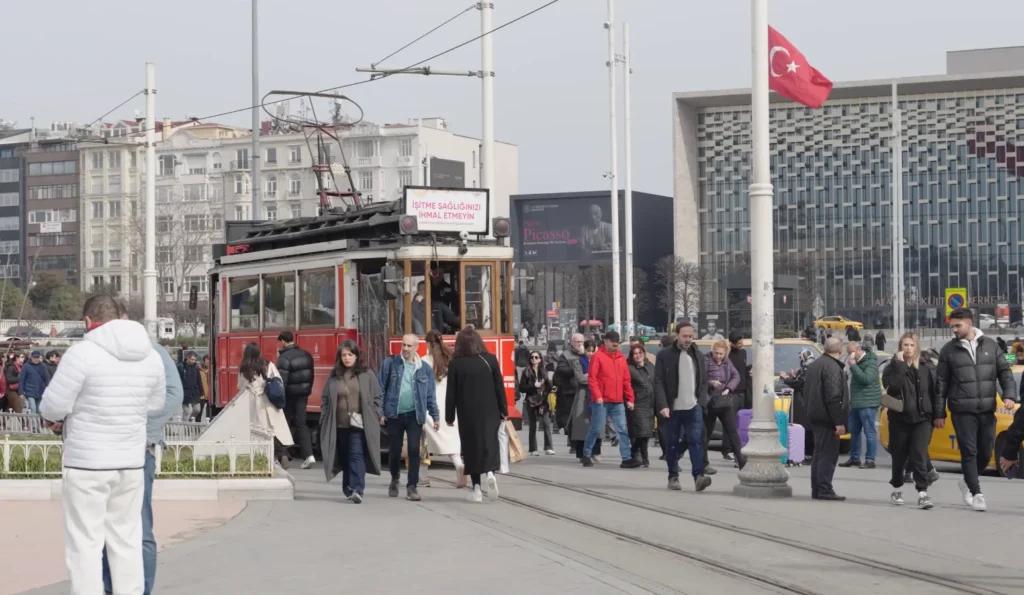
The Bosphorus ferry system is Istanbul’s secret weapon for getting around. Cheap (like, a couple of lira), frequent and infinitely more pleasant than fighting traffic. Plus you get this perfect view of the city mosques, palaces and waterside mansions sliding past while you sit on deck with tea and simit (those sesame bread rings that I became mildly addicted to).
I took the long ferry route up to the Black Sea coast one day, just to see the neighborhoods thin out and the water get choppier. Old wooden yalı houses line parts of the shore, painted in faded pastels. The whole thing felt like traveling through time.
Beyond Istanbul: Where Turkey Really Surprised Me
Istanbul could eat up weeks, but I had other plans. Turkey’s one of those countries where the geography is almost offensive in it’s diversity. Beach coasts, fairy-tale landscapes, ancient ruins, ski resorts it’s all here, often within a few hours of each other.
Cappadocia: Balloons, Cave Hotels and Lunar Landscapes
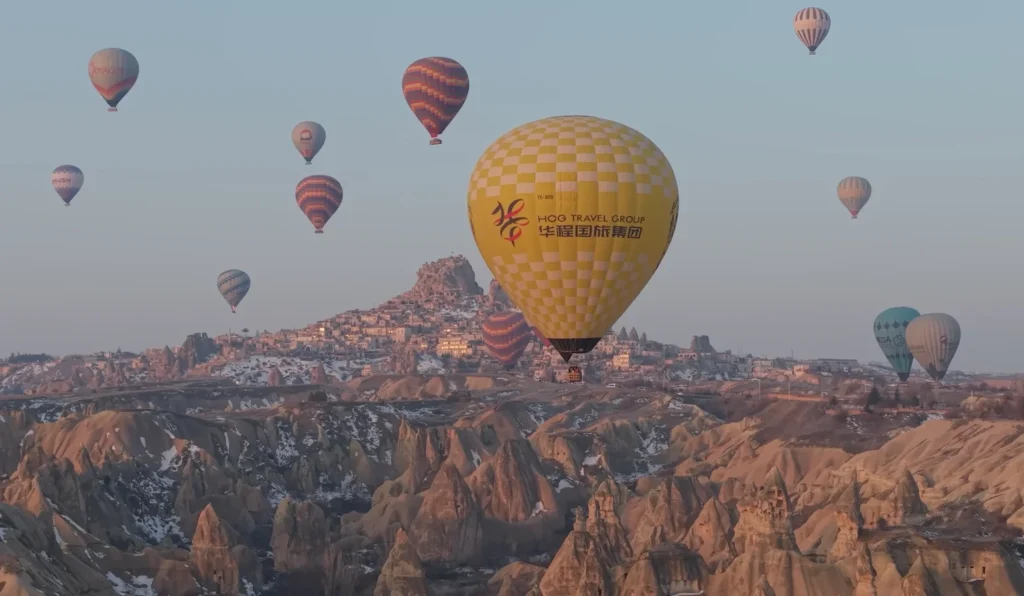
If I had to pick one “pinch me, is this real?” moment from Turkey, it’s watching the sunrise from a hot air balloon over Cappadocia.
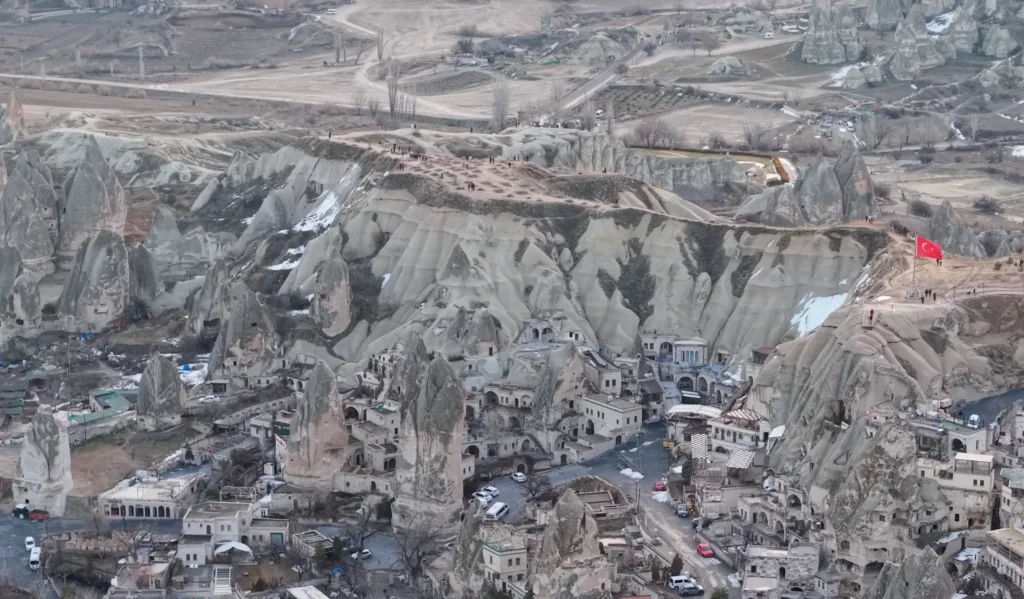
The landscape looks like someone took normal geology, crumpled it up and scattered it randomly. Fairy chimneys (those weird cone-shaped rock formations), valleys carved by erosion and entire cities literally carved into the rock. People lived in these caves for centuries.
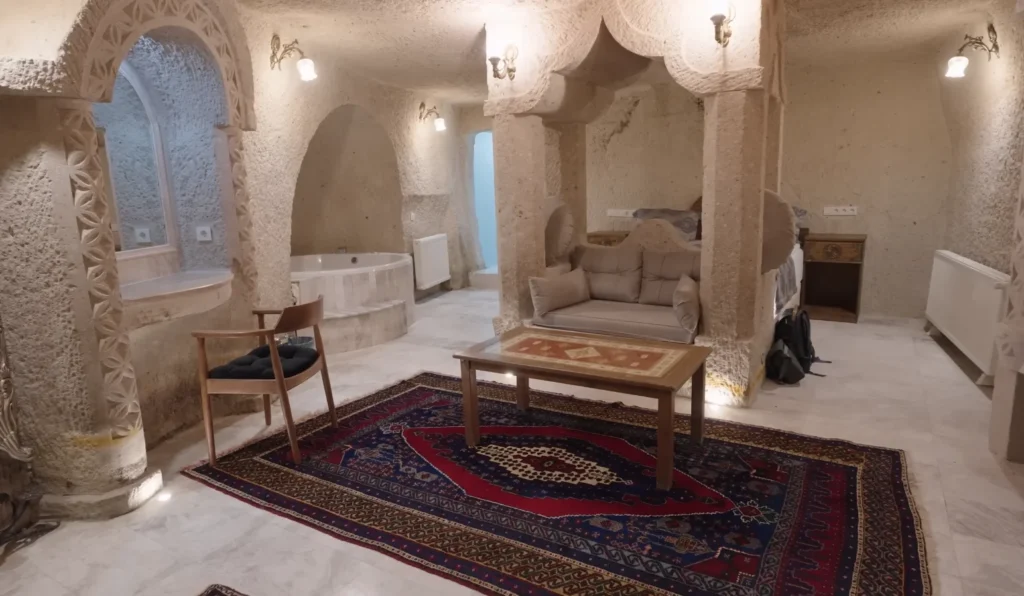
I stayed in a cave hotel in Göreme sounds gimmicky, but it’s actually how locals have built here forever. Stone walls, arched ceilings and surprisingly good WiFi. My room was probably carved out 800 years ago, then renovated with modern plumbing. Weird flex but okay, Turkey.
The balloon ride itself:
Dawn launch, about 90 minutes in the air. I’m not usually a “pay for the touristy experience” person, but this one’s worth it. You drift over these valleys as the sun comes up, hundreds of other balloons floating around you and the whole thing feels surreal. Also slightly terrifying when you remember you’re in a wicker basket held up by hot air, but mostly surreal.
Cost around €150-200 depending on the company and season. Book a day ahead if possible weather cancellations are common, so give yourself flexibility.
Underground Cities: Because Surface Cities Were Too Mainstream
The Derinkuyu underground city is one of those places that makes you question everything. This isn’t some small bunker it goes down 8 floors, housed up to 20,000 people and has ventilation shafts, wine storage, stables and even a school.
Early Christians carved it out to hide from persecution. The tunnels are narrow (I’m not claustrophobic but it tested me) and some passages can be sealed with circular stone doors that weigh about 1,000 pounds. The engineering alone is mind-blowing.
If tight spaces freak you out, maybe skip it. But if you can handle it, it’s one of the weirder historical experiences out there.
Hiking the valleys: Free entertainment
Cappadocia’s valleys Rose Valley, Love Valley (yes, the rock formations look like exactly what you think), Pigeon Valley are free to explore and honestly more interesting than some of the paid sites.
I spent a whole day just wandering through Rose Valley. The rock changes colors as the sun moves pink, orange, gold. Old cave churches hide in the cliffs, most of them open with faded frescoes still visible. I ran into maybe ten other people the entire day.
Pack water, wear real shoes (not sandals) and just wander. It’s the best way to see Cappadocia without the tour bus crowds.
The Mediterranean Coast: Ruins, Turquoise Water and Why I Extended My Stay
I’d planned three days on Turkey’s Mediterranean coast. I stayed nine.
The Turkish Riviera locals call it the Turquoise Coast and it’s not marketing bullshit, the water actually looks like someone dumped food coloring in it runs from Antalya down to the Syrian border. Ancient Lycian ruins scattered along cliffsides, beach towns that range from party central to forgotten fishing villages and this weird mix of package tourism and genuine local culture all crammed together.
Antalya: The Gateway I Almost Dismissed
Antalya gets a bad rap in backpacker circles. Too touristy, too developed, too many Russian package tours. And yeah, parts of it are exactly that Lara Beach is basically high-rise hotel hell.
But Kaleiçi, the old town, is a different story entirely.
I found a pension tucked into the Ottoman quarter, all creaky wooden balconies and vine-covered courtyards. The owner, Mehmet, served breakfast on the roof terrace every morning fresh bread, olives, tomatoes, cucumbers, cheese and this incredibly strong tea. We’d sit there watching boats in the harbor while he explained which ruins I shouldn’t miss.
The old Roman harbor is still functioning after 2,000 years. You can take boat trips from there to nearby beaches and waterfalls, though I mostly just wandered the narrow streets, got lost on purpose and ate more gözleme (stuffed flatbread) than one person probably should.
Hadrian’s Gate sits right at the edge of Kaleiçi this massive Roman triumphal arch from 130 AD that you can just… walk through. No ticket, no queue, just casually strolling through a 2,000-year-old monument on your way to get dinner. Turkey does this constantly, throws casual antiquity at you like it’s nothing.
Olympos: Hippie Beach Town Meets Ancient City
About 90 minutes south of Antalya, Olympos is where I made my unplanned extension official.
The setup is kind of genius: an ancient Lycian city ruins sprawl through a valley that opens onto a perfect pebble beach and scattered around the ruins are these treehouse/bungalow camps. I stayed at Kadir’s Treehouse, which is basically summer camp for adults who like beer and ancient history.
What a typical day looked like:
Morning: Wake up in a wooden cabin built around a tree. Stumble to breakfast (included eggs, bread, olives, the usual Turkish spread).
Midday: Walk through 2,000-year-old Roman baths and temple ruins to reach the beach. Swim in absurdly clear water. Maybe kayak down the creek that runs through the ruins.
Afternoon: Hike up to the Chimaera these eternal flames that have been burning on the mountainside for millennia. Ancient sailors used them for navigation. Locals think they’re magical. Geologists say it’s natural gas seeping through the rock. Either way, flames just… coming out of the mountain, no visible source, constantly burning. Weird.
Evening: Communal dinner at the treehouse (also included). Usually pasta or chicken, nothing fancy, but eaten family-style with travelers from everywhere. Then cheap beer and campfire conversations until stupid o’clock.
The whole thing cost maybe €15 per night including two meals. I kept thinking “okay, tomorrow I’ll move on” and then tomorrow would arrive and I’d just… not leave.
Kaş: Where I Actually Learned to Slow Down
If Olympos is backpacker central, Kaş (pronounced “kash”) is where you go when you’ve grown out of treehouse parties but still want that small-town Mediterranean vibe.
This little harbor town clings to hillsides overlooking a bay dotted with Greek islands. Narrow streets twist upward, lined with bougainvillea and cats so many cats. Turkey has this unofficial cat population that just lives everywhere and Kaş might be their headquarters.
I rented a scooter for a few days and just explored. Nearby beaches accessible only by boat or sketchy goat paths. The sunken city of Kekova, where you kayak over submerged Roman ruins in water so clear you can see ancient pottery lying on the seabed. The Lycian Way hiking trail, which runs along the coast and occasionally passes through ruins so remote they don’t even have names.
Food in Kaş hit differently. Maybe because I’d finally slowed down enough to actually taste things instead of inhaling meals between buses. I found this place Bi Lokma where the owner Ayşe would cook whatever was fresh that day. No menu, just “are you hungry?” followed by plate after plate of things I couldn’t identify but definitely wanted more of.
One night she made mantı, these tiny Turkish dumplings with yogurt and spiced butter. Sat with me while I ate, asking about my travels, explaining the difference between Turkish and Greek cooking (apparently this is a loaded topic). When I tried to pay, the bill was maybe 40 lira like $5. I left double and she looked offended.
“You come back tomorrow,” she said. “I make you balık.”
I did come back. The fish was incredible.
Pamukkale: Cotton Castles and Ancient Spa Towns
About four hours inland from the coast, Pamukkale looks like someone spilled white paint down a mountainside. These brilliant white travertine terraces, formed by calcium-rich thermal water flowing down the slope for millennia, create this otherworldly landscape that photographs can’t quite capture.
The name means “cotton castle” in Turkish and yeah, it’s been on Instagram a million times. But standing there with warm water flowing over your feet, looking out over the plains below, still feels special despite the crowds.
Hierapolis: The Ruins Everyone Ignores
Most people do the selfie thing at Pamukkale and leave. Mistake.
At the top of the terraces sits Hierapolis, an ancient Roman spa city that’s way more interesting than the travertines themselves. This place was founded in 190 BC as a health resort people came from across the Roman Empire to soak in the thermal waters, which supposedly cured everything from arthritis to heartbreak.
The necropolis (ancient cemetery) is massive over 1,200 tombs, making it one of the largest in Turkey. Walking through rows of 2,000-year-old sarcophagi scattered through poppy fields, I kept thinking about all these people who traveled hundreds of miles seeking healing and just… never made it home.
The Roman theater seats 15,000 and is so well-preserved you can still read the seat numbers carved into the stone. I sat there for an hour, imagining gladiator fights and Greek tragedies, until a tour group showed up and killed the vibe.
Pro tip: The Antique Pool (also called Cleopatra’s Pool) lets you swim among fallen Roman columns. It’s touristy and costs extra, but I’m glad I did it. Where else can you doggy-paddle around 2,000-year-old pillars?
| Activity/Location | Approximate Cost (USD) | Time Needed | Worth It? |
| Cappadocia Balloon Ride | $150-200 | 2-3 hours (inc. transfer) | Absolutely yes |
| Hagia Sophia | Free (mosque) | 2-3 hours | Essential |
| Topkapi Palace | $15-20 | 3-4 hours | Yes, including Harem |
| Grand Bazaar | Free entry, $$ purchases | 2-3 hours | Yes, but know prices |
| Pamukkale entrance | $15 | 3-4 hours | Yes, go early |
| Olympos treehouse (per night) | $15-20 | 2-3 days minimum | Perfect for backpackers |
| Kaş scooter rental (per day) | $20-30 | Flexible | Great for exploring |
| Underground city entry | $10 | 1-2 hours | Yes if not claustrophobic |
| Bosphorus ferry (short route) | $1-2 | 20 minutes | Best value in Istanbul |
The Food Situation: Why I Gained Weight and Have Zero Regrets
Let’s talk about the elephant in the room or rather, the döner on the spit.
Turkish food destroyed my budget discipline. I’d tell myself “just one more meal out, then I’ll do supermarket sandwiches tomorrow” and tomorrow would arrive and I’d smell gözleme cooking on a griddle and all willpower would evaporate.
Beyond Kebabs (Though Kebabs Are Important)
Yeah, kebabs are everywhere. But they’re not all the same thing Adana kebab, Urfa kebab, İskender kebab, döner, şiş kebab… each region has it’s own version, it’s own spice blend, it’s own extremely strong opinions about who does it right.
What I actually ate most:
Menemen: Scrambled eggs with tomatoes, peppers and spices. Sounds simple, tastes way better than it should. Every breakfast place makes it slightly different.
Pide: Turkish flatbread that’s basically a boat-shaped pizza. Topped with cheese, meat, eggs, spinach, whatever. The edges get crispy and you tear them off to scoop up the filling.
Lahmacun: Super thin flatbread topped with minced meat and vegetables. You squeeze lemon on it, add parsley, roll it up and eat it like a wrap. Cost maybe a dollar per piece.
Çiğ köfte: Used to be made with raw meat (the name means “raw meatball”), but most places now use bulgur and spices shaped into patties. Spicy, tangy, addictive and usually served on the street wrapped in lettuce.
Balık ekmek: Fish sandwich from a boat. In Istanbul, boats along the Galata Bridge grill fresh mackerel and serve it on bread with onions and lettuce. Smells questionable, tastes amazing, costs about $2.
The Tea Culture Is Real
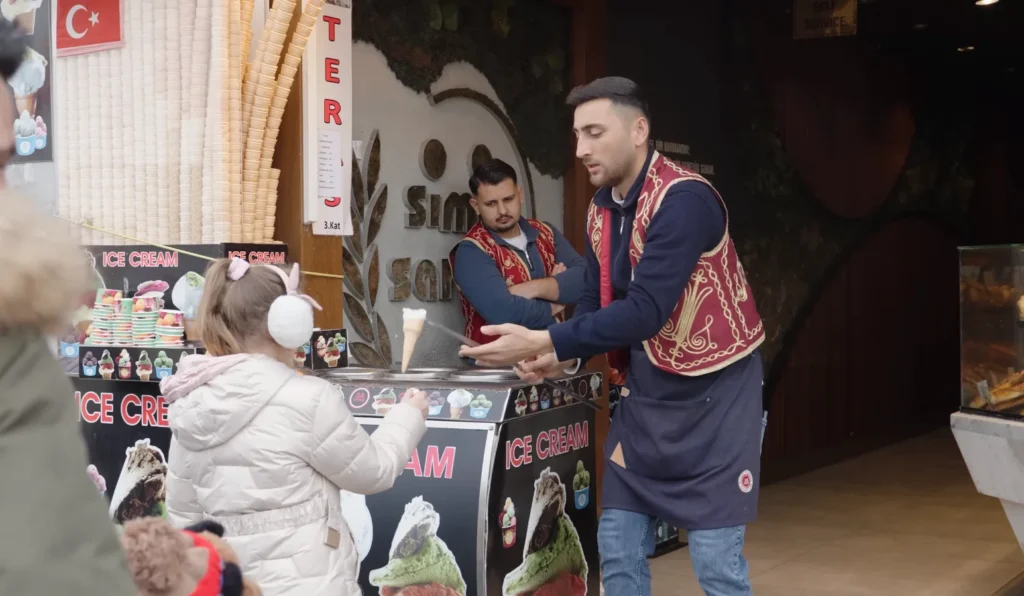
I probably drank 400 small glasses of çay (Turkish tea) during my trip. It’s served everywhere, constantly shops, restaurants, bus stations, people’s homes, random street corners. Thin tulip-shaped glasses, boiling hot, usually with enough sugar to make your dentist cry.
Coffee exists too, Turkish coffee is thick, strong and served in tiny cups with the grounds still in it. Don’t drink the sludge at the bottom unless you want a gritty surprise. Some people read your fortune in the leftover grounds, which happened to me exactly once at a café in Kaş. The woman looked at my cup, laughed and said something in Turkish I didn’t understand. Her husband translated: “She says you think too much.” Fair.
Street Food Strategy
Forget the restaurants in tourist zones. The best food came from places where no one spoke English and the menu was just someone yelling options at me.
I learned to look for crowds of locals if there’s a line of Turkish people at lunch, that’s where you want to be. Point at what someone else is eating if you don’t know the name. Smile a lot. Apologize for your terrible Turkish. Most people found my attempts at the language hilarious but appreciated the effort.
Baklava deserves it’s own paragraph. Every region makes it differently pistachios in the southeast, walnuts elsewhere, varying syrup sweetness. The best I had was in Gaziantep (briefly passed through on a bus connection), where they’ve been perfecting it for centuries. Layers of phyllo dough so thin you could read through them, filled with ground pistachios, soaked in syrup but somehow not sickeningly sweet. I ate four pieces and bought a box to take on the bus.
Practical Stuff I Wish I’d Known Before Landing
The Visa Situation
Most nationalities can get an e-visa online before arrival. Takes about 10 minutes, costs around $50 depending on your passport, valid for 90 days. Do this ahead of time technically you can get it on arrival but the line is brutal and you’ll hate yourself.
Some nationalities get visa-free entry. Check your specific situation because Turkey’s visa policies shift occasionally.
Money Matters
The Turkish lira has been doing weird things for years. When I was there, exchange rates were very favorable for tourists my dollars went far. But I watched the rate change noticeably even during my three weeks.
What actually worked:
- ATMs everywhere, usually better rates than exchange offices.
- Credit cards widely accepted in cities, less so in small towns.
- Always carry cash for street food, small shops and rural areas.
- Bargaining expected at markets, not at regular stores (don’t be that person haggling at a fixed-price supermarket).
The inflation situation means prices can feel inconsistent. A meal might cost 30 lira one place, 80 lira somewhere fancier, 15 lira at a hole-in-wall spot that’s actually better than both. Quality doesn’t always scale with price.
Getting Around Without Losing Your Mind
Buses: Turkey’s bus system is almost offensively good. Comfortable seats, free WiFi (sometimes), snacks, water and random guys walking the aisle spraying cologne on your hands. Metro Turizm and Pamukkale are the big companies. Book through their websites or just show up at the otogar (bus station).
Night buses saved me money on accommodation. The seats recline enough to actually sleep (if you’re not 6’5″) and you wake up in a new city ready to go.
Dolmuş: Shared minibuses that run on semi-fixed routes. Cheap, frequent and bewildering for newcomers. Just say your destination and the driver will nod (or shake his head if he’s not going there). Pay when you get off.
Domestic Flights: Stupidly cheap if you book ahead. Turkish Airlines and Pegasus both do sales. I flew Istanbul to Kayseri (for Cappadocia) for like $30 because the bus would’ve taken 12 hours.
Rental Cars: Roads are generally good, drivers are… enthusiastic. I only drove briefly around Kaş and it was fine, but Istanbul traffic is a whole psychological warfare situation I wouldn’t recommend.
The Cultural Learning Curve: Mistakes I Made So You Don’t Have To
Turkey has this reputation for being “easy” travel which it is, compared to a lot of places. But there’s still a cultural gap and I stumbled through it awkwardly more than once.
The Hospitality Thing Is Overwhelming (In a Good Way)
Turkish hospitality isn’t a cliché it’s an actual cultural value that’ll catch you off guard if you’re used to Western keep-to-yourself vibes.
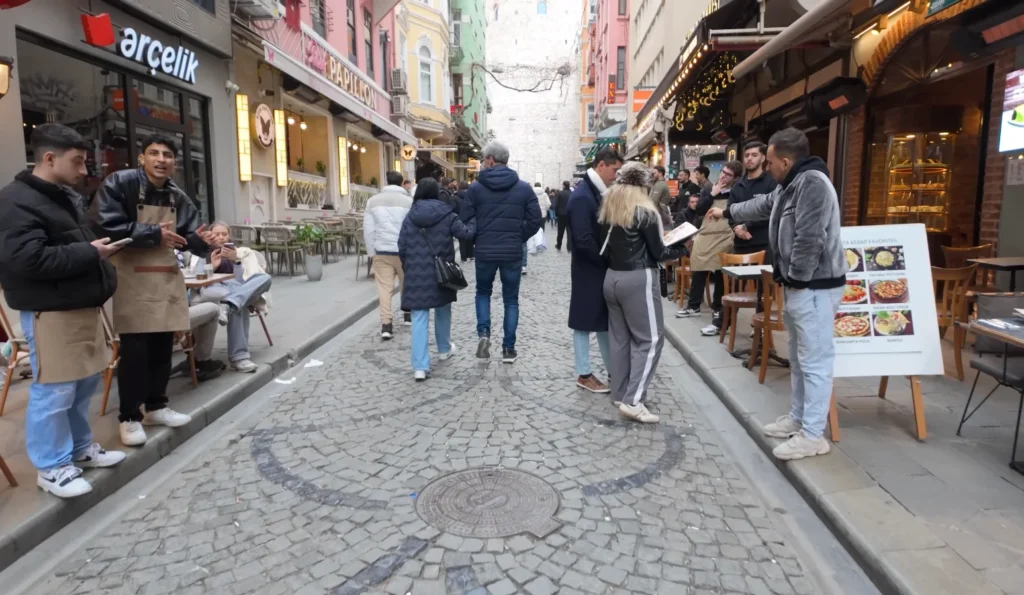
Random example: I got lost trying to find a specific hamam (traditional bathhouse) in Istanbul’s Fatih district. Stopped to check my phone map and within thirty seconds an elderly man approached, asked where I was going in broken English, then literally walked me there like, ten minutes out of his way. Refused any money for his trouble, seemed confused I’d even offer.
This happened constantly. Shop owners offering tea with zero expectation you’d buy anything. Families inviting me to share their picnic at Pamukkale. A bus driver stopping to make sure I got on the right dolmuş connection.
But here’s what tripped me up: reciprocation is expected, just not financially. If someone helps you, buys you tea, shows you around they’re not looking for money, but they do want genuine appreciation and maybe your time. Sit, talk, ask about their family, show interest in their city.
I made the mistake early on of treating kindness transactionally “thanks, here’s 20 lira, bye” and you could see people deflate. They weren’t running a service, they were being human. Once I figured that out, everything got easier.
The Shoes Thing
Take your shoes off. Everywhere.
Mosques, obviously, but also homes, some restaurants, many carpet shops, hotel rooms (sometimes) and even some changing rooms. I got decent at untying my boots quickly, though I watched locals slip in and out of their shoes effortlessly while I struggled like a toddler.
Most mosques provide plastic bags for your shoes. Put them in the bag, carry the bag with you. Don’t leave your shoes outside unless you want to test Turkish honesty (which, to be fair, held up remarkably well in my experience).
Prayer Times Aren’t Suggestions
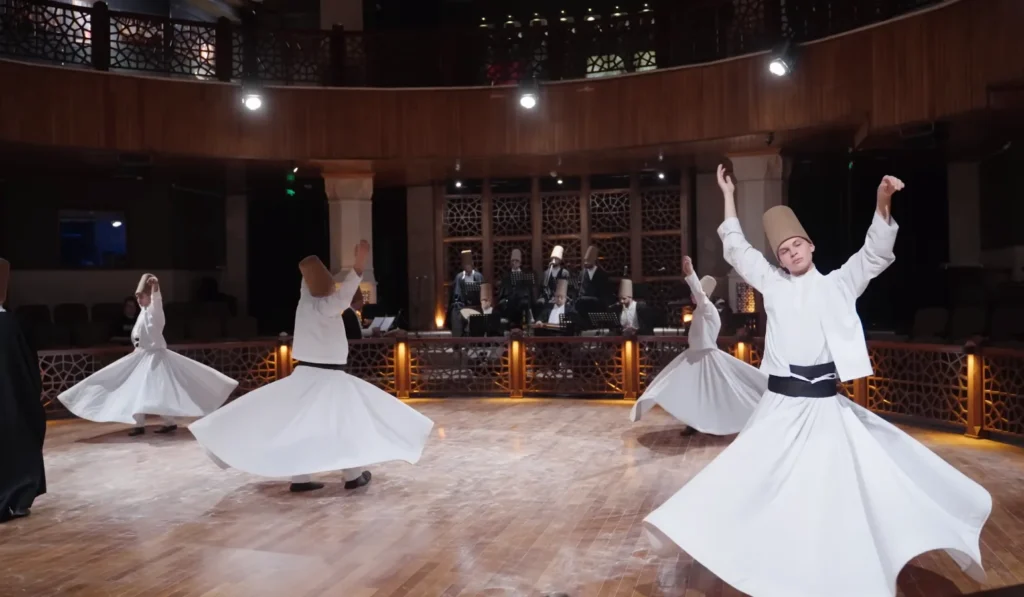
Five times daily, the call to prayer echoes from every mosque. It’s hauntingly beautiful, especially at dawn or sunset, but it also means things stop.
Shops might close for 20 minutes. Traffic pauses. If you’re in a mosque, everyone who’s praying gets priority space tourists move to the sides. During Ramadan (which I hit the tail end of), the schedule shifts entirely. Restaurants close during daylight hours, then the whole city erupts into eating at sunset.
I learned to plan around prayer times loosely not because things shut down hard, but because the rhythm of the day follows them. Fighting that rhythm is pointless.
Alcohol Is Available But Complicated
Turkey’s a secular country with a significant Muslim population, which means alcohol exists in this weird space.
You can buy beer and rakı (anise-flavored liquor that’s basically Turkey’s national drink) at most restaurants and liquor stores. But it’s expensive the government taxes it heavily. A beer at a restaurant might cost more than your entire meal.
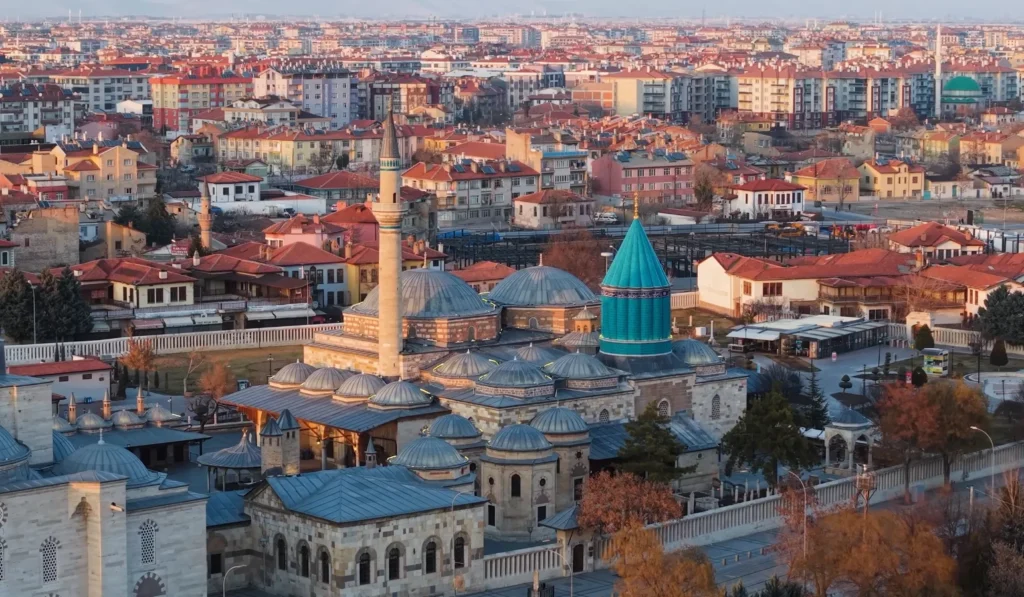
Some neighborhoods in Istanbul, like Beyoğlu, have bars everywhere. Others, especially more conservative areas, you won’t see alcohol at all. Read the room. I made the mistake of asking for beer at a family restaurant in Konya (central Turkey, quite religious) and got the most politely horrified look from the owner.
Language: My Terrible Turkish and Why It Mattered Anyway
I speak exactly seven words of Turkish, most of them food-related:
- Merhaba (hello)
- Teşekkür ederim (thank you butchered the pronunciation for weeks)
- Lütfen (please)
- Çay (tea)
- Hesap (bill/check)
- Çok güzel (very beautiful)
- Yavaş yavaş (slowly became my motto)
English is common in tourist areas and major cities. Istanbul, Antalya, Cappadocia you’ll be fine. But venture into smaller towns and rural areas and you’re suddenly miming everything like the world’s worst charades game.
What actually helped:
Google Translate’s camera function. Point it at menus, signs, whatever and it translates in real-time. Worked maybe 70% of the time, which was enough.
Learning the numbers. Prices are usually in numerals anyway, but knowing bir (one), iki (two), üç (three) helped at markets.
The Turkish “head shake no” is different it’s more of an upward chin lift with raised eyebrows. Took me forever to recognize this wasn’t someone being dismissive, just saying “no” or “I don’t know.”
People appreciated even terrible attempts at Turkish. My pronunciation of “teşekkür ederim” probably sounded like a cat choking, but folks would light up that I tried.
When to Go: Seasons Matter More Than You’d Think
I traveled March through early April, which turned out to be pretty ideal. But timing in Turkey isn’t just about weather it’s about crowds, prices and whether certain experiences are even possible.
Spring (April-May): The Sweet Spot
This is peak time for good reason. Warm but not scorching, flowers everywhere, Cappadocia’s valleys are green (briefly it’s mostly desert) and the Mediterranean is swimmable if you’re not temperature-sensitive.
Downside: Everyone knows this is prime time. Cappadocia’s balloon rides book out quickly. Popular ruins get crowded by mid-morning. Prices tick upward.
I hit late March/early April, which was just before the rush. Still cool in Istanbul (bring a jacket), but Pamukkale and the coast were perfect.
Summer (June-August): Hot and Packed
Istanbul gets humid and sticky. The Mediterranean coast is perfect hot, yes, but you’re swimming constantly anyway. Cappadocia is brutal 40°C+ (104°F+) with no shade in those valleys.
This is when European package tourists flood the coast. Antalya’s beaches are shoulder-to-shoulder. Prices jump. On the flip side, everything’s open, tours run constantly and the vibe is very much summer vacation mode.
If you go in summer, do Istanbul at the beginning or end of your trip, not mid-August.
Fall (September-October): Underrated
My Turkish friend Mehmet swore September was the best month. Summer crowds thinning, water still warm, weather cooling to comfortable levels. I can’t confirm personally, but based on what I saw, I believe him.
Downside: By late October, some coastal places start shutting down for the season. Olympos treehouse camps close. Beach restaurants board up. You’re entering shoulder season, which is great for prices but limits options.
Winter (November-March): Cheap and Complicated
Istanbul’s rainy and cold not unbearable, but definitely jacket weather. The coast is dead quiet, many places closed entirely. Cappadocia gets snow and ice, which is beautiful but limits hiking and sometimes grounds balloon flights.
But: Prices drop significantly. You’ll have Hagia Sophia practically to yourself on a Tuesday morning. Ski resorts near Ankara operate if that’s your thing.
I wouldn’t recommend winter unless you’re okay with limited options and weather dice rolls.
Ramadan: Plan Accordingly
If you’re there during Ramadan (dates shift annually it’s lunar calendar-based), know what you’re signing up for. Many restaurants close during daylight hours. The ones that stay open sometimes have curtained sections for tourists eating while locals fast. It feels weird.
But the evening iftar meals when everyone breaks fast together are incredible social experiences. Streets fill with food stalls. Mosques serve free meals to anyone who shows up. The night energy is unlike anything else.
I caught the tail end of Ramadan in Istanbul and honestly, the iftar experience alone was worth the daytime inconvenience.
Safety, Scams and Street Smarts
Turkey gets unfairly painted as sketchy in Western media. Reality: I felt safer in Istanbul than I did in Paris or Barcelona. But you still need your head on straight.
What Actually Happened vs. What I Worried About
Worried about: Terrorism, kidnapping, general Middle East anxieties Reality: Absolutely nothing. Turkey has security everywhere metal detectors at major sites, police presence in tourist areas and incidents targeting tourists are extremely rare.
Worried about: Aggressive scams Reality: Mild hustling at tourist markets, easily deflected
Scams That Do Exist (And How to Avoid Them)
The “Shoe Shine” Drop: Guy in front of you drops his brush, you helpfully pick it up, suddenly he insists on shining your shoes “for free,” then demands money. Just don’t engage. Keep walking.
The Friendly Carpet Shop Invitation: Someone strikes up conversation, mentions their shop, offers tea, before you know it you’re in a basement looking at rugs while three guys explain why this one is a great investment. The tea is real, the friendliness is real, but so is the sales pressure. Only go if you’re actually interested in buying carpets.
The Taxi Meter “Broken”: Some Istanbul taxis claim broken meters and quote inflated prices. Use Uber/BiTaksi apps instead or agree on price before getting in. Better yet, learn the dolmuş routes.
Restaurant Menu Tricks: Tourist area restaurants sometimes have two menus one with normal prices for locals, one with inflated prices for tourists. Or they bring appetizers you didn’t order, then charge for them. Always check prices before ordering and confirm what’s included.
The Club Invitation: Young guys invite solo male travelers (usually) to a bar/club, suddenly there are drinks, pretty women chatting you up, then a bill for $500 arrives. Don’t go to bars with strangers, ever. This scam is legendary in Istanbul’s Taksim area.
None of this happened to me personally. But I heard enough stories to stay alert.
General Safety Observations
Women Traveling Solo: Several solo women travelers I met reported feeling safe, with the usual caution about late-night areas and reading cultural cues. Conservative dress in religious areas helps avoid unwanted attention. Istanbul’s more liberal than rural areas.
Pickpockets: Istanbul’s trams and the Grand Bazaar are pickpocket territory. Front pockets, zipped bags, don’t flash expensive gear. Standard big-city precautions.
Driving: Turkish drivers are… confident. Lanes are suggestions. Honking is constant communication. If you rent a car, drive defensively and maybe avoid Istanbul entirely.
Political Sensitivity: Don’t talk politics loudly in public. Criticizing Atatürk (Turkey’s founder) is actually illegal. The Kurdish situation, Armenian genocide, government criticism these are sensitive topics. I’m not saying you can’t discuss them, but read your audience.
The Money Talk: What I Actually Spent
My budget was mid-range not backpacking hostels and ramen, but not luxury hotels either. Here’s the rough breakdown for three weeks:
Accommodation: $400 total (mix of budget hotels, pensions and the Olympos treehouse stay).
Food: $350 (ate out almost every meal because it was cheap and too good to skip).
Transport: $250 (including flights, buses, local transport and that scooter rental).
Activities: $300 (balloon ride was half of this, rest was entrance fees and occasional tours).
Random stuff: $150 (souvenirs I didn’t need, extra snacks, museum audioguides).
Total: Around $1,450 for three weeks, not including flights to/from Turkey.
You could do it cheaper hostels, more street food, skip the balloon, travel slower. You could also blow way more at nicer hotels and restaurants. Turkey scales to almost any budget, which is part of why I loved it.
Things I Wish I’d Done Differently
Learned more Turkish. Even basic phrases would’ve opened more doors. I relied on English too much.
Spent less time in Istanbul initially. I front-loaded five days in Istanbul, got overwhelmed and wished I’d broken it up a few days at the start, then come back at the end.
Visited the Southeast. I completely skipped Gaziantep, Şanlıurfa, Mardin the whole southeastern region where food is supposedly even better and history goes back even further. Ran out of time and I regret it.
Brought better shoes. My boots were fine but heavy. Should’ve had lightweight sneakers for all the walking and ruin-climbing.
Tried a proper hamam experience earlier. I did the traditional Turkish bath thing my last day in Istanbul and loved it. Should’ve done it sooner and maybe twice.
Taken a Turkish cooking class. I ate everything but never learned to make any of it. Several places in Istanbul and Cappadocia offer classes. Next time.
Final Thoughts: Why Turkey Stuck With Me
I left Turkey three weeks after landing, flew back to a gray European spring and immediately started planning a return trip. That’s never happened to me before.
There’s something about Turkey that doesn’t let go. Maybe it’s the way ancient and modern slam together without apology. Maybe it’s how strangers kept treating me like a guest instead of a tourist. Maybe it’s the food, the landscapes, the weird magic of watching the sun rise over those fairy chimneys while floating in a basket.
Or maybe it’s simpler: Turkey surprised me. Not in the “wow, this exceeded low expectations” way, but in the “I thought I knew what I was looking for and found something else entirely” way.
I went looking for history and found hospitality. Went looking for exotic and found familiar. Expected postcards and got complexity.
What Turkey taught me:
That I’d been carrying unconscious biases about Muslim-majority countries and those biases were lazy and wrong.
That some of the best travel experiences cost almost nothing ferry rides, valley hikes, conversations over tea.
That my Western concept of “efficient” travel (hit the highlights, check the boxes, move on) misses the entire point. Turkey rewards slowness.
That cats are better at navigating Istanbul than I am.