The truck lurched to a stop. Dust everywhere orange, thick, getting in my teeth. I’d been bouncing around in the back of this pickup for what felt like hours and my tailbone was done with me. But then I looked up.
Wadi Rum stretched out in front of me like something from another planet. Mars, maybe. Except Mars doesn’t have Bedouin guys making tea over a fire and Mars definitely doesn’t smell like cardamom and diesel fumes mixed together in a way that somehow works.
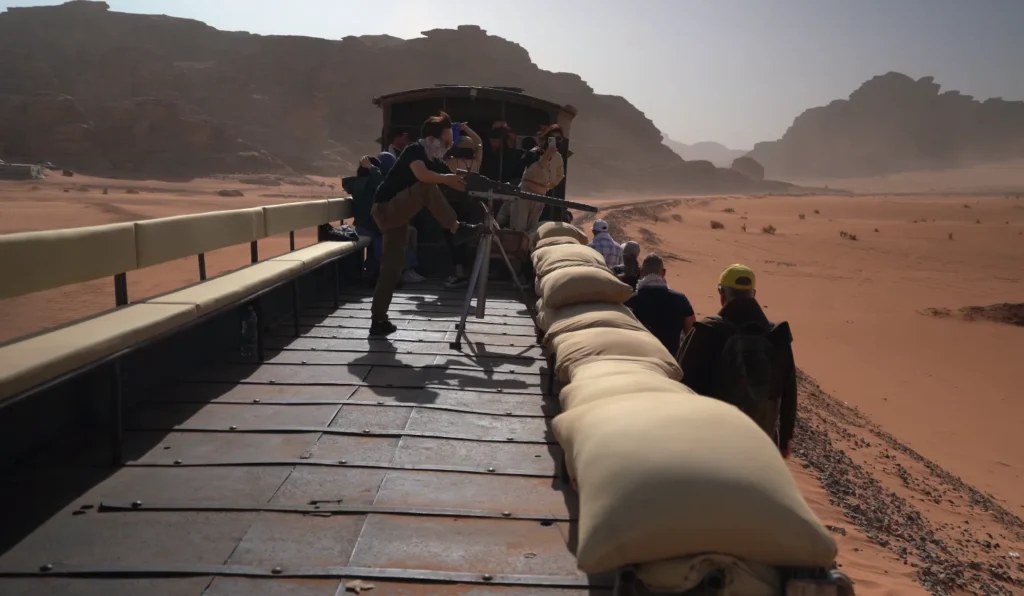
I wasn’t supposed to be here. Not really. The plan was Petra see the Treasury, check it off the list, move on. But my guide, Ahmad, mentioned Wadi Rum almost as an afterthought. “You want to sleep in the desert?” he’d asked.
Why not?
Getting There: The Road That Doesn’t Quit
From Petra, it’s about 90 minutes south. Sounds simple. It’s not.
The road snakes through valleys that look like they’ve been carved by giants with bad tempers. Rock formations jut up at weird angles reds, browns, colors I don’t have names for. According to Jordan’s Ministry of Tourism, Wadi Rum covers around 720 square kilometers. That number didn’t mean much to me until I was actually in it. It’s massive. Empty in a way that makes you feel small but not scared, which is strange.
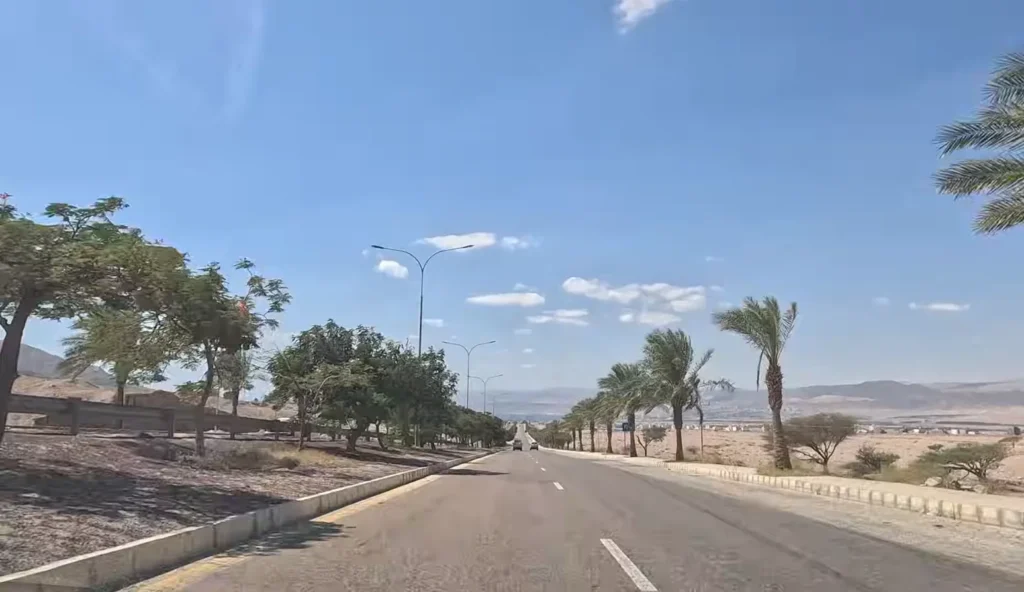
Ahmad drove. I sat in the passenger seat with my window down, one arm hanging out because that’s what you do when the view’s this good and you’re pretending to be in a movie. The wind was hot but not unbearable. We passed a few tourist convoys those big 4x4s packed with people who looked like they’d paid a lot more than I had for this experience.
“Where are we actually sleeping?” I asked.
Ahmad grinned. Didn’t answer. Just kept driving.
The paved road ended. We turned onto sand deep, soft sand that the truck handled better than I expected. Twenty more minutes of this. Then we pulled up to what looked like a small village of domes.
The Camp: Not What Instagram Led Me to Believe
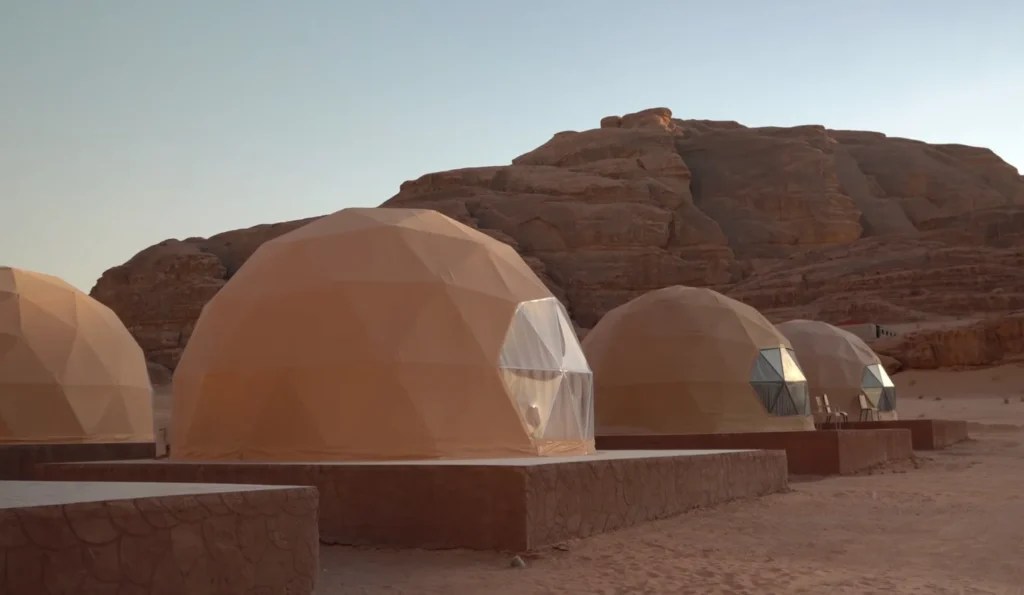
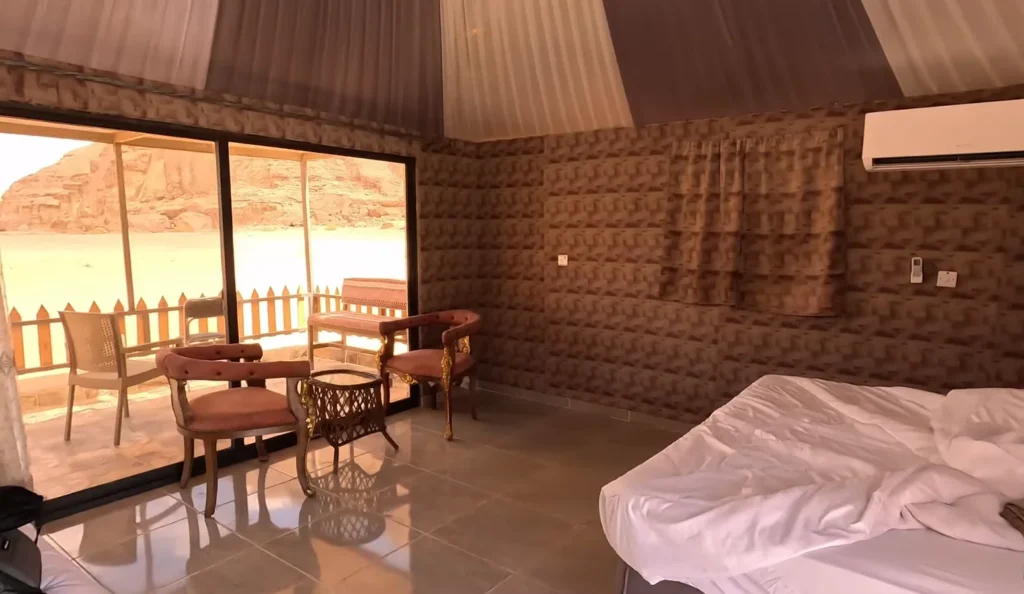
Martian domes. That’s what they’re called. Or “bubble tents” if you’re being less dramatic about it. They’re these geodesic structures canvas stretched over metal frames that sit right on the sand. Mine had a bed, a rug, a tiny side table with a battery-powered lamp. That’s it.
The bathroom was separate. Shared. I had to walk about 30 meters in the dark later that night, which would become it’s own little adventure.
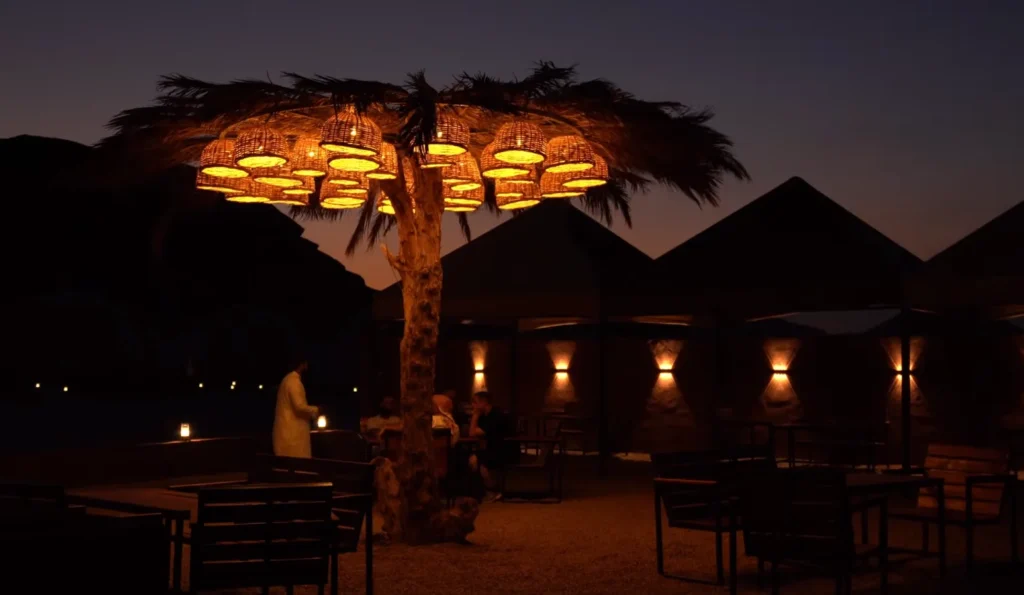
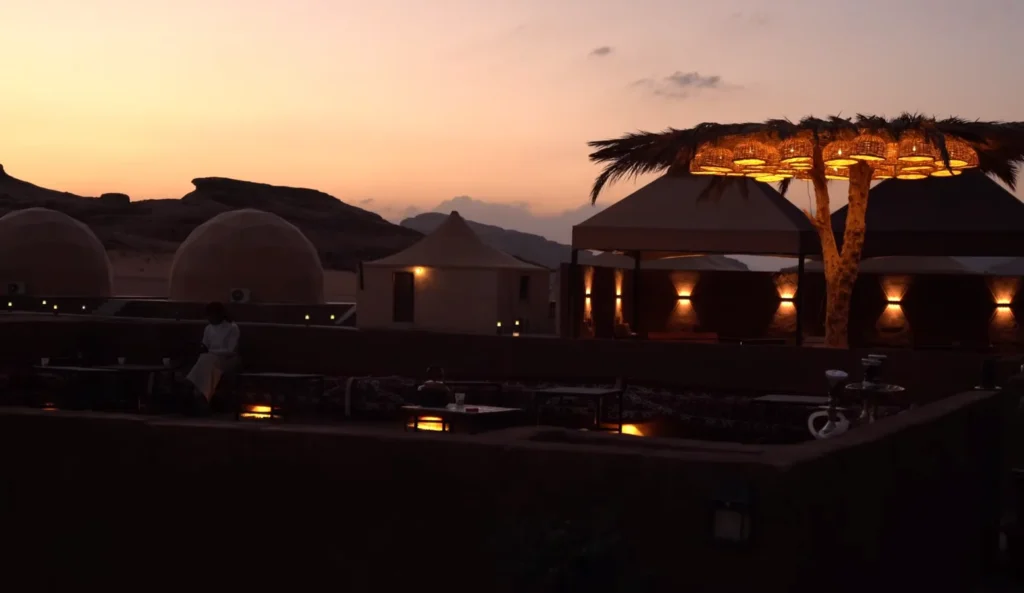
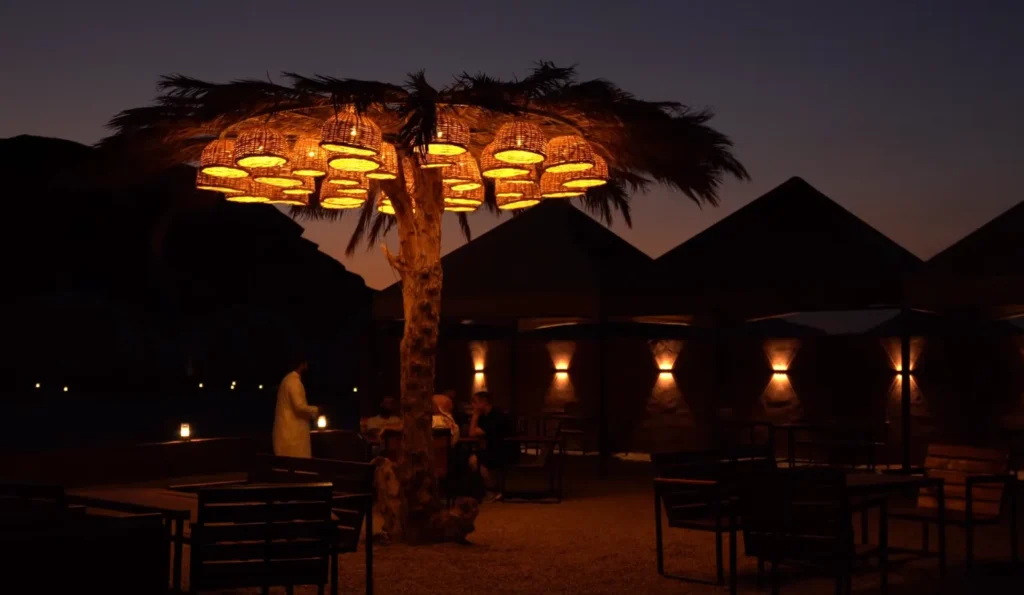
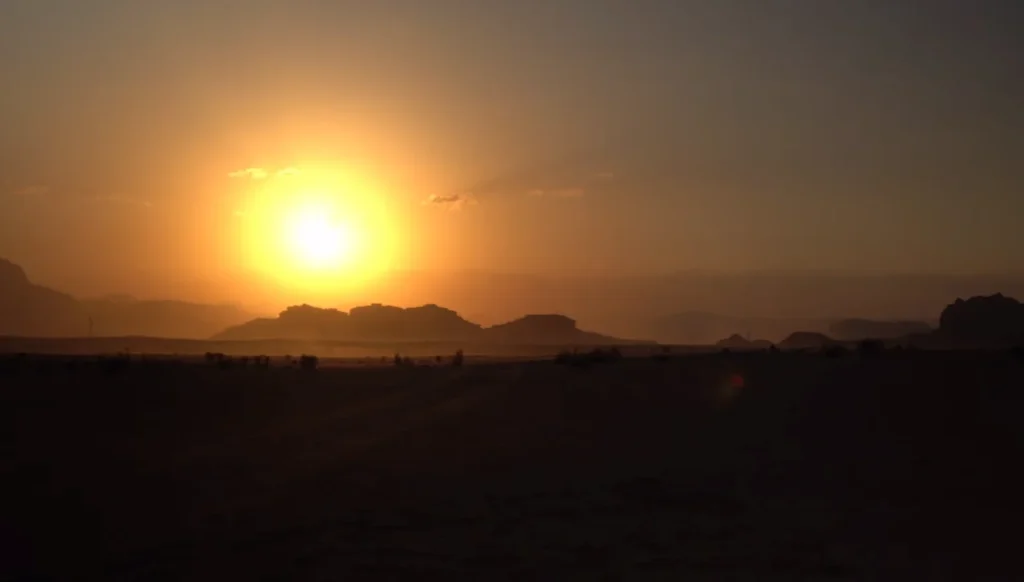
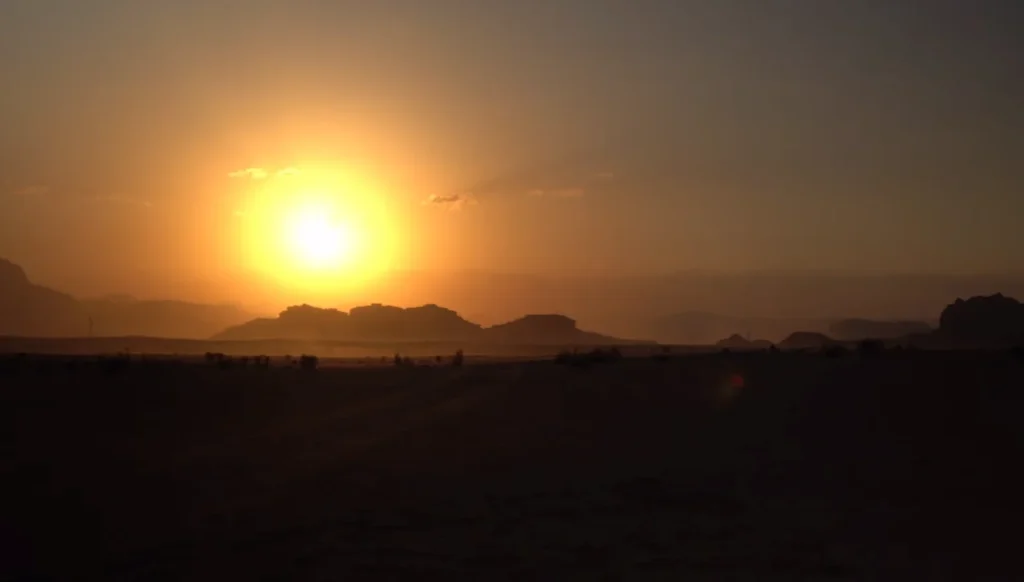
I dropped my bag inside and went back out. The sun was starting to drop. Golden hour in the desert hits different everything turns copper and then pink and then this deep bruised purple. I sat on a carpet outside the main tent area where they were setting up dinner. There was a palm tree, fake probably, strung with lights. Other travelers were starting to gather.
A French couple. Three guys from South Korea who barely spoke to anyone. Two Australian women who would not stop talking about camel rides. And me.
Dinner: Zarb and the Art of Waiting
Dinner wasn’t ready yet. “Soon,” Ahmad said. “Zarb takes time.”
Zarb is this traditional Bedouin cooking method they basically bury your food in the sand, cover it with coals and let it slow-cook for hours. The dish has been used by desert tribes for centuries, mostly because when you’re nomadic and living in a place with no kitchens, you improvise.
I watched them dig it up. They pulled back layers of canvas and sand and steam just poured out. Chicken, lamb, potatoes, carrots all of it smoky and falling apart. We ate with our hands. Or I did, anyway. The Australian women used forks they’d brought with them, which felt like cheating.
The tea came after. Bedouin tea is basically sugar with a rumor of mint. I drank three cups because it was cold now desert cold, the kind that sneaks up on you. One minute you’re sweating, the next you’re layering on every piece of clothing you packed.
History You Can’t Ignore
Someone asked Ahmad about the area’s history. He launched into it not in a rehearsed way, but like he was telling us about his own family.
Wadi Rum isn’t just pretty. It’s been inhabited for thousands of years. Petroglyphs and rock inscriptions here date back to the Thamudic period, around 4th century BCE. The Nabataeans same people who built Petra used Wadi Rum as a trade route.
| Period | Significance |
| 4th century BCE | Thamudic inscriptions appear on rock faces |
| 1st century BCE-1st century CE | Nabataeans use Wadi Rum as major trade route |
| 1916-1918 | T.E. Lawrence (Lawrence of Arabia) bases operations here during Arab Revolt |
| 2011 | UNESCO designates Wadi Rum as World Heritage Site |
Lawrence of Arabia yeah, that guy spent serious time here during World War I. He wrote about Wadi Rum in Seven Pillars of Wisdom, calling it “vast, echoing and god-like.” Dramatic, but not wrong.
The rock formation they call “The Seven Pillars of Wisdom” is named after his book, though whether he actually saw that specific formation is up for debate. Tourists love it anyway.
The Night: When Silence Gets Loud
After dinner, people scattered. Some went to their domes. The Australians wanted a bonfire. The Korean guys just vanished.
I walked out past the camp lights. Not far maybe 100 meters but far enough that the generator hum faded and I could actually hear the desert.
Which is to say: nothing.
No cars. No planes. No hum of a city you don’t realize is always there until it’s gone. Just wind occasionally pushing sand around and my own breathing.
The stars were absurd. I’m from a place where light pollution means you see maybe a dozen stars on a good night. Here? Thousands. The Milky Way looked like someone spilled milk across the sky this thick, cloudy band of light. I tried taking a photo with my phone. Useless. Some things don’t translate.
Midnight: The Bathroom Walk I Didn’t Plan For
Around 1 AM, my bladder decided it had opinions.
I’d been lying in the dome, half-asleep, listening to wind push against the canvas. The bed was surprisingly comfortable thick mattress, heavy blankets that I actually needed because desert nights don’t mess around. But nature called and the bathroom was out there. Somewhere.
I unzipped the dome entrance. Cold hit me immediately.
The camp was dark except for a few solar lights marking pathways. I could see the outline of the bathroom block maybe 30 meters away, felt like 300. I had my phone flashlight, which helped exactly nothing because the battery was at 12%.
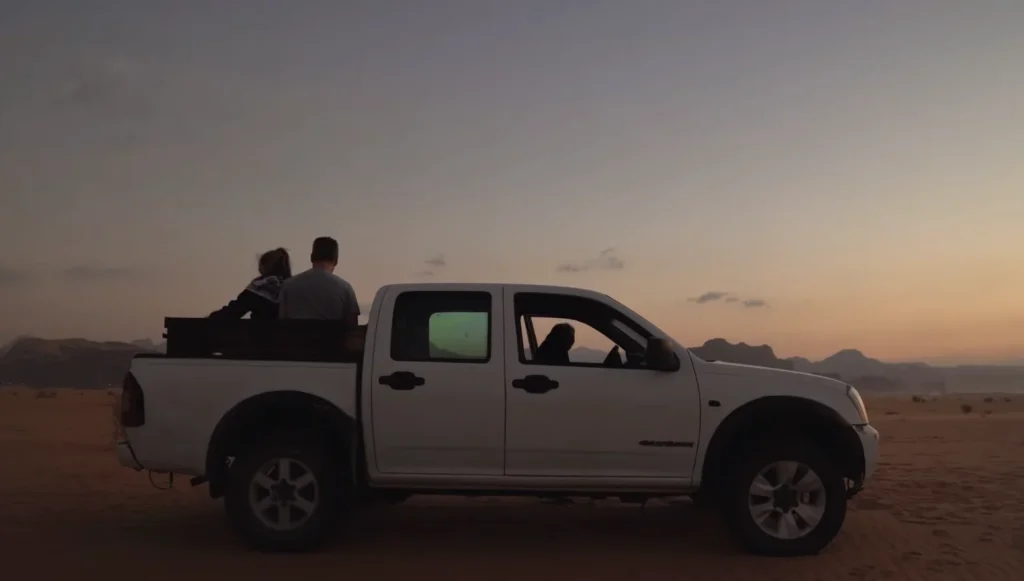
Walking through sand in the dark is it’s own skill. You can’t see the dips. I nearly rolled my ankle twice. And the quiet that same massive silence from earlier felt different now. Less peaceful, more like something was watching. Which was stupid. Probably.
Made it to the bathroom. Made it back. Crawled into bed and lay there, suddenly very awake.
That’s when I heard it.
The Sound That Wasn’t Supposed to Be There
Low rumbling. Not wind. Not a generator.
I sat up. Pressed my ear against the canvas.
Voices. Bedouin guys Ahmad and a few others still awake, sitting around what must’ve been the dying fire. I could hear them laughing, talking in Arabic I couldn’t understand. One of them was playing something stringed. A rebab, maybe? Traditional Bedouin instrument, single string, sounds like it’s crying and singing at the same time.
I lay back down. Listened. The melody was repetitive but not boring circular, building on itself. Hypnotic, actually. I don’t remember falling asleep, but I must have because next thing I knew, light was bleeding through the dome’s canvas and someone was banging on a pot outside.
Morning: When the Desert Shows Off
Sunrise in Wadi Rum isn’t gentle. It’s a whole production.
I stumbled out of the dome at 5:47 AM too early, way too early because Ahmad had mentioned something about “the best light” and I’m a sucker for that kind of thing.
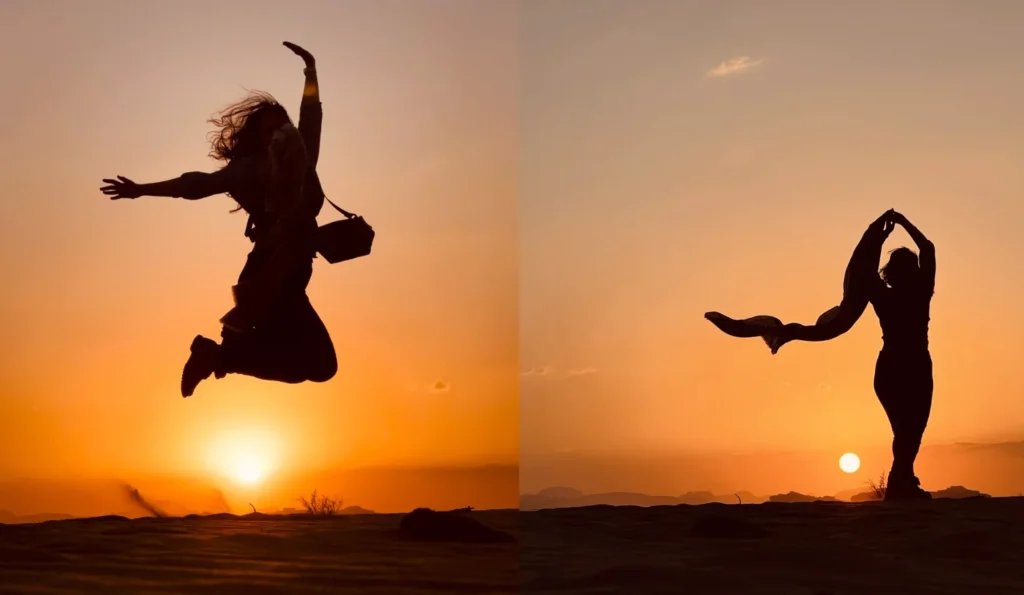
The sky was doing that thing where it cycles through every warm color in existence. Pink to orange to gold to this bright, almost violent yellow. The rock formations those massive pillars and cliffs turned copper. Shadows stretched forever.
Three of us were up. Me, one of the Korean guys (we nodded at each other, still didn’t speak) and one of the Australians who looked like she’d regretted her life choices.
“Worth it?” I asked her.
She squinted at the sun. “Ask me after coffee.”
Breakfast: Simpler Than You’d Think
Breakfast was laid out in the main tent by 6:30. Pita bread, labneh (strained yogurt tangy, thick, incredible with olive oil), olives, cucumbers, tomatoes, hard-boiled eggs, jam. Bedouin breakfast isn’t fancy, but it works. Everything tasted better than it had any right to, probably because we were eating it with sand in our hair and no concept of what day it was.
More tea. Always more tea.
The French couple was talking about driving deeper into Wadi Rum there are routes you can take that go past Lawrence’s Spring, past the rock bridges, all the way to the Saudi border if you’re ambitious and have permits.
We didn’t have permits. Or ambition, really. Our plan was simpler.
The Jeep Tour: Wadi Rum’s Greatest Hits
At 8 AM, we loaded into an open-back jeep. Not the domes-and-dinner jeep a different one, older, with bench seats that had definitely seen better decades. Ahmad drove. Five of us in the back: me, the Korean guy, both Australians and a German woman who’d shown up from somewhere and immediately started complaining about the lack of seatbelts.
Valid complaint, actually. There were no seatbelts.
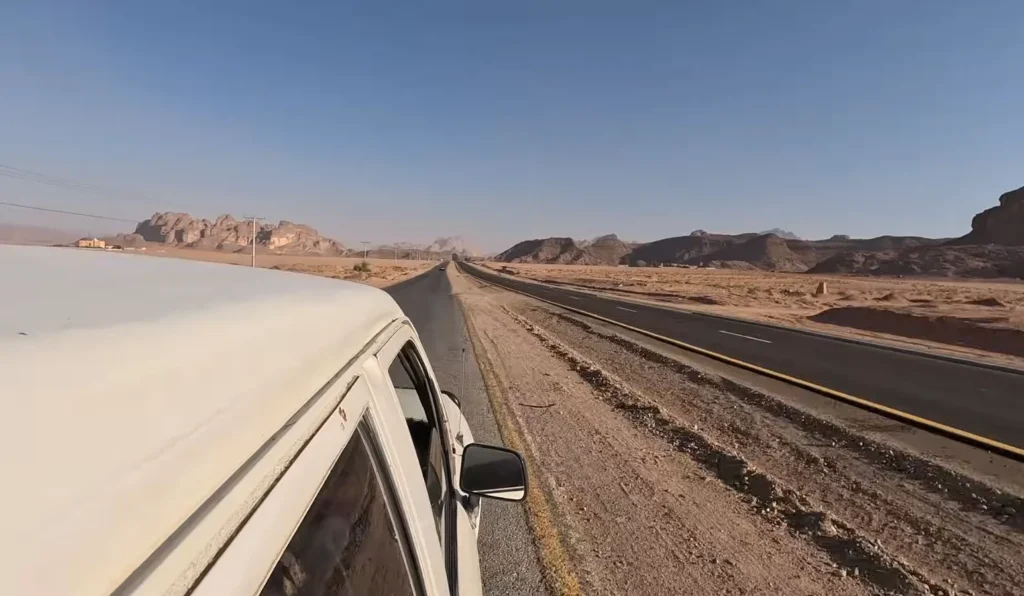
We drove. Fast. Faster than seemed reasonable given the terrain, but Ahmad knew what he was doing. The jeep bounced over rocks, through soft sand patches where we fishtailed slightly, past formations that looked like melted wax.
First stop: Khazali Canyon.
Khazali Canyon: Where Ancient People Left Messages
Narrow. That’s the first thing. The canyon walls press in close maybe 2 meters wide in some spots and they’re covered in carvings.
Petroglyphs here date back thousands of years, mostly Thamudic and Nabataean. Figures of people, animals (ibex, mostly), symbols that nobody’s totally sure about. One carving showed what looked like a hunting scene. Another might’ve been a map. Or directions. Or someone just bored one afternoon 2,000 years ago.
Suggested: Create a simple infographic here showing common petroglyph symbols found in Wadi Rum and their possible meanings
I ran my hand over one of the carvings a handprint, human-sized, pressed into the rock. Someone stood here. Thousands of years ago. Put their hand right where mine was. That’s the thing about places like this. History isn’t abstract. It’s fingerprints in stone.
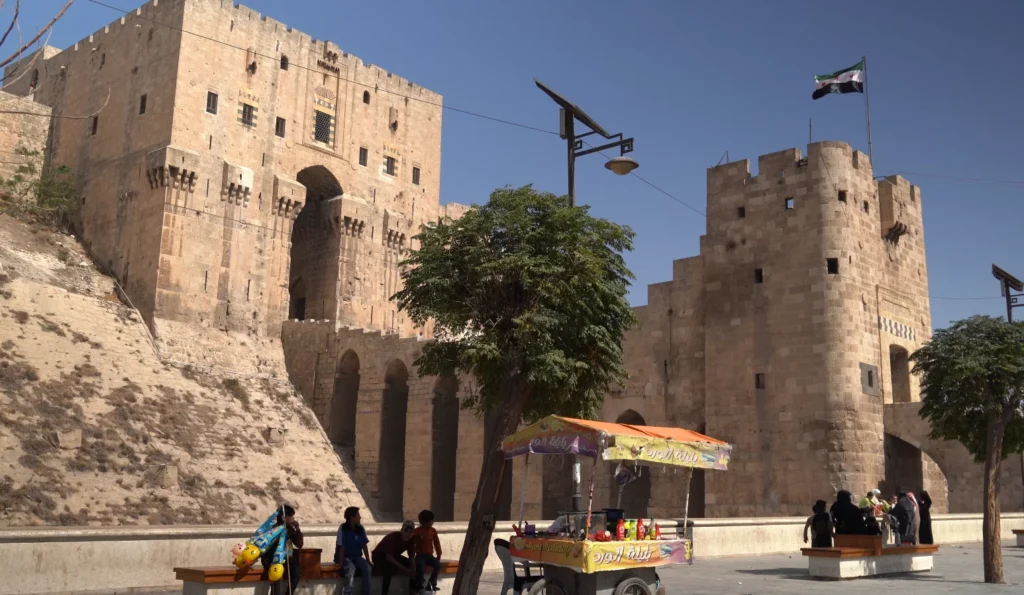
Ahmad pointed out inscriptions he said were warnings about water sources. Made sense water in the desert wasn’t casual. It was survival. The Nabataeans were experts at water management, building cisterns and channels that still exist in some places.
We stayed maybe 20 minutes. Then back in the jeep.
Rock Bridges and Other Gravity-Defying Nonsense
Next stop: Burdah Rock Bridge. Or we were supposed to go there, but Ahmad said it required hiking and we looked collectively unenthusiastic, so we went to a smaller bridge instead. Um Fruth, I think. Still impressive.
Natural arch, carved by wind and time and geological processes I don’t understand. You can climb up to it there’s a path, sort of and walk across.
I did. The Australian women did. The German woman took photos from below and muttered about insurance.
Standing on top of a rock bridge in the middle of Wadi Rum: weird feeling. On one side, sheer drop. On the other, same. Below you, open air. Around you, nothing but desert and sky and wind that won’t stop trying to push you off.
I sat down. Legs dangling. The Korean guy sat a few meters away, doing the same thing. We still didn’t talk. Didn’t need to.
The Lawrence Connection: Separating Myth from Reality
On the drive back, Ahmad talked more about T.E. Lawrence. The guy’s everywhere in Wadi Rum tourism “Lawrence’s Spring,” “Lawrence’s House,” “Lawrence’s Favorite Rock” (okay, I made that one up, but barely).
Here’s what’s real: Lawrence was here. He wrote extensively about Wadi Rum in his accounts of the Arab Revolt. He used it as a base for operations, met with tribal leaders, coordinated attacks on Ottoman positions.
What’s less clear: exactly which spots he actually used. A lot of the “Lawrence” names are probably tourism branding more than historical fact. But the general area? Yeah. He was here. Moving through these same valleys, seeing these same rocks, dealing with the same temperature swings and sand in everything.
T.E. Lawrence Timeline in Wadi Rum
| Date | Event |
| October 1916 | Lawrence first arrives in Arabia to support Arab forces |
| Summer 1917 | Uses Wadi Rum as strategic base during guerrilla campaign |
| July 6, 1917 | Arab forces capture Aqaba (just south of Wadi Rum) |
| 1922 | Publishes Seven Pillars of Wisdom, immortalizing the desert |
The real Lawrence was more complicated than the movie version. Brilliant strategist, yes. Also deeply conflicted about British imperialism, Arab independence, his own role in everything. His writings show someone wrestling with those contradictions.
But standing in Wadi Rum, you get why he kept coming back. Why he wrote about it the way he did. The place gets under your skin.
The Departure: When Leaving Feels Wrong
We got back to camp around 11 AM. Sun was high now, brutal. The temperature had jumped from “chilly morning” to “why did I wear jeans” in about two hours.
I went back to my dome to pack. Which took all of five minutes because I’d barely unpacked to begin with. Shoved everything into my backpack, zipped it up, stood there for a second.
The dome looked exactly like it had when I arrived. Like I was never here.
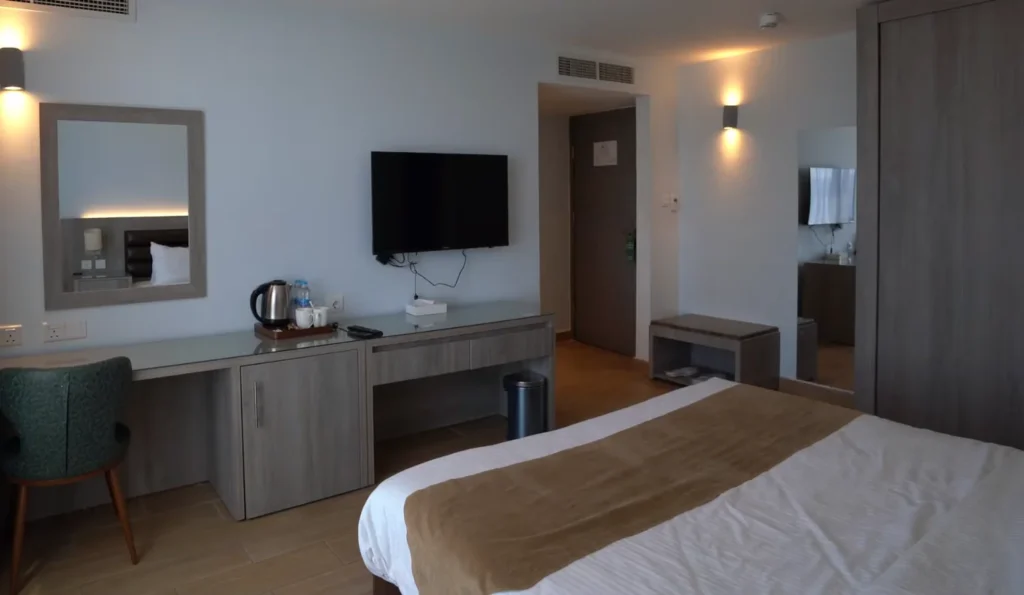
Outside, Ahmad was loading bags into the truck. The French couple was negotiating an extended stay another night, maybe two. The Australians were already gone, whisked off in a different vehicle at dawn for some camel trek they’d booked.
“You ready?” Ahmad asked.
Not really. But I nodded anyway.
The Last Look: Why Goodbyes to Places Hit Different
We drove out the same way we came in. Except everything looked different in full daylight. Harsher. Less mysterious. The rock formations that had glowed at sunset now just sat there, massive and indifferent.
I kept turning around in my seat, watching the camp get smaller. Then disappear completely behind a ridge.
There’s this thing that happens when you leave a place you’ll probably never see again. Your brain tries to memorize it the colors, the smell, the specific quality of light. But you know you’re already forgetting. The details are slipping even as you try to hold onto them.
The drive back to the highway was quiet. Ahmad had the radio on Arabic pop music that was weirdly catchy. I didn’t ask what it was. Just let it play.
History Deeper Dive: What Wadi Rum Actually Means
I’d been in Wadi Rum for barely 24 hours, but I kept thinking about everyone else who’d been there before. Not just Lawrence. Everyone.
The name itself “Rum” might come from the Aramaic word for “high” or “elevated.” Makes sense given the landscape. UNESCO’s documentation describes it as “illustrating the evolution of human settlement and land-use over 12,000 years.”
Twelve thousand years. That’s not a typo.
The Nabataeans: They Were Here First (Sort Of)
Before the Nabataeans, there were others. But the Nabataeans left the most visible mark. These were the people who controlled trade routes across Arabia around the 1st century BCE to 1st century CE. Same group that carved Petra out of solid rock.
In Wadi Rum, they built water systems. They left inscriptions lots of them, scattered across canyon walls and rock faces. They worshipped gods I can’t pronounce. Archaeological evidence shows they used Wadi Rum as a vital corridor linking their capital at Petra to ports on the Red Sea.
Create bullet points here:
Why the Nabataeans Mattered in Wadi Rum:
- Controlled lucrative frankincense and myrrh trade routes.
- Developed sophisticated water management in arid environment.
- Left extensive rock inscriptions documenting their presence.
- Built way stations for caravans traveling between Petra and Aqaba.
- Influenced local Bedouin culture that persists today.
When Rome absorbed the Nabataean kingdom in 106 CE, the trade routes shifted. Wadi Rum became less critical commercially. But people didn’t leave. The Bedouin stayed. Adapted. Made the desert work.
The Bedouin: Still Here, Still Adapting
The Bedouin relationship with Wadi Rum goes back centuries maybe longer, depending on how you define “Bedouin.” They’re traditionally nomadic, but that’s changed. Tourism changed it.
Ahmad told me his grandfather never saw a tourist. His father saw a few. Now Ahmad sees dozens every day, sometimes hundreds during peak season. The money’s better than herding goats. But something’s lost, too.
“My kids,” he said on the drive back, “they want to live in Amman. Work in offices. They think the desert is for tourists.”
I didn’t know what to say to that. Still don’t.
Studies on Bedouin culture show this tension constantly between preserving tradition and adapting to modern economics. Tourism brings income but also changes the fundamental relationship people have with their land.
Practical Stuff: If You’re Actually Going
Right. So if you’re reading this and thinking about doing Wadi Rum yourself, here’s what you need to know. Not the polished travel guide version the real version.
Getting There: Your Options
From Amman: About 4 hours drive. You can rent a car, though I wouldn’t recommend it unless you’re comfortable with Jordanian highway driving, which is… enthusiastic. Buses run from Amman to Aqaba and stop at the Wadi Rum junction. From there, you need a taxi or prearranged pickup into the protected area.
From Petra: 90 minutes, maybe 2 hours depending on your driver’s relationship with speed limits. Most tour companies offer combined Petra-Wadi Rum packages. They’re convenient but overpriced.
From Aqaba: 45 minutes north. This is probably the easiest option if you’re flying into Aqaba’s airport.
| Starting Point | Distance | Time | Best Option |
| Amman | 320 km | 4 hours | Private car or organized tour |
| Petra | 110 km | 1.5-2 hours | Taxi or tour company |
| Aqaba | 70 km | 45 min | Taxi (cheapest) or rental car |
What It Costs: The Breakdown
This varies wildly based on what you want and how much you’re willing to haggle.
Entry to Wadi Rum Protected Area: 5 JOD if you’re entering independently. Often included if you’re booking a tour package.
Desert camp with dinner and breakfast: Anywhere from 40 JOD (basic camp, shared bathrooms) to 150+ JOD (luxury bubble tents with private facilities). I paid 65 JOD and felt like it was fair.
Jeep tour (2-3 hours): 20-35 JOD per person, depending on group size and route.
Overnight camel trek: 80-120 JOD. I didn’t do this because camels and I have an understanding where we avoid each other.
When to Go: Seasons Matter More Than You Think
I went in November. Perfect timing.
Spring (March-May): Ideal. Warm days, cool nights, occasional wildflowers if there’s been rain. This is peak season, so expect crowds and higher prices.
Summer (June-August): Brutal. Temperatures hit 40°C+ (104°F+) during the day. Unless you’re training for Mars colonization, skip this.
Fall (September-November): What I did. Still warm during the day, cold at night. Fewer tourists than spring. Highly recommend.
Winter (December-February): Cold. Actually cold. Nights can drop near freezing. Days are mild but you’ll need layers. Some people love this I would’ve been miserable.
What I Got Wrong: Lessons from Someone Who Messed Up
Let me save you from my mistakes.
Mistake #1: I brought the wrong shoes. I wore old running sneakers. They filled with sand immediately and never recovered. Bring closed-toe shoes with good ankle support. Not sandals. Not flip-flops. Definitely not the cute boots you think will photograph well.
Mistake #2: I didn’t bring enough water. Yes, the camp provides water. But you’ll want your own bottle during the jeep tours. I bought overpriced water from a guy at Khazali Canyon because I was desperate. Bring 2-3 liters and refill whenever possible.
Mistake #3: I underestimated the cold. I packed for warm weather because “desert.” Wrong. Night temperatures in November dropped to maybe 8°C (46°F). I slept in all my clothes plus borrowed blankets. Bring layers. Bring a warm jacket. Ignore what the daytime temperature tells you.
Mistake #4: I didn’t charge my phone. The solar-powered charging in my dome barely worked. My phone died by the second morning. Bring a portable battery pack. Fully charged. Maybe two.
[Image 1: Night camp overview with lighting – Place here]
What to Pack: The Actual List
Forget the generic packing lists. Here’s what mattered:
Essential:
- Good closed-toe shoes (hiking boots or trail runners).
- Warm jacket (puffy jacket or fleece).
- Long pants (sand protection + warmth at night).
- Scarf or shemagh (blocks sun and sand you’ll look touristy, who cares).
- Sunscreen (SPF 50+, reapply constantly).
- Battery pack for phone.
- Headlamp (bathroom trips at night).
- Water bottle (1L minimum).
Useful:
- Sunglasses (obvious but people forget).
- Hat with brim.
- Lip balm (desert air destroys lips).
- Baby wipes (showers are limited).
- Small backpack for jeep tours.
- Cash (many places don’t take cards).
Don’t Bother:
- Hair dryer.
- Nice clothes.
- Makeup beyond basics.
- More than one outfit change.
- Books (you won’t read, you’ll be too tired).
The Thing Nobody Tells You: Desert Silence Changes You
Last section. The part that’s harder to explain.
I’ve traveled a lot. Seen mountains, beaches, cities, forests. Wadi Rum was different. Not because it was more beautiful though it was beautiful. Not because of the history though that mattered too.
It was the silence.
Real silence. The kind you don’t know exists if you’ve only lived in places with constant background noise. In Wadi Rum, especially at night, you can hear your own heartbeat. Your breathing gets loud. Your thoughts don’t have anywhere to hide.
Some people hate that. The Australian woman who asked about coffee? She told me later she couldn’t sleep because the quiet made her anxious. She kept waiting for sounds that never came cars, voices, anything.
I get that. It’s disorienting. Your brain expects ambient noise. When it’s not there, you notice it’s absence like a physical thing.
But after an hour or so, something shifts. You stop fighting it. The silence stops feeling like emptiness and starts feeling like space. Room to think without interference. To just exist without constantly processing stimulus.
What I Figured Out at 3 AM
I couldn’t sleep my first night. Not because of the quiet because of everything else. My brain was too wound up.
So I lay there, staring at the dome’s ceiling, thinking about nothing and everything. How long had people been doing exactly this? Lying in the desert at night, staring up, trying to make sense of their place in all that space?
Thousands of years. Different languages, different beliefs, different problems. Same stars. Same silence. Same feeling of being incredibly small and somehow okay with it.
That’s what Wadi Rum gives you if you let it. Perspective. The kind you can’t get from a guidebook or an Instagram caption or even from someone else’s travel article telling you what it “means.”
You have to sit in it. Sleep in it. Wake up covered in sand with your hair a disaster and your phone dead and realize you don’t actually care.
Final Thoughts: Would I Go Back?
Yes. Immediately. Tomorrow if someone offered.
But also maybe not. Because some experiences work best as singular things. You do them once, they change something in you and going back would just be trying to recreate what’s already happened.
I don’t know yet which category Wadi Rum falls into.
What I do know: if you’re reading this and wondering whether it’s worth the hassle the long drives, the sand in everything, the questionable bathroom situations, the cold nights and hot days it is. Completely.
Just go. Book the cheapest camp you can find. Bring warm clothes. Turn your phone off. Sit in the desert and listen to nothing.
You’ll figure out the rest.