
Three years back, I believed I was familiar with Africa. I had been to Kenya, Tanzania even Morocco. However – and I do not say anything – ready me to Ethiopia. Addis Ababa appeared as a new world where old kingdoms had never really vanished and modernity is found in strange corners. That is that big urban scene of yours above. It’s deceptive. Those glass towers are built on neighborhoods, which are even older than most of the countries.
The Capital That Bucks All Trends
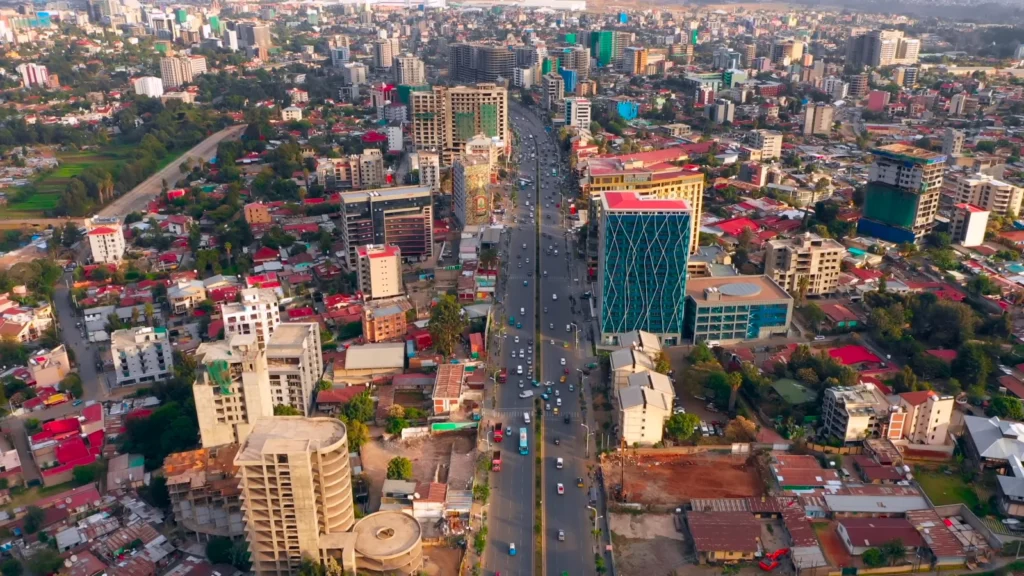
The first morning I spent in Addis I made this fatal mistake of a traveler to whom everything is to be understood by comparison. “It’s like Nairobi, but…” “Reminds me of Cairo, except…”
Wrong approach entirely.
Addis does not wish to become anything like other places. It is high being 2,400 meters above sea level and this is the reason why I was panting after stepping up three flights of stairs into my hotel room. It is hot and filled with a lightness that makes the air seem thin, and the sun is blazing, and the city is vibrant, and I cannot even begin to describe the energy it radiates.
What struck me immediately:
- Orthodox churches everywhere – not plastic tourist traps, but working communal centers.
- Coffee rituals – which occur on every street corner (Ethiopia is the motherland of coffee, right).
- Construction cranes were combined with the donkeys carts.
- People who’ve never been colonized, and you feel that independence in every interaction.
The Ethiopian National Museum houses Lucy, our 3.2-million-year-old ancestor. Standing in front of her remains, I realized I was literally looking at humanity’s grandmother in the place where we all began.
Finding Your Way around the Capital
The following is what I wish someone to have informed me in regards to getting around Addis:
| District | What You’ll Find | My Experience |
| Bole | Modern hotels, airport | Felt like any international city |
| Piazza | Italian architecture, local markets | Most authentic neighborhood vibe |
| Mercato | Largest market in Africa | Overwhelming but essential |
| Entoto Hills | Panoramic city views | Best spot for sunrise photos |
The inside scoop: Please do not follow street addresses. People use landmarks – it is only natural to say directions like, near the blue building with the satellite dish.
History of Ancient Aksum: Where Fairy Tales Come True
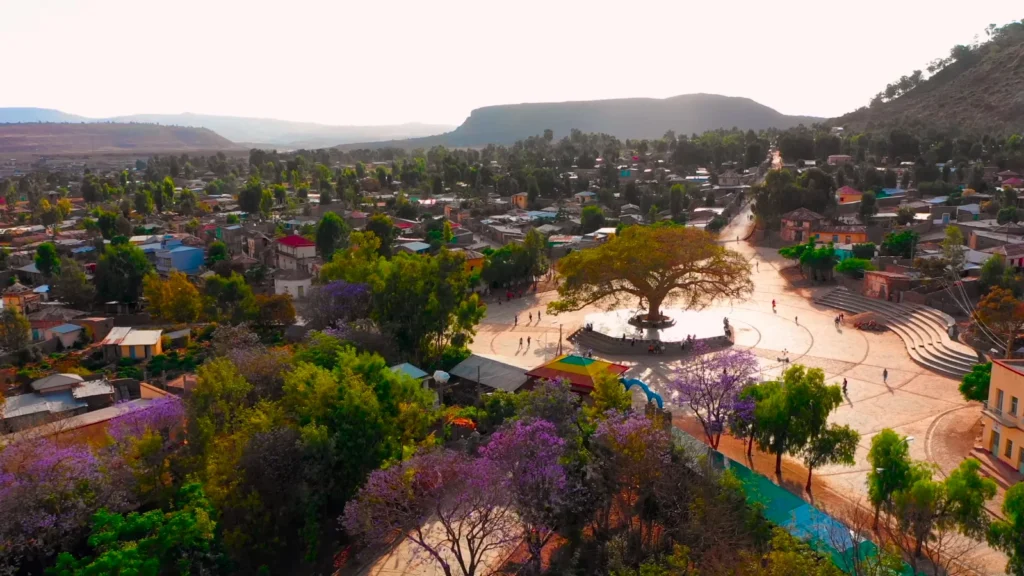
When I was flying between Addis and Aksum, I was continuously looking out the window to view landscape which was a baby Mars and the American Southwest. There are rust-colored mountains, dramatic plateaus and then suddenly, the old granite obelisks in the sky.
The 1 st to 8 th century AD was under the control of the Kingdom of Aksum in the trade between Rome and India. But to read about it is one thing and to be in the presence of such towering stelae is another. Experiences which are totally different.
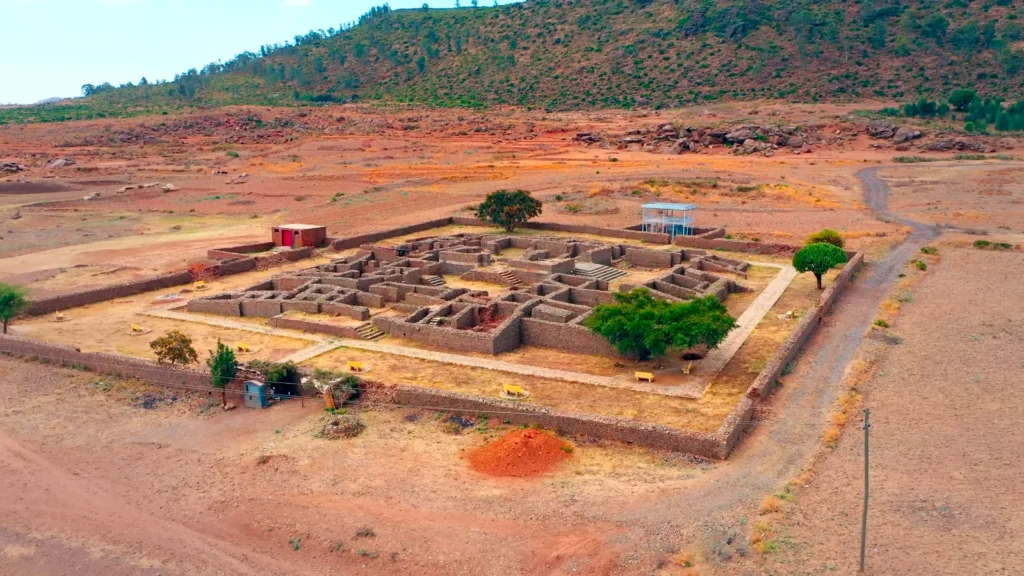
The above aerial shot depicts what remains of the palace of Queen of Sheba. I was wandering through those stone foundations and spent an afternoon, trying to think about the international diplomats of Rome and Persia walking on those paths 2,000 years ago.
The Books of the Obelisks That Rewrite History
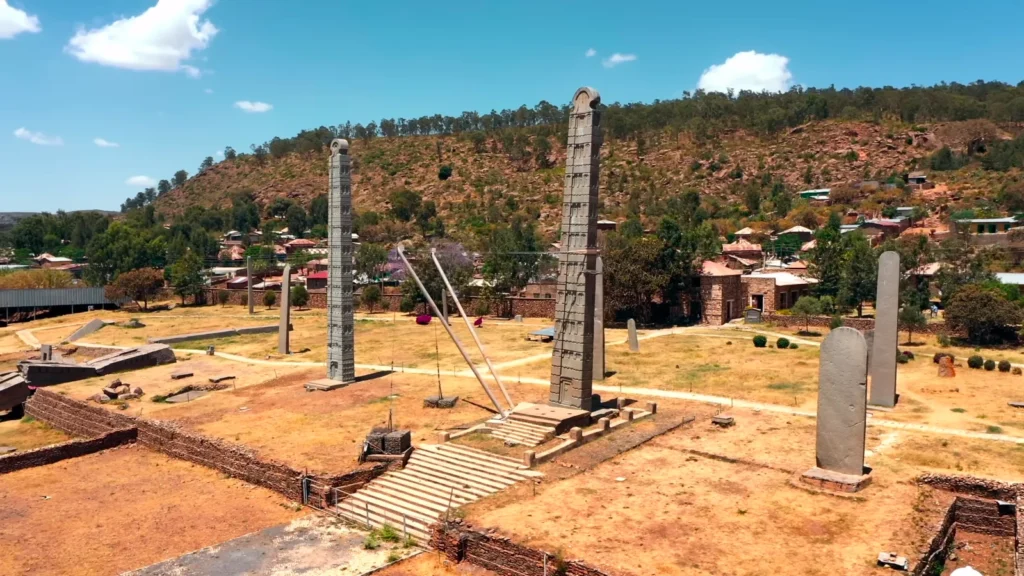
They are not mere decorative monuments. The obelisks were used to mark royal tombs and they are architectural wonders, which are comparable to any structure erected by the Romans. The most massive one is the 24 meters high obelisk made of a granite block.
What amazed me most:
- The precision of the carving (no modern tools, remember).
- How they transported these massive stones.
- The fact that most tourists have never heard of this place.
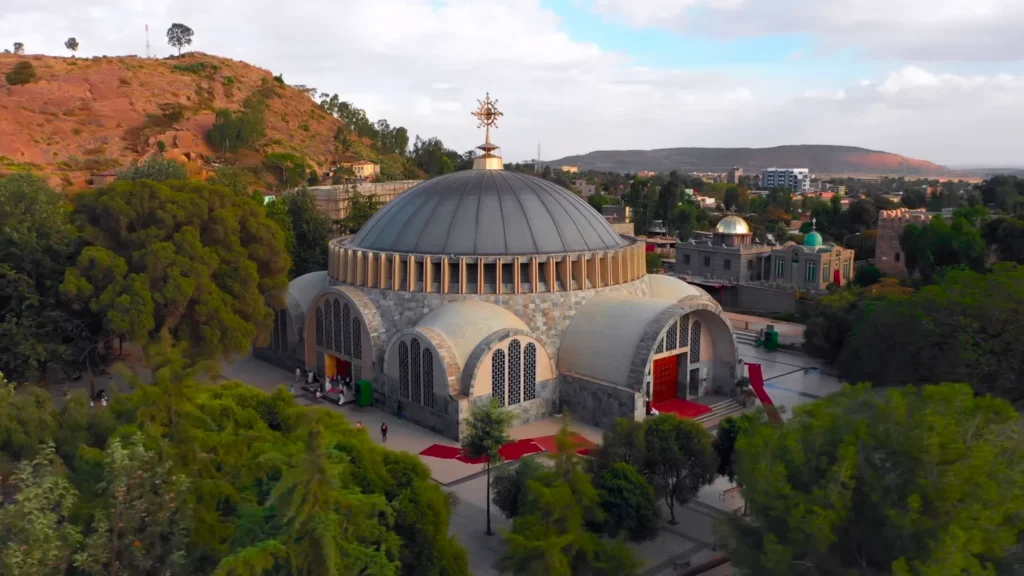
The Orthodox church is still in operation today. I saw old women in white cotton shawls come to morning prayers bringing with them the same traditions that their forebears used to follow when these obelisks were still fresh.
Lalibela: The Jerusalem I Never Expected
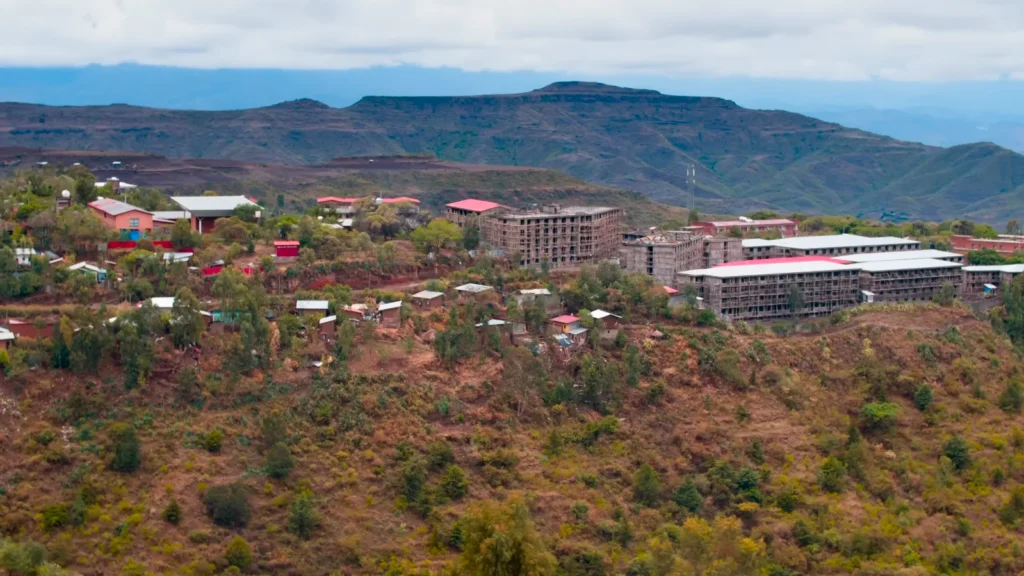
This is where my journey started to make a sharp turn between being interesting and life changing.
In the 12 th century, King Lalibela chose to construct a New Jerusalem within the Ethiopian highlands. His architects bored his eleven churches eleven churches almost vertically into sound volcanic rock instead of building them. It is not constructed on the ground- but is dug out below.
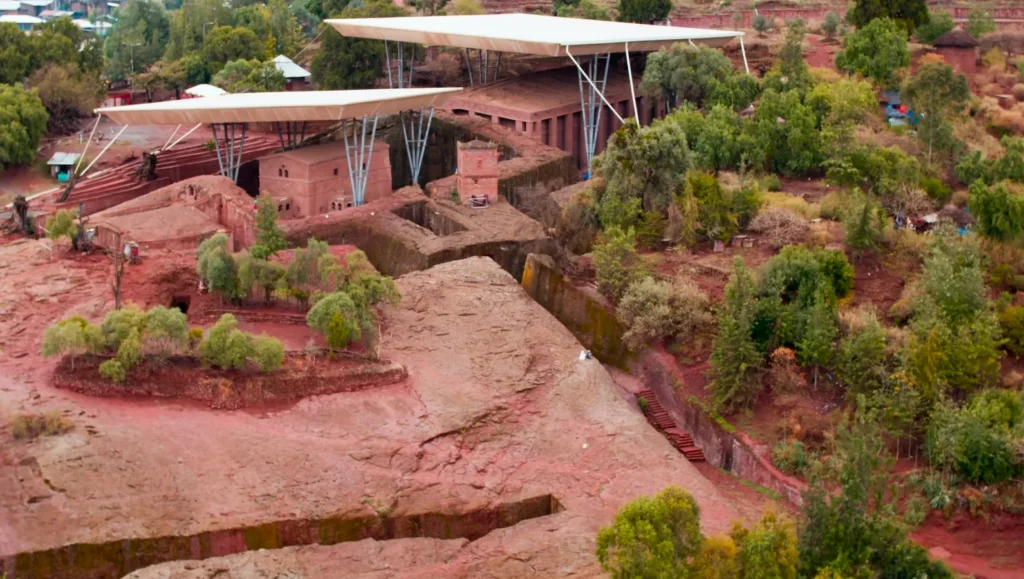
These contemporary protective canopies in the picture are in place because the UNESCO saw these churches as marvels of human construction. But they’re not museum pieces. Lalibela is transformed into one of the most significant pilgrimage places in Africa because thousands of pilgrims come here during Timkat (Ethiopian Orthodox Epiphany).
The Engineering That Shouldn’t Be Possible
I spent three days trying to understand how medieval craftsmen pulled this off. Each church is unique:
- Bet Giyorgis (Church of St. George): Perfect Greek cross carved 15 meters down.
- Bet Maryam: Contains what locals believe is Christ’s manger.
- Bet Golgotha: Only men allowed (I had to admire from the entrance).
Modern architects are shaking their heads in disbelief because of the accuracy of these excavations.
Quick reality check from my visit:
The very town of Lalibeda is a village with poor infrastructure, dirt roads, sporadic electricity, running water. But it still retains these architectural marvels which date back to the majority of the European cathedrals. That is the difference that exemplifies Ethiopia all around.
The Danakil Depression: The Extreme Playground of Nature
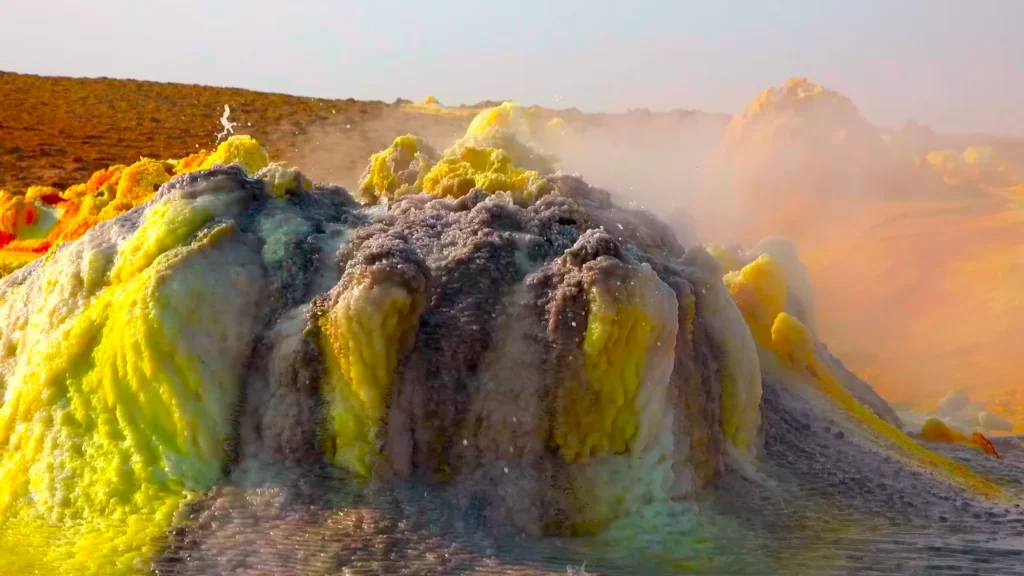
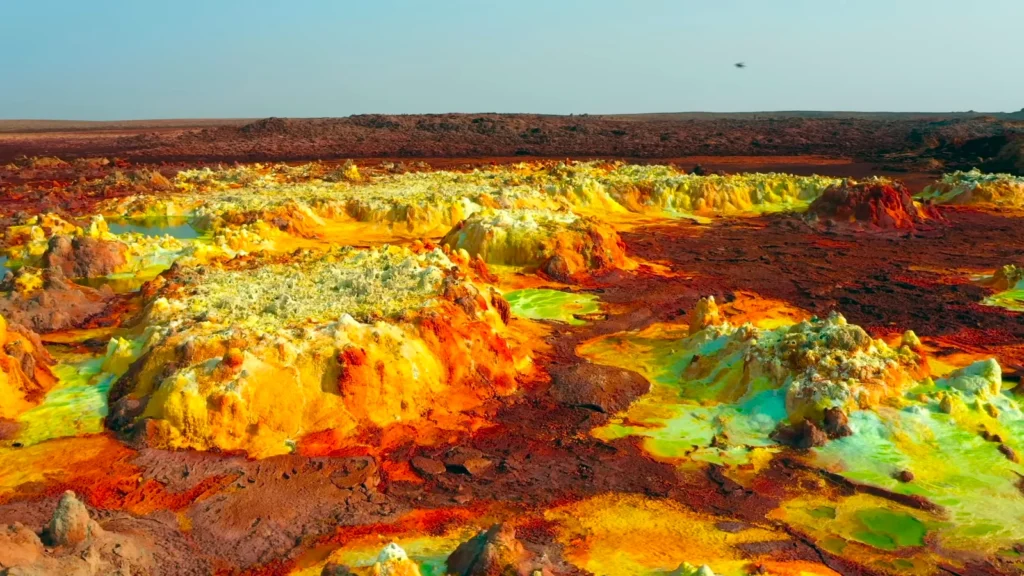
The theme park would look precisely like the Danakil Depression had Mars had one.
I’m not exaggerating. On the point where geologists refer to it as the cradle of hominids, I could see the sulfur springs bubbling electric yellow and salt flats reaching to the horizon like a foreign sea. The air temperature? A casual 50°C (122°F) in the shade. Except there is no shade.
The Danakil Depression lies 125 meters Sea level, which is one of the lowest points of this planet. It is also among the hottest and the most geologically active sites on the planet. These are three tectonic plates literally tearing away leaving the landscape that scientists analyze to comprehend what the primitive Earth was like.
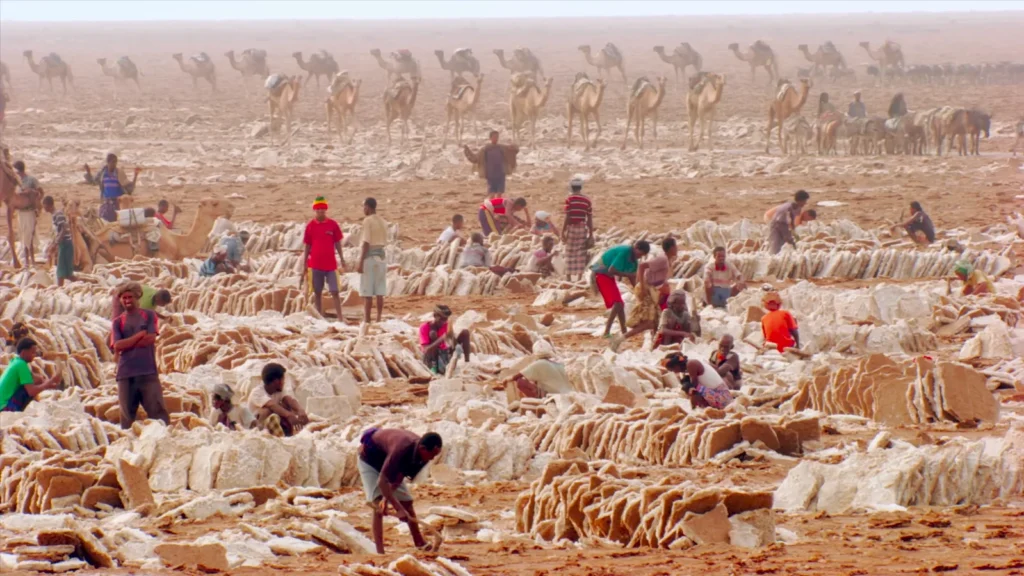
However, what struck me here is that people live and work here.
That mining plant on top uses hundreds of laborers who mine white gold under one of the worst environments on the planet. And those square blocks so clean? All of them are manually cut, piled on camels and driven through the desert landscapes that would destroy most vehicles.
Erta Ale: On the Edge of Hell

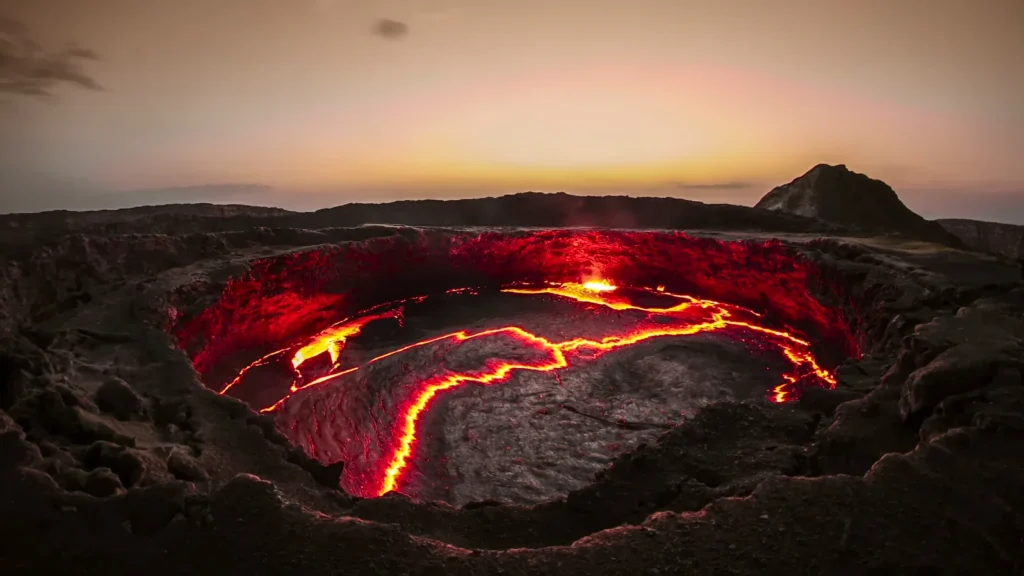
I left a trail of camels carrying camping gear and at 2 AM, with a headlamp on, I started climbing what the locals call the smoking mountain. The Erta Ale is among the six permanent lava lakes on earth.
The climb was three hours through sharp volcanic rock which tore my boots. But to climb that last ridge and view molten lava smouldering like molten fire in a circle of perfect craters? Worth every blister.
What you need to know about Erta Ale:
- Active volcano with permanent lava lake.
- Night hikes only (daytime temperatures are lethal).
- Afar guides essential (they know which ground won’t collapse).
- Camp on the crater rim if you’re brave enough.
The sound is what gets you. Imagine a massive campfire crackling, but amplified by geology. The Earth breathing.
Animals That Manage to Govern Themselves
Kenya has the Maasai Mara. Tanzania has Serengeti. Ethiopia has quite the opposite: animals, which never learned to be afraid of people.
Unwanted Safari in the Great Rift Valley
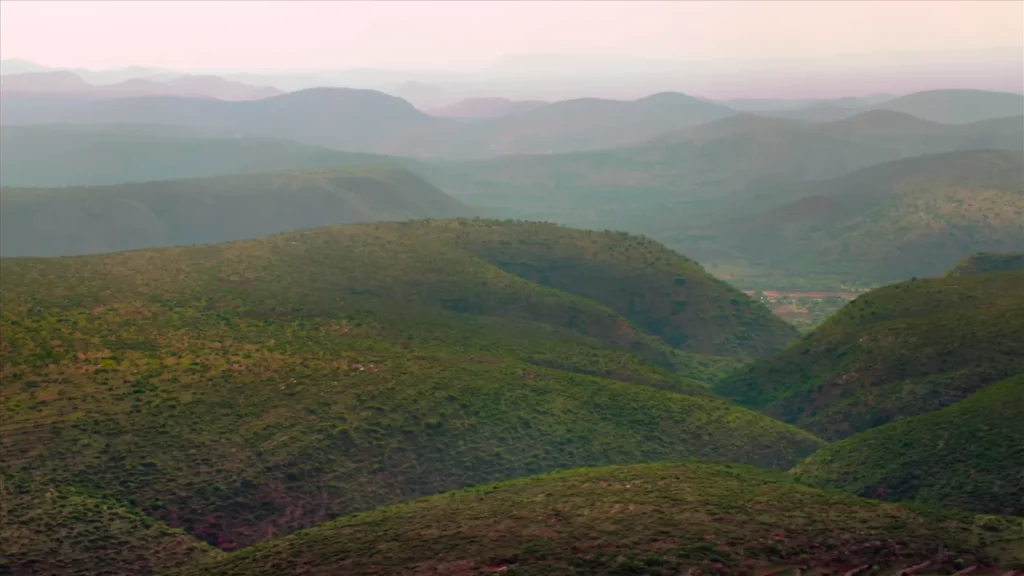
The great Rift valley carves through Ethiopia creating a huge scar that forms various ecosystems, which harbor species not found anywhere in the world. This is not a typical safari land full of game safaris and luxury lodges.
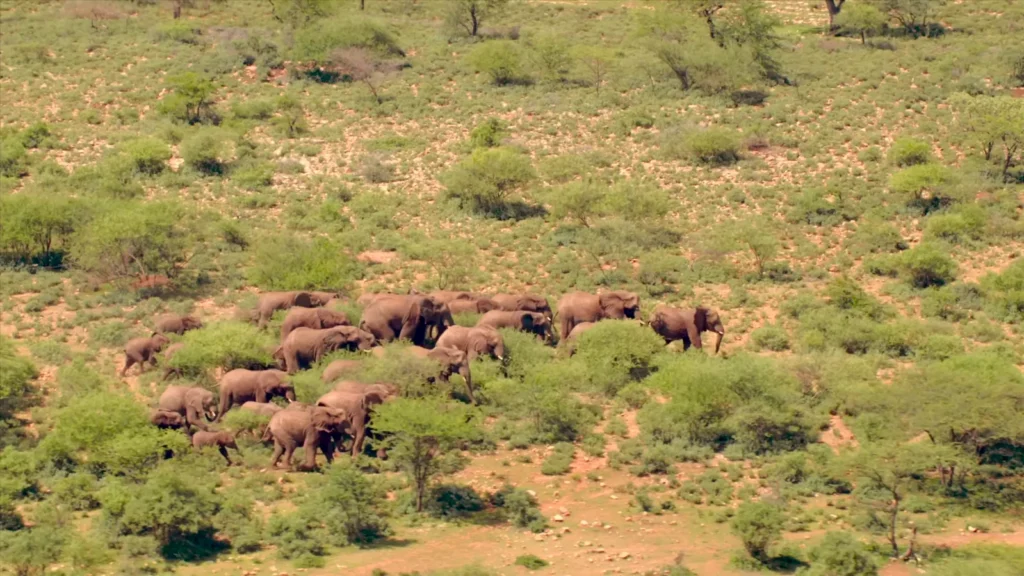
I came across this group of elephants on my way between the towns. No rangers, no entrance to the park, no other tourists. Nothing but a family of elephants grazing next to what seemed to be the backyard belonging to somebody. As our vehicle halted they hardly looked up.
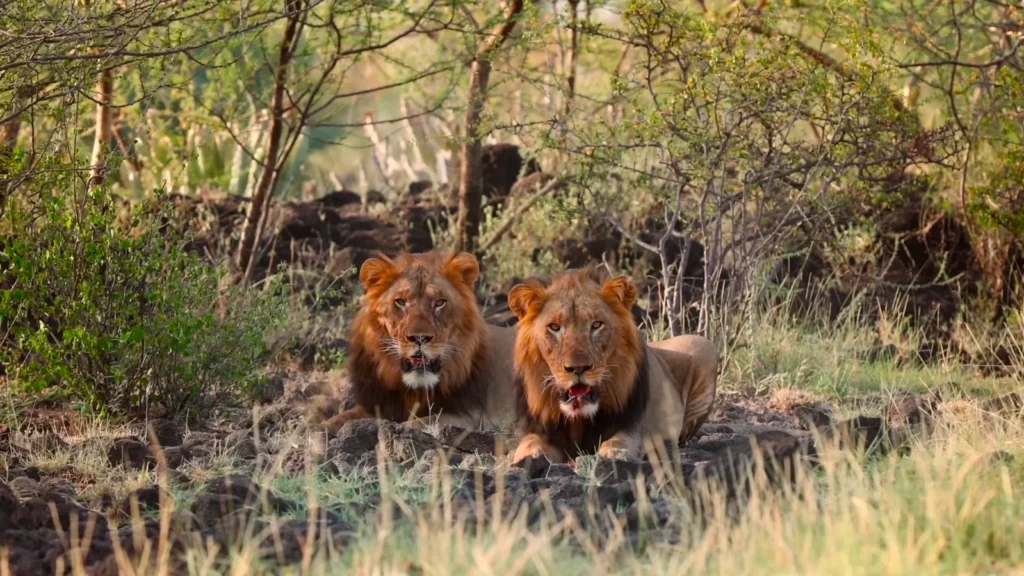
Those two males? We came upon them 100 meters outside a village napping. The locals consider them as local cats that have just happened to weigh 400 pounds. They do not bother us, we do not bother them, my guide said with a shrug which gave the impression that this arrangement had been successful over the generations.
Lake Tana: Ethiopia, Birding Paradise
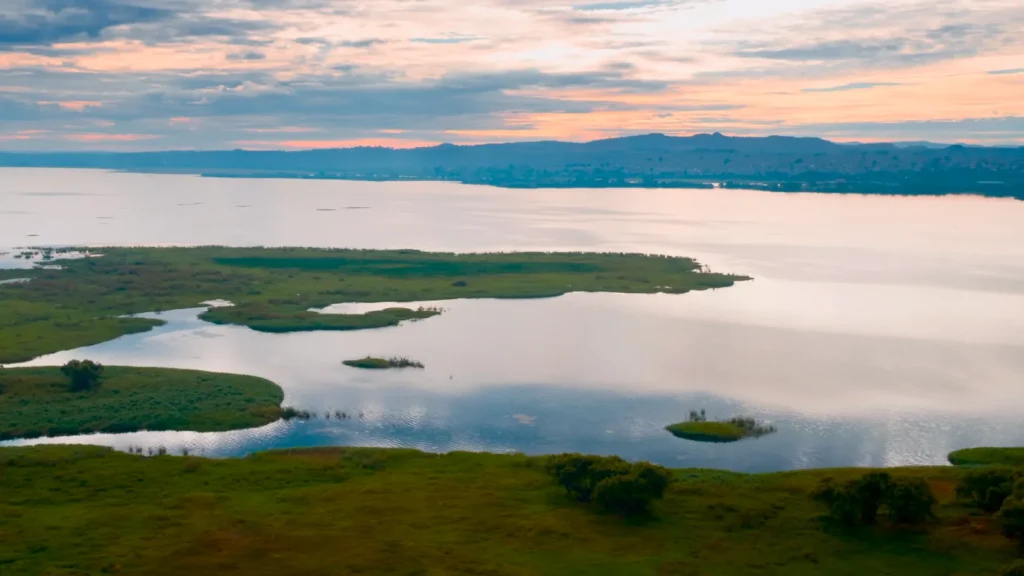
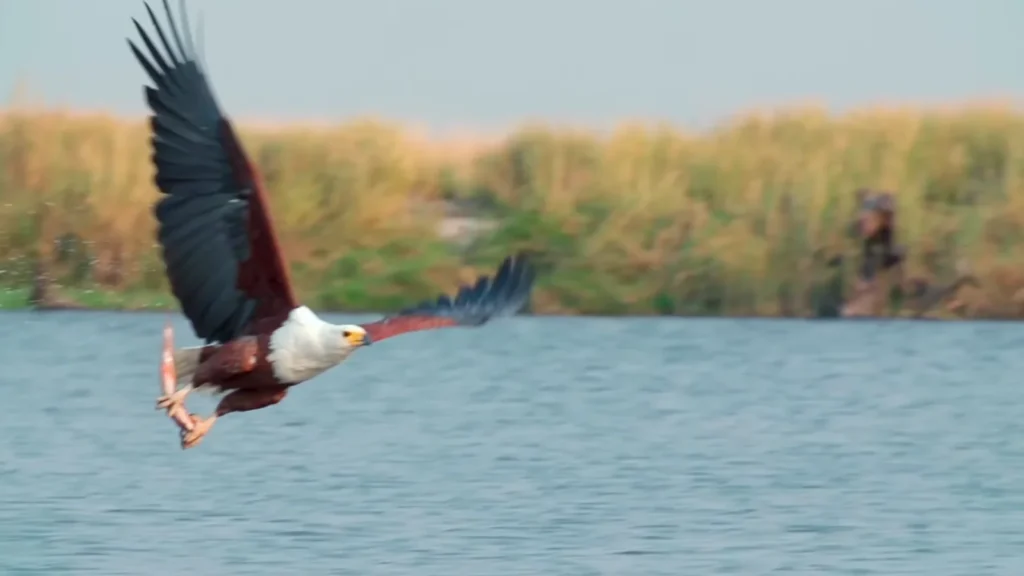
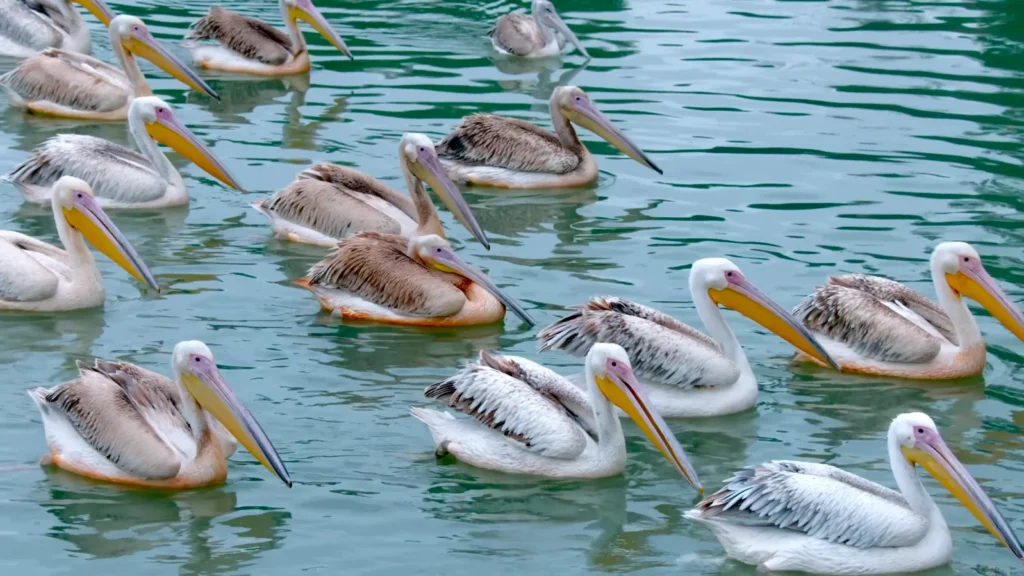
The largest lake in Ethiopia, the Blue Nile originating lake, Lake Tana is home to more than 230 species of birds. That is a diverse lot more than can be said of the European nations.
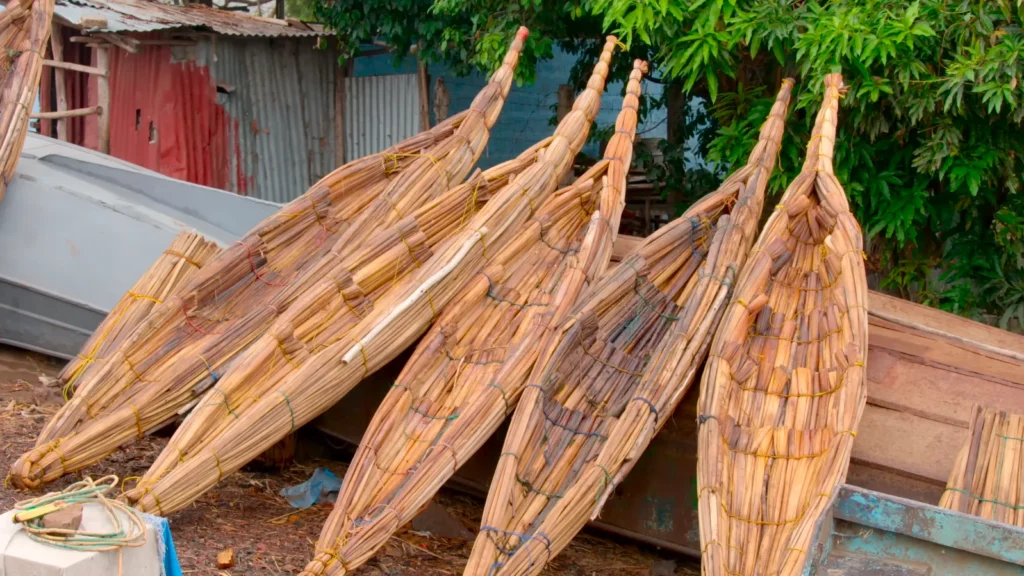
These old papyrus skiffs (so-called tankwa) have sailed the waters more than a millennium. The methods which were perfected by fishermen are still used by their descendants, and pelicans and fish eagles trail their boats in search of crumbs.
Bird species I photographed in one morning:
- African Fish Eagles (Ethiopia’s national bird)
- Great White Pelicans
- Yellow-billed Storks
- Sacred Ibis
- Over a dozen smaller species I couldn’t identify
The pelican colony alone numbered in the hundreds. They fish cooperatively, forming lines and herding tilapia into shallow water – a behavior that’s rare globally but common here.
The Simien Mountains: Africa’s Roof
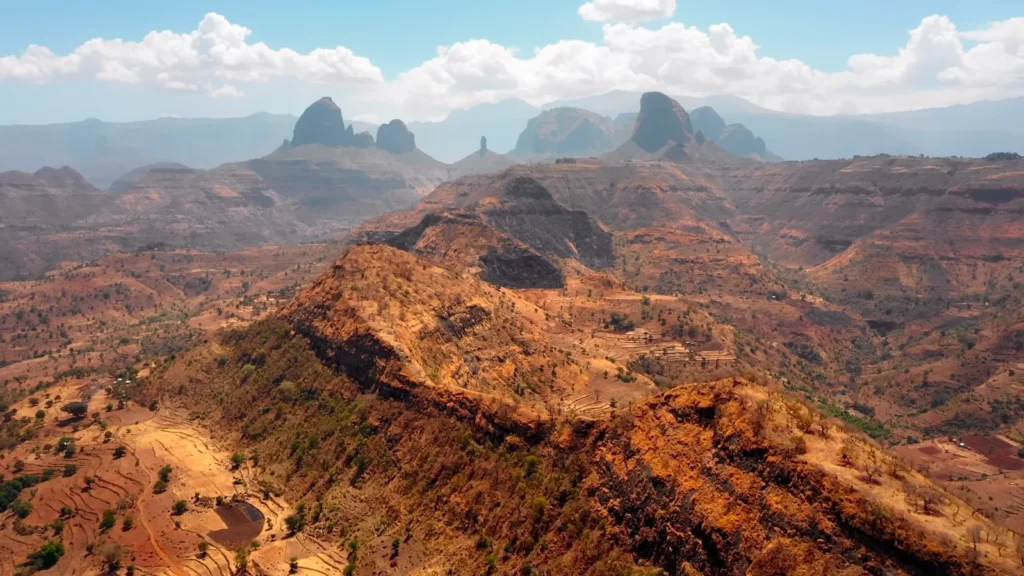
If the Danakil Depression is the Mars, the Simien Mountains are Middle Earth.
Sharp mountains more than 4,500 feet above sea level, precipitous drop-offs thousands of feet below, and native wildlife which has lived in seclusion millions of years. This is a UNESCO world heritage that maintains ecosystems that are not to be found anywhere on the earth.
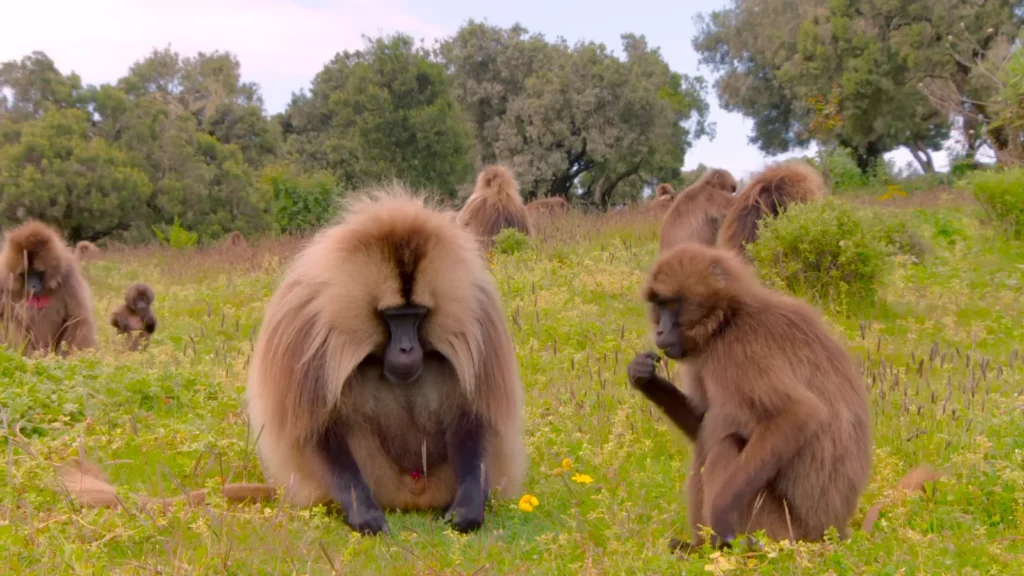
But it’s the geladas that steal the show.
These are not common baboons but grass-eating monkeys that exist in the highlands of Ethiopia only. That red patch on the breast? The color varies depending on the level of hormones and social status. Women wear their hearts on their chests literally.
Encounters with Ethiopia’s Endemic Species
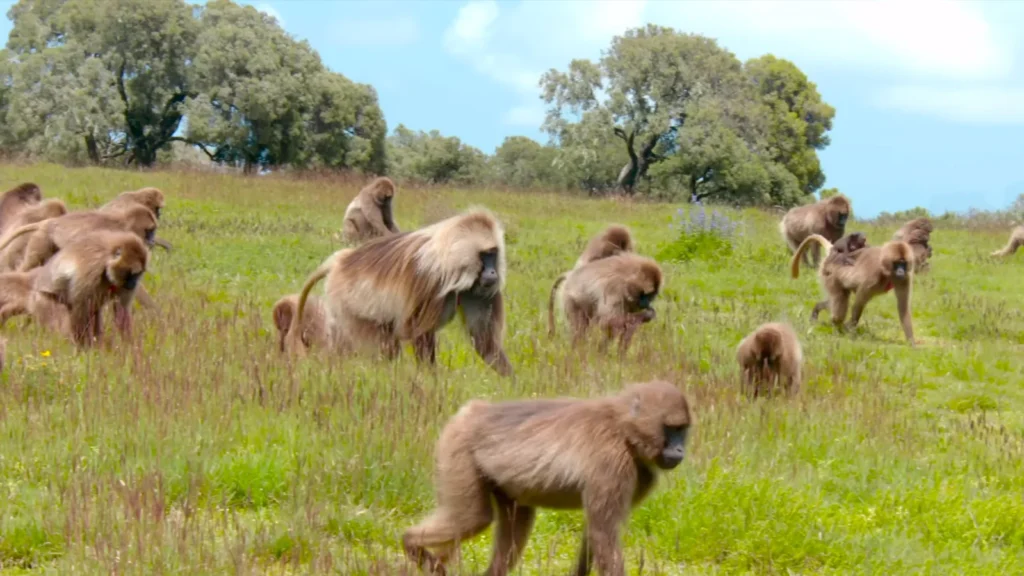
Sitting among a gelada family group for an hour, I watched social interactions more complex than most human workplaces. Grooming hierarchies, territory negotiations, childcare sharing – these primates have social structures that primatologists are still trying to understand.
Endemic species I encountered:
| Species | Where I Found Them | Cool Fact |
| Gelada Monkeys | Simien Mountains | Only grass-eating primates |
| Bearded Vultures | Mountain cliffs | Crack bones by dropping them |
| Ethiopian Wolves | High plateaus | Rarest canid in Africa |
| Thick-billed Ravens | Everywhere above 3,000m | Largest ravens in the world |
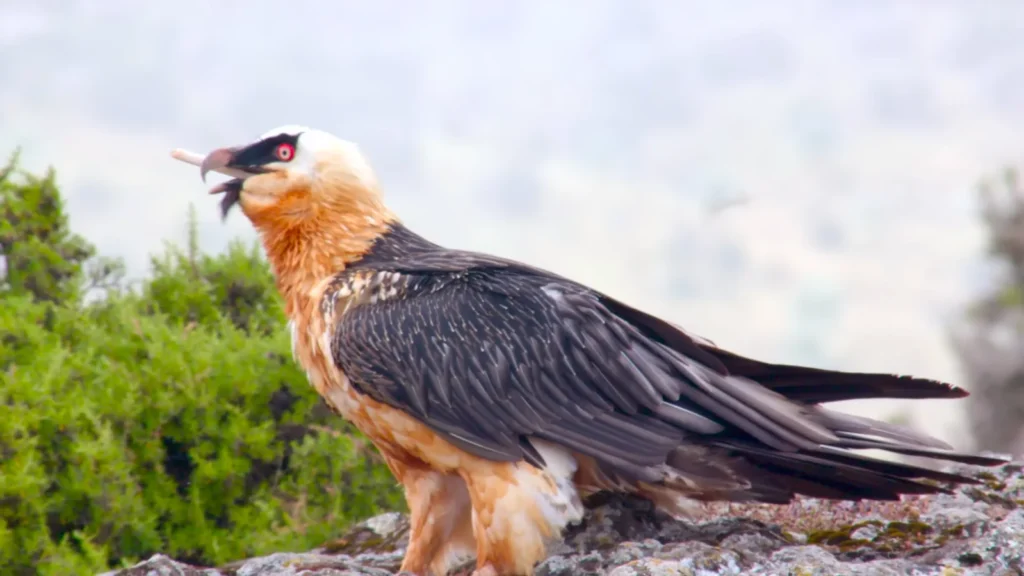
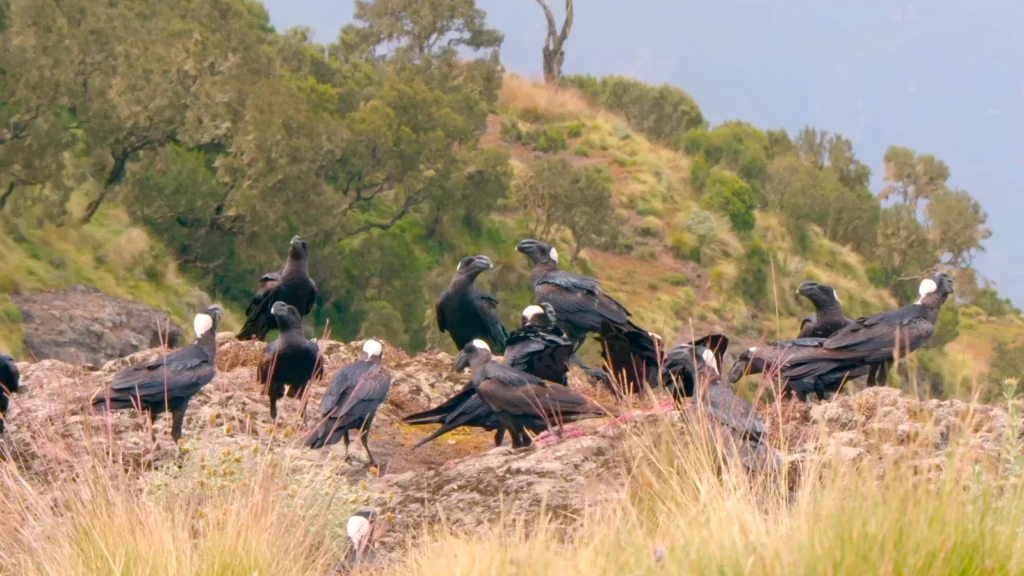
Those bearded vultures are bone crackers – literally. They drop large bones from great heights onto rocks, then eat the marrow. Watching one calculate wind speed and target accuracy from 100 meters up was like observing an ancient physics lesson.
Hidden Treasures: Tigray’s Sky Churches
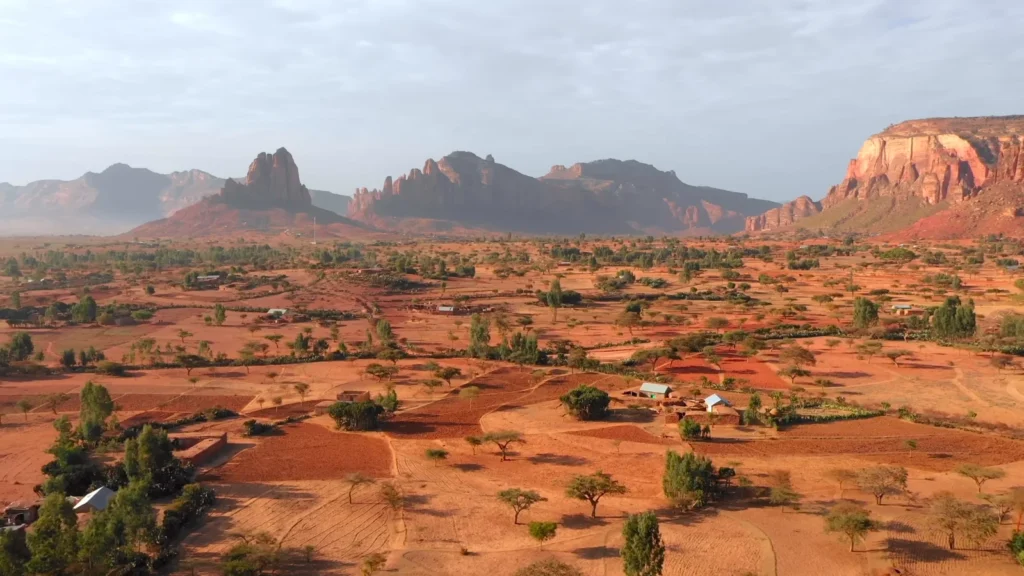
I just believed that there was no more surprise about Ethiopia, but I was proven wrong as I got to learn about the rock churches of Tigray.
As opposed to the downward carved churches of Lalibela, the churches of Tigray are cut into steep cliffs faces, and can be approached only by climbing paths that would present challenges to the experienced mountain climbers.
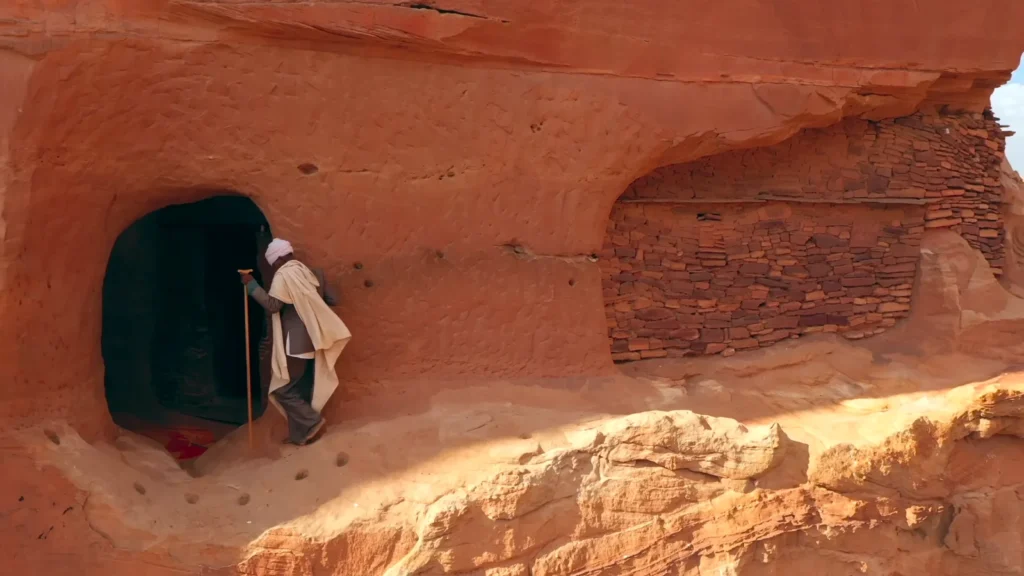
And that man walking into the church? Me, having climbed up a cliff face in 45 minutes with the help of handholds, which were chiseled by monks 1,500 years ago. There is neither safety gear nor insurance, only a belief that centuries of pilgrims had tried this path before me.
Frescoes That Time Forgot
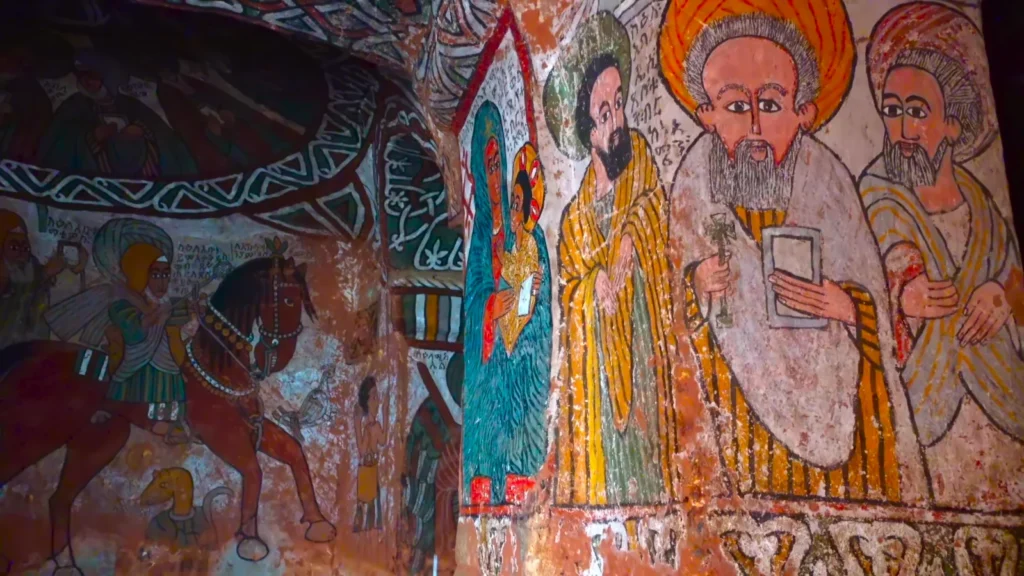
Within these cliff churches there is Byzantine-style fresco on every wall. The colors themselves should not have been preserved – there was not even any temperature or humidity regulation, no protection against shifts in climatic conditions. But there they were, as lively as the day when they had been painted.
According to the priests, some of the frescoes are 6th-century and therefore are one of the oldest Christian painting in sub Saharan Africa. However, these are not museums, they are more of a living place of worship where cultures have practiced over a thousand years.
The Natural Wonders That Reconsidered Spectacular
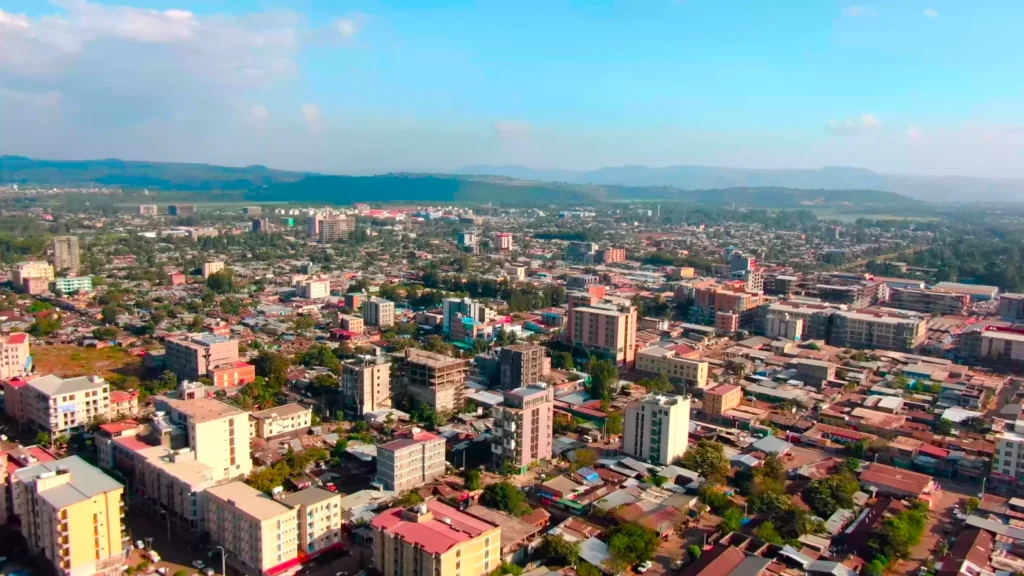
The geography of Ethiopia is a geology book filled with text by a geography writer whose zealously imaginative mind plays him falsehoods. Dips below the sea level in deserts. Mountains scraping 4,500 meters. Waterfalls which come and go with the seasons.
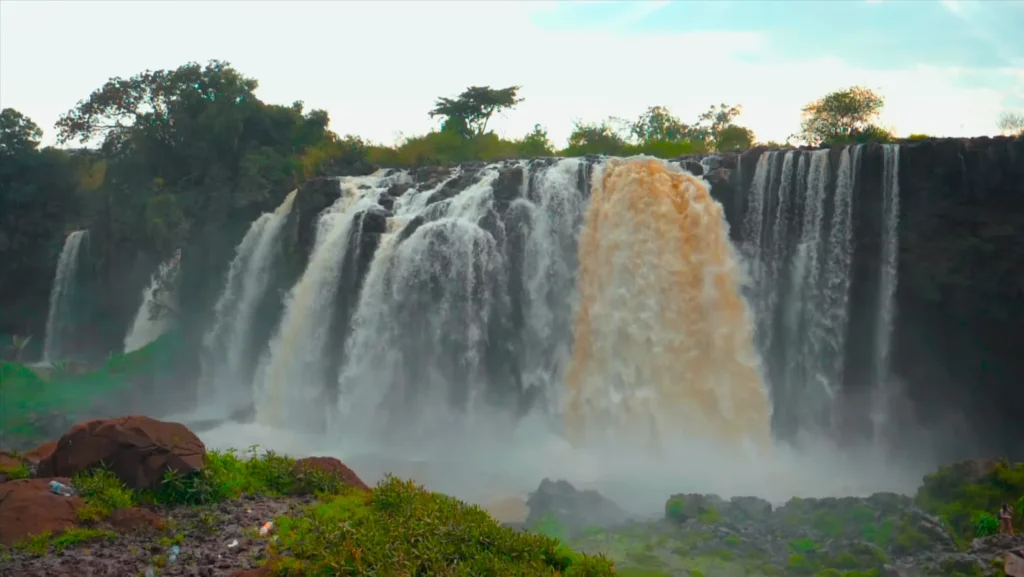
During rainy season, the Tisabay Falls produce more power than several hydroelectric plants. However, come in dry season and you will have a trickle. The water in Ethiopia is dramatic in seasonal outbursts rather than the smooth flow that we are used to.
The Blue Nile Falls were also known as, Tis Issat – smoke water in Amharic. Mist was reported by Portuguese explorers in the 1600s, and it could be seen clearly at 30 kilometers. It is one of the most powerful waterfalls in Africa, although these days it is less due to the modern hydroelectric projects, and it is most powerful during the season.
Exploring a New Culture: The Outside the Tourist Trail
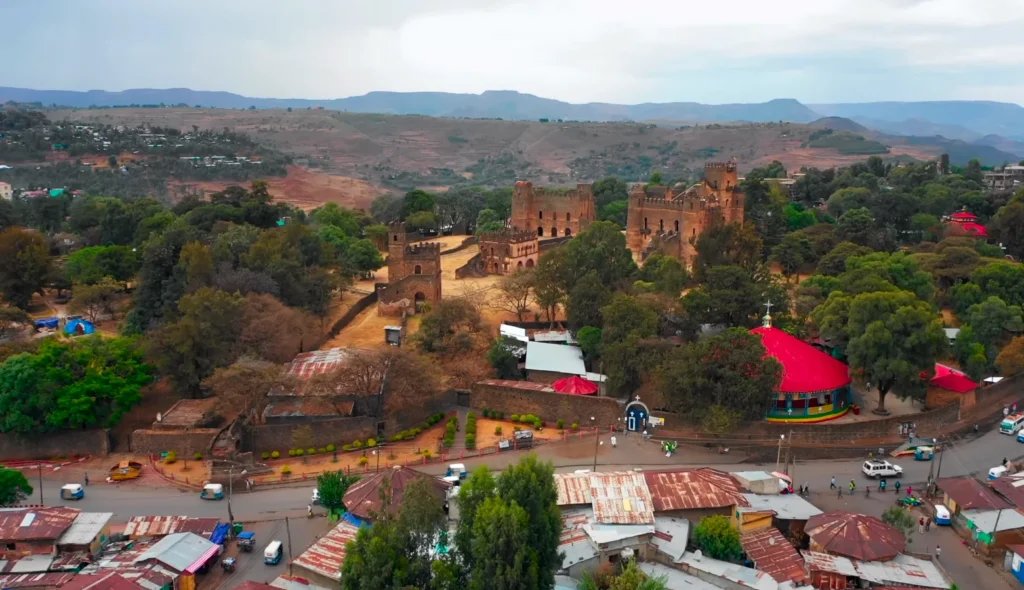
Gondar struck me as though he were out of time.
As I was walking through the Royal Enclosure, I was continuously anticipating tour buses and souvenir shops. Rather, I discovered neighborhood children playing soccer with 17 th -century castle walls as goals as their grandmothers sold injera bread in the same courtyards as emperors used to hold their courts.
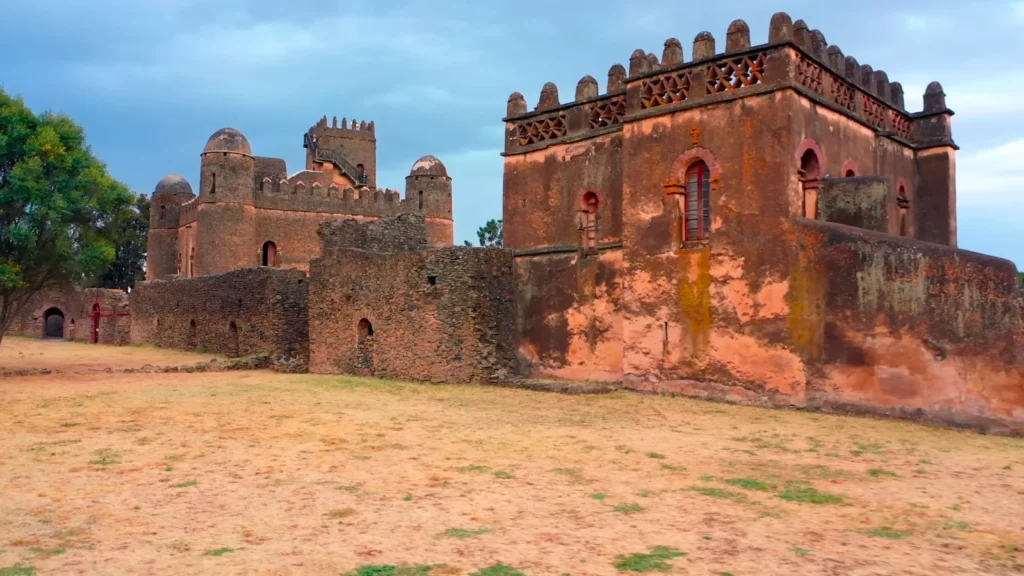
Those aren’t restored tourist attractions – they’re living spaces. Families have made homes in sections of Fasilides Castle for generations. The line between historical site and neighborhood blurs until you realize there isn’t one.
The Portugal That Never Left
Gondar’s architecture tells the story of one of history’s strangest partnerships. When Portuguese explorers arrived in the 1500s, instead of colonizing, they became advisors to Ethiopian emperors. The result? Castles that look like they belong in Lisbon, built by African craftsmen using local materials.
What I discovered in Gondar:
- Debre Birhan Selassie Church with its famous ceiling of cherub faces.
- Fasilides’ Bath, still used for Timkat celebrations.
- A city where medieval Europe meets highland Africa.
- Coffee ceremonies that last three hours (patience required).
That aerial view shows how Gondar spreads around its ancient core. Modern Ethiopia growing organically around imperial foundations, with no artificial separation between past and present.
The Ethiopia That Changes You
Three weeks in Ethiopia taught me something travel magazines never mention: some places don’t just show you different landscapes or cultures – they shift how you see the world entirely.
This isn’t a country you visit for relaxation or Instagram photos. Ethiopia demands engagement. It asks questions about history you thought you knew, serves food that redefines your spice tolerance, and presents wildlife scenarios that don’t exist elsewhere on Earth.
What Ethiopia gave me:
- Perspective on what “ancient” actually means.
- Respect for cultures that never bowed to outside influence.
- Understanding that Africa contains multitudes.
- Coffee experiences that ruined every other coffee forever.
- Stories that sound impossible but happened anyway.
The Return Flight Reflection
Flying back to Addis for my departure, watching the Simien Mountains disappear below clouds, I realized Ethiopia had become a benchmark. Every future trip would be measured against landscapes that looked like other planets, hospitality that felt like family, and experiences that guidebooks can’t prepare you for.
Final practical truth: Ethiopia isn’t easy travel. It’s rewarding travel. The kind that sticks with you long after your tan fades and your photos stop getting likes.
If you want predictable, there are a thousand other destinations. If you want transformative, there’s Ethiopia.
Pack light on expectations, heavy on curiosity, and prepare for a country that plays by its own rules – rules that have worked for 3,000 years.