
There’s a tribe living deep inside the rainforests of Siberut Island, off the west coast of Sumatra, Indonesia — and they’ve been there since roughly 500 BCE. Let that sit for a second. While civilizations rose and collapsed, while empires rewrote maps, while the world kept accelerating into whatever it is now — the Mentawai stayed. Same forests. Same rivers. Same way of reading the world through spirits and skulls and the particular silence that comes before rain.
I’d been shooting documentaries in Southeast Asia for a few years before I finally made the decision to go. Not the surf beaches — everyone goes for those, Mentawai’s swells are world-famous and that draws a very specific kind of crowd. I wanted the jungle interior. The part most people don’t bother with.
The Mentawai — also known as Mantawai, Mentawei, Mentawi — are the Austronesian people of the Mentawai Islands, about 100 miles off West Sumatra’s coast and are considered one of the oldest tribes in all of Indonesia. Population sits around 64,000, but the ones still genuinely practicing the old ways? That number has been reduced to roughly 1 percent of the population, isolated to the south of Siberut. One percent. That’s who I was going to find.
What kept drawing me back to this story was their name given to them by outsiders: Men-Flowers. Or The Flower People. Before gathering a plant or killing an animal, they always ask forgiveness to the being (spirit) – because they know that every fragment of the environment has it’s own soul. A hunter-gatherer society which asks permission from the forest before taking anything from it. I’d never heard the framing before and it was really stuck in my head.
Getting There: A Journey That Justifies It’s Destination
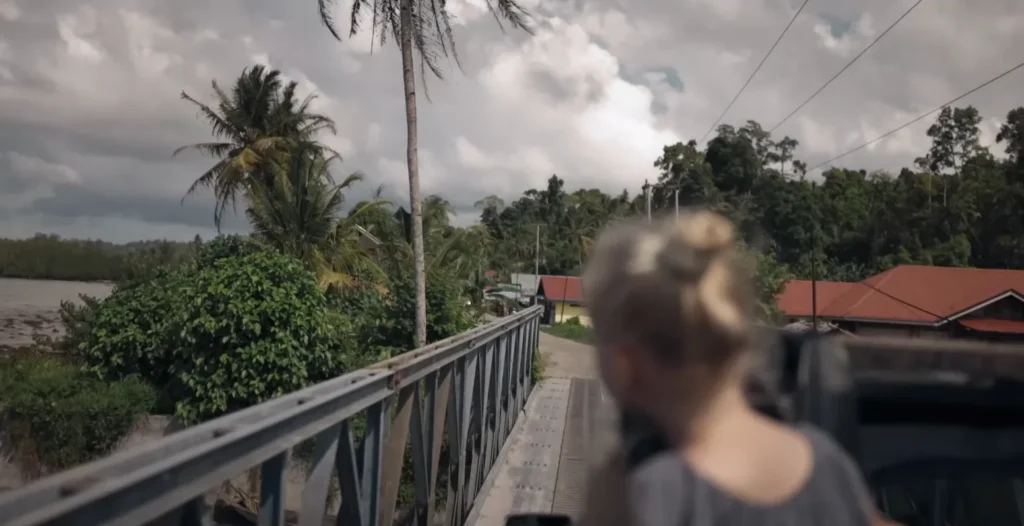
Nobody ends up in the Mentawai jungle by accident. The logistics alone screen out the casual tourist.
The Route In — Step by Step:
| Step | Mode | Approx. Time | Notes |
| Fly to Padang | Plane | Varies | Hub city, connections from Jakarta, Singapore, KL |
| Padang → Siberut | Ferry | 7–10 hours | Check schedules carefully — cancellations happen in rough weather |
| Port → River launch | Tuk-tuk + wooden boat | 1.5–2 hours | Motorized dugout canoe up jungle waterways |
| River → Uma (longhouse) | On foot | 45 min–1 hour | Through dense trail, bags on back |
I flew into Padang and slept a night and boarded the early morning ferry to Siberut. The swells smacking the hull were seven horizons of open sea, the horizon being just plain grey water. When the green line of the island came into view I was stiff and somewhat salt-crusted and was fully committed.
The ferry port of Siberut was like the rim of something. The few stores, motorbikes, children staring. Then a ride to the river on a tuk-tuk with a narrow boat-shaped wooden boat that had an engine running. It was a river that broke out outside the port which was the color of strong tea, tannin-stained by the rainforest and as we continued to go upstream, the canopy thinned out until it seemed, almost, as though we were being ingested by the scenery.
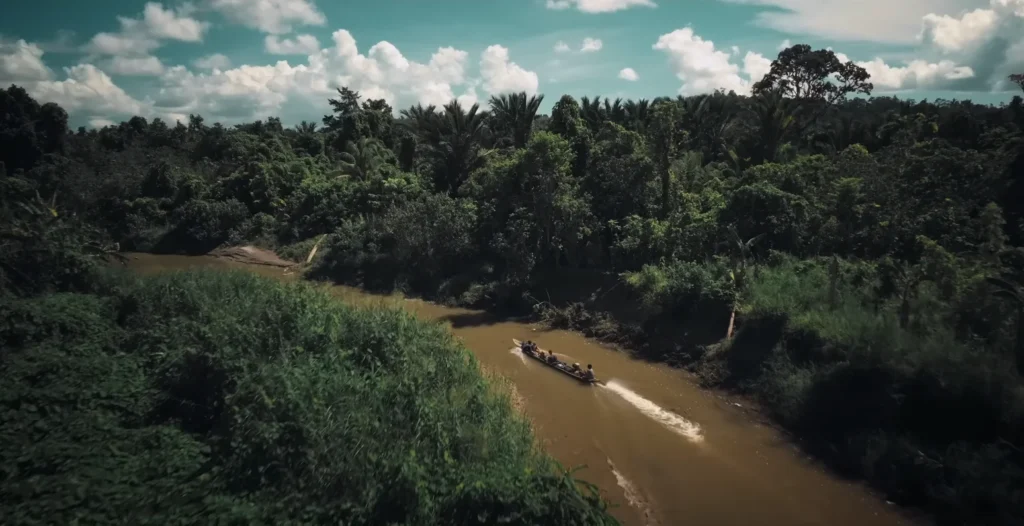
An hour and a half of that and we would have rowed the boat on one of the muddy banks and walked. The path was not really a path, but a hole in the foliage, which somebody had conceived to be in passing. Roots, mud, the trunk of a tree fallen down. My boots were now a new colour than when I had started out and I had come through the uma – the customary Mentawai longhouse – and I was wet.
Worth it. Completely, absolutely worth it.
What to pack — the honest list:
- Lightweight, quick-dry clothing (2–3 changes).
- Rubber boots or waterproof trail shoes.
- Insect repellent — not optional.
- A light rain jacket.
- Cash only, no ATMs deep in.
- Small gifts for the family (tobacco, basic food staples).
- Camera with dry bags for river crossings.
Leave the fancy luggage at the port. Seriously.
The Uma — A House That Holds Centuries
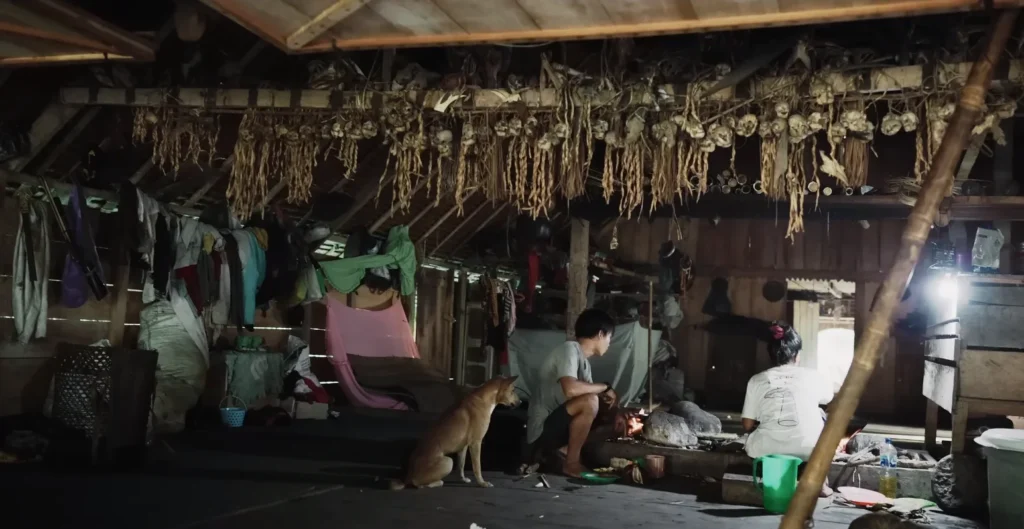
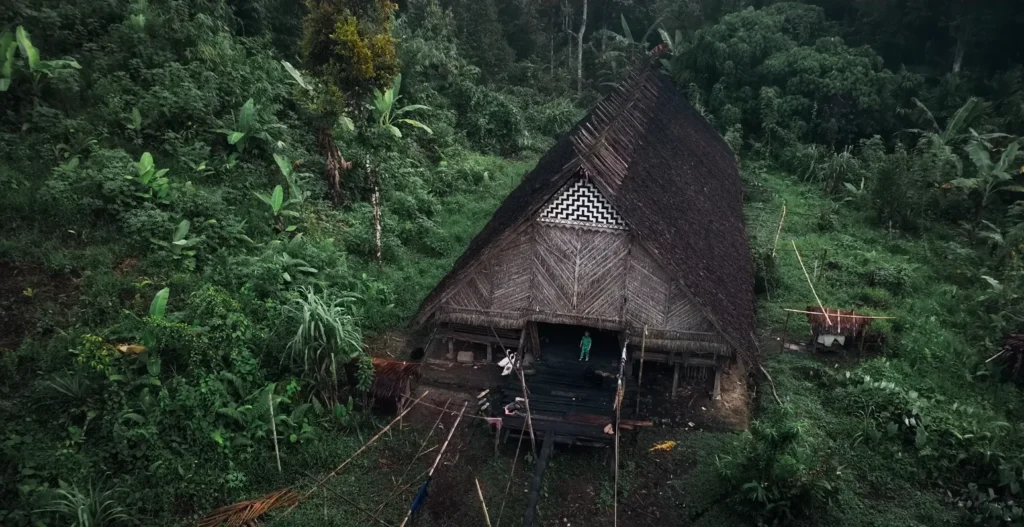
Nothing prepares you for the inside of a Mentawai uma. Not photographs, not documentary footage, not anything.
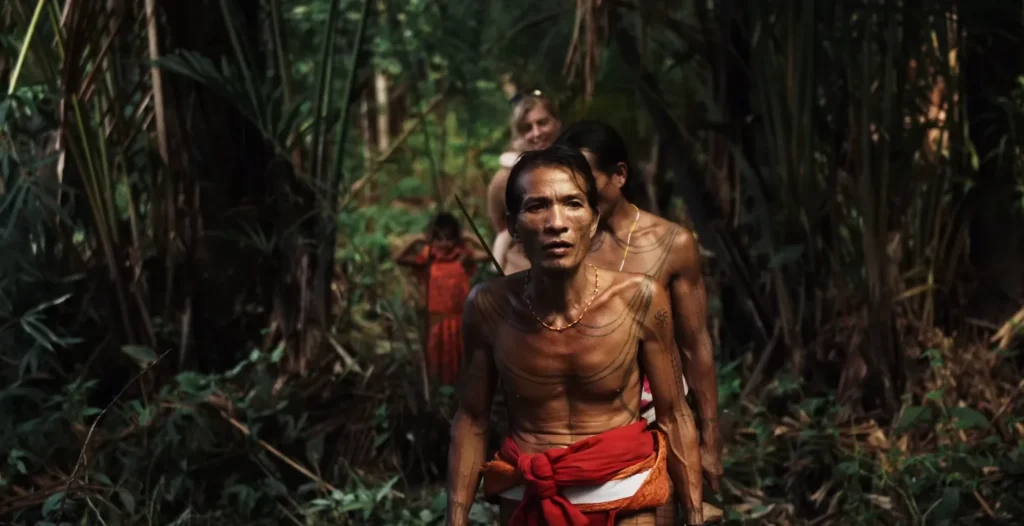
The uma is a communal longhouse with walls of woven bamboo, grass roofing and a floor raised on stilts made of wooden planks. Several families share one structure. The ones we stayed with had three generations under a single roof — grandparents, adult children, young kids. A dog was always near the fire. They use the skulls of animals they hunt to decorate the uma – — and I’m talking dozens of them, strung along the ceiling beams. Monkeys, wild pigs, deer-like animals. Every skull up there is a record.
I asked about it through our guide. The answer was simple: When we eat a monkey, we hang up it’s skull in the house. That’s the caption on one of my shots — verbatim. No ceremony to the explanation. Just fact. The animal gave it’s life, it’s spirit is acknowledged, it’s skull stays. It’s a kind of accounting system I’ve never seen anywhere else.
The family we spent some time with were led by a Sikerei – the Mentawai shaman. The Sikerei are highly respected and play the role of a healer, spiritual leader and mediator between the human world and the spirit world. This wasn’t a ceremonial position pulled out for tourists. This was just who this man was every day. He moved through the uma with a kind of quiet authority – directing, advising, disappearing into the forest now and then for an hour and coming back with a handful of plants I didn’t even know what they were.
Mentawai spirituality is a system of beliefs that sees the world as inhabited by souls – human beings, animals, plants and even many objects have a spiritual essence and well-being will be assured if the balance between these forces is maintained. Living within that world view, even for a moment, changes things. You begin to look at the forest in a different way.
Key facts about the Uma:
- Houses up to 5–10 nuclear families, sometimes 20
- Built entirely from forest materials: bamboo, wood, thatch
- Organized by patrilineal descent — the clan name (suku) is carried through the father’s line
- Animal skulls displayed overhead serve a spiritual record-keeping function
- The uma is not just a home — it’s where rituals, healing ceremonies and communal decisions happen
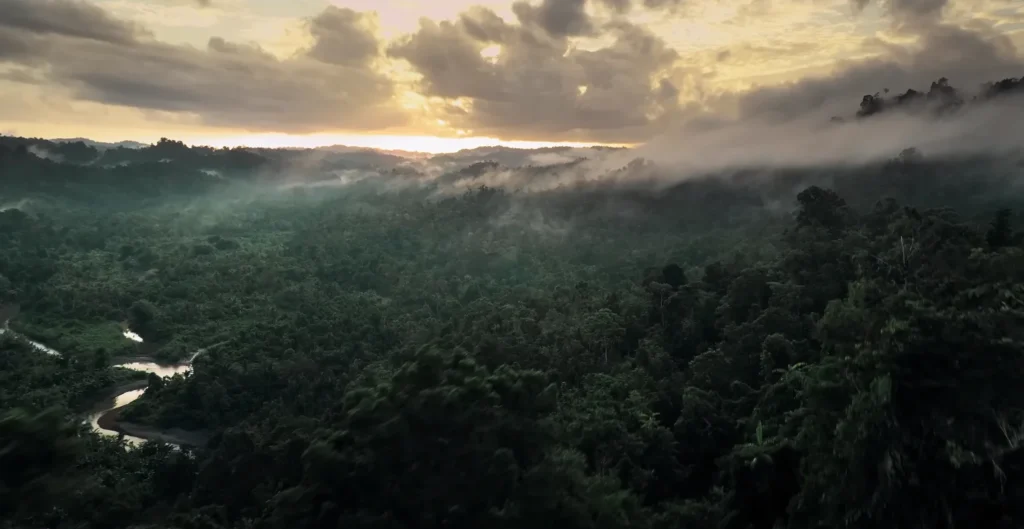
At night, lying on the bamboo floor while the jungle did whatever the jungle does at 2am — things clicking, something moving through the canopy, the fire down to coals — I kept thinking about the statistic. One percent still living this way. One percent of 64,000 people. And the oldest members of that one percent are the last ones who learned all of this from scratch, from people who’d never known anything else.
That mattered. I kept my camera rolling.
The Poison, The Hunt and The Forest That Feeds Everything
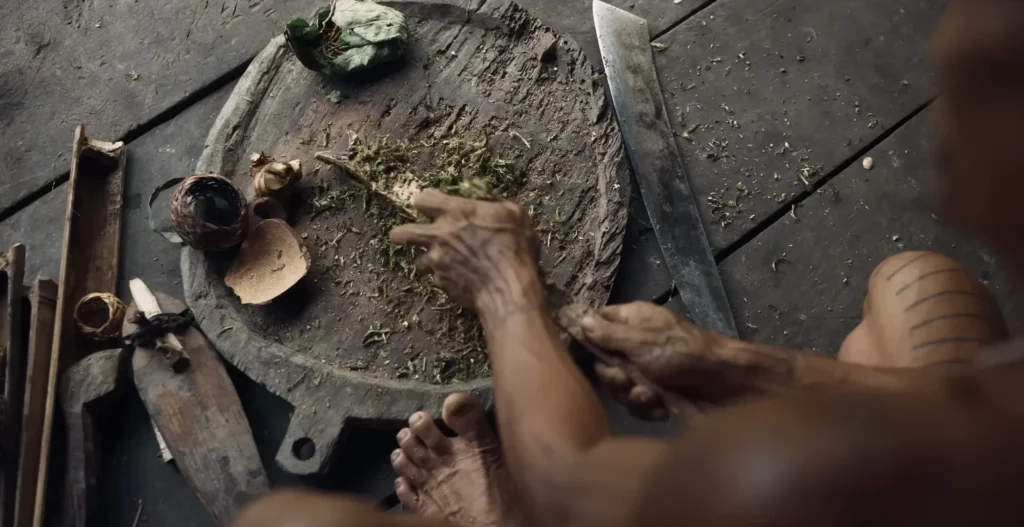
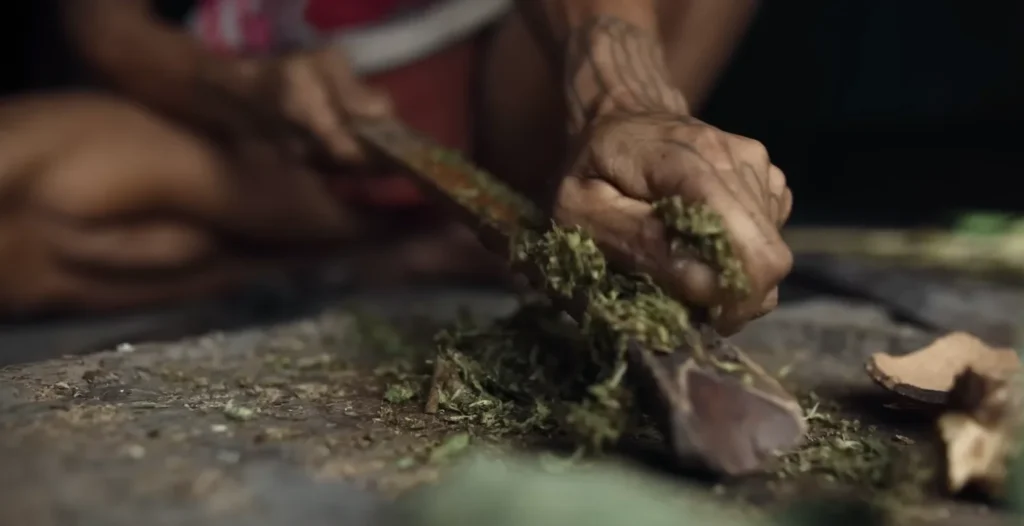
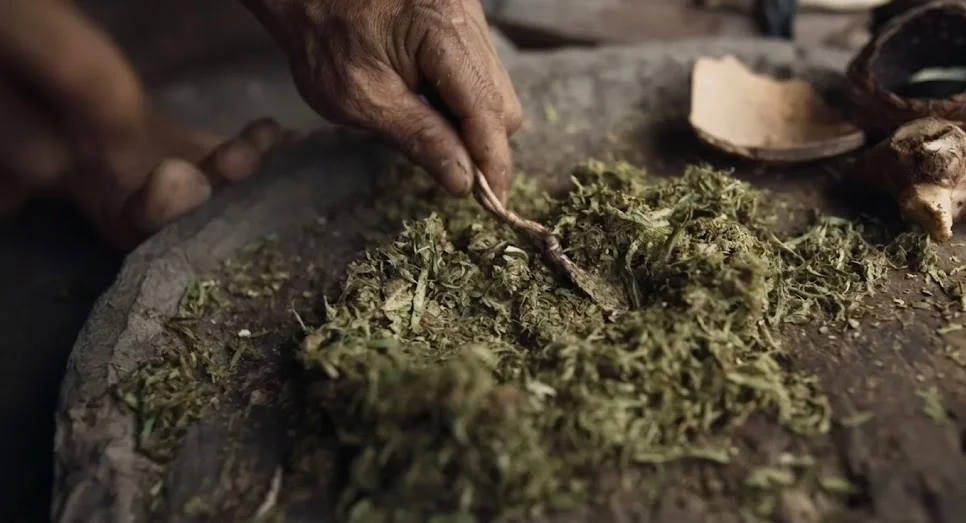
I’ll be upfront — when I heard we were going to help prepare poison for hunting arrows, I had one of those moments where you think: is this actually happening? It was. And it’s one of the most methodical, deliberate things I’ve ever watched another person do.
The Sikerei set out a flat stone grinding board, a heavy machete laid to the side, small clay bowls. Then he pulled out handfuls of plant material — specific leaves and roots gathered from the surrounding jungle. The poison, called omai, is brushed onto arrowheads and is capable of knocking out a wild boar in just a few minutes. He crushed and worked the material with his bare hands, no gloves, no hesitation. The caption that ended up on one of my frames — “Poison just stay” — was exactly what he said through our guide when I asked what happens once it’s applied. The poison stays on the arrow. Dried above a fire, stored in bamboo tubes called Salukat, ready to use.
The poison is so deadly that even scratching it with bare hands can cause death — no animal survives long after being hit, even a small wound in the tail is enough. I kept my hands very much to myself during this part.
The hunt itself is a pre-dawn operation. A hunter typically leaves the uma at around 2:30am to reach the target area by 5am — settling in quietly and waiting for the first movements of monkeys in the canopy above. Three monkey species are primarily hunted on Siberut: the Siberut Macaque, the Pig-tailed Langur and the Mentawai Langur. Arrows designed for monkey hunting have pointed needle-like tips with a carved notch for increased poison adhesion and a built-in breaking point so the tip stays in the wound on impact.
And then — the skull goes up on the beam. Every single one.
The Mentawai Hunting System at a Glance:
| Animal | Arrow Type | Poison Used | Notes |
| Monkey (3 species) | Pointed needle tip | Yes — omai | Primary protein source |
| Wild boar | Broadhead | Higher poison concentration | Also kept as livestock |
| Birds | Blunt nose tip | No — stun only | Feathers preserved for ceremony |
| Small game | Pointed | Yes | Women also hunt small animals |
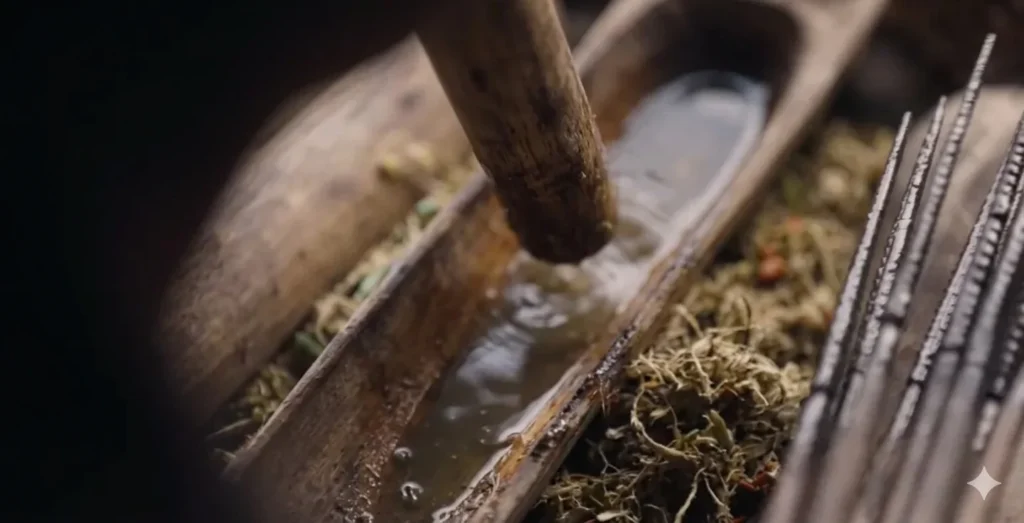
What struck me wasn’t the violence of it — it’s a food system, not sport. What struck me was the economy. Nothing wasted. The skull kept. The feathers kept. The Mentawai never harvest a plant or take the life of an animal without first asking for the spirit’s forgiveness. That one line from a Sikerei has stayed with me more than almost anything else from the whole trip.
Fish, Fruit and Sago — A Day in the Life
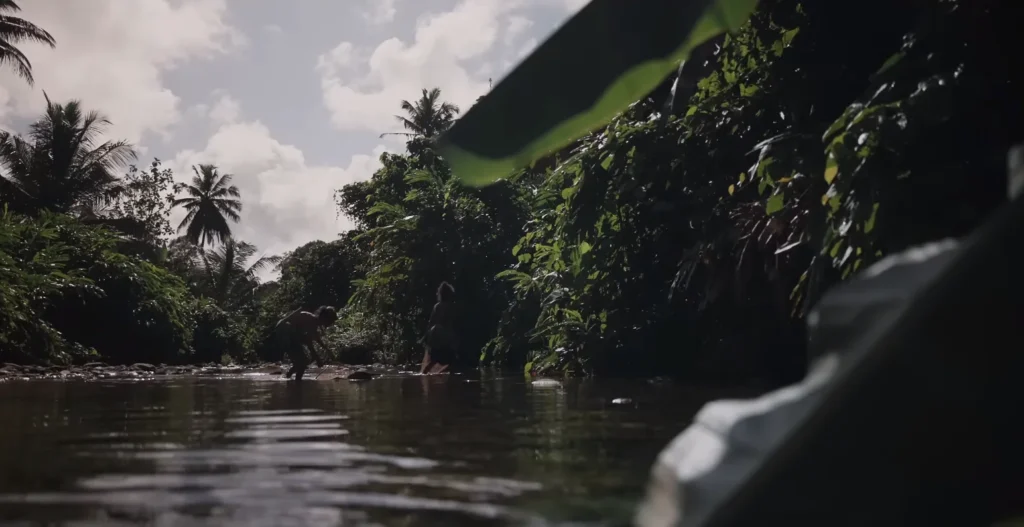
Mornings in the jungle start earlier than you’d expect. I’d barely opened my eyes and half the family was already doing something productive. The rhythm of a day in the Mentawai jungle has it’s own structure — completely different from anything I’d experienced, but oddly logical once you fall into it.
The first order of business every morning is grinding sago – a tree found all over the island that is the absolute lifeblood of the tribe, making it food, building material, clothing and animal feed. The process is long. Cut the palm, haul the trunk, strip it, extract the starch – wet and fibrous, some vaguely like sawdust – grind it down, wrap it in sago leaves, cook it over fire. The finished result is kapurut, a dense grilled flatbread that’s more chewy than you’d expect and has a slightly sweet taste. A single sago tree is enough to feed a family six months.
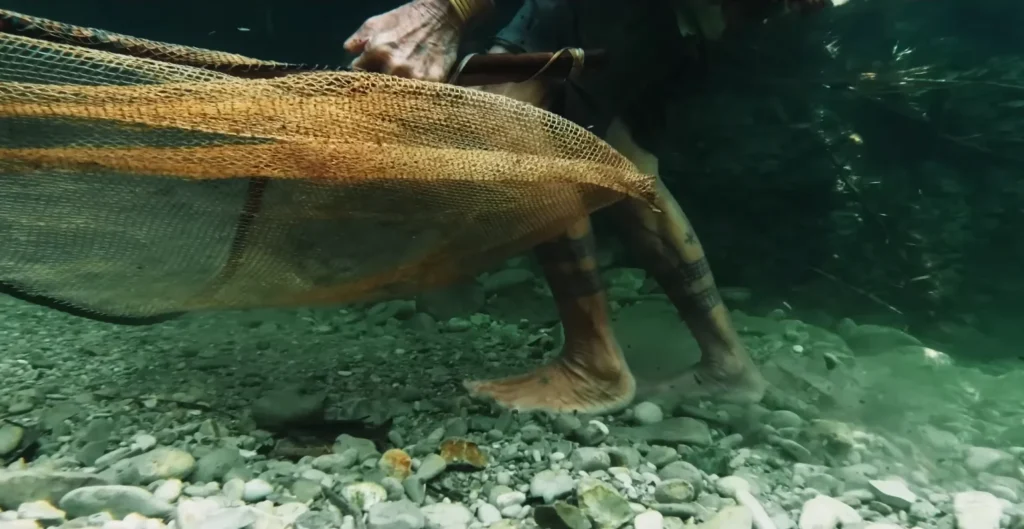
Fishing in the river is the woman’s domain. At first I watched from the bank and then got in. The underwater shot I managed that day – tattoo legs, woven net dragging along the pebbled riverbed, green tinted water – is one of my favourite frames from the whole trip. They live primarily through hunting, gathering, fishin and small-scale farming, using makeshift equipment items fabricated with completely local materials – fish nets, bows, arrows.
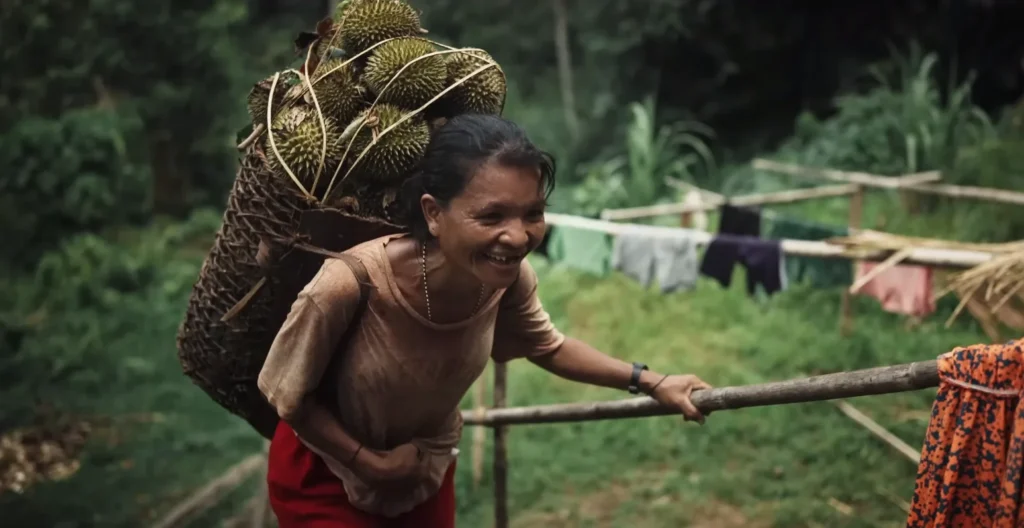
Then there was the fruit harvest. One of the women came back from the tree line hauling an enormous woven basket of durian on her back, laughing the whole way up the bank. That’s the photo. She’s bent forward under the weight, one hand gripping a railing post, grinning like this is the most normal Tuesday. And for her, it was.
What a typical Mentawai day looks like:
- Pre-dawn (2–5am): Men leave for the hunt, tracking monkey territories through the dark forest.
- Early morning: Sago processing begins; women and children head to the river.
- Mid-morning: Fishing with woven nets; fruit foraging in the surrounding tree line.
- Afternoon: Food preparation, tool maintenance, poison-making for arrows.
- Evening: Communal meal around the fire; the Sikerei may begin a ritual if needed.
- Night: Bamboo mats, the fire down to coals and a sky full of stars unlike anything you’ve seen.
That last part — I need to give it it’s own space.
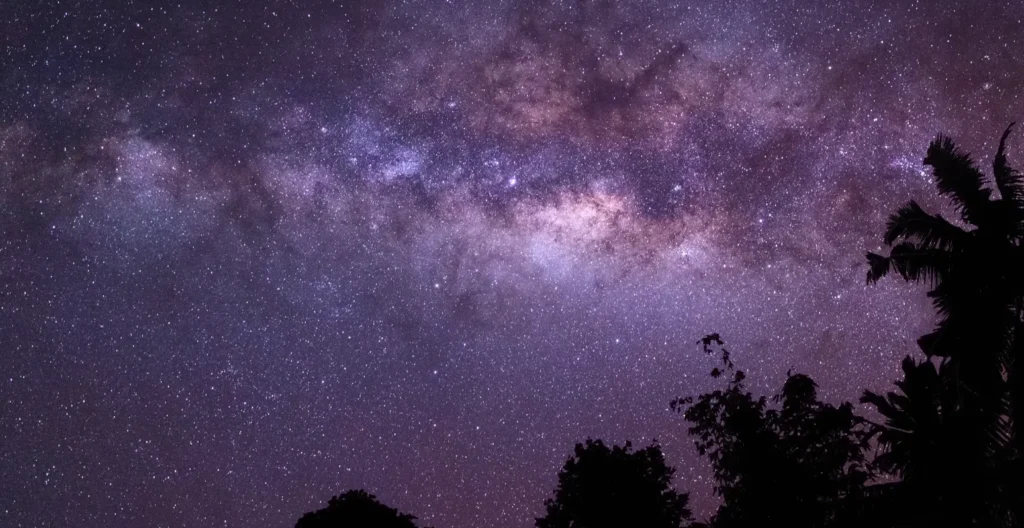
There’s zero light pollution out there. None. I’d get my camera out and set it up on a flat piece of ground outside the uma and would point it upward. The Milky Way came out in every shot and it was vivid and wide, the kind of sky that makes you feel a bit embarrassed about every complaint you’ve ever had. The family came out to see what was on my screen when I showed them the long exposure. The kids poked at the image. One of them said something which I could not translate. Our guide laughed and said he’d told his sister that the camera had got the spirits.
Maybe it had.
Arat Sabulungan — The Religion That Is Also an Ecosystem
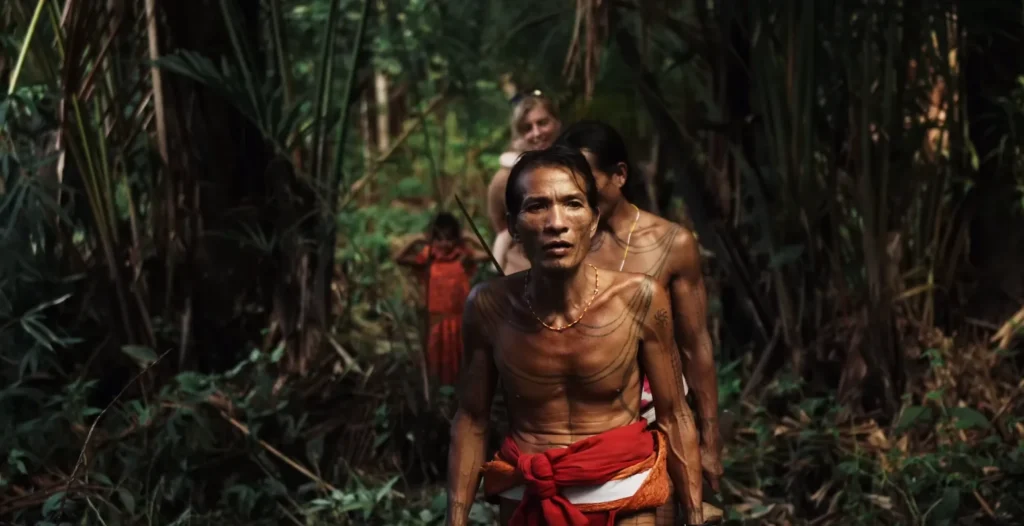
There’s no clean way to separate the Mentawai’s spiritual life from their practical one. They’re the same thing. That took me a few days to actually understand rather than just intellectually acknowledge.
The Mentawai practice Arat Sabulungan — an animistic religion that links the supernatural power of ancestral spirits with the nature surrounding them in the rainforest. Everything has a soul. The river. The sago tree. The monkey. The stone grinding board. The Mentawai believe that souls wander around having their own experiences — and a person must take great care to lead an attractive life so their soul would want to stick around.
That’s not a metaphor. They mean it literally. Physical beauty — the tattoos, the flower garlands worn in the hair and ears, the filed and sharpened teeth — these aren’t vanity. They’re maintenance. They keep the soul interested in staying.
Arat Sabulungan is held together by a belief system that pays reverence to the spirits of the ancestors, the sky, the land, the ocean, rivers and everything natural — led by the Sikerei through ritualistic ceremonies that are quite common. The Indonesian government in 1954 actually banned this religion — classified it as incompatible with the five recognized faiths under Pancasila. In extreme cases, state policy led to the burning and destruction of cultural paraphernalia and Mentawai shamans were forcibly imprisoned or disrobed and removed from the forest.
They kept practicing anyway. Quietly, deep inside Siberut, where the government’s reach thinned out.
Core elements of Arat Sabulungan:
- Every living and non-living thing possesses a simagere (soul).
- The Sikerei mediates between human souls and nature spirits through ritual, chanting and herbal medicine.
- Before any plant is harvested or animal killed, forgiveness is requested from it’s spirit.
- The punen ceremony marks major life events — births, marriages, deaths, changes in nature.
- Physical beauty (tattoos, flowers, filed teeth) is a spiritual act — it keeps the soul bound to the body.
- Animal skulls displayed in the uma acknowledge the spirits of hunted prey.
One night I was present at some of a cult-service–the Sikeri singing in low tones, going round the fire and something in it, which smelled of resin and damp bark. I didn’t understand a word. I filmed anyway. The mood changed whatever it was doing. The children were quiet and that, as you know, is something wonderful in itself when you have been around jungle children.
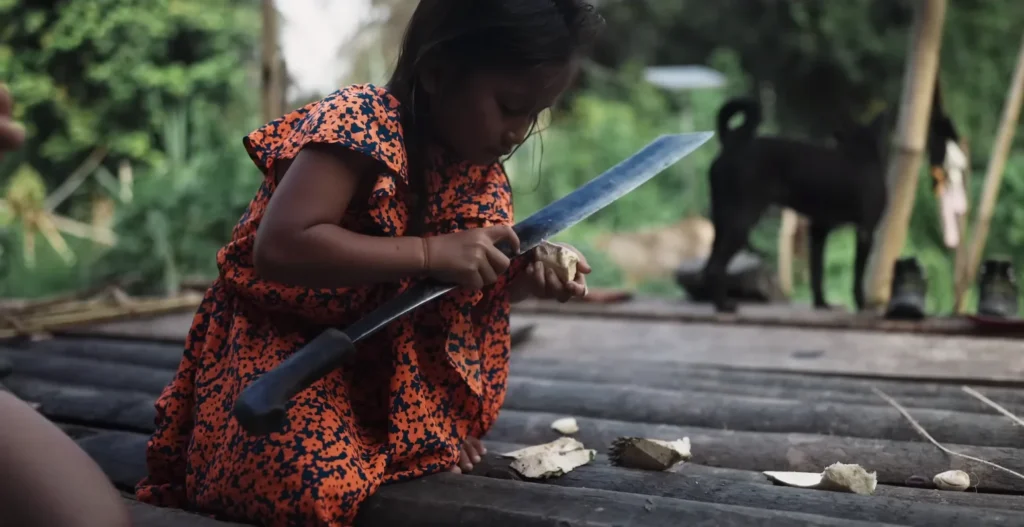
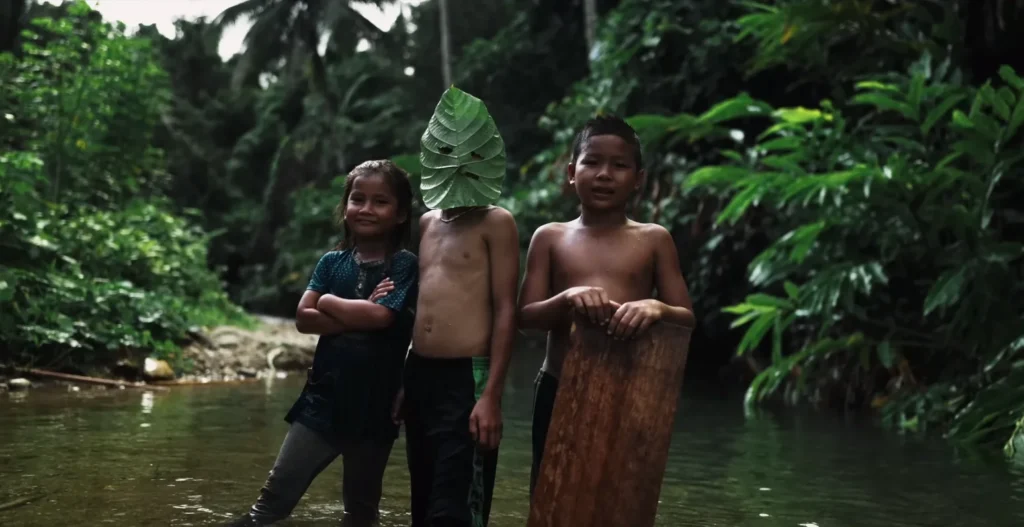
The children here grow up inside all of this. That girl with the machete — she’s maybe four years old, handling a blade the length of her arm, completely unbothered. A boy across from her holding a carved wooden plank. Another hiding behind a monstera leaf. They’re not performing for the camera. They just live this way.
That’s the thing that sticks. All of it – the hunting, the poison, the skulls, the rituals, the knowledge of the forest, it’s not a show. It’s Tuesday. It’s just life, very old and very real, still running in one corner of a jungle that the rest of the world largely don’t know exists.
What’s Actually at Stake Her
That boy under the leaf concealing. It is that picture that I have continued to refer to, as I reflect on what I observed in Mentawai – not the poison, not the skulls, not the dramatic stuff. Some boy playing in a stream, doing what children play all the time. This child is not an odd situation except that he is raised in one of the last hunter-gatherer societies on the planet. And the possibilities that his own children will be doing the same? Not good.
Economic changes and external influences have been brought by logging, modernization and increase of tourism as the younger generation of Mentawai people are increasingly moving further and further away as they are exposed to new opportunities on the mainland of Sumatran. That’s the polite way to say it. The more acute version is the following: in 1954, the government of Indonesia tried to destroy this culture by dictate of law. Banned the religion. Burned ritual objects. Imprisoned shamans. The state owns and controls more than 80 percent of the Mentawai Islands hence leaving the Mentawai people with little opportunity to control their lands and natural resources.
Then there’s the land itself. In 2015, 20 000 hectares of forest on Siberut was designated as an area for palm oil plantations – local NGOs campaigned for the Indonesian authorities to revoke the permit, which included Mentawai traditional lands. Even with that success, the possibility of logging is a constant threat.
So the forest the Mentawai have managed sustainably for over 2,000 years — asking forgiveness before cutting a single sago palm — is being circled by an industry that doesn’t ask anything of anyone.
I filmed a lot on this trip. But some of what I saw I deliberately didn’t film, because a camera pointing at something changes it. The Sikerei’s evening ritual. A conversation about land. A woman crying over something I couldn’t understand. Some things should stay where they are.
The numbers, plainly:
| Threat | Status |
| Practicing traditional Arat Sabulungan | ~1% of 64,000 Mentawai people |
| State land ownership over Mentawai Islands | Over 80% |
| Palm oil land seizure attempt (Siberut, 2015) | 20,000 hectares — permit canceled after NGO pressure |
| Active Sikerei (shamans) remaining | A few small clans, south Siberut only |
| Mentawai language risk | High — younger generations shifting to Bahasa Indonesia |
How to Visit — And How Not To
If you’ve read this far and you want to go, good. The Mentawai need visitors who come correctly — people who contribute economically to the family they stay with, who treat the experience as a guest entering someone’s home rather than a paying customer at an exhibit.
A few things I’d tell anyone planning this:
Go with an ethical operator. This isn’t optional. Mentawai Tribe and Discover Sumatra are two operators with long track records of working directly with families and being transparent about where money goes. Avoid any operation that promises “tribal performances” or staged ceremonies — no staged dances, rituals or performances should be created for tourists; the experience is not designed to entertain but to offer genuine insight into a way of life that continues despite many external pressures.
How long to stay. Minimum three days, ideally five. The ferries between Padang and Siberut don’t run every day and it wouldn’t be worth the long journey for just one or two days with the tribe. The ferry currently runs Tuesday, Thursday and Saturday from Padang’s Muara Port — check schedules directly as weather cancellations happen.
Budget expectations (based on current operator pricing):
| Group Size | Low Season (Oct–May) | High Season (Jun–Sep) |
| Solo traveler | ~€545 | ~€610 |
| 2–3 people | ~€335 per person | ~€370 per person |
| 4–6 people | ~€290 per person | ~€330 per person |
| 7 people (max) | ~€250 per person | ~€280 per person |
Prices based on bucketlistly.blog’s 2024 guide. Always confirm directly with operators — costs vary.
The unwritten rules:
- Ask before pointing a camera at anyone. Every time.
- Bring gifts — cigarettes for adults, cookies or basic food for kids are standard.
- Don’t arrive expecting comfort. You sleep on bamboo, wash in a stream and eat what the family eats.
- If a Sikerei begins a ritual, step back, go quiet and let it happen without narrating it to your travel companion.
- Contribute to the family, not just the tour operator — bring extra supplies, help with tasks.
- Leave absolutely nothing behind in the jungle.
Best time to go: June to September — the dry season means trails are marginally less muddy and sea crossings are more predictable. That said, Siberut is a rainforest. There’s no truly dry.
Last Night in the Jungle
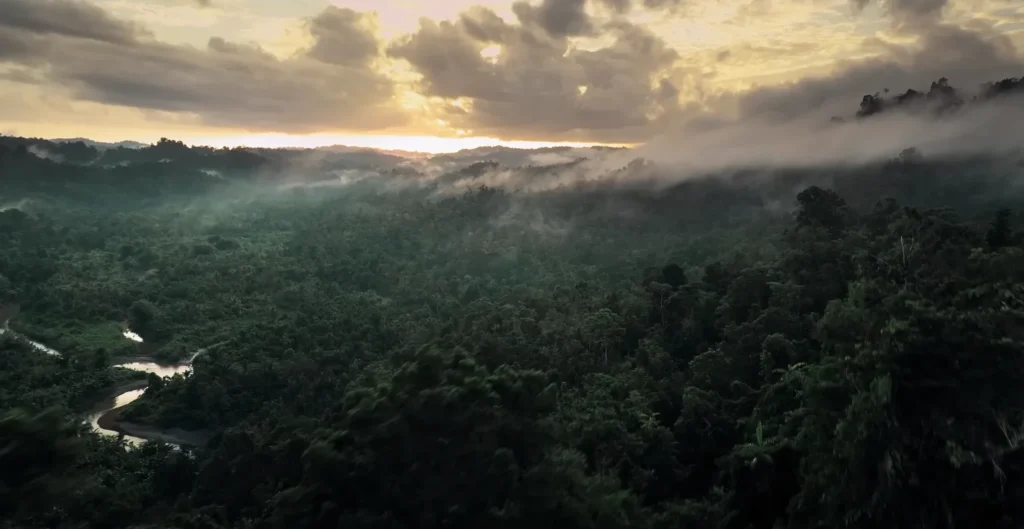
My last morning there, I was up before anyone else. Sat on the uma’s veranda while the jungle came back to life — things stirring in the canopy, the river audible somewhere below, mist sitting heavy over everything. I had coffee I’d brought from Padang. The Sikerei came out eventually, sat near me without saying anything. We watched the light change together for maybe twenty minutes.
He didn’t know my language. I didn’t know his. Didn’t matter.
The Mentawai is one of the most unique indigenous cultures to the land of Indonesia, having a forest-based community life that is influenced by spiritual equilibrium, ceremony accountability and ecological awareness, several of which may be considered living, practiced and significant to date. I thought all that in that morning on the veranda. Not as a fact I had read somewhere. As something I’d felt.
It is not much of a story, what I brought back of Mentawai. It is rather a question– one I keep on my side. We have created a world that has become so fast that these forests and these people were not created to act this fast. And in the south of Siberut, a man gets up at 2:30am, takes a bow with a poisoned arrow and walks out at night to hunt his family in the same manner his grandfather had done. And his grandfather and his grandfather. And thus, further back than most civilizations can reckon.
How much longer? Nobody knows. But it’s still happening. Right now, today, it’s still happening.
Go see it while you can. Go correctly. Go as a guest.