
I will not lie, I was not expecting the Hokkaido to be different. As I was flying in, and I could see the landscape below me, something changed. This was not the Japan that I knew.
It is approximately 90 minutes to the flight out of Tokyo, though you are heading to what is like a different nation altogether. New Chitose Airport is located approximately 45 kilometers away from Sapporo and the minute you come out of it, the air feels different. Crisper. Wilder, somehow.
The means of transportation available at New Chitose Airport:
- JR Rapid Airport Train: 37 minutes to Sapporo Station (¥1,150).
- Airport Express Bus: 60 minutes to city center (¥1,100).
- Taxi: 45-60 minutes (¥9,000-12,000).
- Rental Car: Most flexible for exploring rural areas.
I caught the train – supposed I would take things easy. Good call, actually. Allowed me time to assimilate that I was in a totally different world than the rest in Japan.
Sapporo: Urban Energy Meets Northern Soul
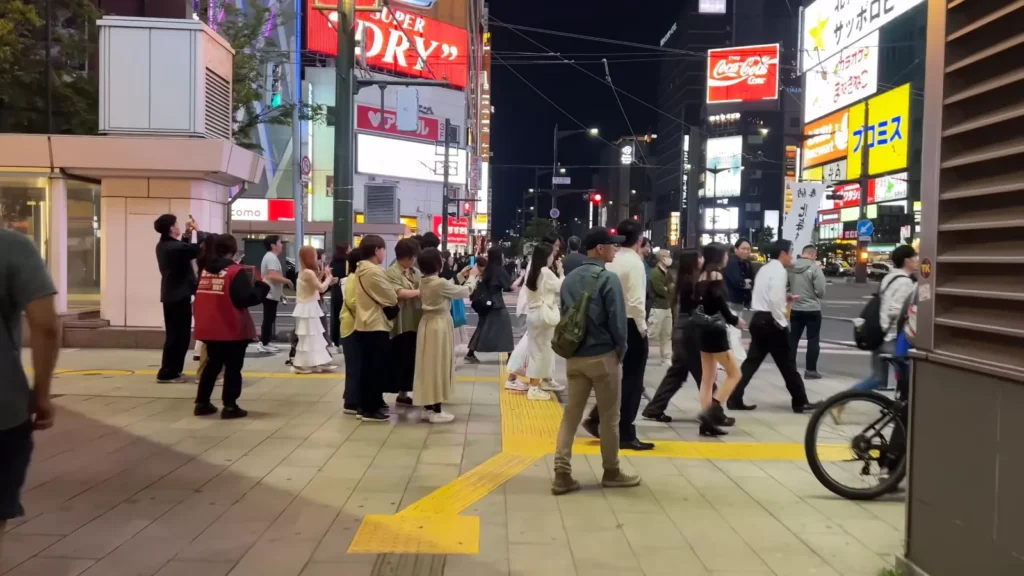
Susukino After Dark
Susukino struck me similar to a soccar-dipped punch to the visage. All of the entertainment districts in Japan are their own personality, but this one? Different energy entirely. Perhaps, the cold of the North makes people indoors, produces this strong, nearly hysterical partying.
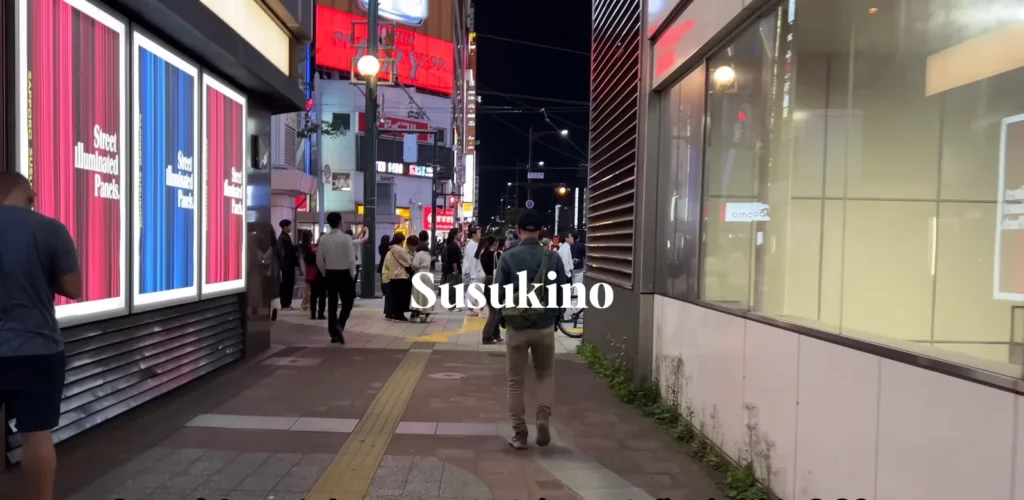
I roamed these streets hours and hours. Susukino is a neighborhood that is approximately 4 blocks, yet is crowded with bars, restaurants and clubs. The intensity of the nightlife is not the only aspect that I found remarkable, but the way local people appeared to accept winter darkness as an invitation to get more intensive.
Susukino Highlights:
- Ramen Yokocho (Ramen Alley): 17 small ramen restaurants under one street.
- Soup Curry: This one was invented here in the 70s – eat Garaku.
- Jingisukan (Grilled Lamb): Hokkaido specialty it is impossible to pass by.
- Crab Restaurants: Hokkaido crab is a legend in every respect.
The crowds here move differently than Tokyo or Osaka. Less rushed. More… communal? Like everyone’s in on some shared secret about surviving northern winters through sheer social warmth.
Shopping and Daily Life
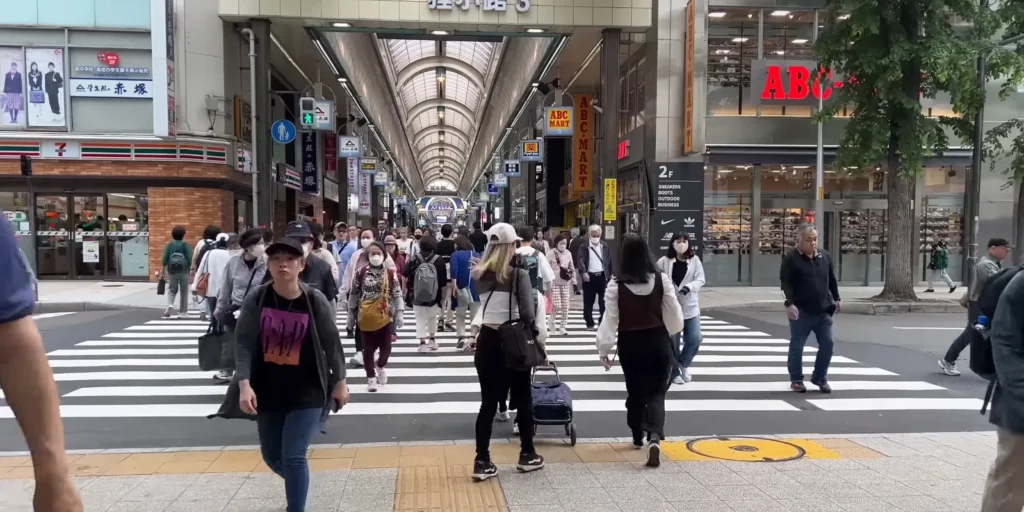
Tanukikoji Shopping Street stretches for 900 meters under a glass roof – smart design for a city that gets buried in snow half the year. I spent a morning here just watching how locals move through their daily routines.
This covered arcade opened in 1873, making it one of Japan’s oldest shopping streets. But it doesn’t feel like a tourist trap. Real people buying real stuff. The mix of traditional shops and modern chains creates this weird temporal blur that somehow works.
Otaru: Where Time Forgot to Update
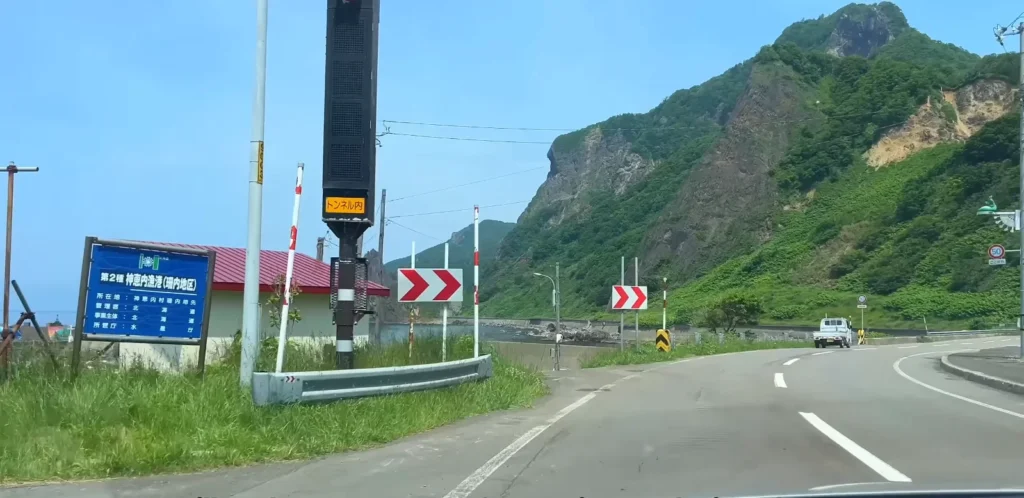
The train ride from Sapporo to Otaru takes 32 minutes. Costs ¥640. But honestly? You’re not just traveling distance – you’re moving backwards through time.
The Famous Canal District
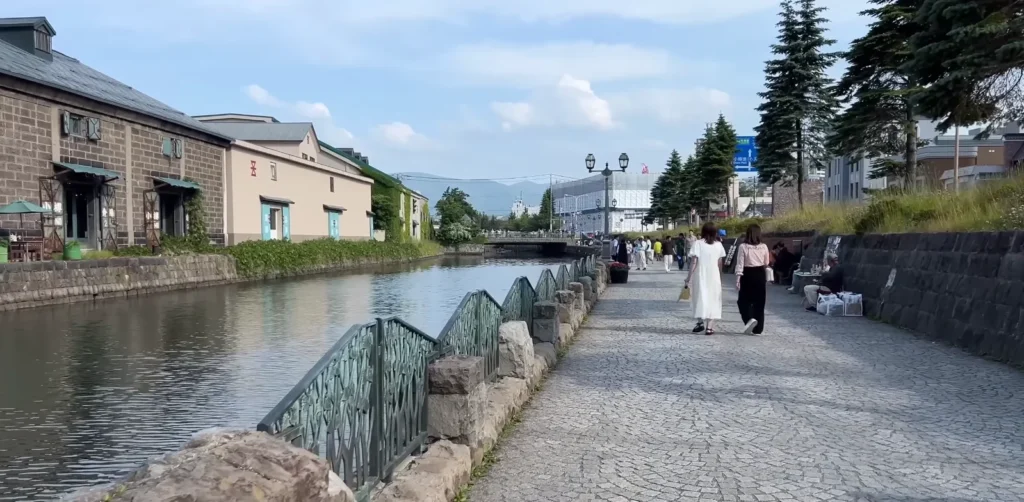
Otaru Canal isn’t particularly large – only 1.3 kilometers long, 20-40 meters wide. Built between 1914-1923 for cargo handling when this was Hokkaido’s major port. Now? It’s this perfectly preserved slice of Meiji-era industrial architecture that somehow avoided getting demolished for parking lots.
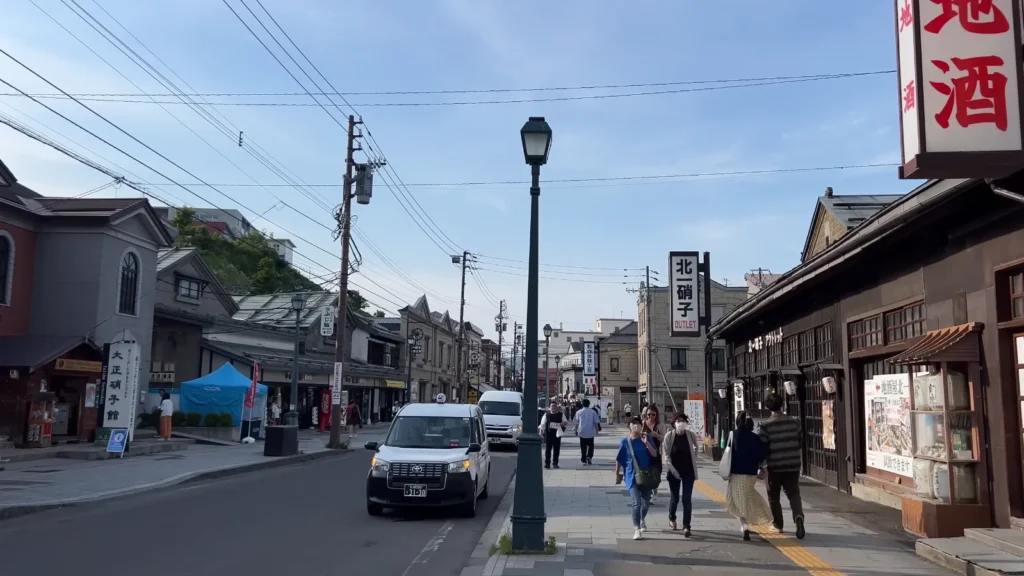
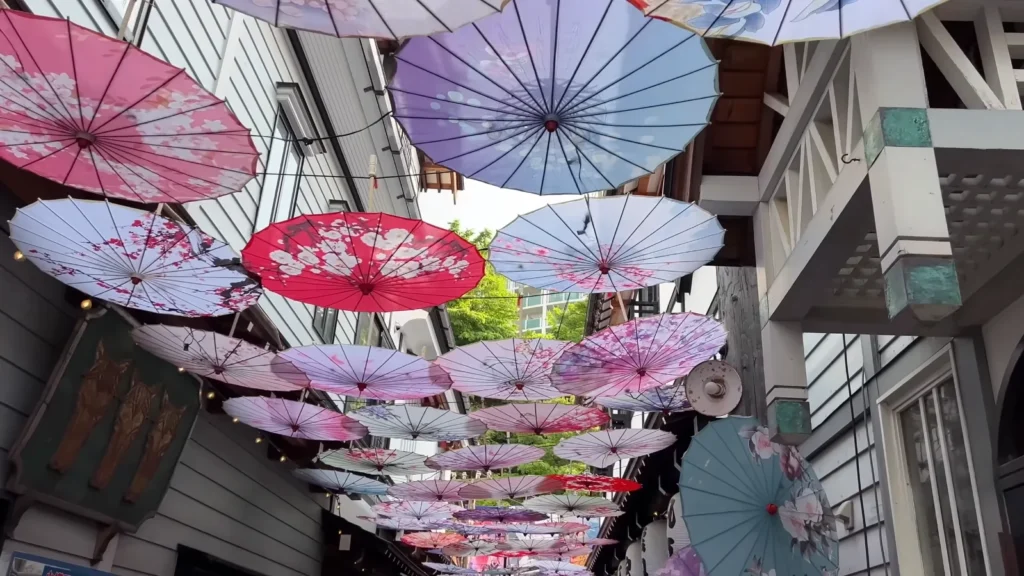
Walking these streets, I kept expecting tour buses to roll up. They don’t, really. Otaru gets visitors, but it hasn’t been Disney-fied like some historical districts. The Otaru Canal still feels lived-in.
Canal District Must-Sees:
- Stone Warehouses: Converted to shops, restaurants, museums.
- Evening Illumination: Gas lamps create incredible atmosphere.
- Photography Spots: Best views from Asakusabashi Bridge.
- Walking Route: Full circuit takes about 45 minutes.
The Unexpected Music Box Museum
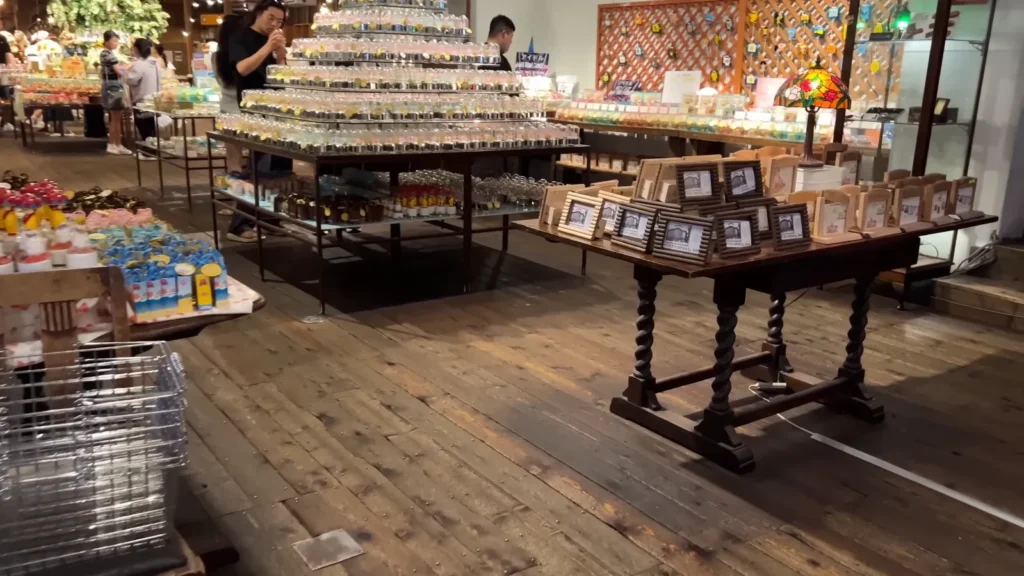
I almost skipped the Otaru Music Box Museum. Sounded touristy. Glad I didn’t trust my instincts on this one.
This place houses over 25,000 music boxes from around the world. The main building used to be a rice warehouse – those exposed beams and brick walls create this incredible acoustic space. But here’s what got me: they still manufacture music boxes here. You can watch craftspeople working on individual pieces.
Music Box Museum Details:
- Main Building: 3 floors of displays.
- No. 2 Building: Antique music box collection.
- Workshop: Watch artisans at work.
- Custom Options: Create your own music box.
- Hours: 9:00-18:00 daily.
- Admission: Free browsing, workshop fees vary.
The sound in that main hall when multiple boxes are playing? Haunting doesn’t cover it. Made me understand why this became such a pilgrimage site for collectors.
Steam Clock and Unexpected Details
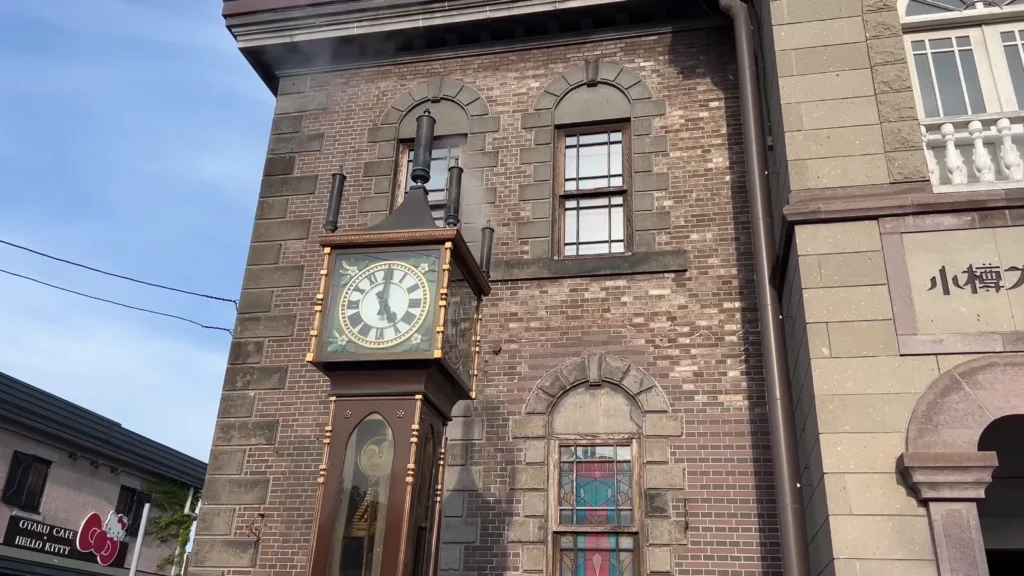
The steam clock of Otaru is located in the entrance of the music box museum district. Constructed in 1977 – it is not historically accurate, but powered by real steam and sounds at every 15 minutes. It is like some ancient relic and tourists flock around it.
Nevertheless, the magic lies in details which no one captures in photographs. The manner in which the morning fog is emerging out of the canal in the early morning. The way local community manages to bypass tourist portions. The scent of stale bread in small bakery that have not changed their recipes since the 60s.
Lake Toya: Volcanic Proliferation That is Not Supposed to Be
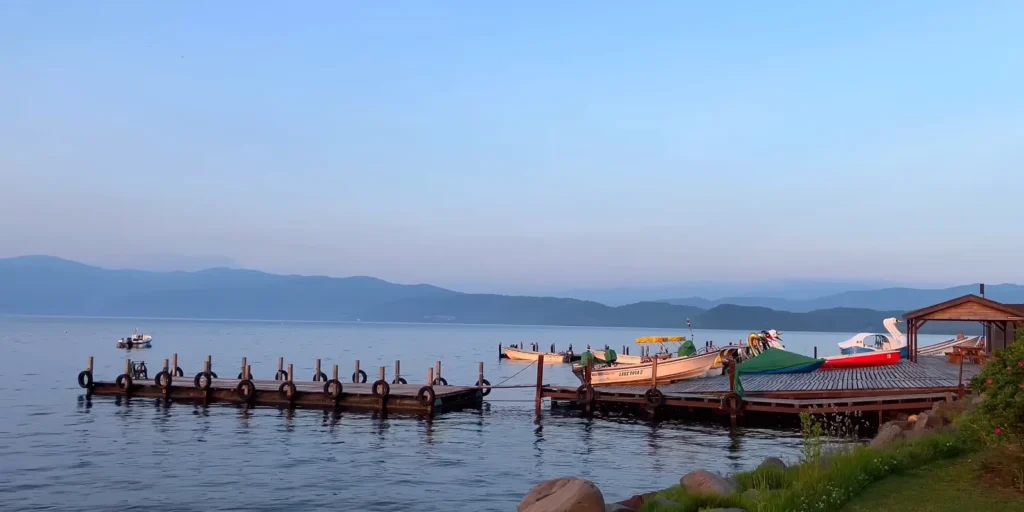
Lake Toya is located in a caldera of volcanic origin created 110, 000 years ago. Things like geology-textbook talk until you happen to be there at 5:30 AM and you see mist floating off water which never freezes even though Hokkaido has ferocious winters.
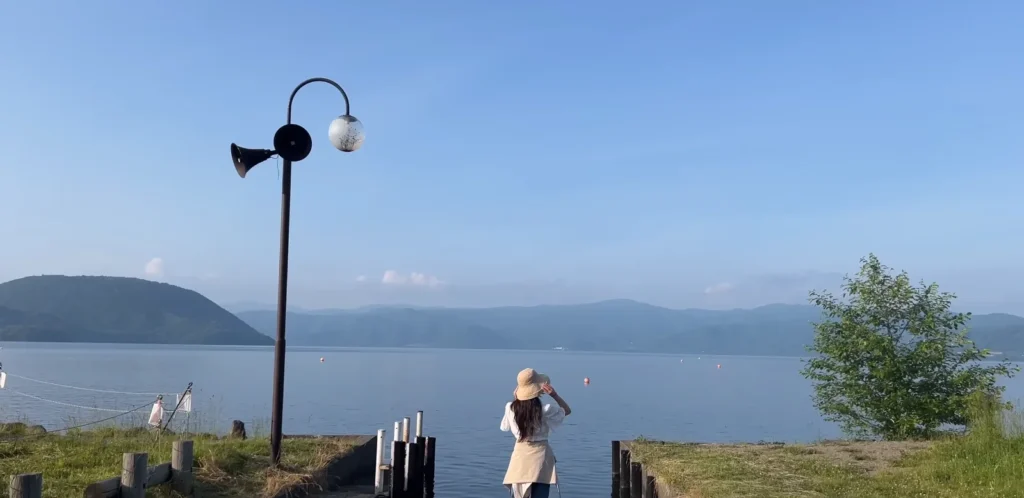
The lake maintains a temperature of 2-4o C throughout the year due to factors such as underground hot springs. One of the fishermen who had made a living at these waters all his life taught me this. I have never ice, he said to me in broken English, and pointed at the peaks around. “Ice everywhere else.”
Why Lake Toya Works
Lake Toya Facts:
- Circumference: 43 kilometers.
- Maximum Depth: 180 meters.
- Water Temperature: Never freezes (2-4°C minimum).
- Formation: Volcanic caldera lake.
- Islands: 4 small islands in the center.
This strange mixture of volcanic action and calm water is to be found in the Lake Toya region. Standing on shore and watching mountains being reflected in the entirely calm lake water, you can see the steam rising over hot springs. Shouldn’t work, but it does.
I hired a bike and rode along the side of the lake covering roughly 20 kilometers. Lasts about 2 hours, when you make frequent stops (which you will). Those terribly fertile forests are formed by the volcanic soil and extend to the edge of water.
Boat Tours and Local Insights
The sightseeing boats operate at 30 minutes during the season between April and October (¥1,420 per adult). I was about to pass over this – boat tours are normally touristy. The 50-minute circuit however provides you with views of the surrounding volcanoes that cannot be seen on land.
What Made the Boat Tour Worth It:
- Nakajima Islands: Four small islands you can’t reach otherwise.
- Mt. Usu Views: Active volcano that last erupted in 2000.
- Historical Context: Guide explained how eruptions shaped the area.
- Wildlife Spotting: Saw several species of waterfowl unique to the region.
The guide mentioned that Mt. Usu erupts roughly every 30 years. Last major eruption was 2000. Do the math.
Noboribetsu: Hell on Earth (In the Best Way)
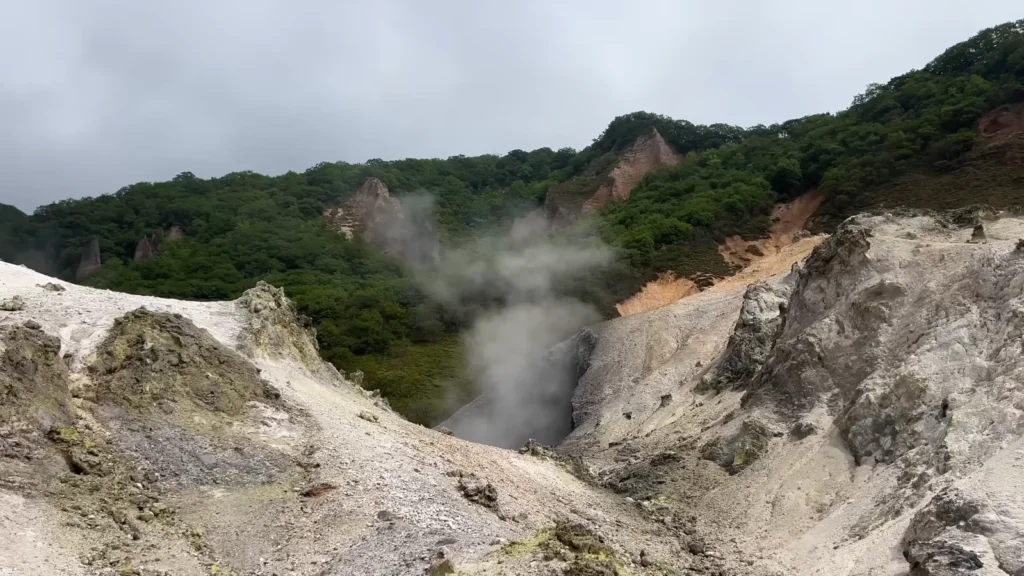
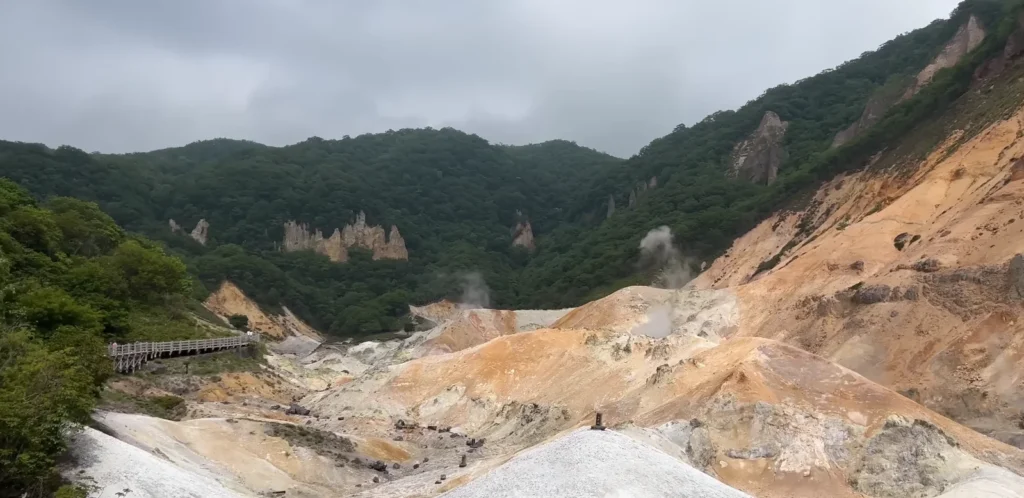
Jigokudani – “Hell Valley” – earned its name for obvious reasons. This active volcanic crater valley produces 3,000 liters of hot spring water per minute at temperatures reaching 100°C.
Walking through Hell Valley feels like exploring an alien planet that happens to be located in Japan. The smell hits you first – sulfur mixed with minerals. Then the sound – constant bubbling, hissing, steaming from dozens of hot springs and fumaroles.
Oyunuma Pond: The Impossible Blue
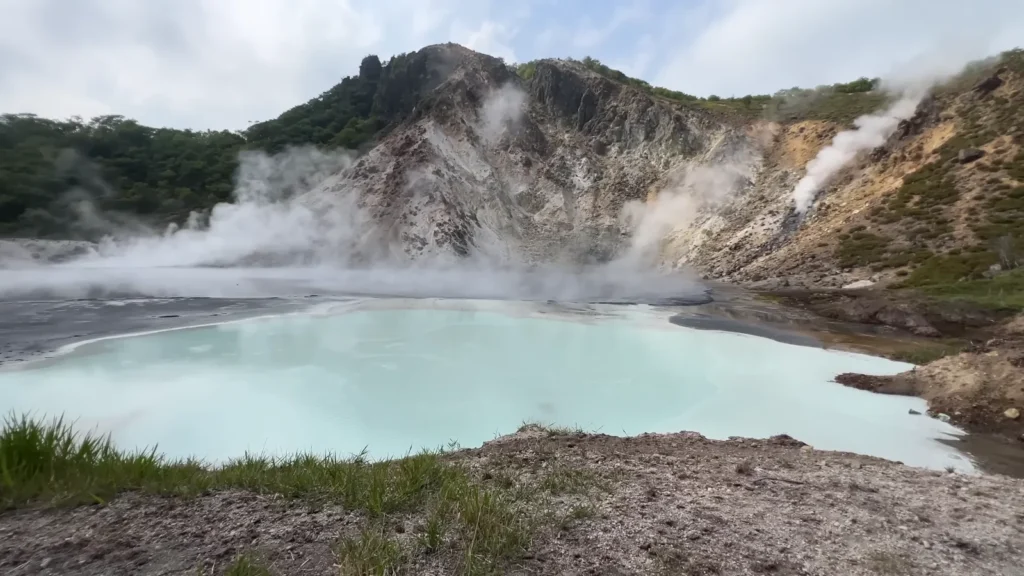
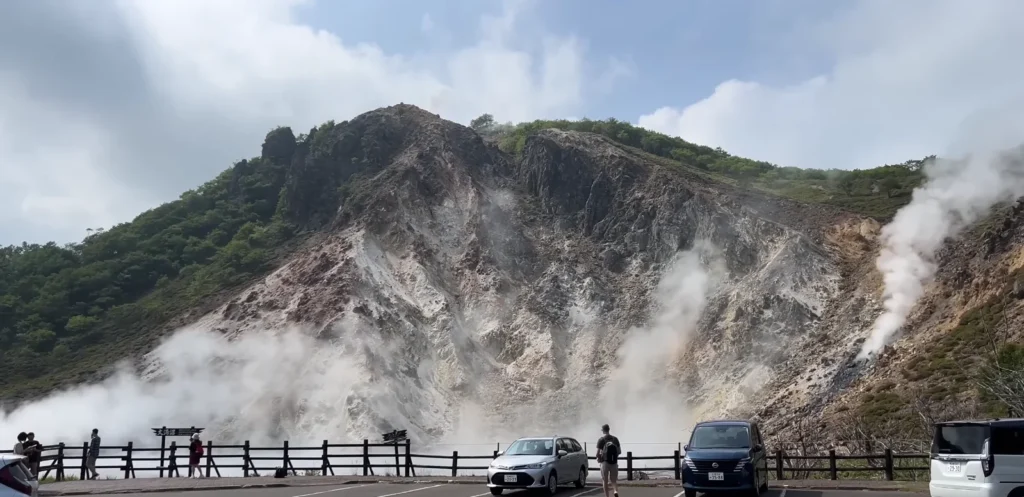
Oyunuma Pond sits about a 10-minute walk from the main Hell Valley area. This natural hot spring pond maintains temperatures around 50°C and that impossible turquoise color comes from dissolved minerals – primarily sulfur and iron.
Oyunuma Pond Details:
- Temperature: 50°C surface, 130°C at bottom.
- Circumference: 1 kilometer.
- Walking Trail: 20-minute circuit around the pond.
- Best Photography: Early morning before crowds arrive.
- Safety Note: Stay on marked paths – ground can be unstable.
The walking trail around Oyunuma takes about 20 minutes, but I spent an hour there. Couldn’t stop photographing how the steam creates these constantly shifting patterns across the water surface.
The Science Behind the Spectacle
Noboribetsu’s geothermal activity results from the Kuttara volcano system. What makes this special isn’t just the visual drama – it’s the variety of mineral compositions creating different colored waters and steam patterns.
Types of Hot Springs in Noboribetsu:
- Sulfur Springs: The classic “rotten egg” smell, good for skin conditions.
- Salt Springs: High sodium content, promotes circulation.
- Iron Springs: Red-tinted water, traditionally used for anemia.
- Acidic Springs: pH levels as low as 1.8, natural antibacterial properties.
I soaked in several different onsen around town. Each one felt completely different – not just temperature, but water texture, mineral content, even how my skin felt afterward.
Cape Kamui: The Edge of Everything
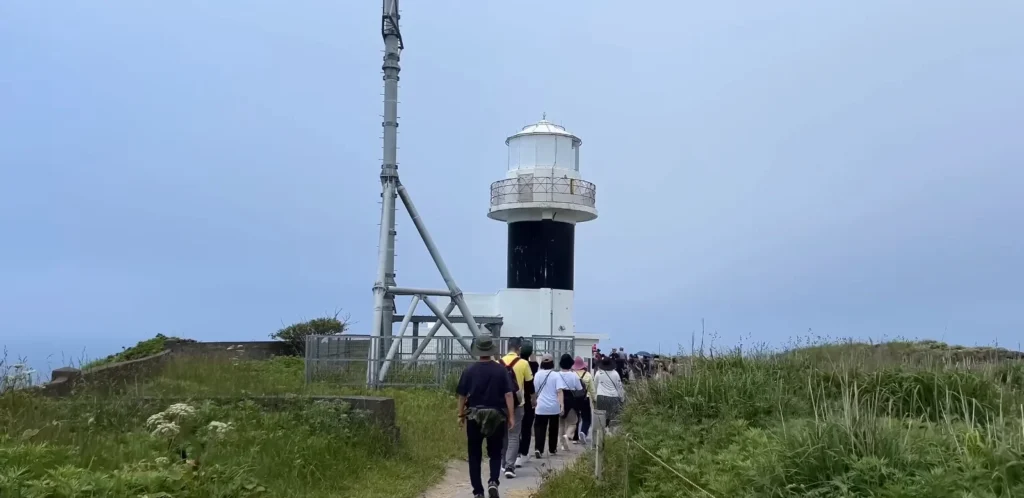
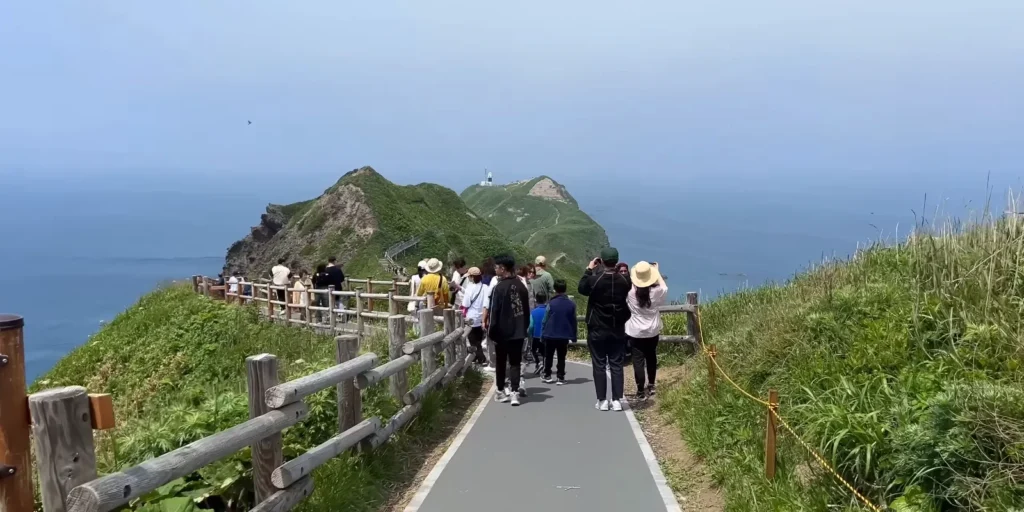
Cape Kamui needs dedication. The parking place is 2.5 kilometers away the lighthouse via a walking path that runs along the cliff tops 100 meters above the Sea of Japan.
This isn’t a casual stroll. The path is in good condition but small; at one point you can be blown by a gust of wind. Takes roughly 45 minutes an hour way provided you are fairly fit and not getting off after every 50 meters to take pictures of the coast (I kept on getting off).
The Maritime and Shoreside Tragedy
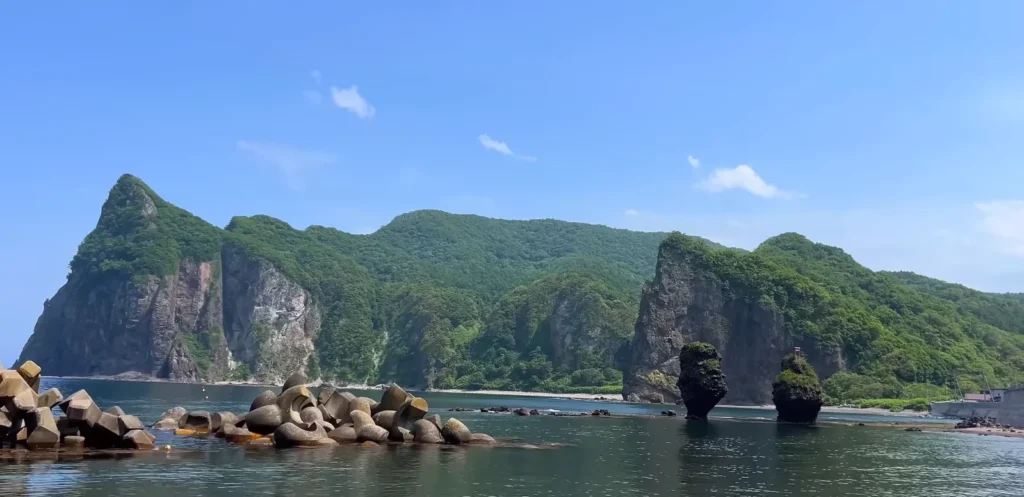
The lighthouse itself is small – it was constructed in 1888, automatized in 1968. But the location? Absolutely spectacular. You are on the northwestern end of Hokkaido, with nothing in between you and Russia except water.
Cape Kamui Specifics:
- Trail Distance: 2.5 km one way.
- Walking Time: 45-60 minutes each direction.
- Elevation: 100 meters above sea level.
- Best Conditions: Clear days with minimal wind.
- Seasonal Access: Closed during severe weather (Nov-Apr).
These amazing photo opportunities are made by the Ebisu Rock formations right offshore and are even more amazing when the waves collide with them. But honestly? I was there a lot of time and all I did was listen to the wind and the waves, trying to digest the magnitude of the landscape.
Why the Hike Matters
Cape Kamui is something that is not available in other parts of Japan – a real coastline wilderness that actually feels remote. No stores, no selling machines, no facilities other than trail and lighthouse.
There were only six or so other people in the 5-kilometer round trip. It is amazing to discover such solitude in Japan. The peninsula is out in the sea like a giant stone finger, and going so far as the tip of it is like going to the end of the known world.
Things I Learned in My Hokkaido JOURNEY Planning
And that is what I would have liked somebody to tell me after I had made about 800 kilometers of a circuit around Hokkaido in 10 days:
Transportation Reality Check
JR Hokkaido Rail Pass vs. Rental Car:
| Method | Best For | Limitations | Cost (7 days) |
| Rail Pass | City connections, winter travel | Limited rural access | ¥24,000 |
| Rental Car | Rural areas, flexibility | Winter driving skills needed | ¥35,000+ |
| Mixed Approach | Maximum coverage | Requires planning | ¥40,000+ |
I took a combination – rail- Sapporo/Otaru, rental car Lake Toya/Noboribetsu/Cape Kamui. A necessity to get the truly magnificent stuff.
Seasonal Considerations
Best Times to Visit:
- Summer (June-August): All attractions accessible, mild weather.
- Autumn (September-October): Incredible foliage, fewer crowds.
- Winter (December-February): Snow festivals, skiing, harsh conditions.
- Spring (April-May): Cherry blossoms, unpredictable weather.
I was traveling at end of spring/ beginning of summer. Best suited to hiking and outdoors, but there are still areas of snow on the mountain.
Budget Reality
Daily Costs (Mid-range Travel):
- Accommodation: ¥8,000-15,000/night.
- Meals: ¥4,000-6,000/day.
- Transportation: ¥3,000-8,000/day.
- Activities: ¥2,000-5,000/day.
- Total: ¥17,000-34,000/day per person.
Hokkaido is not very expensive, yet the experiences are worth the price. Food/accommodations/natural attractions were always beyond satisfactory.