
Listen, I’ll be straight with you. When people told me I was “crazy” for spending three months exploring Florida instead of just hitting Disney World and calling it done, I almost believed them. But after zigzagging across this wild, beautiful, completely bonkers state for 90 days, I can tell you something most travel guides won’t: Florida is hiding some of the most extraordinary places in America right under everyone’s nose.
I’m JLINHH and I’ve been chasing stories and stunning landscapes across six continents for the better part of two decades. But Florida? Florida surprised me. Not just once or twice constantly. Every single day brought something that made me pull over, grab my camera and think “Wait, this is still Florida?”
The Panhandle Paradise: Where Sugar-White Sand Meets Emerald Waters
Destin and the Emerald Coast: Nature’s Color Palette Gone Wild
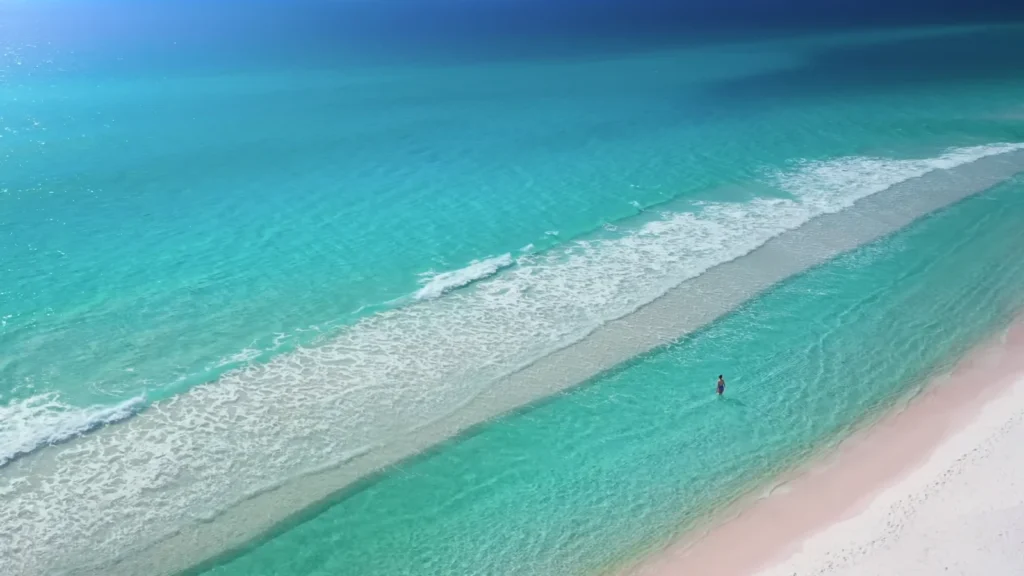
But I started with Destin and frankly I felt that my camera was not working. The water here is not real it is this unnatural color of emerald green that is like the person turned the saturation to extra 150. But no, that is only what occurs to sugar-white quartz sand and the Gulf of Mexico.
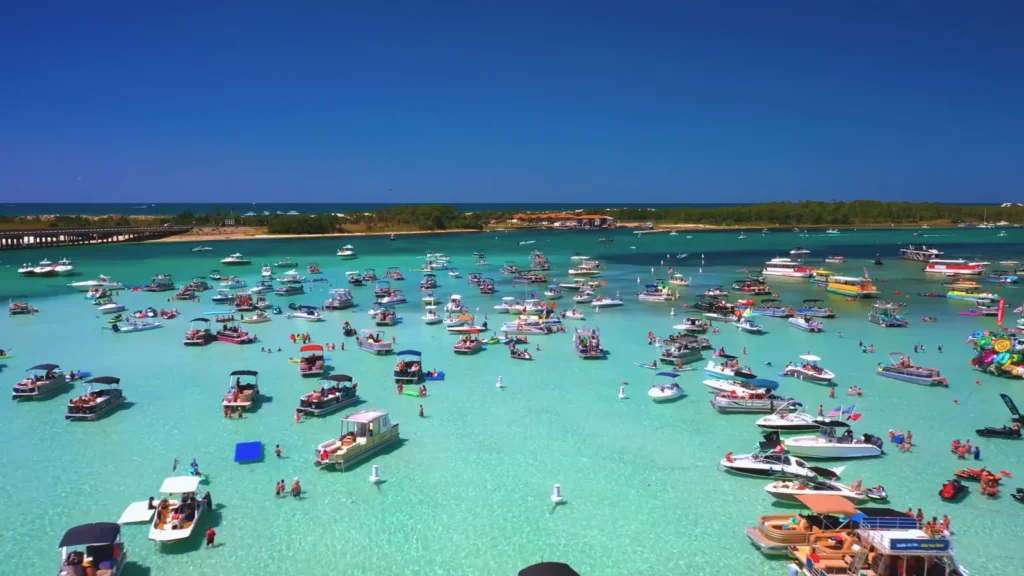
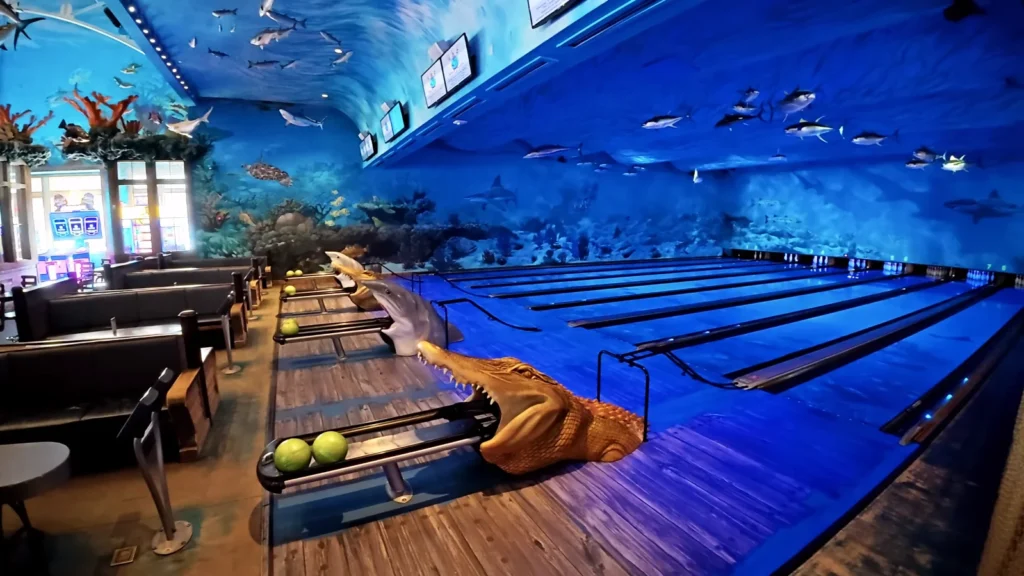
I was four days here and every morning I walked out to that popular harbor, fancying I had grown accustomed to the sight. Never happened. This wildness, with that pristine beaches and that ultimate circus of boats on the high season (at least at the Destin Fishing Rodeo) is the contrast between spring break and serious fishing tournament.
Lesson learned in my errors: When you are in AJ’s Seafood and Oyster Bar, don’t attempt to eat on a Saturday without a reservation. I realized this through a 2 hour experience of waiting which was completely worth it to get their grouper sandwich.
Pensacola Beach: Where Military History Meets Beach Perfection
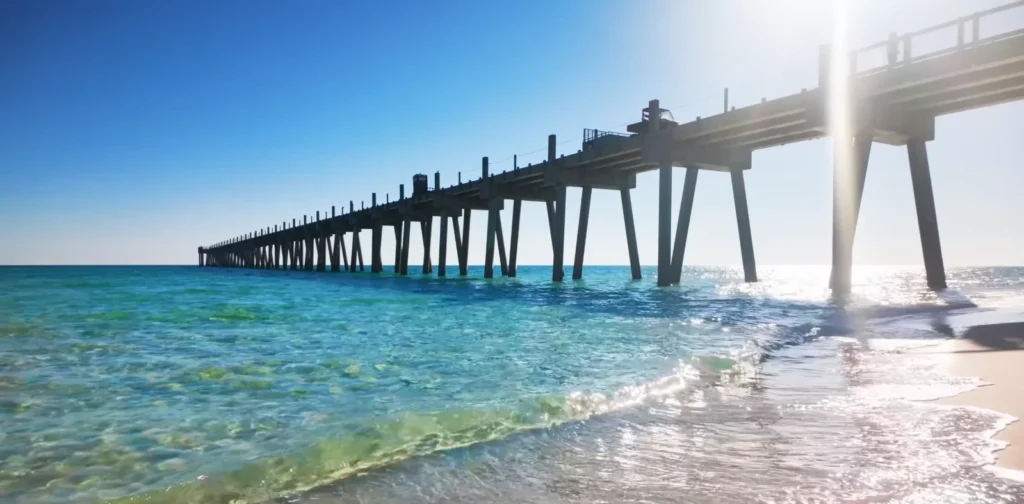
Beach Pensacola came as a visual slap to me as I drove east out of Destin. That water which is impossibly clear, ridiculously blue, protrudes in the direction of what seems to be infinity. However, this is what the majority overlook here; the Blue Angels train flights.
I was sitting there sipping my morning coffee when six Hornets (F/A-18) flew by in perfect formation. No notice, no proclamation only pure American airplane college at 400 mph. Becomes out they practice most mornings of Tuesday and Wednesday, March to November. The natives hardly even raise their eyes. I had almost spilled coffee over myself.
Navarre Beach: The Unforgettable Coast That Should Remain Unforgotten
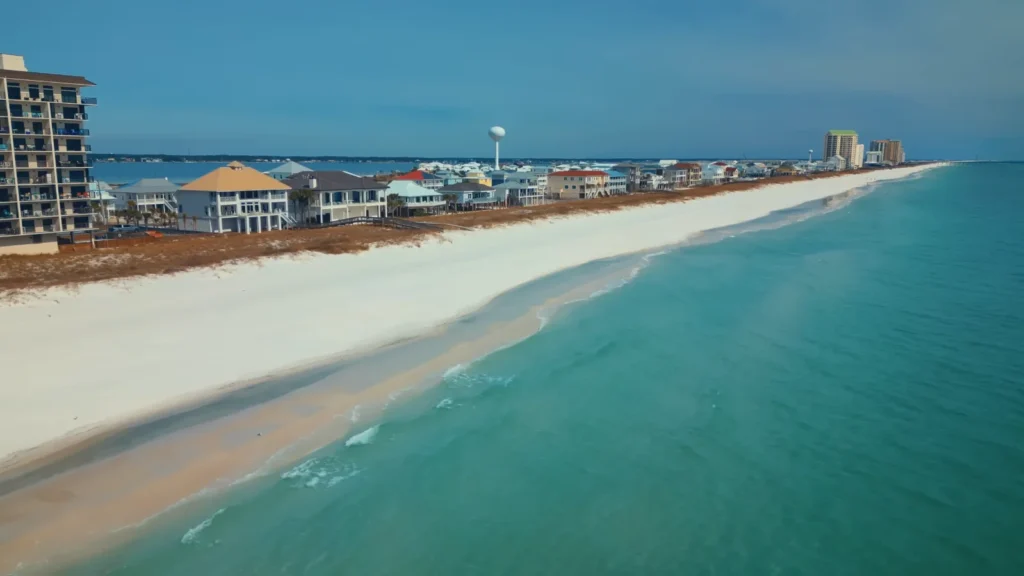
Beach Navarre boasts of being the Most Relaxing Place in Florida and this would sound like marketing jargon until one arrives at the location. It is like the more reflective, serene cousin of Pensacola, this 12-mile length of beach. The fishing pier is 1,545 feet into the Gulf, the longest in Florida, and one is required to walk to the end at sunset.
The most impressive thing was that there were no high-rise condos. Here the Santa Rosa Island Authority has their stringent building codes and instead of having the Miami type towers, erecting low-rise accommodation that actually adds to the natural beauty rather than contests it.
Key Stats for the Panhandle:
- Peak season: May-September when the weather is warm, and October-April when crowds are small.
- Water temperature: 70-85 o C in summer, 60-70 o C in winter.
- Average beach width: 100-300 feet of pristine sand.
- Sunshine hours per annum: 343 days/ year.
The Sophisticated Coast: Architecture, Art and Surprising grace
Alys Beach: Greek Islands Vibes in the American South
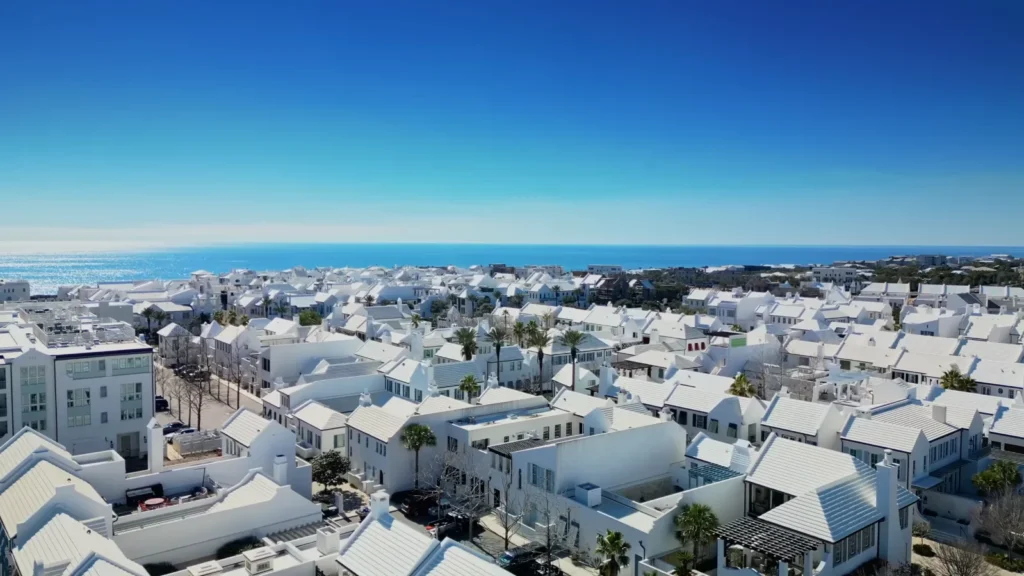
Okay, so Alys Beach is where things got weird in the best possible way. This planned community along 30A looks like someone airlifted a Greek island village and dropped it onto the Florida coast. Every building is white not off-white, not cream, but brilliant, almost blindingly white with those distinctive courtyards and geometric architecture.
I spent an afternoon just wandering the amphitheater area with those surreal white spheres scattered across the perfectly manicured lawn. It should feel artificial, but somehow it works. The whole development was designed by Miami architects Duany Plater-Zyberk and their attention to detail is obsessive. Even the street signs match the aesthetic.
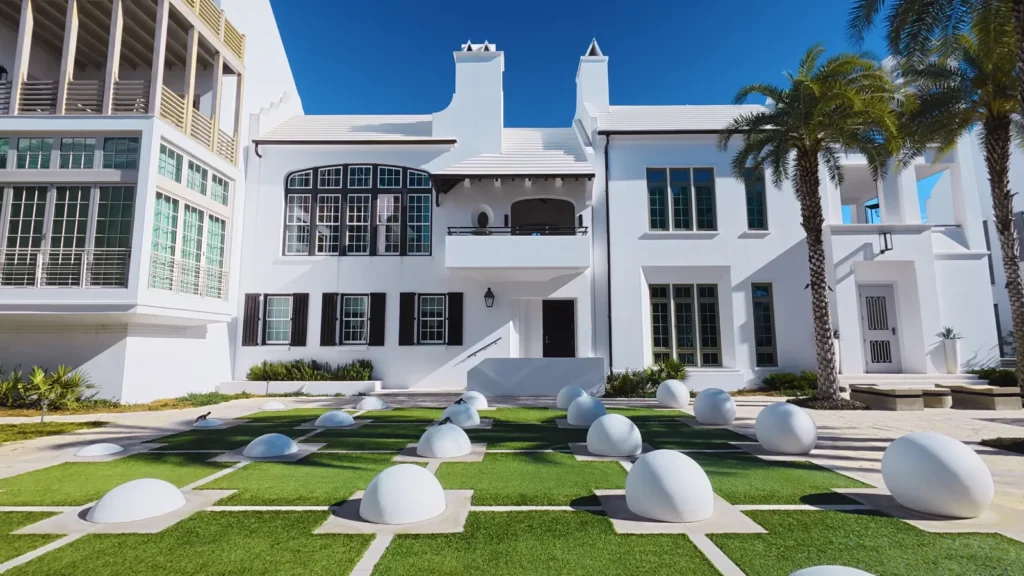
Access to the beach here is restricted to residents and guests and therefore there is no large number of people crowding around. I have been staying at a vacation rental three days and each day morning I felt like I was waking up in a very costly dream.
Seaside and Rosemary Beach: Urban Planning that is Art
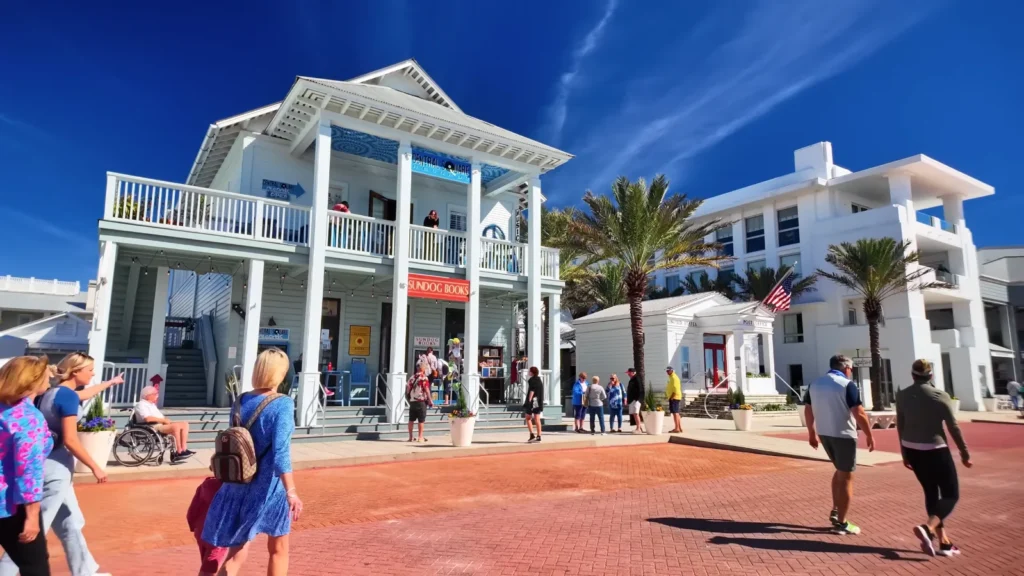
These two communities are approximately 10 miles away on 30A yet they portray diametrically opposed philosophies. Seaside the original development in New Urbanism looks more like a movie set of an ideal American small town. Which is understandable, given that they shot the Truman Show here in 1998.
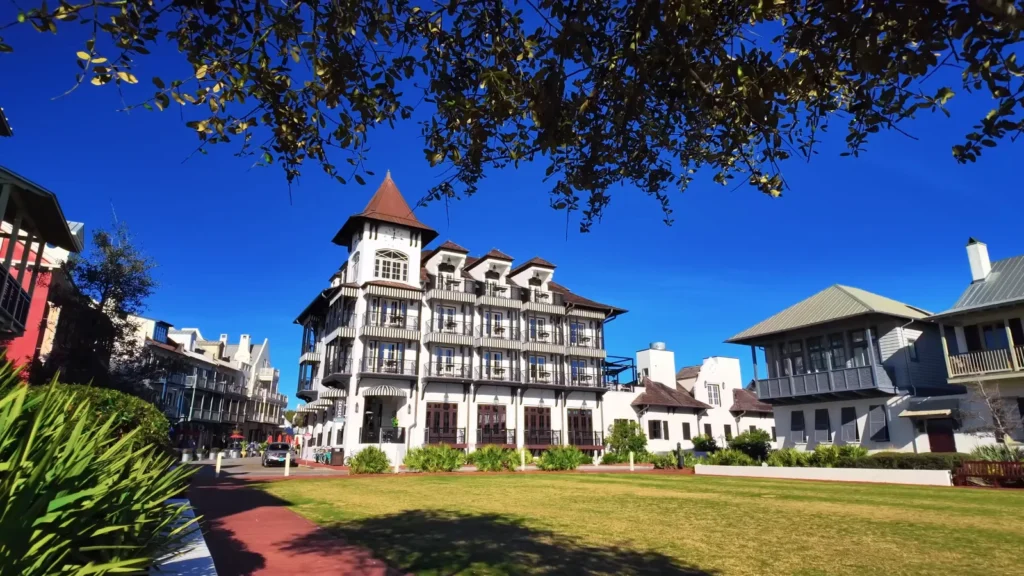
Rosemary Beach is more European in its cobblestone streets and its architecture of the Caribbean. As I was walking through the town center at nightfall, with those strand lights and the noise of the Gulf right outside the buildings, I could keep on expecting to run into a wine shop in some small little town in Italy.
What Makes 30A Special:
- 19 distinct beach communities in 24 miles.
- Protected by strict architectural codes.
- Accessible via the 30A bike trail.
- Home to the 30A Songwriters Festival each January.
Amelia Island: Victorian Charm Meets Modern Luxury
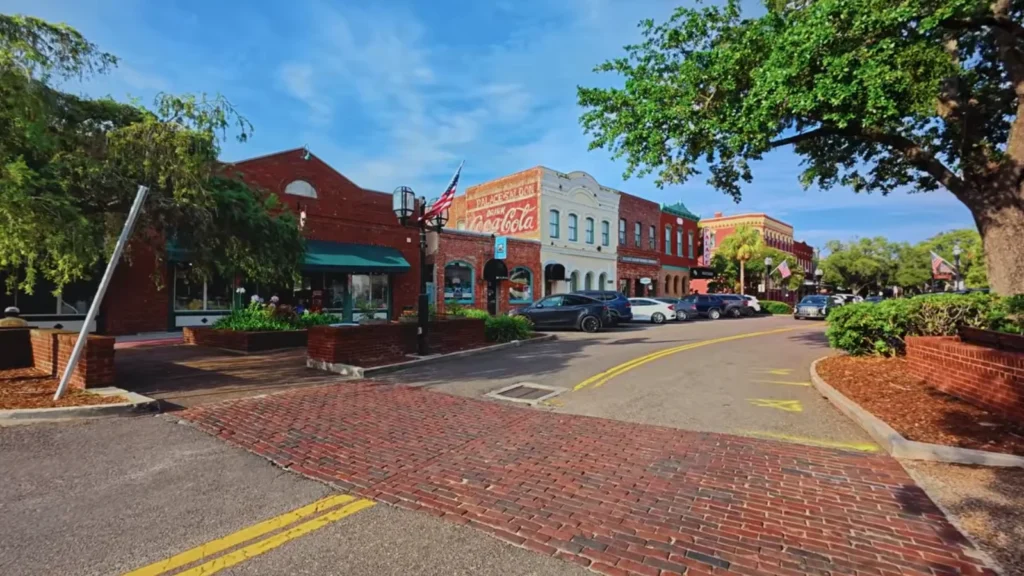
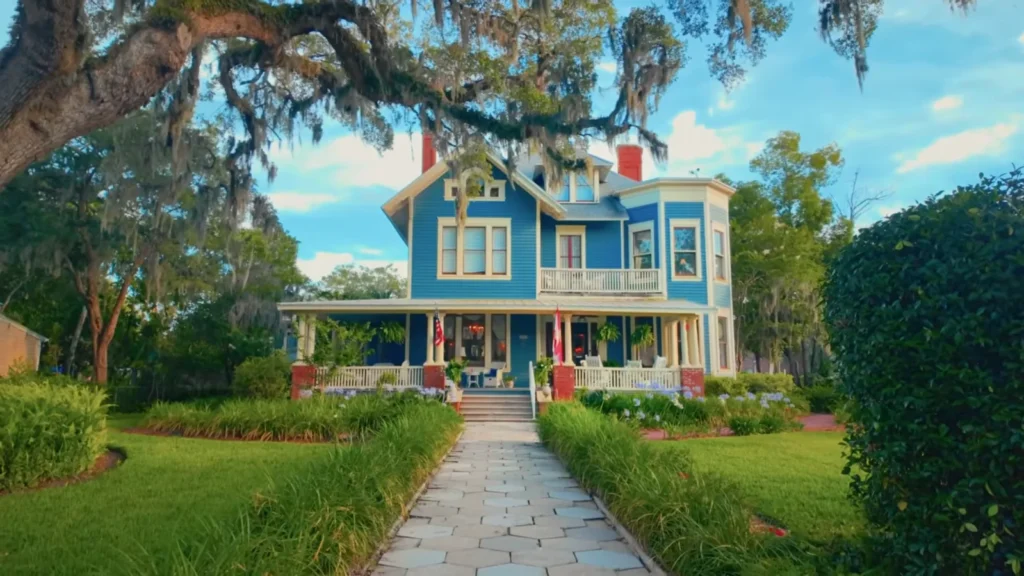
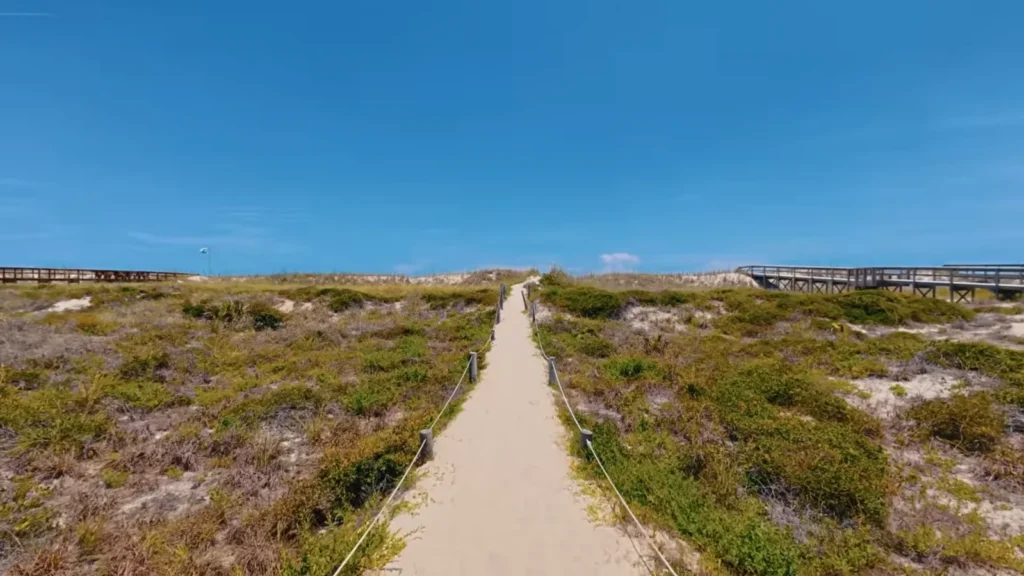
Amelia Island was an excellent surprise to me. My impression of it was that it was historic, meaning in other words, boring, but it has the means to incorporate the 19th-century Victorian style with the 21st-century resort without the sense of schizophrenia involved.
That blue house in my photos? That is common to the historic Fernandina Beach district. These are not museum items people get to live and work in these beautifully maintained buildings. I have been strolling Centre Street on a morning, going into galleries and cafes, built up in buildings that are older than the Civil War.
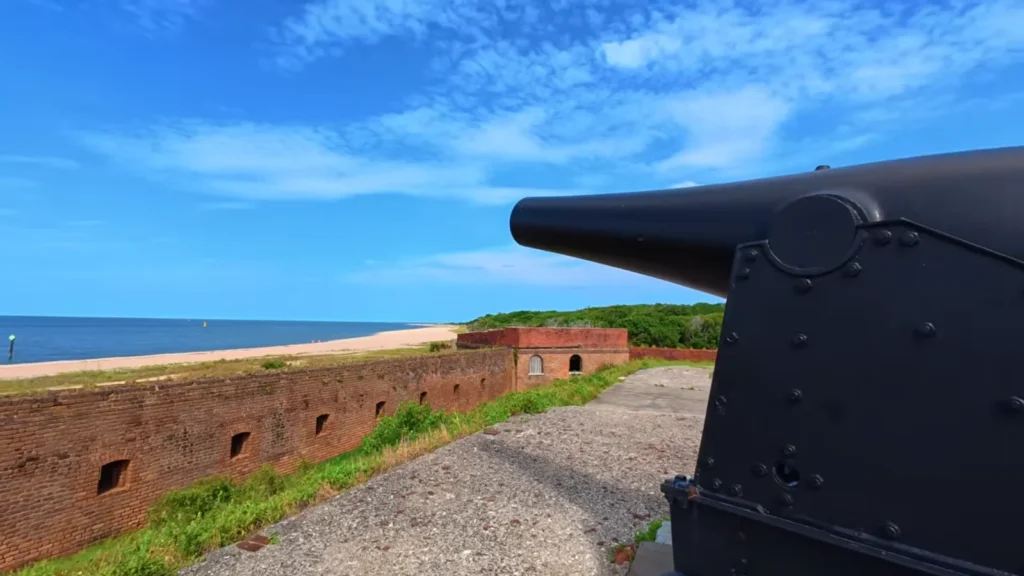
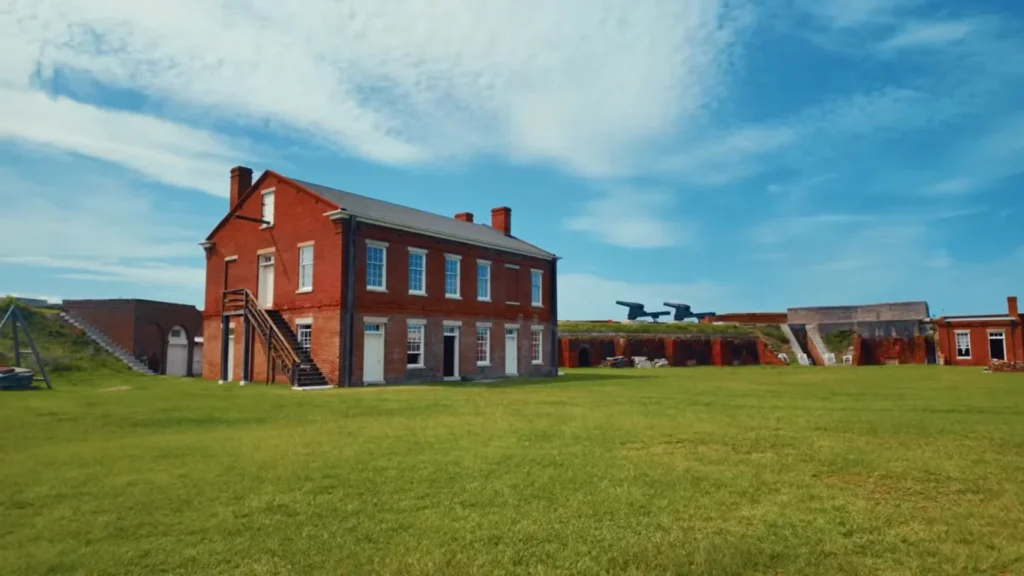
The Fort Clinch State Park at the island’s northern tip deserves it’s own day. The fort itself is fascinating Civil War history buffs will lose their minds but the real show is the pristine beach stretching south from the fort walls.
Florida’s Natural Wonders: Springs, Falls and Prehistoric Surprises
The Underground World: Devil’s Den and Florida’s Spring System
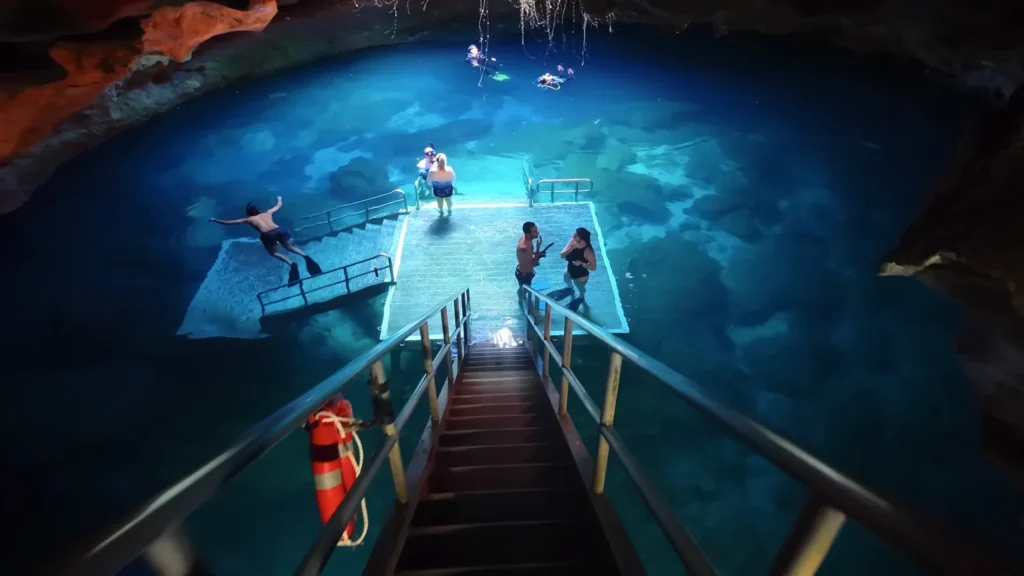
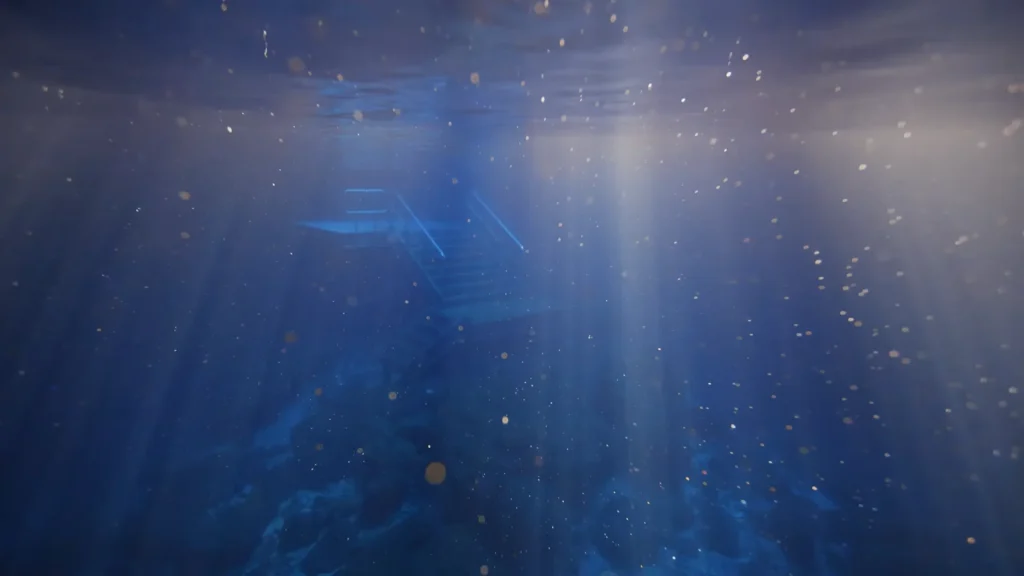
This was where Florida became extremely weird on me. The Devil’s Den, an hour north of Tampa is little more than a gateway to a different world. On the surface, it resembles an ordinary sinkhole with certain steps made of concrete. Down into this underground cathedral chamber of crystal-clear 72 degree water which has been flowing out of the same aquifer thousands of years.
I am a good swimmer, but I am not certified on cave diving, so I did snorkeling in the main chamber. Even at a glance, one can observe ancient stalactites and rocks formation that predates the human civilization in North America. The water is so clear that it gives you this disoriented feeling in being unable to figure out how deep you are when what appears to be 10 feet down is really 30.
The really mind-bending part? This is not the only one of the more than 700 freshwater springs in Florida. The whole state is built on the huge base of limestone that is full of underground rivers and caves. The majority of them are completely unaware of the fact that they are treading on this submerged water world.
Safety Note: Caver Diving Do not try to go cave diving without certification. The National Association of Cave Divers also provides training and even the experienced divers may get into trouble in the cave systems of Florida.
Big Shoals State Park: The One and Only Whitewater Rapids in Florida
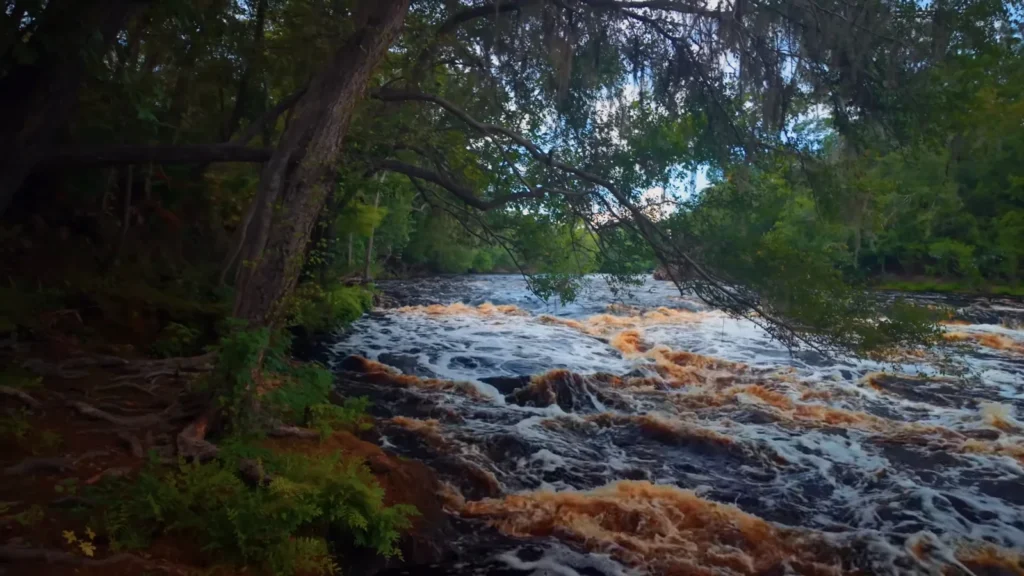
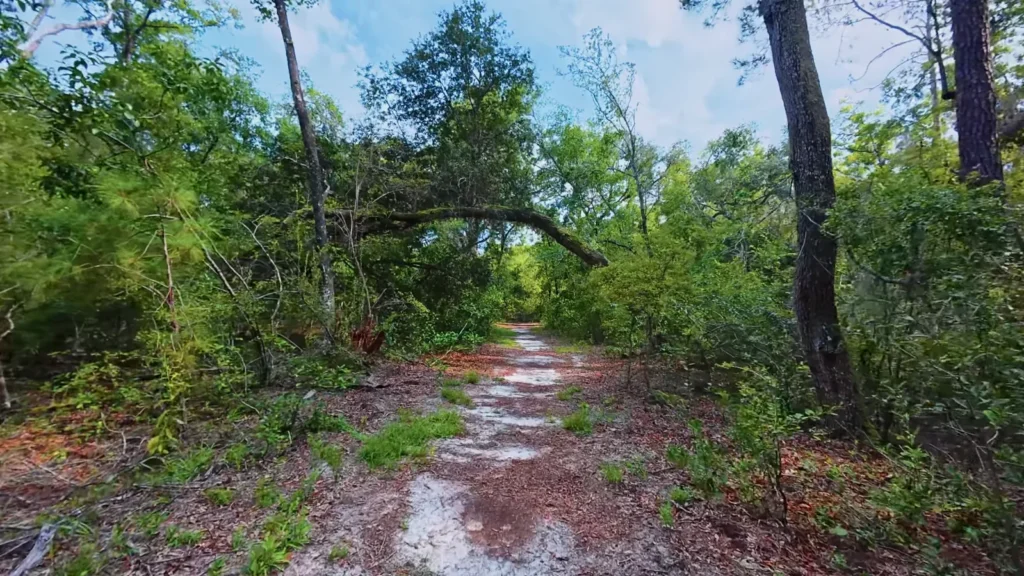
Wait, there are whitewater rapids in Florida? This is how I reacted when somebody told me about Big Shoals. It is on the Suwannee River that is close to the Georgia border, but it is the total opposite of the flat-Florida stereotype.
Here the Suwannee falls nearly 30 feet over shoals of limestone, and forms real Class II rapids. I stood on the bluff trail and saw kayakers and canoers go through the churning water, and was sprayed. The tannic water which has been stained brown by the up stream vegetation froths over these beautiful cascades of gold which resemble those you would have seen in the Appalachian region.
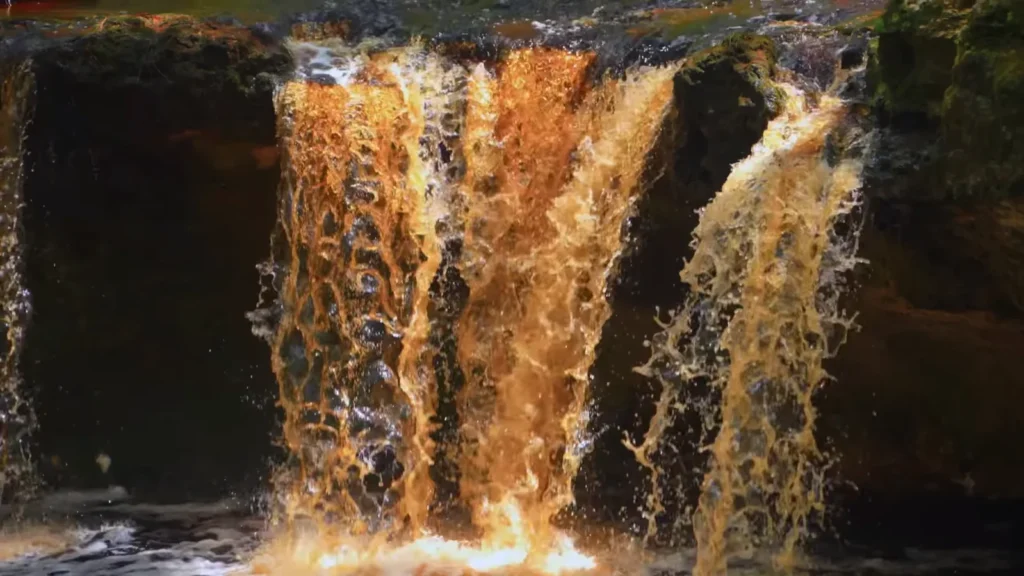
The geological story here is fascinating. These limestone formations represent ancient sea floors from when Florida was completely underwater. The Florida Geological Survey estimates some of these rock layers are 25-38 million years old.
Cedar Lakes and Gardens: Where Artistry Meets Nature
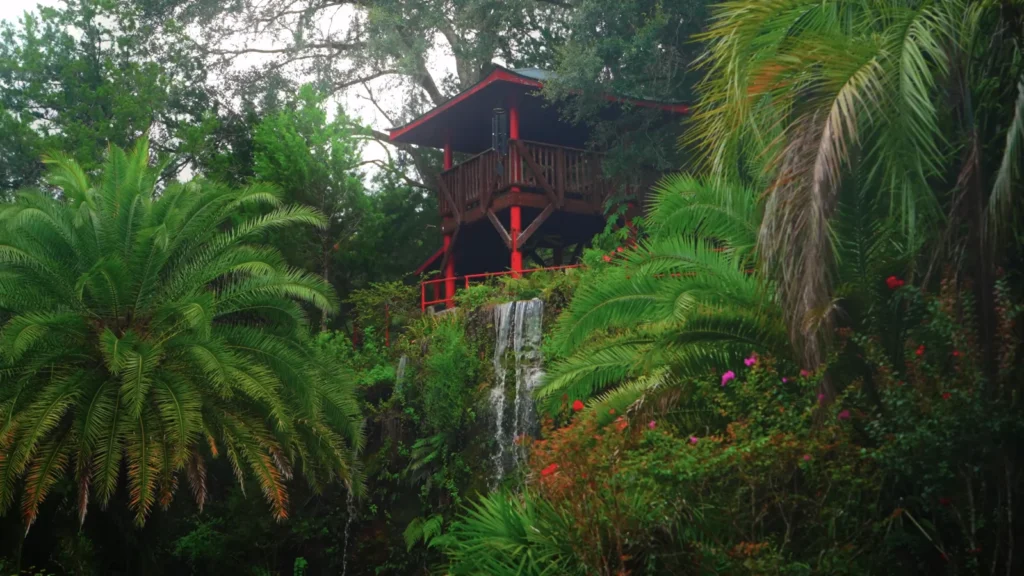
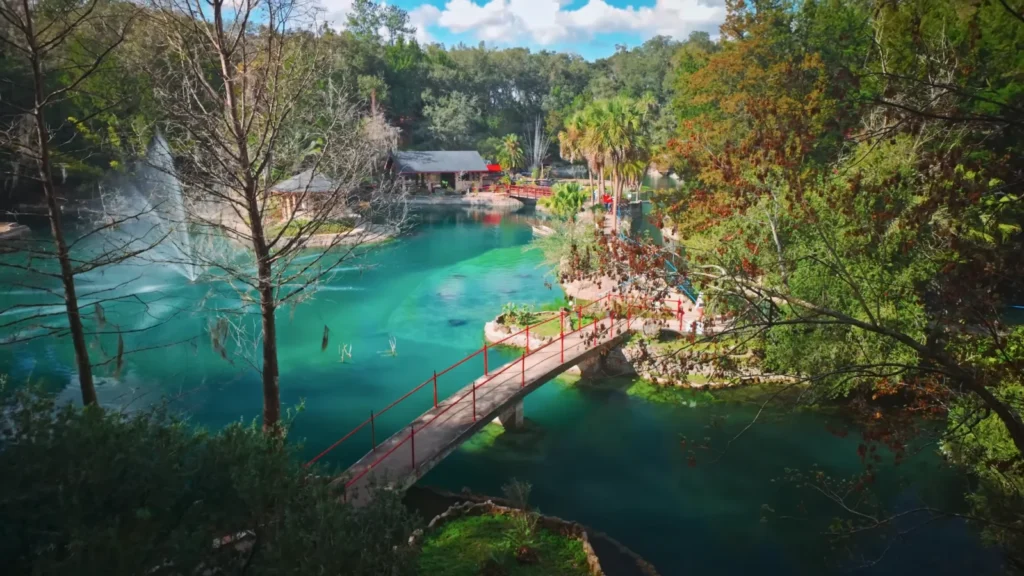
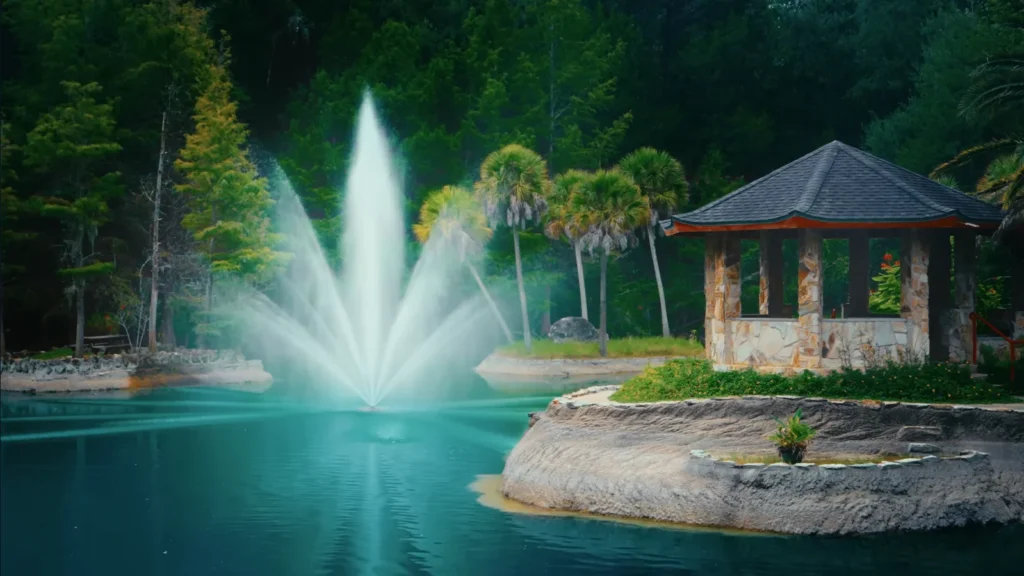
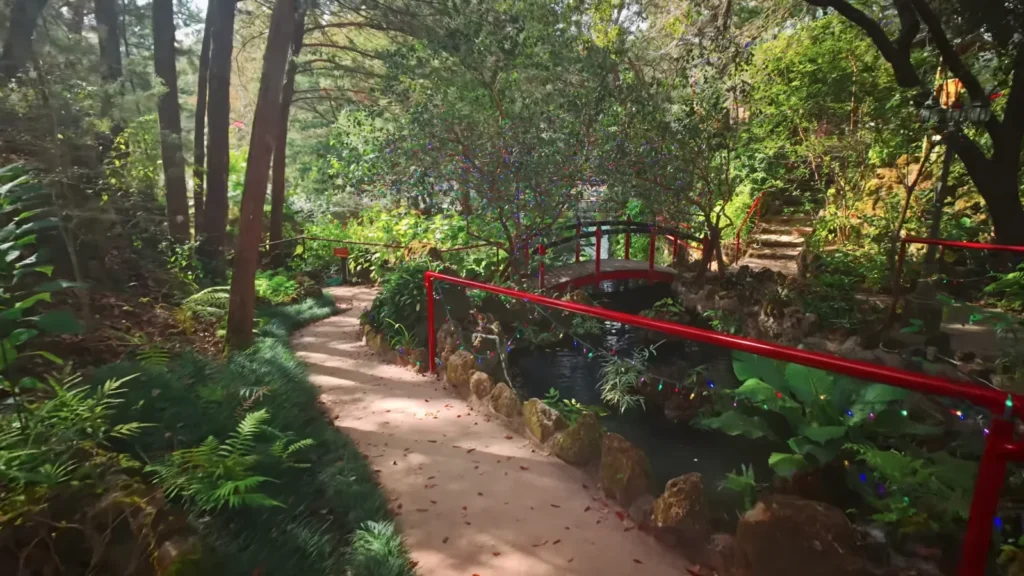
It is a 15-acre botanical marvel in Williston, which began as an obsession of a single man and turned out to be a fairy-tale setting. What had originally been swampland was turned into these interwoven lakes, bridges and gardens by the late Ray Wayside who took decades to create what can only be described as an eye-opener between Mother Nature and a highly imaginative landscape architect.
This ideal reflection photograph is achieved thanks to the Asian-inspired pagoda that overlooks the main lake, yet the detail is paid to all other places. Stone walkways constructed by hand, well-sited waterfalls and that red bridge system where you can have a wander around all without disturbing the wildlife.
Three hours was all I spent here, and I hardly broke the surface. The official site states that they are still growing, with new features on the site as per Ray vision. It is somewhat like going through the life work of a person but which happens to be on display.
Best Photography Times:
- Early morning (7-9 AM): Misty lake effects, golden light.
- Late afternoon (4-6 PM): Perfect reflections, warm tones.
- Avoid midday: Harsh shadows, overexposed water surfaces.
Apopka Wildlife Drive: Safari in Central Florida

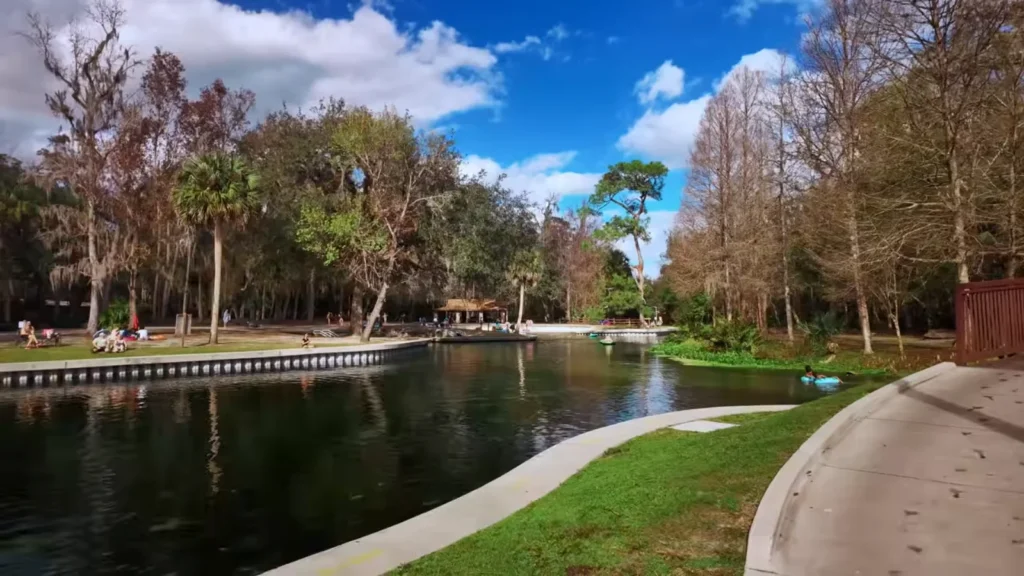
Lake Apopka Wildlife Drive can be considered the underestimated wildlife experience in Florida. It is an 11-mile loop across reconstructed wetlands that provides the African safari without having to travel outside the continental United States.
I traveled this road on a foggy Sunday morning in February and was able to see more wildlife in two hours than most folks can see during a Florida vacation. Alligators basking along the banks of the canals, giant great blue herons who notice hardly that you are there and clouds of wading birds that fly in perfect sync.
The situation with the restoration is unbelievable. The lake apopka was formerly one of the most contaminated water bodies in Florida because of agricultural run-offs and industrial construction. Since 1996, the St. Johns River Water Management District has used funds exceeding 300 million dollars to revert all that used to be farmland to marsh lands and wetlands.
Wildlife Spotting Guide:
- Best times: Early morning (6-8 AM), late afternoon (4-7 PM).
- Peak seasons: Winter months when migratory birds arrive.
- Common sightings: Alligators, great blue herons, sandhill cranes, bald eagles.
- Rare treats: Roseate spoonbills, river otters, bobcats.
Urban Discoveries: Where Culture Meets Character
Tampa’s Hidden Architectural Gem: The Henry B. Plant Museum
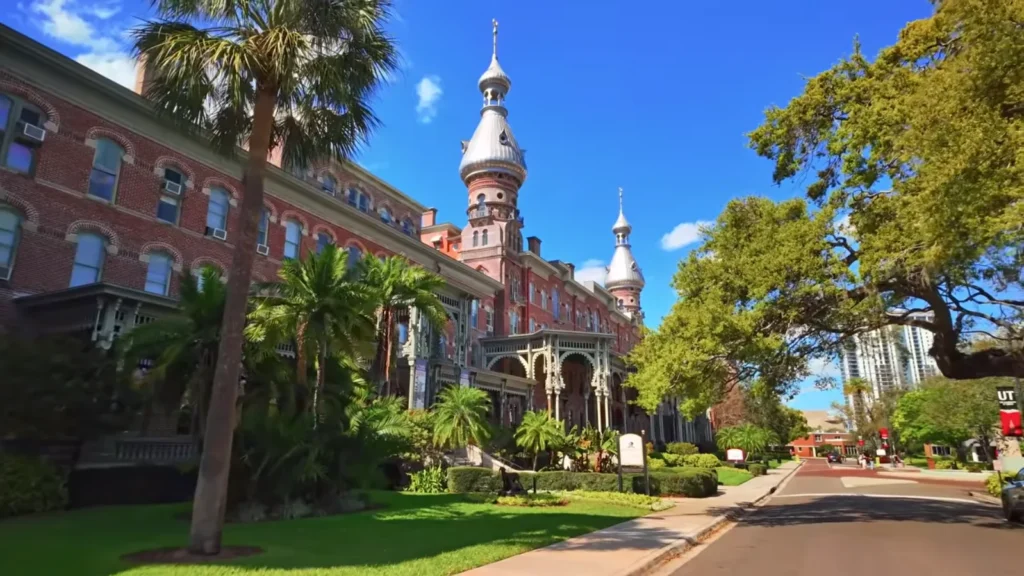
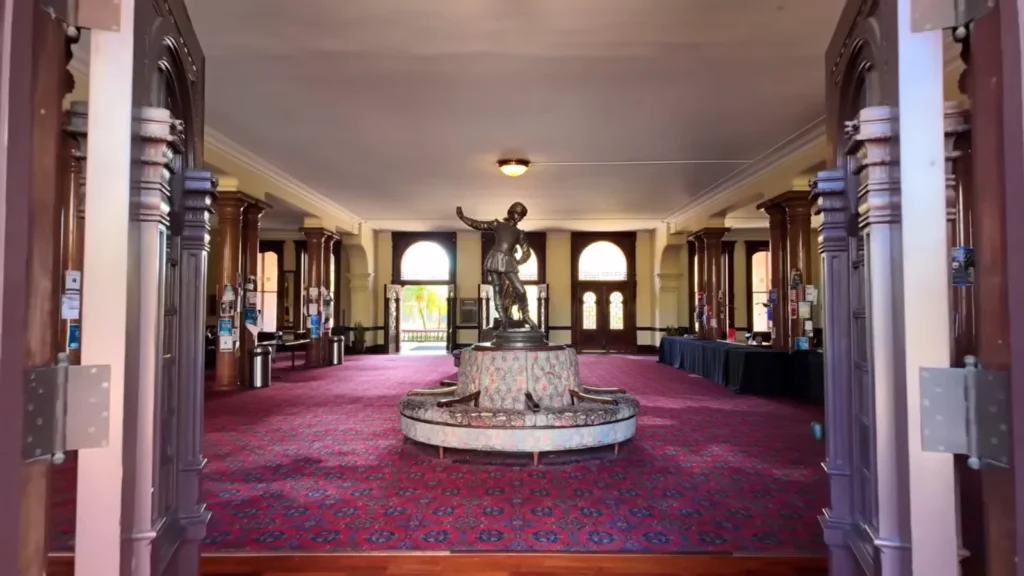
Entering the Henry B. Plant Museum of Tampa is like accidentally stumbling into one of the European palaces. This Moorish Revival masterpiece was actually the Tampa Bay Hotel which was constructed in 1891 by a railroad magnate known as Henry Plant in order to draw up affluent tourists to the Gulf Coast of Florida.
Those red brick fronts, those silver minarets? They are no frills additions Plant brought in J.A. Wood and George F. Barber in New York to come up with a structure that would compete with the grand hotels across Europe. The inside is also more stunning, and that large rotunda with its original Wedgwood columns and painted ceilings.
There was an afternoon when I have gone through a range of Gilded Age artifacts in the museum, and, frankly, the building is the star. This architectural marvel is located on the University of Tampa grounds implying that a large number of visitors do not even know that it exists.
Historical Context:
- Construction cost: $3 million in 1891 (roughly $100 million today).
- Initial intention: High-end holiday resort hotel targeting rich north people.
- Celebrities: Babe Ruth, Lou Gehrig, and other European royalty.
- Current status: National Historic Landmark and museum.
Oxford Exchange: Literary Culture in an Instagram-Instagram-Perfect Space
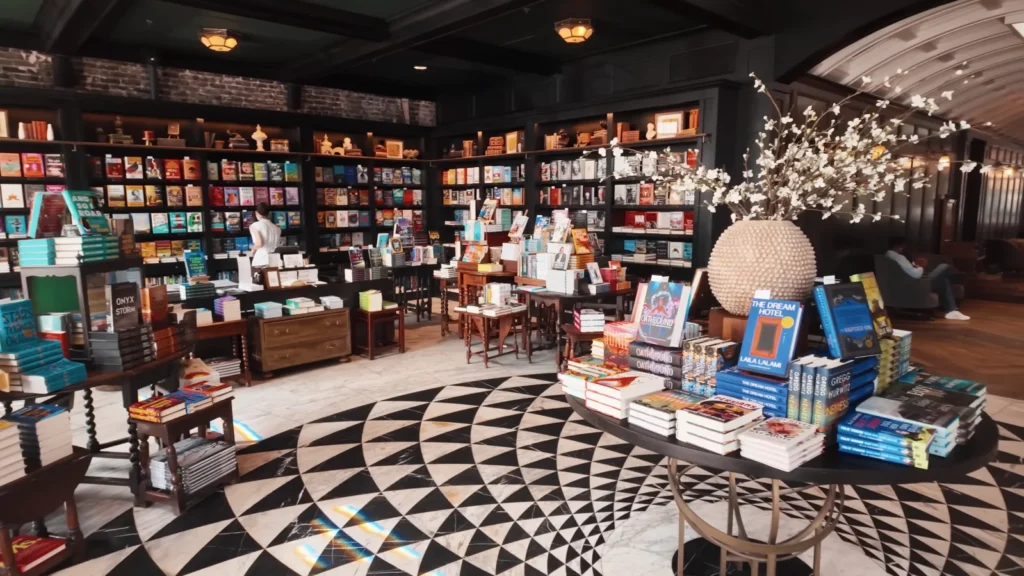
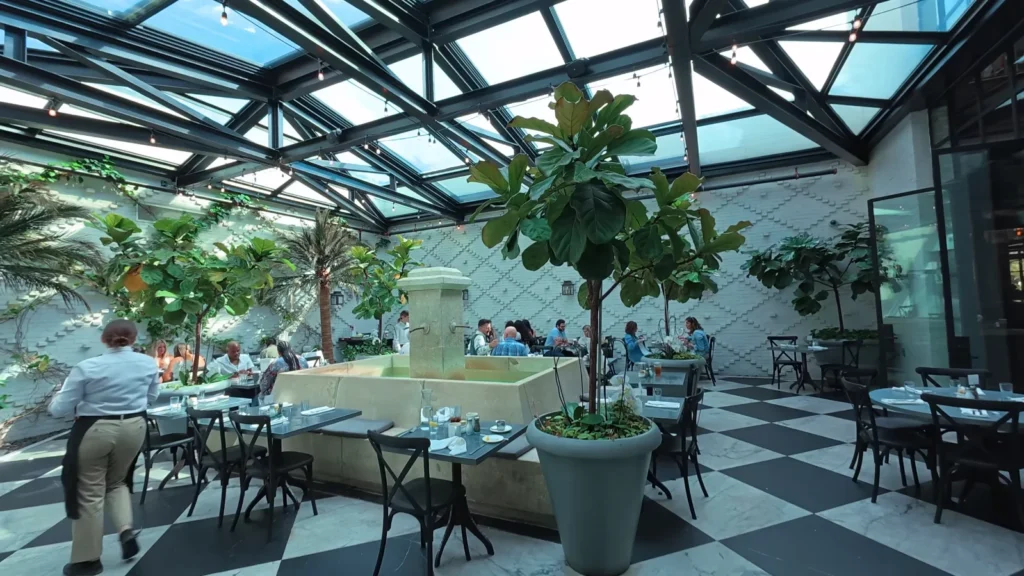
Everything I dislike and like about the culture of contemporary travel can be found in the Oxford Exchange in Tampa. It is truly beautiful how that old building of 1930s with black and white checkered flooring, floor to ceiling bookshelves and the green house shaped dining room make it seem like a library, a European cafe.
It is also aggressively photogenic in that way that makes you question the purpose of the books themselves, and whether they are to be read or merely Instagram decorations. I ordered coffee, sat down at a table and observed people spend more time taking photos of their avocado toast than consuming their toast.
The point is that in this case, the Oxford Exchange literally helps to promote the literary culture in Tampa despite the social media circus. They have author readings, book clubs and writing workshops. The bookstore part is selected by real people who are obviously familiar with literature. You can be beautiful and have something of substance who knew?
Jupiter inlet Lighthouse: Maritime history with a million dollar view
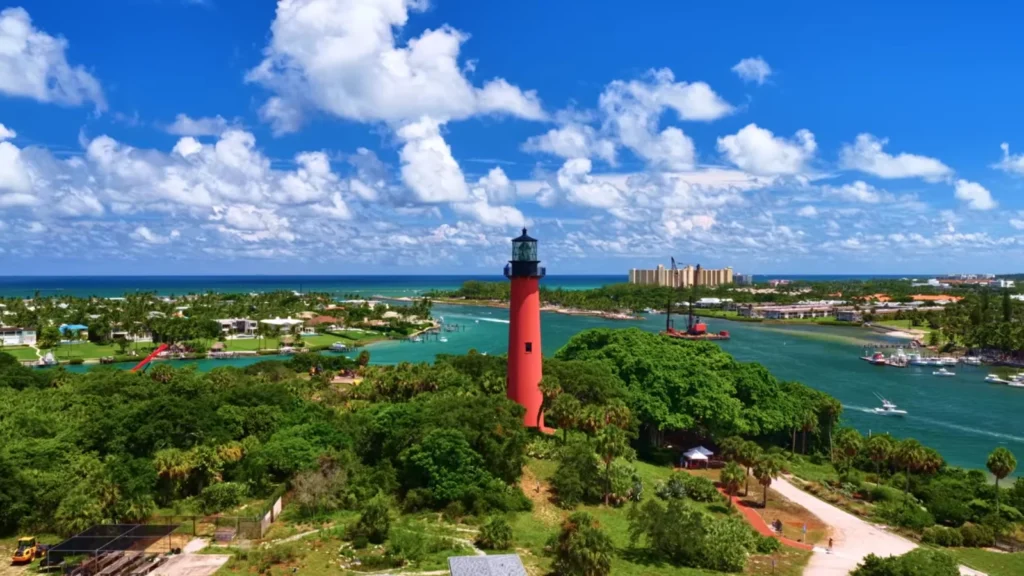
The Jupiter Inlet Lighthouse may also be the most photogenic lighthouse in Florida and I have seen many lighthouses. These perfect postcard compositions that nearly seem to be too good to be true are made by that unique red brick tower which is 108 feet high above the turquoise inlet.
It is the history of the sea though. This lighthouse was constructed in 1860 and it served to lead the ships along one of the most dangerous passages on the east coast of Florida. The Jupiter Inlet Lighthouse and Museum has guided access to the summit up 105 steps in total along with the 360 degree panorama of the gallery which is worth every aching muscle in your legs.
The museum is the former home of the lighthouse keeper, which narrates the history of maritime development in Florida and the families who literally worked to keep the ships out of the reefs. They were not lighthouse operators, but rescue crews, weather observers and in many cases the only permanent inhabitants miles away.
Visiting Information:
- Lighthouse tours: Wednesday-Sunday, weather permitting.
- Cost: $15 adults, $10 children (advance reservations recommended).
- Physical requirements: Must be at least 48 inches tall, no flip-flops.
- Best photography: Late afternoon for warm lighting on red brick.
Palm Beach Elegance: Society of Four Arts
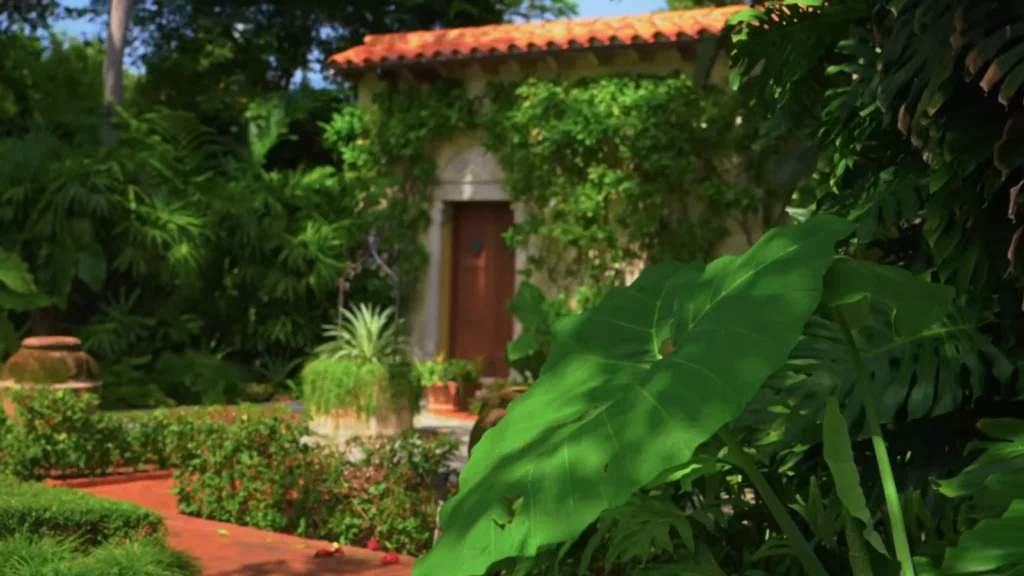
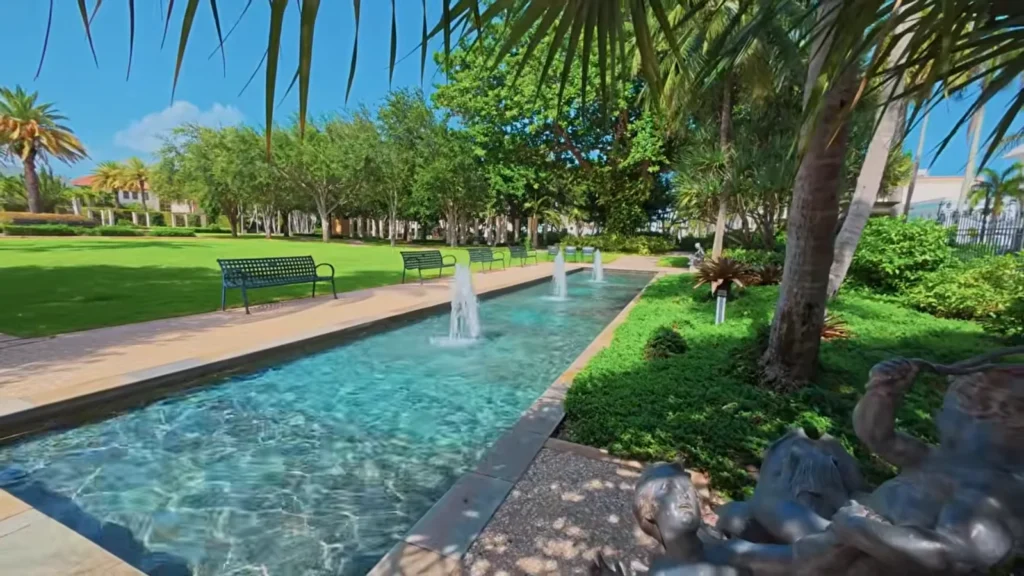
Palm Beach is thrown out as a resort of the rich, and this is partly the case, but lacks the cultural complexity behind the stereotype. The Society of Four Arts is the best expression of Palm Beach on its most polished cultural institution that has been enriching the communities since 1936.
The botanical gardens here are exhibiting the local plants of Florida and foreign species of all parts of the world, however it is the attention which struck me. Each path and each location of a sculpture, each line of vision seems to be purposeful. World-class performances and exhibitions which would be marvelous in New York or London are done in the small concert halls and galleries.
This effect of old-fashioned beauty that does not depend on money is achieved by ivy-covered building and the neatly kept landscapes. This is not an investment in some costly decoration, but cultural investment.
Hidden Beaches and Coastal Secrets
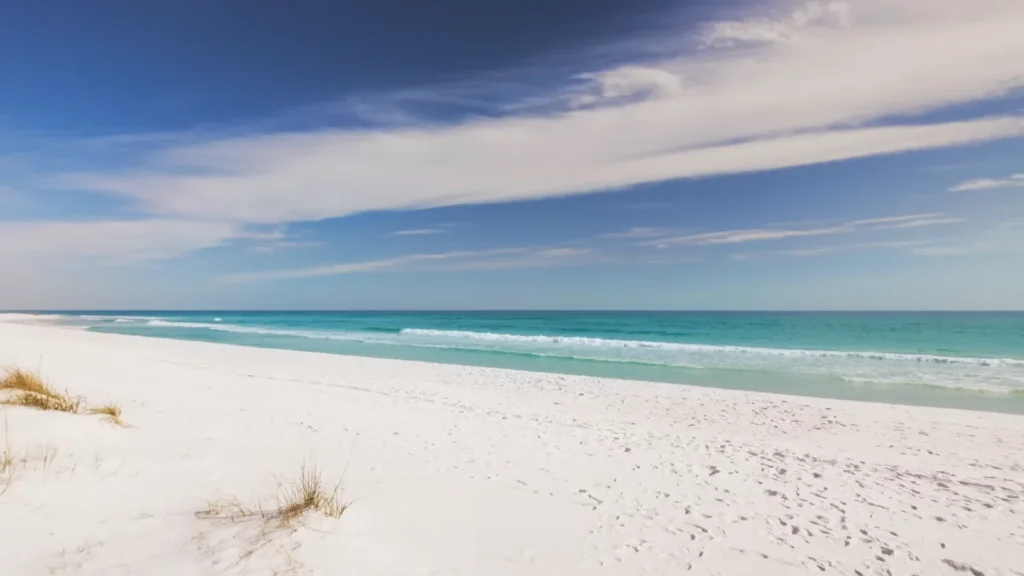
Gulf Islands National Seashore is Florida beach culture at the level of its purity. This secure coastline is the one between the states of Mississippi and Florida and the Florida parts are like going back in time when condos and beach bars have not overtaken the coastline.
I took a day to loiter in the surroundings of the Pensacola Beach and the contrast between the developed beaches a few miles away is breathtaking. No guards, no jet skis, no people just an endless white sand and that Gulf water which is impossible to believe is really that clear. The National Park Service keeps this coastline in the same condition as nature wanted it to be, and that is, you have to bring your shade and drinking water, but you also have beaches which resemble pristine paradise.
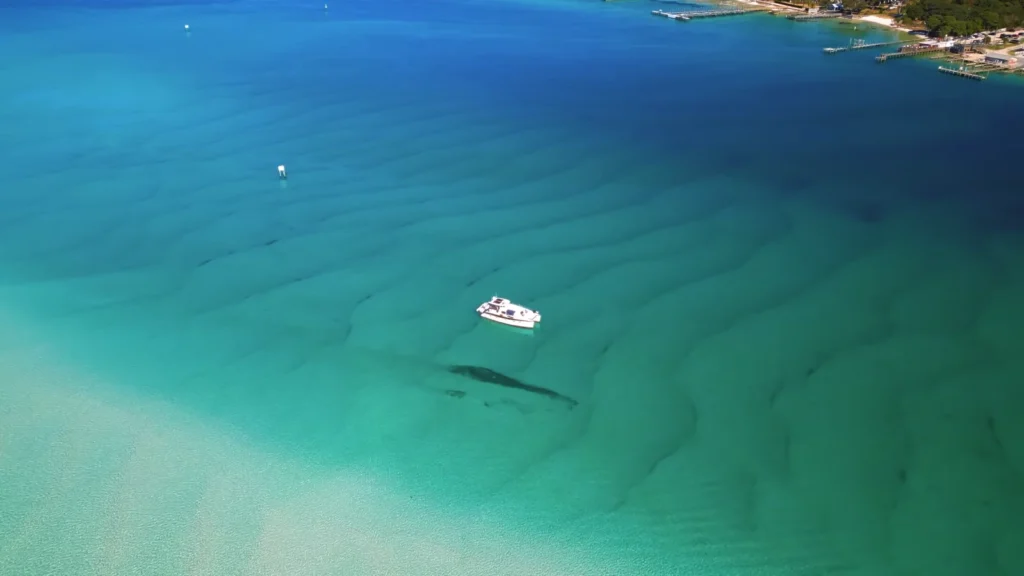
Places like Crab Beach showcase Florida’s wild side literal wilderness coastline where the only footprints in the sand might be yours and whatever wildlife called the beach home the night before. These aren’t Instagram-famous locations, which is exactly why they’re special.
The Manatee Experience: Timing Wildlife Encounters
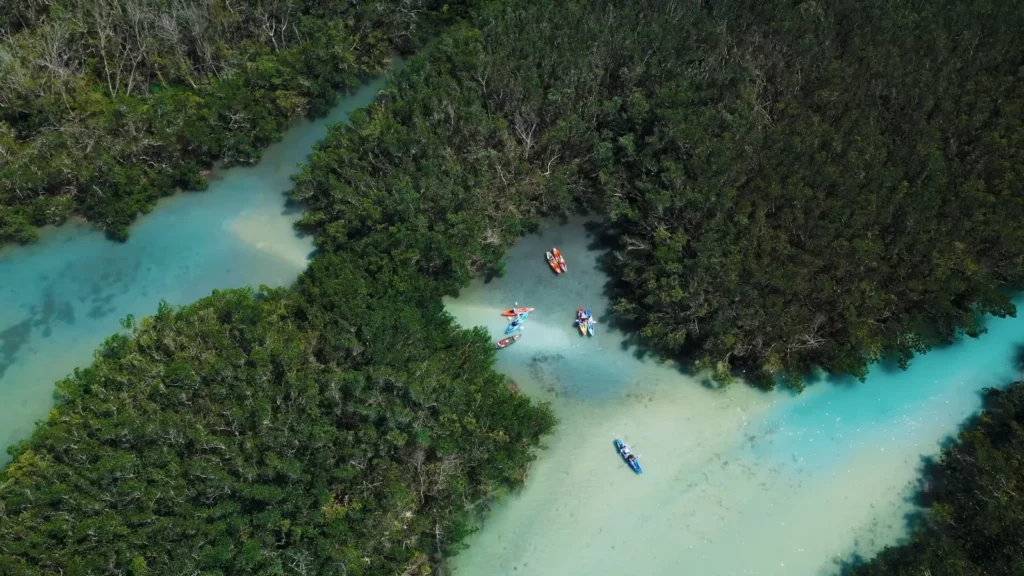
The Jim Nevelle Marine Preserve that is close to Crystal River helped me open my eyes about the softer side of Florida. Between November and March, hundreds of West Indian manatees find refuge in this spring-fed river system to find warm water because of the chillier temperature in the Gulf.
I went on a snorkeling excursion in Crystal River National Wildlife Refuge and floating beside these 1,000 pound docile giants is one of my most surreal animal experiences of any location on earth. The manatees do not care at all about the presence of humans that they will surface next to you and stare at you and go about business grazing sea grass like they should have been another part of the underwater landscape.
Manatee Encounter Ethics:
- Look, don’t touch: Touching manatees is illegal and can result in federal fines.
- Passive observation only: Let them approach you, never chase or corner them
- Best tour operators: Crystal River and Homosassa Springs offer certified guides.
- Peak season: January-February when water temperatures are coolest.
The Florida Nobody Talks About
It was my greatest surprise after 90 days in Florida and approximately 4,000 miles of exploration that the number of different experiences that can be had in a single state is overwhelming. In the morning you can snorkel in crystal clear springs, in the afternoon you can see Civil War fortification and in the evening you can watch a world-class sunset over the Gulf as you eat fresher seafood than you ever had.
But Florida is another place that needs patience and local knowledge that will unveil it secrets. The tourist facilities are made to lead tourists into theme parks and generic beach resorts. The actual Florida the one with underground rivers, secret waterfalls, architectural wonders and untouched wilderness is parallel to the tourist one, waiting to be discovered by the travelers who intend to dig further.
It made all the difference in the locals who gave their favorite swimming holes, restaurant suggestions and inside timing ideas. Florida favors enquiry and castigates suppositions. That state park you never heard of could be the best part of your vacation and that big tourist place you had heard all about could end up disappointing you.
Final Recommendations:
- Spend more time in fewer locations instead of seeing the world.
- Request locals to make suggestions in gas stations, bait shops and small cafes.
- Explore natural locations and state parks prior to tourist locations.
- Dine where the natives dine, particularly where there are fishing harbors and in small towns.
- Be adventurous and adventure it out of pamphlet.
Florida has taught me that even in any state there are multitudes where you are patient enough to find them. The Sunshine State simply happens to conceal its depth under such beautiful beaches and its springs so clear that most of the visitors do not feel that there is a reason to go deeper.
Trust me—it’s worth the effort.