
Three days into my latest Spanish adventure, I’m sitting in a café near the cathedral, watching horse-drawn carriages clip-clop past tourists with their phones out. Seville does this to you – makes you slow down, makes you notice things. The way afternoon light hits those ochre buildings. How conversations spill out of tapas bars onto cobblestones that have seen centuries of footsteps.
I’ve been coming to Andalusia for nearly a decade, but Seville keeps surprising me. Maybe it’s because this city refuses to be just one thing. Roman foundations, Moorish palaces, Gothic cathedrals and modern life all layered on top of each other like some beautiful, chaotic sandwich.
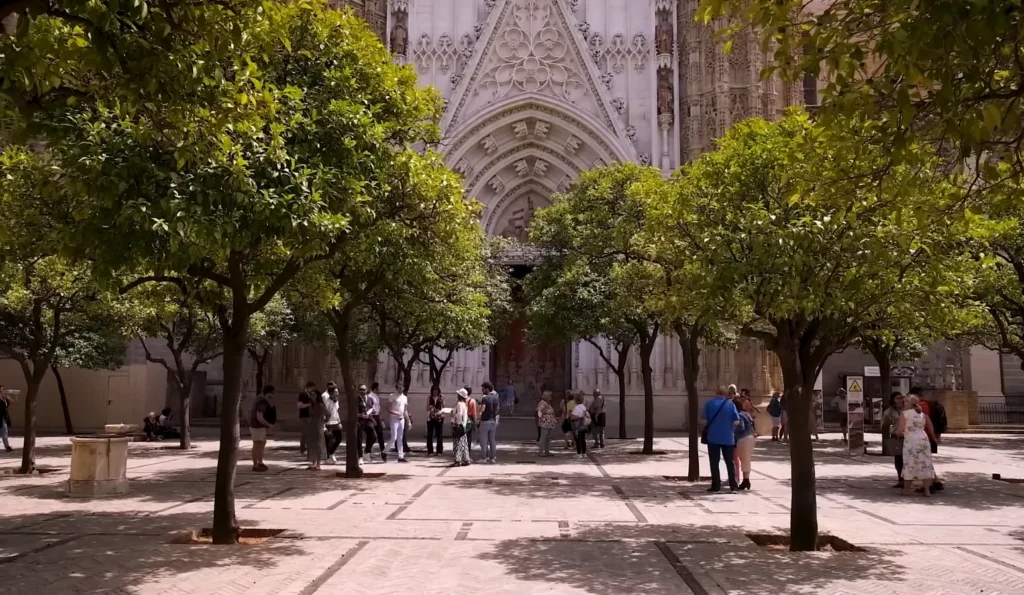
The Heart of It All: Cathedral and Alcázar
Standing Where Giants Once Walked
You can’t understand Seville without starting at the Cathedral of Seville and I mean actually starting there, not just checking it off a list. I spent my first morning climbing the Giralda tower – all 34 ramps (they built ramps, not stairs, so horsemen could ride to the top). Worth every huffing step.
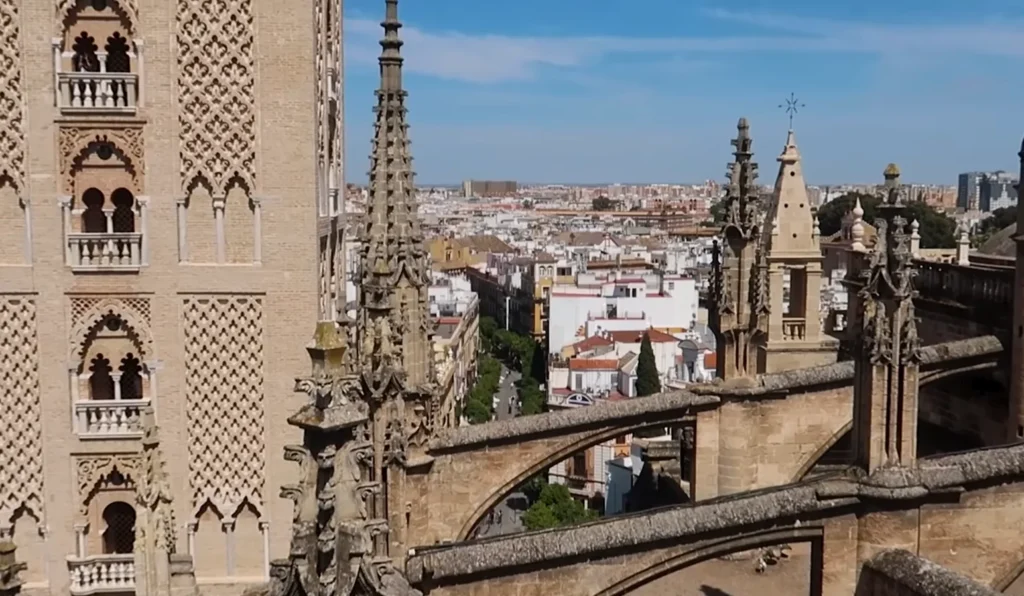
From up there, the whole city spreads out like a terracotta-tiled map. You can see the Guadalquivir River snaking toward the Atlantic, the bullring’s perfect circle, neighborhoods radiating outward in patterns that make sense only when you’re looking down from 300 feet up. The Seville Tourism Board claims it’s the best view in the city. They’re not wrong.
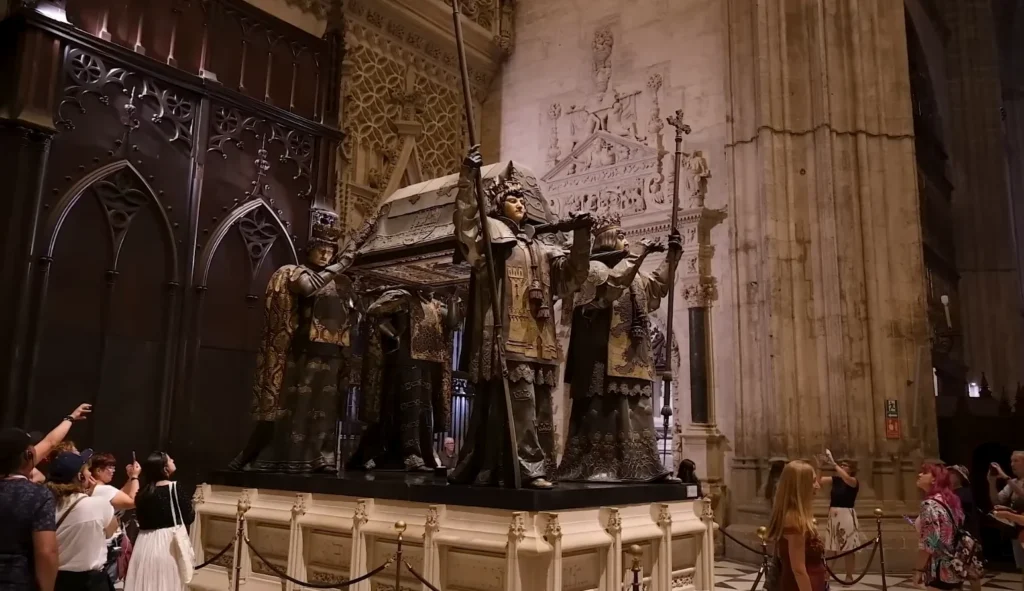
But honestly? The moment that got me was standing in front of Columbus’s tomb. Four massive bronze figures in elaborate costumes holding up his coffin – representing the kingdoms of Castile, León, Aragón and Navarra. The guy who accidentally discovered the Americas, right here in a church that’s bigger than most European cathedrals.
The Alcázar: Where Reality Beats Fantasy
Walk five minutes from the cathedral and you hit the Real Alcázar of Seville, which might be the most beautiful building complex I’ve ever wandered through. And I do mean wandered – this place is huge.
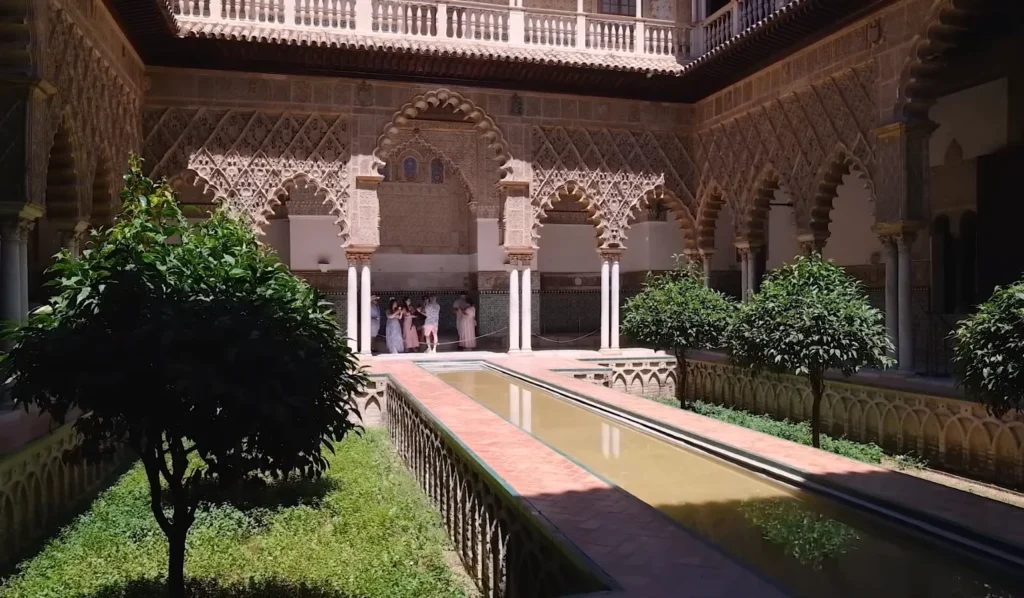
The Christians conquered Seville in 1248, but they were smart enough to keep the Muslim architects around. Thank god they did. Those horseshoe arches, the geometric tile work, the courtyards with reflecting pools – it’s what happens when two civilizations decide to collaborate instead of just destroying each other’s art.
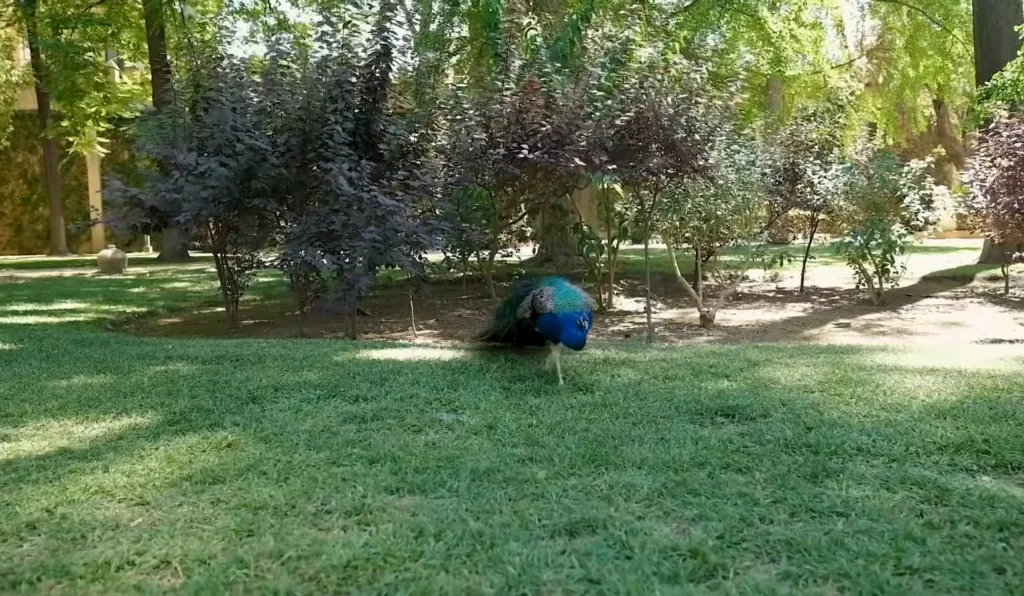
I spent an hour in just one courtyard, watching light shift across the water, listening to peacocks calling from the gardens. Yes, actual peacocks. One strutted right past me like it owned the place.
Key Details for Your Visit:
- Cathedral: €11 entrance, includes Giralda tower access.
- Alcázar: €13.50 general admission.
- Combined tickets: Available online through Seville’s official tourism site.
- Best time: Early morning (8-9 AM) or late afternoon to avoid crowds.
- Photography: Allowed in most areas, but be respectful during services.

Beyond the Postcard: Seville’s Living Neighborhoods
Santa Cruz: More Than Just Pretty Streets
Everyone tells you to walk through the Santa Cruz neighborhood, the old Jewish quarter. They’re right, but not for the reasons you think. Yes, it’s gorgeous – narrow medieval streets, whitewashed walls, flowers cascading from iron balconies. Instagram gold.
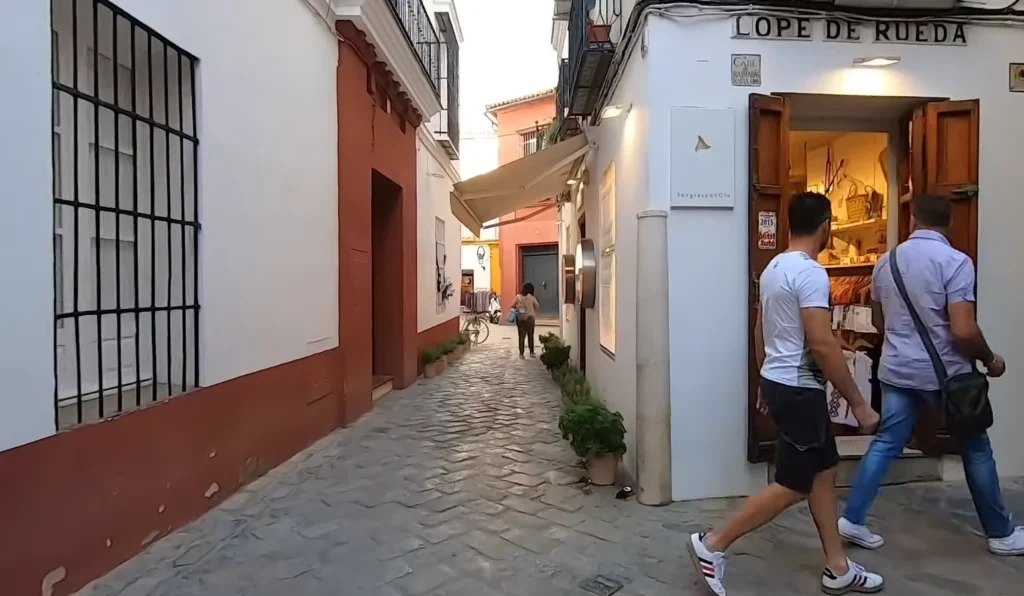
But spend some time here and you’ll notice something else. This isn’t a museum neighborhood. People actually live in these houses. I watched an elderly woman watering plants on her balcony while tourists photographed her building. She waved. They waved back. Somehow it all worked.
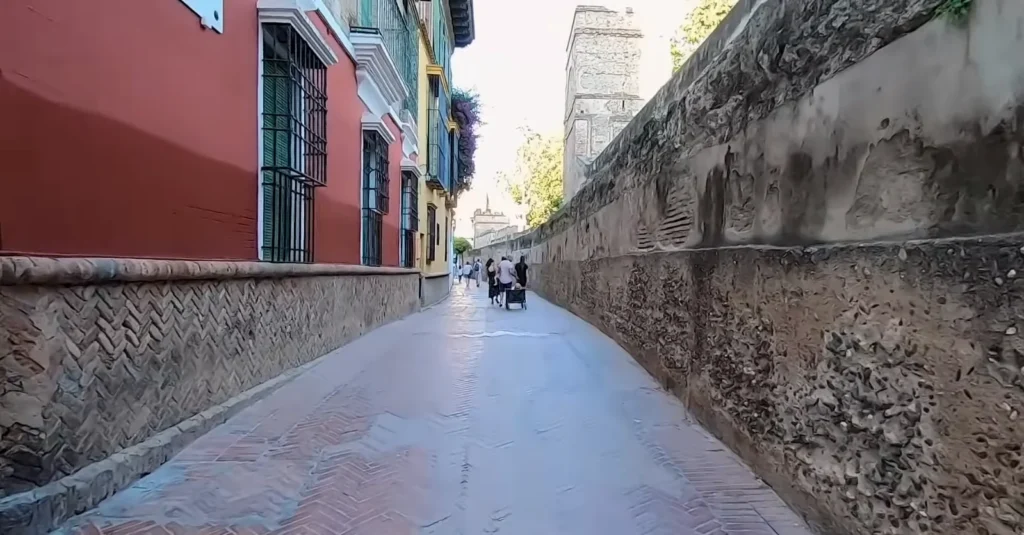
The streets are barely wide enough for two people to pass. They were designed for donkeys, not tour groups. But that’s exactly what makes them magical – you have to slow down, you have to notice details. The way shadows fall across cobblestones. The sound of water trickling in hidden fountains. The smell of jasmine after rain.
Triana: Where Seville Gets Real
Cross the river to Triana and you’re in a different world. This is where the pottery comes from – all those gorgeous tiles covering buildings across the city? Made right here in Triana kilns.
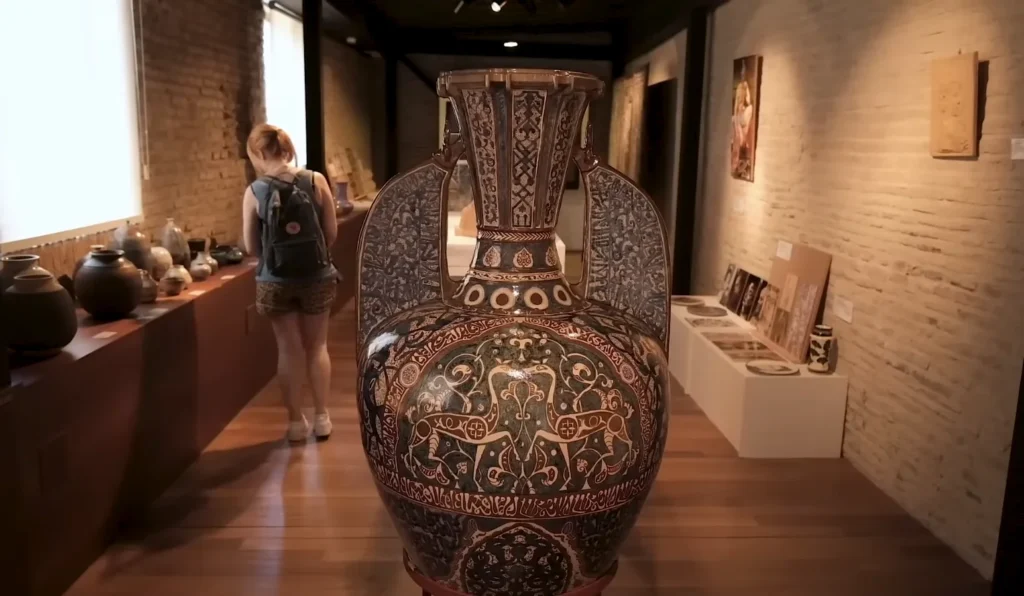
I spent a morning at the Centro Cerámico Triana, housed in what used to be the Santa Ana ceramics factory. That massive decorative urn in the main hall? It’s from 1924 and the craftsmanship is insane. Every curve, every painted detail done by hand.
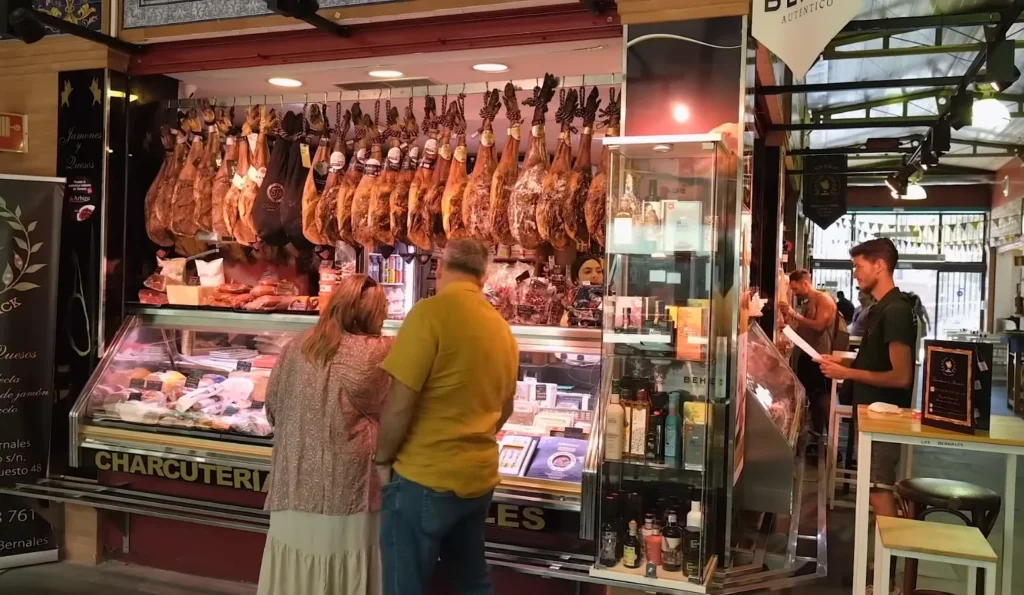
But the real action is at the Mercado de Triana. Not the sanitized tourist markets you find in some cities – this is where locals actually shop. I watched an elderly couple spend twenty minutes examining jamón, discussing fat content like wine experts talking about terroir. That’s Spain for you.
Plaza de España: Bigger Than Your Photos Suggest
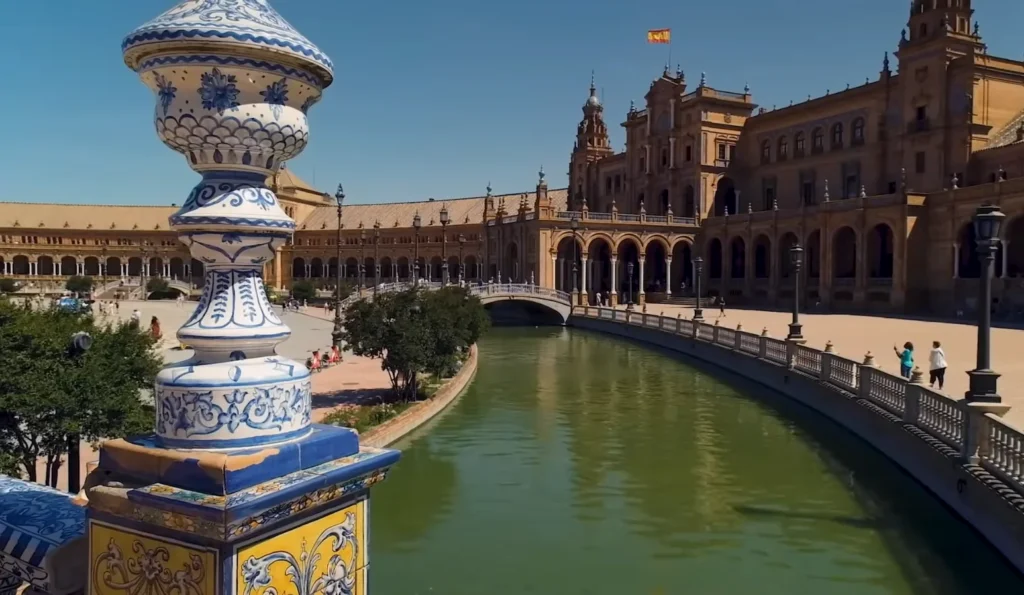
I’d seen a thousand photos of Plaza de España before I got there. Still wasn’t prepared for the scale. This semicircular building complex stretches for nearly 200 meters, with a canal running around the front and ceramic benches representing every Spanish province.
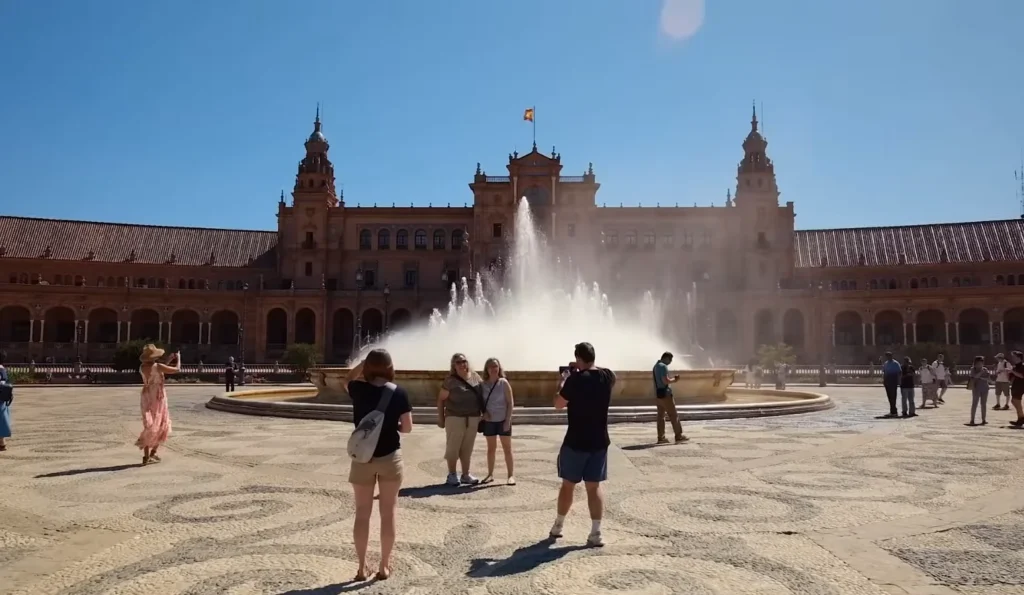
They built it for the 1929 World’s Fair, trying to show off Spanish architecture and craftsmanship. Mission accomplished. The tile work alone probably took years – every fountain, every bench, every decorative element hand-painted in traditional Andalusian ceramics.
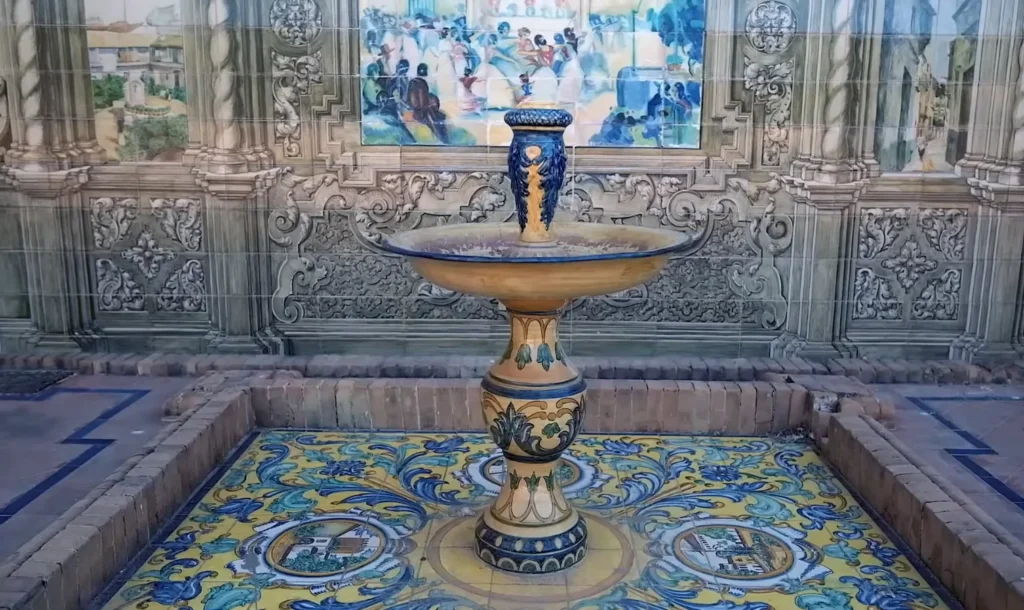
I rented a rowboat (€6 for 35 minutes) and paddled around the canal. Sounds cheesy, right? But from the water, you get a completely different perspective on the building’s proportions. Plus you can escape the crowds for a bit.
Where to eat nearby:
- Traditional tapas: Head to Calle Betis along the river.
- Market food: Mercado de Triana for authentic local experience.
- Fine dining: Abantal for Michelin-starred Andalusian cuisine.
- Quick bite: Any bar in Santa Cruz – they all serve decent montaditos.
Digging Deeper: Seville’s Ancient Layers
Underground Discoveries at the Antiquarium
Most people rush past the Metropol Parasol (those giant wooden mushrooms everyone calls Las Setas) without realizing there’s a Roman city underneath. The Antiquarium changed how I think about Seville entirely.
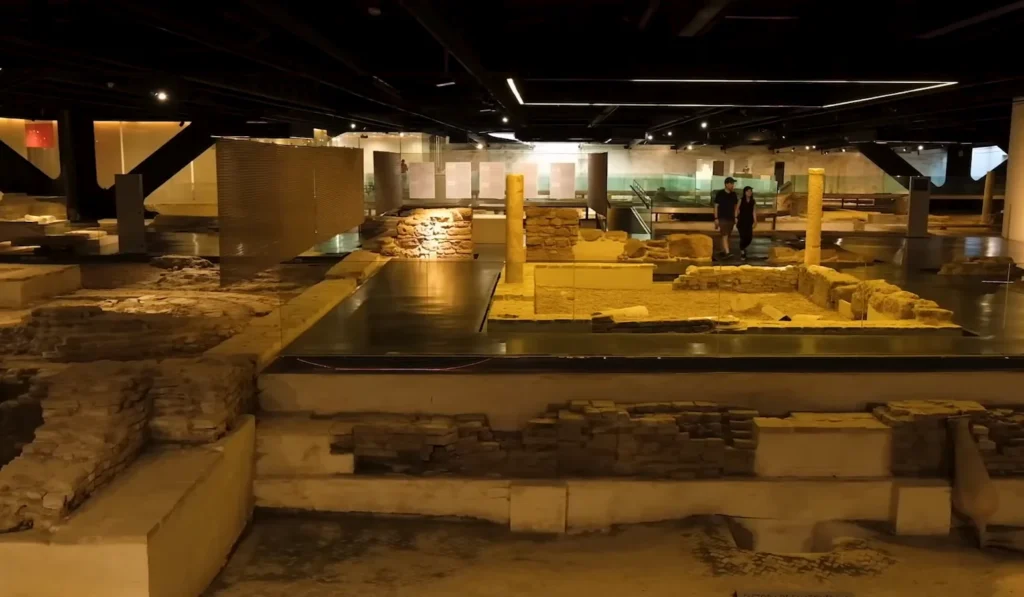
You descend into this climate-controlled space and suddenly you’re walking on glass platforms over 2,000-year-old Roman streets. Not reconstructions – actual streets where actual Romans bought fish and argued about politics. The mosaic floors are still intact. You can see the drainage systems, the foundations of houses, even ancient graffiti scratched into walls.
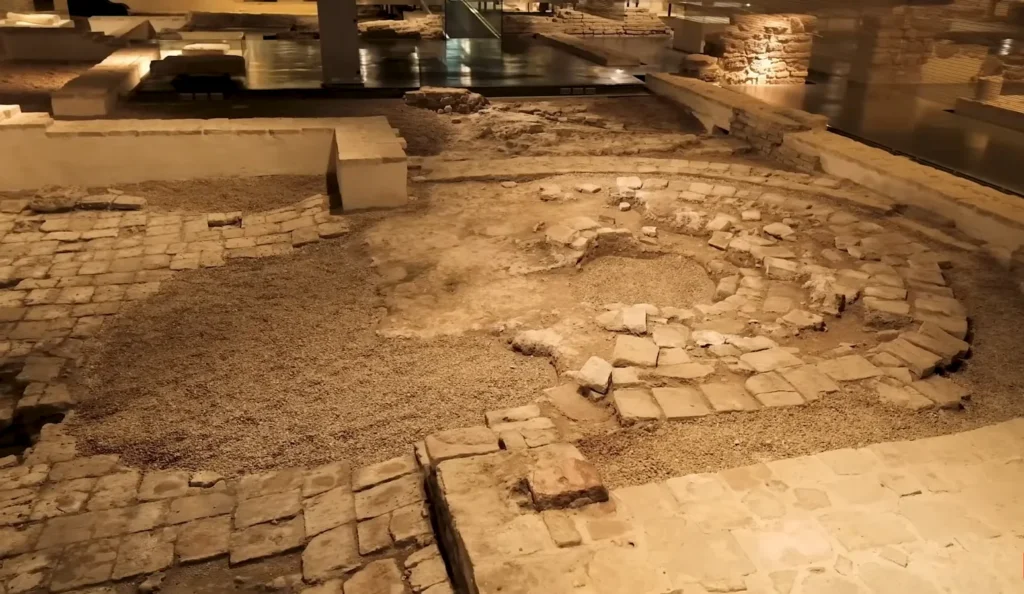
The whole thing was discovered accidentally in 2005 when they started construction on the modern plaza above. Construction stopped for six years while archaeologists figured out what they’d found. Worth the delay – this is one of the best-preserved Roman urban sites I’ve seen anywhere in Europe.
Italica: Where Gladiators Actually Fought
But if you really want to understand Roman Andalusia, you need to get out of the city. I rented a car and drove 20 minutes north to Italica, birthplace of emperors Trajan and Hadrian.
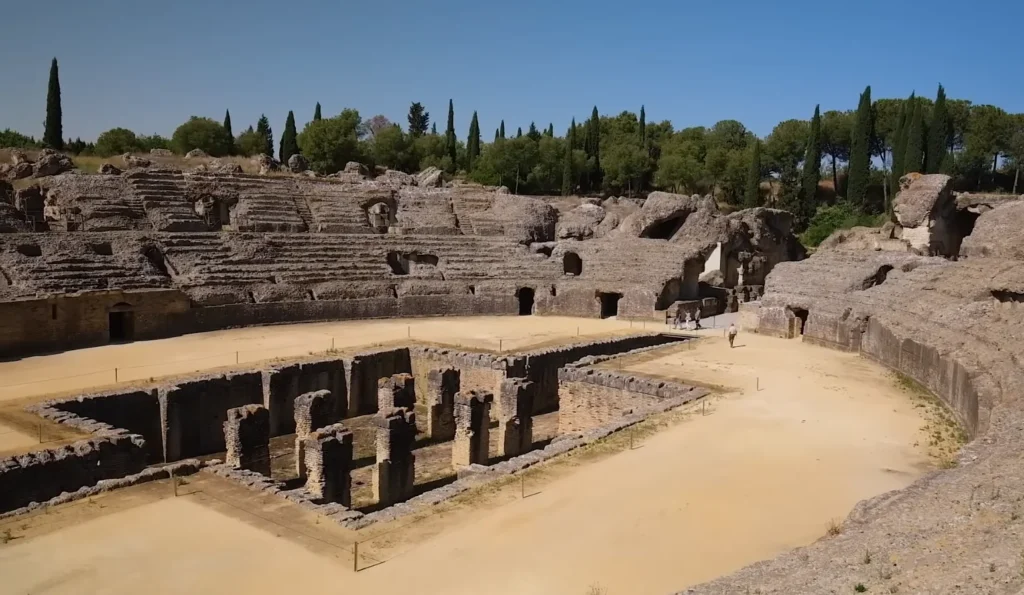
The amphitheater here is massive – third-largest in the Roman Empire, built to hold 25,000 spectators. I walked through those underground corridors where gladiators waited their turn to die for entertainment. The brick vaulting is still solid after 1,900 years.
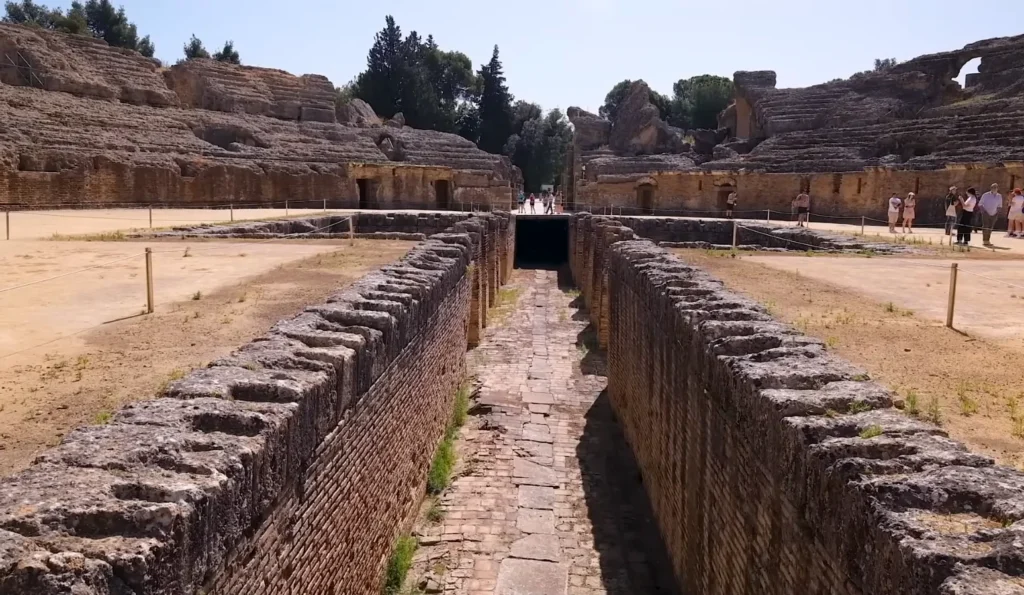
But what got me was standing in the middle of the arena floor, looking up at those empty stone seats, imagining the noise. Twenty-five thousand people screaming for blood. The logistics alone are staggering – how do you even feed that many people? Where do they park their chariots?
Roman Site Comparison:
| Site | Period | Best For | Time Needed | Entry Fee |
| Antiquarium | 1st-6th century AD | Urban layout, mosaics | 1-2 hours | €2 |
| Italica | 2nd-4th century AD | Amphitheater, villas | 2-3 hours | €1.50 |
The Real Seville: Food, Parks and Everyday Magic
Eating Like You Live Here
Forget what you think you know about tapas. In Seville, you don’t order them – they just appear when you order drinks. I learned this the hard way my first night, ordering beer and olives separately like some confused tourist.
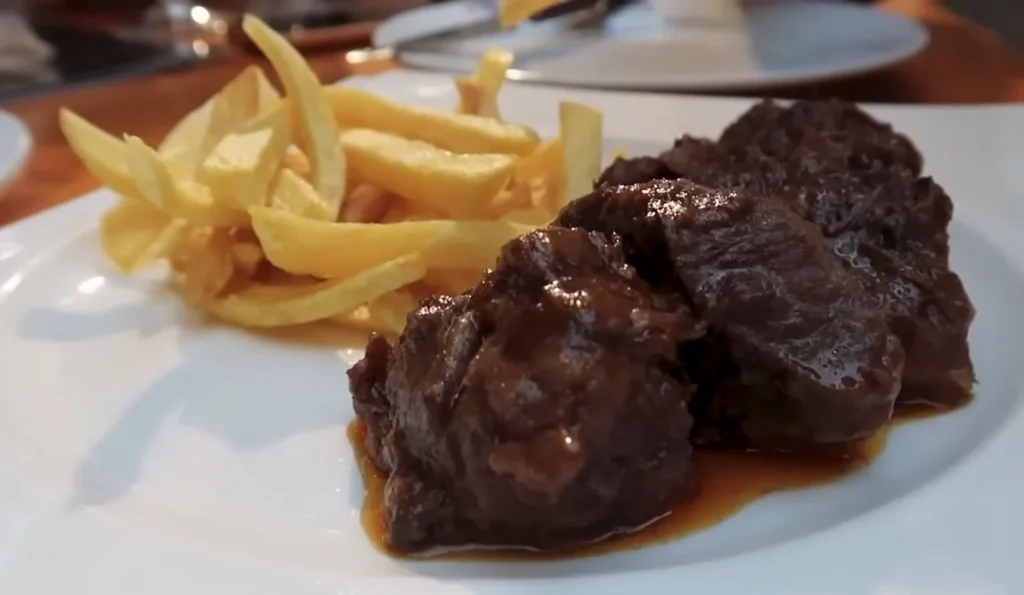
At a bar near the cathedral, I ordered rabo de toro (bull’s tail stew) expecting some small tourist portion. What arrived was a proper plate of slow-cooked meat so tender it fell apart when I looked at it. This wasn’t tapas – this was dinner and it was sublime.
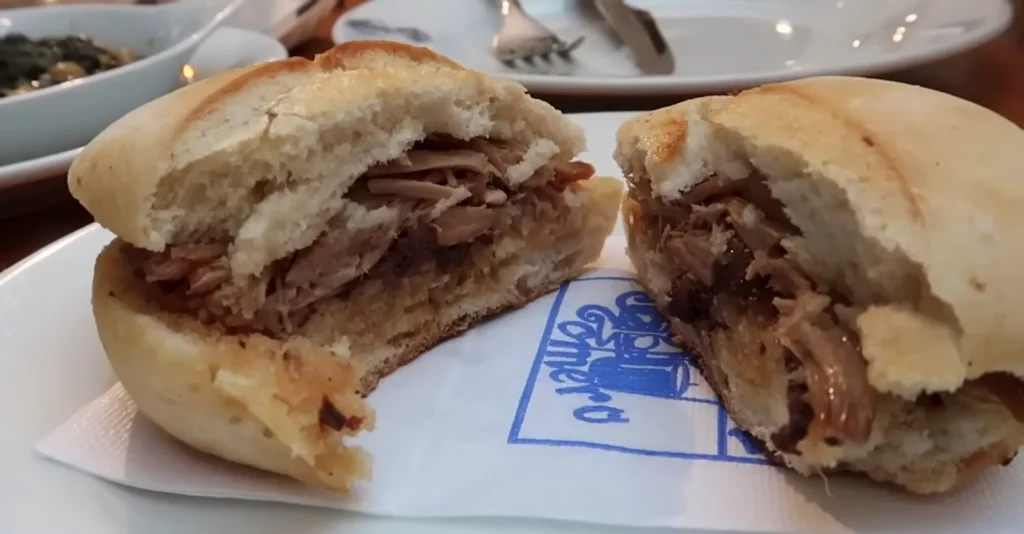
The bread situation here deserves it’s own paragraph. Every bar serves these incredible bocadillos – proper sandwiches on crusty bread that’s been pressed flat and toasted. I ate one stuffed with jamón ibérico and manchego cheese while standing at a counter in Triana market. Cost me €3.50 and was better than most restaurant meals I’ve paid ten times that for.
Parks Where Locals Actually Go
Tourist guides always mention Parque de María Luisa, but they make it sound like just another pretty garden. It’s not. This is where Seville goes to escape itself.
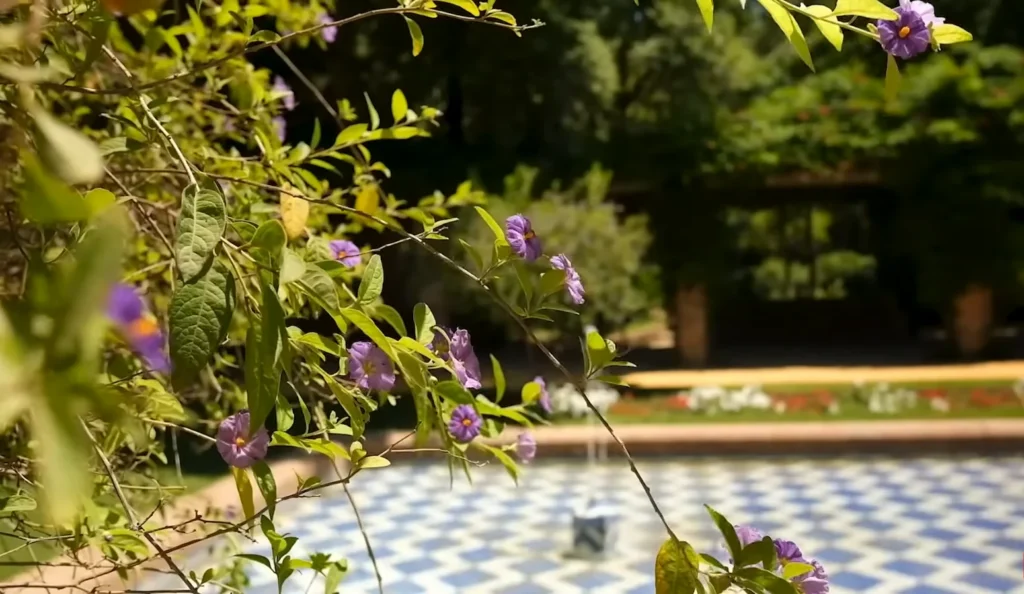
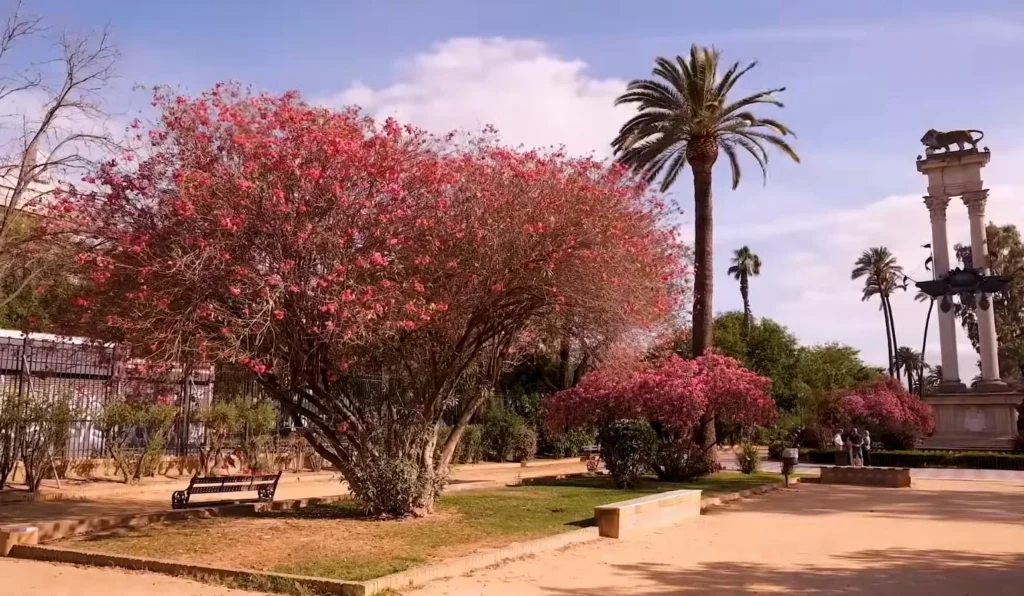
I found families having proper picnics under massive trees, kids feeding ducks in the ponds, couples reading books on benches that have probably been there since the 1920s. The spring flowers were insane – entire groves of trees covered in pink blossoms.
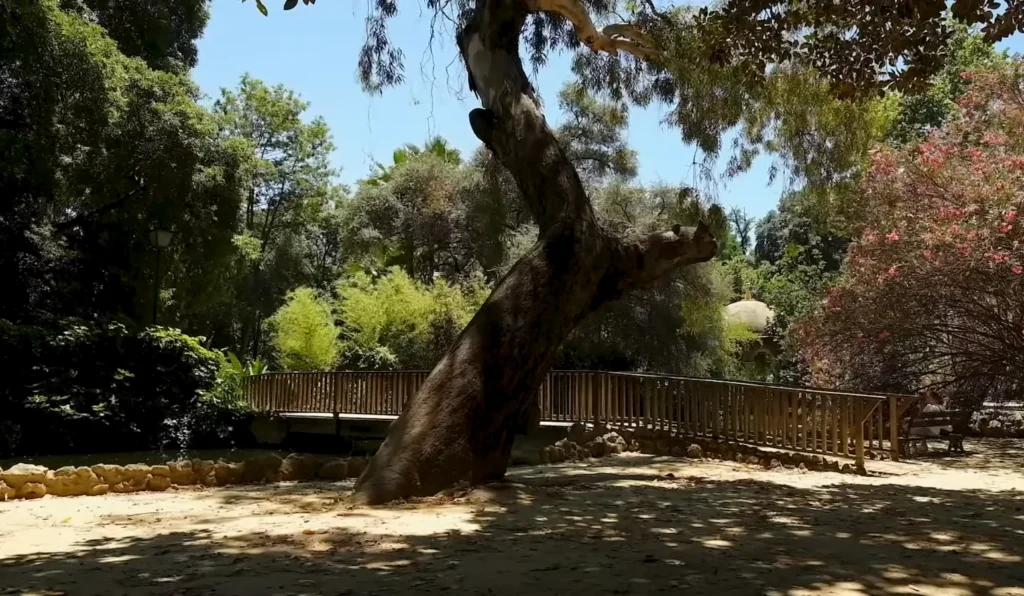
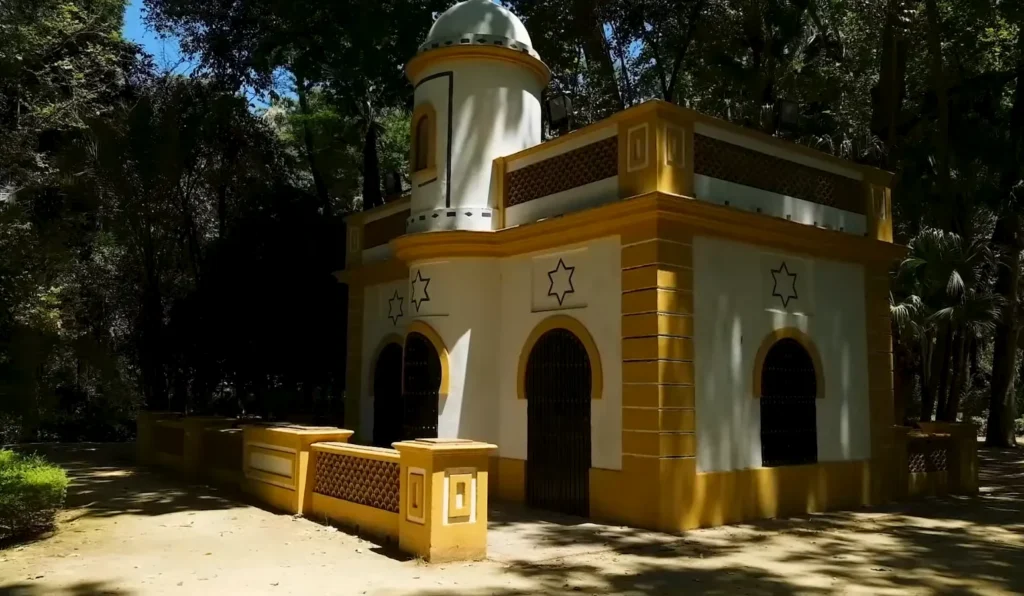
The best part? Those little pavilions scattered throughout the park. Built for the 1929 exposition, each one represents a different region or theme. I spent an hour in the Moorish pavilion just watching light filter through the geometric windows.
Evening Strolls and Local Life
But the real magic happens after dark. Alameda de Hércules transforms into this relaxed social space where the whole city seems to gather. Families, couples, groups of friends, everyone just hanging out under those massive trees.
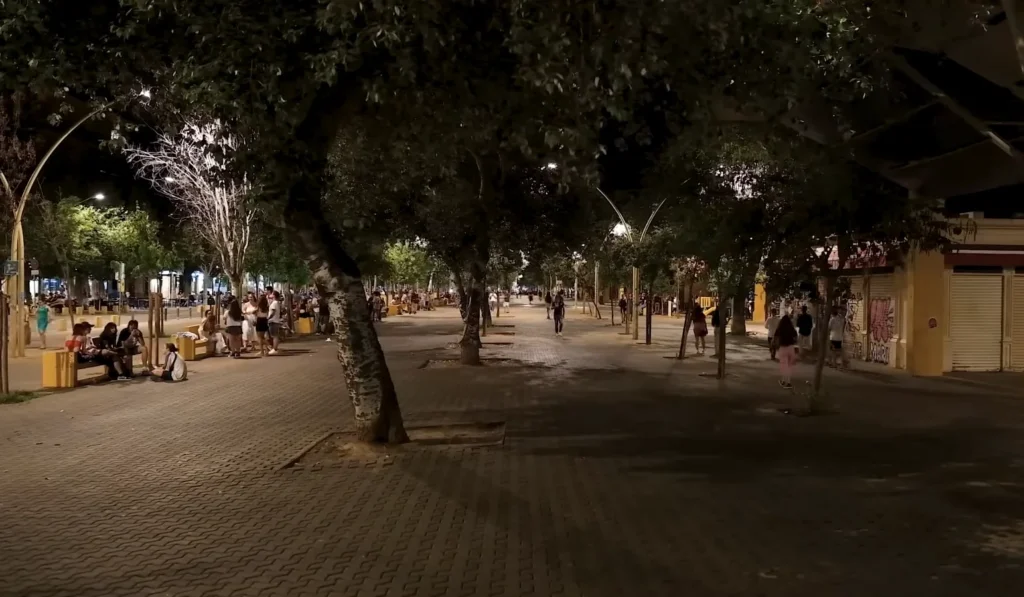
I grabbed a beer from a kiosk and joined the crowd. No agenda, no schedule, just people being people in a public space that actually works. Kids running around while parents chat. Street musicians playing flamenco guitar. The occasional peacock wandering through from the nearby park – yes, they just roam free here.
Palace Life and Aristocratic Dreams
One afternoon I splurged on tickets to Palacio de las Dueñas, the family palace of the House of Alba. This isn’t a museum – it’s still a private residence where one of Spain’s most prominent noble families actually lives.
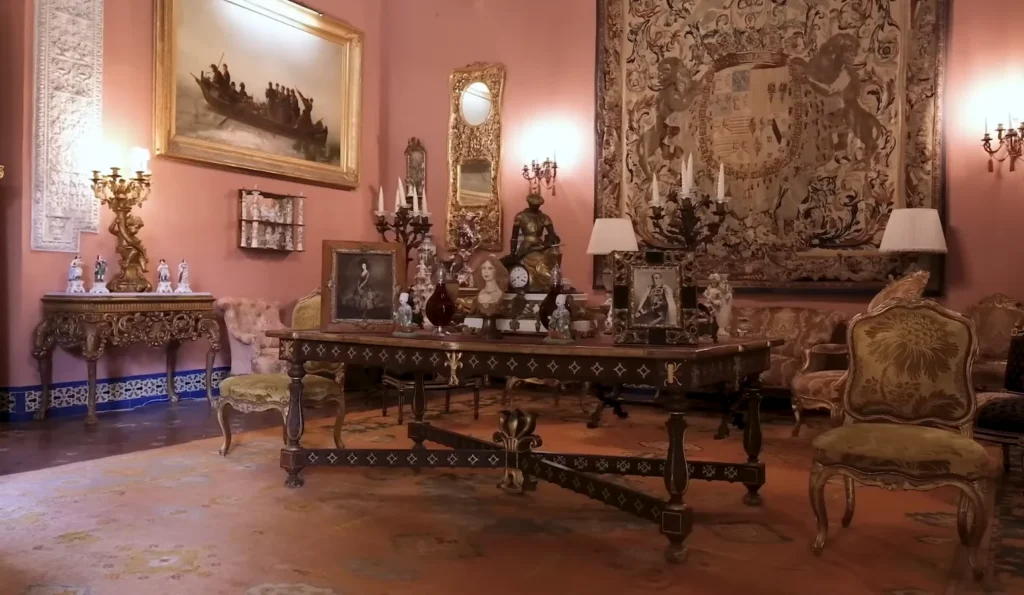
The contrast with tourist palaces is striking. This feels lived-in, personal. Family photos mixed with priceless antiques. Gardens that are gorgeous but not manicured to death.
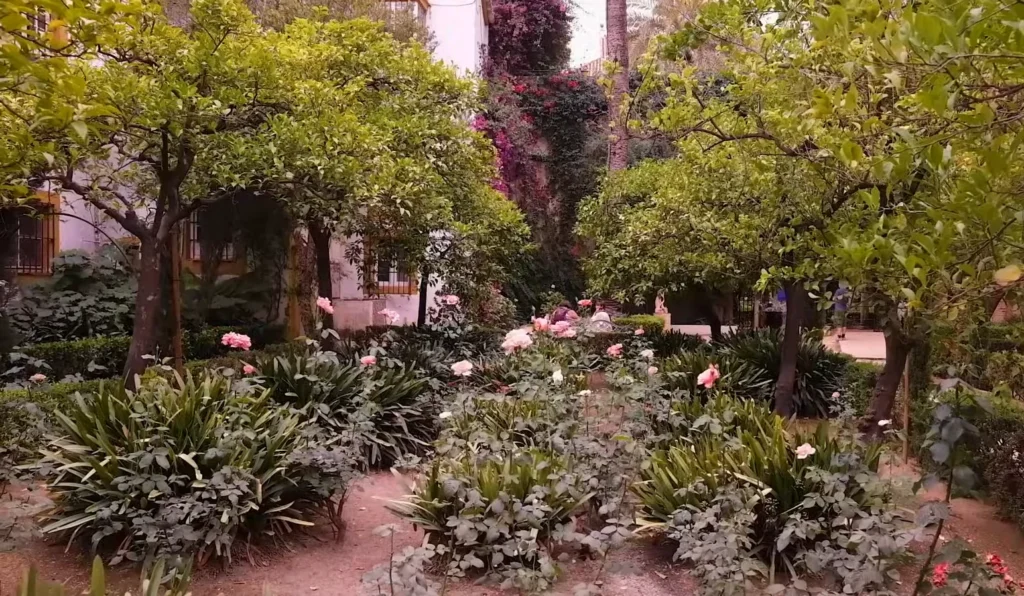
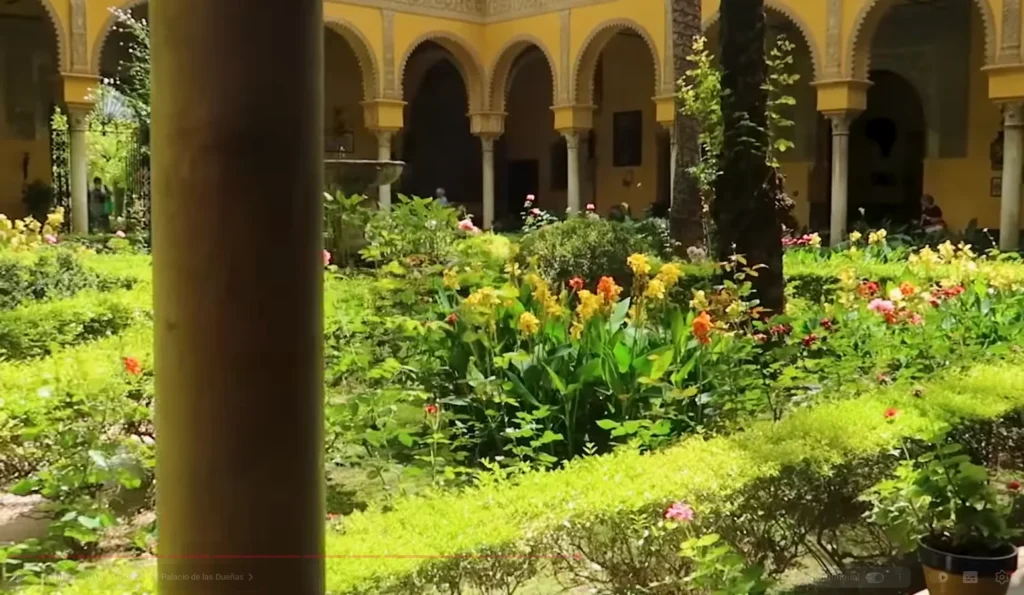
That pink salon with all the portraits and candlesticks? That’s where they probably have breakfast. The courtyard with the fountain and orange trees? Their backyard. Makes you realize how the other half lives – or in this case, the other 0.1%.
The Tower That Watched It All
Before leaving the city center, I climbed Torre del Oro, the 13th-century watchtower on the Guadalquivir River. This is where Spanish galleons loaded with American gold used to dock. Now it houses a small maritime museum.
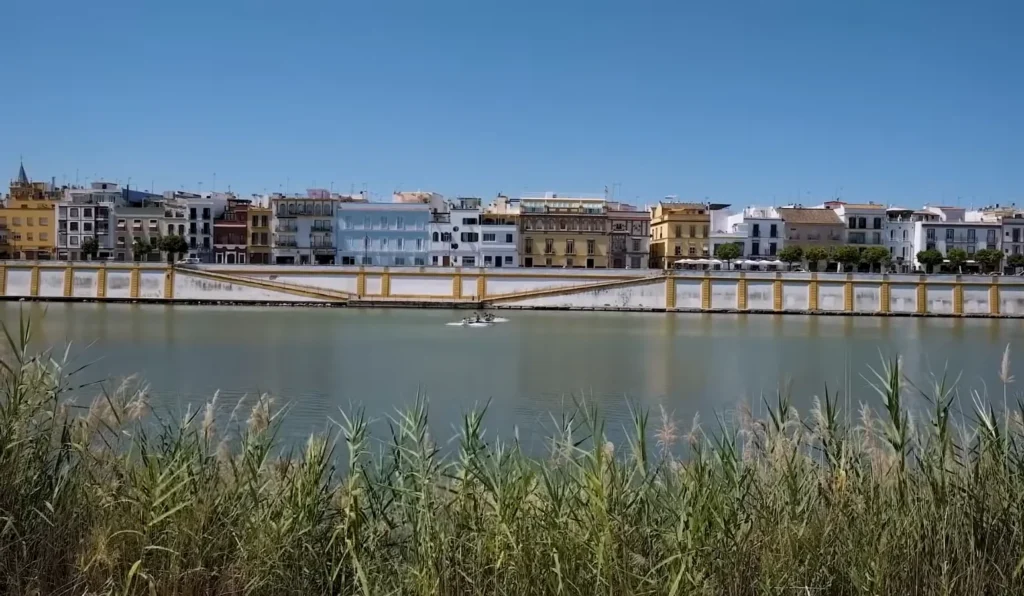
From the top, you get a different perspective on how Seville relates to it’s river. This was always a port city first, a gateway between Europe and the Americas. That bend in the river where the tower sits? That’s where ships from the New World first glimpsed European civilization after months at sea.
Essential Seville Experiences:
- Morning: Cathedral and Giralda climb (8 AM opening).
- Late morning: Alcázar gardens and courtyards.
- Lunch: Tapas crawl in Santa Cruz or Triana market.
- Afternoon: Roman sites or palace visits during siesta.
- Evening: Alameda de Hércules for local social scene.
- Night: Flamenco show or riverside dinner.
The thing about Seville is that it rewards slow travel. Rush through the major sites and you’ll miss what makes this city special – the way different eras of history coexist, how locals have adapted ancient spaces for modern life, the particular quality of light that makes everything look like a painting. Give it time and Seville will give you stories you’ll be telling for years.