
Something was different the moment I landed on the plane at Barcelona-El Prat. Perhaps, it was the manner in which the terminal curvy building resembled more of water flowing than it actually flowing like water or the fact that even the Catalan announcements at the airport sounded musical. Fifteen years of traveling in the business of writing make you have an instinct on which cities will surprise you. Barcelo had that vitality at the very first step.
First Impressions: Landing in a City That Breathes Art
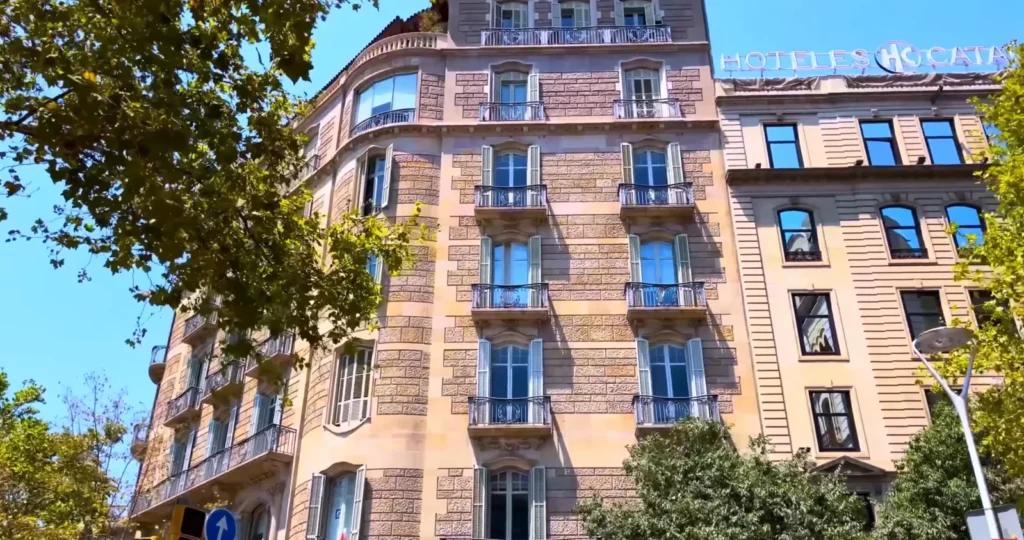
I reserved myself a modest in the Eixample district – nothing special, a bed, and a balcony looking out on the street. What impressed me at first was the fact that all the buildings appeared to be constructed by a person who cared. Metal balconies were curving into natural forms. Even man holes were personal.
As I strolled on those initial blocks out of my hotel, I knew that I had to do with something new. This was not a city that had a good architecture here and there and that too sporadically, but a place whereby the DNA of the municipality was carefully interwoven with beauty.
The Gothic Quarter: Where Time Layers Itself
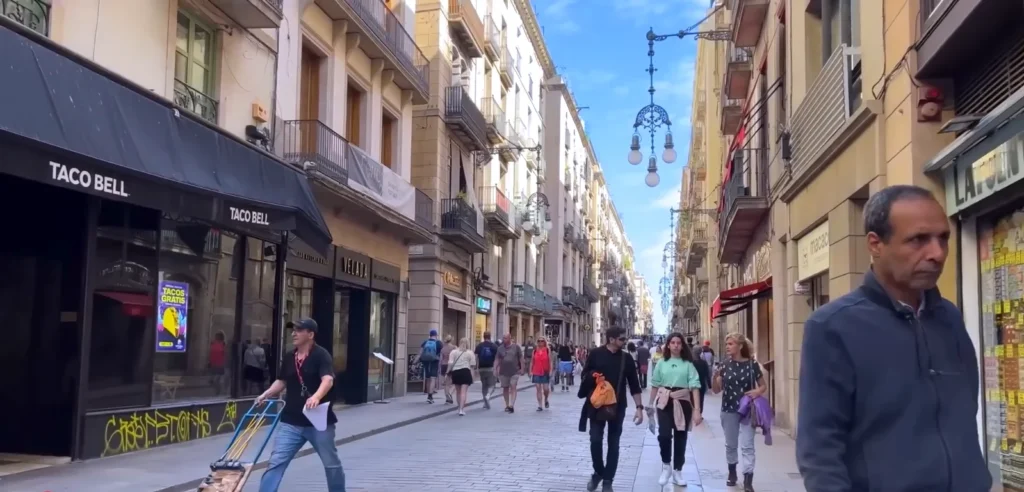
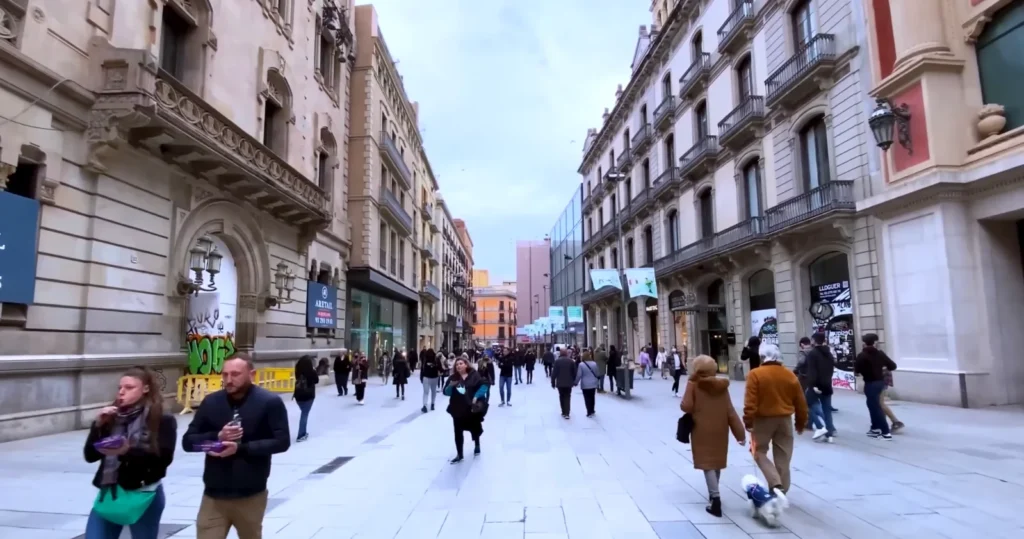
It was my initial actual tour that brought me to the core of the Barrio Gótico. These were not streets, but lanes hacked out of medieval rock, and on which the laundry still flies at the balconies like prayer flags and at every turn some secret square is uncovered.
I lost my way entirely, and took three hours to do it. On purpose.
What guide books fail to notice about the Gothic Quarter is that it exists on two or more time zones at the same time. You will see a historical cathedral of 14 centuries which shares a wall with a tapas bar that has opened up last month. Romans left the corner stones. The walls were made by medieval craftsmen. They are inhabited by modern Catalans.
Key Gothic Quarter highlights:
- Barcelo Cathedral – Free access mornings, entry of rooftop is 7€.
- Plaça del Rei – Where Columbus supposedly met Queen Isabella.
- Jewish Quarter (El Call)– Small streets concealing 1,000 years of history.
- Plaaca Sant Felip Neri – Remnants of bullet holes in the Civil War.
The labyrinthic streets have their logic. I would suggest that you download an offline map but forget about it. These have been some of my finest findes on the occasion of my being most lost.
Gaudí’s Barcelona: When Architecture Becomes Poetry
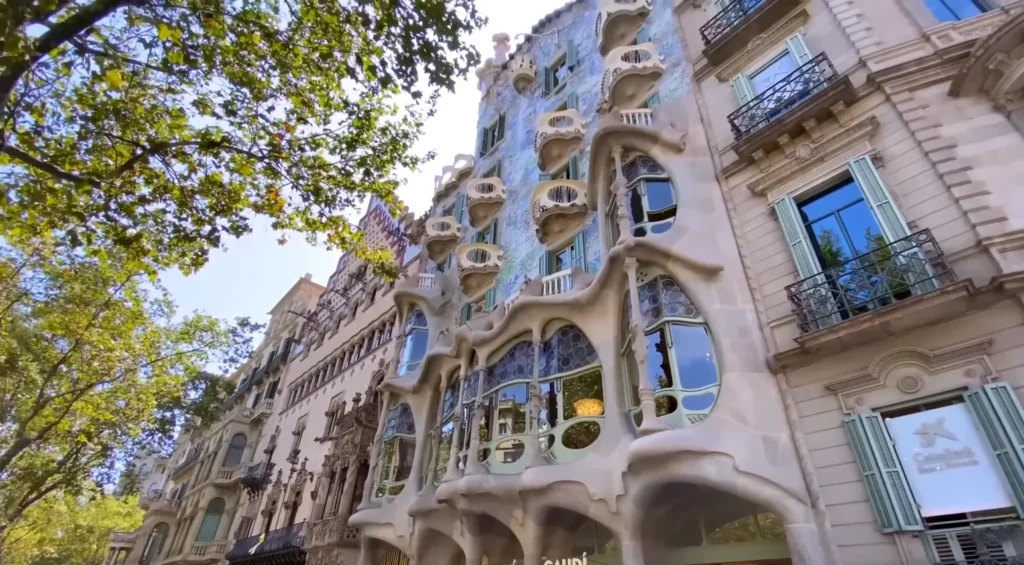
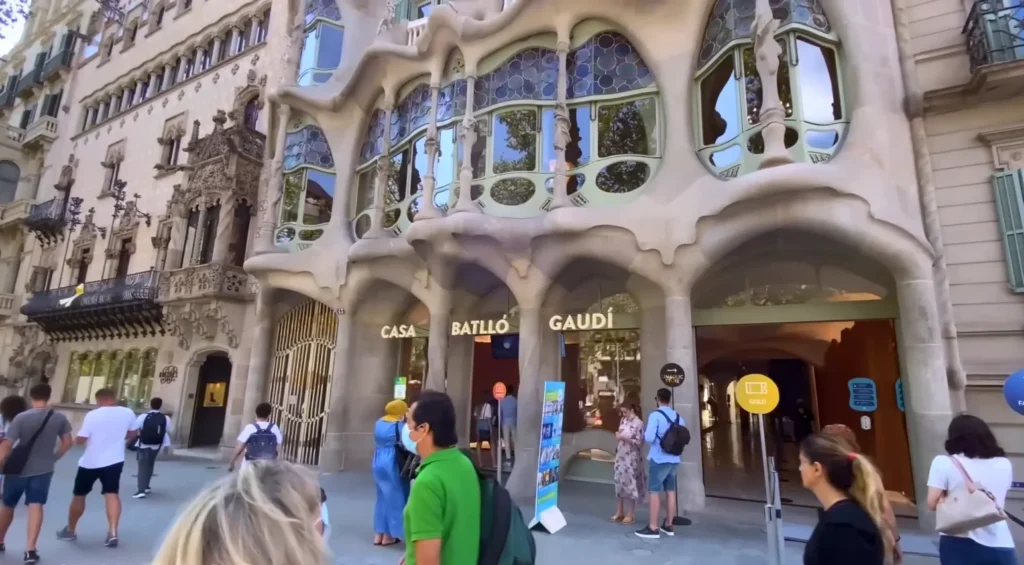
On the second day, I met Antoni Gaudi and frankly speaking, I had not expected what it would be like to visit Gaudi. As I has been in front of Casa Batllo on Passeig de Gracia, I realised why UNESCO gave his work protection – it was not just building design but dreams in the real world, three-dimensional dreams.
Casa Batlló: A Building That Breathes
The facade moves. I understand it cannot be so, but this is how those ceramic tiles reflect light and make one feel it is in motion. The balconies actually resemble skulls – however, beautiful skulls, which is not quite sensible. Gaudi was fanatical about nature forms and when you are standing there you understand that he managed to make stone act like living tissue.
Practical details:
- Entry cost: €29-35 depending on season.
- Best time: Early morning (8 AM) or late afternoon (6 PM) for lighting.
- Skip-the-line: Essential during summer months.
- Audio guide: Included and actually worth using.
Inside, every surface curves. Doorframes flow into walls. Windows expand and contract like breathing. The central light well uses blue tiles that get deeper in color as they rise, creating the illusion of being underwater.
Park Güell: Gaudí’s Unfinished Utopia
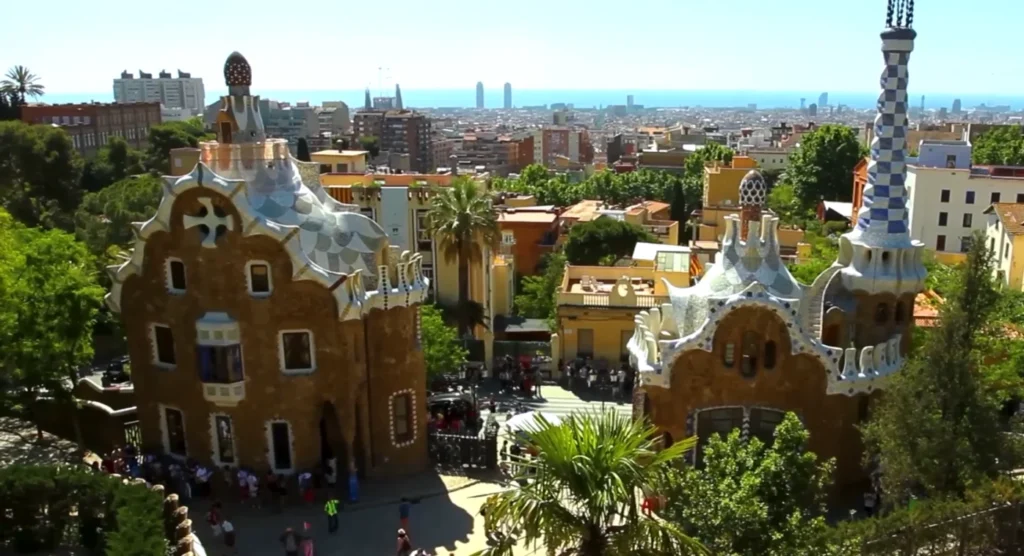
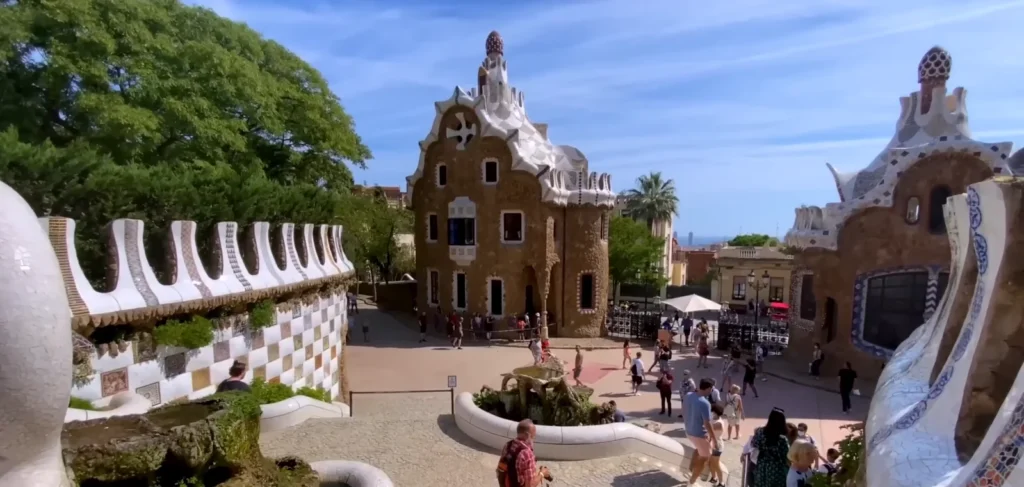
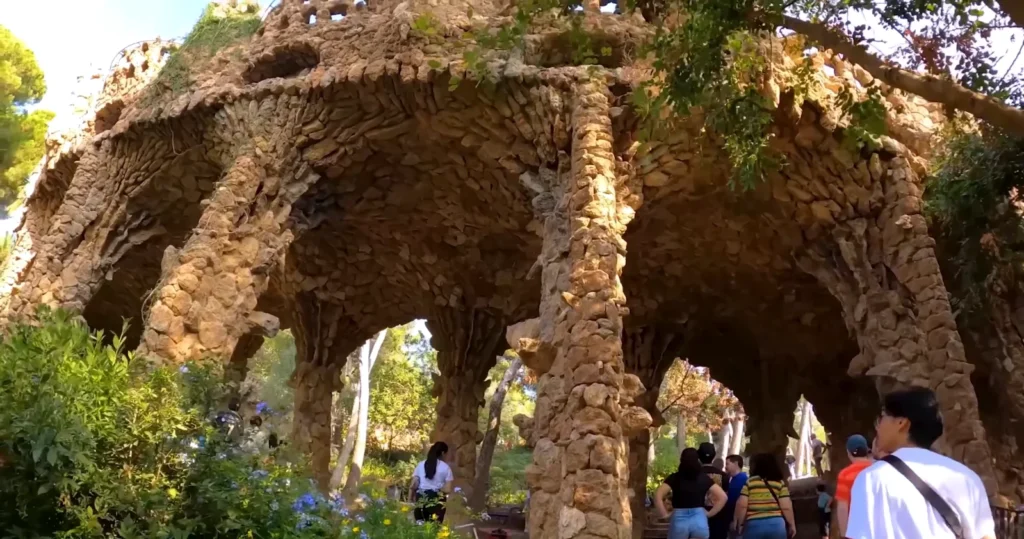
But Casa Batlló was just the warm-up. Park Güell hit me like a fever dream.
Originally designed as a housing development for Barcelona’s wealthy, it failed commercially but succeeded as something much more interesting – a public park that feels like wandering through someone’s magnificent hallucination.
Those gingerbread houses at the entrance? They’re actually functional buildings, designed to house the park’s staff. The famous mosaic salamander (everyone calls it a dragon) guards stairs that lead to a forest of columns that somehow support a plaza above.
The stone viaducts cheat the scene. Many people who come to visit him fly by them to the well-known mosaic benches, but the arched walkways are an epitome of the genius of Gaudi than any other feature in the park. He created infrastructure that resembles that which sprouts organically off the hill as opposed to being put there.
Sagrada Famila: Stone of the Ambition.

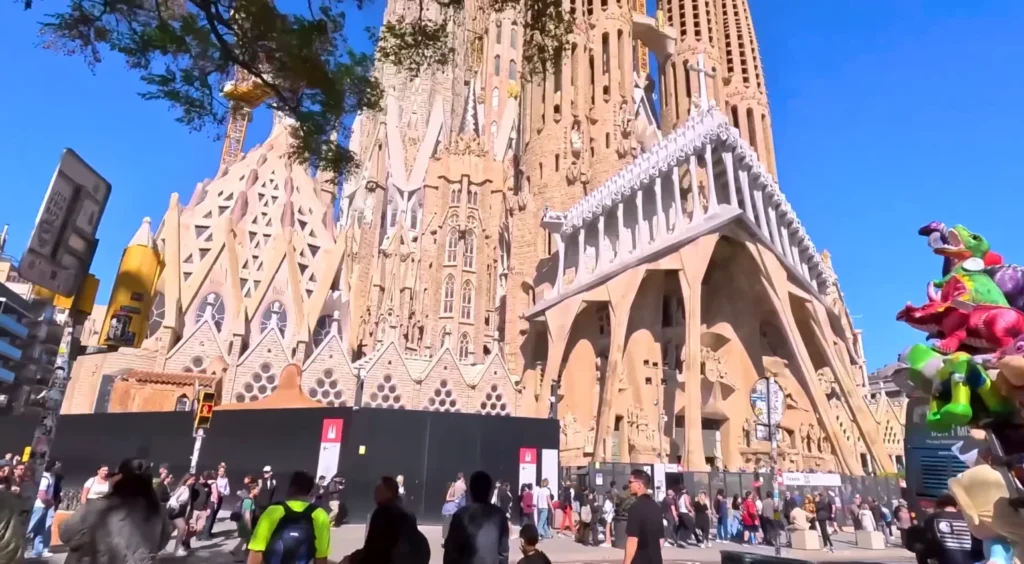
Then followed the Sagrada Família and all was prologue.
I was overwhelmed as I walked up that first morning to see construction cranes against Gothic spires and how this building is in constant becoming. Construction began in 1882. Estimate time of completion: 2026. Maybe.
The outside is overpowering – three fronts narrating the birth of Christ, death and resurrection in stone-cutting so fine that it snaps into the hallucinatory. However, once one enters, everything is different.
Interior: A Stone Forest
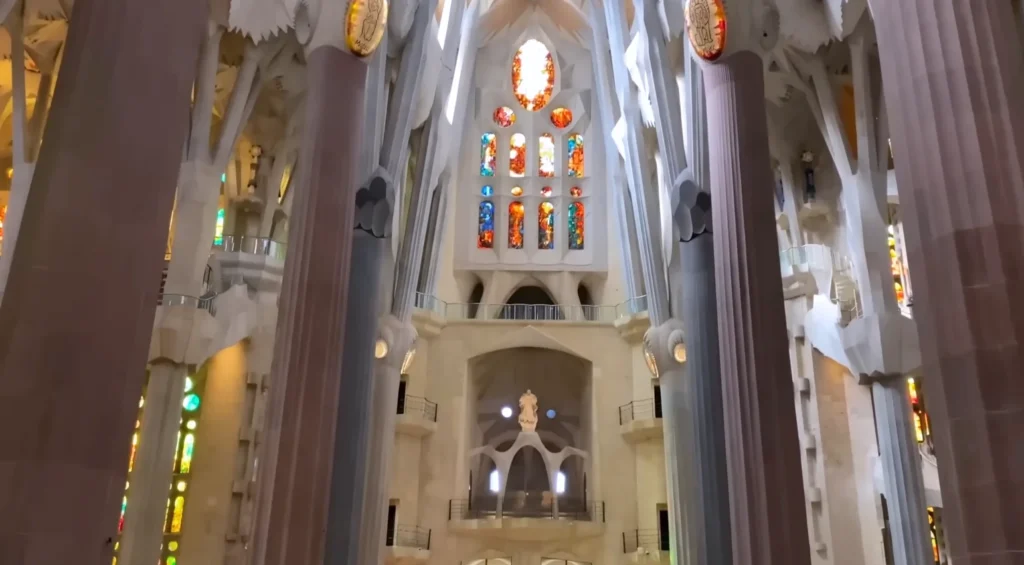
These columns are tree-like as Gaudi made them look like a forest canopy. The light through the stained glass windows makes the whole place look like a cathedral and psychedelic experience when it comes to afternoon light. It is where I went evening vespers – the acoustics there are ideal, and the voices appear to be coming out of the marble itself…
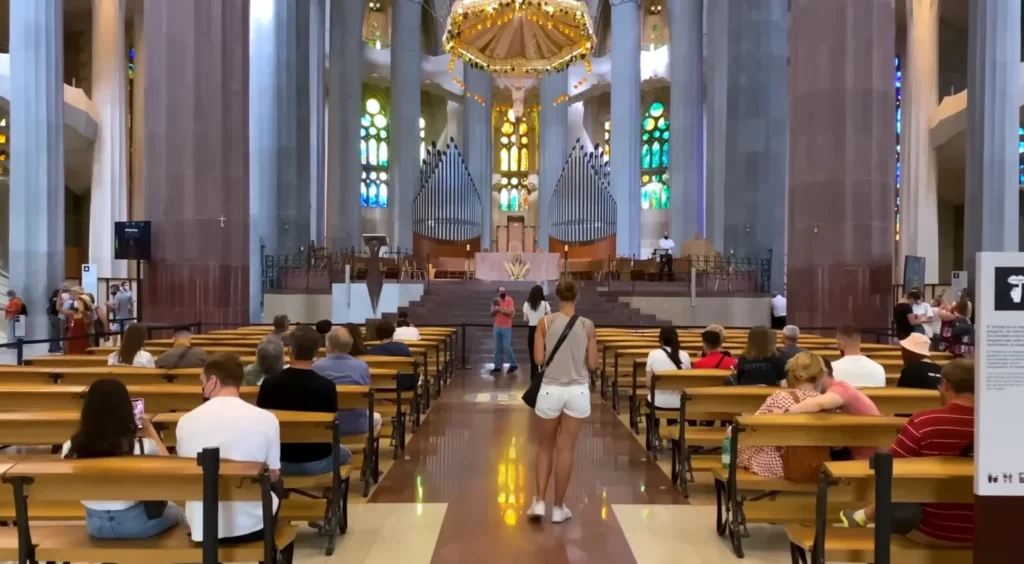
Visiting strategy:
- Book timed entry tickets minimum 2 weeks advance.
- Towers: Nativity facade offers better views, Passion facade has elevators.
- Best lighting: 2-4 PM when western windows illuminate the nave.
- Audio guide: Skip it – the space speaks for itself.
I have spent four hours indoors, and might have remained. It is not only the masterpiece of Gaudi – it is one of the grandest architectural projects in the world history.
City Life: Barcelona Hopping
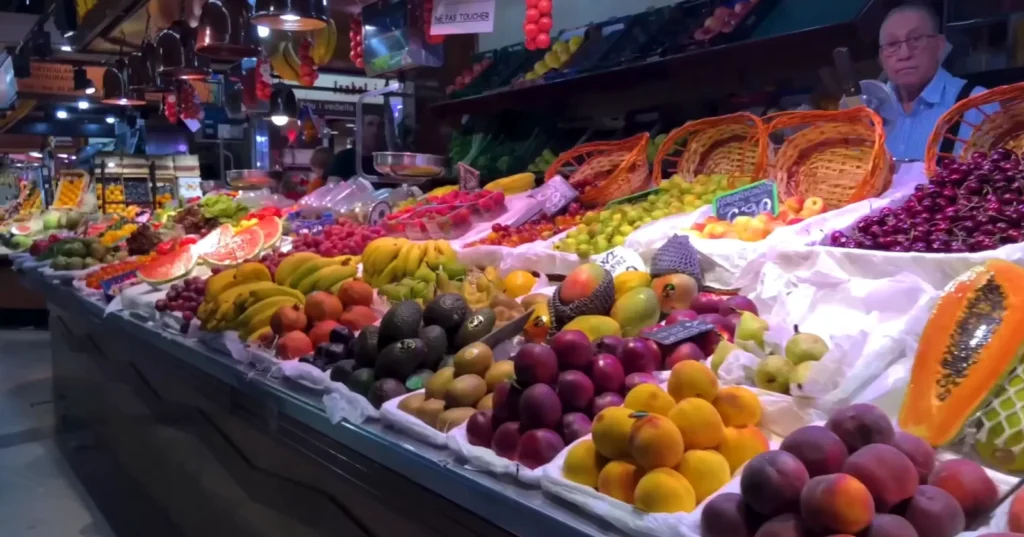
True Barcelona becomes uncovered outside the tour groups. I began my third day at 7 AM, when there was no mass in La Boqueria market, but the cruise ship masses were yet to arrive. It is at that point that you encounter the vendors who have been selling stalls in the same place over thirty years and locals who are purchasing their lunch ingredients.
La Boquería: More Than Tourist Theater
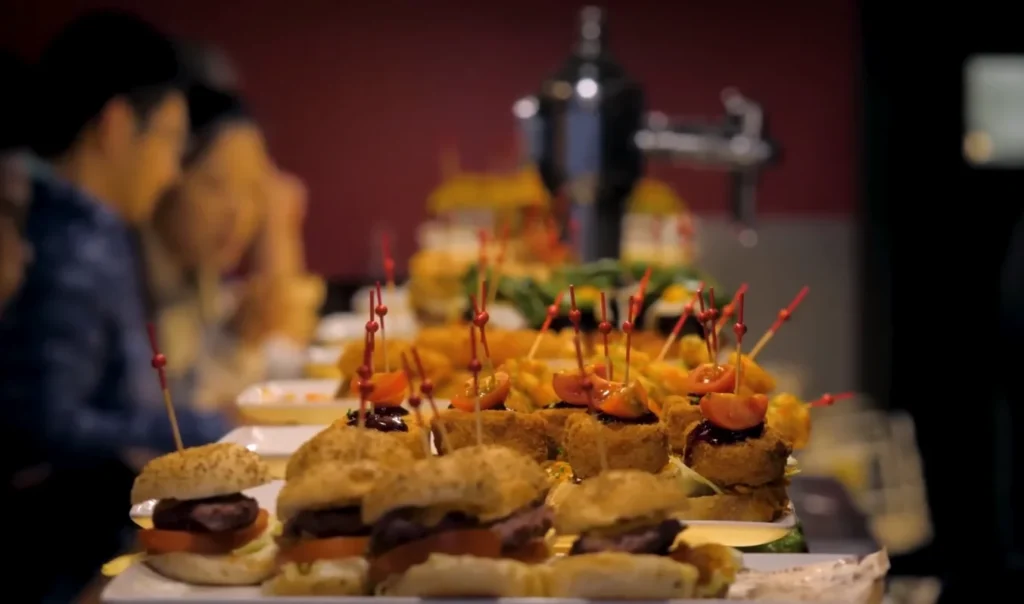
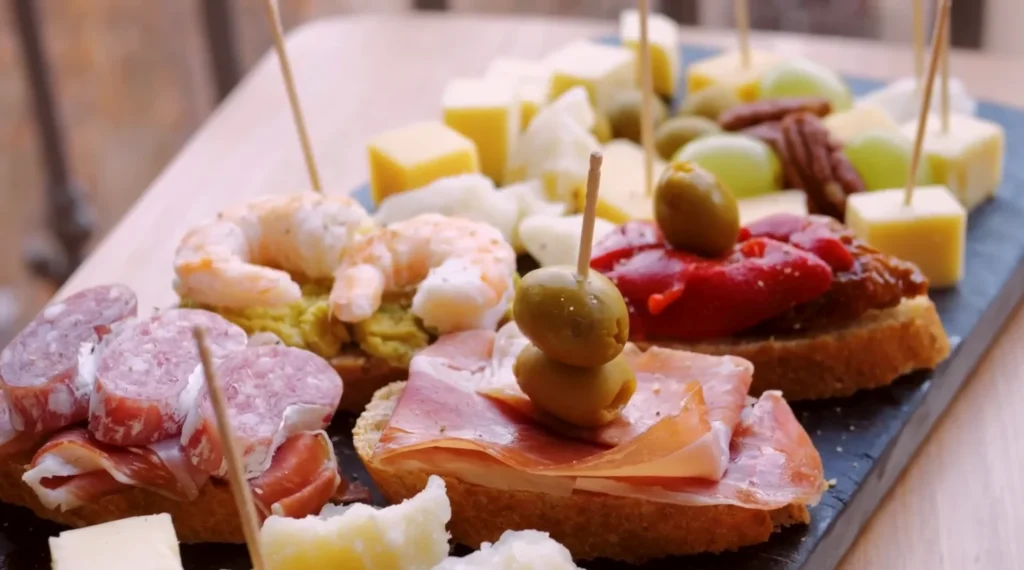
The famous entrance on Las Ramblas might scream tourist trap, but venture deeper into the market and you’ll find something genuine. I watched an elderly woman argue with a fishmonger about the quality of his prawns – in rapid-fire Catalan that made my Spanish lessons feel useless.
The fruit displays aren’t just Instagram bait. They’re serious business. I bought the best peach of my life from a vendor who insisted I smell three different varieties before choosing. Cost: €1.50. Experience: priceless.
Local shopping strategy:
- Early morning (7-9 AM): Locals buying for restaurants.
- Avoid weekends: Unless you enjoy human traffic jams.
- Try the bars inside: Counter seating, fresh ingredients, reasonable prices.
- Bring cash: Many vendors don’t accept cards.
Barcelona’s Food Culture: Timing is Everything
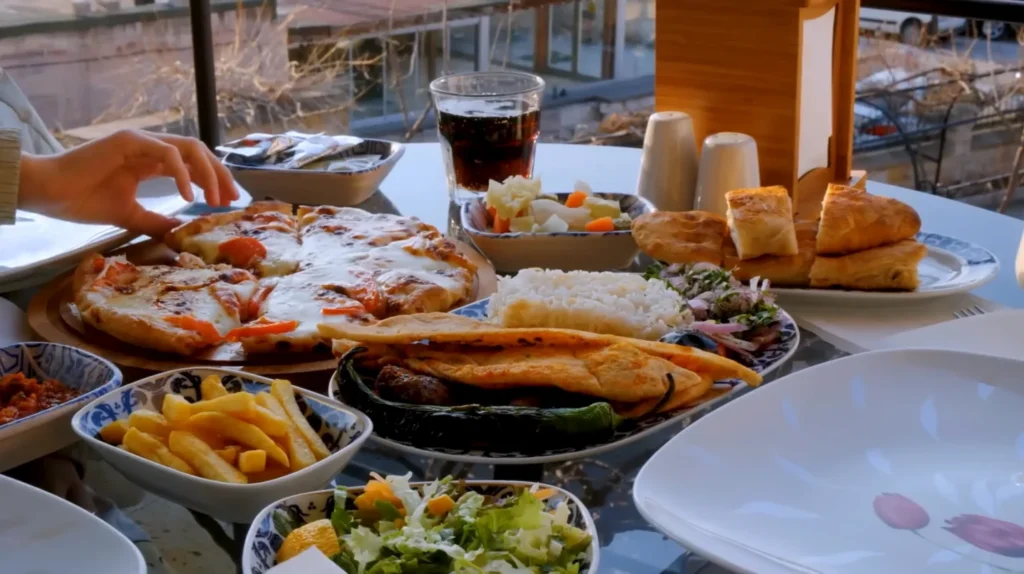
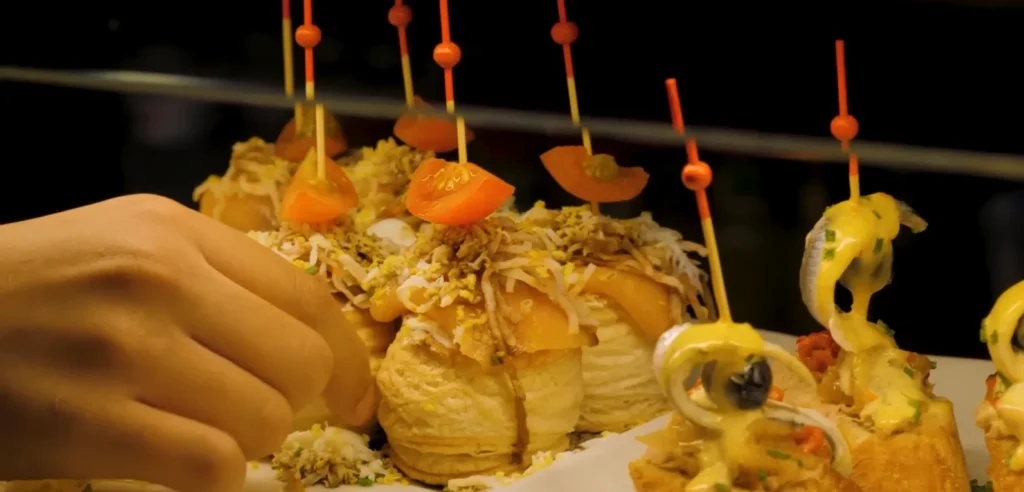
Barcelo runs on its own gastronomic clock and you will starve and be frustrated trying to oppose it. Lunch happens between 2-4 PM. Dinner starts around 9 PM. Tapas are there to fill such gaps and not to substitute meals.
The best meal that I experienced was almost accidental. I took refuge in a small space just in front of the Palau de la Música Catalana in order to avoid an afternoon rain. No menu in English. No tourists. Simply a chalkboard that listed what was available that day and a waiter who had only three-word knowledge of English.
This was followed by a masterpiece of Catalan cooking of such a kind that no manual could have trained me to do:
The dinner that altered my interpretation of Barcelona:
- Pa amb tomàquet – Bread rubbed with tomato and garlic, drizzled with olive oil.
- Escalivada – Roasted vegetables that taste like summer concentrated.
- Suquet de peix – Fish stew that somehow contained the essence of the Mediterranean.
- Crema catalana – Custard with a burned sugar crust that cracked like ice.
Total cost: €28.
The Art of the Passeig: Barcelona’s Social Architecture
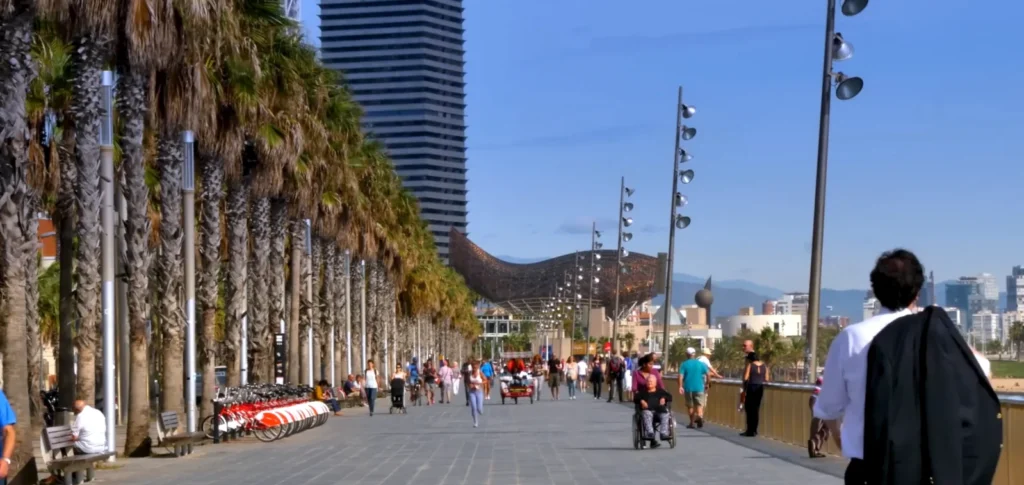
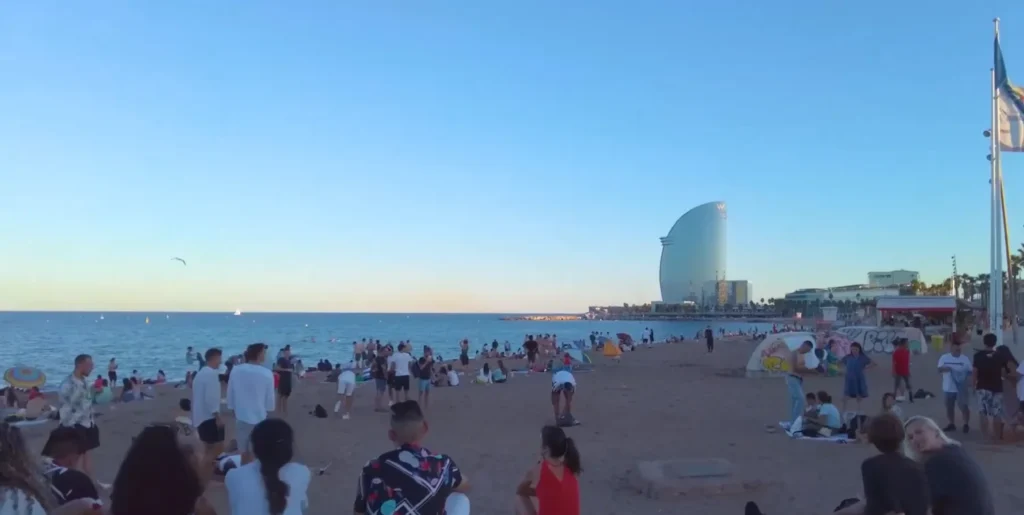
Evenings in Barcelona belong to the passeig – the ritual evening walk that transforms the entire city into a social space. I discovered this accidentally, wondering why the waterfront suddenly filled with families around 7 PM.
The Port Olímpic area showcases modern Barcelona’s relationship with the sea. Before the 1992 Olympics, Barcelona had turned its back on the Mediterranean. The Games gave the city back it’s coastline, creating miles of beaches where none existed before.
Watching families claim their evening territory – kids kicking footballs, couples sharing bottles of cava, elderly men arguing about FC Barcelona’s latest transfer – I understood something fundamental about this city. Public space isn’t just transit between destinations. It’s the destination.
Palau de la Música Catalana: Where Architecture Becomes Music
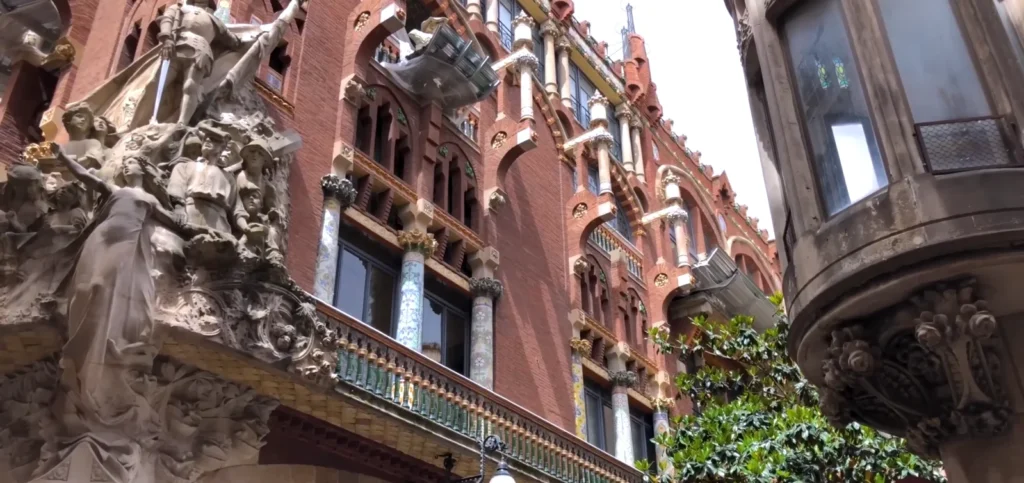
The fourth evening got me to what could be regarded as the most underrated masterpiece in Barcelona. Everybody speaks about Gaudi, but the Palau de la Música Catalana of Lluis Domenech i Montaner, is a masterpiece that symbolizes Art Nouveau in the most deliriously beautiful.
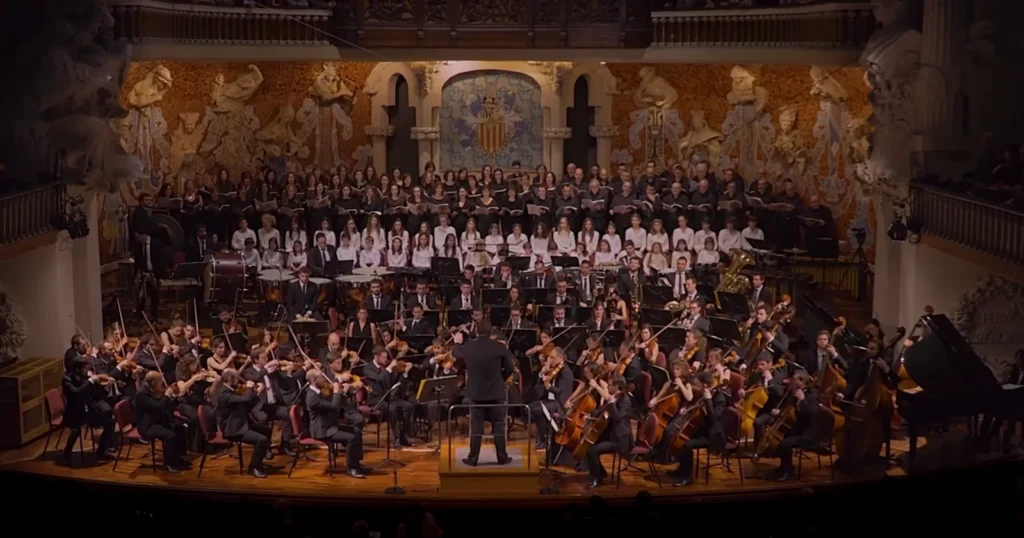
The visit is just a justification by itself by the stained glass skylight – the inverted dome of colored glass that appears to throb with the light. It happened during the concert that I attended (chamber music performance) that I spent more time gazing up at the ceiling than listening to the music. The house was doing well on its own.
Details in concert halls which are important:
- Best seats: 2 nd floor, center – ideal sight of the skylight.
- Guided tours: Are offered on a daily basis but having attended a real performance is a life-changing event.
- Reservation: Hot shows are sold out weeks before the show.
- Dressing code: Smart casual, Catalans value culture.
There is perfect acoustic design. Each utterance on the stage comes to the back row. But it is the sight that sticks with you – the columns in their ceramic-flowered decorations, the sculptures emerging out of the walls, a sense of place which leads you to recognize why Barcelona has been called a world capital of modernist design.
Outside the City: The Mystic Mountains of Montserrat
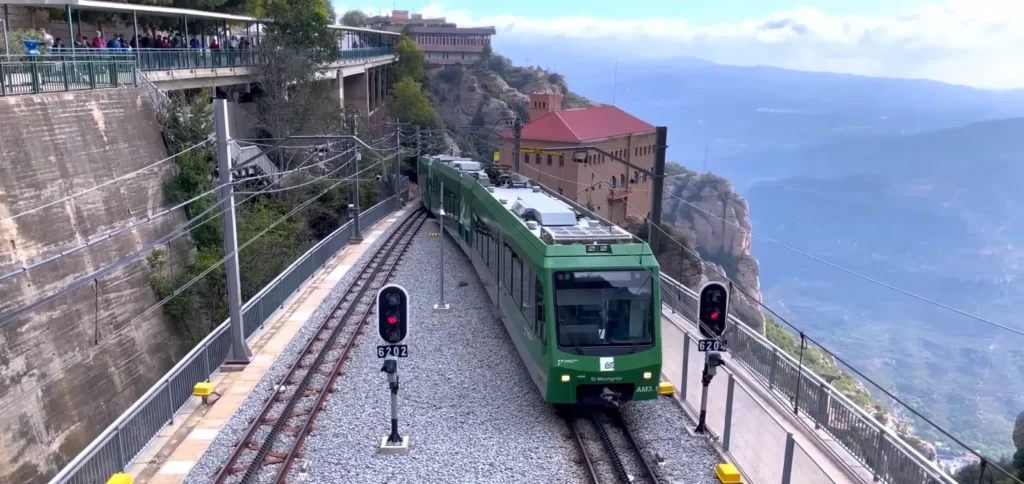
Day five took me out of the city entirely. Montserrat, an hour northwest of Barcelona, represents something completely different – ancient spirituality carved into impossible geology.
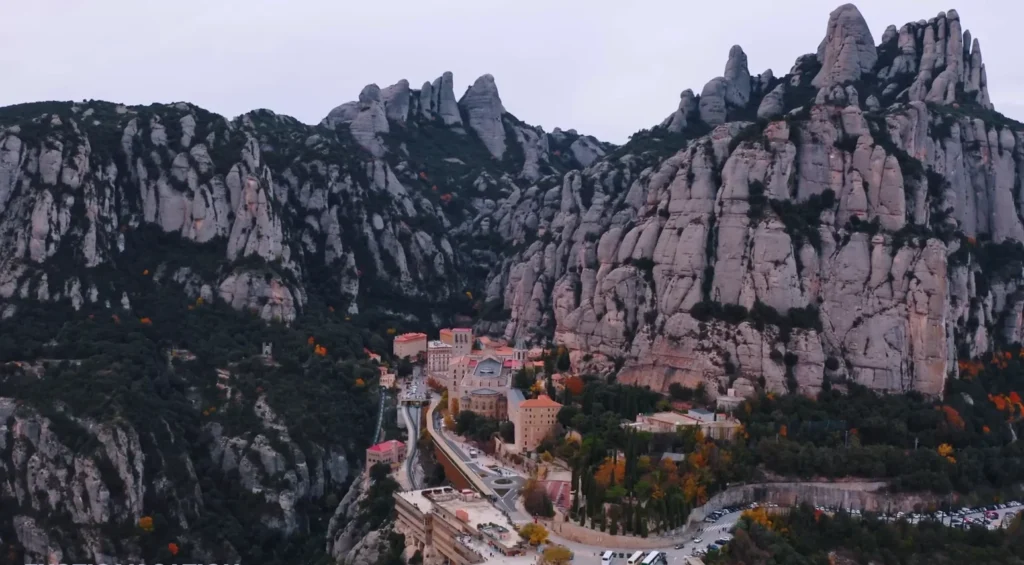
The Journey: Half the Experience
The rack railway leading to the monastery of Montserrat is in itself an experience. The jagged peaks become bigger and more bizarre as the little train clutches up the gradients which look mathematically impossible. The conglomerate rock has been worked by wind and water into forms that are beyond description – natural sculptures that are comparatively timid in comparison with human art.
Getting there efficiently:
- Train + Cable car: R5 line to Monistrol, then cable car (most scenic).
- Train + Rack railway: R5 to Monistrol, then cogwheel train (more reliable).
- Combined ticket: €22 round trip including all transport.
- Best timing: Early morning to avoid crowds and catch the famous boys’ choir.
The Monastery: Faith Carved from Stone
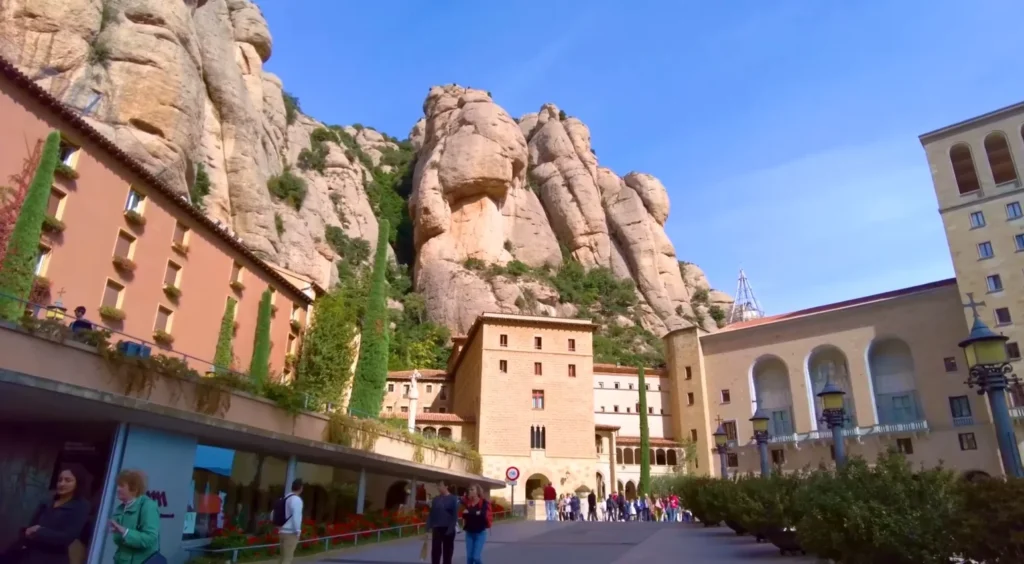
The Benedictine monastery has occupied this site since 1025. What’s remarkable isn’t just the setting – though having your morning prayers backed by those serrated peaks must be spiritually significant – but how the complex works with the landscape rather than dominating it.
It contains the popular Black Madonna, La Moreneta, the patron saint of Catalonia, in the basilica. People have been ascending this mountain close to a millennium and seeing contemporary visitors queue in order to feel the statue, you understand that not all human drives are centuries-old.
However, in my case, the magic was more real in the evening vespers. The Escolania choir, – boys of 9-14 years who live and study in the monastery, – sang Gregorian tunes that sound almost as though, in reality, they were of the rocks. It was then that I perceived the reason why people erect monasteries in inopportune locations.
Montserrat practical wisdom:
- Performances of choirs: 1 PM everyday (except in July, Christmas holidays).
- Hiking trails: Well-marked paths to hermitages and viewpoints.
- Funiculars: Sant Joan (greater views) and Santa Cova ( Pilgrimage site).
- Weather: Can be 10 o C colder than Barcelona, come in layers.
Afternoons, such as the hike to the summit of Montserrat, the Sant Jeroni, were accompanied by the most splendid scenery, the Pyrenees on the one side, and the Mediterranean on the other. There, where the air was completely silent except where the wind whistled through the stone needles, Barcelona seemed both thousands and thousands of miles away and at the same time very near.
The Eixample: Modernist Dreams Made Real
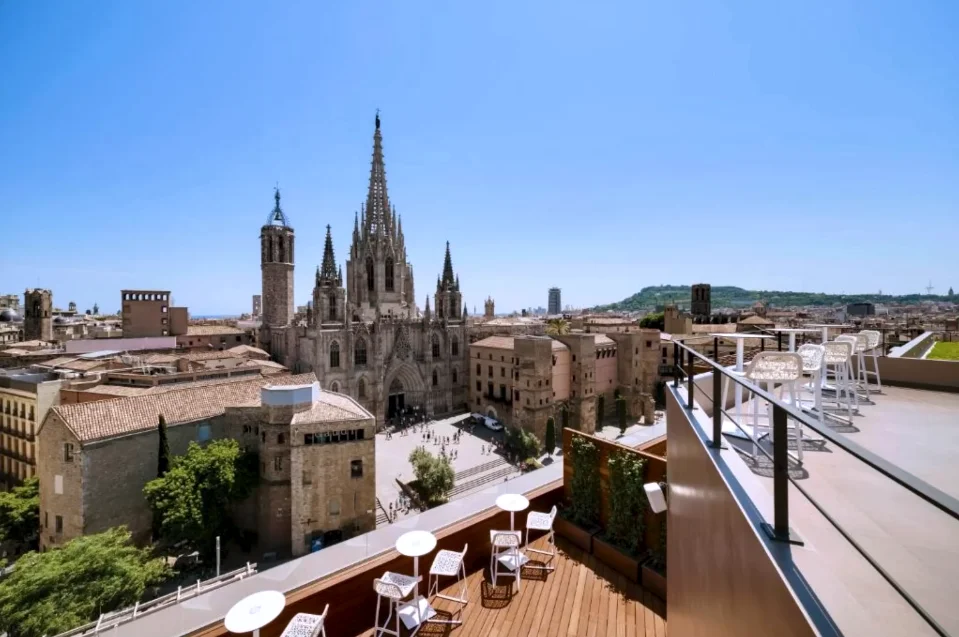
My last days in Barcelona were devoted to the Eixample district where the urban planning of the 19 th century is combined with the artistic ambition of the 20 th century. The grid developed by Ildefons Cerdà made something that had never been done before a district of the city where each corner might potentially be the place of a masterpiece.
Beyond Gaudí: The Complete Modernist Story
Walking the Eixample, you realize Gaudí was just one voice in an entire architectural conversation. Every block reveals another Art Nouveau facade, another building where someone decided that functional could also be fantastic.
The best discoveries happen accidentally. Ducking into a random café, I found myself in the ground floor of a building designed by Josep Puig i Cadafalch. The barista, used to questions from confused tourists, explained that half the neighborhood was designed by architects whose names should be famous but aren’t.
Eixample exploration strategy:
- Morning walks: Best light for architecture photography.
- Café culture: Stop frequently – many occupy ground floors of historic buildings.
- Side streets: Parallel to major avenues, less crowded, same architecture.
- Look up: Balconies, rooflines, details invisible from street level.
Barcelo had unveiled himself gradually, as though it were a puzzle of a city, the pieces of which fit together with others on a larger scale. With its organic architecture, Gaudi, the mystical mountains of Montserrat and Gothic Quarter labyrinths, the Mediterranean beaches and so on, it was not only the destination, but the masterclass of how this human creativity is able to make the landscapes transcendent.
How to Plan Your Barcelona Adventure
I had gained a few lessons the hard way in six days of active exploration. Barcelo rewards planning, yet over-rewards over-planning. The city is run by rhythms that will only be comprehended with time and will give you the best experiences as long as you stop fighting the rhythms and flow with them.
When to Visit: Timing Changes Everything
Optimal seasons breakdown:
| Season | Pros | Cons | Crowd Level |
| Spring (Mar-May) | Perfect weather, blooming jacarandas | Occasional rain | Moderate |
| Summer (Jun-Aug) | Beach season, long days | Intense heat, tourist swarms | Very High |
| Fall (Sep-Nov) | Warm seas, harvest season | Variable weather | Moderate |
| Winter (Dec-Feb) | Mild temperatures, empty attractions | Limited beach time | Low |
I visited in late September and hit the sweet spot. Summer heat had broken, but the Mediterranean still felt warm enough for swimming. Most importantly, the tourist crowds had thinned just enough that I could actually enjoy popular sites.
Money Matters: What Barcelona Actually Costs
Budget planning in Barcelona requires understanding the city’s dual nature. Tourist areas charge tourist prices. Local neighborhoods offer local value. The difference can be dramatic.
Daily budget breakdown:
| Category | Budget | Mid-Range | Luxury |
| Accommodation | €25-45 (hostel/guesthouse) | €80-150 (boutique hotel) | €200+ (luxury) |
| Meals | €25-35 (mix local/tourist spots) | €50-70 (good restaurants) | €100+ (fine dining) |
| Transportation | €8-12 (metro day passes) | €15-20 (metro + occasional taxi) | €30+ (taxis/Uber) |
| Attractions | €30-50 (major sites, advance booking) | €60-80 (skip-the-line, guided tours) | €100+ (VIP experiences) |
| **Total per day | €88-142 | €205-320 | €430+ |
Final Reflections
I also have dream about Barcelona six months after having left the city. Not the tourist-postcard version, but the Barcelona that unravels gradually – the one which places the architectural masterpieces side by side with corner bars which have remained the same since 1962, which places the medieval stones and the 21st-century lives which they support, and which lets the Mediterranean provide a constant reminder that beauty and functionality may co-exist.