
Shanghai hit me like a sensory overload the moment I stepped off the plane. Three trips here and I’m still discovering layers I missed before. This isn’t your typical “see the sights” kind of city. Sure, everyone talks about the Bund and the skyline, but the real Shanghai lives in the narrow alleys where vendors flip jianbing at dawn and elderly locals practice tai chi in pocket gardens.
Yu Garden District: Where Ancient Meets Appetite
The Garden Itself – More Than Instagram Scenery

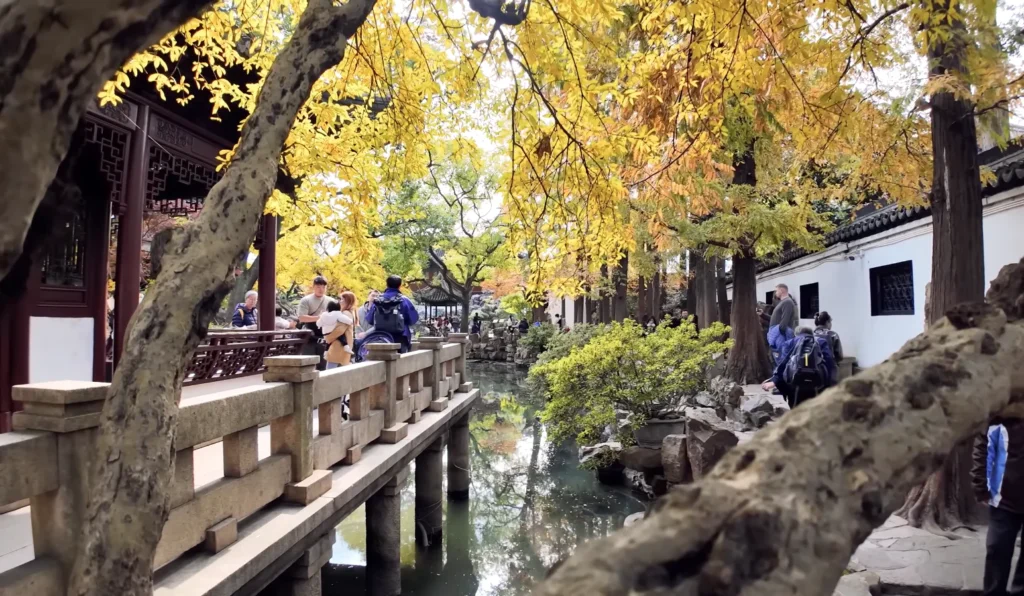
Yu Garden surprised me. Yeah, I know – ancient Chinese garden, what’s new? But catching it during autumn changed everything. Those golden leaves filtering October light across the reflecting pools, the way shadows play across 400-year-old stonework. I’d been there twice before in summer crowds, never really seeing it.
The trick is arriving right when they open at 8:30 AM. Costs 30 yuan (about $4) and worth every penny for that first hour of relative quiet. Watch how locals use the space – elderly couples sharing benches, photographers hunting for perfect angles, kids fascinated by the koi fish that’ve somehow survived decades of visitors dropping coins.
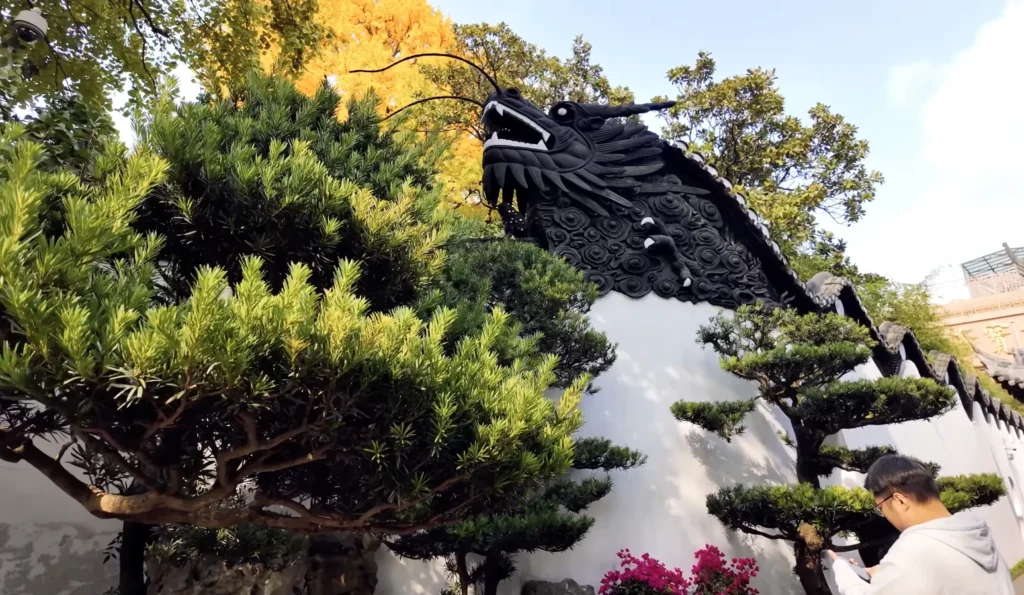
The dragon wall gets everyone’s attention, but I spent most of my time studying the rockery arrangements. Each “mountain” placement follows feng shui principles that still influence Shanghai’s modern architecture. No accidents here – every stone was positioned to channel energy flow. Walking these paths, you’re basically touring a 16th-century manual on how to live in harmony with natural forces.
The Bazaar – Tourist Trap That Actually Delivers
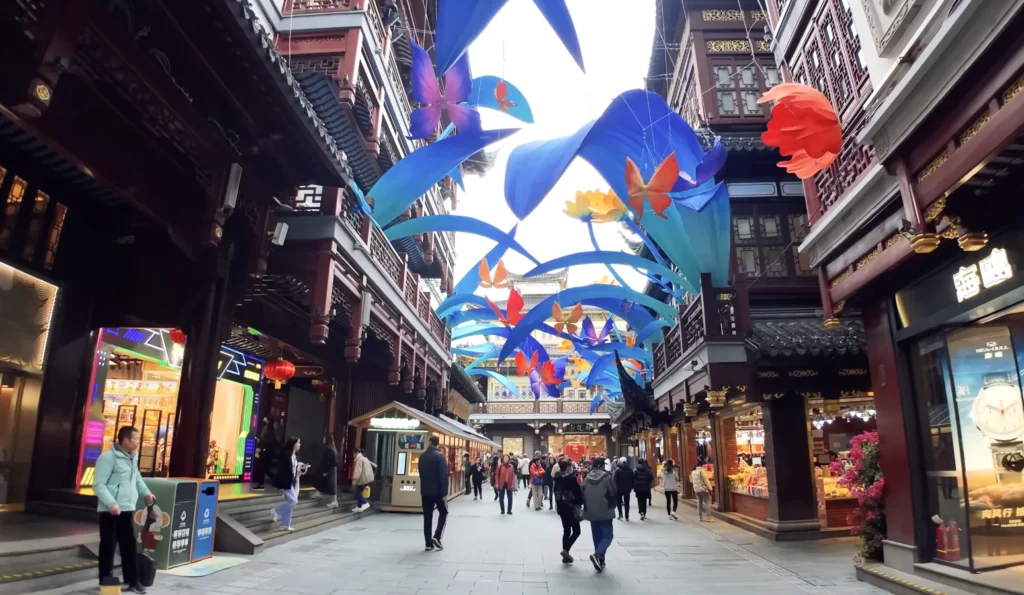
Here’s where Yu Garden gets complicated. The surrounding bazaar area screams tourist central – overpriced souvenirs, aggressive hawkers, the works. But dig deeper and you’ll find legitimate craftspeople alongside the knockoff vendors.
I watched an elderly woman hand-painting silk scarves in a corner stall, her technique passed down through three generations. Next to her, someone was selling mass-produced “antiques” probably made last week. Learning to spot the difference became my personal Shanghai education.
The seasonal decorations here fascinate me. During my December visit, they’d transformed the central plaza into this “Winter Dreamland” complete with oversized snowman installations and LED light tunnels. Completely artificial, absolutely delightful. Shanghai loves it’s photo opportunities and honestly, so do I.
Real Food Vs. Theme Park Food
This is where Yu Garden either wins you over or loses you completely. The main bazaar restaurants? Tourist prices for mediocre xiaolongbao. But venture two blocks in any direction and suddenly you’re in a different city.
I stumbled across this morning market that supplies half the local restaurants. Vendors arranging tomatoes into perfect pyramids, arguing over the day’s fish prices, grandmothers selecting vegetables with an intensity that made me reconsider my entire relationship with grocery shopping. No tourists, just neighbors buying dinner ingredients.

The hairy crab situation deserves special mention. October through December is peak season and these vendors know their stuff. Watching them select live crabs with those long-handled nets, testing for weight and shell hardness – it’s like witnessing a master class in seasonal eating. I paid 80 yuan for two medium crabs and zero regrets.
Street Food Culture: The Real Shanghai Education
Jianbing – Breakfast Perfection on a Griddle
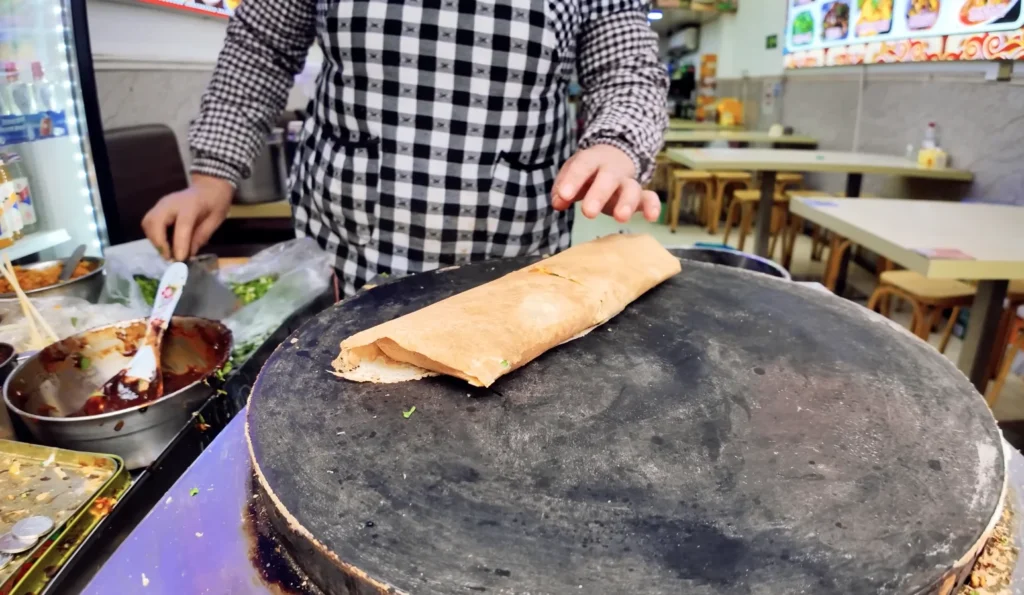
Forget everything you think you know about Chinese breakfast. This is where Shanghai really taught me something new. Jianbing isn’t just street food; it’s morning ritual, performance art and cultural preservation all wrapped in a crepe.
I found my guy on a side street near Yu Garden – been working the same corner for fifteen years, starts at 6 AM, sells out by 10. His griddle setup is basically mobile perfection: batter spreading station, egg cracking technique that never misses, assembly line of scallions, cilantro, crispy wonton crackers and three different sauce options.
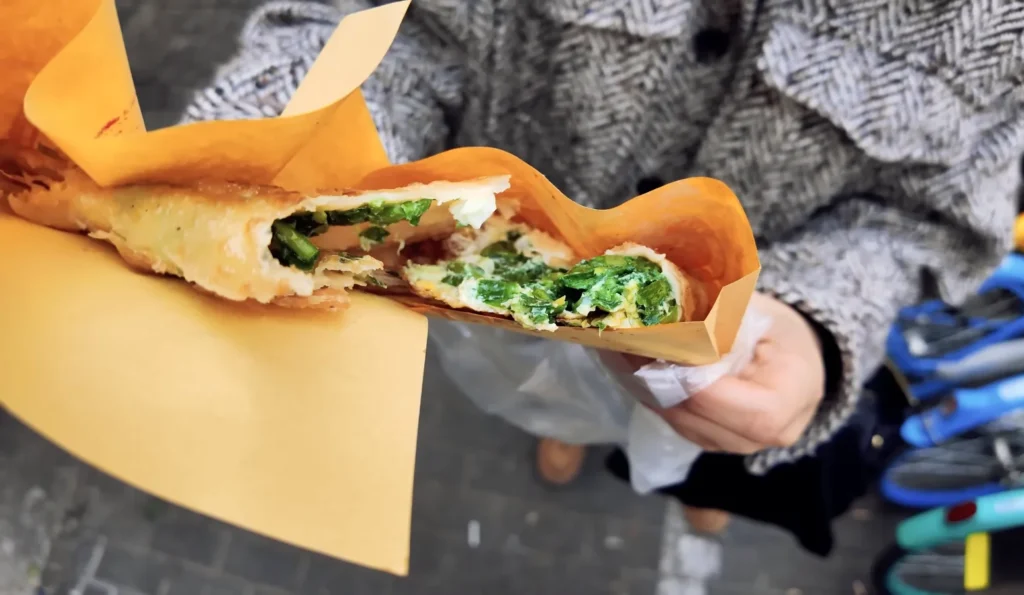
Watching him work became my morning entertainment. The batter hits that hot surface and spreads into a perfect circle in maybe ten seconds. Crack the egg directly onto the cooking crepe, spread it without breaking the yolk. Flip the whole thing, add your vegetables and protein, fold it into this neat little packet. Total time: three minutes. Cost: 8 yuan. Taste: better than any $15 breakfast sandwich I’ve had anywhere else.
Lu Wei and the Art of Braised Everything
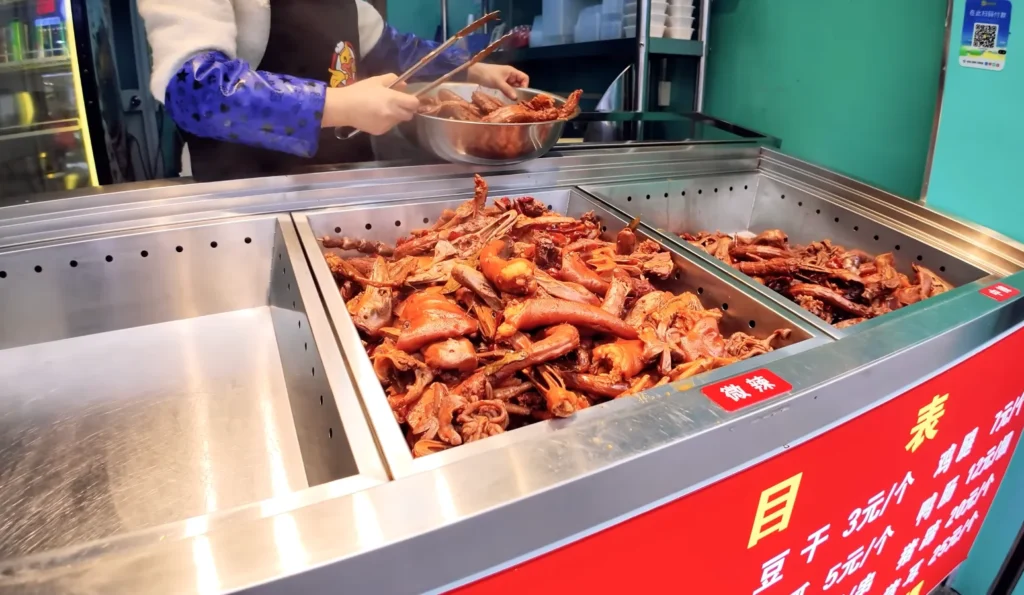
Lu Wei stalls taught me that Shanghai people braise everything and somehow make it delicious. Duck necks, chicken feet, lotus root, tofu, quail eggs, seaweed – all swimming in this dark, aromatic broth that’s probably been simmering for days.
My first time ordering was pure chaos. Point at random items, hope for the best, pay by weight. Ended up with duck tongue (surprisingly good), marinated eggs (addictive) and something I never identified but definitely want again. The vendor spoke zero English, I spoke terrible Chinese, but food became our common language.
These stalls operate on trust economics that fascinate me. You pick what you want, they weigh it, you pay what they say. No arguing, no receipts, just neighborhood social contracts that’ve worked for decades.
Coffee Culture Meets Street Tradition
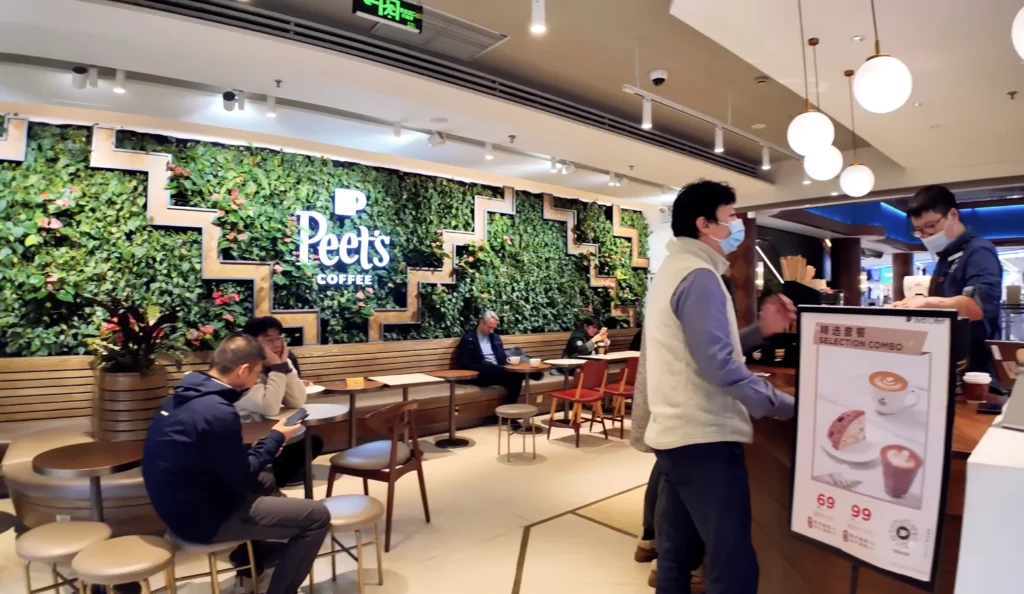
Here’s what nobody tells you about Shanghai: the coffee scene is insane. Peet’s Coffee opened right in the Yu Garden area and somehow it doesn’t feel like cultural invasion. Local customers order elaborate milk tea combinations alongside americanos, treating the menu like customizable art.
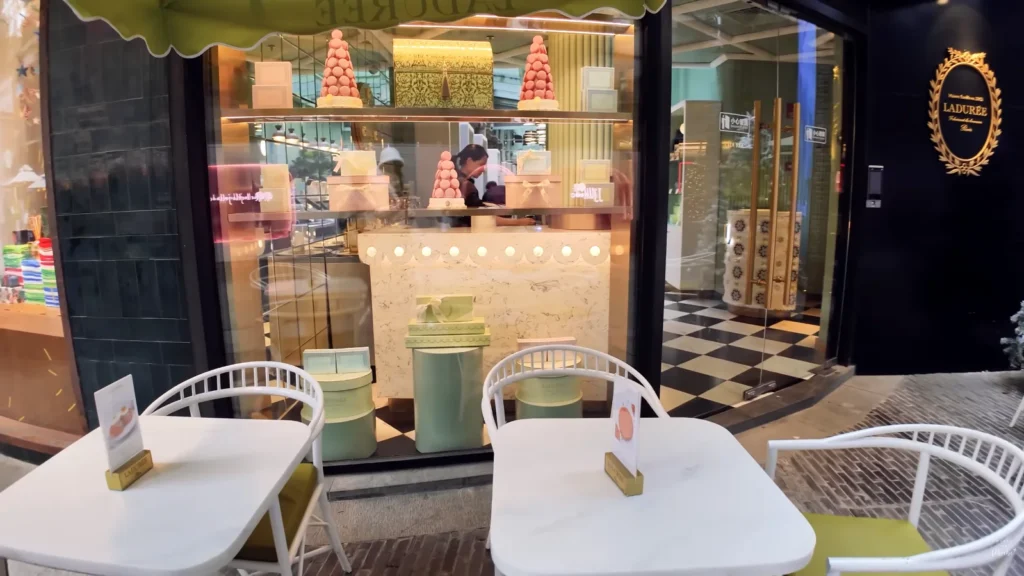
Then there’s Ladurée, the French macaron place that charges Beijing apartment prices for tiny cookies. I paid 40 yuan for one macaron and felt both stupid and sophisticated. The line of young Shanghai professionals waiting for their Instagram moment told me I wasn’t alone in this contradiction.
But here’s the thing – these international brands aren’t replacing local food culture. They’re just adding layers. Same customers buying 8-yuan jianbing for breakfast might drop 200 yuan on afternoon French pastries. Shanghai contains multitudes.
The Bund and Pudong: Two Centuries of Ambition
Walking Through Financial History
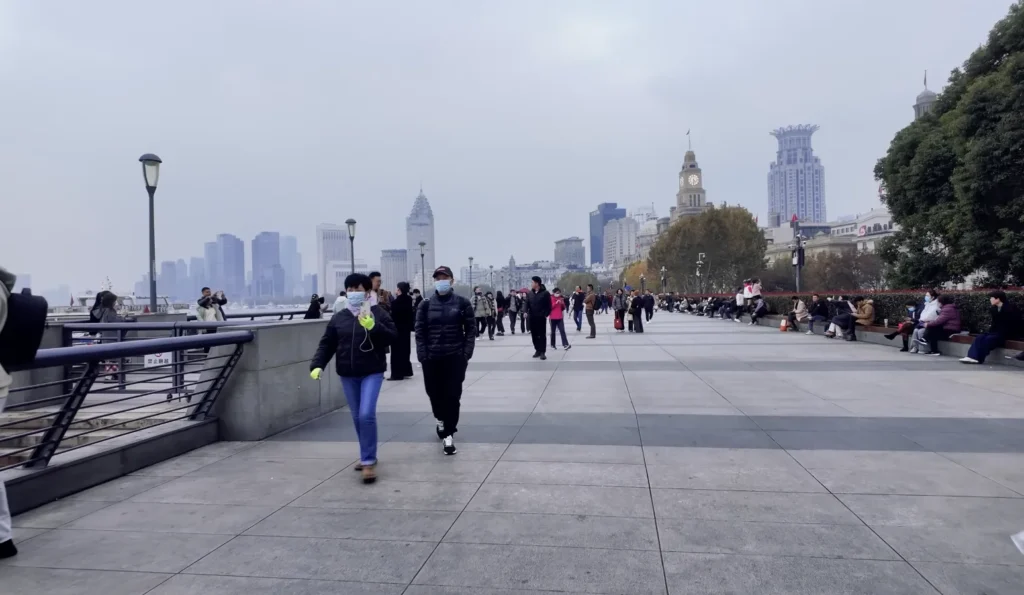
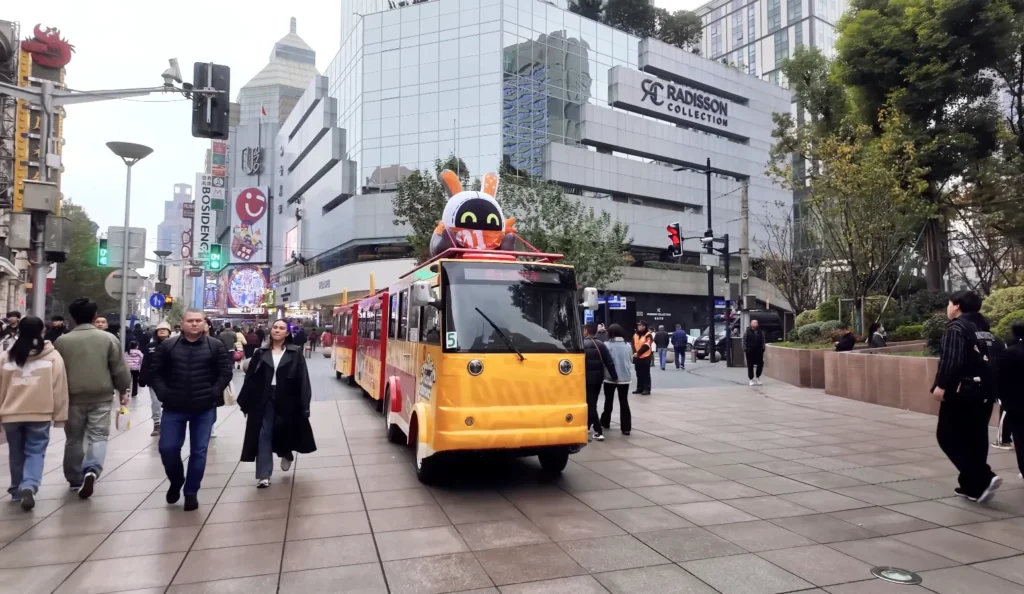
The Bund hits different depending on when you visit. Weekend afternoons bring families, date nights and serious photographers hunting for golden hour shots. I prefer weekday mornings when it’s mostly locals getting their exercise walks in.
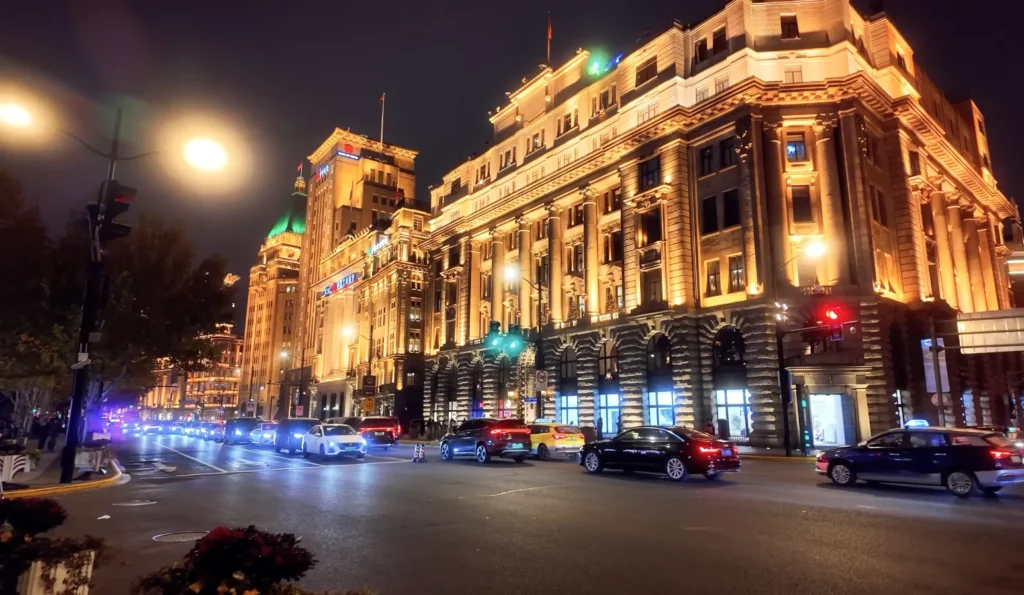
Those European-style buildings lining the waterfront tell Shanghai’s complicated story better than any museum. Built during the foreign concession period when British banks basically ran the city’s economy. Now they house luxury brands and investment firms, but the architecture remains frozen in 1920s ambition.
Standing here looking across the Huangpu River at Pudong’s skyline feels like time travel. Thirty years ago, Pudong was farmland. Now it’s this forest of glass towers that somehow manages to look both futuristic and already dated.
Pudong’s Vertical City
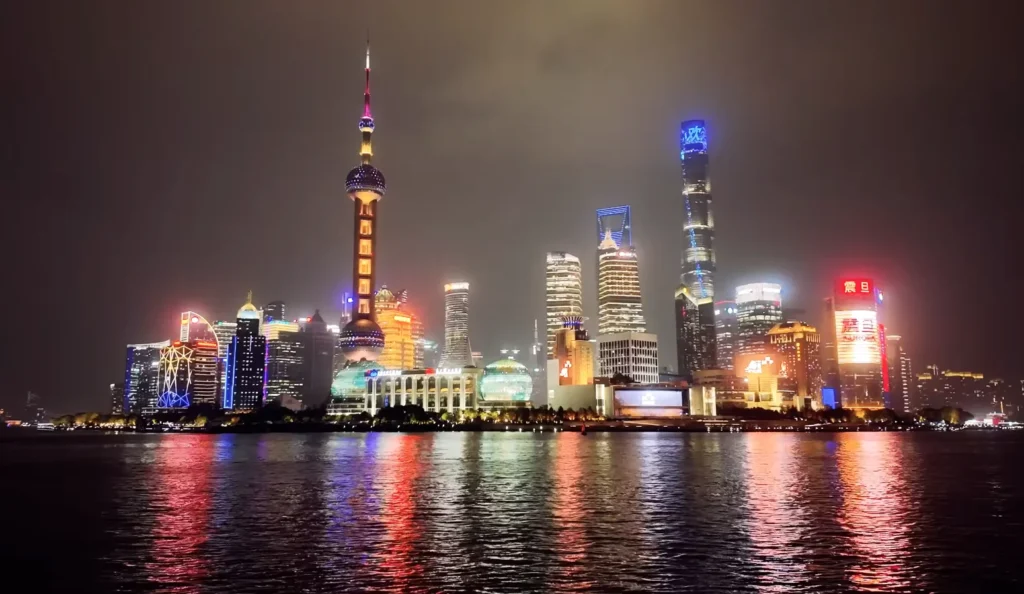
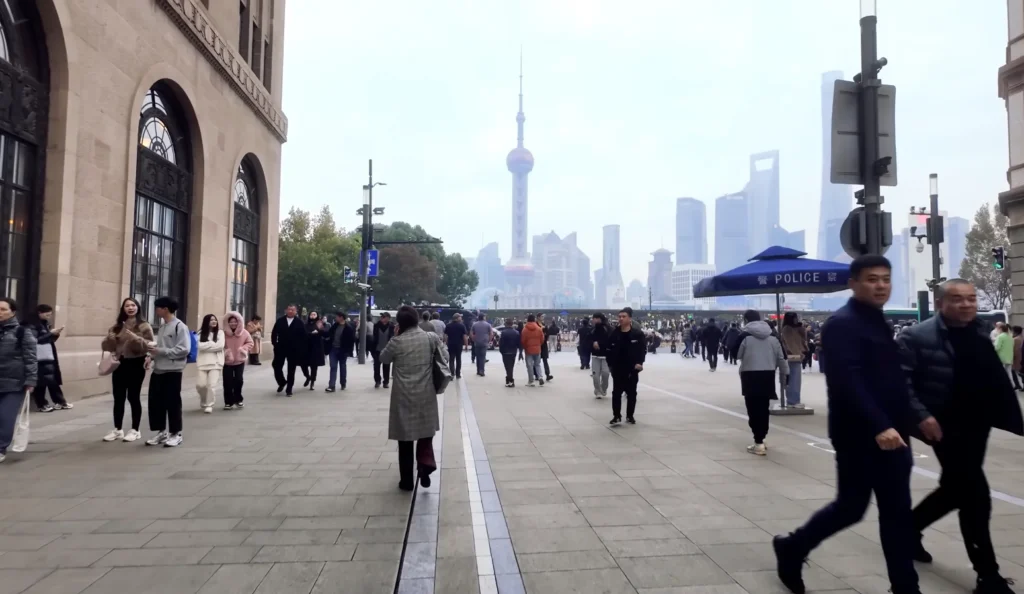
The Oriental Pearl Tower used to be the star of Shanghai’s skyline. Built in 1994, it was Asia’s tallest structure for a hot minute. Now it’s like the cute older sibling next to these massive new towers.
The World Financial Center still impresses me – that rectangular hole at the top was originally meant to be circular but got changed because it looked too much like the Japanese flag. Politics in architecture.
Shanghai Tower, though? That’s pure engineering showing off. 632 meters tall, twisted design that reduces wind resistance, double-skin facade that saves energy. It’s like someone asked, “What if we built the future?” and this was the answer.
Walking around Pudong at street level feels weird after seeing it from The Bund. Everything’s new, clean, designed for cars instead of people. The contrast with old Shanghai couldn’t be sharper.
Local Neighborhoods: Beyond the Tourist Circuit
Getting Lost in the Right Places
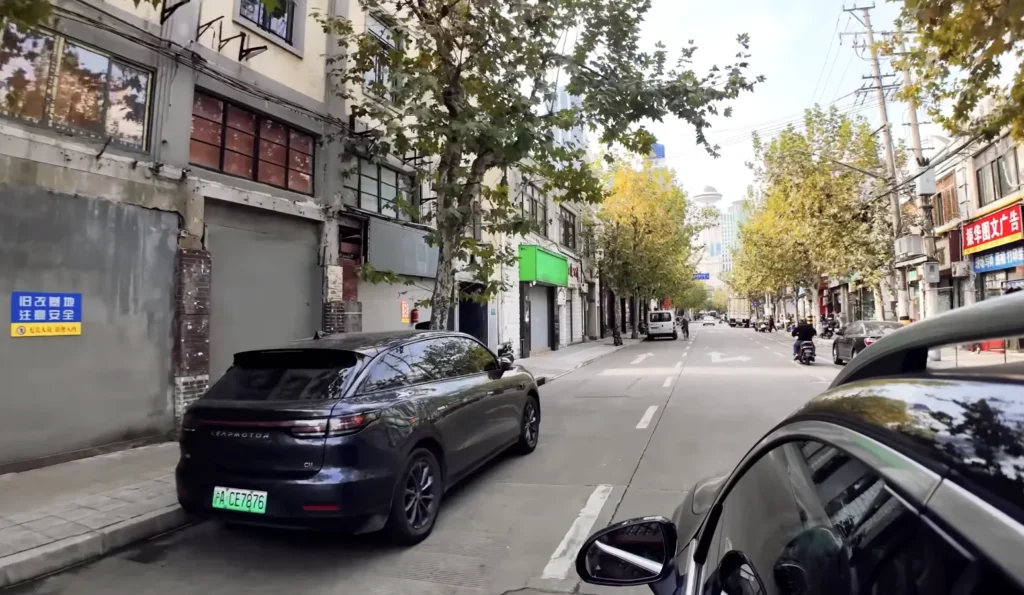
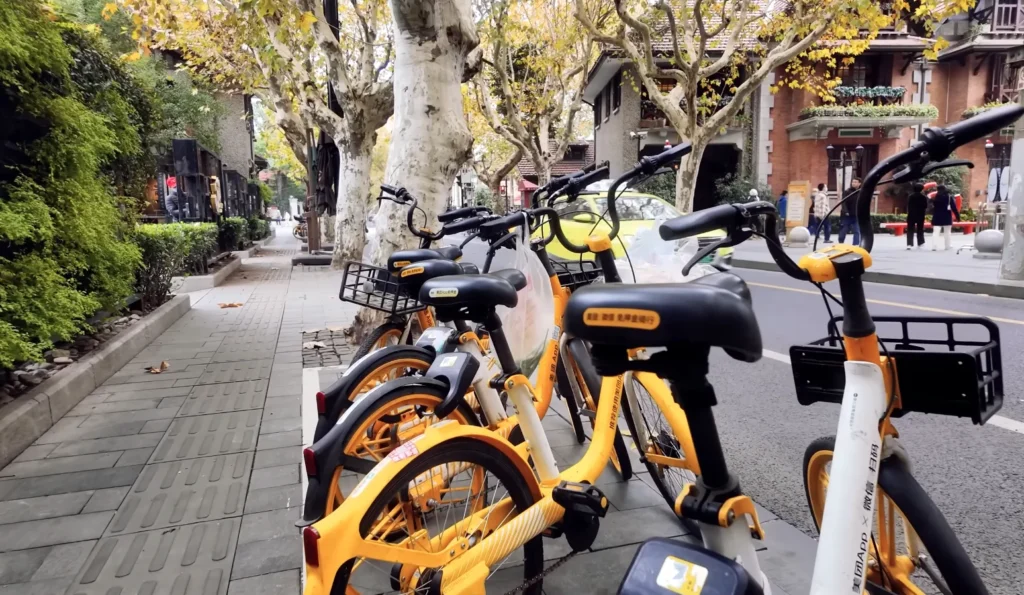
Those yellow bike-share bicycles scattered everywhere? They’re your key to real Shanghai exploration. I grabbed one near Yu Garden and just started pedaling down random alleys. No plan, no map, just following interesting smells and sounds.
Ended up in this residential area where laundry hangs from balconies and grandparents watch kids play in tiny courtyards. The contrast hit me immediately – here I am cycling past centuries-old lane houses (shikumen) while modern apartment towers loom overhead. It’s like living in multiple time periods simultaneously.
Street vendors here operate differently than in tourist zones. No English menus, no patience for pointing and gesturing. You either know what you want or you learn fast. I watched a noodle vendor for twenty minutes before attempting to order, studying how locals specified their preferred toppings and spice levels. My terrible Mandarin got me something completely different than intended, but it was delicious anyway.
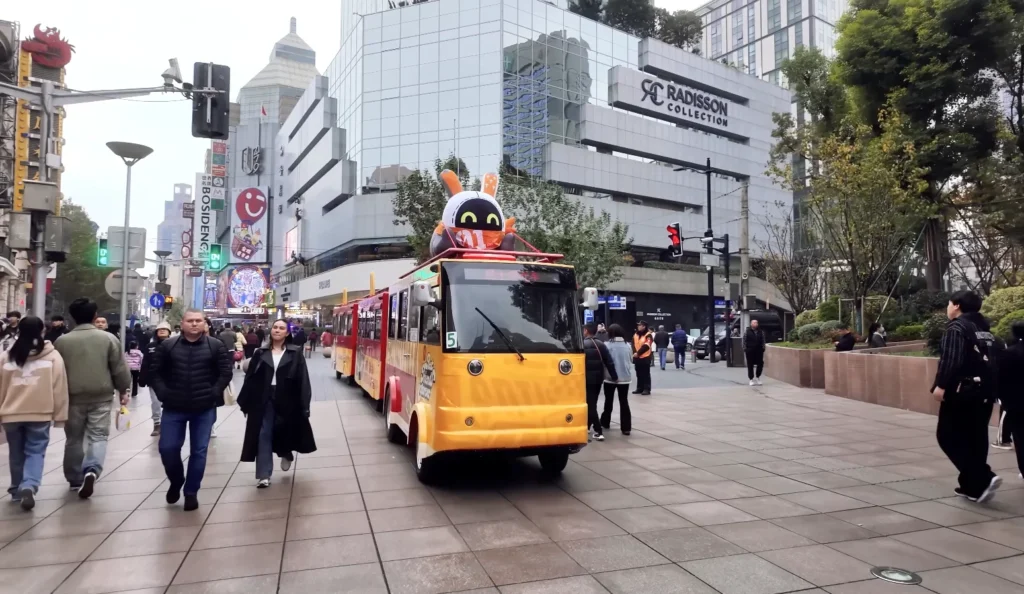
The police presence surprised me initially. Those blue tents pop up in busy areas, not for anything sinister – just community policing and helping lost tourists. I asked for directions three times and got patient, helpful responses each time. Cultural stereotype officially broken.
Markets That Actually Feed the City
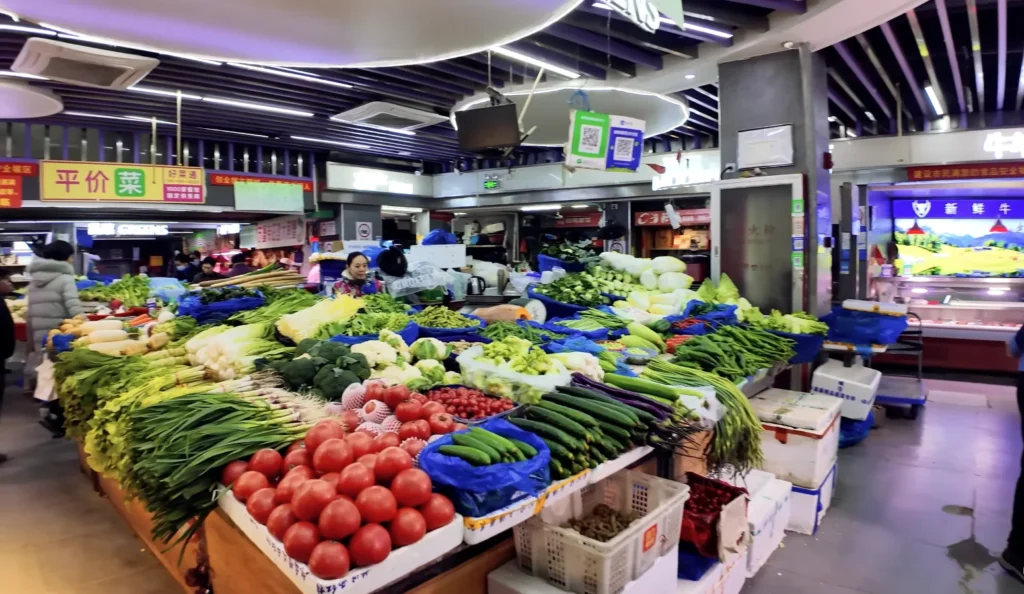
Underground markets beneath Shanghai’s shopping districts revealed how this city of 25 million actually eats. Vendors start setting up at 4 AM, negotiating prices with restaurant buyers before regular customers arrive. By 6 AM, it’s organized chaos – grandmothers with rolling carts, chefs selecting daily specials, families stocking up for the week.
I learned to shop like locals do: squeeze the vegetables, argue about prices, bring your own bags. That perfectly arranged tomato pyramid? Don’t even think about messing with the vendor’s display. Point to what you want, let them select for you. Trust their expertise or shop elsewhere.
Seasonal eating makes sense when you see what’s actually available. December meant persimmons, winter melons, preserved vegetables. Fresh leafy greens cost triple summer prices, so everyone pivots to root vegetables and pickled everything. No forcing asparagus in January – you eat what grows when it grows.
Coffee, Macarons and Cultural Fusion
Shanghai’s international food scene doesn’t replace local culture; it creates these weird, wonderful hybrid experiences. Peet’s Coffee serves traditional American drinks alongside milk tea combinations that would confuse Seattle baristas. Customers seamlessly switch between ordering styles depending on their mood.
Ladurée’s Shanghai location taught me about aspirational consumption in modern China. Those 40-yuan macarons aren’t really about taste – they’re about participating in global luxury culture. Young professionals spend half their lunch budget on French pastries, take photos, then grab 15-yuan noodles for actual sustenance.
But here’s what fascinated me: these places employ local workers who’ve mastered international techniques while maintaining their own food knowledge. I watched a Ladurée employee explain macaron flavors in perfect French pronunciation, then switch to recommending nearby xiaolongbao vendors in local dialect.
Seasonal Shanghai: Timing Your Visit Right
Spring (March-May): Cherry Blossoms and Comfortable Weather
Shanghai spring hits that perfect sweet spot between winter’s bitter cold and summer’s oppressive humidity. I’ve been here in April twice and it’s consistently my favorite time. Yu Garden’s flowering trees transform the courtyards into something from a classical painting. Morning temperatures in the 60s, perfect for long walks and outdoor eating.
Spring Highlights:
- Cherry blossom season in Gucun Park.
- Comfortable weather for Bund walks.
- Fresh spring vegetables in markets.
- Fewer crowds than summer/autumn.
Street food vendors expand their setups during spring. Cold noodle dishes reappear, fresh fruit vendors multiply and everyone spends more time outdoors. I found my best jianbing spots during spring mornings when vendors weren’t rushing to escape weather extremes.
Summer (June-August): Hot, Humid and Intense
Shanghai summer will test your commitment to outdoor exploration. July temperatures hit 35°C (95°F) with humidity that makes walking feel like swimming through soup. Air conditioning becomes your best friend, which means spending more on indoor restaurants and shopping malls.
But summer brings advantages too. Longer daylight hours mean evening food markets stay active until 10 PM. Night photography of the Pudong skyline gets more dramatic with summer thunderstorms creating atmospheric lighting. Street vendor prices drop slightly as fewer tourists brave the heat.
Autumn (September-November): Peak Season for Good Reason
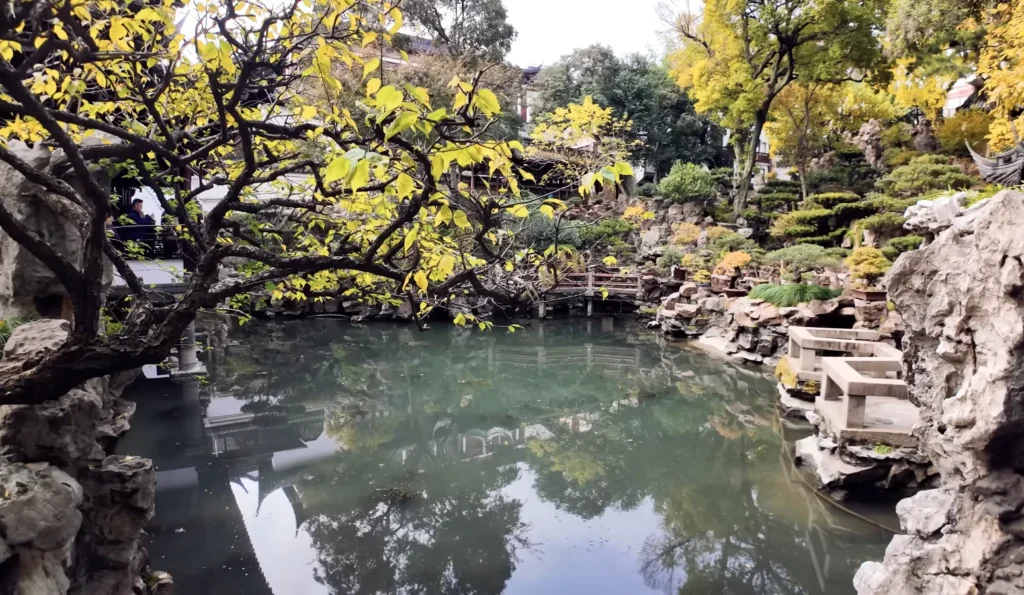
October in Shanghai feels like the city showing off. Those golden leaves in Yu Garden, clear skies that let Pudong towers shine, comfortable temperatures that make walking the Bund actually pleasant instead of endurance exercise.
This is hairy crab season, which transforms restaurant culture citywide. Every seafood vendor becomes crab-obsessed, prices fluctuate daily based on catch quality and locals plan elaborate crab-focused dinners that last hours.

Autumn Food Calendar:
- September: Late summer fruits overlap with early autumn vegetables.
- October: Peak hairy crab season begins.
- November: Persimmons, pomegranates, winter squash arrive.
Hotel prices spike during autumn, especially around Golden Week (first week of October). Book accommodations early or consider staying in nearby cities and taking the high-speed train.
Winter (December-February): Cold, Clear and Uncrowded
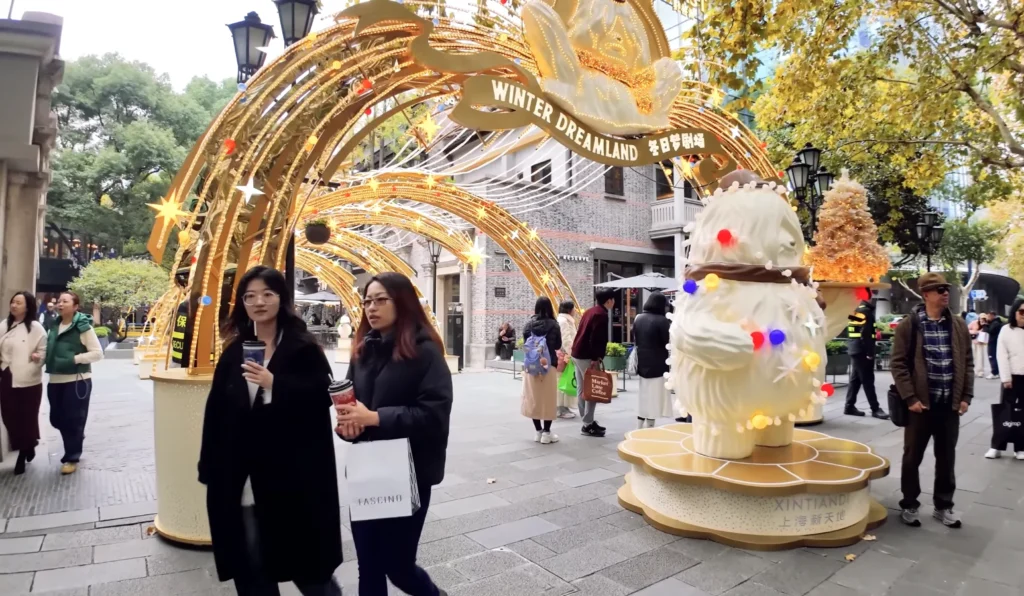
Shanghai winter surprised me with how much I enjoyed it. Yes, it’s cold – January temperatures hover around 5°C (41°F). But crowds disappear, hotel prices drop and you see how locals actually live when tourism pressure lifts.
Winter food culture shifts toward comfort eating. Hot pot restaurants fill up, street vendors focus on warm drinks and hearty soups and everyone discovers the joy of heated shopping malls. I spent a December week here and never felt bored, just differently engaged with the city.
Practical Insights: What I Wish I’d Known Earlier
Transportation Reality Check
Shanghai’s metro system spoils you until you need to get somewhere it doesn’t reach. Those bike-share programs save time and money, but you’ll compete with millions of other users during rush hours. Download the Hellobike app, keep cash for older vendors and always have backup transportation plans.
My Transportation Hierarchy:
- Metro for long distances – Clean, fast, cheap (3-8 yuan per ride).
- Bike-share for exploration – 1.5 yuan per 15 minutes, available everywhere.
- Walking for neighborhoods – Best way to discover unexpected food.
- Taxis as last resort – Expensive, traffic delays, language barriers.
Language and Communication
Translation apps work better than expected, but pointing and gesturing still dominated my food ordering experiences. Learning numbers 1-10 in Mandarin helped more than memorizing food names. Most vendors understand “spicy” and “no spicy” if you use hand gestures.
Food photos became my universal language. Show vendors pictures of what you want and they’ll either nod enthusiastically or direct you to competitors who can deliver.
Money Matters
Shanghai runs on mobile payments (WeChat Pay, Alipay), but cash still matters for street vendors and small markets. Always carry 100-200 yuan in small bills. Many vendors can’t break large notes and mobile payment setup requires Chinese bank accounts for tourists.
International credit cards work in hotels, major restaurants and shopping centers. Street food, local markets and small shops remain cash-only territories.