
The first thing that hits you when you step out into Stone Town isn’t the heat it’s the density of history. There’s a hum in the air, a kind of buzz soaked into the coral stone walls and narrow, winding alleyways. My driver, a soft-spoken guy named Yusuf, weaved through streets so tight I could’ve reached out and touched the buildings on either side.
Let me be real here: Stone Town isn’t polished and that’s the point. It’s alive. The air is thick with spices and sea breeze. One moment you’re dodging a motorbike, the next you’re brushing past a carved wooden door with brass studs, each one with a century of stories locked behind it.
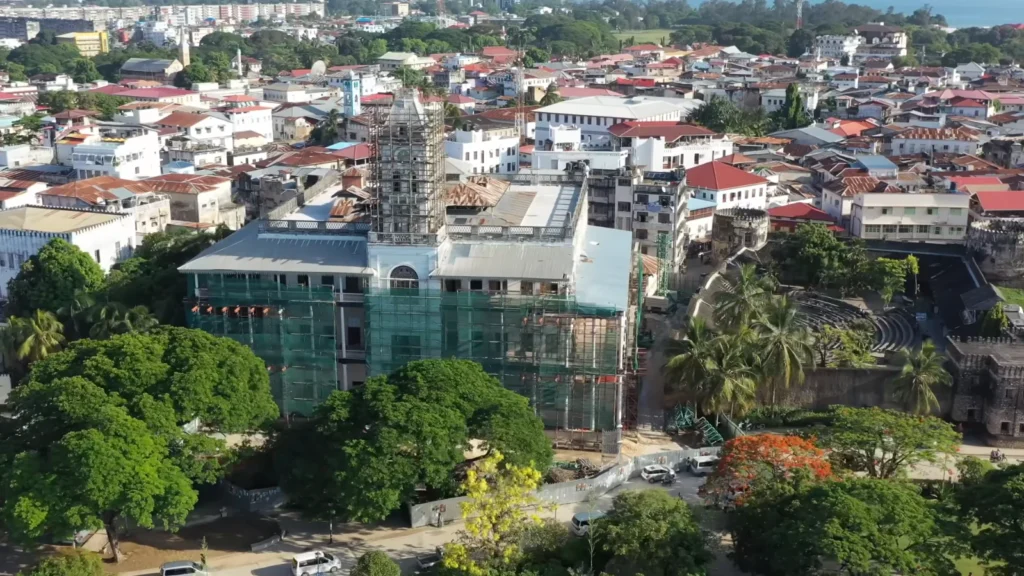
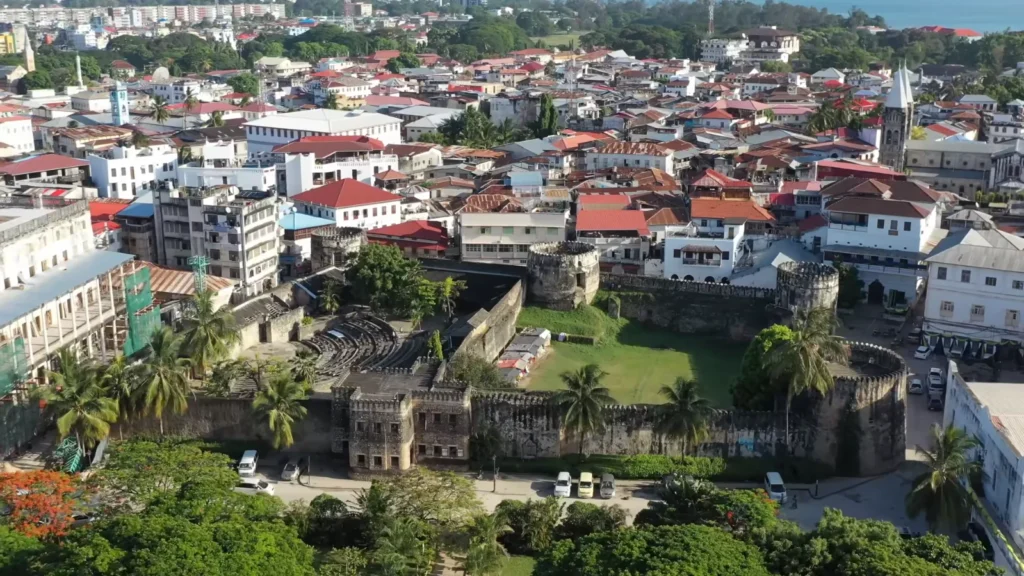
We passed by Beit al-Ajaib, the House of Wonders, which was under scaffolding (still recovering from a partial collapse a few years ago). But the real marvel? That view of the Old Fort just next to it. Locals chatting under palm trees, kids doing cartwheels in the open courtyard it’s less about the monument, more about the life around it.
Spice Trails and Clove Trees: Getting Dirt Under My Fingernails
Zanzibar’s nickname isn’t for show. They call it The Spice Island and once you’ve walked through a spice farm with clove oil staining your hands, you get why.
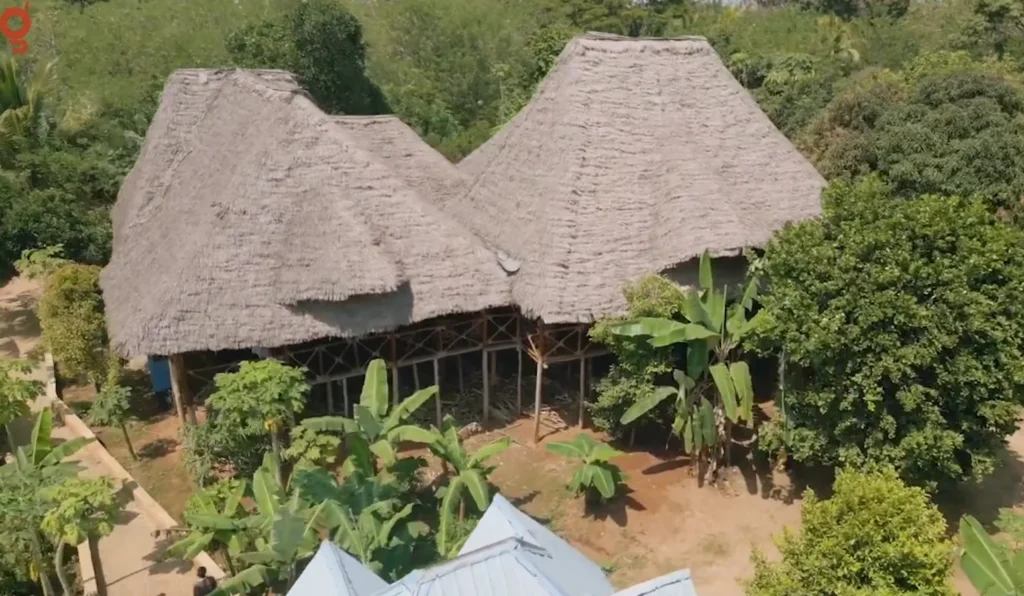
I visited a spice plantation just outside Stone Town nothing fancy. Wooden signs, banana trees, no paved paths. My guide, Salim, picked up a leaf and crushed it between his fingers. “Smell this?” It hit me like a punch cinnamon bark, fresh and raw. He handed me nutmeg still in it’s shell, like some secret treasure.
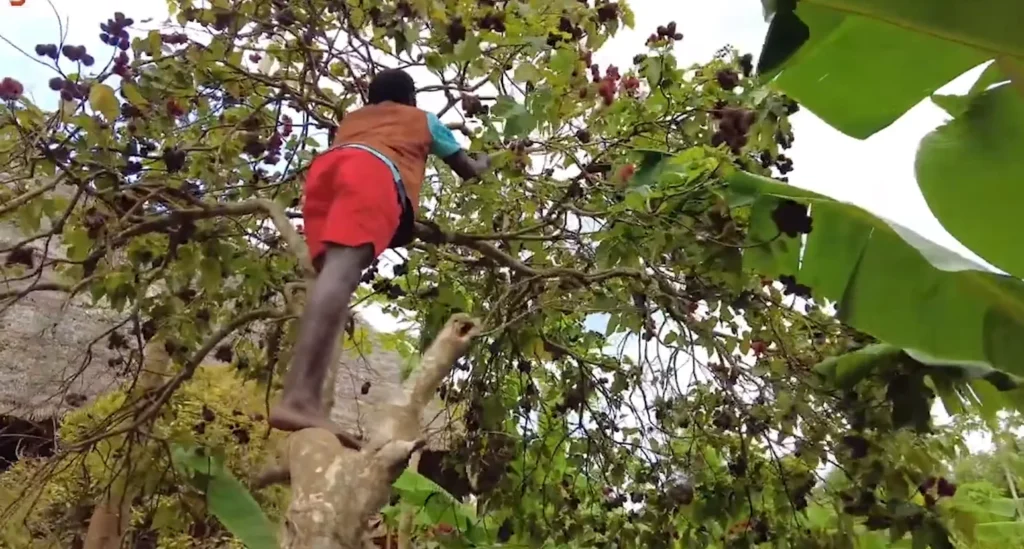
Then I saw a kid scaling a tree barefoot grinning, fearless. He was up there picking annatto seeds, red as rust. This wasn’t staged. This was daily life. These spices aren’t just for show they’re economy, culture, identity.
Highlights from the spice farm tour:
- Clove trees in full bloom.
- Taste test of fresh turmeric root.
- Natural lipstick made from annatto (yup, I tried it).
- A full Zanzibari lunch under a thatched roof.
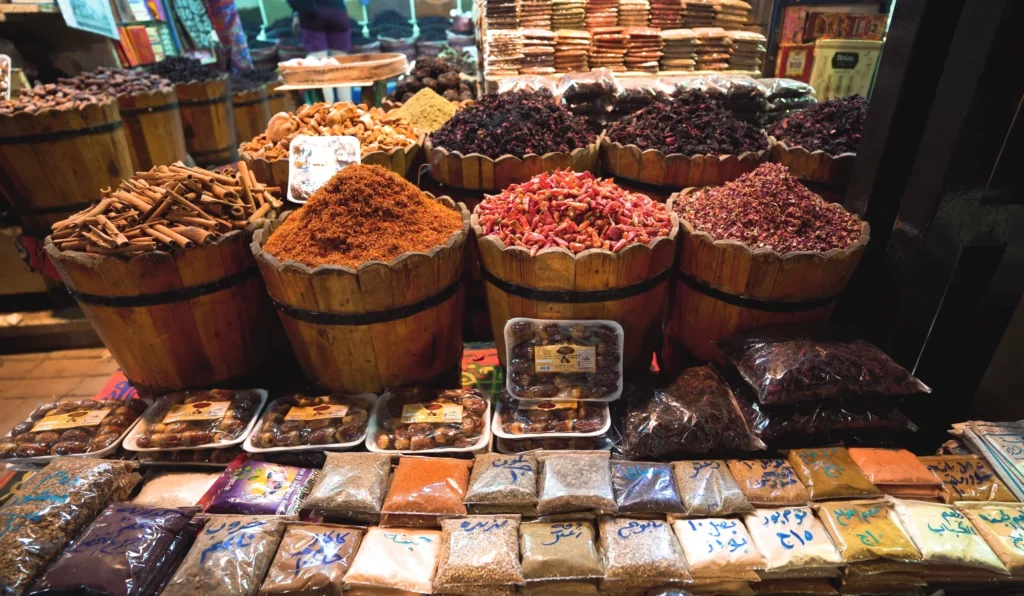
Side Note: Want to bring the aroma home?
Here’s a quick cheat sheet I made for shopping at local spice stalls like Darajani Market.
| Spice | Local Use | What to Look For |
| Clove | Perfumes, pain relief | Strong aroma, dark brown buds |
| Cardamom | Chai tea, desserts | Pale green pods, not dried out |
| Cinnamon | Curries, sweets | Bark rolled like cigars |
| Annatto | Natural dye, flavoring | Red seeds, earthy smell |
Walking the Maze: Markets, Doors & Unexpected Lessons
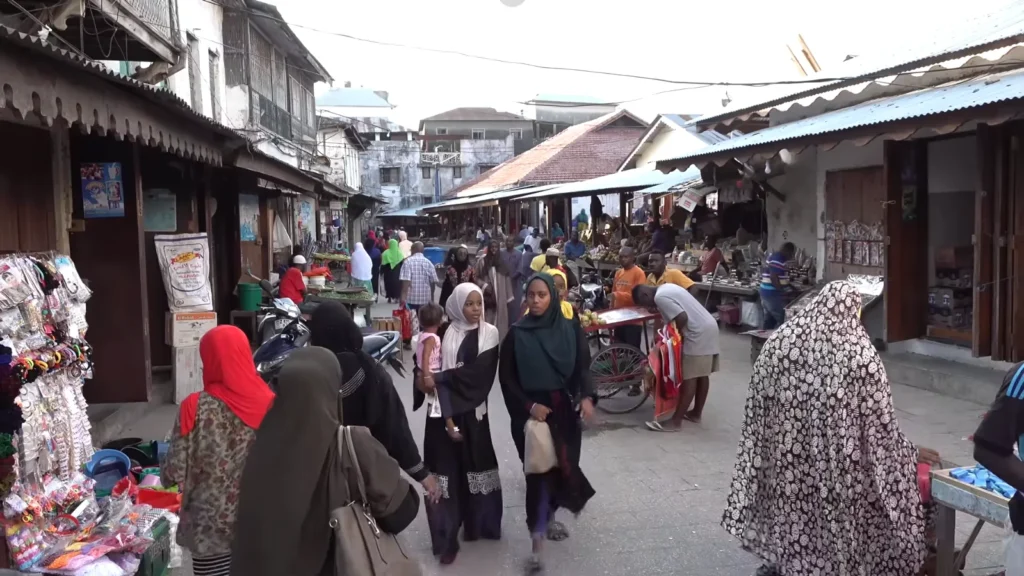
If you think Stone Town is charming from a distance, try getting lost in it. I don’t mean that metaphorically, I actually got lost. No map, no GPS, just followed my nose and ears until the roads forgot where they were going.
That’s how I ended up at Darajani Market, a beast of a bazaar where locals buy everything from fish still flapping to plastic sandals and handwoven mats. The spice section is a rainbow explosion giant barrels of saffron, piles of dried chilies and the smell of clove so strong it lingers in your throat.
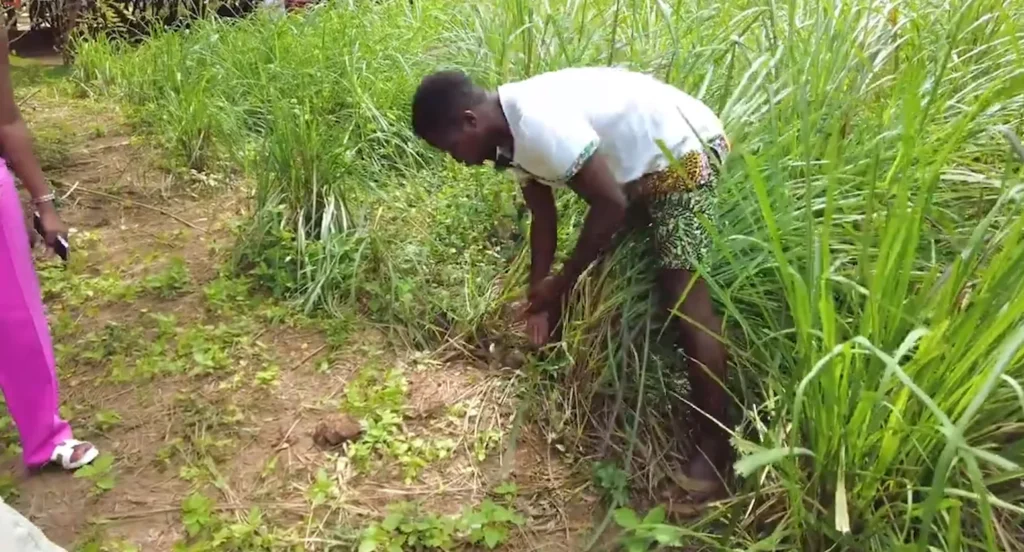
A man tried to sell me a bundle of lemongrass by calling it “Zanzibari Viagra.” I didn’t ask questions.
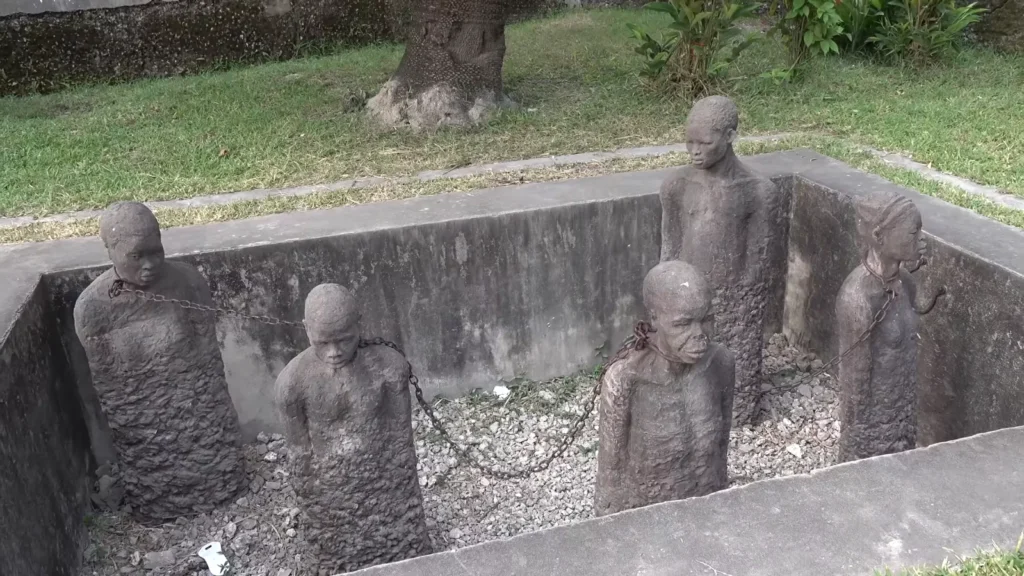
Later, I ducked into the Old Slave Market site. It’s sobering there’s a tiny underground chamber with barely enough room to stand. And yet, this place was packed wall-to-wall with humans in shackles not that long ago. You walk out different.
Coastal Bliss: Nungwi & Kendwa – Salt in My Beard, Sand in My Shoes
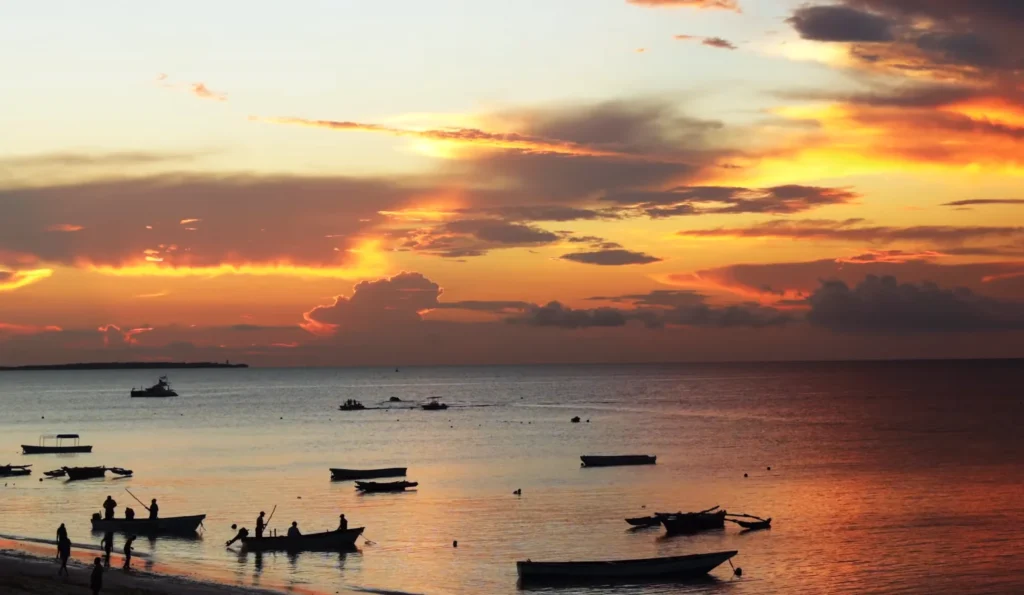
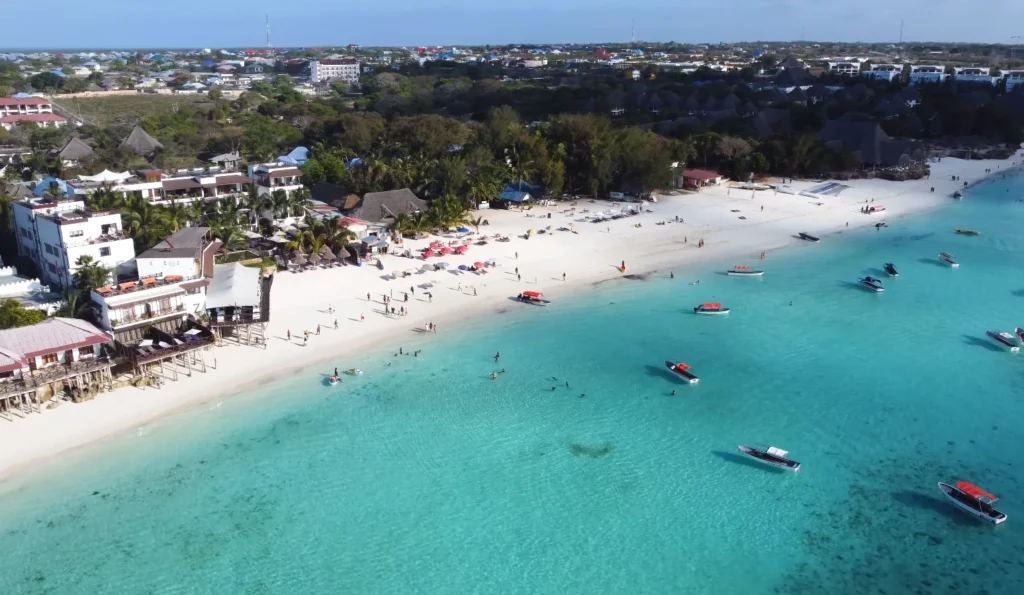

Zanzibar has two speeds: Stone Town’s steady heartbeat and then this Nungwi and Kendwa, where time spills like warm coconut milk. I booked a local driver, tossed my bag in the back and hit the road north. Took about 1.5 hours, but who’s counting when you’ve got sugarcane fields, rusted bike taxis and rogue goats along the way?
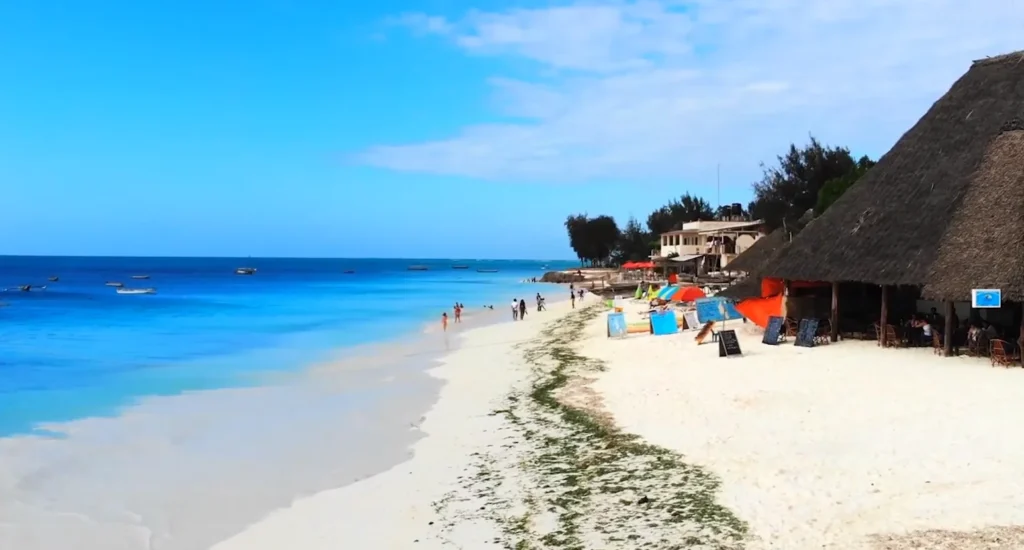
First stop was Nungwi Beach picture-perfect, but not in the filtered Instagram way. I mean raw white sand, dhows bobbing like shadows and fishermen weaving nets under palms.
What struck me wasn’t the view it was the life happening around it.
- Two boys were building a sand fort using old cooking pots.
- A Masai man in red robes sold handmade beaded bracelets under a mango tree.
- Someone was blasting Bongo Flava on a Bluetooth speaker tied to a coconut.
That’s Nungwi. It’s messy and magical.
I stayed long enough to catch sunset in Kendwa, just 15 minutes down the beach. And I swear the sun melted. There’s no other way to put it. The horizon caught fire and the sky blushed for a full hour.
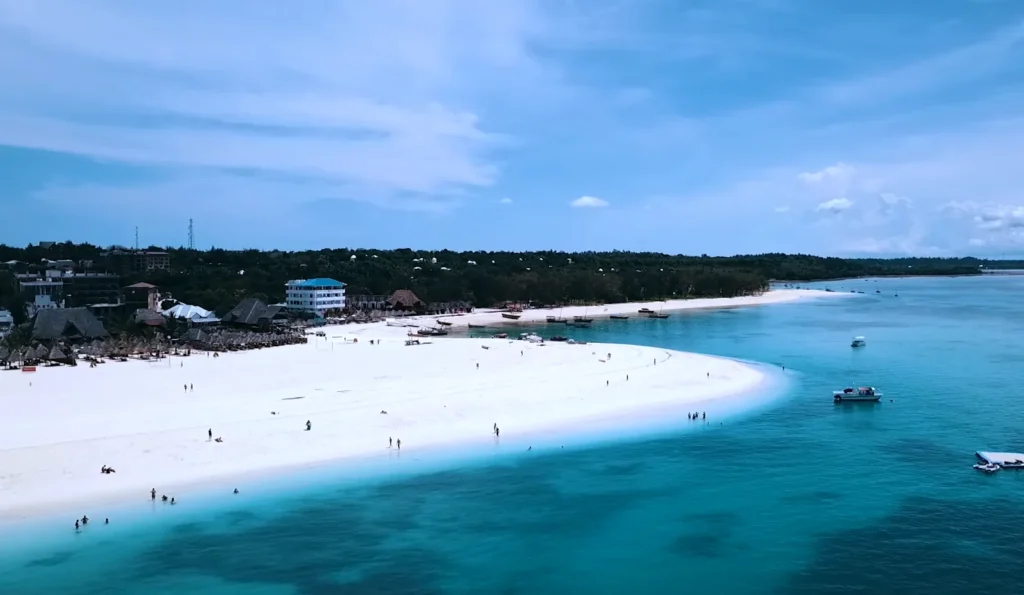


Quick Breakdown: Nungwi vs. Kendwa
| Feature | Nungwi | Kendwa |
| Vibe | Bustling, local, authentic | Chill, upscale, resort-heavy |
| Best For | Fishing boats, culture, sunsets | Swimming all day, no tides |
| Food Scene | Beach grills, local vendors | Beachfront cafés, cocktails |
| Must-Do | Visit boat-making yards | Sunset walk + fire dancers |
Seafood Feasts & Forodhani Nights: Eating Like a Local
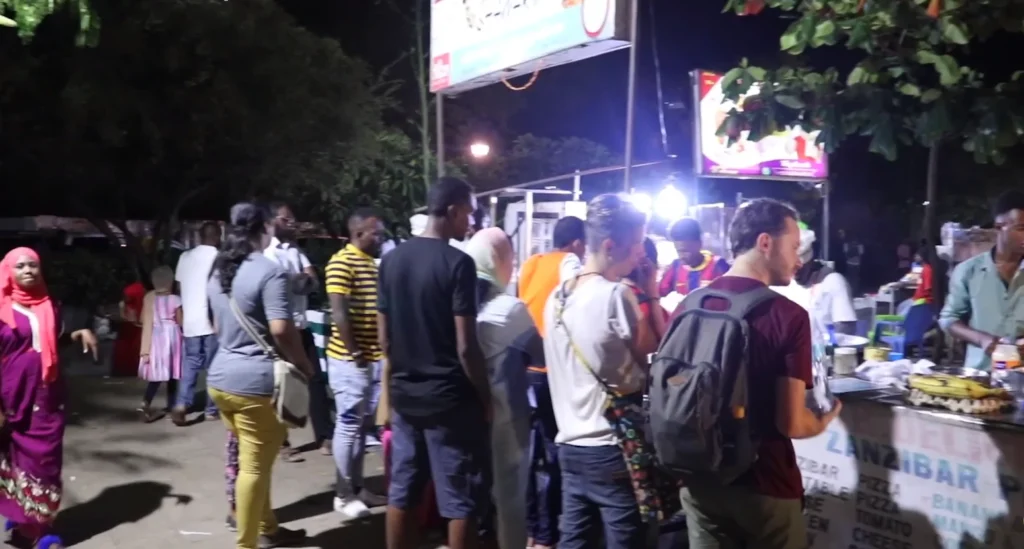
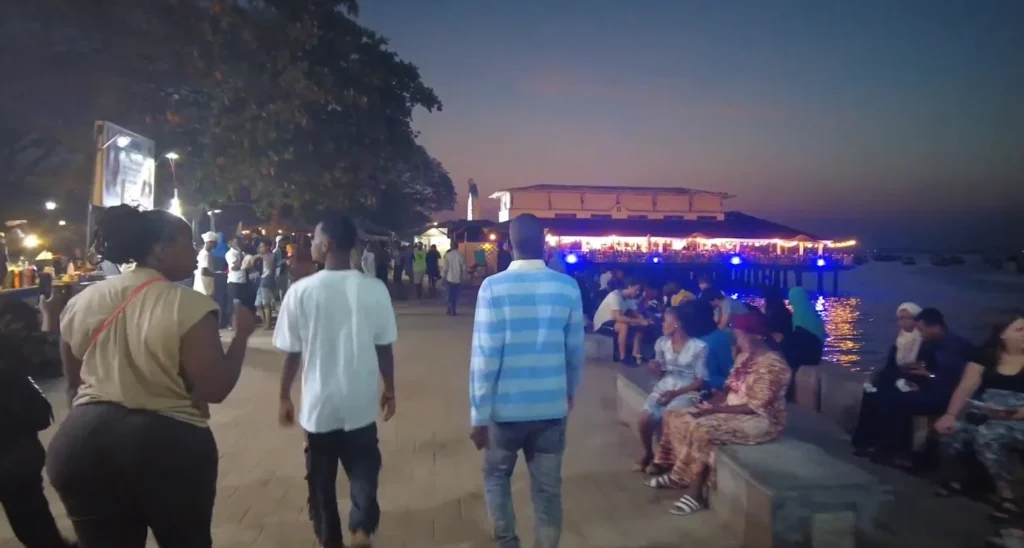
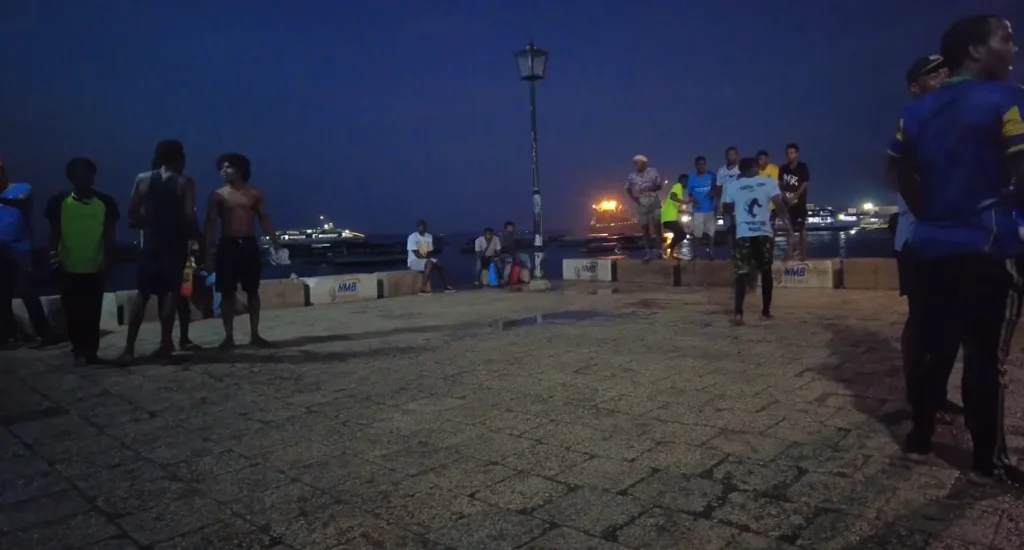
So here’s the deal: if you leave Zanzibar without eating at Forodhani Gardens, did you even go?
Back in Stone Town for a final night, I followed the crowd just after sundown to the waterfront. Picture a square lined with smoky grills, twinkly lights and local teens doing backflips off the seawall like it’s a normal Tuesday.
This place wakes up at night.
A guy handed me a Zanzibar pizza stuffed with minced beef, egg and gooey cheese. It wasn’t pizza. It was magic wrapped in dough.
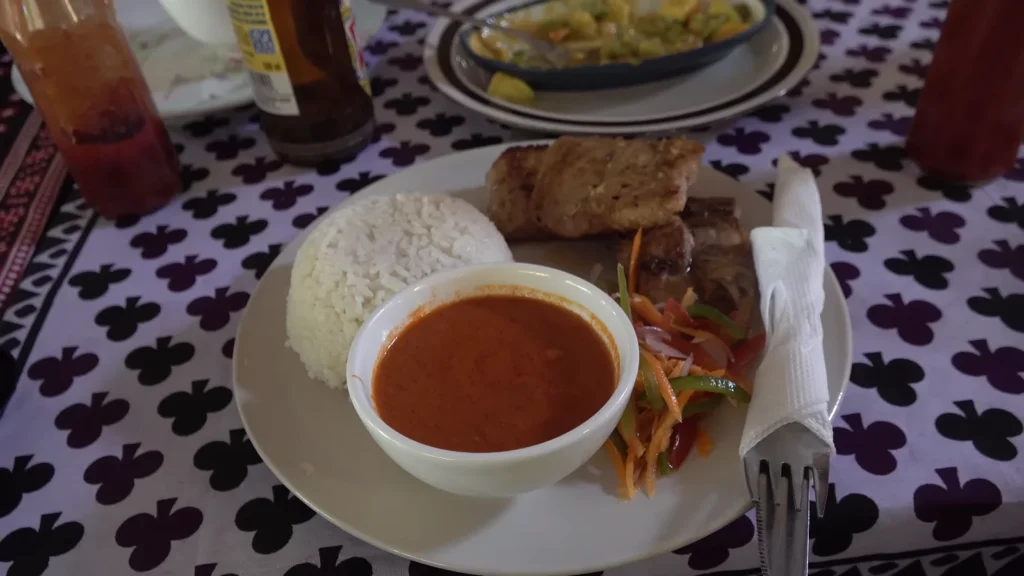
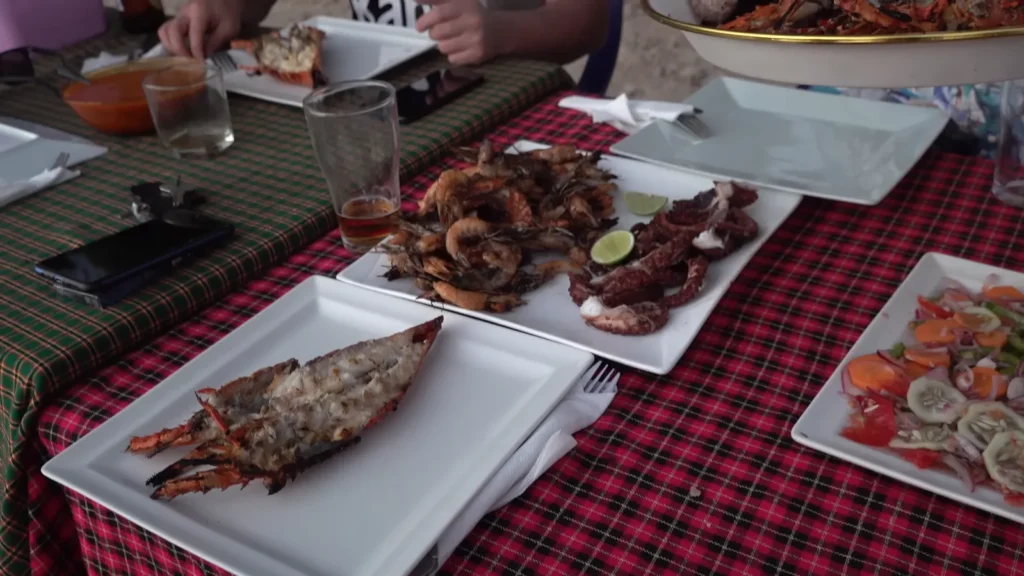
Then came the seafood skewers calamari, octopus, prawns all cooked right in front of me, slapped on a grill, brushed with a garlic glaze and served with lemon and chili. Everything costs a few thousand shillings (like $2-$4) and no one rushes you.
Zanzibar Street Food Checklist:
- Urojo Soup – tangy soup loaded with bhajias, potatoes, boiled eggs and coconut chutney.
- Zanzibar Pizza – greasy, glorious, more of a stuffed omelette than pizza.
- Mishkaki – Swahili skewers, marinated meat grilled on open flame.
- Sugarcane Juice – pressed right in front of you, fresh and minty.
- Octopus Curry – tender, spicy, coconut-heavy and unforgettable.
Into the Wild: Jozani Forest & the Red Colobus Stare-Down
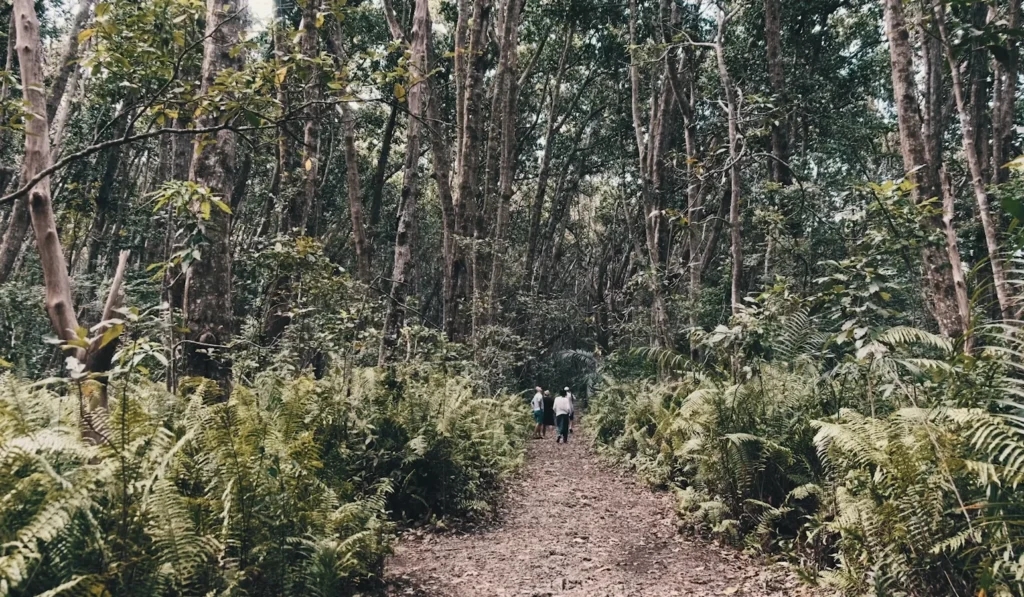
Let’s talk green.
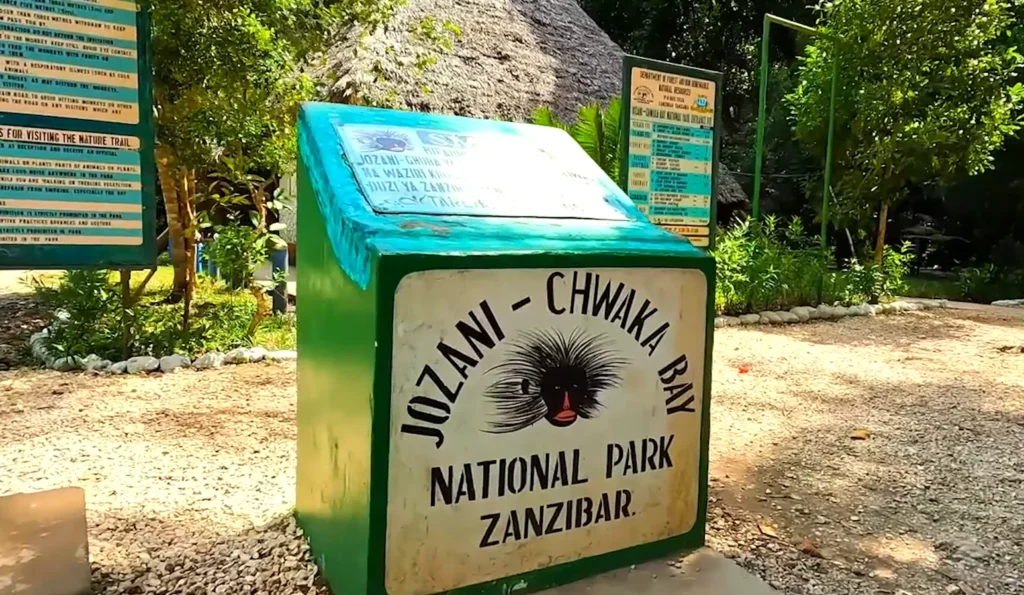
Not beach green. Not tourist-brochure green. I mean real, breathing forest. I’m talking about Jozani-Chwaka Bay National Park, smack in the center of Zanzibar. It’s where the island drops the coastal postcard act and gets feral.

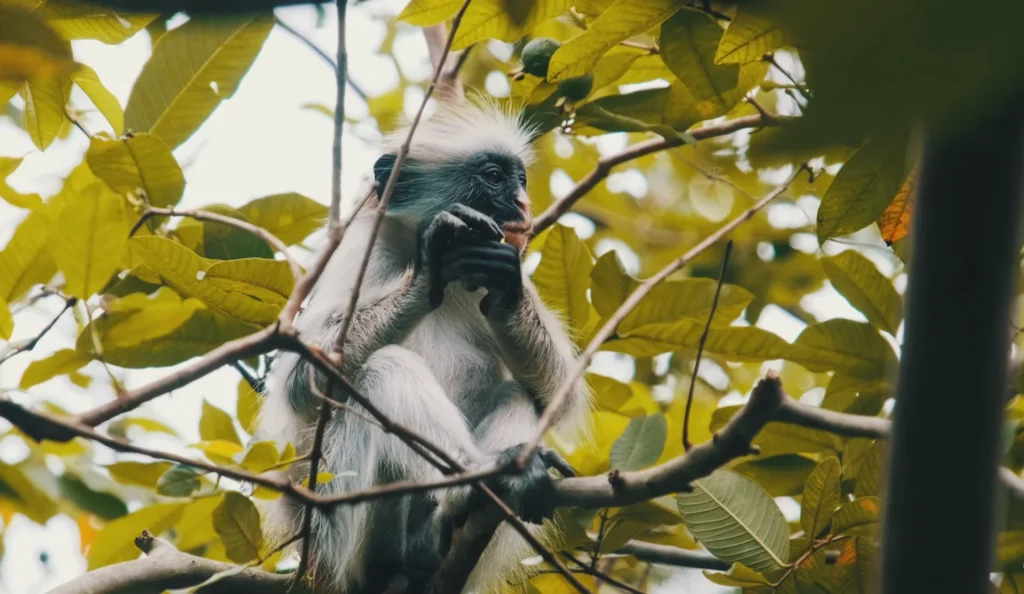
The draw? The Red Colobus monkeys. Endangered, endemic and… oddly human.
I joined a short guided walk through the park’s lush canopy with an older ranger named Hamadi. He knew every tree like it was family. Pointed out medicinal bark, snake holes (uh, thanks?) and ancient mahoganies that twisted like giants holding up the sky.
And then I saw them.
A small troop of red colobus monkeys fluffy, mohawked, judgy. One locked eyes with me from a branch. He wasn’t afraid. If anything, he looked like he was evaluating my fashion sense. Or lack thereof.
What to Expect at Jozani:
- Short hikes on raised boardwalks.
- Coastal mangrove forests (wear decent shoes).
- Incredible birdwatching, especially early morning.
- Monkeys everywhere but no touching, obviously.
Mnemba Atoll: Saltwater Dreams & Coral Palaces
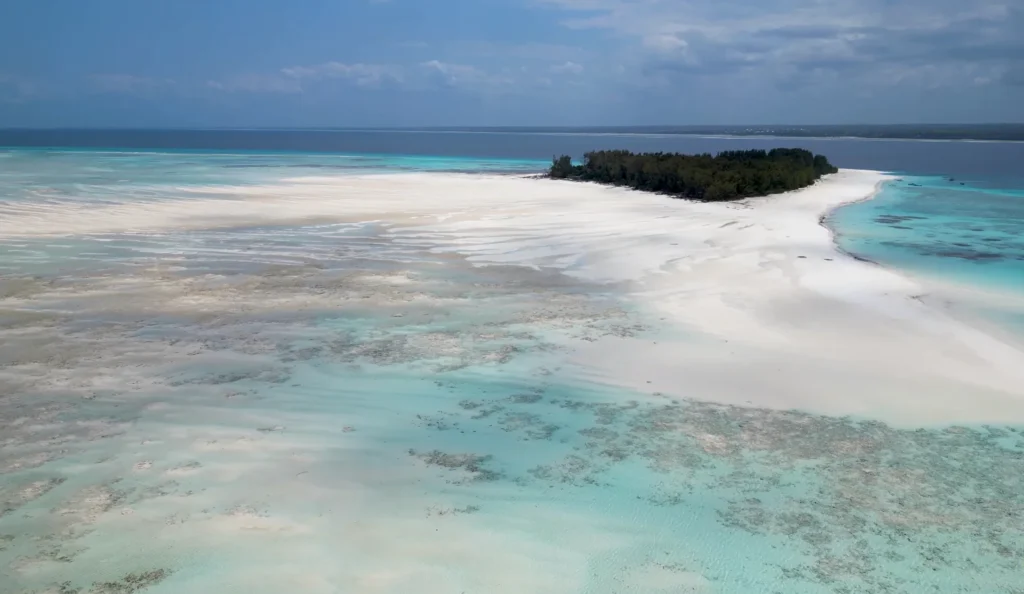

If you want to know what it’s like to snorkel in a bathtub full of tropical fish, book a trip to Mnemba Atoll. No exaggeration.
We left from Matemwe early morning on a tiny dhow, engines humming like a distant mosquito. After an hour of open water, we anchored near the marine reserve no land in sight except the curve of Mnemba Island, which you can’t set foot on (it’s private, go figure).
I slid into the water and boom. Neon fish. Coral castles. Absolute silence.
I floated above a reef buzzing with clownfish, parrotfish and the occasional eel peeking out like an awkward party guest. The visibility? Easily 25 meters. Sunbeams danced through the water like some Pixar filter.
We surfaced to pineapple slices and laughter, the kind that only salt water can loosen out of you.

- Zanzibar Pizza – greasy, glorious, more of a stuffed omelette than pizza
- Mishkaki – Swahili skewers, marinated meat grilled on open flame
- Sugarcane Juice – pressed right in front of you, fresh and minty
- Octopus Curry – tender, spicy, coconut-heavy and unforgettable
What Stuck With Me?
Zanzibar didn’t blow my mind. That would be too simple.
It unwound me.
Somewhere between floating over Mnemba’s coral gardens, biting into grilled octopus at Forodhani and locking eyes with a red colobus monkey… something shifted. I wasn’t just a traveler ticking off highlights, I was inside the rhythm of the place.
It was heat and slowness, mango juice dribbling down my chin, kids laughing in a language I barely understood, the echo of prayers at dusk.